
How Ancient Indian Art Forms Inspired the Renaissance in Europe

Welcome to Ancient India History, where we embark on a fascinating journey through the vibrant tapestry of ancient civilizations. Here, we delve into the profound influence of Ancient Indian art on Europe, revealing how these timeless masterpieces sparked a creative renaissance that reshaped the cultural landscape of the West. What secrets lie within the brushstrokes of ancient artisans? Join us as we explore the intricate connections and exchanges that bridged continents, igniting curiosity and inspiring generations. Ready to uncover the remarkable legacy of Indian artistry? Let’s dive in!
- Introduction to Ancient Indian Art and Its Global Influence
- The Historical Context of Ancient Indian Art
- The Impact of Ancient Indian Art on European Renaissance
- Key Elements of Ancient Indian Art That Inspired European Artists
- Notable Examples of Ancient Indian Art Influence in Renaissance Works
- Conclusion: The Legacy of Ancient Indian Art on European Culture
-
Frequently Asked Questions
- What is the significance of Ancient Indian art in the context of European Renaissance?
- How did trade routes contribute to the influence of Ancient Indian art on Europe?
- What are some specific art forms from Ancient India that impacted Europe?
- Were there any notable European artists influenced by Ancient Indian art?
- How does the cultural exchange between India and Europe reflect in art?
- Final Reflection: The Enduring Legacy of Ancient Indian Art on European Renaissance
- Unleash Your Creativity: Embrace the Inspirations of Ancient Art!
Introduction to Ancient Indian Art and Its Global Influence
Ancient Indian art, deeply rooted in a rich tapestry of culture and tradition, has left an indelible mark on various global artistic movements, most notably the Renaissance in Europe. Spanning thousands of years, from the sophisticated urban planning of the Indus Valley Civilization to the intricate sculptures of the Gupta Empire, ancient Indian art encompasses a diverse range of forms, techniques, and themes that reflect the spiritual and philosophical ethos of its time.
The influence of these art forms reached far beyond the subcontinent, contributing to a remarkable exchange of ideas and aesthetics that shaped the artistic landscape of Europe during the Renaissance. Understanding how ancient Indian art influenced Europe not only highlights the interconnectedness of cultures but also enriches our appreciation of the dynamic dialogues that have taken place throughout history.
Overview of Ancient Indian Art Forms
Ancient India boasts a plethora of art forms that vary significantly across regions and eras. Some of the most notable include:
- Sculpture: Renowned for their intricate detail, sculptures from ancient India often depicted deities, mythological figures, and daily life scenes. The Gandhara school, for example, combined local styles with Hellenistic influences, resulting in a unique fusion that later impacted European art.
- Painting: The murals of Ajanta and Ellora caves, with their vibrant colors and elaborate narratives, showcase storytelling through art. These works not only serve as historical records but also reveal the aesthetic values of the time.
- Textiles: Indian textiles, particularly those dyed with natural colors and decorated with intricate patterns, have been highly sought after. The craftsmanship in weaving and dyeing influenced textile designs in Europe.
- Architecture: The grandeur of ancient Indian architecture, exemplified by temples like those in Khajuraho and Hampi, reflects advanced engineering and artistic skills. These structures inspired European architects seeking to revive classical styles.
These art forms not only highlight the aesthetic values of ancient Indian civilization but also served as vessels for cultural narratives that traversed continents.
Significance of Ancient Indian Art in Cultural Exchanges
The significance of ancient Indian art in cultural exchanges can be seen through various lenses:
- Trade Routes: The Silk Road and maritime trade routes facilitated the exchange of art and ideas between India and Europe. Indian art and aesthetics made their way to the Mediterranean and beyond, influencing local styles and practices.
- Philosophical Ideas: The spiritual and philosophical themes depicted in Indian art resonated with European thinkers, particularly during the Renaissance. Concepts of beauty, harmony, and the human experience found a common ground, enriching both artistic traditions.
- Symbolism and Iconography: The use of symbolism in ancient Indian art has had a profound impact on European artists. The depiction of love, life, and spirituality in Indian art provided new motifs and themes that were embraced by Renaissance painters.
- Cross-Cultural Collaborations: The exchange was not one-sided; European artists who traveled to India or interacted with Indian artisans often incorporated Indian motifs and styles into their works, leading to a rich syncretism that characterized the art of the period.
The intricate interplay between ancient Indian art and European artistic movements underscores the significance of cultural exchanges throughout history. As we delve deeper into this fascinating topic, we will uncover the specific ways in which ancient Indian art influenced the Renaissance and shaped the future of European art.
The Historical Context of Ancient Indian Art
Ancient Indian art is not merely a reflection of aesthetic endeavors; it encapsulates the profound spiritual, social, and cultural ethos of its time. Spanning thousands of years, from the early Indus Valley Civilization (c. 3300–1300 BCE) to the Gupta Empire (c. 320–550 CE), Indian art evolved significantly, influenced by various religious and philosophical ideologies, trade relations, and intercultural exchanges. This historical context is crucial for understanding how ancient Indian art forms laid the groundwork for later artistic expressions, including those that would inspire the Renaissance in Europe.
The art of ancient India was deeply intertwined with religion, with Hinduism, Buddhism, and Jainism playing pivotal roles in shaping artistic themes and practices. Temples, sculptures, frescoes, and textiles not only served as artistic expressions but also as vehicles for religious narratives and societal values. Notably, the intricate craftsmanship of artisans was often tied to guild systems, which fostered both innovation and the preservation of traditional techniques. This context of communal and religious significance provides a backdrop against which we can explore major art movements and their unique characteristics.
Major Art Movements in Ancient India
- Indus Valley Civilization Art (c. 3300–1300 BCE)
- Terracotta Figurines: Small, detailed sculptures often depicting animals and human figures, showcasing early artistic talent.
- Seals: Engraved with intricate designs, often depicting deities or animals, these seals served both practical and ceremonial purposes.
- Urban Planning: The layout of cities like Harappa and Mohenjo-Daro reflects aesthetic sensibility, with public baths and granaries demonstrating a blend of functionality and artistry.
- Maurya Period Art (c. 322–185 BCE)
- Ashoka's Pillars: Massive stone pillars inscribed with edicts and adorned with intricate carvings, reflecting the Mauryan emphasis on governance and morality.
- Rock-Cut Caves: Architectural marvels such as the Barabar Caves, which demonstrate early Buddhist influences and artistic innovation.
- Gupta Period Art (c. 320–550 CE)
- Sculpture and Iconography: The Gupta era is renowned for its exquisite stone sculptures, particularly of Hindu deities, showcasing a transition towards more naturalistic forms.
- Frescoes: Vibrant wall paintings, especially in Ajanta Caves, illustrate narrative art and religious themes, reflecting the sophistication of Gupta artistic expression.
Key Characteristics of Indian Art from the Indus Valley to the Gupta Empire
Ancient Indian art is characterized by several distinct features that not only reflect the evolution of artistic techniques but also convey deeper philosophical and cultural meanings.
- Religious Symbolism: Artworks often embody religious significance, depicting deities, mythical narratives, and moral teachings. For instance, sculptures of Buddha emphasize tranquility and enlightenment, while Hindu art focuses on the cosmic aspects of divinity.
- Naturalism and Abstraction: While early art from the Indus Valley exhibits a level of abstraction, later periods, particularly during the Gupta Empire, saw a shift towards naturalism. Sculptures began to represent human figures with more realism, showcasing intricate details of attire and posture.
- Material Diversity: Ancient Indian artists utilized a variety of materials, including stone, metal, terracotta, and textiles. The choice of medium often influenced the style and technique employed, leading to innovations in sculpture and painting.
- Regional Variations: As different regions developed their artistic styles, the art of ancient India became a tapestry of diverse influences. For instance, the art in the southern parts of India, like that found in Tamil Nadu, differs significantly from the northern styles, showcasing local traditions and histories.
- Techniques and Crafts: Artisans employed advanced techniques, including chiseling, carving, and painting, often passed down through generations. The guild system played a crucial role in preserving these techniques, ensuring quality and continuity in craftsmanship.
The exploration of ancient Indian art, from the Indus Valley to the Gupta Empire, reveals a rich tapestry of cultural and artistic expression. This foundation not only enriched the local civilizations but also paved the way for future artistic exchanges, influencing movements like the Renaissance in Europe. Understanding these characteristics is essential to appreciate how ancient Indian art influenced Europe, fostering a dialogue between cultures that transcended geographical boundaries.
The Impact of Ancient Indian Art on European Renaissance
The intersection of ancient Indian art and the European Renaissance is a fascinating study of cultural exchange and artistic evolution. During the Renaissance, Europe experienced a resurgence of interest in classical antiquity, which was paralleled by an openness to influences from distant cultures, including those of ancient India. This cross-pollination of ideas, styles, and techniques resulted in a rich tapestry of artistic innovation, showcasing how ancient Indian art influenced Europe in profound ways.
How Ancient Indian Art Influenced European Artistic Techniques
Ancient Indian art, characterized by its intricate designs, vivid colors, and spiritual themes, had a significant impact on European artistic techniques during the Renaissance. The use of perspective, for instance, can be traced back to earlier Indian works where spatial representation was skillfully employed. Indian miniatures often depicted depth and dimension in a unique manner, which inspired European artists to explore similar techniques.
-
Color and Symbolism
The vibrant colors used in ancient Indian art, particularly in textiles and paintings, were rich in symbolism. Artists like Raphael and Titian were influenced by the chromatic brilliance seen in Indian works. The introduction of new pigments and techniques for dyeing fabrics enriched the color palette available to European artists, leading to more expressive works.
-
Themes and Subjects
Ancient Indian art often revolved around mythological and religious themes, which found resonance in the works of European masters. The portrayal of deities and mythical creatures in Indian sculptures and paintings encouraged European artists to explore similar themes through their lenses, resulting in a fusion of styles.
-
Textural Techniques
The detailed textures present in Indian carvings and sculptures influenced European sculptors to experiment with their techniques. The intricate carvings found in temples and monuments in India inspired a new level of craftsmanship, leading to works that celebrated both the divine and the human form in nuanced ways.
The Flow of Ideas: Trade Routes and Cultural Exchanges
The exchange of ideas between ancient India and Europe was significantly facilitated by established trade routes. These routes not only allowed for the movement of goods but also served as conduits for cultural and artistic ideas.
-
Silk Road
The Silk Road was a crucial network that connected the East and West. Through this route, Indian artisans exported their crafts, including textiles and decorative objects, which caught the attention of European merchants and artists. The intricate designs and motifs from Indian art found their way into European decorative arts, influencing styles in ceramics and tapestries.
-
Maritime Trade
Indian maritime trade routes linked coastal cities with European ports, creating opportunities for cultural exchanges. The arrival of Indian textiles and art pieces in Mediterranean markets introduced European artists to new aesthetic concepts. This cross-cultural dialogue spurred an interest in exotic themes and styles, which became prominent during the Renaissance.
-
Cultural Syncretism
The blending of Indian and European artistic traditions can be seen in various works from the Renaissance period. This syncretism not only enriched the artistic landscape of Europe but also highlighted the complexities of cultural interactions. Artists began to integrate Indian elements into their work, leading to a unique form of expression that celebrated diversity.
The influence of ancient Indian art on Europe during the Renaissance exemplifies how cultural exchanges can transform artistic practices. By exploring the intricate interplay between these two diverse cultures, we gain a deeper appreciation for the ways in which art transcends geographical boundaries and inspires innovation.
Key Elements of Ancient Indian Art That Inspired European Artists
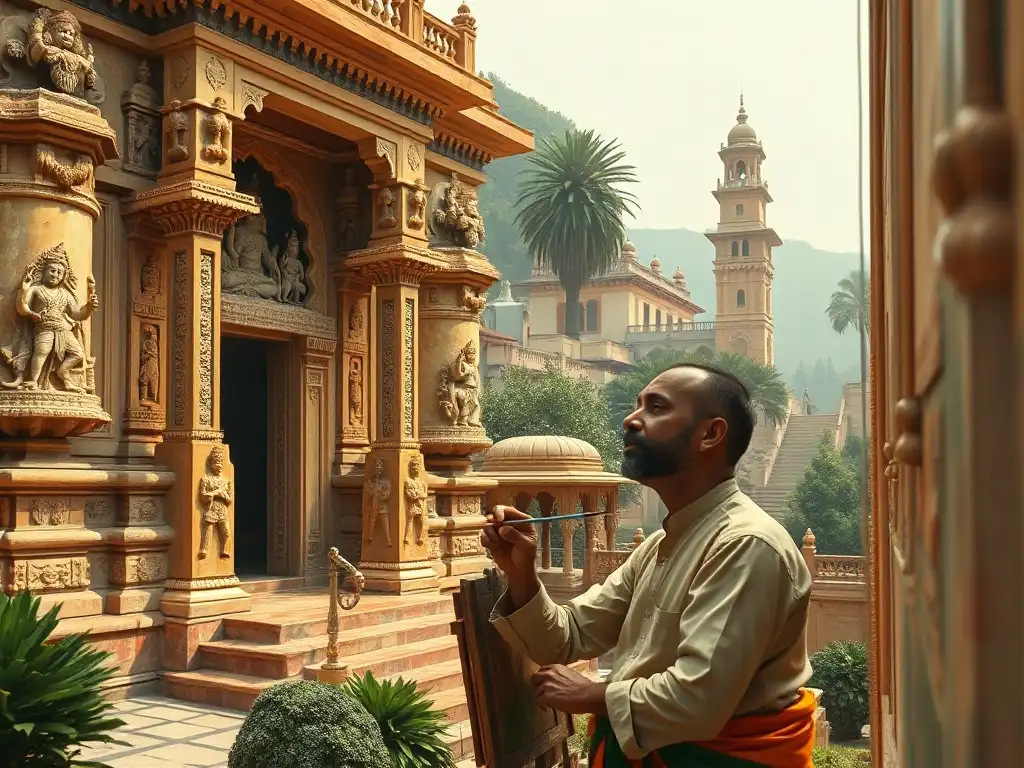
Ancient Indian art is characterized by its profound symbolism, vibrant colors, and innovative architectural techniques, all of which exerted a significant influence on European artists during the Renaissance. This section explores the key elements of ancient Indian art that inspired and shaped European aesthetics and architectural styles.
Use of Symbolism in Ancient Indian Art
Symbolism is a hallmark of ancient Indian art, where every motif and color carries a deeper meaning. This richness in symbolism can be seen in various art forms, including sculptures, paintings, and textiles.
- Religious Significance: Many artworks depicted deities and spiritual narratives, often representing concepts like dharma (duty) and karma (action). For instance, the intricate carvings found in temples often illustrated stories from Hindu epics such as the Mahabharata and Ramayana, emphasizing moral lessons that resonate with European themes of virtue and morality.
- Nature and Elements: Nature played a crucial role in Indian art. Artists utilized symbols like the lotus to represent purity and enlightenment, while the peacock often symbolized beauty and grace. These elements inspired European artists to explore similar themes, leading to the incorporation of allegorical representations in their works.
- Geometry and Patterns: The use of geometric patterns in Indian art, particularly in mandalas and textiles, influenced European artists in their quest for symmetry and balance. The intricate designs found in Indian art encouraged European painters to experiment with complex patterns, enhancing their visual storytelling.
Color and Composition: Techniques that Shaped European Aesthetics
Color and composition in ancient Indian art are notable for their vibrancy and emotional depth, which significantly impacted European artistic practices.
- Vibrant Color Palettes: Ancient Indian artists employed a wide range of colors derived from natural materials, creating vibrant hues that conveyed different moods and emotions. For example, the use of reds and golds often symbolized vitality and divinity, while blues represented serenity. This bold use of color inspired European artists, leading to the use of rich palettes in works of the Renaissance, such as those by Titian and Raphael.
- Layering Techniques: Indian artists mastered the technique of layering colors to achieve depth and luminosity. This method influenced European painters, prompting them to adopt similar techniques to enhance the realism of their works. The application of glazes and the use of light and shadow became pivotal in the development of European painting styles.
- Dynamic Composition: The dynamic arrangements in Indian art, characterized by a sense of movement and flow, inspired European artists to break away from static representations. This can be seen in the works of artists like Michelangelo, who incorporated a sense of action and drama that echoes the dynamic poses of figures found in Indian sculptures.
Architectural Innovations: Temples and Their Influence on European Structures
The architectural innovations of ancient Indian temples not only reflect the cultural and spiritual ethos of the time but also provided a framework that influenced European architecture.
- Intricate Carvings and Reliefs: The elaborate carvings and intricate relief work on Indian temples showcased a high level of craftsmanship. These elements inspired Gothic architecture in Europe, where similar decorative techniques were used to embellish cathedrals and castles.
- Sacred Geometry: Indian temple architecture is grounded in sacred geometry, with precise measurements and alignments that reflect cosmic principles. This understanding of geometry inspired European architects, who began to incorporate these principles into the design of their structures, leading to a more harmonious and balanced architectural style.
- Pilgrimage Routes and Complexes: The layout of temple complexes in ancient India, designed to accommodate large numbers of pilgrims, offered a model for European religious structures. The concept of creating vast, open spaces for congregational worship was adapted in the design of cathedrals, influencing how European societies approached communal worship.
By examining these key elements of ancient Indian art, we can appreciate how they not only enriched the cultural landscape of India but also left an indelible mark on European artistic and architectural endeavors during the Renaissance.
Notable Examples of Ancient Indian Art Influence in Renaissance Works
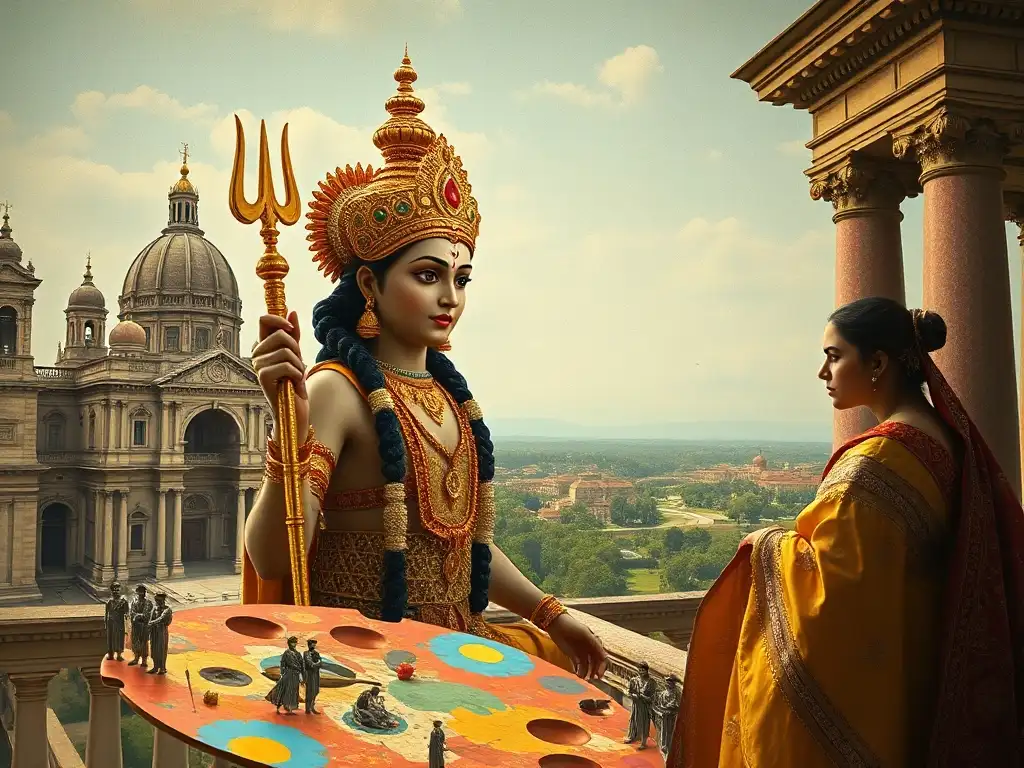
Case Study: Indian Motifs in Renaissance Paintings
The Renaissance period in Europe was characterized by a revival of classical learning and an embrace of new artistic expressions. One of the notable influences during this time was the incorporation of Indian motifs into European paintings. Artists began to explore diverse cultures, and the introduction of ancient Indian art into their works was a significant development.
- Floral Patterns: Indian art is renowned for its intricate floral and paisley designs. These motifs found their way into the works of artists like Sandro Botticelli and Raphael, who adapted these patterns to complement their own themes. For instance, Botticelli's Primavera showcases elaborate floral arrangements that echo the detailing found in Indian art.
- Vibrant Colors: The use of vibrant colors, a hallmark of Indian art, influenced the palettes of Renaissance painters. Indian pigments made from natural materials created rich hues that European artists began to replicate. The use of color in works by Titian and Caravaggio hints at the impact of Indian techniques, as they employed bold color contrasts to enhance the emotional depth of their subjects.
- Narrative Elements: Indian art often conveys complex narratives through visual storytelling. This aspect inspired European artists to incorporate more storytelling elements into their paintings. The detailed depictions of mythological scenes and narratives in Indian art encouraged artists like Michelangelo to experiment with similar storytelling techniques in their works, enhancing the narrative quality of their paintings.
Case Study: Architectural Inspirations from Indian Temples
Ancient Indian architecture, particularly its temples, had a profound influence on Renaissance architecture in Europe. The intricate designs and structural innovations of Indian temples inspired various aspects of European architectural styles.
- Dome Structures: The dome is a significant architectural feature in both Indian and Renaissance structures. Temples such as the Somnath Temple in Gujarat exhibit impressive dome designs that were later mirrored in European cathedrals. The Florence Cathedral, designed by Brunelleschi, showcases a similar dome structure that reflects the influence of Indian models.
- Ornamentation and Relief Work: The intricate carvings found in Indian temples, such as those in the Khajuraho group, inspired European architects to adopt more elaborate ornamentation in their buildings. The use of reliefs and decorative sculptures became prevalent in Renaissance architecture, with artists like Gian Lorenzo Bernini incorporating Indian-inspired motifs into their works, enriching the visual complexity of their designs.
- Sacred Geometry: Indian architecture often employs sacred geometry, seen in temple layouts that reflect cosmological principles. This concept resonated with Renaissance architects who sought to integrate mathematical precision and aesthetic beauty. The influence of Indian design principles can be observed in the construction of St. Peter's Basilica in Vatican City, which incorporates geometric harmony and proportion reminiscent of ancient Indian architecture.
The influence of ancient Indian art on European Renaissance works is evident through various artistic and architectural elements. The blending of motifs, color use, and structural innovations not only enriched the art of the Renaissance but also fostered a greater appreciation for cultural diversity and exchange.
Conclusion: The Legacy of Ancient Indian Art on European Culture
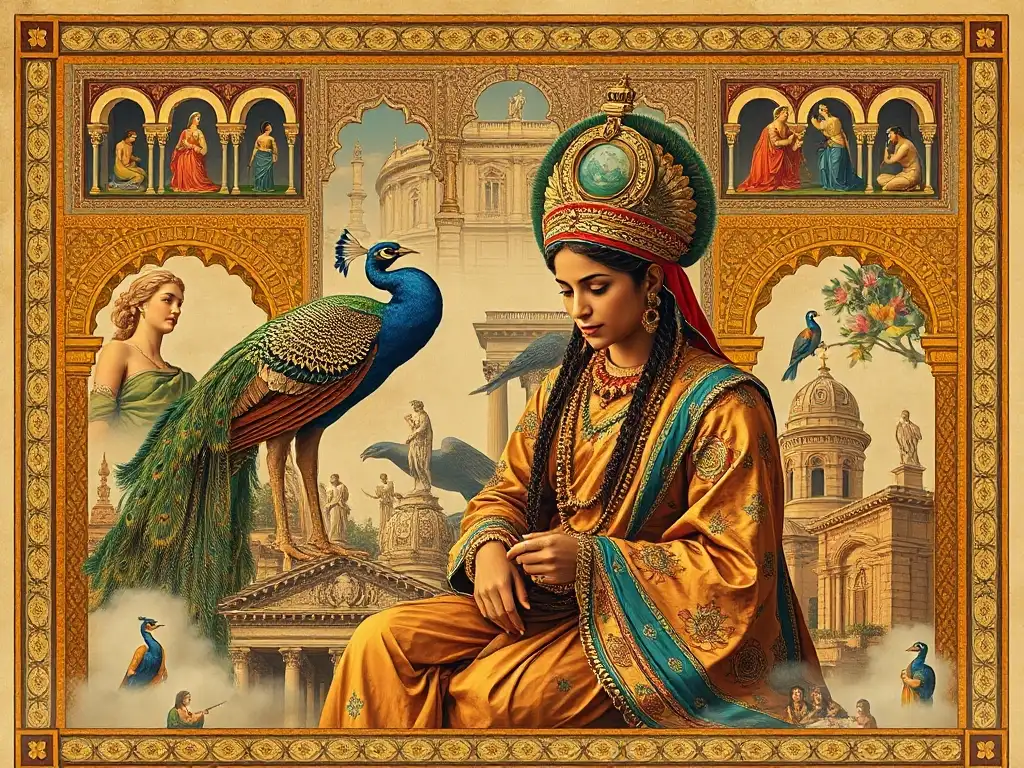
The profound impact of ancient Indian art on European culture is a testament to the power of artistic and cultural syncretism. As we explore the intricate connections between these two regions, it becomes evident that ancient Indian art not only enriched European aesthetics but also contributed significantly to the evolution of various artistic movements. From intricate sculptures to vibrant textiles, the exchange of ideas and practices laid the groundwork for a more integrated understanding of art.
The Continuing Influence of Ancient Indian Art in Modern Art Forms
The legacy of ancient Indian art continues to thrive in modern artistic expressions. Contemporary artists often draw inspiration from traditional Indian motifs, techniques, and philosophies, showcasing the timelessness of these artistic forms.
- Textile Design: Modern fashion designers are increasingly incorporating Indian textile patterns, such as paisley and block prints, into their collections, blending traditional craftsmanship with contemporary styles.
- Sculpture and Installation Art: Artists worldwide are exploring themes of spirituality and nature, akin to those found in ancient Indian sculptures. The works of artists like Anish Kapoor and Subodh Gupta demonstrate how Indian aesthetics can resonate within global contemporary art.
- Digital Art: The rise of digital platforms has facilitated new interpretations of traditional Indian art forms, allowing artists to experiment with animation and multimedia while retaining the essence of their cultural heritage.
The influence of ancient Indian art is evident not only in aesthetic choices but also in the philosophical underpinnings of modern art. Concepts such as Rasa (emotional essence) and the notion of art as a spiritual experience continue to inspire artists across the globe.
Final Thoughts on Cultural Syncretism Between Ancient India and Europe
The cultural exchanges between ancient India and Europe represent a rich tapestry of artistic and intellectual collaboration. The Renaissance period, marked by a revival of interest in classical antiquity, was significantly influenced by the artistic philosophies and techniques originating from ancient Indian civilization.
- Mutual Inspiration: The cross-cultural dialogue fostered a climate of mutual inspiration, where European artists not only borrowed stylistic elements but also embraced the underlying spiritual and philosophical ideas present in Indian art.
- Art as a Universal Language: This syncretism highlights art's role as a universal language, transcending geographical boundaries and fostering a deeper understanding between diverse cultures.
As we reflect on the enduring legacy of ancient Indian art and its influence on Europe, it becomes clear that the artistic exchanges of the past continue to shape contemporary artistic practices. The intricate connections forged through these cultural interactions remind us of the importance of preserving and celebrating the diverse heritage that enriches our global artistic landscape.
The exploration of ancient Indian art's influence on Europe not only reveals a fascinating historical narrative but also underscores the ongoing relevance of cultural syncretism in shaping our world today. As we continue to appreciate and integrate diverse artistic traditions, we pave the way for a more connected and enriched future in the arts.
Frequently Asked Questions
What is the significance of Ancient Indian art in the context of European Renaissance?
Ancient Indian art played a crucial role in influencing European Renaissance by introducing exquisite techniques and aesthetic principles that enriched European artistic expression.
How did trade routes contribute to the influence of Ancient Indian art on Europe?
Trade routes facilitated the exchange of goods and ideas, allowing Indian artistic styles and concepts to reach Europe, thereby inspiring local artists and contributing to the Renaissance movement.
What are some specific art forms from Ancient India that impacted Europe?
Sculpture, textiles, and miniature paintings from Ancient India showcased intricate designs and themes that influenced European artists, particularly during the Renaissance.
Were there any notable European artists influenced by Ancient Indian art?
Yes, artists such as Albrecht Dürer and Raphael were known to have drawn inspiration from Indian motifs and techniques, which can be seen in their works during the Renaissance.
How does the cultural exchange between India and Europe reflect in art?
The cultural exchange led to a fusion of styles and ideas, resulting in innovative art forms that showcased a blend of Indian and European artistic traditions, enriching both cultures.
Final Reflection: The Enduring Legacy of Ancient Indian Art on European Renaissance
The intricate tapestry of ancient Indian art has woven its way into the very fabric of European Renaissance, demonstrating that cultural exchange knows no boundaries. As we explore the profound influence of these ancient art forms, it becomes clear that their impact is not merely a historical footnote but a vibrant thread that continues to inspire creativity and innovation in our modern world. The Renaissance, often celebrated for its rebirth of classical ideals, was significantly enriched by the aesthetics and philosophies derived from ancient Indian art, reminding us that inspiration can transcend time and geography.
The dialogue between ancient Indian art and the European Renaissance serves as a testament to the power of cross-cultural influences in shaping our collective heritage. This ongoing interaction has fostered a deeper appreciation for diversity in artistic expression, encouraging contemporary artists and thinkers to draw from a multitude of sources. As the renowned art historian Ananda K. Coomaraswamy once said, The artist is not a special kind of person; every person is a special kind of artist.
This sentiment underscores the idea that the creative spirit is universal, and the lessons learned from ancient Indian art continue to resonate within the cultural landscape of today.
As we reflect on the rich legacy of ancient Indian art and its influence on Europe, I invite you to consider how you might incorporate these lessons into your own life. Embrace the beauty of diversity in your creative pursuits, and seek inspiration from the myriad cultures that surround you. Let the stories of ancient artisans inspire you to explore new ideas, challenge conventions, and celebrate the interconnectedness of human expression. In doing so, you not only honor the past but also contribute to a future where art knows no boundaries, and creativity flourishes in all its forms.
Unleash Your Creativity: Embrace the Inspirations of Ancient Art!
Thank you for exploring the fascinating connection between ancient Indian art and the European Renaissance! You've discovered how rich cultural exchanges can spark creativity and innovation. Now, it’s time to take what you’ve learned and put it into action.
Here are some ways you can dive deeper and celebrate these artistic influences:
- Immerse Yourself in Art: Visit a local museum or gallery that features Indian or Renaissance art. Pay attention to the techniques and themes that connect these two worlds.
- Create Your Masterpiece: Try your hand at an art project inspired by your discoveries. Whether it’s painting, sketching, or crafting, use ancient techniques to ignite your imagination.
- Share the Beauty: Engage your friends and family by sharing your insights. Start a discussion about how different cultures influence art and creativity in contemporary society.
What unique blend of artistry will you create by fusing the wisdom of the past with your modern perspective?