
The Evolution of Hindu Philosophical Schools: From Mimamsa to Vedanta

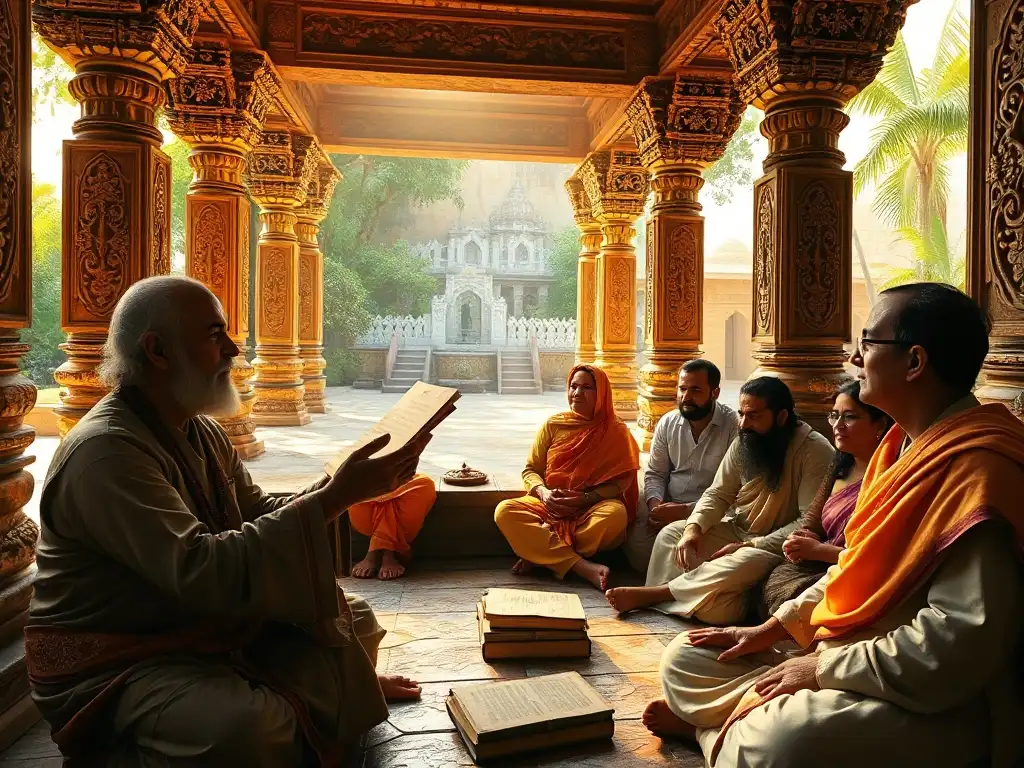
Welcome to Ancient India History, where we embark on a journey through the fascinating tapestry of ancient Indian civilizations. Here, we delve deep into the rich and diverse history, culture, and contributions that have shaped this remarkable land. In our featured article, "The Evolution of Hindu Philosophical Schools: From Mimamsa to Vedanta," we explore the profound history of Hindu philosophical schools that have influenced thought and spirituality across millennia. Curious to uncover how these philosophies emerged and evolved? Join us as we unravel the mysteries and insights that lie within this captivating realm of ancient wisdom!

Introduction to Hindu Philosophical Schools History
The exploration of Hindu philosophical schools history offers a fascinating journey through the intellectual and spiritual evolution of one of the world's oldest religions. Spanning thousands of years, these schools of thought have profoundly shaped the cultural, spiritual, and philosophical landscape of ancient India. From the ritualistic and interpretative frameworks of Mimamsa to the metaphysical inquiries of Vedanta, each school has contributed uniquely to understanding existence, morality, and the divine. In this article, we will delve into the origins, development, and significance of these philosophical traditions, shedding light on their enduring impact on Hindu thought and practice.
Overview of Hindu Philosophy
Hindu philosophy is characterized by its diversity and depth, encompassing a wide range of beliefs and practices. It is traditionally categorized into six orthodox systems, known as the Darshanas:
- Nyaya - the school of logic
- Vaisheshika - the atomistic philosophy
- Samkhya - the enumeration of principles
- Yoga - the discipline of meditation
- Mimamsa - the exegesis of Vedic texts
- Vedanta - the culmination of Vedic thought
Each of these schools offers distinct perspectives on the nature of reality, the self, and the ultimate purpose of life. This diversity reflects the rich tapestry of thought that has been woven through centuries of philosophical inquiry.
Importance of Understanding the Evolution of Philosophical Schools
Understanding the evolution of Hindu philosophical schools is crucial for several reasons:
- Cultural Insight: It provides insight into how ancient Indian civilizations understood essential questions about existence, ethics, and the divine.
- Historical Context: It places contemporary Hindu practices and beliefs in a historical context, revealing how they have been influenced by earlier thoughts.
- Intellectual Heritage: It highlights the continuity and change within Hinduism, showcasing a dynamic intellectual heritage that has adapted and evolved over time.
By examining the historical development of these philosophical schools, we gain a richer understanding of their contributions to the broader spectrum of human thought.
The Early Foundations of Hindu Philosophical Schools
The origins of Hindu philosophical schools can be traced back to the early Vedic texts, which laid the groundwork for subsequent philosophical developments.
The Vedic Period and Its Influence on Philosophy
The Vedic period (1500-500 BCE) marks a significant phase in the formation of Hindu thought. The Vedas, the oldest sacred texts of Hinduism, encapsulate a vast spectrum of knowledge, including rituals, hymns, and philosophical reflections. Key characteristics of this period include:
- Ritualistic Focus: The early Vedic texts emphasize rituals and sacrifices (Yajnas) as means to attain prosperity and spiritual merit.
- Philosophical Inquiry: Philosophers began questioning the nature of reality and the efficacy of rituals, leading to the development of the Upanishads, which explore metaphysical concepts and the nature of the self (Atman) and ultimate reality (Brahman).
Key Texts and Scriptures Shaping Early Thought
Several texts emerged during this foundational period that shaped early Hindu philosophy:
- The Upanishads: These texts shifted focus from ritualistic practices to philosophical inquiry, addressing profound questions about consciousness, existence, and the ultimate purpose of life.
- Brahmanas: These prose texts provide commentary on the rituals and ceremonies described in the Vedas, exploring their meanings and implications.
- Aranyakas: Serving as a bridge between the ritualistic Brahmanas and the philosophical Upanishads, these texts delve into ascetic practices and meditative techniques.
Together, these texts formed the bedrock upon which later philosophical schools, such as Mimamsa and Vedanta, would build their arguments and teachings. Understanding these early influences is essential for grasping the complexities of Hindu philosophical discourse that followed.
Mimamsa: The First Philosophical School
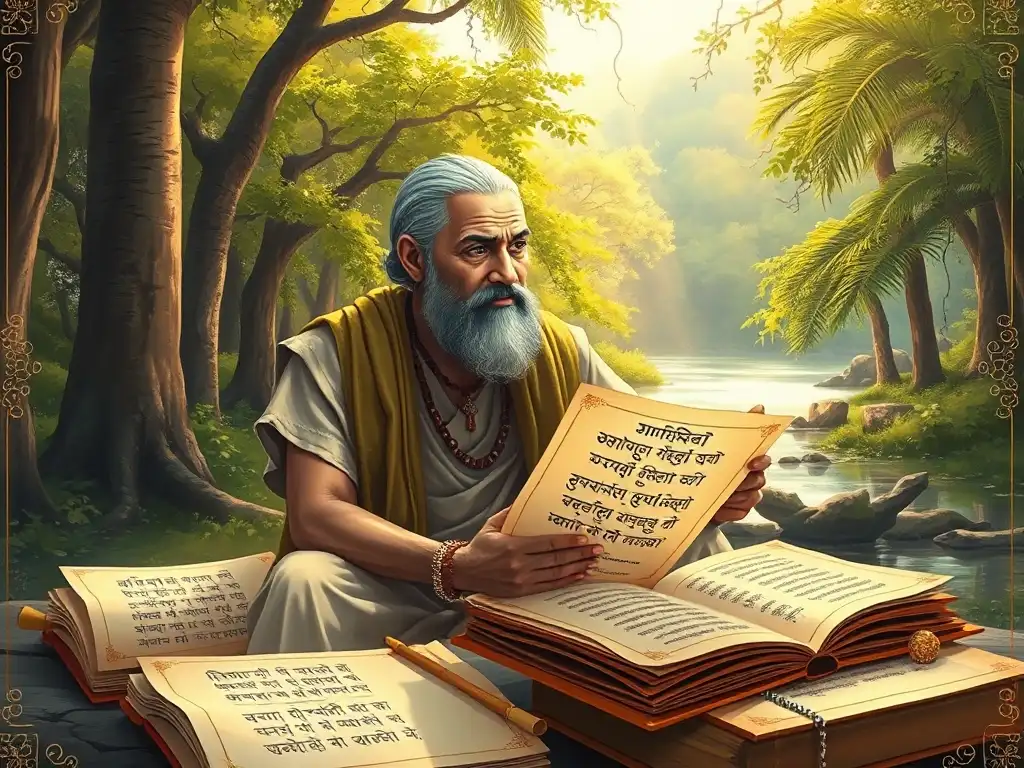
Mimamsa, often regarded as the earliest philosophical school within Hinduism, seeks to explore and establish the significance of ritualistic practices as described in the Vedas. It emphasizes the importance of adhering to dharma (moral duty) and the performance of Vedic rituals, positioning itself as a foundation for later philosophical developments. The school is characterized by its focus on the correct interpretation and execution of Vedic texts, aiming to ensure that rituals yield the desired benefits for practitioners.
Origins and Development of Mimamsa
Mimamsa's origins can be traced back to the Vedic period, particularly the Brahmanas, which are prose texts that elaborate on the rituals and ceremonies of the Vedas. The school gained prominence through the work of scholars known as Mimamsakas, with the most notable figure being Jaimini, whose text, the Mimamsa Sutras, laid down the foundational principles of the school around the 2nd century BCE.
This work systematically addressed the nature of dharma, the authority of the Vedas, and the necessity of ritualistic observance. Over time, various exegetical commentaries and interpretations emerged, helping to shape and refine Mimamsa philosophy, thus establishing it as a crucial component of Hindu intellectual tradition.
Key Concepts and Principles of Mimamsa
The key concepts of Mimamsa revolve around the following principles:
- Dharma: Central to Mimamsa is the idea that performing one's duty (dharma) according to Vedic injunctions leads to positive karmic results.
- Ritual Action (Karma): Mimamsa emphasizes that rituals are not merely symbolic but are essential actions that invoke divine forces for desired outcomes.
- Authority of the Vedas: The Vedas are considered infallible and eternal, serving as the ultimate source of knowledge and guidance for moral and ritualistic conduct.
- Interpretation of Texts: Mimamsa employs a rigorous methodology for interpreting Vedic texts, ensuring that the true meaning and intent behind the rituals are preserved.
These principles highlight the significance of ritual practice in achieving spiritual and worldly goals, establishing Mimamsa as a vital philosophical school within the framework of Hinduism.
The Role of Mimamsa in Vedic Rituals
Mimamsa plays a crucial role in the understanding and execution of Vedic rituals, asserting that the performance of these rituals is essential for maintaining cosmic order and personal well-being. The school outlines specific guidelines on how rituals should be performed, ensuring adherence to Vedic prescriptions.
Moreover, Mimamsa scholars argue that the efficacy of rituals does not depend on personal belief or the existence of deities, but rather on the correct execution of the prescribed actions. This pragmatic approach underscores the school’s intent to preserve the integrity of Vedic practices, thereby influencing subsequent philosophical schools that emerged in ancient India.
The Rise of Vedanta: Philosophical Transition
The evolution of Hindu philosophical thought witnessed a significant transformation with the rise of Vedanta, which emerged as a response to the ritualistic emphasis of Mimamsa. Vedanta, often associated with introspective and metaphysical inquiries, shifted focus from external rituals to the internal realization of ultimate reality (Brahman) and the self (Atman). This transition marked a profound philosophical development that sought to address the fundamental questions of existence, consciousness, and the nature of the divine.
Historical Context of Vedanta's Emergence
Vedanta began to crystallize around the late Vedic period, particularly during the time of the Upanishads, which introduced core philosophical concepts that challenged the ritualistic orthodoxy of earlier schools. The Upanishads, composed between 800 and 200 BCE, emphasized direct experience and knowledge of the ultimate reality, advocating for a more contemplative approach to spirituality. The philosophical discourse developed further through the Brahma Sutras, attributed to Badarayana around the 1st century CE, which systematically codified Vedantic principles and laid the groundwork for various interpretations by later philosophers.
Key Texts: Upanishads and Brahma Sutras
The primary texts central to Vedanta are the Upanishads and the Brahma Sutras.
- Upanishads: These texts delve into the nature of reality, exploring concepts such as Brahman (the ultimate reality) and Atman (the individual self). They advocate for self-inquiry and meditation as paths to enlightenment, shaping the philosophical landscape of Hinduism.
- Brahma Sutras: This text serves as a concise compilation of Vedanta philosophy, addressing various themes and concepts introduced in the Upanishads. It discusses the nature of Brahman, the relationship between Brahman and Atman, and provides a framework for understanding the essence of reality.
These texts form the bedrock of Vedantic thought, influencing countless scholars and practitioners throughout centuries.
Central Tenets of Vedanta Philosophy
Vedanta philosophy is characterized by several central tenets:
- Non-Dualism (Advaita): One of the most significant interpretations of Vedanta, articulated by Adi Shankaracharya, posits that there is no distinction between the individual soul (Atman) and the ultimate reality (Brahman). This non-dualistic perspective emphasizes the unity of existence.
- Reality of Brahman: Vedanta asserts that Brahman is the singular, unchanging reality that underlies all existence, while the material world is considered an illusion (Maya).
- Liberation (Moksha): The ultimate goal of Vedanta is the realization of one’s true nature as Brahman, leading to liberation from the cycle of birth and rebirth (samsara).
- Path of Knowledge (Jnana Yoga): Vedanta advocates for the pursuit of knowledge and wisdom as a means to attain self-realization, emphasizing introspection and contemplation.
These tenets not only deepen the philosophical discourse within Hinduism but also serve to inspire spiritual seekers on their quest for truth and understanding.
Comparison of Mimamsa and Vedanta
Mimamsa and Vedanta represent two significant schools of thought within Hindu philosophy, each offering distinct perspectives on the nature of reality, knowledge, and the ultimate purpose of life. Their comparison reveals fundamental differences in philosophical approaches, especially in regard to rituals, metaphysics, and the interpretation of sacred texts.
Fundamental Differences in Philosophical Thought
Mimamsa, founded by Jaimini, emphasizes the importance of ritual actions (karma) as a means to achieve dharma (moral order) and ultimately moksha (liberation). It focuses on the Vedas' interpretations, highlighting the necessity of following prescribed rituals to maintain cosmic order. The Mimamsa school asserts that the Vedas are eternal and self-evident, relying on a strict adherence to their authority.
In contrast, Vedanta, primarily expounded by philosophers such as Adi Shankaracharya, centers on metaphysical inquiry and the nature of the self (Atman) in relation to the ultimate reality (Brahman). It posits that liberation comes through knowledge (jnana) rather than mere ritualistic practice. Vedanta encourages a philosophical understanding of the Vedas, emphasizing that the ultimate goal is to realize the non-duality of Atman and Brahman.
Ritualism vs. Spiritualism: A Comparative Analysis
The dichotomy between ritualism and spiritualism is stark when comparing Mimamsa and Vedanta. Mimamsa advocates for a ritualistic approach, where the efficacy of actions is paramount. The performance of rituals is believed to yield both immediate and long-term benefits, ensuring prosperity and spiritual merit.
Conversely, Vedanta critiques the overemphasis on rituals, proposing that true spiritual fulfillment arises from self-realization and understanding one's unity with the universe. This philosophical school encourages practitioners to move beyond external rites towards an internal journey of self-discovery and enlightenment.
Influence on Subsequent Hindu Philosophical Schools
The impact of Mimamsa and Vedanta extends beyond their own doctrines, influencing various other Hindu philosophical schools. Mimamsa's rigorous analysis of the Vedic texts laid the groundwork for later schools’ interpretations, particularly in their approach to textual authority and exegesis.
On the other hand, Vedanta's philosophical inquiries into the nature of reality and consciousness have profoundly influenced diverse traditions, including Bhakti movements and contemporary Hindu thought. Its emphasis on knowledge and experience as paths to liberation has informed practices in various spiritual disciplines, encouraging a shift towards introspective spirituality.
Other Influential Hindu Philosophical Schools
While Mimamsa and Vedanta are pivotal in Hindu philosophical history, several other schools also contributed significantly to the rich tapestry of thought within ancient Indian philosophy.
Samkhya: Dualism and Its Impact on Hindu Thought
Samkhya, attributed to the sage Kapila, is one of the oldest philosophical systems in Hinduism. It presents a dualistic framework that divides reality into two fundamental principles: Purusha (consciousness) and Prakriti (matter). This distinction has influenced various spiritual practices and philosophical discourses, promoting the idea that liberation (moksha) is attained through the discernment of these two entities.
The Samkhya system has also provided a foundation for other schools, particularly Yoga, which builds upon its principles to create a practical path towards self-realization and liberation.
Yoga: Philosophy and Practice Integration
Yoga, often associated with the sage Patanjali, integrates philosophical thought with practical application. The Yoga Sutras outline an eightfold path (Ashtanga) that includes ethical precepts, physical postures, breathing techniques, and meditation. This holistic approach emphasizes the importance of both mental discipline and spiritual insight.
Yoga philosophy draws heavily from Samkhya, particularly in its understanding of the mind and consciousness. It promotes the idea that through disciplined practice and self-awareness, individuals can attain the ultimate goal of union with the divine.
Nyaya: Logic and Epistemology in Hindu Philosophy
Nyaya, founded by Gautama, emphasizes logic and epistemology, focusing on the means of acquiring valid knowledge (pramana). This school posits that knowledge can be attained through perception, inference, and testimony. Nyaya philosophers systematically analyzed arguments and established frameworks for reasoning that have had lasting effects on Indian logic and philosophy.
The rigorous method of inquiry developed by Nyaya has been instrumental in shaping debates across various philosophical schools, ensuring that discussions remain grounded in logical reasoning and empirical evidence.
Vaisheshika: Atomism and Naturalism
Vaisheshika, attributed to Kanada, introduces an atomistic view of the universe, proposing that all substances are composed of indivisible particles (anu) that combine to form the material world. This philosophical system explores the nature of reality and categorizes existence into various categories (padarthas), including substance, quality, action, and more.
The contributions of Vaisheshika to naturalism and metaphysics have enriched Hindu philosophy, encouraging a scientific approach to understanding the material world while remaining deeply rooted in spiritual and ethical considerations. Its ideas have influenced various other schools, particularly in discussions surrounding the nature of existence and the cosmos.
The Interconnections Between Schools

The evolution of Hindu philosophical schools reveals a complex web of interconnections that underscore the richness of Indian thought. Each school, while distinct in its doctrines and practices, has influenced and been influenced by its contemporaries, creating a dynamic exchange of ideas that has shaped the trajectory of Hindu philosophy.
This interconnectivity is particularly evident in the dialogues between Mimamsa, Vedanta, and other philosophical traditions. As these schools developed, they often borrowed concepts and terminologies from one another, leading to an enriched understanding of core philosophical issues such as the nature of reality, the self, and the ultimate purpose of life.
How Mimamsa Influenced Vedanta and Other Schools
Mimamsa, primarily concerned with the interpretation of Vedic texts and ritual practices, laid the groundwork for later philosophical inquiries. Its rigorous methodology in analyzing scriptures and establishing rules for interpretation significantly influenced Vedanta, which emerged as a response to and an extension of Mimamsa thought.
- Emphasis on Textual Authority: Mimamsa’s focus on the authority of the Vedas set a precedent for Vedanta, which also draws heavily on Vedic texts but shifts the emphasis towards the metaphysical implications of these scriptures.
- Ritualistic Context: The Mimamsa school’s exploration of rituals and their significance in achieving dharma (moral duty) provided a context within which Vedanta could develop its philosophical ideas about the ultimate goal of life (moksha) and the nature of Brahman (ultimate reality).
- Philosophical Rigor: The analytical techniques used by Mimamsa scholars were adopted by Vedanta philosophers, leading to more sophisticated debates about the nature of reality and existence.
Overall, Mimamsa's foundational principles continue to resonate within Vedanta, demonstrating a lineage of thought that illustrates the evolution of Hindu philosophy.
Cross-Pollination of Ideas Among Hindu Philosophical Schools
The cross-pollination of ideas among Hindu philosophical schools is a hallmark of ancient Indian intellectual tradition. As philosophers from different schools engaged in dialogue, they exchanged concepts that enriched their respective teachings. This interchange can be seen in several notable areas:
- Concept of Dharma: Different schools—such as Samkhya and Yoga—interpreted the concept of dharma uniquely, yet their discussions led to a more nuanced understanding that has persisted across traditions.
- Nature of the Self: The notions of Atman (the self) and Brahman were explored in various ways across schools, with each offering insights that contributed to the broader philosophical discourse. For example, the dualistic perspective of Samkhya contrasted with the non-dualism of Advaita Vedanta, prompting deeper inquiry into the relationship between the individual and the universal.
- Ethical Frameworks: The ethical implications of philosophical ideas also circulated among schools, with schools like Nyaya and Vaisheshika providing logical structures that influenced the moral discussions in others, such as Mimamsa and Vedanta.
This intellectual synergy not only enriched Hindu philosophy but also laid the groundwork for a diverse and vibrant scholarly tradition that continues to inspire contemporary thought.
Contemporary Relevance of Ancient Hindu Philosophical Schools
The teachings of ancient Hindu philosophical schools remain remarkably relevant in today's world, providing insight into contemporary issues ranging from ethics to metaphysics. Their enduring legacy can be seen in various aspects of modern life, including spirituality, psychology, and social philosophy.
How Historical Philosophies Shape Modern Hindu Thought
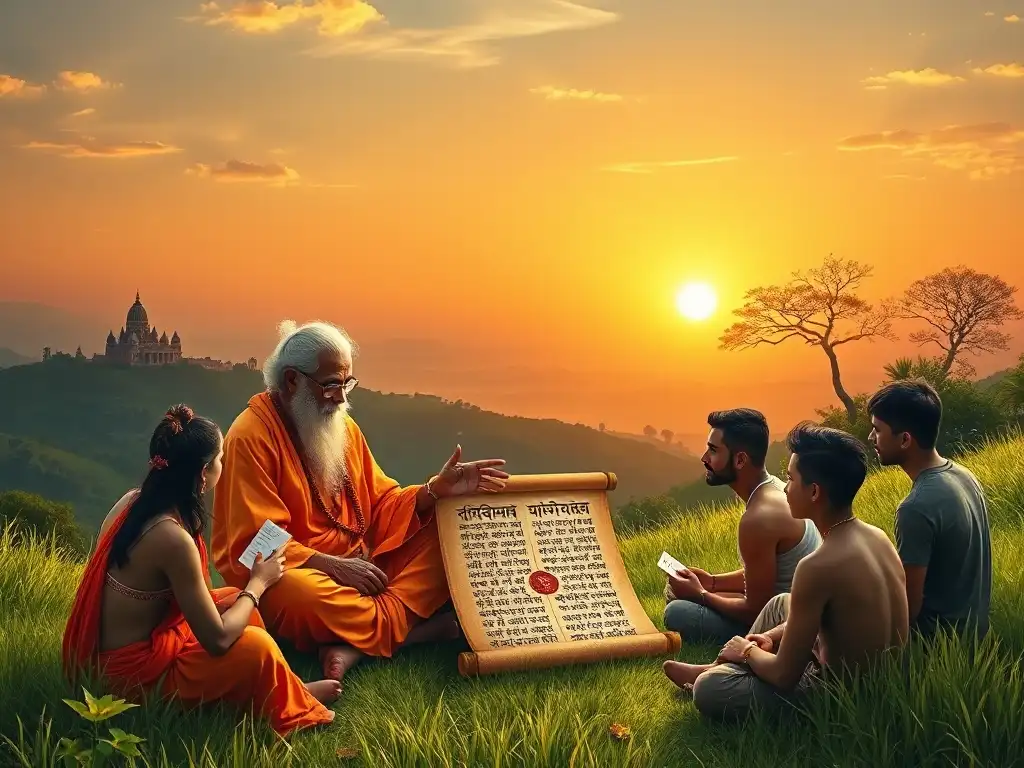
Modern Hindu thought is heavily influenced by the philosophical inquiries established by ancient schools. Key ways in which historical philosophies shape contemporary thought include:
- Spiritual Practices: The meditative and ethical practices advocated by schools like Yoga and Vedanta continue to be integral to modern spiritual movements, emphasizing self-realization and inner peace.
- Moral Frameworks: The ethical discourses stemming from Mimamsa and Nyaya provide contemporary Hindus with frameworks for navigating modern moral dilemmas, such as environmental ethics and social justice.
- Philosophical Exploration: The analytical approaches to philosophy developed by ancient scholars have found resonance in modern philosophical discourse, fostering a critical examination of personal and societal values.
The Influence of Ancient Schools on Global Philosophical Discourse
The contributions of ancient Hindu philosophical schools extend beyond the Indian subcontinent, influencing global philosophical discourse in significant ways.
- Integration of Eastern and Western Thought: The dialogue between Eastern philosophies, including those from Hinduism, and Western philosophies has resulted in a richer understanding of concepts such as consciousness, existence, and reality. Philosophers like Aldous Huxley and Carl Jung have drawn upon Hindu ideas, particularly those from Vedanta, to explore consciousness and spirituality.
- Interfaith Dialogues: The teachings of ancient Hindu schools have become integral to interfaith dialogues, as they offer perspectives on unity, diversity, and the nature of the divine that resonate with various religious traditions.
- Contemporary Philosophy: Modern philosophers continue to engage with Hindu philosophical concepts, leading to innovative ideas in fields such as metaphysics, ethics, and epistemology.
Thus, the ancient schools of Hindu philosophy not only shaped the spiritual and intellectual landscape of India but also contributed significantly to the global understanding of philosophy and ethics.
Conclusion: The Legacy of Hindu Philosophical Schools
The evolution of Hindu philosophical schools, from Mimamsa to Vedanta, illustrates a rich tapestry of thought that has shaped not only the spiritual landscape of India but also influenced global philosophical discourse. These schools of thought have provided frameworks for understanding the nature of reality, ethics, and the human experience. Each school, with its unique teachings and interpretations, contributes to a collective wisdom that resonates across centuries, showcasing the dynamic interplay between tradition and innovation.
The legacy of these schools lies in their ability to adapt and respond to the changing socio-cultural contexts of their times. They encourage critical inquiry and debate, fostering an environment where diverse ideas can coexist and flourish. This intellectual heritage continues to inspire contemporary philosophical discussions, prompting scholars and practitioners alike to revisit these ancient teachings in light of modern challenges.
Summary of Key Evolutionary Milestones
- Mimamsa (c. 200 BCE - 200 CE):
- Established as one of the earliest schools, Mimamsa emphasized the importance of ritual actions and the interpretation of Vedic texts. It laid the groundwork for later philosophical inquiry by asserting that the performance of rituals is key to achieving dharma.
- Vedanta (c. 200 CE onward):
- Emerging as a response to the philosophical inquiries initiated by Mimamsa, Vedanta focused on the nature of Brahman (ultimate reality) and the relationship between the individual soul (Atman) and Brahman. Key figures like Adi Shankaracharya played a pivotal role in developing non-dualistic interpretations.
- Nyaya (c. 600 BCE - 200 CE):
- This school introduced a systematic approach to logic and epistemology, establishing methods for reasoning and argumentation that are still relevant today.
- Vaisheshika (c. 600 BCE - 200 CE):
- Complementing Nyaya, Vaisheshika focused on the categorization of reality and the nature of substances, paving the way for discussions on metaphysics.
- Yoga (c. 200 BCE - 200 CE):
- Integrating physical, mental, and spiritual practices, the Yoga school offered practical methods for achieving spiritual liberation, highlighting the role of self-discipline and meditation.
- Samkhya (c. 200 BCE - 200 CE):
- This dualistic philosophy presented a framework for understanding the distinction between consciousness and matter, influencing later developments in both Yoga and Vedanta.
Each of these milestones represents a significant shift in the understanding of philosophical concepts, reflecting an ongoing dialogue within Hindu thought that continues to evolve.
The Importance of Understanding Hindu Philosophical Schools History in Today's Context
Understanding the history of Hindu philosophical schools is essential in today’s context for several reasons:
- Cultural Awareness: As globalization increases, a deeper appreciation of Hindu philosophical schools fosters cross-cultural understanding and respect. Recognizing their historical significance can enhance dialogue between various philosophical traditions.
- Ethical Frameworks: The ethical teachings derived from these schools can offer valuable insights into contemporary moral dilemmas, providing guidance rooted in ancient wisdom. Concepts such as dharma and karma remain relevant in discussions of justice, responsibility, and human behavior.
- Personal Growth: The practices and teachings of schools like Yoga and Vedanta can contribute to personal development and well-being. In an age marked by stress and disconnection, these philosophies offer pathways to mindfulness and spiritual growth.
- Interdisciplinary Studies: The philosophical insights from Hindu schools can enrich various fields, including psychology, sociology, and environmental studies. Engaging with these teachings can lead to innovative solutions to modern issues by integrating ancient wisdom with contemporary knowledge.
The history of Hindu philosophical schools is not merely a relic of the past but a living tradition that continues to inform and inspire. By studying these schools, individuals and societies can harness their teachings to navigate the complexities of modern life, ensuring their legacy endures for future generations.
- Introduction to Hindu Philosophical Schools History
- Overview of Hindu Philosophy
- Importance of Understanding the Evolution of Philosophical Schools
- The Early Foundations of Hindu Philosophical Schools
- Mimamsa: The First Philosophical School
- The Rise of Vedanta: Philosophical Transition
- Comparison of Mimamsa and Vedanta
- Other Influential Hindu Philosophical Schools
- The Interconnections Between Schools
- How Mimamsa Influenced Vedanta and Other Schools
- Cross-Pollination of Ideas Among Hindu Philosophical Schools
- Contemporary Relevance of Ancient Hindu Philosophical Schools
- How Historical Philosophies Shape Modern Hindu Thought
- The Influence of Ancient Schools on Global Philosophical Discourse
- Conclusion: The Legacy of Hindu Philosophical Schools
- What are the major Hindu philosophical schools discussed in the article?
- How did the Mimamsa school influence later philosophical developments?
- What role did Vedanta play in shaping Hindu philosophy?
- How do the historical contexts of these schools reflect ancient Indian civilization?
- Why is understanding the history of Hindu philosophical schools important today?
Frequently Asked Questions
What are the major Hindu philosophical schools discussed in the article?
The article focuses on Mimamsa, Vedanta, and other significant schools, highlighting their evolution and contributions to Hindu thought throughout history.
How did the Mimamsa school influence later philosophical developments?
Mimamsa laid the groundwork for ritualistic interpretations of the Vedas, influencing later schools by emphasizing the need for action and dharma as central to spiritual practice.
What role did Vedanta play in shaping Hindu philosophy?
Vedanta represents a culmination of Vedic thought, emphasizing knowledge, meditation, and the nature of Brahman, significantly impacting spiritual practices and beliefs in Hinduism.
How do the historical contexts of these schools reflect ancient Indian civilization?
The evolution of these schools reflects the cultural, social, and political dynamics of ancient India, showcasing how philosophical thought adapted to changing circumstances and ideologies.
Why is understanding the history of Hindu philosophical schools important today?
Studying the history of these schools offers insights into the foundations of modern Hindu thought and its philosophical diversity, enriching our understanding of spirituality and ethics in contemporary society.
Final Reflection: The Enduring Legacy of Hindu Philosophical Schools
The evolution of Hindu philosophical schools is not just a historical account; it is a testament to the resilience and adaptability of thought in the face of changing times. Today, as we navigate a world filled with diverse beliefs and ideologies, the teachings of schools like Mimamsa and Vedanta continue to resonate, offering profound insights into ethics, existence, and the nature of reality. The relevance of these ancient philosophies in contemporary discussions about spirituality and morality is undeniable, reminding us that the quest for understanding is timeless.
Cultural and social landscapes are continuously shaped by the philosophies we embrace. The rich tapestry of Hindu philosophical schools has influenced not only Indian society but has also permeated global thought. As we explore these ideas, we find ourselves reflecting on our own beliefs and values. Philosophy is the highest music.
– Plato. This quote encapsulates the harmonious interplay of ideas that these schools represent, inviting us to engage with their teachings and apply them to our lives today.
As you ponder the insights gleaned from the evolution of Hindu philosophical schools, consider how these teachings can inspire you in your personal journey. Reflect on how the principles of inquiry, ethics, and self-realization can be woven into your daily life. The wisdom of the past holds the potential to illuminate our paths forward, urging us to seek understanding and harmony in a world that often feels fragmented. Embrace this opportunity to explore these philosophies, and let them guide you toward a deeper connection with yourself and the universe around you.
Unveil the Depths of Hindu Philosophy Today!
Thank you for taking the time to explore the fascinating evolution of Hindu philosophical schools, from **Mimamsa** to **Vedanta**! We hope you gained valuable insights into these rich traditions that have shaped Indian thought for centuries. Now, let’s take your curiosity further!
Here are a few ways you can dive deeper into this incredible topic:
- Explore different philosophical schools by reading additional articles on our site or delving into books recommended at your local library.
- Share your newfound knowledge with friends—discuss how various schools of thought resonate with contemporary issues!
- Join our community forum to connect with others who are interested in Hindu philosophy and participate in engaging discussions.
What aspect of Hindu philosophy fascinates you the most, and how do you think it influences modern thought in today's world?