
The Role of the Sangha: Key Figures in the Preservation of Buddhist Teachings

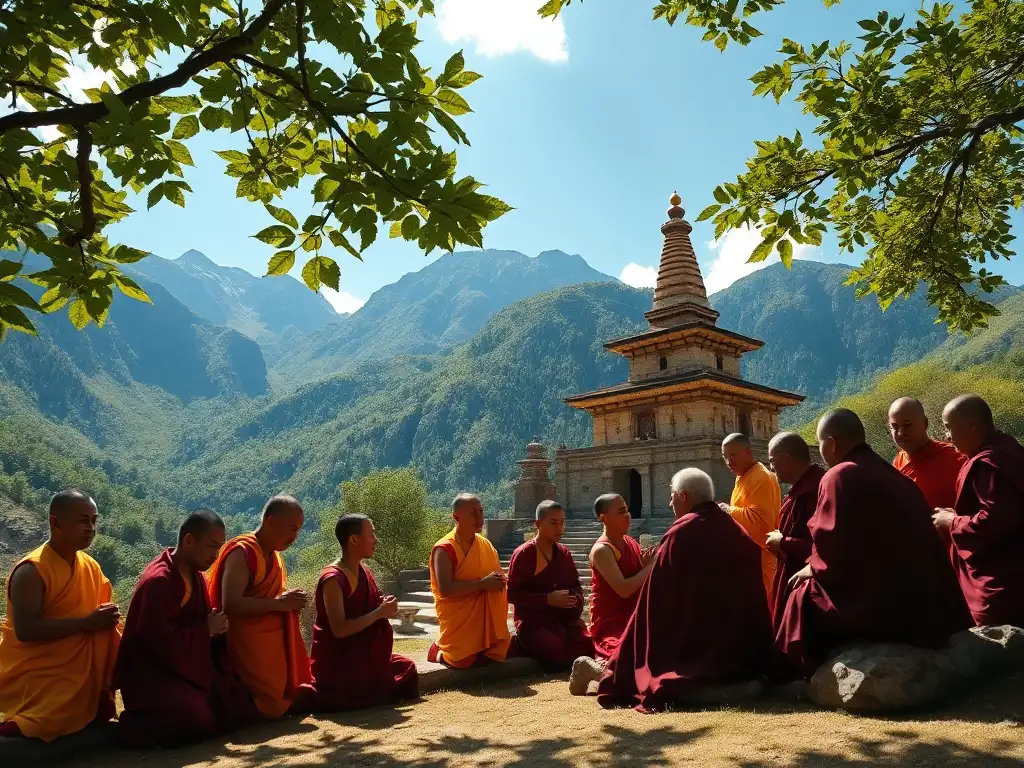
Welcome to Ancient India History, where we embark on a captivating journey through the rich tapestry of ancient Indian civilizations. Today, we delve into the pivotal role of the Sangha in Buddhist history, uncovering how this esteemed community of monks and practitioners became guardians of profound teachings and spiritual wisdom. As we explore the key figures and their contributions, you'll discover the intricate dynamics that shaped Buddhism and its lasting impact on society. Prepare to be intrigued and inspired—let’s dive deeper into this remarkable chapter of ancient Indian religions!

Introduction to the Sangha in Buddhist History
The Sangha, a term derived from the Pali language, holds a significant position in the framework of Buddhism, acting as the community of monks, nuns, and lay followers who collectively uphold and propagate the teachings of the Buddha. The role of the Sangha in Buddhist history is pivotal, as it not only ensures the transmission of the Buddha's teachings but also embodies the principles of communal living, ethical conduct, and spiritual development.
Throughout various epochs, the Sangha has played a central role in preserving the integrity of these teachings, adapting to changing societal contexts while maintaining fidelity to foundational doctrines. This article delves into the multifaceted role of the Sangha, highlighting key figures and events that have shaped its journey from the time of the Buddha to the present day.
Definition of Sangha in Buddhism
In Buddhist terminology, the Sangha refers to the assembly of those who have attained the path of enlightenment. It is traditionally categorized into three groups:
- Bhikkhus: Fully ordained male monks dedicated to the monastic community.
- Bhikkhunis: Fully ordained female monks who play an equally vital role in the Sangha.
- Upāsakas and Upāsikās: Lay followers who support the monastic community while practicing the teachings in their daily lives.
The Sangha is not merely a social structure but a spiritual sanctuary where practitioners can learn, practice, and attain enlightenment together. This collective effort has been crucial in ensuring the survival and relevance of Buddhist teachings across generations.
Importance of the Sangha in Preserving Teachings
The Sangha's contribution to the preservation of Buddhist teachings is multifaceted:
- Transmission of Knowledge: Monks and nuns play a crucial role in teaching the Dharma, ensuring that the Buddha's insights are conveyed accurately and effectively.
- Community Support: The Sangha fosters a supportive environment where practitioners can share experiences and challenges, reinforcing their commitment to the path.
- Cultural Preservation: By maintaining rituals, texts, and traditions, the Sangha has safeguarded the cultural heritage associated with Buddhism, allowing it to flourish in diverse contexts.
The significance of the Sangha extends beyond mere preservation; it serves as a living embodiment of the Buddha's teachings, providing a framework for ethical living and spiritual practice.
Historical Context of the Sangha
Formation of the Sangha during the Buddha's Lifetime
The origins of the Sangha can be traced back to the time of Siddhartha Gautama, known as the Buddha, around the 5th century BCE. After attaining enlightenment, the Buddha began to attract followers, and soon, a monastic community formed. This initial Sangha comprised individuals from various backgrounds, united by a shared quest for spiritual liberation. Key events during this period include:
- The First Sermon: The Buddha's first sermon in Sarnath marked the formal establishment of the Sangha, where he taught the Four Noble Truths and the Eightfold Path.
- Ordination of Disciples: The Buddha ordained his first disciples, including notable figures like Sariputta and Moggallana, who later became crucial in spreading the teachings.
The establishment of the Sangha was revolutionary, as it introduced a new social dynamic that transcended the rigid caste system prevalent in ancient Indian society.
Evolution of the Sangha through Ancient Indian History
As Buddhism spread across ancient India and beyond, the Sangha underwent significant transformations. Key developments include:
- Councils and Textual Canonization: Various councils, such as the First Buddhist Council convened shortly after the Buddha's death, were instrumental in compiling and standardizing the teachings, ensuring their preservation.
- Regional Variations: The Sangha adapted to local cultures and practices, leading to the emergence of different schools of thought, such as Theravada and Mahayana, each with its interpretation of the Buddha's teachings.
The evolution of the Sangha illustrates its resilience and adaptability, allowing it to thrive amidst changing sociopolitical landscapes and contribute profoundly to the rich tapestry of Buddhist history.
Key Figures in the Sangha
The Sangha, as the monastic community of Buddhism, has been instrumental in preserving the teachings of the Buddha. It consists of ordained monks and nuns who devote their lives to the practice and dissemination of Buddhist principles. Key figures within the Sangha have played pivotal roles in shaping its structure, philosophy, and outreach, ensuring that the teachings of Buddhism remain relevant and accessible across generations. This section explores some of the most significant figures and their contributions to the preservation of Buddhist teachings.
The Buddha: The Founder and His Influence
Siddhartha Gautama, known as the Buddha, is the foundational figure of Buddhism. Born in the 5th to 4th century BCE in what is now Nepal, he attained enlightenment and shared his insights with others, establishing the core doctrines of Buddhism. The Buddha's teachings emphasized the Four Noble Truths and the Eightfold Path, which serve as guiding principles for Buddhist practice.
The Buddha's influence extends beyond his lifetime through the establishment of the Sangha. By creating a community of followers who lived according to his teachings, he ensured the transmission of his insights. His direct disciples were among the first monks, and their teachings and interpretations laid the groundwork for subsequent generations. The Buddha's emphasis on monastic life and the importance of ethical conduct, meditation, and wisdom became central to the Sangha's identity, establishing a model for future monks and nuns.
Early Monastic Leaders and Their Contributions
Following the Buddha's death, several early monastic leaders emerged, significantly contributing to the development of the Sangha. Notable figures include:
- Ananda: A cousin of the Buddha and one of his closest disciples, Ananda played a crucial role in preserving the Buddha's teachings through oral transmission. He is credited with recollecting the Buddha's discourses at the First Buddhist Council, which helped solidify the foundation of the Buddhist canon.
- Sariputta: Renowned for his profound wisdom, Sariputta was one of the Buddha's chief disciples. His teachings on insight and understanding helped shape Buddhist philosophy, and he is often regarded as a model for scholarly monks.
- Mahakasyapa: Recognized for his leadership during the First Buddhist Council, Mahakasyapa is known for his commitment to preserving the monastic discipline and practices. He emphasized the importance of the Vinaya, the regulatory framework for the Sangha, ensuring that ethical standards were maintained.
These early leaders not only helped codify the teachings but also established a framework for monastic life, which would be essential for the survival of Buddhism in diverse cultural contexts.
Notable Female Figures in the Sangha
While much of the historical focus has been on male figures in the Sangha, women also played a crucial role in the preservation and dissemination of Buddhist teachings. Notable female figures include:
- Mahapajapati Gotami: The Buddha's aunt and foster mother, Mahapajapati was the first woman to be ordained as a nun in the Buddhist tradition. She founded the Bhikkhuni Sangha, advocating for the inclusion of women in monastic life and ensuring that female perspectives were represented in Buddhist teachings.
- Sanghamitta: The daughter of Emperor Ashoka, Sanghamitta played a pivotal role in spreading Buddhism to Sri Lanka. She is credited with establishing the Bhikkhuni Sangha in Sri Lanka, which ensured the continuation of women's monastic orders and contributed to the preservation of teachings in the region.
These women, along with many others, challenged societal norms and contributed significantly to the fabric of the Sangha, ensuring that Buddhist teachings were preserved and adapted for future generations.
The Role of the Sangha in Preserving Buddhist Teachings
The Sangha's role in preserving Buddhist teachings extends beyond mere transmission; it encompasses the cultivation of community, the establishment of educational systems, and the creation of texts that codify teachings. The following sections delve into these vital functions.
Transmission of Teachings through Oral Tradition
In the early years of Buddhism, the transmission of teachings was primarily oral. The Sangha played a crucial role in this process, with monks and nuns memorizing the Buddha's discourses and teachings. This oral tradition was characterized by:
- Recitation: Regular gatherings of the Sangha facilitated the recitation of teachings, ensuring that they were accurately transmitted and preserved.
- Teaching: Monks would instruct lay followers and new members of the Sangha, reinforcing the teachings and allowing for community engagement.
The reliance on oral tradition helped maintain the integrity of the teachings during the formative years of Buddhism, creating a robust system of knowledge that could adapt to local cultures while preserving core principles.
Establishment of Monastic Schools and Centers
As Buddhism spread, the Sangha established monastic schools and centers that served as hubs for education and practice. These institutions played a crucial role in:
- Training Monks and Nuns: Monastic schools provided training in meditation, ethics, and the study of scriptures, ensuring that future generations of monks were well-versed in Buddhist teachings.
- Promoting Scholarship: Centers such as Nalanda University became renowned for their scholarly contributions, attracting prominent scholars and students from diverse regions. This scholarly activity was instrumental in producing commentaries, treatises, and philosophical works that enriched Buddhist thought.
Through these establishments, the Sangha not only preserved teachings but also adapted them to contemporary contexts, fostering a dynamic tradition that continues to thrive today.
Development of Canonical Texts
The preservation of Buddhist teachings culminated in the development of canonical texts, which serve as authoritative references for practitioners. The Sangha's role in this process included:
- Compilation of Texts: Following the Buddha's death, councils were convened to compile and codify teachings into texts, such as the Pali Canon. The Sangha's involvement ensured that diverse interpretations were considered, leading to a comprehensive body of work.
- Translation Efforts: As Buddhism spread beyond India, the Sangha was instrumental in translating texts into various languages, making teachings accessible to wider audiences. This effort facilitated the growth of Buddhism in regions such as Central Asia, China, and Tibet.
The development of canonical texts not only preserved the original teachings but also allowed for their evolution, ensuring that Buddhism remained relevant across different cultures and eras. The Sangha's dedication to this process underscores its central role in the history of Buddhism and its teachings.
The Sangha's Influence on Buddhist Communities
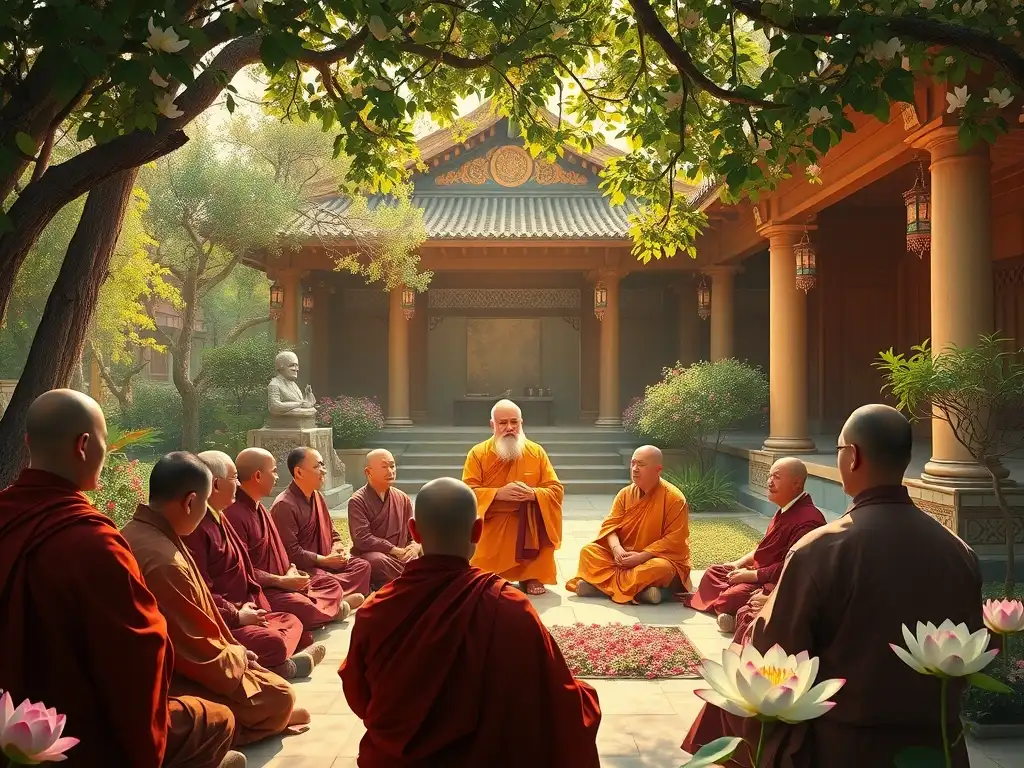
The Sangha, which refers to the community of monks, nuns, and lay followers in Buddhism, has played a crucial role in shaping and sustaining Buddhist communities throughout history. This influence is evident in various aspects, including the dissemination of teachings, the establishment of monastic institutions, and the fostering of ethical practices among followers. The Sangha serves as a living embodiment of the Buddha's teachings, and their collective wisdom and experience have guided countless practitioners on their spiritual journeys.
One of the fundamental ways the Sangha has influenced Buddhist communities is through the establishment of educational and meditative practices. Monasteries became centers of learning, preserving sacred texts and teachings while offering a space for meditation and reflection. The presence of the Sangha provides a structure for communal worship, allowing lay practitioners to engage with the teachings of the Buddha and cultivate a sense of belonging within the broader Buddhist community.
Moreover, the Sangha has been instrumental in promoting the values of compassion, mindfulness, and ethical living. Their role as teachers and mentors helps lay followers navigate the complexities of life while adhering to Buddhist principles. This supportive environment fosters resilience and encourages individuals to contribute positively to society, allowing the teachings of Buddhism to flourish.
Community Building and Support Structures
The Sangha's influence on community building is profound, as it creates networks of support among practitioners. The communal aspect of Buddhism emphasizes the importance of Sangha in promoting social cohesion, mutual aid, and shared values. Monks and nuns often take on the role of spiritual guides, offering counsel and leading rituals that strengthen community bonds.
Support structures within the Sangha manifest in various forms, such as meditation retreats, study groups, and communal celebrations of Buddhist festivals. These gatherings not only provide opportunities for learning and spiritual growth but also reinforce a sense of identity and shared purpose among members. Additionally, the Sangha often engages in social outreach, addressing community needs through charitable actions and educational initiatives.
The Sangha also plays a vital role in ensuring the continuity of Buddhist practices across generations. By nurturing a culture of mentorship and intergenerational learning, the Sangha helps preserve traditions and teachings, ensuring that they remain relevant and accessible to contemporary audiences. This dynamic interaction fosters a sense of continuity and resilience within the Buddhist community.
The Role of the Sangha in Lay Buddhist Life
In the context of lay Buddhist life, the Sangha provides essential guidance and support for individuals seeking to integrate Buddhist teachings into their daily routines. Lay followers often rely on the Sangha for spiritual nourishment, turning to monks and nuns for teachings, blessings, and guidance in ethical conduct. This relationship is reciprocal, as lay practitioners also support the Sangha through offerings and donations, creating a symbiotic relationship that benefits both parties.
The Sangha's teachings emphasize the importance of ethical living and mindfulness, providing practical tools for lay practitioners to apply in their everyday lives. This includes teachings on the Four Noble Truths, the Eightfold Path, and the practice of meditation. By embodying these principles, the Sangha serves as a living example of how to navigate life's challenges with wisdom and compassion.
Furthermore, the Sangha offers lay practitioners a space to engage in communal activities, such as group meditation and dharma talks, which enrich their spiritual practice. These interactions foster a sense of belonging and encourage lay followers to deepen their understanding of Buddhist concepts, ultimately contributing to their personal growth and the vitality of the wider Buddhist community.
Challenges Faced by the Sangha in Buddhist History
Despite its crucial role, the Sangha has faced numerous challenges throughout Buddhist history, impacting its ability to fulfill its mission. From historical persecutions to internal strife, these challenges have tested the resilience and adaptability of the Sangha, shaping its evolution over time.
Historical Persecutions and Their Impact
Throughout history, the Sangha has encountered various forms of persecution that have threatened its existence and influence. In regions where Buddhism flourished, such as India, the Sangha faced opposition from rival religious traditions and political authorities. Notably, the decline of Buddhism in India during the late first millennium CE was exacerbated by the rise of Hinduism and Islamic invasions, which often targeted monastic institutions.
These persecutions led to the destruction of monasteries, the loss of texts, and the displacement of monks and nuns. The resulting fragmentation of the Sangha limited its capacity to preserve teachings and maintain cohesive communities. However, the resilience of the Sangha is evident in its ability to adapt, migrating to other regions such as Southeast Asia, where it continued to thrive and evolve, spreading Buddhist teachings to new audiences.
Internal Conflicts and Schisms within the Sangha
In addition to external challenges, the Sangha has also faced internal conflicts and schisms that have influenced its development. Disagreements over interpretations of teachings, monastic discipline, and leadership structures have occasionally led to the formation of different sects within Buddhism. These schisms, such as the division between the Theravada and Mahayana traditions, reflect diverse cultural interpretations of the core teachings.
While these internal conflicts can be seen as a challenge, they also highlight the adaptability of the Sangha in responding to the needs of different communities. Each sect has contributed to the richness of Buddhist practice, offering unique perspectives and teachings that resonate with various practitioners. The ability of the Sangha to embrace diversity has ultimately strengthened the overall tradition, allowing Buddhism to endure and flourish across different contexts and cultures.
The Contemporary Relevance of the Sangha
The Sangha continues to hold significant relevance in contemporary society, serving as a vital institution for the preservation and dissemination of Buddhist teachings. In an age marked by rapid globalization and cultural exchanges, the Sangha embodies the essence of community, providing a supportive environment for practitioners of Buddhism. This modern-day relevance is not merely a continuation of ancient traditions; it represents a dynamic response to contemporary challenges and needs.
The Sangha's role extends beyond spiritual guidance to encompass social engagement, ethical leadership, and educational initiatives. By adapting their teachings and practices to address modern issues such as mental health, environmental conservation, and social justice, members of the Sangha contribute to the well-being of society at large. Their continued emphasis on mindfulness, compassion, and ethical conduct resonates with a global audience seeking solace in the teachings of the Buddha amidst the complexities of modern life.
Modern-Day Sangha and Its Role in Buddhism
In modern times, the Sangha has evolved to include various forms and structures, catering to the diverse needs of practitioners worldwide. Traditional monastic communities remain essential, but lay practitioners also play a crucial role in expanding the reach of Buddhist teachings. Many Buddhist centers and temples now offer programs that blend traditional practices with contemporary relevance, such as mindfulness meditation workshops, interfaith dialogues, and community service initiatives.
Furthermore, the Sangha is increasingly leveraging technology to connect with practitioners. Online platforms and social media have become pivotal in sharing teachings, conducting virtual meditations, and fostering a sense of community among those who may not have access to local centers. This adaptability demonstrates the Sangha's commitment to remaining relevant and accessible in a rapidly changing world.
The Sangha's Influence on Global Buddhist Practices
The influence of the Sangha extends well beyond the borders of India, shaping Buddhist practices around the globe. As Buddhism has spread to the West and other regions, the Sangha has played a critical role in introducing and contextualizing Buddhist teachings within various cultural frameworks. Different schools of Buddhism have emerged, each with unique interpretations and practices, yet all trace their roots back to the foundational teachings preserved by the Sangha.
This global influence is evident in the rise of various Buddhist practices, such as Zen, Tibetan, and Theravada Buddhism, each adapting to the cultural contexts in which they flourish. The Sangha's ability to maintain core teachings while allowing for adaptability has facilitated a rich tapestry of practices that resonate with diverse communities, promoting a broader understanding of Buddhism in the modern world.
Conclusion: The Lasting Legacy of the Sangha in Buddhist History
The Sangha's legacy in Buddhist history is profound and enduring. As a vital institution for the preservation of teachings and the promotion of ethical conduct, the Sangha has been instrumental in shaping the trajectory of Buddhism from its inception to the present day. Its commitment to community, learning, and spiritual growth continues to inspire generations of practitioners, ensuring that the teachings of the Buddha remain accessible and relevant.
Summary of Key Points
- The Sangha's contemporary relevance is evident in its adaptation to modern societal needs.
- Modern-day Sangha includes both monastic and lay practitioners, expanding its role in Buddhist education and community engagement.
- The Sangha has significantly influenced global Buddhist practices, facilitating the spread and contextualization of teachings across cultures.
- Its legacy as a preserver of Buddhist teachings ensures the continuity of the tradition in a rapidly changing world.
The Future of the Sangha in Preserving Buddhist Teachings
Looking ahead, the future of the Sangha in preserving Buddhist teachings appears promising yet challenging. As the world continues to evolve, the Sangha must navigate the complexities of modernity while remaining true to the foundational principles of Buddhism. This includes addressing issues of inclusivity, diversity, and the integration of technology in practice.
Moreover, the Sangha's ability to engage with pressing global issues—such as environmental sustainability, social justice, and mental health—will be crucial in maintaining its relevance and appeal. By fostering a spirit of collaboration among diverse Buddhist communities and adapting teachings to meet the needs of contemporary society, the Sangha can ensure that the teachings of the Buddha continue to illuminate the path for future generations.
- Introduction to the Sangha in Buddhist History
- Historical Context of the Sangha
- Key Figures in the Sangha
- The Role of the Sangha in Preserving Buddhist Teachings
- The Sangha's Influence on Buddhist Communities
- Challenges Faced by the Sangha in Buddhist History
- The Contemporary Relevance of the Sangha
- Conclusion: The Lasting Legacy of the Sangha in Buddhist History
Frequently Asked Questions
What was the Sangha in Buddhist history?
The Sangha refers to the community of monks and nuns in Buddhism, which played a crucial role in preserving and teaching the Buddha's teachings.
How did the Sangha contribute to the spread of Buddhism?
The Sangha helped spread Buddhism by establishing monasteries, engaging in missionary work, and providing a structured community for practice and study.
Who were some key figures in the Sangha?
Key figures include Buddha himself, who founded the Sangha, and notable monks like Ananda and Sariputta, who were instrumental in teaching and preserving the Dharma.
What were the challenges faced by the Sangha throughout history?
The Sangha faced challenges such as political shifts, conflicts with other religions, and internal divisions, which sometimes threatened the integrity of Buddhist teachings.
Why is the Sangha's role considered vital in Buddhist history?
The Sangha's role is vital because it has been a guardian of the Buddha's teachings, ensuring their transmission through generations and adapting them to various cultural contexts.
Final Reflection: The Enduring Legacy of the Sangha in Buddhist History
The Sangha's role in Buddhist history is not merely a relic of the past but a living testament to the resilience and adaptability of spiritual communities. Today, as we navigate a world increasingly marked by uncertainty and division, the teachings preserved by the Sangha offer profound insights into compassion, mindfulness, and interconnectedness. The enduring relevance of these teachings reminds us that the Sangha is not just a historical entity; it is a vital force that continues to shape our understanding of community and spirituality in the modern age.
The influence of the Sangha extends far beyond the confines of temples and monasteries; it permeates the cultural and social landscape of our lives. As we witness a resurgence of interest in mindfulness and meditation practices, we are reminded of the Sangha's pivotal role in nurturing these teachings. The Sangha is the lifeblood of the Buddha's teachings, ensuring their survival and relevance through the ages.
This observation highlights how the Sangha not only preserves ancient wisdom but also adapts it to meet the needs of contemporary society, fostering a sense of belonging and shared purpose among practitioners.
As we reflect on the teachings and the legacy of the Sangha, I invite you to consider how these principles can be woven into your own life. How can you embody the values of compassion, community, and mindfulness in your daily interactions? Embrace the opportunity to connect with others, foster understanding, and contribute to a more harmonious world.
The Sangha's teachings are not just to be admired; they are a call to action, urging us to cultivate a deeper sense of connection with ourselves and those around us. Let us carry forward the spirit of the Sangha, ensuring that its wisdom continues to illuminate our paths in the years to come.
Join the Journey: Engage with the Sangha!
Thank you for immersing yourself in the fascinating world of the Sangha and their vital role in preserving Buddhist teachings! Your interest fuels the understanding of these key figures and their impact on spirituality and culture. Now, let's take that knowledge further!
- Dive deeper into the teachings of a specific key figure from the Sangha by locating their most inspiring sermons or texts online.
- Share your insights with friends or on social media to spark conversations about the importance of community in spirituality.
- Consider joining a local or online Buddhist group to connect with practitioners and deepen your exploration of these teachings in practice.
What aspect of the Sangha's role resonates most with you, and how do you envision applying their lessons in your own life?