
How Eastern India's History Influences Modern Indian Culture

Welcome to Ancient India History, where we embark on a fascinating journey through the rich tapestry of India's past. In this exploration, we shine a spotlight on Eastern India's historical influence, unraveling how the legacies of ancient civilizations continue to shape modern Indian culture. Are you ready to discover the profound connections between yesterday and today? Dive into our latest article, "How Eastern India's History Influences Modern Indian Culture," and uncover the stories that have woven the fabric of contemporary life in India. Your adventure through time begins here!
- Introduction to Eastern India's Historical Influence
- Major Historical Periods in Eastern India
- Key Contributions of Eastern India to Indian Culture
- Eastern India's Historical Influence on Modern Indian Society
- Case Studies of Influential Historical Figures from Eastern India
- Conclusion: The Lasting Impact of Eastern India's History on Contemporary Culture
-
Frequently Asked Questions
- What is the significance of Eastern India's historical influence on modern Indian culture?
- How did the Indus Valley Civilization contribute to Eastern India's history?
- What role did the Gupta Empire play in Eastern India's historical narrative?
- How does Eastern India's history reflect in its festivals and traditions?
- What are some modern cultural practices that originated from Eastern India's history?
- Final Reflection: The Enduring Legacy of Eastern India's Historical Influence
- Unveil the Richness of Eastern India's Heritage!
Introduction to Eastern India's Historical Influence
Eastern India, a region characterized by its vibrant history and cultural diversity, has played a pivotal role in shaping the broader narrative of Indian civilization. From the ancient cities of the Indus Valley to the flourishing kingdoms of the Gupta Empire, this region has been a cradle of innovation, spirituality, and artistic expression.
Understanding Eastern India's historical influence is essential not only to appreciate its past but also to comprehend how it continues to resonate in modern Indian culture. This article delves into the rich tapestry of Eastern India's history, shedding light on its significant contributions to art, philosophy, and societal structures that have left an indelible mark on contemporary Indian society.
Overview of Eastern India's Rich History
Eastern India boasts a history that spans thousands of years, marked by the rise and fall of various dynasties and empires. The region is known for:
- The Indus Valley Civilization: One of the world's oldest urban cultures, it laid the groundwork for future societal developments in the region.
- The Maurya and Gupta Empires: These empires contributed significantly to political unification, economic prosperity, and cultural advancements.
- The Pala Empire: Notable for its patronage of Buddhism and the arts, influencing not just India but also neighboring regions.
The interplay of various cultures, religions, and languages in Eastern India has fostered a unique blend of traditions that continue to thrive today. This historical backdrop serves as a foundation for understanding the philosophical and artistic movements that emerged from this region, impacting not only Eastern India but the entire subcontinent.
Significance of Eastern India in Ancient Civilizations
The significance of Eastern India in ancient civilizations can be attributed to several key factors:
- Cultural Melting Pot: Eastern India has been a meeting point for diverse cultures, including Hinduism, Buddhism, and Jainism. This convergence has enriched its cultural fabric and laid the foundation for pluralistic values in modern society.
- Advancements in Arts and Sciences: The region has been home to renowned scholars, artists, and architects. For instance, the architectural marvels of Konark and Puri, along with significant literary contributions from poets like Kalidasa, underscore the artistic legacy of Eastern India.
- Trade and Commerce: Historically, Eastern India was a hub of trade routes connecting it to Southeast Asia and beyond. This facilitated not only economic prosperity but also cultural exchanges that have influenced various aspects of modern Indian life.
- Political Influence: The governance structures established by ancient kingdoms in Eastern India have had lasting impacts on contemporary administrative practices in India.
Eastern India's historical influence is a testament to its rich legacy, which continues to shape the cultural, social, and political landscapes of modern India. Through this exploration, we uncover the intricate connections between past and present, revealing how the echoes of ancient civilizations persist in today’s society.
Major Historical Periods in Eastern India
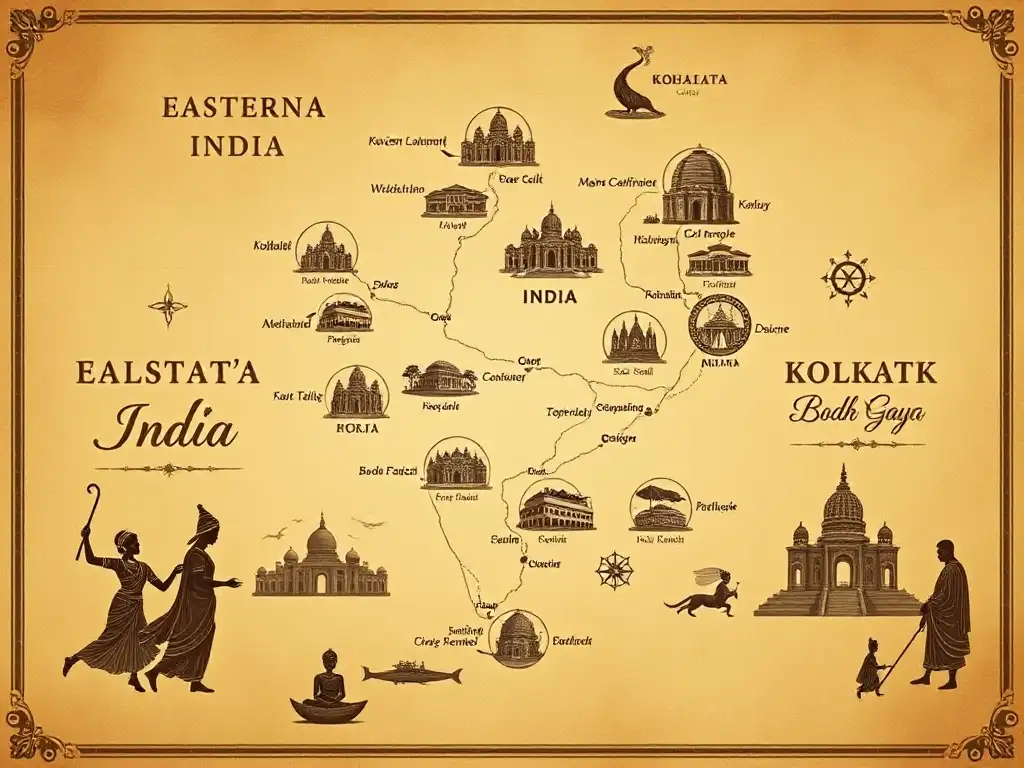
Eastern India has been a cradle of civilization, witnessing several major historical periods that have significantly shaped its culture and, by extension, modern Indian society. Each era contributed uniquely to the socio-political and cultural fabric of the region. Understanding these periods is crucial to appreciating how Eastern India's historical influence continues to resonate today.
The Indus Valley Civilization's Impact on Eastern Culture
The Indus Valley Civilization (circa 3300–1300 BCE) is one of the earliest urban cultures in the world, primarily located in present-day Pakistan and northwest India, but its influence extended into Eastern India. The cities of Harappa and Mohenjo-Daro showcased advanced urban planning, craftsmanship, and trade systems. Key impacts include:
- Urban Planning and Architecture: The systematic layout of cities, with grid patterns and drainage systems, influenced later settlements in Eastern India, promoting a culture of urbanization.
- Trade Networks: The Indus traders established extensive trade routes that connected Eastern India with the Middle East and Central Asia, facilitating cultural exchanges. This exposure led to the adoption of various practices, including metallurgy and agricultural techniques.
- Cultural Symbols: The use of seals and symbols from the Indus Valley laid the groundwork for subsequent artistic expressions in Eastern India. The motifs and styles found in pottery and terracotta figurines can be traced back to this ancient civilization.
The Maurya and Gupta Empires: A Cultural Renaissance
The Maurya Empire (322–185 BCE) and the subsequent Gupta Empire (circa 320–550 CE) marked a significant cultural renaissance in Eastern India, with widespread advancements in art, literature, and philosophy.
- Mauryan Contributions: Under the reign of Ashoka, the Maurya Empire promoted Dharma (moral law) across Eastern India, leading to the spread of Buddhism. Ashoka's edicts, inscribed on pillars and rocks, emphasized ethical governance and social welfare, influencing modern Indian values of justice and equality.
- Gupta Golden Age: The Gupta period is often referred to as a Golden Age due to its remarkable achievements in science, mathematics, and the arts. Notable figures such as Aryabhata and Kalidasa emerged during this time, whose works and discoveries laid the foundation for various fields, including astronomy and literature.
- Cultural Syncretism: Both empires fostered a spirit of cultural syncretism, blending indigenous traditions with influences from foreign cultures. This phenomenon can be seen in the architectural styles of temples and stupas, which still resonate in Eastern India today.
The Rise of Regional Kingdoms in Eastern India
Following the decline of the Gupta Empire, Eastern India saw the emergence of several regional kingdoms, each contributing to the region's historical tapestry.
- The Pala Dynasty: Flourishing between the 8th and 12th centuries, the Palas were instrumental in the revival of Buddhism and the establishment of renowned educational centers, such as Nalanda. Their patronage of art and literature enriched the cultural landscape of Eastern India.
- The Sena Dynasty: The Senas (11th to 12th centuries) played a pivotal role in the Hindu resurgence in Eastern India. They contributed to the architectural grandeur of temples and promoted the Vaishnavism sect, shaping local religious practices that endure today.
- Cultural Integration: The regional kingdoms facilitated the amalgamation of various ethnic and cultural groups, leading to a diverse societal structure. Festivals, languages, and local traditions evolved from this intricate interplay, continuing to influence modern Eastern Indian culture.
The exploration of these major historical periods illustrates how Eastern India's historical influence has left an indelible mark on modern Indian culture, showcasing a legacy of resilience, creativity, and cultural diversity.
Key Contributions of Eastern India to Indian Culture
Eastern India, encompassing states like West Bengal, Odisha, Jharkhand, and Assam, has played a pivotal role in shaping the broader cultural tapestry of India. Its rich history is marked by contributions to literature, art, architecture, religion, and philosophy, each of which continues to influence modern Indian culture.
Literature and Language: The Evolution of Regional Dialects
Eastern India has been a cradle for literary excellence and linguistic diversity. The region is home to several languages, including Bengali, Odia, and Assamese, each with a profound literary tradition dating back centuries.
- Bengali Literature: Renowned for its poets and novelists, Bengali literature flourished during the 19th and 20th centuries. Figures like Rabindranath Tagore, who won the Nobel Prize in Literature in 1913, infused regional themes into their works. Tagore's poetry and plays often reflect the socio-political landscape of Bengal, showcasing the region's cultural ethos.
- Odia Literature: The Odia language boasts a rich literary history, with texts dating back to the 14th century. The works of poets like Jayadeva and contemporary writers such as Fakir Mohan Senapati have contributed significantly to the cultural identity of Odisha. The Mahabharata and Ramayana have been reinterpreted in regional dialects, making them accessible and relevant to local audiences.
- Assamese Literature: The Assamese language has a vibrant literary scene, with notable works by authors like Lakshminath Bezbaroa and Bhabendra Nath Saikia. The blending of folklore and modern themes in Assamese literature highlights the region's diverse cultural influences.
The evolution of these languages reflects the socio-cultural dynamics of Eastern India, showcasing the unique dialects that emerged through historical interactions and migrations.
Art and Architecture: Influences of Eastern Styles
Eastern India is known for its distinctive art and architectural styles, which have left a lasting impression on the Indian cultural landscape.
- Temple Architecture: The temples of Odisha, particularly the Konark Sun Temple and the Jagannath Temple in Puri, are exemplary of Kalinga architecture. Their intricate carvings and unique designs not only serve religious purposes but also tell stories from mythology and history, influencing architectural styles across India.
- Bengal School of Art: In the early 20th century, the Bengal School of Art emerged as a significant movement, reviving traditional Indian art forms in response to colonial influences. Artists like Abanindranath Tagore and Nandalal Bose sought to blend indigenous styles with modern techniques, fostering a renewed appreciation for Eastern Indian aesthetics.
- Folk Art: The region is also rich in folk art forms, such as Pattachitra painting from Odisha and the intricate patterns of Madhubani art from Bihar. These art forms often depict daily life, mythology, and social issues, connecting the past with contemporary narratives.
The diversity of artistic expressions in Eastern India can be traced back to its historical interactions with various cultures, leading to a fusion of styles that continues to inspire artists today.
Religion and Philosophy: The Role of Eastern India in Spiritual Development
Eastern India has been a significant center for religious and philosophical thought, contributing to the spiritual landscape of India.
- Buddhism: The region is closely associated with the life of Gautama Buddha, especially in areas like Bihar, where the Mahabodhi Temple in Bodh Gaya marks the site of Buddha's enlightenment. Eastern India played a crucial role in the spread of Buddhism throughout Asia, influencing various cultures and philosophies.
- Hindu Philosophy: The philosophical doctrines of Eastern India, particularly those emerging from the Vedantic traditions, have shaped Hindu thought. The teachings of philosophers like Chaitanya Mahaprabhu and Sri Ramakrishna Paramahamsa emphasize devotion and the pursuit of spiritual knowledge, impacting modern spiritual movements.
- Syncretism: Eastern India is also known for its syncretic traditions, where various religious practices and beliefs coexist. This blending of Hinduism, Buddhism, and folk beliefs reflects the region's historical openness to diverse spiritual influences.
Eastern India's historical influence is deeply embedded in its contributions to literature, art, architecture, and spiritual development. The echoes of this rich heritage resonate through modern Indian culture, underscoring the region's vital role in shaping a unified yet diverse national identity.
Eastern India's Historical Influence on Modern Indian Society
Cultural Traditions Rooted in History
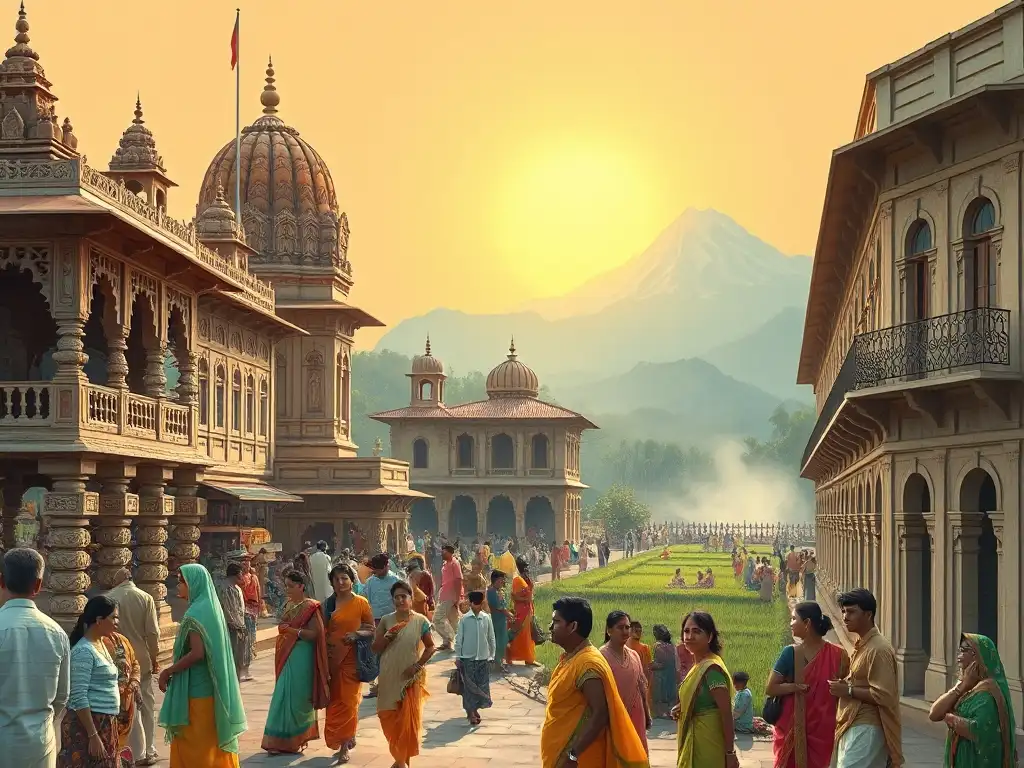
Eastern India, encompassing regions such as West Bengal, Odisha, Assam, and Bihar, boasts a rich tapestry of cultural traditions that have been shaped by centuries of historical events. The legacy of ancient kingdoms, such as the Maurya and Gupta Empires, profoundly influenced social norms, art forms, and religious practices that continue to resonate today.
One significant aspect of Eastern India's cultural heritage is its art forms, which include classical dance styles like Odissi and Manipuri. These dance forms are not merely performances; they are expressions of ancient religious narratives and social values, often depicting stories from Hindu epics and local folklore. For example, Odissi is deeply rooted in the temples of Odisha, reflecting the religious significance of the region.
Another vital tradition is the craftsmanship found in Eastern India. The exquisite Madhubani paintings from Bihar and the intricate Baluchari sarees from West Bengal showcase the artistic skills passed down through generations. These crafts not only serve aesthetic purposes but also communicate historical narratives and social customs, thus preserving the region's identity.
Festivals and Celebrations: A Reflection of Historical Influences
Festivals in Eastern India serve as vibrant reminders of the region's historical influences and cultural diversity. Events such as Durga Puja in West Bengal and Rath Yatra in Odisha encapsulate ancient religious practices blended with local customs, showcasing how history shapes contemporary celebrations.
Durga Puja, for instance, commemorates the victory of goddess Durga over the buffalo demon Mahishasura, symbolizing the triumph of good over evil. This festival, which has its roots in ancient rituals, has evolved into a grand celebration attracting millions, showcasing elaborate pandals, artistic creativity, and a sense of community.
Similarly, Rath Yatra, the chariot festival of Lord Jagannath, reflects the region's deep religious significance and the historical context of the Jagannath Temple in Puri. The procession of the chariots is not only a religious event but also a manifestation of the communal harmony and inclusivity that characterizes Eastern Indian society.
| Festival | Historical Roots | Modern Significance |
|---|---|---|
| Durga Puja | Victory of goddess Durga over Mahishasura | Celebrated with grandeur, showcasing art and community spirit. |
| Rath Yatra | Ancient traditions surrounding Jagannath | Promotes unity and draws devotees from around the world. |
The Influence of Eastern Indian Cuisine on National Identity
Eastern India is renowned for its diverse and flavorful cuisine, which has significantly influenced the culinary landscape of modern India. The historical amalgamation of local ingredients, cooking techniques, and cultural exchanges has resulted in a unique gastronomic identity that is celebrated nationwide.
Rice and fish, staples of Eastern Indian diets, reflect the geographical abundance of rivers and fertile lands. Dishes like machher jhol (fish curry) and pakhala (fermented rice) are not just popular in the region but have also made their way into the culinary practices of other parts of India, showcasing the adaptability and appeal of Eastern flavors.
Moreover, the use of spices and herbs in Eastern Indian cooking, such as panch phoron (a blend of five spices), reveals the historical trade routes that introduced various spices to the Indian subcontinent. This culinary influence extends beyond taste; it fosters a sense of identity and cultural pride among Eastern Indians.
In contemporary gastronomy, the fusion of traditional and modern cooking styles has led to the emergence of innovative dishes that celebrate Eastern Indian heritage while appealing to a global audience. This culinary evolution underscores the enduring impact of Eastern India's historical influences on India's national identity.
Eastern India's historical influence is intricately woven into the fabric of modern Indian society, manifesting in cultural traditions, festivals, and cuisine. These elements not only reflect the region's rich past but also contribute to a cohesive Indian identity that honors its diverse heritage.
Case Studies of Influential Historical Figures from Eastern India
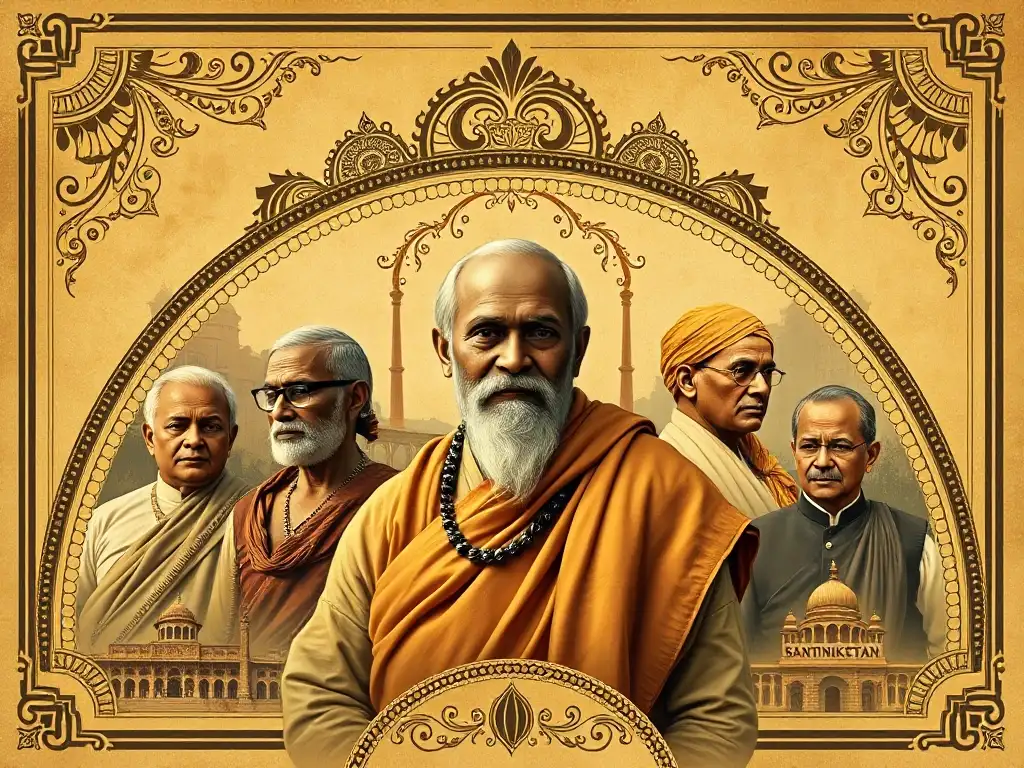
Eastern India has been a cradle of civilization, producing numerous influential historical figures whose legacies continue to shape modern Indian culture. This section explores two significant contributions from the region: the legacy of Ashoka from Kalinga and the profound thoughts of Eastern philosophers.
The Legacy of Kalinga: Ashoka and Buddhism
One of the most remarkable figures in Eastern India's history is Emperor Ashoka, who reigned from 268 to 232 BCE. His legacy is intricately tied to the Kalinga War, which marked a pivotal moment not only in his life but also in the history of India.
The Kalinga War, fought between Ashoka and the state of Kalinga, resulted in a massive loss of life and suffering. This experience profoundly impacted Ashoka, leading to his conversion to Buddhism. He became a patron of the religion, promoting its teachings across the Indian subcontinent and beyond.
Key Contributions of Ashoka:
- Spread of Buddhism: Ashoka's edicts, inscribed on pillars and rocks throughout his empire, propagated the principles of Buddhism, emphasizing non-violence, compassion, and ethical governance.
- Infrastructure Development: He established numerous stupas and monasteries, facilitating the growth and influence of Buddhist culture.
- Diplomatic Missions: Ashoka sent missionaries to various regions, including Sri Lanka and Central Asia, to spread Buddhist teachings, which helped in the establishment of a global Buddhist community.
Ashoka's commitment to Buddhism and moral governance has left an indelible mark on Eastern India's cultural landscape. His efforts to promote peace and ethical conduct resonate strongly in contemporary Indian society, influencing various aspects of Indian culture, including spiritual practices and philosophical discussions.
Contributions of Eastern Philosophers and Thinkers
Eastern India has also been home to a plethora of philosophers and thinkers whose ideas have significantly shaped the intellectual and cultural fabric of the region.
Notable Philosophers:
- Adi Shankaracharya: A pivotal figure in the revival of Hindu philosophy, Shankaracharya's teachings on Advaita Vedanta challenged dualistic views and emphasized the oneness of the individual soul (Atman) with the universal soul (Brahman).
- Raja Ram Mohan Roy: Often referred to as the "father of the Indian Renaissance," Roy was instrumental in promoting social reforms, including the abolition of Sati and the promotion of women's rights. His advocacy for education and rationalism laid the groundwork for modern Indian thought.
- Swami Vivekananda: A disciple of Ramakrishna Paramahamsa, Vivekananda's teachings focused on the synthesis of Eastern spirituality and Western pragmatism. His famous address at the Parliament of Religions in Chicago in 1893 introduced Hindu philosophy to the Western world, influencing perceptions of India and spirituality abroad.
These thinkers contributed not only to the philosophical discourse of their time but also laid the foundations for modern social and religious movements in India. Their ideas continue to inspire contemporary discussions around spirituality, social justice, and the integration of traditional values with modernity.
The historical figures from Eastern India, particularly through the transformative legacy of Ashoka and the profound insights of Eastern philosophers, have played a crucial role in shaping modern Indian culture. Their contributions underscore the enduring influence of Eastern India's historical narrative on contemporary society.
Conclusion: The Lasting Impact of Eastern India's History on Contemporary Culture
The historical tapestry of Eastern India is woven with threads of culture, tradition, and innovation that continue to shape modern Indian society. From ancient kingdoms to colonial influences, the legacy of Eastern India is evident in various facets of contemporary life, including art, religion, language, and social practices. This section delves into the specific historical influences that have left a profound mark on today's culture and considers the future implications of these rich traditions.
Summary of Historical Influences
Eastern India's historical influence can be traced back to several key civilizations and dynasties, each contributing unique elements to the region's cultural heritage:
- Indus Valley Civilization:
- The early urbanization and advanced societal structures established in the Indus Valley have laid the groundwork for modern city planning and social organization.
- Urban centers like Mohenjo-Daro and Harappa showcase sophisticated drainage systems and public baths, influencing contemporary urban infrastructure in India.
- Maurya and Gupta Empires:
- The Mauryan Empire (c. 322–185 BCE) and Gupta Empire (c. 240–550 CE) are pivotal in the evolution of political governance, art, and education.
- The spread of Buddhism and Hinduism during these periods fostered a rich spiritual landscape, with temples and stupas that are still revered today.
- Medieval and Mughal Periods:
- Eastern India saw significant cultural intersections during the medieval period, especially with the advent of the Mughal Empire.
- The blend of Persian and Indian art forms gave rise to unique styles in architecture and miniature paintings that resonate in modern artistic expressions.
- Colonial Influence:
- British colonial rule introduced Western education and legal systems, which significantly impacted Indian society.
- The social reform movements that emerged in Eastern India during this period, such as the Brahmo Samaj, shaped modern Indian thought and social structure.
- Folk Traditions and Regional Languages:
- The rich folk traditions, including music, dance, and literature, have been preserved and continue to thrive, reflecting the diverse cultural identities of Eastern India.
- Languages such as Bengali, Odia, and Assamese have evolved while retaining their historical roots, enriching the linguistic landscape of India.
Future Implications for Indian Culture and Society
Looking ahead, the historical influences of Eastern India are poised to play a crucial role in shaping future cultural dynamics. As globalization continues to expand, the unique characteristics of Eastern Indian culture can contribute to a broader understanding and appreciation of diversity within the nation.
- Cultural Preservation:
- There is a growing movement to preserve traditional arts and crafts, ensuring that ancient techniques are passed down to future generations. This not only maintains cultural identity but also supports local economies.
- Educational Reforms:
- Incorporating the historical narratives and contributions of Eastern India into educational curricula can foster a sense of pride and belonging among young Indians, encouraging them to engage with their heritage.
- Intercultural Dialogue:
- As Eastern India continues to influence contemporary art, literature, and spirituality, it can serve as a platform for intercultural dialogue, promoting unity and understanding in a diverse nation.
- Sustainable Practices:
- Traditional agricultural methods and sustainable living practices from Eastern India are increasingly relevant in the context of environmental challenges. Emphasizing these practices can lead to a more sustainable future.
Eastern India's historical influence is not merely a relic of the past; it permeates various aspects of modern Indian culture and societal development. Recognizing and celebrating these influences will not only honor the legacy of this vibrant region but also pave the way for a more inclusive and enriched cultural landscape in India.
Frequently Asked Questions
What is the significance of Eastern India's historical influence on modern Indian culture?
Eastern India has played a crucial role in shaping art, literature, and traditions that continue to thrive today, showcasing the region's rich cultural heritage.
How did the Indus Valley Civilization contribute to Eastern India's history?
The Indus Valley Civilization, one of the earliest urban cultures, established advanced trade networks and urban planning, influencing subsequent societies in Eastern India.
What role did the Gupta Empire play in Eastern India's historical narrative?
The Gupta Empire is known for its remarkable advancements in science, mathematics, and art, which laid the foundation for many cultural aspects seen in modern India.
How does Eastern India's history reflect in its festivals and traditions?
Many festivals and traditions celebrated today have roots in ancient practices, showcasing the enduring impact of historical events and cultural exchanges from Eastern India's past.
What are some modern cultural practices that originated from Eastern India's history?
Cultural practices such as dance forms, music styles, and culinary traditions can be traced back to ancient times, highlighting the lasting influence of Eastern India's diverse history.
Final Reflection: The Enduring Legacy of Eastern India's Historical Influence
The intricate tapestry of Eastern India's history continues to weave its threads into the fabric of modern Indian culture, reminding us that our past shapes our present. As we navigate the complexities of contemporary society, it becomes increasingly clear that the rich cultural heritage of Eastern India—its traditions, art forms, and philosophies—plays a pivotal role in defining our collective identity. The echoes of history resonate in our daily lives, urging us to recognize and celebrate the influences that have shaped who we are today.
The historical narratives of Eastern India have not only enriched our cultural landscape but have also fostered a sense of unity and diversity within the broader Indian context. The vibrant festivals, culinary traditions, and artistic expressions that stem from this region serve as a testament to its profound impact on our social fabric. As Mahatma Gandhi once said, A nation's greatness is measured by how it treats its weakest members.
This sentiment rings true as we reflect on how the values and lessons from Eastern India's past continue to inspire us to build a more inclusive and compassionate society.
As we move forward, I invite you to reflect on your own connection to this rich history and consider how it influences your life today. Whether through the arts, cuisine, or community practices, Eastern India's historical influence is a treasure trove waiting to be explored. Embrace the lessons of the past and let them guide you in fostering a deeper understanding and appreciation of the diverse cultures that coexist within our nation. Together, we can honor this legacy and ensure that the stories of Eastern India continue to inspire generations to come.
Unveil the Richness of Eastern India's Heritage!
Thank you for diving into the timeless tales of Eastern India's history! Your exploration has revealed the profound ways that the past shapes our vibrant culture today. Now it's time to embrace this knowledge and put it into action!
Here’s how you can further connect with and celebrate this rich heritage:
- Immerse yourself in Eastern Indian culture by trying out traditional recipes at home; share your culinary creations with family and friends!
- Visit a local museum or cultural center that showcases the history of Eastern India; engage with exhibitions to deepen your appreciation for the region's artistic and historical significance.
- Join online communities or social media groups dedicated to Eastern Indian heritage to exchange ideas, share photos, and gain insights, broadening your understanding and connection.
What aspect of Eastern India’s culture are you most excited to explore further, and how do you plan to incorporate this heritage into your daily life?