
The Role of Trade in Shaping Indus Valley Artistic Styles

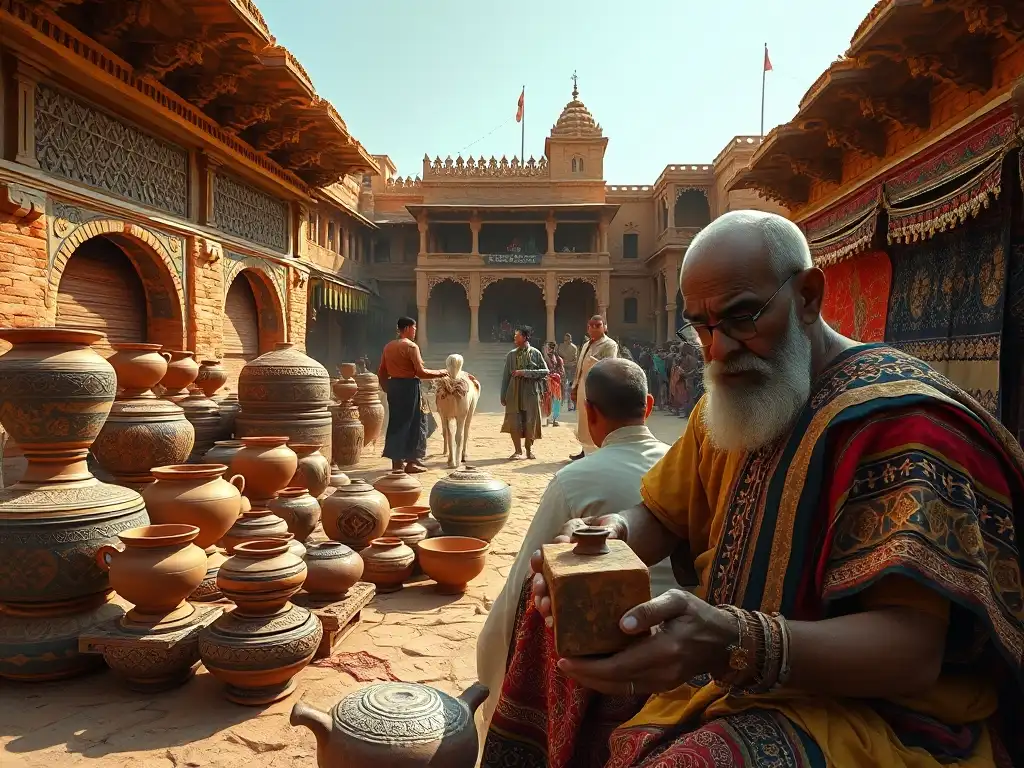
Welcome to Ancient India History, where we invite you to embark on a fascinating journey through the rich tapestry of India's past. In this exploration, we delve into the intriguing role of trade in shaping Indus Valley artistic styles, unveiling how commerce not only connected distant regions but also influenced the vibrant artistic expressions of one of the world's earliest civilizations. Join us as we uncover the secrets of the Indus Valley and discover how trade shaped their culture, leaving an enduring legacy that continues to inspire. Your adventure into the depths of ancient history starts here—let's dive deeper!
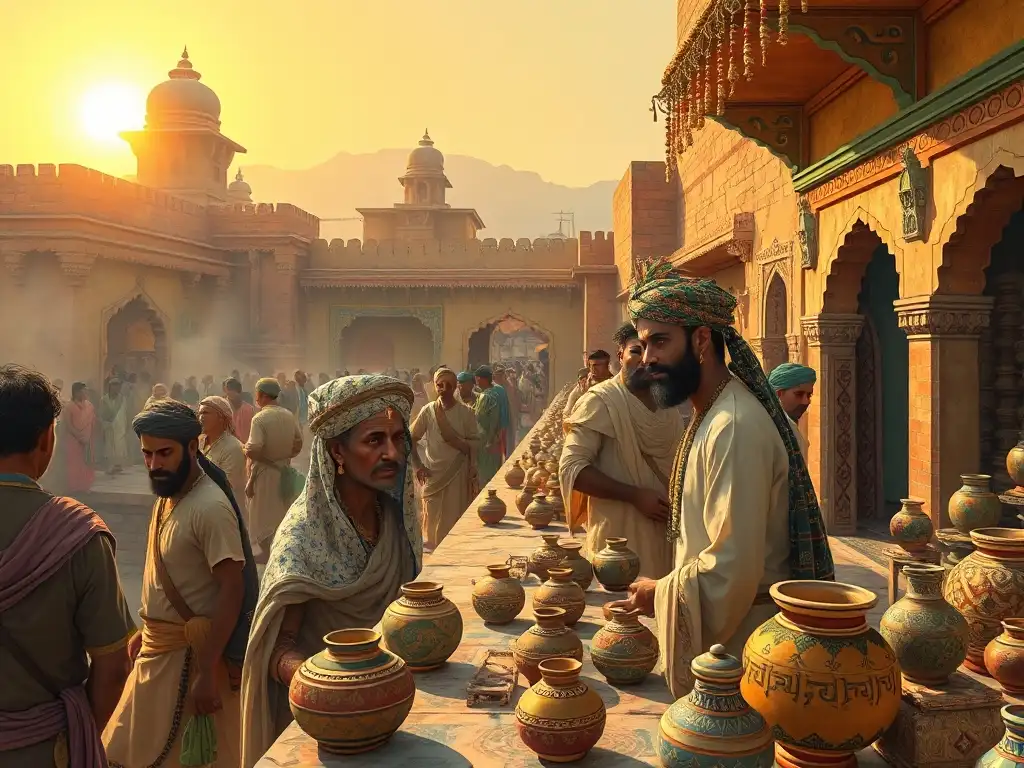
Introduction to Indus Valley Civilization
The Indus Valley Civilization (IVC), one of the earliest urban cultures in the world, flourished between 3300 BCE and 1300 BCE in the northwestern regions of South Asia. This remarkable civilization is renowned for its advanced urban planning, sophisticated drainage systems, and remarkable craftsmanship. Integral to the development of the IVC was trade, which played a pivotal role in shaping its artistic styles and cultural expressions.
The interactions with various neighboring cultures through trade not only facilitated the exchange of goods but also ideas, techniques, and artistic influences that enriched the civilization's artistic legacy. In this article, we will explore how trade significantly influenced the artistic styles of the Indus Valley, leading to a unique blend of local and foreign elements that define this ancient culture.
Overview of the Indus Valley Civilization
The Indus Valley Civilization, also known as the Harappan Civilization, emerged around 2500 BCE, with major urban centers like Harappa and Mohenjo-Daro showcasing impressive architectural achievements. The civilization was marked by:
- Urban Planning: Cities were meticulously planned with grid patterns, advanced drainage systems, and standardized fired brick construction.
- Trade Networks: Extensive trade routes extended to regions as far as Mesopotamia, Afghanistan, and Persia, facilitating the exchange of goods such as cotton textiles, gemstones, and pottery.
- Cultural Practices: The civilization exhibited a rich tapestry of cultural practices, including religious rituals, social organization, and artistic expression, which were often interlinked with their trade activities.
The IVC's artistic styles, characterized by intricate seals, pottery, and sculptures, reflect the diverse influences and exchanges facilitated by trade, making it a fascinating subject of study.
Importance of Art and Architecture in Ancient India
Art and architecture serve as vital reflections of a civilization's values, beliefs, and technological advancements. In ancient India, particularly within the Indus Valley Civilization, artistic expressions were not merely decorative but were deeply intertwined with the societal fabric. Key aspects of their significance include:
- Cultural Identity: Art forms, such as pottery and seals, often depicted motifs and symbols that conveyed cultural narratives, religious practices, and social hierarchies.
- Technological Innovation: The craftsmanship seen in Indus Valley artifacts illustrates the advanced techniques and materials used, showcasing the civilization's ingenuity and adaptation.
- Historical Record: The art and architecture provide crucial insights into the daily lives, trade practices, and interactions with other cultures, serving as a historical record for researchers and historians.
Understanding the role of trade in shaping these artistic styles is essential to grasp the broader implications of cultural exchange in ancient India.
Understanding Indus Valley Trade
The significance of trade in the Indus Valley Civilization extends far beyond mere economic transactions. It fostered a dynamic cultural exchange that profoundly influenced artistic styles and practices. By examining key trade routes and partners, we can better appreciate the complexity of these interactions.
Key Trade Routes of the Indus Valley Civilization
The IVC was strategically located along several vital trade routes that facilitated commerce and cultural exchange. These routes included:
- Land Routes: Connecting the Indus Valley to the Arabian Sea and beyond, allowing for the transport of goods overland to regions like Central Asia and Persia.
- Maritime Trade: The proximity to the coast enabled maritime trade with Mesopotamia and other regions, promoting the exchange of luxury goods and raw materials.
- River Systems: The Indus River and its tributaries served as natural highways for transporting goods, enhancing trade efficiency.
These trade routes not only enabled the flow of commodities but also contributed to the diffusion of artistic styles and cultural influences across regions.
Major Trade Partners and Influences
The Indus Valley Civilization engaged in trade with various cultures, each leaving an imprint on its artistic expressions. Notable trade partners included:
- Mesopotamia: The exchange of goods such as textiles, metals, and pottery led to the incorporation of Mesopotamian motifs and techniques in Indus Valley art.
- Persia: Trade with Persian regions introduced new materials and artistic concepts, influencing the designs of seals and jewelry.
- Central Asian Cultures: Interactions with Central Asian tribes facilitated the exchange of ideas and artistic techniques, enriching the IVC's cultural landscape.
These interactions resulted in a fusion of artistic styles that reflected both local traditions and external influences, shaping the unique artistic identity of the Indus Valley Civilization.
Artistic Styles of the Indus Valley
The artistic styles of the Indus Valley Civilization (IVC), which flourished from approximately 3300 to 1300 BCE, are characterized by a unique blend of craftsmanship and innovation. These styles reflect not only the indigenous cultural practices but also the influence of external trade interactions. The IVC was known for its advanced urban planning, which extended to the aesthetic aspects of its cities, including sculptures, pottery, and seals.
Indus Valley artisans employed a variety of materials such as terracotta, stone, metal, and ivory to create art that was both functional and decorative. The prominent artistic expressions included intricate seals, figurines, and pottery adorned with geometric patterns and motifs inspired by nature. The sophistication of these artworks illustrates the high level of skill and creativity of the artisans, making them a significant aspect of the civilization's cultural heritage.
Characteristics of Indus Valley Artistic Expressions
The artistic expressions of the Indus Valley Civilization can be distinguished by several key characteristics:
- Geometric Patterns: Many artifacts feature intricate geometric designs, which are both aesthetically pleasing and indicative of systematic thought processes in design.
- Natural Motifs: Artisans often drew inspiration from the natural world, creating representations of flora, fauna, and human figures. This connection to nature can be seen in pottery and seals.
- Figurines: The production of terracotta figurines, often depicting animals and deities, showcases the civilization’s religious beliefs and social structure.
- Seals: The seals, often made of steatite, are particularly noteworthy for their detailed carvings and inscriptions, suggesting a complex system of communication and trade.
These characteristics not only highlight the technical proficiency of the artisans but also the cultural significance of their art as a medium for storytelling and expression of identity.
Influence of Trade on Art Forms
Trade was a vital component of the Indus Valley Civilization, fostering connections with neighboring cultures and civilizations such as Mesopotamia and Persia. This interaction significantly influenced the artistic forms developed within the IVC. Through trade, the Indus Valley artisans gained access to new materials, techniques, and artistic ideas, which they adapted and integrated into their own practices.
- Material Exchange: The importation of materials like lapis lazuli from Afghanistan and carnelian from other regions enriched the palette of IVC artisans, allowing for more intricate and vibrant artworks.
- Artistic Techniques: Techniques learned from foreign cultures, such as advanced metalworking and glazing methods, were incorporated into local practices, leading to innovations in pottery and jewelry making.
- Symbolism and Themes: The themes and symbols found in the art of the Indus Valley were influenced by the motifs prevalent in trade partner regions, reflecting a syncretic culture that embraced diverse elements.
The result of these exchanges was a dynamic and evolving artistic landscape that mirrored the complexities of trade relationships in the ancient world.
The Impact of Trade on Artistic Techniques
The impact of trade on the artistic techniques of the Indus Valley Civilization cannot be overstated. The exchange of goods, ideas, and artistic practices led to notable advancements and diversification in the artistic output of the IVC.
Imported Materials and Their Influence on Art
The availability of imported materials played a crucial role in shaping the artistic styles of the Indus Valley. For instance, the introduction of semi-precious stones, such as turquoise and carnelian, revolutionized the jewelry-making process. Artisans began to craft elaborate ornaments that were not only aesthetically appealing but also indicated social status and wealth.
Moreover, the use of foreign materials prompted innovations in design and technique:
- Stone Carving: The availability of high-quality stones enabled a higher level of detail in carvings, resulting in more refined and intricate works of art.
- Pottery Glazing: Techniques learned from interactions with Mesopotamian cultures led to advances in pottery glazing, enhancing both the durability and visual appeal of ceramic wares.
These imported materials and techniques contributed significantly to the artistic identity of the Indus Valley, allowing artisans to push the boundaries of their creative expression.
Cross-Cultural Exchanges in Artistic Practices
Cross-cultural exchanges facilitated by trade routes were instrumental in fostering a rich artistic dialogue among ancient civilizations. The Indus Valley's interactions with regions like Mesopotamia and the Arabian Peninsula introduced new artistic concepts and methodologies, which were subsequently adapted by local artisans.
- Motif Adaptation: Themes and motifs from foreign cultures found their way into Indus Valley art, leading to a unique fusion of styles. For example, motifs depicting mythological creatures or deities common in neighboring cultures were integrated into local art forms.
- Collaboration and Influence: The exchange of ideas often resulted in collaborative efforts among artisans from different regions, leading to a cross-pollination of styles and techniques. This interaction not only enriched the artistic landscape of the Indus Valley but also positioned it as a significant player in the broader context of ancient artistic traditions.
The role of trade in shaping the artistic styles of the Indus Valley was profound, facilitating the exchange of materials, techniques, and cultural motifs that defined and enriched the civilization's artistic heritage.
Case Studies of Trade Influence on Art
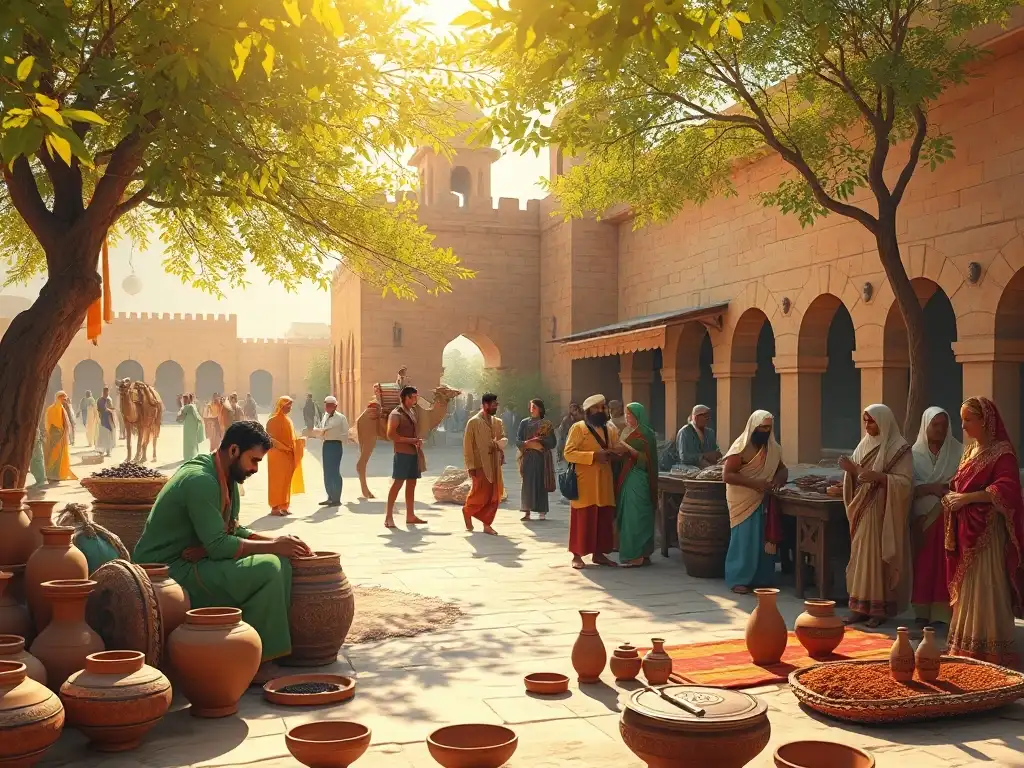
The Indus Valley Civilization (IVC), flourishing between 3300 and 1300 BCE, was marked not only by its advanced urban planning and engineering but also by its rich artistic expression, heavily influenced by trade networks. These networks extended across the Indian subcontinent and beyond, facilitating the exchange of goods, ideas, and techniques that shaped the artistic styles of the time. Examining specific case studies reveals how trade relations directly contributed to the evolution of Indus Valley art forms, showcasing the interconnectedness of culture and commerce.
Example 1: Pottery and Trade Relations
Pottery from the Indus Valley, particularly the distinct painted pottery, serves as a prime example of how trade influenced artistic styles. The intricate designs, often featuring geometric patterns and animal motifs, were not only aesthetic choices but also reflections of cultural exchanges with neighboring regions.
- Geometric Patterns: The use of geometric forms in pottery can be linked to influences from Mesopotamia and the Persian Gulf. As traders engaged with these cultures, they adopted and adapted styles, leading to unique pottery forms in the Indus Valley.
- Materials: The clay used in pottery was often sourced from different regions, enriching the artistic repertoire of potters. The trade in raw materials allowed artisans to experiment with new techniques and styles, resulting in a diverse range of pottery forms.
- Functionality and Artistry: Pottery served both practical and ceremonial purposes, and the artistic styles evolved to reflect these dual roles. Trade necessitated the production of items that were not only functional but also visually appealing, leading to innovations in design that can be traced back to external influences.
Example 2: Jewelry and Imported Techniques
Jewelry from the Indus Valley showcases another facet of how trade impacted artistic expression. The extensive trade networks of the IVC facilitated access to materials and techniques that transformed local jewelry-making practices.
- Materials and Gemstones: The Indus Valley artisans had access to a variety of materials, including gold, silver, and semi-precious stones like lapis lazuli and carnelian, primarily through trade with regions such as Mesopotamia and the Arabian Peninsula. This influx of materials allowed for more intricate and luxurious designs.
- Techniques and Craftsmanship: The techniques used in jewelry-making evolved significantly through interactions with other cultures. For example, the granulation technique, which involved fusing tiny beads of metal to a surface, is believed to have been introduced through trade with neighboring civilizations, leading to more sophisticated designs.
- Symbolism and Cultural Exchange: Jewelry was not just a fashion statement but also a means of showcasing status and identity. The motifs and designs often reflected a blend of local and foreign influences, illustrating the cultural exchanges that occurred through trade.
The Legacy of Indus Valley Trade Artistic Styles
The artistic styles that emerged from the Indus Valley trade networks left a lasting legacy that influenced subsequent art movements in India and beyond. This legacy is evident in both historical contexts and contemporary artistic expressions.
Long-term Effects on Subsequent Indian Art Movements
The trade-driven artistic styles of the Indus Valley laid the groundwork for future Indian art movements.
- Continuation of Motifs: Many motifs found in Indus Valley art, such as animal figures and geometric patterns, reappeared in later Indian art forms, including the Mauryan and Gupta periods. These motifs became integral to the visual language of Indian art.
- Cultural Syncretism: The blending of local and foreign artistic influences established a tradition of cultural syncretism in Indian art. This practice continued through various dynasties, where artists drew inspiration from both indigenous traditions and external influences.
- Artisan Techniques: The skills and techniques developed during the Indus Valley Civilization were passed down through generations, influencing subsequent craftsmanship in textiles, pottery, and metalwork, thus shaping the overall artistic landscape of ancient India.
Contemporary Reflections of Indus Valley Art
Today, the artistic styles of the Indus Valley continue to resonate, reflecting their enduring legacy in contemporary art.
- Revival in Modern Art: Many contemporary Indian artists draw inspiration from the motifs and forms characteristic of Indus Valley art. By incorporating these elements into their work, they honor the historical significance while promoting a modern understanding of ancient cultures.
- Cultural Heritage: Efforts to preserve and promote Indus Valley art can be seen in exhibitions and educational programs, emphasizing its importance in the broader narrative of Indian history and culture.
- Global Influence: The recognition of Indus Valley art on international platforms has led to a renewed interest in exploring ancient artistic practices, encouraging cross-cultural dialogues that celebrate the richness of human creativity.
The trade routes of the Indus Valley Civilization not only facilitated commerce but also played a crucial role in shaping its artistic styles. The legacy of these influences can still be seen today, as contemporary artists and scholars continue to explore and celebrate the rich heritage of this ancient civilization.
Conclusion
The exploration of the role of trade in shaping the artistic styles of the Indus Valley Civilization reveals a complex interaction between commerce and creativity. The trade networks established by the Indus Valley people not only facilitated the exchange of goods but also served as conduits for cultural and artistic influences. As artisans exchanged ideas and techniques with traders from distant lands, they absorbed and adapted various artistic elements, leading to a vibrant and diverse artistic expression that characterizes this ancient civilization.
Understanding the nuances of trade in relation to artistic styles provides valuable insights into the broader socio-economic and cultural dynamics of the Indus Valley. It highlights how interconnected the ancient world was, demonstrating that art was not merely a reflection of local traditions but a tapestry woven from a multitude of influences. This interconnectedness is crucial in appreciating the sophistication of the Indus Valley Civilization and its contributions to the wider narrative of ancient Indian history.
Summary of Trade's Role in Shaping Artistic Styles
The Indus Valley Civilization (IVC) thrived between approximately 3300 and 1300 BCE, and its artistic styles were significantly influenced by trade interactions. The flourishing trade routes connected the IVC with regions such as Mesopotamia, Persia, and Central Asia, facilitating not only the exchange of materials like semi-precious stones and textiles but also artistic ideas.
The artifacts unearthed from sites like Mohenjo-Daro and Harappa showcase a blend of local styles and foreign motifs, suggesting that artisans were likely inspired by the designs and techniques encountered through trade. This exchange also led to the standardization of certain artistic forms, such as the intricate seals and pottery designs that have become emblematic of Indus Valley art.
In essence, trade acted as a catalyst for artistic innovation, enabling the Indus Valley artisans to experiment with new forms and materials, which ultimately contributed to the rich tapestry of their artistic legacy.
The Significance of Understanding Trade and Art in Ancient Indian Civilizations
Examining the interplay between trade and art in ancient Indian civilizations, particularly within the context of the Indus Valley, is essential for several reasons. First, it helps illuminate the economic structures that underpinned these societies, showcasing how trade was integral to their development and sustainability. The wealth generated through trade not only supported economic stability but also fostered artistic endeavors, allowing for the flourishing of creativity.
Second, understanding this relationship enhances our appreciation of the cultural exchanges that shaped ancient Indian art. By recognizing the influences from other civilizations, scholars can better contextualize the unique characteristics of Indus Valley artistic styles within the broader framework of ancient art history.
Finally, this knowledge serves as a reminder of the interconnectedness of human societies throughout history. The exchange of goods, ideas, and artistic techniques highlights a shared human experience that transcends geographical boundaries, underscoring the importance of trade in shaping not just art, but the very identities of ancient civilizations.
References
Key Texts and Archaeological Studies on Indus Valley Trade and Art
- Possehl, Gregory S. The Indus Civilization: A Contemporary Perspective. This book provides an overview of the Indus Valley Civilization, focusing on its trade networks and artistic expressions.
- Mehta, P. S., and Sharma, A. K. Trade and Exchange in the Indus Valley Civilization. This research paper explores the various trade routes and their impact on the cultural and artistic development of the IVC.
- Carter, R. A. Indus Seals and Their Significance. This text analyzes the seals discovered in the IVC, discussing their artistic style and the implications of trade in their design.
- Wheeler, Mortimer. The Indus Civilization: A Reassessment. This classic work reassesses the role of trade in the IVC, shedding light on the artistic styles that emerged from these interactions.
- Lal, B. B. The Archaeology of India: A Study of Early Civilizations. This book provides a comprehensive look at ancient Indian civilizations, with particular attention to the interplay of trade and art.
- Introduction to Indus Valley Civilization
- Understanding Indus Valley Trade
- Artistic Styles of the Indus Valley
- The Impact of Trade on Artistic Techniques
- Case Studies of Trade Influence on Art
- The Legacy of Indus Valley Trade Artistic Styles
- Conclusion
- References
- What was the significance of trade in the Indus Valley civilization?
- How did trade influence artistic styles in the Indus Valley?
- What were the main trade partners of the Indus Valley civilization?
- Can you describe the artistic styles of the Indus Valley?
- How did the decline of trade affect the artistic styles of the Indus Valley?
Frequently Asked Questions
What was the significance of trade in the Indus Valley civilization?
Trade played a crucial role in the Indus Valley civilization, facilitating cultural exchange and the spread of artistic styles across regions, enhancing their artistic expressions.
How did trade influence artistic styles in the Indus Valley?
The exchange of goods and ideas through trade routes led to the adoption and adaptation of various artistic techniques and styles, resulting in a unique fusion of cultural influences.
What were the main trade partners of the Indus Valley civilization?
The Indus Valley civilization engaged in trade with Mesopotamia, Persia, and Egypt, which helped them acquire materials and techniques that enriched their artistic styles.
Can you describe the artistic styles of the Indus Valley?
Indus Valley artistic styles are characterized by intricate pottery, sculptures, and seal carvings that reflect both local traditions and influences from trade partners.
How did the decline of trade affect the artistic styles of the Indus Valley?
The decline of trade routes led to a reduction in cultural exchange, which likely contributed to a stagnation or simplification of artistic styles in the later periods of the Indus Valley civilization.
Final Reflection: The Enduring Legacy of Indus Valley Trade Artistic Styles
The intricate relationship between trade and artistic expression in the Indus Valley civilization is more relevant today than ever, as it highlights how cultural exchange shapes our world. In an era of globalization, understanding how trade influenced the artistic styles of the Indus Valley can provide valuable insights into our interconnectedness and the importance of cultural dialogue. The legacy of these ancient practices serves as a reminder that art is not merely a reflection of individual creativity but a tapestry woven from diverse influences and shared experiences.
The impact of trade on the artistic styles of the Indus Valley continues to resonate in our contemporary cultural landscape. The exchange of ideas, materials, and techniques not only enriched the artistic expressions of the time but also laid the groundwork for future generations to explore and innovate. As we witness the blending of cultures in today's global society, we can draw parallels to the Indus Valley's vibrant artistic legacy. Art is the most beautiful of all lies.
This quote encapsulates the essence of how trade can transform and elevate artistic expression, reminding us that creativity thrives in environments where diverse influences converge.
As you reflect on the themes presented in this article, consider how the lessons of the Indus Valley's trade and artistic styles can inspire your own life. Embrace the richness of cultural exchange in your surroundings and seek to learn from the diverse perspectives that shape our world. Whether through art, conversation, or collaboration, let the spirit of the Indus Valley guide you in fostering connections that celebrate creativity and diversity. In doing so, you not only honor the past but also contribute to a future where art continues to flourish through shared experiences.
Unveil the Artistry of Trade in Ancient Cultures!
Thank you for diving into the fascinating world of the Indus Valley and its artistic treasures shaped by trade. You've unlocked insights into how commerce influenced creativity and culture in ancient times. Now, let’s channel that curiosity into impactful actions!
Here’s how you can further explore this captivating topic:
- Immerse Yourself: Visit a local museum that showcases ancient artifacts or explore online archives featuring the art and trade artifacts of the Indus Valley.
- Share Your Knowledge: Engage in conversations with friends or on social media about the connections between trade and art. Sharing this article can spark interest and promote discussion!
- Join a Community: Connect with online forums or local history groups that focus on ancient cultures to deepen your understanding and meet like-minded enthusiasts.
What aspect of ancient trade resonates with you the most—its role in cultural exchange or its influence on artistic innovation? Let's discuss!