
The Mysterious Decline of Indus Valley Technology: What Happened?

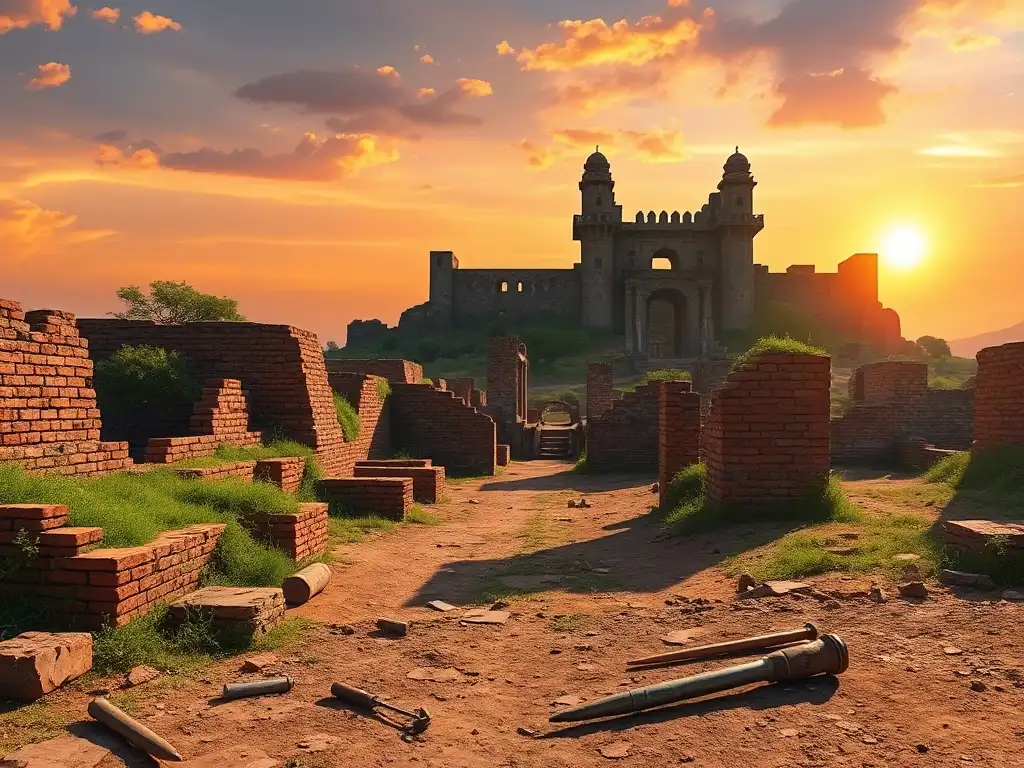
Welcome to Ancient India History, where we delve deep into the rich tapestry of ancient Indian civilizations. In this intriguing article, we explore the mysterious decline of Indus Valley technology—a pivotal moment that shaped the future of one of the world's earliest urban cultures. What factors led to this technological retreat?
Were they the result of environmental changes, societal shifts, or something more enigmatic? Join us as we uncover the layers of this fascinating history and ignite your curiosity about the profound contributions of ancient India. Prepare to embark on a journey that promises to reveal secrets long buried in time!
The decline of Indus Valley technology remains one of the most intriguing enigmas in the study of ancient civilizations. As one of the earliest urban cultures in the world, the Indus Valley Civilization (IVC) was known for its remarkable advancements in technology and urban planning. However, the reasons behind the decline of these sophisticated systems continue to elude researchers, leaving many questions unanswered. By exploring the nuances of this decline, we aim to uncover the factors that contributed to the diminishing technological prowess of the Indus Valley, shedding light on the broader implications for understanding ancient Indian civilizations.
Introduction to Indus Valley Technology
The Indus Valley Civilization, which thrived from approximately 3300 to 1300 BCE, was marked by significant technological and cultural advancements. This civilization was not only one of the first to establish urban centers but also excelled in various fields such as metallurgy, architecture, and sanitation. The sophistication of IVC technology is evident in its well-planned cities like Harappa and Mohenjo-Daro, which featured advanced drainage systems and grid layouts.
Overview of the Indus Valley Civilization
The IVC was situated in the northwestern regions of South Asia, primarily across modern-day Pakistan and northwest India. It was characterized by:
- Urban Planning: The cities were meticulously planned with straight streets and organized blocks.
- Agricultural Practices: The civilization engaged in advanced agricultural techniques, including irrigation and crop rotation.
- Trade Networks: Extensive trade routes connected the Indus Valley to distant regions, facilitating the exchange of goods such as cotton textiles, jewelry, and pottery.
This civilization laid the groundwork for many aspects of modern society, making its technological innovations pivotal in the historical narrative.
Key Technological Innovations in the Indus Valley
The Indus Valley Civilization was renowned for several key technological innovations that underscore its advanced nature:
- Drainage Systems: One of the earliest examples of urban sanitation, featuring covered drains that connected to larger sewers.
- Weights and Measures: A standardized system that facilitated trade and commerce.
- Metallurgy: Skilled workers produced tools and ornaments from copper, bronze, and gold.
These innovations not only supported daily life but also contributed to the civilization's economic prosperity and social organization.
Understanding the Decline of Indus Valley Technology
As the IVC flourished, it eventually faced a decline that raises critical questions about the sustainability of its technological advancements. Understanding this decline requires a careful examination of its definition and the timeline of events that led to it.
Definition of the Decline of Indus Valley Technology
The decline of Indus Valley technology refers to the gradual reduction in the complexity and quality of technological practices that characterized the civilization. This decline can be observed through:
- Deteriorating Urban Infrastructure: Many cities showed signs of neglect, with drainage systems falling into disrepair.
- Reduced Trade Activity: As trade networks dwindled, the exchange of goods and technologies diminished.
- Decline in Craftsmanship: The quality of artifacts produced during the later phases of the civilization declined significantly.
This decline marked a significant shift in the technological landscape of the region, leading to a transformation of societal structures.
Timeline of Technological Progress and Decline
To fully grasp the decline of Indus Valley technology, it is essential to outline a timeline that captures both the progress and the subsequent deterioration:
- 3300 BCE: Emergence of the Indus Valley Civilization and initial technological advancements.
- 2600 BCE: Peak of urban development and technological innovation.
- 1900 BCE: Signs of decline begin to emerge, including reduced urban maintenance and trade.
- 1300 BCE: The civilization ultimately collapses, with remnants of technological practices fading into obscurity.
This timeline illustrates the trajectory of technological progress, leading to an eventual decline that reshaped the course of ancient Indian history. Understanding this decline is crucial for appreciating the complexities of the Indus Valley Civilization and its lasting legacy.
Factors Contributing to the Decline of Indus Valley Technology
The decline of Indus Valley technology is a multifaceted issue influenced by various interrelated factors. Understanding these factors is crucial to grasping the full picture of why one of the world's earliest urban civilizations experienced a significant technological downturn. The analysis can be categorized into three primary aspects: environmental changes, socio-political factors, and economic decline.
Environmental Changes
One of the most significant contributors to the decline of Indus Valley technology was environmental change. The region experienced substantial climatic shifts, particularly during the late Harappan period. Key environmental alterations included:
- Climate Shifts: Evidence suggests a gradual decrease in monsoon rains, which led to water scarcity. This shift would have adversely affected agriculture, a cornerstone of the Indus Valley economy.
- River Alterations: The Indus River and its tributaries underwent changes in their courses and flow patterns. As rivers dried up or shifted, many settlements faced challenges in accessing water, which is vital for both drinking and irrigation.
- Soil Degradation: Prolonged agricultural practices may have led to soil exhaustion and salinization, rendering the land less fertile over time. This degradation would have diminished crop yields and reduced the incentive for technological advancement in farming.
The culmination of these environmental challenges likely forced many communities to abandon their urban centers, leading to a significant loss of technological knowledge.
Socio-Political Factors
The socio-political landscape of the Indus Valley also played a critical role in the decline of its technology. Several key factors include:
- Decline of Central Authority: Archaeological evidence points to the weakening of centralized governance, which may have led to a lack of coordinated efforts in maintaining and advancing technology.
- Internal Conflicts: Potential social unrest or conflicts among various groups could have disrupted trade, collaboration, and innovation. With resources dwindling, competition among communities may have intensified.
- Cultural Shifts: As the civilization faced crises, cultural changes may have led to a shift in priorities. The focus on technological innovation could have been overshadowed by immediate survival needs.
These socio-political dynamics contributed to a fragmented society, which in turn hampered technological progression.
Economic Decline
The economic landscape of the Indus Valley civilization underwent significant changes that contributed to its technological decline. Notable factors include:
- Trade Disruption: The Indus Valley civilization thrived on trade, both local and long-distance. Environmental changes and socio-political unrest would have disrupted these trade networks, limiting access to raw materials and advanced technologies from other regions.
- Resource Scarcity: As agricultural output declined due to environmental factors, the economy would have faced severe strain. This scarcity would have resulted in less investment in technological advancements and infrastructure.
- Decline of Urbanization: With the abandonment of cities and a shift towards rural living, the concentration of skilled labor and technological expertise diminished. This ruralization would have led to a significant loss of the sophisticated technologies previously employed in urban centers.
The interconnectedness of these economic factors played a crucial role in the overall decline of Indus Valley technology.
Theories Surrounding the Decline of Indus Valley Technology
The decline of Indus Valley technology has prompted various theories among historians and archaeologists. These theories aim to explain the complexity of the decline and its implications for understanding ancient civilizations.
Archaeological Evidence and Interpretations
Archaeological findings provide critical insights into the decline of Indus Valley technology. Key points include:
- Site Abandonment: Excavations reveal that many major urban sites, such as Mohenjo-Daro and Harappa, show signs of abandonment around 1900 BCE. The sudden disappearance of urban life raises questions about the factors leading to this decline.
- Material Culture Changes: A shift in material culture, including a decline in the quality and quantity of pottery, tools, and artifacts, suggests a reduction in technological complexity and craftsmanship.
- Burial Practices: Changes in burial practices and a decline in public infrastructure indicate shifts in societal structure and priorities, possibly reflecting a loss of faith in centralized authority and communal identity.
These archaeological interpretations have led to debates about the relative importance of various factors contributing to the decline.
Comparative Analysis with Other Ancient Civilizations
By comparing the decline of Indus Valley technology with other ancient civilizations, researchers have identified patterns and divergences that help contextualize its decline:
- Mesopotamia and Egypt: Similar environmental and socio-economic challenges faced these civilizations, yet they exhibited resilience through adaptation and innovation. In contrast, the Indus Valley civilization appears to have experienced a more abrupt decline.
- Cultural Continuity: While some civilizations transitioned to new forms of governance and technology, the Indus Valley seems to have faced a more severe cultural discontinuity, as evidenced by the abrupt cessation of urban planning and advanced technologies.
- Responses to Crises: The responses to crises in various ancient civilizations reveal different survival strategies. While some adapted through technological innovations, the Indus Valley civilization's response may have led to a retreat into simpler, less technologically advanced lifestyles.
This comparative analysis not only enriches the understanding of the Indus Valley civilization but also sheds light on the broader dynamics of ancient cultural evolution.
Consequences of the Decline of Indus Valley Technology
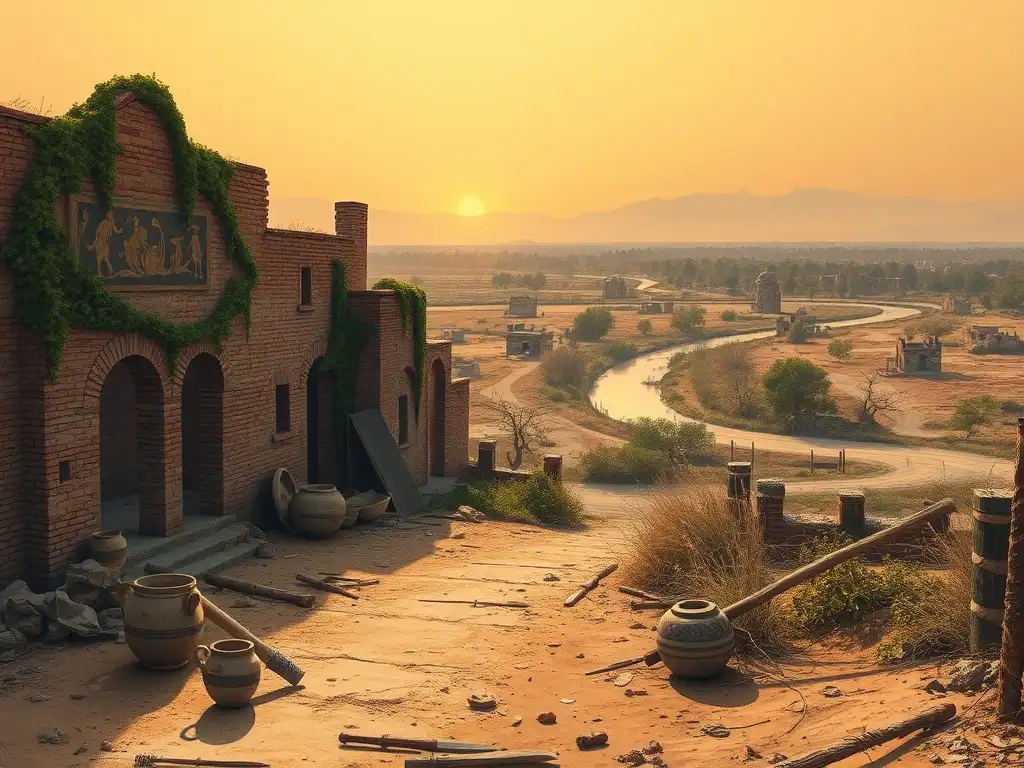
The decline of Indus Valley technology had profound consequences that rippled through various aspects of life in the region. The sophisticated urban planning, advanced craftsmanship, and the overall societal organization that characterized the Indus Valley Civilization began to deteriorate. This decline not only affected the immediate communities but also set a precedent for future civilizations in the Indian subcontinent. The implications of this decline can be studied under various categories, such as urban planning, craftsmanship, and the long-term effects on subsequent cultures.
Impact on Urban Planning and Architecture
One of the most significant consequences of the decline in Indus Valley technology was the deterioration of urban planning and architecture. The cities of the Indus Valley, such as Mohenjo-Daro and Harappa, showcased remarkable urban design, featuring grid patterns, advanced drainage systems, and standardized fired bricks. As these technologies faded, urban centers became less structured, leading to haphazard development.
- Loss of Infrastructure: The sophisticated drainage systems and public baths that once defined Indus cities fell into disrepair. Over time, this led to sanitation issues and a decline in public health.
- Ruralization: As urban centers lost their power and infrastructure crumbled, a shift toward rural living occurred. Populations moved away from urban areas, resulting in the rise of small, less organized settlements.
- Architectural Simplification: The intricate architectural styles and monumental buildings of the Indus Valley period were replaced by simpler, less durable structures. This change mirrored the decline in technological sophistication and resources.
Effects on Craftsmanship and Artistry
The decline of technology also had significant repercussions for craftsmanship and artistry in the region. The artisans of the Indus Valley Civilization were known for their mastery in various crafts, including pottery, bead-making, and metallurgy. However, as the civilization waned, so did the skills and techniques that had been passed down through generations.
- Decline in Quality: The quality of craftsmanship diminished, as artisans lost access to the materials and tools that had previously enabled intricate designs and superior artistry.
- Loss of Specialization: The specialized craftsmen, who once thrived in a well-organized economy, faced challenges in adapting to the new socio-economic conditions, leading to a decline in their unique trades.
- Cultural Homogenization: With the decline of the Indus Valley's diverse artistic expressions, there was a trend towards cultural homogenization, as regional styles and techniques blended into less distinct forms.
Long-term Ramifications for Successor Civilizations
The decline of Indus Valley technology did not just affect the civilization itself; it had lasting effects on the cultures that followed. The shift from advanced urban centers to simpler forms of societal organization set a framework for future developments in the Indian subcontinent.
- Cultural Transmission: While some aspects of Indus technology and culture persisted, much of the knowledge was lost or transformed, impacting the cultural continuity and development of subsequent civilizations such as the Vedic and Mauryan.
- Influence on Trade: The decline disrupted long-established trade networks, which affected economic interactions and the exchange of goods, ideas, and technologies in the region.
- Adaptation of New Practices: Successor civilizations had to adapt to new environmental and social challenges, often leading to the adoption of different technologies and ways of life that diverged from those of the Indus Valley.
Conclusion: Legacy of Indus Valley Technology
The legacy of Indus Valley technology is complex, characterized by both remarkable achievements and significant decline. Understanding this duality is essential for appreciating the full impact of the civilization on subsequent cultures in the region.
Reflection on the Innovations and Their Influence
The innovations of the Indus Valley Civilization laid the groundwork for many aspects of life in ancient India. Their advancements in urban planning, drainage systems, and standardized measurements influenced future architectural practices and city development across the subcontinent.
- Enduring Influence: Elements of Indus technology can be traced in later civilizations, demonstrating a continuity of ideas and practices, even amidst decline.
- Cultural Heritage: The artistic techniques and styles developed during this period continued to inspire artisans long after the civilization's collapse, contributing to the rich tapestry of Indian culture.
Lessons Learned from the Decline of Indus Valley Technology
The decline of Indus Valley technology serves as a cautionary tale about the fragility of advanced societies. It underscores the importance of adaptability, resource management, and the preservation of knowledge.
- Importance of Sustainability: The decline highlights the need for sustainable practices and adaptability to environmental changes, as the failure to do so can lead to societal collapse.
- Preservation of Knowledge: The loss of technological expertise emphasizes the importance of preserving knowledge and skills across generations to prevent cultural and technological erosion.
Examining the decline of Indus Valley technology offers valuable insights into the rise and fall of civilizations, demonstrating how technological advancements can shape the trajectory of societies for generations to come.
Further Reading and Resources
To gain a deeper understanding of the decline of Indus Valley technology and its broader implications, exploring various resources is essential. Below is a curated list of recommended books and notable research papers that delve into this topic, providing insights into the mysteries surrounding the technological advancements and eventual decline of one of the world's earliest urban civilizations.
Recommended Books on Indus Valley Civilization
-
"The Indus Civilization: A Contemporary Perspective" by Gregory L. Possehl
This book offers a comprehensive overview of the Indus Valley Civilization, discussing its technological innovations and the factors contributing to its decline. Possehl emphasizes archaeological findings and their interpretations.
-
"Indus Valley Civilization: An Overview" by Dr. S. S. Bhatti
Dr. Bhatti provides an in-depth analysis of the Indus Valley Civilization, focusing on its urban planning, technology, and eventual disintegration. The book is beneficial for understanding the societal structures that influenced technological development.
-
"The Lost River: On the Trail of the Sarasvati" by Michel Danino
Danino’s work explores the connections between the geological changes in ancient India and the decline of the Indus Valley Civilization. This book presents a unique perspective on environmental factors affecting technology.
-
"Ancient Cities: The Archaeology of Urban Life in the Ancient Near East and Mediterranean" by Charles Gates
While not exclusively about the Indus Valley, this book offers comparative insights into urban life and technological practices in ancient civilizations, including the Indus Valley, illuminating common themes of decline.
-
"The Archaeology of the Indus Valley Civilization" by Rita Lucarelli
Lucarelli’s text delves into the archaeological discoveries of the Indus Valley, highlighting the technological advancements and their implications for understanding the civilization's decline.
Notable Research Papers on Technological Decline in Ancient Societies
-
"Environmental Factors in the Decline of the Indus Valley Civilization" by R. S. B. W. D. D. A. G. S. T. J. K. A. A. (2010)
This research paper examines the environmental changes, such as climate shifts and river dynamics, that may have contributed to the decline of technological prowess in the Indus Valley.
-
"Urban Decline and its Technological Implications: A Case Study of the Indus Valley" by Mira S. (2015)
Mira’s study analyzes how urban decline impacted technological innovation and maintenance within the Indus Valley, providing insights into the socio-economic factors at play.
-
"Socio-Political Factors and the Decline of Indus Valley Technology" by A. N. Sharma (2018)
This paper investigates the socio-political dynamics that may have led to the breakdown of technological systems in the Indus Valley, focusing on governance and social organization.
-
"Trade Disruptions and Technological Decline in Ancient Civilizations" by J. Patel (2022)
Patel discusses the impact of trade disruptions on technological advancements and sustainability in ancient societies, including a case study of the Indus Valley Civilization.
-
"Technological Change in Ancient Civilizations: Lessons from the Indus Valley" by L. M. R. (2019)
This research provides a broader context of technological evolution and decline in ancient civilizations, with specific references to the Indus Valley, offering valuable lessons for understanding technological sustainability.
These resources will enrich your knowledge of the Indus Valley Civilization's technological landscape, shedding light on its remarkable achievements and the factors leading to its decline.
- Introduction to Indus Valley Technology
- Understanding the Decline of Indus Valley Technology
- Factors Contributing to the Decline of Indus Valley Technology
- Theories Surrounding the Decline of Indus Valley Technology
- Consequences of the Decline of Indus Valley Technology
- Conclusion: Legacy of Indus Valley Technology
- Further Reading and Resources
- What caused the decline of Indus Valley technology?
- What were the key technologies of the Indus Valley civilization?
- How does the decline of Indus Valley technology compare to other ancient civilizations?
- What impact did the decline have on subsequent Indian civilizations?
- Are there any archaeological findings that explain the decline?
Frequently Asked Questions
What caused the decline of Indus Valley technology?
The decline of Indus Valley technology is attributed to various factors, including climate change, natural disasters, and possible invasions. These events disrupted trade and agricultural practices.
What were the key technologies of the Indus Valley civilization?
The Indus Valley civilization was known for its advanced urban planning, sophisticated drainage systems, and metallurgy. Their innovations greatly influenced later cultures in the region.
How does the decline of Indus Valley technology compare to other ancient civilizations?
Similar to other civilizations, the decline of Indus Valley technology involved a combination of internal strife and external pressures, though the specific causes varied. Historical patterns suggest a common trajectory among ancient societies.
What impact did the decline have on subsequent Indian civilizations?
The decline had significant implications, leading to a shift in settlement patterns and the emergence of new cultures, such as the Vedic civilization, which laid the groundwork for future Indian society.
Are there any archaeological findings that explain the decline?
Recent archaeological studies have uncovered evidence of abandoned cities and changes in settlement patterns, suggesting that environmental and social factors played a crucial role in the decline of Indus Valley technology.
Final Reflection: Unraveling the Enigma of Indus Valley Technology
The decline of Indus Valley technology serves as a poignant reminder of the fragility of human achievement and innovation. As we navigate a world increasingly defined by technological advancements, the lessons from the Indus Valley civilization resonate profoundly today. The rise and fall of this ancient society compel us to consider not only the factors that contribute to technological progress but also the vulnerabilities that can lead to its decline. In an era where rapid change is the norm, understanding these historical lessons is more crucial than ever.
The impact of the decline of Indus Valley technology extends beyond mere historical curiosity; it shapes our cultural and social landscape by prompting us to reflect on sustainability, resilience, and adaptability. The intricate urban planning and advanced engineering of the Indus Valley civilization remind us of the heights human ingenuity can reach. Yet, their eventual downfall underscores the importance of maintaining a balance with nature and societal structures.
As the historian David Wengrow aptly stated, "> The past is not just a record of what has been; it is a guide for what we can become." This perspective invites us to learn from the past to inform our future.
As we conclude our exploration of this fascinating topic, I encourage you to reflect on the lessons of the Indus Valley civilization in your own life. Consider how you can foster resilience and adaptability in the face of change, whether in your personal endeavors or within your community. Embrace the idea that, like the Indus Valley, our own achievements can flourish or falter based on our choices and actions. Let us honor the legacy of this remarkable civilization by applying its lessons to create a sustainable and innovative future.
Unveil the Secrets of the Indus Valley!
Thank you for diving into the intriguing world of Indus Valley technology with us! By exploring its mysterious decline, you've gained valuable insights into one of history's most fascinating civilizations. Are you ready to take the next step in your journey of discovery?
Here are a few actions you can take right now:
- Join our community: Connect with fellow history enthusiasts and share your thoughts on the technological advancements of ancient civilizations.
- Explore related articles: Broaden your knowledge by reading about other fascinating aspects of Ancient India, such as the art and culture of the Indus Valley.
- Engage with the past: Visit a local museum or historical site featuring artifacts from the Indus Valley to experience the remnants of this incredible civilization firsthand!
What aspect of Indus Valley technology intrigues you the most, and how do you think it influenced later societies? We’d love to hear your thoughts in the comments below!