
The Unsung Heroines: The Influence of Ancient Indian Women on Society

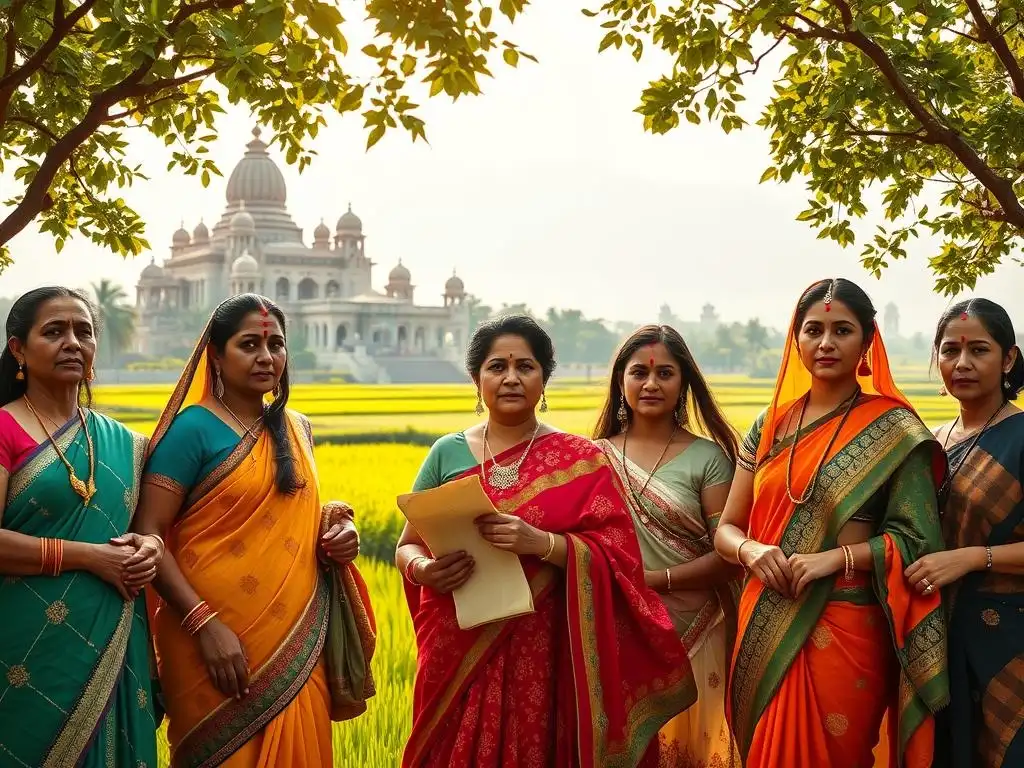
Welcome to Ancient India History, where we embark on a mesmerizing journey through the rich tapestry of ancient Indian civilizations. In our featured article, “The Unsung Heroines: The Influence of Ancient Indian Women on Society,” we delve into the remarkable contributions of ancient Indian women, illuminating their pivotal roles that have often been overshadowed by history. As you explore our site, prepare to uncover the stories of these extraordinary women whose influence shaped society in profound ways. Ready to discover the untold narratives that define our past? Let’s dive in!
Introduction to Ancient Indian Women Contributions
The contributions of ancient Indian women have often been overshadowed by their male counterparts in historical narratives. However, these women played pivotal roles in shaping the societal, cultural, and intellectual landscapes of their time. From the early days of the Indus Valley Civilization to the flourishing realms of the Gupta Empire, women were not merely passive entities; they actively participated in various aspects of life, contributing to the arts, spirituality, governance, and education.
By exploring the lives and legacies of these unsung heroines, we can gain a more comprehensive understanding of ancient Indian history, recognizing the multifaceted roles that women played in their societies. This article aims to shed light on the often overlooked yet significant contributions of ancient Indian women, emphasizing their influence on both their immediate communities and the broader historical context.
Overview of the Role of Women in Ancient Indian Society
In ancient India, women's roles varied widely across different regions and time periods, influenced by cultural, religious, and economic factors. Women were integral to family structures and often took on vital responsibilities in household management, child-rearing, and agricultural activities.
- Cultural Contributions: Women were key figures in the transmission of culture and tradition. They were involved in storytelling, music, and dance, which played significant roles in religious and social practices.
- Spiritual Roles: Many women were revered as spiritual leaders, ascetics, and poets. Figures like Gargi and Maitreyi are notable for their contributions to philosophy and spirituality in texts such as the Upanishads.
- Political Influence: In certain periods, women held positions of power and influence. For example, queens and empresses would often act as regents or advisors, significantly impacting governance and policy-making.
Importance of Recognizing Women’s Contributions in History
Recognizing the contributions of ancient Indian women is crucial for several reasons:
- Historical Accuracy: Including women's perspectives and roles creates a more balanced and accurate portrayal of history.
- Cultural Heritage: Understanding the contributions of women enriches our appreciation of India's diverse cultural heritage.
- Role Models: Highlighting these contributions offers contemporary women role models from history, inspiring future generations to continue the legacy of empowerment and influence.
Historical Context of Ancient Indian Women
Societal Structure and Gender Roles in Ancient India
The societal structure of ancient India was complex and varied significantly across different regions and epochs.
- Varna System: The caste system played a critical role in defining women's roles. Women from higher castes often had more opportunities for education and influence compared to those from lower castes.
- Patriarchy: Despite some progressive aspects, ancient Indian society was predominantly patriarchal, which affected women's rights and freedoms. However, women often found ways to exert influence within these constraints.
Major Civilizations and Their Perspectives on Women
Different ancient Indian civilizations had unique perspectives on women:
| Civilization | Views on Women | Notable Contributions |
|---|---|---|
| Indus Valley | Evidence suggests women held significant status. | Artwork, pottery, and possibly trade. |
| Vedic Period | Women participated in rituals and had access to education. | Philosophical texts and hymns. |
| Maurya Empire | Women held political power; some were warriors. | Leadership and governance roles. |
| Gupta Empire | Increased restrictions, yet women contributed in arts and sciences. | Literature, arts, and sciences. |
By examining the historical context and societal structures, we can better appreciate the complex tapestry of ancient Indian women's contributions, which have often been relegated to the margins of historical narrative.
Key Contributions of Ancient Indian Women
Ancient Indian women played pivotal roles across various domains, contributing significantly to society's development and cultural richness. Their influence can be observed in literature, politics, sciences, and the arts, often transcending the limitations placed upon them by their times. Despite the challenges, these women emerged as formidable figures whose legacies continue to inspire.
Women in ancient India were not merely passive figures; they engaged actively in intellectual pursuits, governance, and social reforms. From the Vedic period to the Gupta Empire, their contributions shaped the fabric of Indian civilization. Recognizing their achievements is essential to understanding the broader narrative of ancient Indian history and the cultural heritage it represents.
Women in Literature and Arts
Ancient Indian women were significant contributors to literature and the arts, often expressing their thoughts and emotions through various forms of creative expression. Noteworthy among them were poets and writers whose works have survived the test of time.
- Poetry and Prose: Women like Vashistha's daughter, known for her poetic verses in the Rigveda, paved the way for future generations. Their compositions often reflected philosophical musings and societal observations, showcasing their intellect and artistic flair.
- Performing Arts: Women also played vital roles in the performing arts, including dance and music. They were instrumental in preserving cultural traditions through dance forms like Bharatanatyam and Odissi, which have roots in ancient temple rituals.
- Craftsmanship: Many women were skilled artisans, contributing to textiles, pottery, and decorative arts. Their craftsmanship not only showcased their artistic abilities but also supported the economic fabric of their communities.
The literary and artistic contributions of ancient Indian women highlight their creativity and the important role they played in shaping cultural narratives.
Women in Politics and Leadership
Women in ancient India often held positions of power and influence in political realms, demonstrating their capability in governance and decision-making. Historical records indicate that women not only participated in politics but also led armies and governed territories.
- Queens and Rulers: Figures such as Rani Durgavati exemplify women's leadership during challenging times. Ruling over the Gondwana region, she led her forces valiantly against invasions, showcasing strategic prowess and courage.
- Advisors and Influencers: Many women served as advisors to kings and were instrumental in shaping policies. Their insights were valued in court politics, and they often played crucial roles in diplomatic missions and negotiations.
- Social Reforms: Women like Rani Lakshmibai of Jhansi emerged as symbols of resistance and empowerment, advocating for social reforms and standing against oppression, which inspired future generations in the struggle for justice and equality.
The political engagement of ancient Indian women underscores their influence on governance and social structures.
Women in Science and Medicine
In the realm of science and medicine, ancient Indian women made remarkable contributions that laid the groundwork for future advancements. Their knowledge and practices in various fields were often ahead of their time.
- Medicine: Women such as Draupadi, known for her herbal remedies, were instrumental in the field of Ayurveda. They utilized their understanding of medicinal plants to treat ailments, contributing to the holistic health practices of the time.
- Astronomy and Mathematics: Notable women like Lilavati, reputed for her mathematical expertise, contributed to the study of numbers and shapes. Their work in astronomy involved celestial observations that enhanced the understanding of planetary movements.
- Education and Knowledge Transmission: Women were often educators in their communities, passing down knowledge through generations. They played a crucial role in the preservation and dissemination of scientific knowledge, which was integral to the advancement of society.
The scientific and medical contributions of ancient Indian women reflect their intellect and the integral role they played in the advancement of knowledge.
Case Studies of Influential Ancient Indian Women
The Life and Legacy of Gargi Vachaknavi
Gargi Vachaknavi, a prominent figure in ancient Indian philosophy, is celebrated for her profound contributions to Vedic thought. As a philosopher and scholar, she participated in philosophical debates and discussions, challenging the leading scholars of her time.
- Philosophical Contributions: Gargi's inquiries into the nature of the universe and the concept of Brahman (ultimate reality) showcased her intellectual depth. Her dialogues in the Brihadaranyaka Upanishad highlight her capability to engage in complex philosophical discourse.
- Legacy: Gargi is remembered not only for her wisdom but also as a symbol of women's intellectual empowerment. Her legacy continues to inspire women in philosophy and academia today.
The Contributions of Maitrayi in Philosophy
Maitrayi, another luminary in ancient Indian philosophy, was known for her critical thinking and philosophical inquiries. She is often referred to in the context of the Brihadaranyaka Upanishad, where she engages in discussions about the nature of reality and the self.
- Intellectual Engagement: Maitrayi questioned prevailing ideas and sought to understand the nature of existence, demonstrating the capability of women to engage in deep philosophical thought.
- Impact: Her contributions laid the groundwork for discussions on metaphysics and ethics, influencing future philosophical discourse and highlighting the role of women in shaping intellectual traditions.
The Role of Rani Durgavati in Warfare and Governance
Rani Durgavati, the queen of the Gondwana kingdom, is celebrated for her exceptional leadership and bravery in warfare. Her reign marked a significant period in which she defended her kingdom against formidable foes.
- Military Leadership: Durgavati led her troops valiantly against Mughal forces, showcasing her strategic acumen and courage. Her efforts to protect her kingdom and people made her a legendary figure in Indian history.
- Governance: As a ruler, she implemented various reforms aimed at improving the welfare of her subjects. Her leadership style and commitment to justice made her a beloved figure among her people, ensuring her legacy as a strong and capable queen.
The lives and contributions of these influential women serve as a testament to the integral roles that ancient Indian women played in shaping society, culture, and governance. Their stories continue to resonate, reminding us of the power and influence of women throughout history.
The Impact of Ancient Indian Women on Modern Society
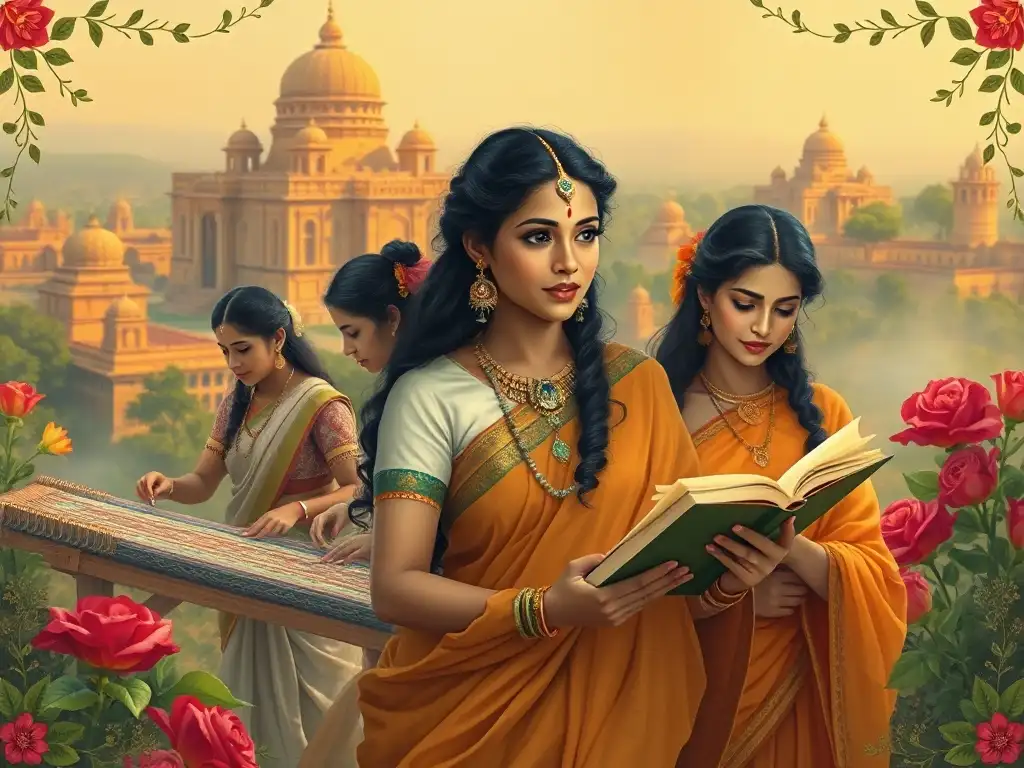
The contributions of ancient Indian women have had a lasting impact on modern society, influencing various aspects such as culture, education, and social structure. Historical records reveal that women were not just passive participants in their societies but were actively involved in shaping them. For instance, ancient texts highlight the roles of women as scholars, poets, and leaders, which laid a foundation for gender equality in education and literacy that we strive for today.
Modern Indian society continues to benefit from the legacy of these women. For example, concepts of female empowerment and leadership can be traced back to ancient figures like Gargi and Maitreyi, who were renowned philosophers and scholars. Their intellectual pursuits serve as a reminder of the potential of women to contribute ambitiously to society. The recognition of their contributions has sparked movements advocating for women's rights and education, which resonate strongly in contemporary discussions about gender parity.
Moreover, the arts and literature of ancient India often featured women in central roles, influencing today's artistic expressions and narrative structures. The resurgence of interest in traditional Indian art forms has often highlighted female artists and their historical counterparts, inspiring a new generation of women to explore their cultural heritage.
Lessons from Historical Contributions
Ancient Indian women's contributions provide valuable lessons for contemporary society. One of the most significant lessons is the importance of education. Women like Savitribai Phule and others from the past emphasize that access to education is crucial for empowerment. Their dedication to learning and teaching illustrates how knowledge can be a transformative tool, inspiring modern movements for women's education.
Furthermore, the collaborative efforts of women in ancient India in politics and social reforms serve as a model for collective action. The stories of female figures like Rani Lakshmibai and others show how unity and shared purpose can lead to significant change. These lessons encourage modern women to come together and advocate for their rights, fostering a spirit of solidarity that is essential for progress.
Additionally, the resilience demonstrated by ancient women in the face of societal challenges teaches modern society about perseverance and the importance of fighting for one's beliefs. Their struggles and triumphs can motivate current generations to pursue their goals despite obstacles, creating a more just and equitable society.
The Relevance of Ancient Women’s Achievements Today
The achievements of ancient Indian women remain relevant today, providing a historical framework that supports ongoing discussions about gender equality and women's rights. Their roles as educators, leaders, and innovators highlight the necessity of recognizing and valuing women's contributions in all sectors.
In contemporary India, where gender disparities still exist, the recognition of ancient women's achievements can act as a catalyst for change. Policies aimed at improving women's status often draw inspiration from historical examples, emphasizing the need for women's participation in governance, education, and the workforce. The revival of interest in ancient women's stories has encouraged a new narrative that champions gender equality and inspires young women to aspire to leadership roles.
Moreover, ancient women's contributions to the arts and sciences continue to influence modern practices. The revival of traditional crafts and knowledge systems often emphasizes the need to bring back the skills and wisdom of women artisans from the past, ensuring that their legacies live on in contemporary society.
Myths and Realities Surrounding Ancient Indian Women
Common Misconceptions about Women’s Roles
Despite the rich history of women's contributions in ancient India, several misconceptions persist regarding their roles. A prevalent myth is that women were entirely subjugated and lacked agency. While certain periods and texts portray confined roles, many historical accounts illustrate that women had significant influence in various domains, including spirituality, education, and governance.
Another misconception is the belief that women were solely responsible for domestic duties. In reality, many women took on roles as scholars, warriors, and leaders. Figures such as Chand Bibi and Rani Durgavati exemplified the capability of women to engage in politics and military strategy, challenging the notion that their contributions were limited to the household.
The Reality of Their Contributions and Influence
The reality of ancient Indian women's contributions is both rich and complex. Historical evidence reveals that women actively participated in intellectual, spiritual, and socio-political spheres. Texts such as the Rigveda and Mahabharata showcase women as philosophers and warriors, highlighting their multifaceted roles in society.
Moreover, women played crucial roles in shaping cultural practices and traditions. The tradition of female poets and musicians, such as the renowned poetess Mirabai, signifies the vital role women played in preserving and innovating cultural expressions. Their creativity and insights continue to influence modern literature and music.
The acknowledgment of women's contributions also extends to social reforms. Women like Tarabai Shinde and Begum Roquiah Sakhawat Hossain challenged societal norms and fought for women's rights, laying the groundwork for future generations. Their activism serves as an inspiration for contemporary movements advocating for gender equality, illustrating that the struggles of ancient women resonate in today's societal challenges.
Conclusion: Celebrating the Contributions of Ancient Indian Women
The contributions of ancient Indian women are often overlooked in mainstream historical narratives, yet they played a pivotal role in shaping society, culture, and the economy of their times. From scholars and poets to warriors and leaders, these women exemplified strength, resilience, and intellect. Their legacies remind us that history is not solely defined by prominent male figures but also by the significant impact of women whose stories deserve recognition.
By understanding the diverse roles that women assumed in ancient India, we can appreciate the complexities of their contributions, ranging from the arts and sciences to governance and spirituality. These contributions were integral to the fabric of society, influencing generations and laying the groundwork for future advancements. Celebrating these unsung heroines is essential not just for historical accuracy, but also for fostering a more inclusive understanding of our cultural heritage.
The Importance of Acknowledging Unsung Heroines
Acknowledging the contributions of ancient Indian women is crucial for several reasons. Firstly, it provides a more balanced view of history, allowing us to recognize the active participation of women in various spheres of life. This acknowledgment also helps to challenge prevailing stereotypes that often depict women as passive figures in history.
Moreover, recognizing these unsung heroines can inspire contemporary society. Their stories of courage, intellect, and creativity serve as powerful reminders that women have always been agents of change. By highlighting their achievements, we empower future generations of women to pursue their passions and ambitions, reinforcing the idea that they too can shape history.
In addition, understanding the roles of women in ancient India contributes to a more comprehensive view of cultural and social dynamics. Women were not only caretakers of the family but also contributors to the economy, religion, and politics. By acknowledging their multifaceted roles, we enrich our understanding of ancient Indian civilization as a whole.
The Future of Research on Women in Ancient India
The future of research on women in ancient India holds great promise as scholars increasingly recognize the need to explore this often-neglected area of study. As more archaeological findings emerge and interdisciplinary approaches develop, we can expect a deeper understanding of the roles women played in shaping society.
Innovative methodologies, such as gender studies and feminist historiography, are transforming how researchers approach ancient texts and artifacts. By examining literature, inscriptions, and material culture through a gendered lens, scholars can uncover the narratives of women that have long been silenced or obscured.
Furthermore, collaborative efforts between historians, archaeologists, and anthropologists can lead to a richer, more nuanced picture of women's contributions. Engaging with local communities and oral histories may also reveal insights into the lives of women from various backgrounds and regions, further broadening the scope of research.
As we move forward, it is essential to continue advocating for the inclusion of women's stories in the broader historical discourse. By doing so, we not only honor the past but also pave the way for a more equitable future, where every individual’s contributions are recognized and celebrated.
- Introduction to Ancient Indian Women Contributions
- Historical Context of Ancient Indian Women
- Key Contributions of Ancient Indian Women
- Case Studies of Influential Ancient Indian Women
- The Impact of Ancient Indian Women on Modern Society
- Myths and Realities Surrounding Ancient Indian Women
- Conclusion: Celebrating the Contributions of Ancient Indian Women
- What were the primary contributions of ancient Indian women to society?
- How did ancient Indian women influence education and literature?
- Were there any notable ancient Indian women who impacted politics?
- What roles did women play in the economic sphere of ancient India?
- How have the contributions of ancient Indian women been recognized in modern times?
Frequently Asked Questions
What were the primary contributions of ancient Indian women to society?
Ancient Indian women made significant contributions in various fields, including literature, education, and art, playing crucial roles in shaping cultural and social norms.
How did ancient Indian women influence education and literature?
Women in ancient India were often patrons of the arts and scholars themselves, contributing to literary works and fostering educational institutions, thus promoting intellectual growth.
Were there any notable ancient Indian women who impacted politics?
Yes, figures like Rani Durgavati and Rani Lakshmibai are celebrated for their leadership and resistance against invasions, showcasing women's political influence in ancient India.
What roles did women play in the economic sphere of ancient India?
Women contributed significantly to the economy through craftsmanship, agriculture, and trade, often managing businesses and participating actively in the marketplace.
How have the contributions of ancient Indian women been recognized in modern times?
The legacy of ancient Indian women is being increasingly acknowledged through historical research, literature, and cultural exhibitions, highlighting their crucial roles in shaping society.
Final Reflection: Celebrating the Legacy of Ancient Indian Women
The contributions of ancient Indian women are not just historical footnotes; they are powerful narratives that resonate with our contemporary society. As we explore the remarkable achievements of these unsung heroines, we uncover a treasure trove of wisdom and resilience that continues to inspire and shape our understanding of gender roles and empowerment today. Their stories remind us that the fight for equality and recognition is not a modern phenomenon but a legacy that has been woven into the very fabric of our civilization.
The influence of ancient Indian women extends far beyond their time, echoing through the corridors of history and into our present cultural landscape. From scholars and warriors to poets and leaders, these women have laid the groundwork for future generations, challenging societal norms and redefining what it means to be a woman in a patriarchal world. Their contributions serve as a beacon of hope and strength, urging us to recognize and celebrate the diverse roles women play in shaping society. Women are the real architects of society.
– Harriet Beecher Stowe. This quote encapsulates the essence of our exploration, highlighting the foundational impact that women have had throughout history.
As we reflect on the lessons learned from the lives of these extraordinary women, I invite you to consider how their stories can inspire your own journey. Let us honor their legacy by actively recognizing and supporting the contributions of women in our lives today.
Whether through advocacy, education, or simply sharing their stories, we can ensure that the voices of women—both past and present—are heard and celebrated. Embrace the challenge to uplift and empower those around you, and in doing so, become a part of the ongoing narrative of strength and resilience that ancient Indian women have gifted us.
Unveil the Legacy of Ancient Indian Women!
Thank you for diving into the fascinating world of ancient Indian women with us! Your exploration of their impactful contributions not only enriches your understanding of history but also inspires the recognition of powerful figures who shaped society in profound ways. Now, it's time to take what you've learned and make it resonate in your daily life.
Here are a few **meaningful steps** you can take next:
- Join a local history group or an online community focused on ancient cultures to explore and discuss the legacies of these remarkable women.
- Share this article with friends and family to spark conversations about the often-overlooked narratives of history.
- Incorporate the teachings of these heroines into your life – whether it’s courage, wisdom, or resilience, reflect on how these values can guide your actions.
Which legacy of an ancient Indian woman resonates most with you, and how do you plan to honor it in your life?