
A Journey Through Time: Discovering the Rich Heritage of Ancient Indian Cuisine

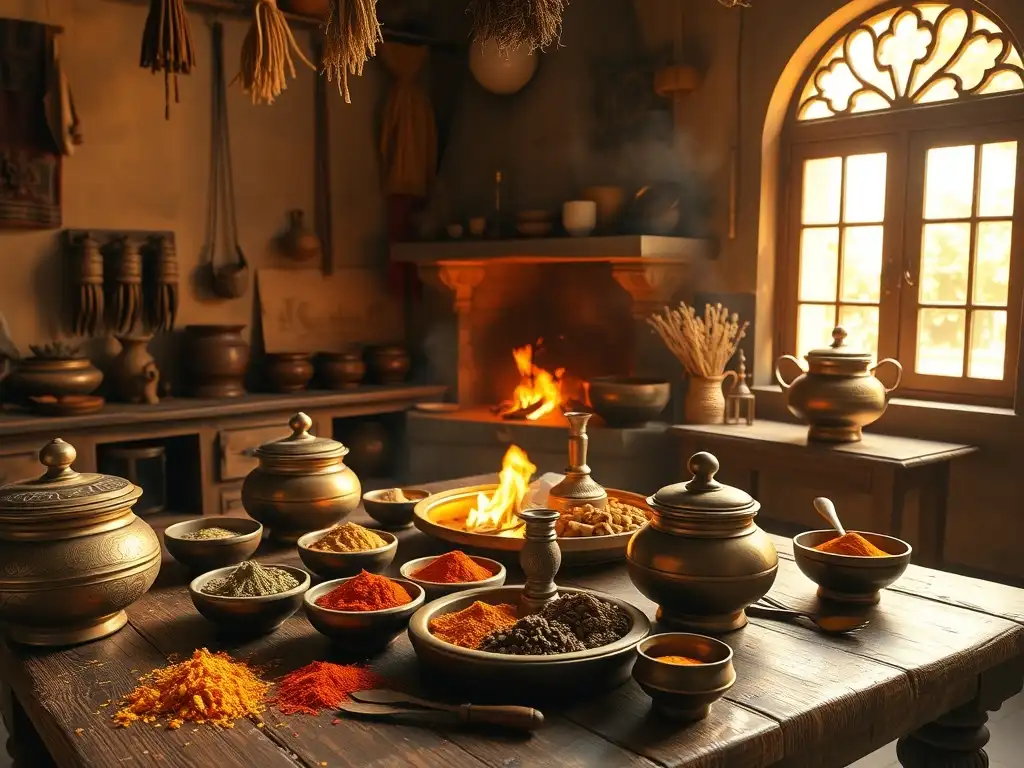
Welcome to Ancient India History, where we embark on a captivating journey through the rich tapestry of India's past. Here, we delve into the fascinating history of ancient Indian cuisine, uncovering the flavors, traditions, and culinary innovations that have shaped the subcontinent's diverse culture. As you explore our main article, "A Journey Through Time: Discovering the Rich Heritage of Ancient Indian Cuisine," prepare to be inspired by the delectable dishes that tell stories of a civilization steeped in luxury and history. Join us as we awaken your senses and spark your curiosity about the culinary treasures of ancient India.
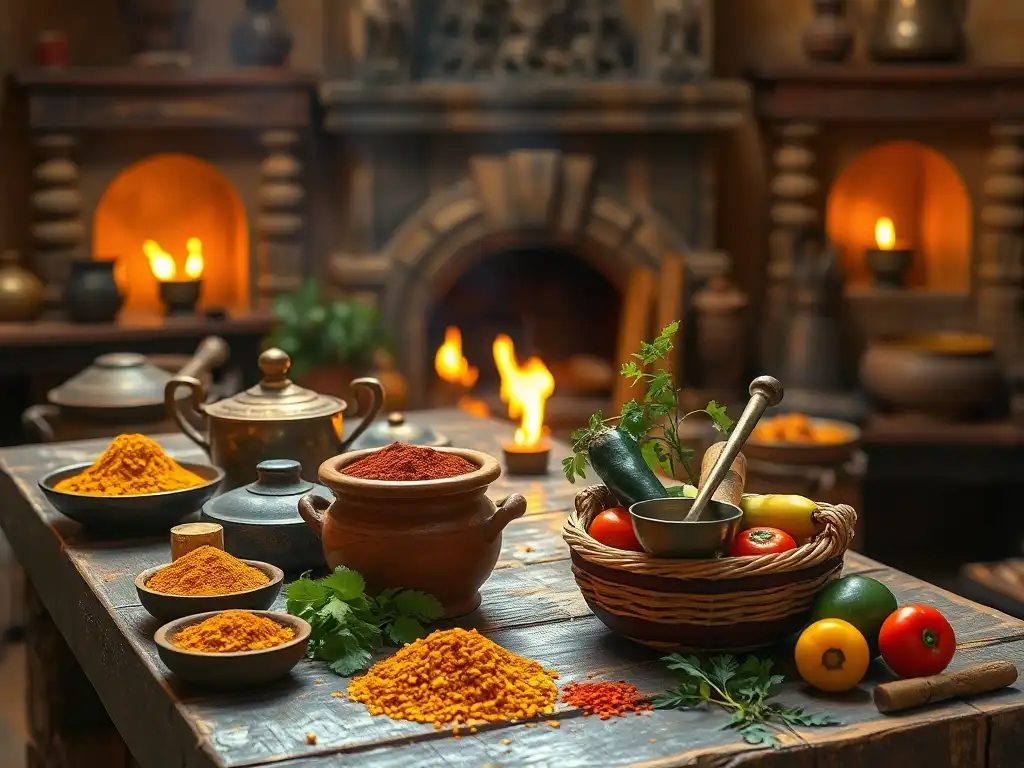
Introduction to Ancient Indian Cuisine History
Ancient Indian cuisine is a fascinating tapestry woven from diverse cultural influences, regional ingredients, and historical events that have shaped the food we know today. With roots extending back to the Indus Valley Civilization, this culinary history reflects the agricultural practices, trade routes, and social customs of ancient Indian societies.
As we embark on this journey through time, we will uncover the intricate layers of flavors, cooking techniques, and food rituals that not only satisfied hunger but also played a crucial role in the cultural and spiritual lives of the people. From the rich spices of the Vedic period to the communal feasts of the Gupta Empire, the evolution of ancient Indian cuisine offers a unique lens through which to view the heritage of one of the world's oldest civilizations.
The Roots of Ancient Indian Cuisine
The origins of ancient Indian cuisine are deeply embedded in the daily lives and rituals of its people. The interplay between environment, agriculture, and cultural practices has led to the development of distinctive culinary traditions that vary across regions. Here, we delve into some of the pivotal periods that laid the foundation for this rich culinary heritage.
Indus Valley Civilization: The Beginning of Culinary Arts
The Indus Valley Civilization, which flourished around 2500 BCE, is often regarded as one of the earliest urban cultures in the world. Archaeological findings suggest that the people of this era cultivated a variety of crops, including wheat, barley, and pulses, and domesticated animals like cattle and goats.
- Key Features:
- Agriculture: The fertile plains along the Indus River allowed for advanced agricultural practices.
- Trade: Spices and grains were traded with neighboring regions, reflecting a burgeoning culinary diversity.
- Cooking Techniques: Evidence of ovens and clay pots indicates that baking and boiling were common cooking methods.
The culinary practices of the Indus Valley laid the groundwork for future generations, as the basic ingredients and techniques from this period continued to influence the cuisine of subsequent dynasties.
Vedic Period: Rituals and Food Offerings
Following the Indus Valley Civilization, the Vedic period (1500-500 BCE) introduced a new dimension to ancient Indian cuisine, characterized by its profound spiritual and ritualistic significance. The texts known as the Vedas not only detail the agricultural practices but also elaborate on the importance of food in religious ceremonies.
- Key Elements:
- Sacrificial Offerings: Food was often offered to deities during rituals, emphasizing the sacredness of sustenance.
- Dietary Laws: The concept of ahimsa (non-violence) influenced dietary choices, leading to vegetarianism as a common practice among many communities.
- Herbs and Spices: The use of herbs, such as turmeric and cumin, began to be documented, showcasing the early understanding of flavor and health.
Through these rituals, food transcended mere sustenance, becoming a vital part of the cultural identity and spiritual practices of ancient Indian society.
By exploring the rich heritage of ancient Indian cuisine, we can appreciate the profound connections between food, culture, and history that continue to resonate in contemporary Indian culinary practices.
The Evolution of Flavors: Key Ingredients Through the Ages
The history of ancient Indian cuisine reflects a vibrant tapestry of flavors, ingredients, and culinary traditions that have developed over millennia. Key ingredients not only shaped the diet of ancient Indians but also influenced social structures, trade routes, and cultural exchanges. The evolution of flavors in this rich culinary landscape can be traced back to the early civilizations, most notably the Indus Valley Civilization, where agriculture played a pivotal role.
As trade expanded, so did the variety of ingredients available. Spices, grains, pulses, and vegetables became essential components of the diet, each contributing unique flavors and nutritional value. The adoption of these ingredients was not merely a matter of sustenance; they were intertwined with rituals, medicinal practices, and even social status. For example, spices often signified wealth and prestige, while common grains and pulses formed the foundation of daily meals. This intricate interplay of ingredients over time laid the groundwork for what we now recognize as ancient Indian cuisine.
Spices: The Heart of Ancient Indian Cuisine
Spices are undoubtedly the heart of ancient Indian cuisine, serving as both flavor enhancers and medicinal agents. The use of spices like turmeric, cumin, coriander, and black pepper dates back to ancient times, and their significance extended beyond the kitchen. In fact, historical texts suggest that spices were used in rituals and traditional medicine, highlighting their revered status in society.
Trade routes established during the Mauryan and Gupta empires facilitated the exchange of spices, making them accessible to wider populations. The spice trade not only boosted the economy but also led to cultural exchanges with other civilizations. For instance, the arrival of Persian and Arab traders introduced new spices and cooking methods, further enriching the culinary landscape. The meticulous blending of spices is a hallmark of ancient Indian cooking, where the balance of flavors is carefully crafted to create harmonious dishes.
Grains and Pulses: Staples of the Ancient Indian Diet
Grains and pulses have been the backbone of the ancient Indian diet, providing essential nutrients and sustaining various social classes throughout history. Wheat and rice were the primary grains, cultivated in different regions and adapted to local climates. Evidence from archaeological sites suggests that rice cultivation, particularly in the eastern regions, dates back to around 2000 BCE, while wheat was prevalent in the northern and western parts of the subcontinent.
Pulses, such as lentils and chickpeas, were equally important, offering a rich source of protein in a predominantly vegetarian diet. The consumption of these staples was not only practical but also deeply rooted in cultural practices. Grains and pulses were often featured in religious rituals and festivities, symbolizing prosperity and abundance. This emphasis on grains and pulses laid a strong foundation for the cuisines of later periods, influencing dietary habits that persist in modern Indian cooking.
Culinary Techniques of Ancient India
The culinary techniques developed in ancient India have significantly influenced cooking practices not just within the subcontinent but also around the world. These techniques reflect a sophisticated understanding of flavors, nutrition, and the art of cooking. From the use of clay pots to the intricate methods of tempering spices, ancient Indian culinary practices showcase a fusion of innovation and tradition.
The importance of communal cooking methods is notable, as food preparation often involved families and communities coming together, reinforcing social bonds. Techniques such as slow cooking, steaming, and fermenting were prevalent, allowing for the development of flavors and preservation of food. Additionally, ancient texts like the "Manasollasa" provide insights into the diverse culinary techniques employed during different dynasties, revealing a rich tradition of culinary arts.
Cooking Methods That Shaped Ancient Indian Cuisine
Cooking methods in ancient India were diverse and varied by region, influenced by local ingredients and cultural practices. Among the most significant techniques were tandoor cooking, where bread and meats were cooked in clay ovens, and bhuna, which involved sautéing spices and ingredients in oil to intensify flavors.
Steaming, particularly for rice and certain vegetables, was also prevalent, highlighting a focus on health and nutrition. The art of dum cooking, a method of slow-cooking in sealed pots, allowed for the melding of spices and ingredients, creating rich and aromatic dishes. These methods not only shaped the flavors of ancient Indian cuisine but also established a culinary identity that has been preserved through generations.
Preservation Techniques: A Legacy of Ancient Wisdom
Preservation techniques in ancient India were critical for extending the shelf life of food and ensuring sustenance during lean seasons. Methods such as drying, pickling, and fermenting were commonly employed, rooted in both practicality and cultural significance.
For instance, the practice of pickling vegetables and fruits in brine or vinegar not only enhanced flavor but also provided vital nutrients during times of scarcity. Fermentation techniques led to the production of various foods, including yogurt and idli, which are staples in modern Indian cuisine.
The wisdom behind these preservation techniques reflects an understanding of seasonal cycles and the importance of resource management. They are a testament to the ingenuity of ancient Indian societies, showcasing their ability to adapt and thrive in diverse environments. Today, these age-old methods continue to be celebrated and practiced, serving as a bridge between the past and the present in the culinary heritage of India.
Ancient Indian Cuisine in Historical Texts and Literature
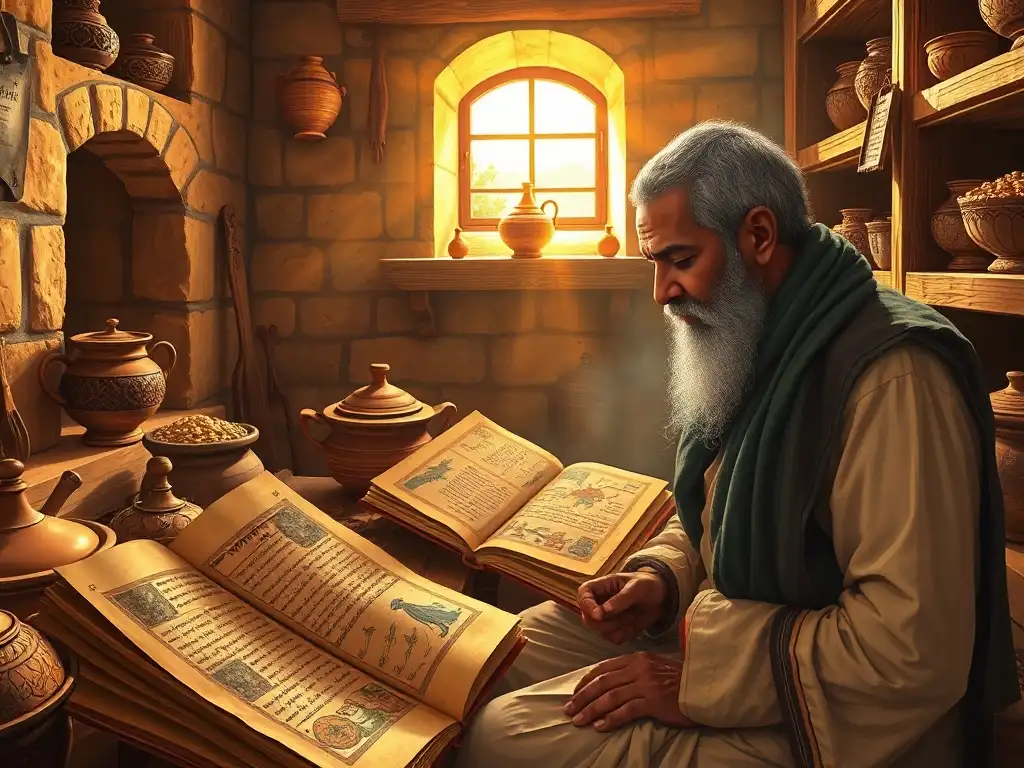
Ancient Indian cuisine is deeply rooted in the region's history and culture, with numerous references found in historical texts and literature. The culinary practices of ancient India not only reflect the available ingredients and cooking techniques of the time but also serve as a mirror of the socio-economic conditions, rituals, and daily life of its people.
The earliest mention of food in Indian literature can be traced back to the Vedas, which are among the oldest sacred texts of the Hindu tradition. These texts elaborate on various offerings made during rituals, emphasizing the significance of food in spiritual practices. Furthermore, texts like the Manusmriti outline dietary guidelines that were reflective of one's caste and social standing, showcasing the importance of food in societal structure.
Culinary References in Ancient Texts
Ancient Indian texts such as the Samhitas, Upanishads, and Ayurvedic texts provide valuable insights into the cuisine of the time. For instance, the Sushruta Samhita, an ancient medical treatise, discusses the nutritional properties of various foods and herbs, indicating a sophisticated understanding of health and diet.
Moreover, the Mahabharata and Ramayana contain numerous references to food, depicting lavish feasts and the significance of communal dining. These epics highlight how food was not merely sustenance but also a medium for social bonding and cultural expression. The art of cooking, as celebrated in these texts, was regarded as an essential skill, often associated with hospitality and generosity.
Folklore and Legends: Food in Ancient Indian Stories
Food also plays a central role in ancient Indian folklore and legends, where it often symbolizes abundance, prosperity, and the divine. Stories of deities and mythical beings frequently include references to specific dishes, creating a rich tapestry of culinary traditions intertwined with spirituality.
For example, the famous tale of Lord Krishna stealing butter from the gopis (milkmaids) not only illustrates his playful nature but also underscores the cultural importance of dairy products in ancient Indian diets. Similarly, festivals such as Pongal and Makar Sankranti are celebrated with specific foods that reflect agrarian practices and seasonal changes, demonstrating how deeply food is embedded in cultural narratives.
Regional Variations: The Diversity of Ancient Indian Cuisine
The vast geographical expanse of India has led to a rich tapestry of regional cuisines, each with unique flavors, ingredients, and cooking methods. The diversity of ancient Indian cuisine is a result of various factors including climate, local produce, historical trade routes, and cultural influences.
As ancient Indian civilizations flourished, distinct regional variations emerged, showcasing the local resources and culinary traditions. This diversity continues to be celebrated in contemporary Indian cuisine, with ancient roots that remain relevant today.
North Indian Cuisine: Flavors from the Gangetic Plains
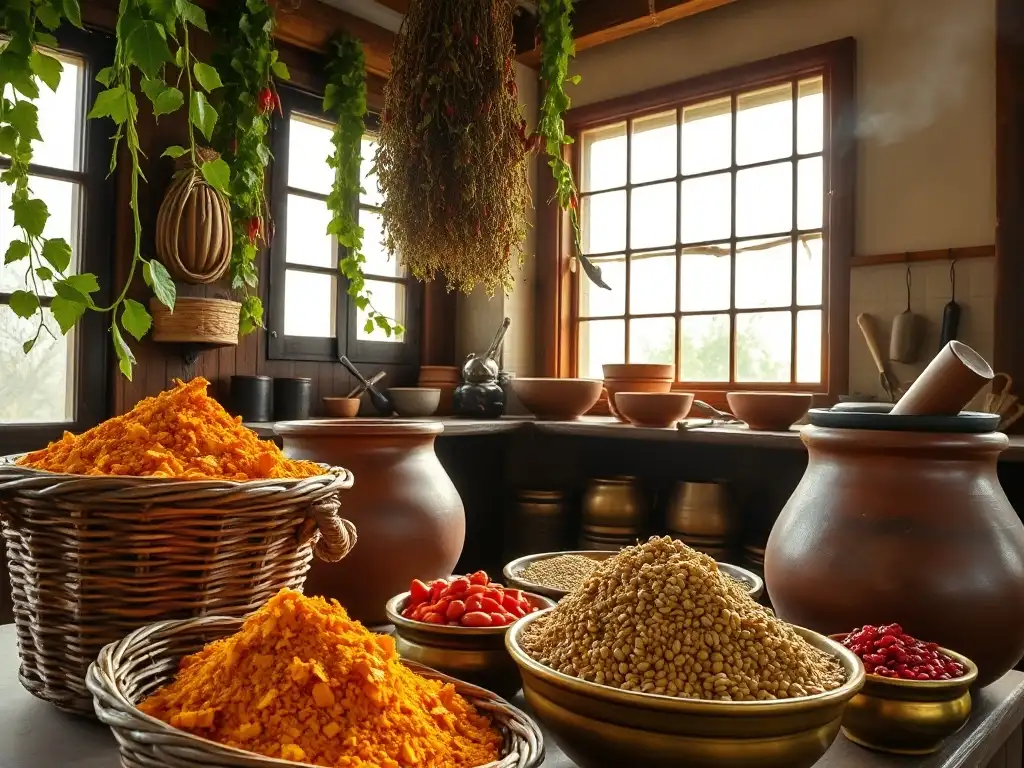
North Indian cuisine is characterized by its rich and diverse flavors, influenced by the fertile Gangetic plains and the historical migrations of various cultures. The use of wheat as a staple, alongside lentils and dairy, forms the foundation of North Indian cooking. Dishes such as roti, dal, and paneer are staples that date back to ancient times and are often featured in historical texts.
Spices such as cumin, coriander, and garam masala are integral to North Indian dishes, adding depth and warmth. The culinary practices in this region emphasize slow cooking and the use of clay pots, a tradition that has been passed down through generations. Historical accounts reveal that royal kitchens in North India were renowned for their elaborate feasts, showcasing the culinary prowess of chefs and the diversity of ingredients available.
South Indian Cuisine: A Symphony of Flavors
In contrast, South Indian cuisine offers a vibrant array of flavors, textures, and aromas, shaped by the region's geography and climatic conditions. The use of rice as a staple, along with lentils and a wide variety of vegetables, highlights the agricultural practices unique to the area. Ancient texts mention the significance of rice in rituals and daily meals, reinforcing its central role in South Indian diets.
The distinctive use of spices such as mustard seeds, curry leaves, and tamarind creates bold flavors that are characteristic of South Indian dishes. Moreover, traditional cooking techniques, such as steaming and frying in coconut oil, are prevalent, reflecting the local environment and available resources. Historical references to temple feasts and the practice of annadanam (the act of offering food) underscore the cultural importance of sharing meals within communities.
Overall, the rich heritage of ancient Indian cuisine serves as a testament to the diverse cultural influences and historical narratives that have shaped the culinary landscape of the region.
The Influence of Ancient Indian Cuisine on World Cuisine
Ancient Indian cuisine has significantly influenced culinary traditions around the globe, establishing a rich tapestry of flavors, techniques, and ingredients that have transcended geographical boundaries. The introduction of spices such as turmeric, cumin, and coriander from India played a crucial role in shaping the flavors of various world cuisines. These spices not only enhanced the taste of dishes but also contributed to their preservation and nutritional value, leading to their widespread adoption.
The Silk Road, a historical trade route connecting the East and West, facilitated the exchange of culinary ideas and practices. Indian merchants traveled along these routes, bringing with them exotic spices and cooking techniques that influenced the culinary landscapes of regions like the Middle East, Southeast Asia, and even Europe. For instance, the use of curry powder in British cuisine can be traced back to the colonial period when Indian dishes were introduced to the British palate, leading to a fusion of flavors that persists to this day.
Furthermore, the incorporation of rice and lentils into diets worldwide can also be attributed to ancient Indian culinary practices. Dishes such as biryani and dal have found their way into various cuisines, showcasing the adaptability and universality of ancient Indian cooking methods.
Ancient Indian Trade and Culinary Exchange
The trade networks established during ancient times were pivotal in the dissemination of Indian culinary practices. The Indus Valley Civilization (circa 2500-1900 BCE) was one of the world's earliest urban centers, where trade flourished with neighboring regions. The exchange of goods not only included spices and foodstuffs but also cooking utensils and techniques, which enriched local cuisines.
As Indian traders ventured into regions like Persia, Africa, and beyond, they introduced various ingredients that were not native to those areas. For example, the introduction of Indian pepper to the Mediterranean region transformed local cooking, making it a staple in many dishes. Meanwhile, the exchange was reciprocal; Indian cooks adopted techniques and ingredients from other cultures, leading to a unique blend of culinary practices.
The spread of Buddhism and Hinduism also contributed to culinary exchange, as monks traveled and shared not only religious teachings but also culinary knowledge. This cultural interchange fostered a diverse gastronomic heritage that can still be experienced in modern cuisines influenced by ancient Indian practices.
Legacy of Ancient Indian Cuisine in Modern Gastronomy
The legacy of ancient Indian cuisine is profoundly evident in modern gastronomy, where traditional dishes have evolved while maintaining their roots. Many contemporary chefs draw inspiration from ancient texts like the "Manasollasa," a 12th-century treatise on food and cooking, showcasing how historical recipes can be reinvigorated for today's palate.
Moreover, the farm-to-table movement has revived interest in ancient agricultural practices, such as organic farming and the use of heirloom varieties of grains and legumes that were staples in ancient Indian diets. Modern restaurants are increasingly incorporating these elements into their menus, highlighting the health benefits and cultural significance of ancient ingredients.
Culinary festivals celebrating ancient Indian cuisine further preserve and promote this rich heritage. These events often feature traditional cooking methods, regional ingredients, and time-honored recipes, allowing chefs and food enthusiasts to connect with the historical roots of Indian cuisine. This ongoing appreciation for ancient culinary practices ensures that their influence remains vibrant in today's culinary scene.
Conclusion: The Enduring Legacy of Ancient Indian Cuisine
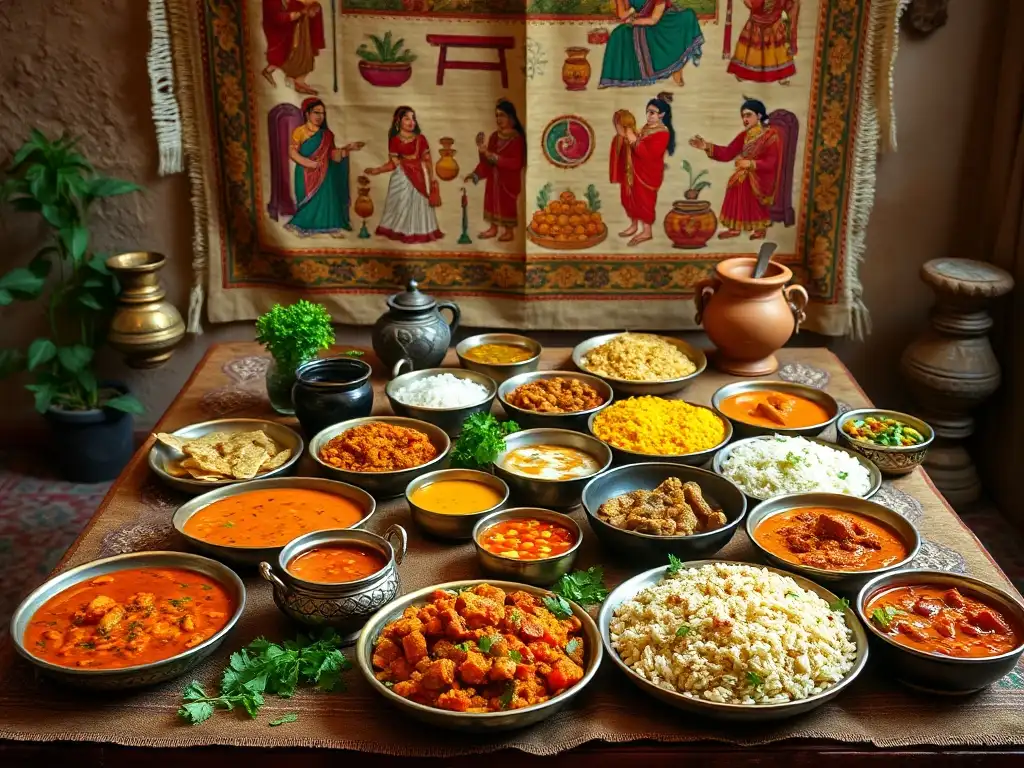
The enduring legacy of ancient Indian cuisine is a testament to its rich history and profound influence on global gastronomy. From the spice trade to the culinary exchanges along ancient trade routes, the impact of Indian cooking extends far beyond its borders. The flavors, techniques, and ingredients introduced by ancient Indian civilizations continue to shape modern culinary practices, ensuring that this vibrant heritage remains relevant and celebrated.
As we explore the intricate connections between ancient Indian cuisine and contemporary gastronomy, it becomes clear that the journey through time reveals not only the evolution of food but also the cultural narratives intertwined with it. The appreciation of ancient Indian cuisine is not merely about savoring the dishes but also about acknowledging and honoring the rich traditions and histories that have shaped our culinary world today.
Recommended Heritage Tours to Experience Ancient Indian Cuisine
Exploring ancient Indian cuisine is not just about tasting food; it's about immersing oneself in the rich tapestry of history and culture that has shaped culinary practices over millennia. Here are some recommended heritage tours that allow you to experience the depth of ancient Indian cuisine firsthand:
-
The Indus Valley Culinary Journey
Embark on a tour that takes you to the sites of the Indus Valley Civilization, such as Mohenjo-Daro and Harappa. This tour includes:
- Archaeological Site Visits: Discover ancient cooking methods and food storage techniques.
- Local Flavors: Participate in cooking classes that recreate dishes believed to be inspired by ancient recipes.
-
The Spice Route Expedition
This tour follows the ancient spice trade routes that connected India with the rest of the world. Highlights include:
- Spice Markets: Visit bustling markets in Kerala and Tamil Nadu where spices have been traded for centuries.
- Culinary Workshops: Engage in hands-on workshops that teach you how to use these spices in traditional recipes.
-
Royal Cuisine Trails of Rajasthan
Experience the grandeur of royal kitchens in Rajasthan, where ancient recipes are still preserved. This tour features:
- Palace Visits: Tour famous palaces like the City Palace in Udaipur and learn about the royal dishes served to kings and queens.
- Dining Experiences: Enjoy authentic royal meals, often served in lavish traditional settings.
-
The Ancient Grain Experience in Punjab
This tour focuses on the ancient grains like millet and barley that were staples in ancient Indian diets. It includes:
- Farm Visits: Explore traditional farms and learn about ancient agricultural practices.
- Cooking Demonstrations: Participate in cooking sessions using these ancient grains, connecting history with modern culinary techniques.
-
Heritage Food Walks in Varanasi
Renowned for its historical significance, Varanasi offers an incredible food walk that dives deep into ancient culinary traditions. Highlights include:
- Street Food Exploration: Taste ancient recipes that have been passed down through generations.
- Cultural Insights: Learn about the religious and cultural significance of various dishes and ingredients.
These heritage tours not only provide an opportunity to savor ancient Indian cuisine but also to understand the stories and traditions behind each dish.
Further Reading and Resources on Ancient Indian Cuisine History
To deepen your understanding of ancient Indian cuisine and its historical significance, consider exploring the following resources:
- Books:
- "Food and Culture in Ancient India" by R. K. Sharma: This book offers an in-depth look at the dietary practices and culinary traditions of ancient Indian civilizations.
- "The Cuisine of India: A Historical Perspective" by Anjali Gupta: A comprehensive guide that traces the evolution of Indian cuisine through various historical periods.
- Academic Journals:
- Journal of Asian Culinary History: This publication frequently features articles on the historical aspects of Asian cuisines, including ancient Indian food practices.
- Indian Journal of Traditional Knowledge: Offers research articles focusing on traditional knowledge systems, including food practices.
- Online Resources:
- Ancient India Historical Society: This platform provides a wealth of articles and studies related to ancient Indian history, including sections dedicated to cuisine.
- Culinary Heritage of India: A website dedicated to documenting and preserving the culinary traditions of India, featuring ancient recipes and cooking methods.
- Documentaries:
- "The Spice Trail" (BBC): A documentary that explores the history of spices, including their origins in ancient Indian cuisine.
- "Ancient India: The Rise of the Civilizations" (National Geographic): This film covers the broader history of ancient India, with segments focused on food and culinary practices.
These resources will not only enhance your knowledge of ancient Indian cuisine history but also inspire a deeper appreciation for the cultural heritage that continues to influence Indian cooking today.
- Introduction to Ancient Indian Cuisine History
- The Roots of Ancient Indian Cuisine
- The Evolution of Flavors: Key Ingredients Through the Ages
- Culinary Techniques of Ancient India
- Ancient Indian Cuisine in Historical Texts and Literature
- Culinary References in Ancient Texts
- Folklore and Legends: Food in Ancient Indian Stories
- Regional Variations: The Diversity of Ancient Indian Cuisine
- North Indian Cuisine: Flavors from the Gangetic Plains
- South Indian Cuisine: A Symphony of Flavors
- The Influence of Ancient Indian Cuisine on World Cuisine
- Conclusion: The Enduring Legacy of Ancient Indian Cuisine
- Recommended Heritage Tours to Experience Ancient Indian Cuisine
- Further Reading and Resources on Ancient Indian Cuisine History
Frequently Asked Questions
What is ancient Indian cuisine history?
Ancient Indian cuisine history encompasses the evolution of food practices and cooking techniques from the Indus Valley Civilization to the Gupta Empire, highlighting regional diversity and cultural influences.
How did geography influence ancient Indian cuisine?
The geographical diversity of India led to a variety of local ingredients and cooking styles, with different regions developing unique culinary traditions based on climate, resources, and trade.
What were some staple foods in ancient India?
Staple foods in ancient India included grains like rice and wheat, legumes, and various fruits and vegetables, which formed the foundation of daily diets and culinary practices.
How did ancient Indian cuisine contribute to global food culture?
Ancient Indian cuisine introduced spices and flavors that influenced many global culinary traditions, with trade routes facilitating the exchange of ingredients and cooking methods across cultures.
What role did religion play in ancient Indian cuisine?
Religious beliefs significantly shaped ancient Indian cuisine, with practices such as vegetarianism and ritualistic food offerings reflecting the cultural values and dietary restrictions of various communities.
Final Reflection: Embracing the Legacy of Ancient Indian Cuisine
The exploration of ancient Indian cuisine history reveals a tapestry woven with rich traditions, diverse ingredients, and profound cultural significance. Today, as we navigate a world increasingly focused on fast food and convenience, the essence of these time-honored culinary practices serves as a reminder of the importance of heritage and mindfulness in our eating habits. The flavors and techniques that have stood the test of time not only nourish our bodies but also connect us to our ancestors and their stories.
Culinary traditions have a remarkable ability to shape our cultural identity and foster community bonds. The influence of ancient Indian cuisine extends beyond the kitchen; it permeates our social interactions, festivals, and even our understanding of health and wellness. As we savor these age-old recipes, we engage in a dialogue with history, allowing us to appreciate the wisdom embedded in each dish. Food is not just what we eat; it is a reflection of who we are and where we come from.
This sentiment encapsulates the essence of our culinary heritage, urging us to honor and preserve it.
As you reflect on the journey through ancient Indian cuisine, I invite you to consider how these lessons can be integrated into your own life. Take a moment to explore your culinary roots, experiment with traditional recipes, and share these experiences with loved ones. By doing so, you not only celebrate the rich history of ancient Indian cuisine but also contribute to its ongoing legacy, ensuring that these flavors and stories continue to thrive for generations to come.
Unleash Your Culinary Adventure!
Thank you for taking the time to explore the rich tapestry of ancient Indian cuisine with us! We hope you’ve been inspired by the flavors, techniques, and stories that have shaped this remarkable heritage. Now, it’s your turn to embark on your culinary adventure!
Here are some actions you can take to dive deeper into the world of ancient Indian food:
- Try Your Hand at a Traditional Recipe: Choose a recipe highlighted in this journey and prepare it at home. Experience a connection to history with every bite!
- Join a Local Cooking Class: Look for classes that focus on ancient Indian cuisine. This not only promises to be a fun activity but also a fantastic opportunity to learn from experts and meet fellow food enthusiasts.
- Share Your Experience: Capture your cooking journey on social media or write a blog post about it. Tag us to inspire others as you rediscover these timeless recipes!
What ancient Indian dish are you most excited to recreate, and in what ways do you think it reflects the culture of its time?