
The Impact of Persian Invasions on Indian Society and Culture

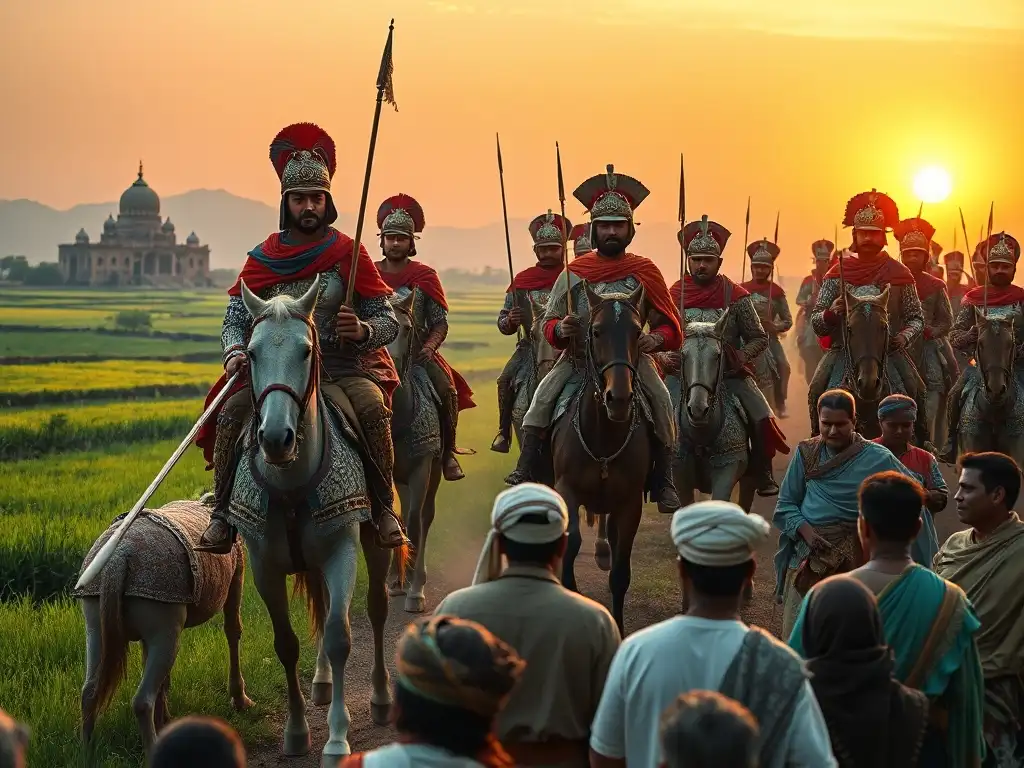
Welcome to Ancient India History, where we embark on a journey through the rich tapestry of civilizations that shaped the Indian subcontinent. In our featured article, we delve into the fascinating topic of the Persian invasions and their profound impact on Indian culture. How did these encounters influence art, architecture, and societal norms? Join us as we uncover the layers of interaction between ancient India and Persia, revealing insights that will ignite your curiosity and deepen your understanding of this dynamic era. Dive in to explore the intricate connections that continue to resonate through time!
- Introduction to Persian Invasions and Indian Society
- Historical Context of Persian Invasions
- The Persian Invasions: An Overview
- Cultural Impact of Persian Invasions on Indian Society
- Economic Impact of Persian Invasions on Indian Culture
- Religious and Philosophical Influences
- Resistance and Adaptation of Indian Culture
- Legacy of Persian Invasions on Modern Indian Society
- Conclusion: The Enduring Impact of Persian Invasions
- Frequently Asked Questions
- Final Reflection: The Enduring Legacy of Persian Invasions on Indian Culture
- Explore the Lasting Legacy of Persian Influence!
Introduction to Persian Invasions and Indian Society
The Persian invasions of the Indian subcontinent represent a crucial chapter in the historical narrative of ancient India, significantly influencing its societal structures, cultural practices, and artistic expressions. Spanning several centuries, these invasions initiated a complex interplay of interactions between two rich civilizations—each with its own distinct heritage and traditions.
From the earliest encounters during the Achaemenid Empire to the later incursions by the Sassanians, the Persian influence permeated various facets of Indian life, reshaping local customs and introducing new ideas and technologies. Understanding the impact of these invasions is essential not only for comprehending the evolution of Indian culture but also for recognizing the broader context of intercultural exchanges that have shaped the subcontinent’s history.
Overview of Persian Invasions
The timeline of Persian invasions in India can be traced back to the 6th century BCE, primarily linked to the expansionist campaigns of Cyrus the Great and his successors. The Achaemenid Empire, at its zenith, extended into the northwestern regions of the Indian subcontinent, notably parts of present-day Pakistan. Notable invasions include:
- Cyrus the Great (circa 550-530 BCE): His campaigns laid the groundwork for Persian dominance in the region.
- Darius I (circa 522-486 BCE): Expanded the empire further into the Indian territories, establishing satrapies (provinces) that facilitated administrative control.
- Xerxes I (circa 486-465 BCE): Continued the legacy of conquest, although his campaigns were less focused on India.
The impact of these invasions was profound, as they introduced new governmental structures, trade routes, and cultural exchanges that affected local societies. Persian administration brought about a more organized approach to governance, which contributed to the development of regional powers within India.
Significance of Studying Persian Influence on Indian Culture
Examining the impact of Persian invasions on Indian culture is vital for several reasons:
- Cultural Syncretism: The interactions between Persian and Indian cultures led to a unique blend of traditions, seen in art, architecture, and literature. Persian influences can be observed in the decorative motifs of Indian temples and palaces, as well as in the evolution of languages, particularly the adoption of Persian vocabulary in languages such as Urdu.
- Religious Exchange: The Persian invasions facilitated the introduction of Zoroastrianism and other religious philosophies, which interacted with the indigenous beliefs of Hinduism and Buddhism, leading to a rich tapestry of spiritual thought.
- Trade Relations: The establishment of trade routes by the Persians opened up new avenues for economic exchange, which not only enhanced local economies but also enriched cultural interactions through the exchange of goods, ideas, and technologies.
- Historical Context: Understanding the Persian influence allows historians and scholars to better comprehend the subsequent interactions between India and other civilizations, including the Greeks and later Islamic empires. This historical lens provides insight into the evolution of Indian society and its resilience amidst external influences.
The Persian invasions were not merely military campaigns; they were pivotal events that reshaped the landscape of Indian culture, society, and politics. Studying this impact offers a nuanced understanding of the complex tapestry of ancient Indian history and the interconnections that define it.
Historical Context of Persian Invasions
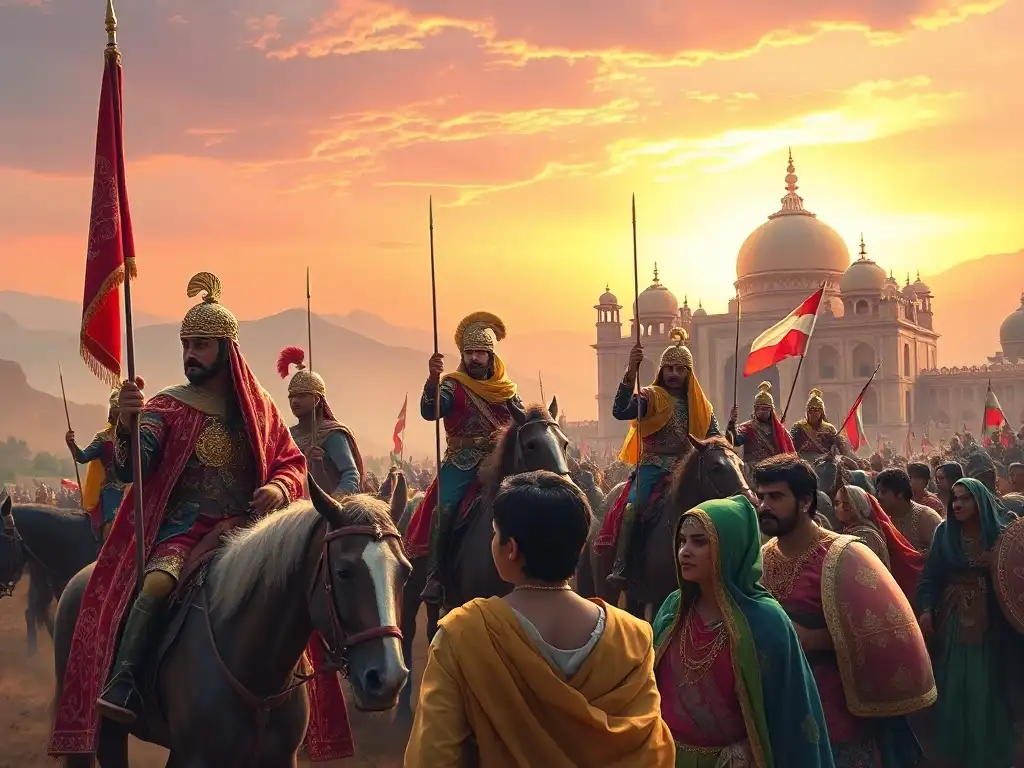
The Persian invasions of India occurred during significant periods of expansion under the Achaemenid Empire. This era, starting around the 6th century BCE, marked the intersection of Indian and Persian civilizations, resulting in profound cultural exchanges and influences. The Persian Empire, known for its vast territory stretching from Egypt to the Indus Valley, sought to extend its dominion and control over the rich resources and trade routes of the Indian subcontinent.
The interactions were not solely military; they led to the establishment of administrative practices, trade connections, and cultural exchanges that would resonate throughout Indian history. The Persian influence can be seen not only in political structure but also in art, architecture, and the socio-economic fabric of Indian society. Notably, the Persian invasions paved the way for the later conquests by Alexander the Great and the subsequent Hellenistic influences.
Timeline of Persian Invasions in India
| Year | Event Description |
|---|---|
| 516 BCE | Darius I of Persia invades the northwestern regions of India, establishing control over regions like Gandhara. |
| 500-400 BCE | Several campaigns by Persian satraps (governors) in the Indian subcontinent, solidifying Persian presence. |
| 326 BCE | Alexander the Great crosses into India after the fall of the Persian Empire, leading to further Hellenistic influences. |
The Persian invasions were marked by strategic military campaigns aimed at subduing the local rulers. Darius I's expedition in 516 BCE is particularly notable as it established Persian authority in the northwestern territories of India. This incursion not only sought to expand the empire but also facilitated trade and cultural exchanges, impacting local customs and governance.
Key Persian Leaders Involved in the Invasions
Several prominent Persian leaders played crucial roles in the invasions and subsequent interactions with Indian territories:
- Cyrus the Great: The founder of the Achaemenid Empire, Cyrus initiated the expansion into Central Asia, laying the groundwork for future incursions into India.
- Darius I: Renowned for his administrative prowess, Darius I led the significant invasion in 516 BCE. His campaigns established satrapies in the Indian regions, fostering economic ties and cultural exchanges.
- Xerxes I: Although primarily noted for his campaigns against Greece, Xerxes also maintained interests in the Indian territories, ensuring Persian dominance in the region.
These leaders not only expanded Persian territory but also facilitated the cultural interplay between India and Persia, influencing various aspects of Indian life, including art, architecture, and governance. The subsequent integration of Persian customs into Indian society laid a foundation for a rich tapestry of cultural synthesis that would evolve over centuries.
The Persian Invasions: An Overview
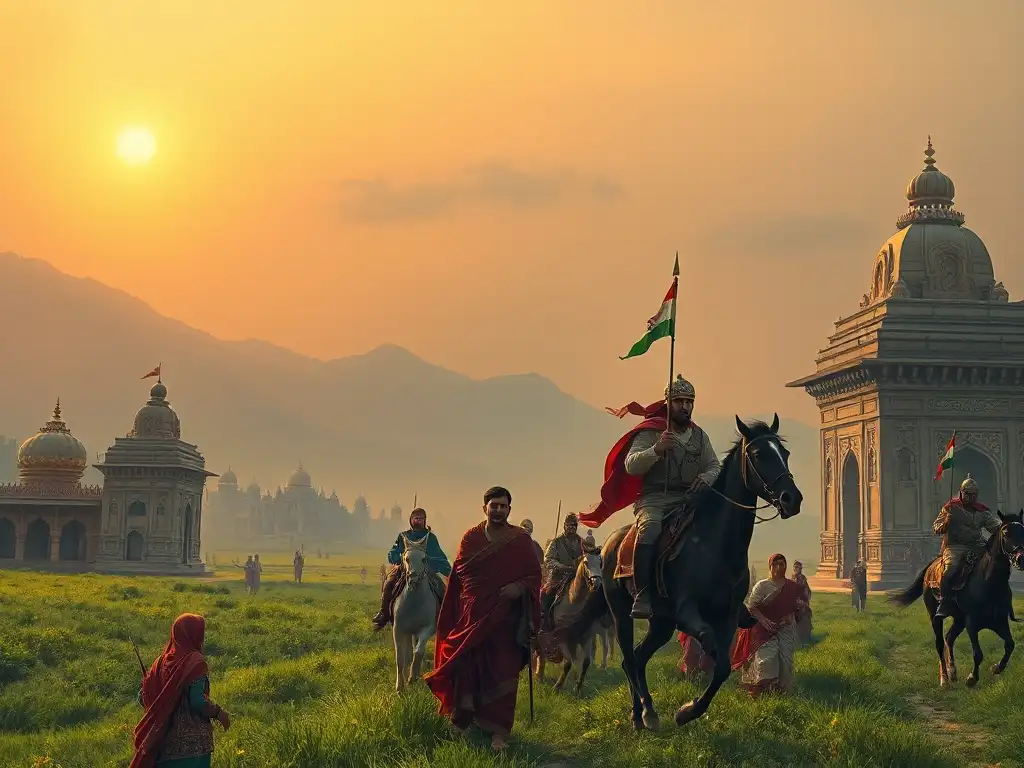
The Persian invasions of the Indian subcontinent, primarily during the Achaemenid Empire (c. 550–330 BCE), had profound implications on Indian society and culture. The incursions, notably under rulers such as Cyrus the Great and Darius I, aimed to expand the vast Persian Empire. These invasions were not mere military campaigns; they marked significant cultural exchanges and interactions between the Persian and Indian civilizations.
The initial Persian incursions into India were characterized by military might and strategic prowess, enabling the Achaemenids to establish control over parts of the northwest region. This included the fertile areas of Punjab and Sindh, which became integral to the Persian satrapy system. The Persian influence extended through trade, art, architecture, and governance, laying the groundwork for a unique blend of cultural practices.
The significance of these invasions rests not only in territorial conquests but also in the lasting impact on Indian culture, which saw the introduction of new administrative systems, artistic styles, and religious ideas. The Persian invasions set the stage for further interactions that would shape the historical trajectory of the subcontinent.
Military Strategies and Tactics of Persian Forces
The military strategies employed by Persian forces during their invasions of India were sophisticated and multifaceted, characterized by a combination of mobility, organization, and adaptation to local conditions.
- Use of Cavalry:
- The Persian army was renowned for its cavalry units, which provided speed and flexibility on the battlefield.
- Cavalry tactics allowed for quick flanking maneuvers and the ability to cover vast distances rapidly, making it difficult for Indian forces to regroup effectively.
- Incorporation of Local Mercenaries:
- The Persians often recruited local troops to bolster their ranks, integrating Indian warriors into their military structure.
- This strategy not only enhanced their fighting capabilities but also facilitated the exchange of combat techniques and strategies between the two cultures.
- Logistics and Supply Lines:
- Persian forces maintained well-organized supply lines that ensured their troops were well-fed and equipped.
- This logistical superiority played a crucial role in sustaining long campaigns across diverse terrains, from the arid deserts to the fertile plains of the Indus Valley.
- Siege Warfare:
- The Persians employed advanced siege techniques, including the use of battering rams and mobile towers, to capture fortified cities.
- This approach was particularly effective in overcoming Indian strongholds that relied on traditional fortifications.
These strategies not only aided the Persian forces in their military endeavors but also influenced local military practices in subsequent periods, contributing to the evolution of warfare in the region.
Major Battles and Encounters in Indian Territories
The Persian invasions led to several notable battles and encounters that would shape the historical landscape of ancient India. Some of the key conflicts include:
- Battle of the Hydaspes (c. 326 BCE):
- Although primarily associated with Alexander the Great, this battle had significant Persian implications as it followed the earlier Persian incursions.
- The encounter with King Porus demonstrated the challenges faced by Indian rulers against a well-organized foreign army, setting a precedent for future resistance against invaders.
- Conquest of the Indus Valley (c. 518 BCE):
- Under Darius I, the Persian Empire successfully conquered the regions around the Indus River, establishing the satrapy of Hindush.
- This conquest facilitated trade routes between Persia and India, leading to increased economic and cultural exchanges.
- Battle of the Persian Gates (330 BCE):
- While this battle was fought against Alexander’s forces, it highlighted the strategic importance of the Persian territories in India.
- The resistance showcased the ability of Indian states to unite against foreign invaders, a theme that would recur throughout Indian history.
- Diplomatic Encounters:
- Beyond military confrontations, there were instances of diplomatic missions between Persian and Indian rulers, which often involved trade agreements and cultural exchanges.
- These interactions fostered a mutual respect and understanding that influenced both Persian and Indian cultures, as evidenced in art, literature, and administrative practices.
The Persian invasions not only altered the political landscape of ancient India but also left an indelible mark on its culture, showcasing the complexities of interaction between civilizations in the ancient world.
Cultural Impact of Persian Invasions on Indian Society
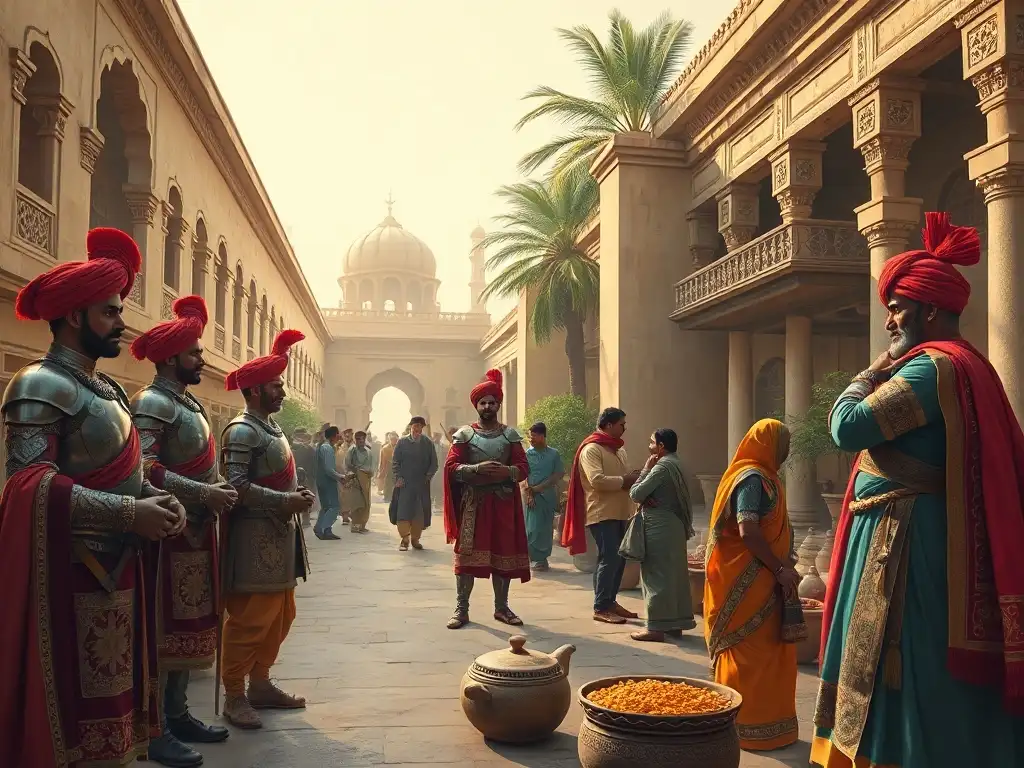
The Persian invasions of India, particularly during the Achaemenid Empire's expansion in the 6th century BCE and later during the invasions led by Darius I and Alexander the Great, significantly shaped the cultural landscape of the Indian subcontinent. These interactions not only led to the exchange of goods and ideas but also initiated a profound transformation in various aspects of Indian society, including art, architecture, literature, and customs.
Changes in Art and Architecture
The Persian influence on Indian art and architecture is evident in several historical monuments and artistic styles. The introduction of Persian motifs, techniques, and architectural styles can be seen prominently in various structures built during and after these invasions.
- Use of Arches and Domes: Persian architecture introduced the use of arches and domes, which were not prevalent in earlier Indian structures. This innovation can be observed in later monuments like the Mughal structures, which blended Persian and Indian styles.
- Gardens and Layouts: The concept of Persian gardens, known as "Chahar Bagh" (four gardens), influenced the design of royal gardens in India, emphasizing symmetry, water features, and lush greenery. These gardens became a standard in Mughal architecture, exemplified in places like the Taj Mahal.
- Sculptural Styles: Persian motifs, such as intricate floral patterns and arabesques, began to appear in Indian sculpture and painting. This melding of styles enriched the visual arts and led to a distinctive aesthetic that characterized Indian art in subsequent centuries.
Influence on Literature and Language
The literary impact of Persian invasions on Indian culture is notable, particularly in the realms of poetry, prose, and language development.
- Persian Language and Literature: With the establishment of Persian as a significant language in India, it became a medium for poetry and prose. The works of poets like Amir Khusro, who blended Persian and Indian literary traditions, exemplify this influence.
- Vocabulary Enrichment: Many Persian words entered the vernacular languages of India, especially Hindi and Urdu, enriching the lexicon and facilitating cultural exchanges. Terms related to administration, art, and daily life highlight this linguistic integration.
- Historical Texts: Persian historians like Al-Biruni documented Indian culture, philosophy, and sciences, providing insights into the rich tapestry of Indian life during and after the invasions. Their works serve as crucial resources for understanding the cultural exchanges between Persia and India.
Adoption of Persian Customs and Traditions
The Persian invasions also led to the adoption of various customs and traditions in Indian society, further intertwining the two cultures.
- Cuisine: The introduction of Persian culinary practices significantly influenced Indian cuisine. Dishes such as biryani and kebabs reflect this blending of culinary traditions, incorporating spices and cooking techniques unique to Persian culture.
- Festivals and Rituals: Some Persian festivals and customs, such as Nowruz (the Persian New Year), found their way into Indian celebrations, particularly in regions with significant Persian influence. These traditions were adapted to fit local customs, creating a unique cultural synthesis.
- Clothing and Fashion: The Persian style of clothing, characterized by flowing garments and intricate designs, influenced Indian fashion, especially among the nobility. This shift is evident in the elaborate attire of Mughal emperors and their courts, which showcased Persian elegance and artistry.
The Persian invasions had a lasting impact on Indian culture, significantly shaping its art, literature, and social customs. This cultural amalgamation not only enriched Indian society but also laid the foundation for future interactions and exchanges between India and Persia, ultimately contributing to the diverse cultural landscape of the subcontinent.
Economic Impact of Persian Invasions on Indian Culture
Trade Relations Established Through Invasions
The Persian invasions of India, particularly during the Achaemenid Empire's expansion, significantly enhanced trade relations between India and Persia. The establishment of trade routes facilitated the exchange of goods, ideas, and cultural practices, which had a lasting impact on Indian society.
- Key Trade Goods: The Persian Empire was known for its luxury goods, such as textiles, gold, and silver, while India offered spices, gemstones, and fine silk. This mutual exchange enriched both cultures, leading to an increase in wealth and the establishment of local markets.
- Routes and Infrastructure: The creation of the Royal Road by the Achaemenids, which connected Susa to Sardis, indirectly benefited Indian traders. It allowed for quicker access to Western markets, thus opening up opportunities for Indian merchants to engage in international trade. The Persian influence on road construction and administration contributed to the development of more organized trade networks in India.
- Cultural Exchanges: The interactions between Indian and Persian traders led to the assimilation of various cultural elements. For instance, the introduction of Persian art forms, architecture, and administrative practices influenced local customs, further integrating the two cultures through economic collaboration.
Impact on Agriculture and Local Economies
The Persian invasions also had a profound impact on agriculture and local economies in India. The incorporation of Persian administrative techniques and agricultural practices introduced new efficiencies and crops that reshaped the economic landscape.
- Introduction of New Crops: The Persians brought with them various agrarian practices that included the cultivation of crops like citrus fruits, which were not previously widespread in the Indian subcontinent. This diversification of agriculture improved food security and agricultural productivity, thereby enhancing local economies.
- Taxation and Land Revenue Systems: The administrative reforms implemented by Persian rulers included structured taxation systems that relied on detailed land surveys. This methodology improved revenue collection and provided local rulers with the resources needed for development projects, such as irrigation systems.
- Stimulation of Local Markets: With the increased agricultural productivity and the introduction of new crops, local markets began to flourish. The availability of diverse goods encouraged trade among local populations, leading to the growth of towns and urban centers.
- Labor Dynamics: The Persian invasions also altered labor dynamics within Indian society. The demand for labor in agriculture and construction projects stimulated economic activity, leading to a more complex social structure that included various classes of laborers, traders, and landowners.
The economic impact of Persian invasions on Indian culture was multifaceted, shaping trade relations and agricultural practices that would influence the subcontinent for centuries to come. The legacy of these interactions is evident in the continued blend of Persian and Indian cultures, particularly in areas of trade and agriculture.
Religious and Philosophical Influences
Spread of Zoroastrianism and Its Impact on Indian Religions
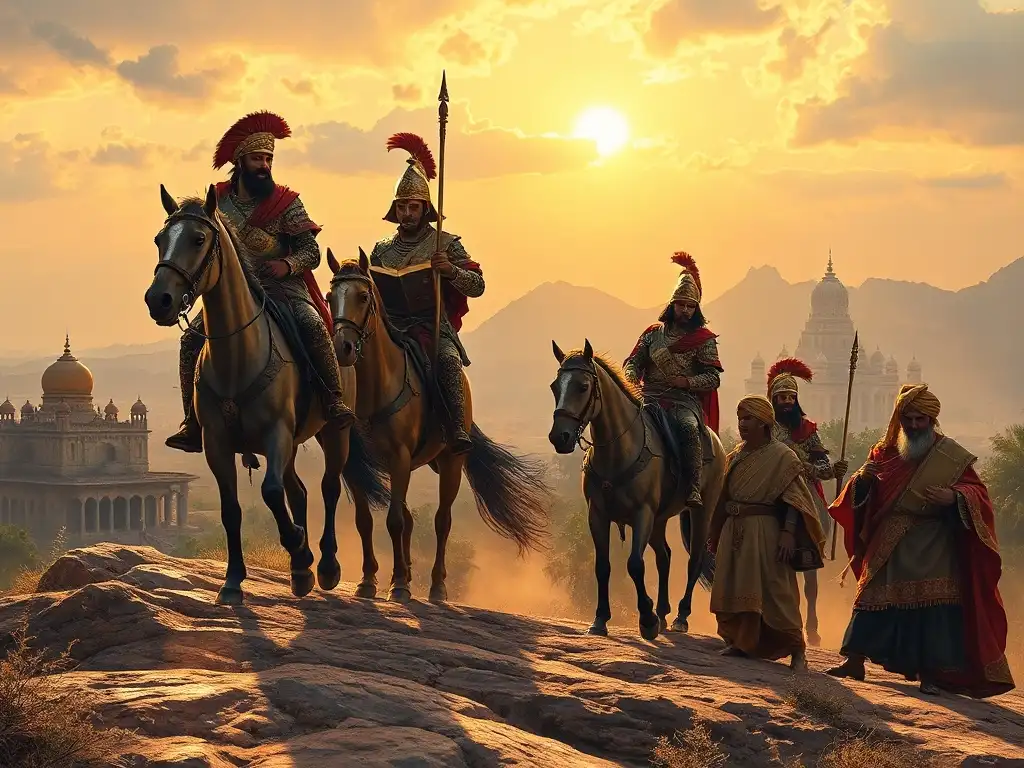
The Persian invasions, particularly during the Achaemenid Empire, introduced Zoroastrianism to the Indian subcontinent, creating a significant religious dialogue that influenced local beliefs. Zoroastrianism, founded by the prophet Zoroaster, emphasized the duality of good and evil, the importance of individual choice, and ethical living. These principles found resonance in several Indian religious traditions, particularly Hinduism and Buddhism, fostering a climate of syncretism.
- Influence on Hinduism:
- Concepts of Good and Evil: The Zoroastrian dualism between Ahura Mazda (the supreme god) and Angra Mainyu (the evil spirit) mirrored some Hindu notions of deities like Vishnu and Shiva, prompting a deeper philosophical inquiry into the nature of good and evil within Hindu texts.
- Ritual Practices: Some ceremonial practices and rituals may have been influenced by Zoroastrian fire worship, which later found parallels in Hindu puja (worship) and the reverence of sacred fires.
- Impact on Buddhism:
- Ethical Teachings: The Zoroastrian emphasis on moral responsibility may have reinforced Buddhist teachings on karma and dharma, promoting a shared understanding of ethical behavior across both religions.
- Cultural Integration:
- Zoroastrianism contributed to a broader cultural framework that encouraged tolerance and coexistence among diverse religious practices in India, fostering a unique spiritual landscape.
Cross-Cultural Philosophical Exchanges
The Persian invasions facilitated a rich exchange of philosophical ideas that shaped the intellectual landscape of ancient India. The interaction between Persian and Indian scholars led to a mutual enrichment of thought, particularly in areas such as governance, ethics, and cosmology.
- Philosophical Texts: Persian thinkers brought with them a wealth of philosophical literature, including works on governance and ethics. Indian scholars integrated these ideas into their own writings, leading to the development of sophisticated political theories evident in texts such as the Arthashastra by Kautilya.
- Debates and Dialogues:
- The Persian courts were known for encouraging intellectual discussions. Indian philosophers engaged in debates with Persian scholars, sharing insights on metaphysics and epistemology that influenced both traditions.
- This exchange stimulated critical thinking and the questioning of established norms, paving the way for new philosophical movements in India.
- Art and Literature:
- The blending of Persian and Indian artistic expressions created new genres of literature and art. For example, Persian poetic forms influenced Indian poetry, while Indian storytelling traditions enriched Persian narratives.
- This cross-cultural fertilization fostered a unique artistic heritage that continues to resonate in contemporary Indian culture.
The Persian invasions significantly impacted Indian culture through the introduction of Zoroastrianism and a vibrant exchange of philosophical ideas, which shaped the spiritual and intellectual development of ancient India. This intersection of cultures not only enriched Indian society but also laid the groundwork for future interactions between diverse civilizations.
Resistance and Adaptation of Indian Culture
Indian Responses to Persian Invasions
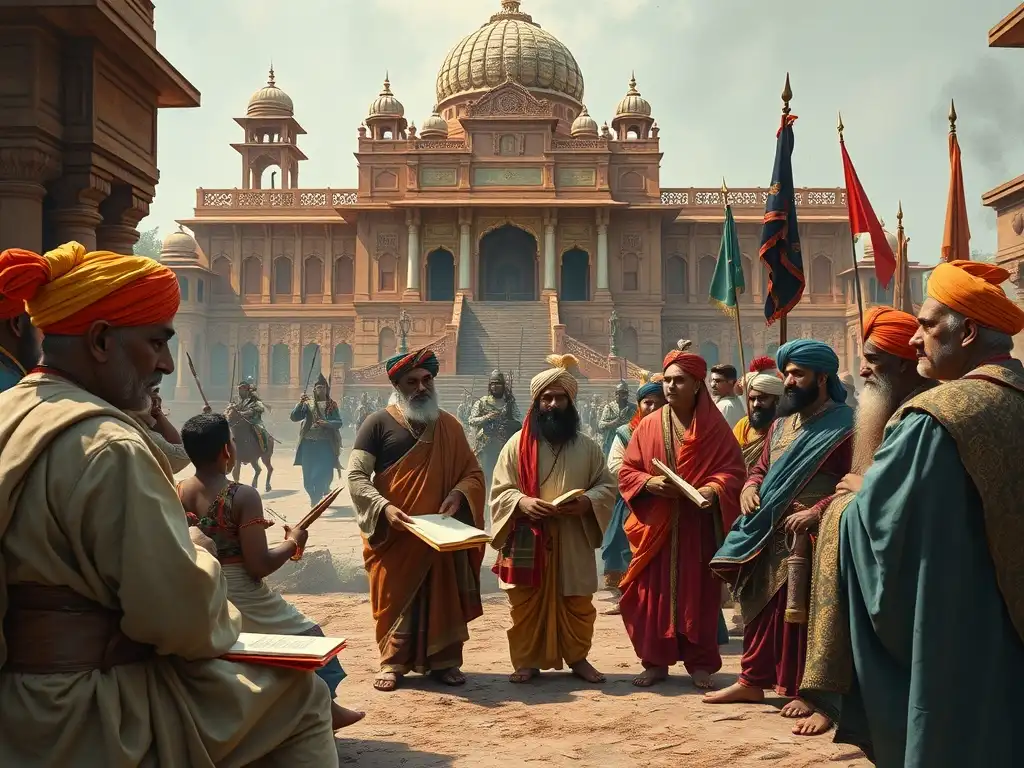
The Persian invasions of India, particularly those led by Cyrus the Great and later Darius I, elicited a variety of responses from Indian society. These responses were not merely passive; they demonstrated a complex interplay of resistance and adaptation among the various Indian states and communities.
-
Military Resistance:
Indian rulers such as those from the Kuru and Magadha kingdoms initially attempted military resistance against the Persian forces. The Persian expansion into northwest India met with fierce opposition, especially in regions like Gandhara. Notably, the Battle of the Hydaspes in 326 BCE, fought by Alexander the Great (who was a successor to the Persian Empire), showcased the valiant efforts of Indian kings like Porus who used strategic warfare tactics to resist foreign domination.
-
Diplomatic Engagement:
Some Indian states opted for diplomatic channels to manage the Persian threat. Instead of direct confrontation, they sought alliances or treaties with the invaders. This approach was particularly evident in the interactions between Indian satraps and Persian administrators, which allowed for a degree of autonomy within the Persian imperial framework.
-
Cultural Retention:
In the face of invasion, there was a strong emphasis on cultural retention among Indian communities. Despite the influence of Persian culture, many Indian traditions, languages, and social structures remained intact. This cultural resilience is reflected in the continued practice of local customs, religious traditions, and the use of indigenous languages in administration and daily life.
-
Adaptation and Integration:
Over time, there was a notable trend of adaptation among certain Indian societies. For instance, the introduction of Persian administrative practices and art forms began to blend with local traditions. This integration often occurred in urban centers where merchants, scholars, and artists engaged with Persian culture, leading to a nuanced cultural exchange.
Fusion of Persian and Indian Cultures
The interactions between the Persian invaders and Indian civilizations led to a remarkable fusion of cultures, significantly shaping the socio-cultural landscape of ancient India. This fusion can be observed in several key areas:
-
Artistic Influences:
Persian art and architecture left a lasting impact on Indian styles, particularly evident in the construction of stupas and the use of intricate motifs. The introduction of Persian techniques in sculpture and painting resulted in a unique Indo-Persian art form that incorporated both traditions. Notable examples include the intricate frescoes found in the caves of Ajanta and Ellora.
-
Linguistic Exchange:
The Persian language began to influence several Indian languages, especially in the northwestern regions. Words of Persian origin began to permeate local dialects, enriching the vocabulary of languages such as Hindi and Urdu. This linguistic blend facilitated communication and cultural exchange between communities, promoting a shared cultural identity.
-
Culinary Traditions:
The culinary landscape of India was also transformed as Persian cuisine merged with local flavors. Dishes such as biryani, kebabs, and various sweets showcase the melding of flavors and cooking techniques. This gastronomic fusion highlights the ongoing interactions and has led to a lasting legacy in Indian culinary practices.
-
Religious Syncretism:
The Persian invasions also sparked religious exchanges, particularly in the realms of Zoroastrianism and Hinduism. Certain elements of Persian spirituality and cosmology found their way into Indian religious practices, leading to a syncretic development that enriched the spiritual landscape of the region.
The Persian invasions of India were not merely a point of conflict but a catalyst for significant cultural interaction. Indian society demonstrated resilience through resistance and adaptation, leading to a rich tapestry of cultural fusion that has continued to influence the subcontinent’s heritage.
Legacy of Persian Invasions on Modern Indian Society
Lasting Influence in Contemporary Indian Culture
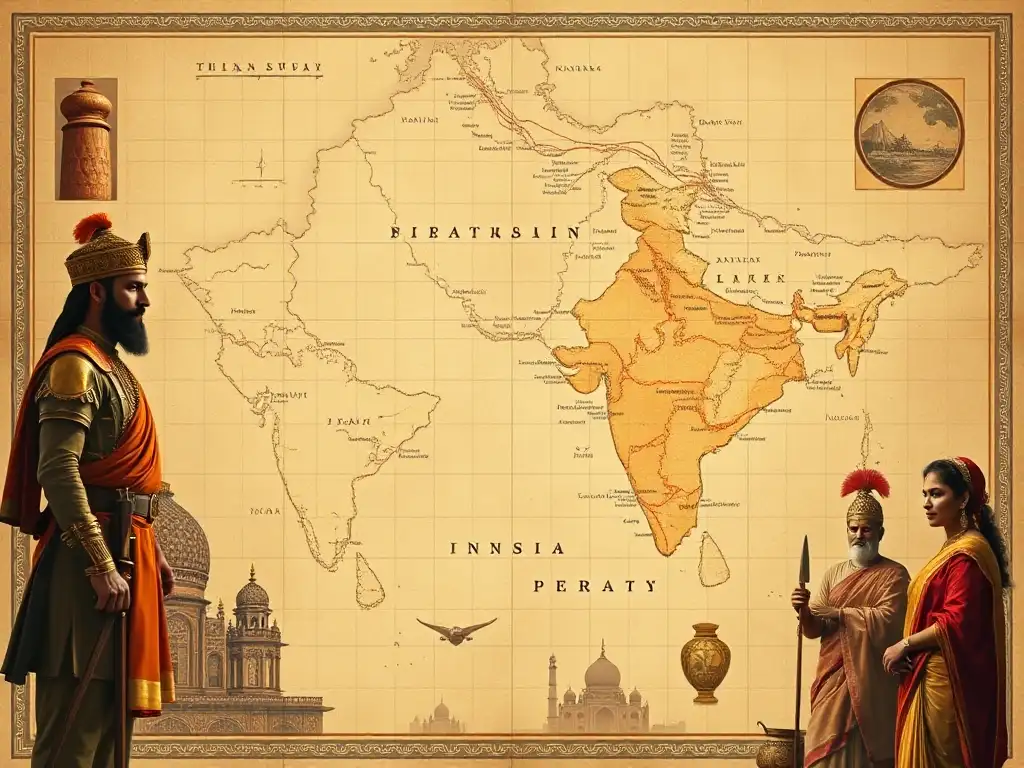
The Persian invasions of the Indian subcontinent, particularly during the Achaemenid Empire and later under the rule of Darius I, have left a lasting imprint on various facets of contemporary Indian culture. This influence is evident in several areas:
- Language and Literature
- The Persian language became a critical component of the Indian linguistic landscape, especially during the Mughal period. Many Persian words, expressions, and literary styles were integrated into Indian languages, notably Hindi and Urdu.
- The adoption of Persian poetry and prose forms enriched Indian literature, leading to the emergence of unique literary genres like Ghazals and Rubaiyat, which are still celebrated today.
- Art and Architecture
- Persian architectural styles significantly influenced Indian structures. The use of intricate tile work, grand arches, and garden layouts can be traced back to Persian designs, especially during the Mughal era.
- Notable examples include the Taj Mahal, which showcases Persian architectural principles blended with indigenous styles, creating a unique Indo-Islamic architecture.
- Culinary Contributions
- The Persian invasions introduced various culinary practices that have been assimilated into Indian cuisine. Dishes like Biryani and Kebabs reflect this fusion, combining local ingredients with Persian cooking techniques.
- The use of saffron, dried fruits, and nuts in Indian cooking owes much to Persian influence, showcasing a blend of flavors that persists in modern Indian gastronomy.
- Festivals and Traditions
- Certain festivals and cultural practices in India have roots in Persian traditions. For instance, the celebration of Nowruz, the Persian New Year, is observed in certain communities across India, particularly among the Parsi population.
- The integration of Persian customs into local practices illustrates a cultural amalgamation that continues to enrich India's diverse heritage.
Reflections on Persian Invasions in Modern Historical Narratives
The narrative surrounding the Persian invasions and their impact on Indian society has evolved significantly in modern historical discourse. Scholars and historians have increasingly recognized the nuanced interactions between the two cultures, moving beyond simplistic interpretations of conquest and conflict. Key reflections include:
-
Intercultural Exchange
The Persian invasions are often viewed through the lens of intercultural exchange rather than mere aggression. The trade routes established during these periods facilitated not only the movement of goods but also ideas, art forms, and technologies that shaped Indian civilization.
-
Complex Historical Dynamics
Modern historians emphasize the complexity of Persian-Indian relations, illustrating how these invasions did not solely result in domination but also in collaboration. The establishment of Persian administrative practices in certain Indian kingdoms showcases a blend of governance that contributed to regional stability.
-
Reevaluation of Historical Sources
The study of Persian inscriptions, literature, and historical accounts has prompted a reevaluation of the impact of these invasions. These primary sources provide insights into the socio-political dynamics of the time and emphasize the Persian perspective, enriching our understanding of the period.
-
Influence on National Identity
The legacy of Persian invasions contributes to the broader narrative of Indian identity, illustrating the subcontinent's historical role as a melting pot of cultures. This multifaceted identity is celebrated in contemporary discourse, challenging monolithic interpretations of Indian history.
The Persian invasions have significantly shaped modern Indian society and culture, influencing language, art, cuisine, and identity. The reflections on these historical events continue to evolve, highlighting the rich tapestry of interactions that define the Indian subcontinent.
Conclusion: The Enduring Impact of Persian Invasions
Summary of Key Points on Persian Invasions and Indian Culture
The Persian invasions of the Indian subcontinent, notably during the Achaemenid Empire and later under the rule of Darius I and Xerxes, had profound implications for Indian society and culture. Some of the key points to consider include:
- Cultural Exchange: The Persian invasions facilitated a significant cultural exchange between Persia and India, introducing new art forms, architectural styles, and administrative practices. For instance, the Persian influence is visible in the use of intricate designs and motifs in Indian art and architecture.
- Administrative Innovations: The Persians brought with them advanced governance strategies, including a structured bureaucratic system that influenced Indian administration. This system laid the groundwork for more organized governance in various Indian kingdoms.
- Trade and Economy: The Persian invasions enhanced trade routes between India and Central Asia. This not only boosted the Indian economy but also led to the introduction of Persian goods and ideas, further enriching Indian culture.
- Religious Syncretism: The interactions between Persian Zoroastrianism and Indian religions, particularly Hinduism and Jainism, fostered a degree of religious syncretism. This can be seen in the blending of cultural practices and beliefs.
- Language and Literature: Persian language and literature found their way into Indian society, influencing local dialects and literary forms. The adoption of Persian as a court language in several Indian states is a testament to this influence.
These key points illustrate how the Persian invasions were not merely military incursions but rather catalysts for significant cultural and societal transformations within Indian civilization.
Final Thoughts on the Historical Significance of Persian Influence
The historical significance of Persian influence on Indian culture cannot be overstated. The Persian invasions acted as a bridge between two rich civilizations, fostering an environment of exchange and adaptation. This interaction led to a fusion of ideas, practices, and aesthetics that shaped the subsequent development of Indian society.
Persian contributions can still be felt today in various aspects of Indian culture, from cuisine to language and art. The legacy of these invasions is a testament to the dynamic nature of cultural interactions throughout history. The richness of Indian culture, shaped by such diverse influences, highlights the importance of understanding these historical events to appreciate the complexities of contemporary Indian society.
The impact of Persian invasions on Indian culture serves as a reminder of the interconnectedness of civilizations, where each encounter leaves an indelible mark on the tapestry of human history. The Persian invasions not only reshaped Indian culture but also contributed to the broader narrative of cultural evolution, making it a fascinating area of study for historians and enthusiasts alike.
Frequently Asked Questions
What were the Persian invasions of India?
The Persian invasions refer to a series of military campaigns by the Achaemenid Empire, primarily during the reign of Darius I in the 6th century BCE, which significantly impacted the region.
How did Persian invasions affect Indian culture?
The invasions introduced new administrative practices, artistic influences, and trade connections, which enriched the diverse Indian culture and fostered cultural exchange between the two civilizations.
What contributions did the Persian Empire make to Indian society?
The Persian Empire contributed to the development of urban planning, coinage, and legal systems in India, which helped shape the socio-economic landscape of the region during and after the invasions.
Did the Persian invasions lead to any significant changes in religion?
Yes, the Persian invasions influenced the spread of Zoroastrianism and integrated various religious practices, leading to a more diverse spiritual landscape in ancient India.
How did the Persian artistic style influence Indian art?
Persian artistic styles introduced new motifs, techniques, and materials, which were integrated into Indian art, particularly seen in the sculptures and architecture of later periods.
Final Reflection: The Enduring Legacy of Persian Invasions on Indian Culture
The impact of Persian invasions on Indian culture is a testament to the profound ways in which historical events shape societies. Today, as we navigate a world increasingly defined by globalization and cultural exchange, the echoes of these ancient invasions remind us that cultural identities are not static but rather dynamic and evolving. The Persian influence on art, architecture, language, and governance in India serves as a striking reminder of how interconnected our histories are, urging us to appreciate the rich tapestry of influences that define our contemporary society.
The Persian invasions did not merely alter the political landscape of India; they also enriched its cultural fabric in ways that continue to resonate today. The blending of Persian and Indian traditions has fostered a unique cultural synthesis that remains evident in various aspects of Indian life.
This ongoing influence is a powerful reminder of the resilience and adaptability of cultures in the face of change. As the poet Rumi wisely noted, “The wound is the place where the Light enters you,” suggesting that even through conflict and invasion, new ideas and artistic expressions can emerge, illuminating the path forward.
As we reflect on the lessons from the Persian invasions, let us recognize the importance of embracing cultural diversity and learning from our shared histories. I invite you to consider how the legacies of the past can inform our present actions and attitudes. By fostering an appreciation for the intricate connections between cultures, we can cultivate a more inclusive and harmonious society. Take a moment to reflect on your own cultural influences and how they shape your identity, and let this understanding inspire you to engage with the world around you in a more meaningful way.
Explore the Lasting Legacy of Persian Influence!
Thank you for taking the time to delve into the fascinating impact of Persian invasions on Indian society and culture. By understanding this intricate history, you've gained valuable insights into the beautiful tapestry of influences that shaped the subcontinent.
Now, it’s your turn to take action and further engage with this rich legacy! Here’s how you can deepen your exploration:
- Visit a local museum to discover Persian artifacts or exhibits that showcase this cultural exchange.
- Share your thoughts by commenting below on how you believe Persian culture has influenced modern Indian society.
- Consider reading further on this topic or exploring related articles on our site to uncover more historical connections.
What do you think is the most significant influence of Persian culture that can still be seen in India today? We invite you to join the conversation!