
Trade Winds: The Economic Exchange between Ancient India and Persia

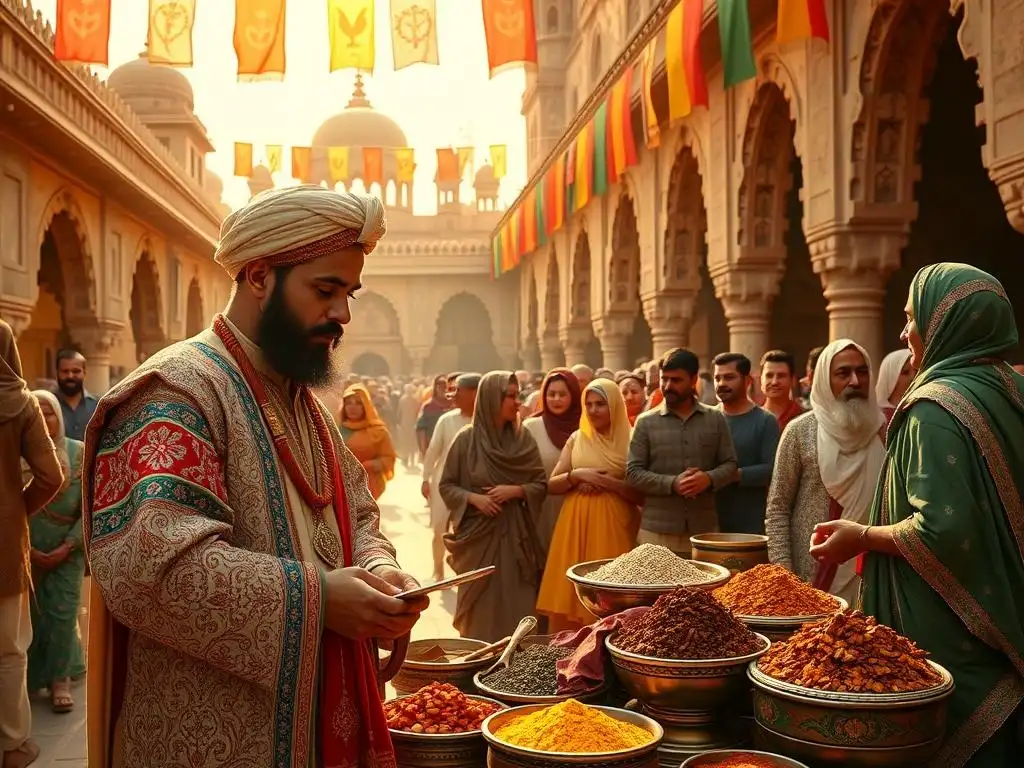
Welcome to Ancient India History, where we embark on an extraordinary journey through the rich tapestry of ancient Indian civilizations. From the mystical Indus Valley to the illustrious Gupta Empire, our exploration unveils the profound cultural and economic exchanges that shaped an era. Dive into our featured article, “Trade Winds: The Economic Exchange between Ancient India and Persia,” and discover how these two great civilizations intertwined through trade relations, fostering innovations and ideas that still resonate today. Get ready to uncover the secrets of this fascinating connection, and let your curiosity lead you deeper into the annals of history!
- Introduction to Ancient India and Persia Trade Relations
- Historical Context of Ancient India-Persia Trade Relations
- Key Goods and Commodities in Ancient India-Persia Trade
- Cultural Exchange through Trade between Ancient India and Persia
- The Role of Trade in Political Alliances and Conflicts
- Conclusion: The Legacy of Ancient India-Persia Trade Relations
-
Frequently Asked Questions
- What were the primary goods traded between Ancient India and Persia?
- How did trade relations influence cultural exchange between Ancient India and Persia?
- What role did the Silk Road play in India-Persia trade relations?
- Were there any significant political alliances formed due to trade between Ancient India and Persia?
- How did the decline of trade between Ancient India and Persia impact their civilizations?
- Final Reflection: The Enduring Legacy of Ancient India-Persia Trade Relations
- Embrace the Legacy: Ignite Your Curiosity Today!
Introduction to Ancient India and Persia Trade Relations
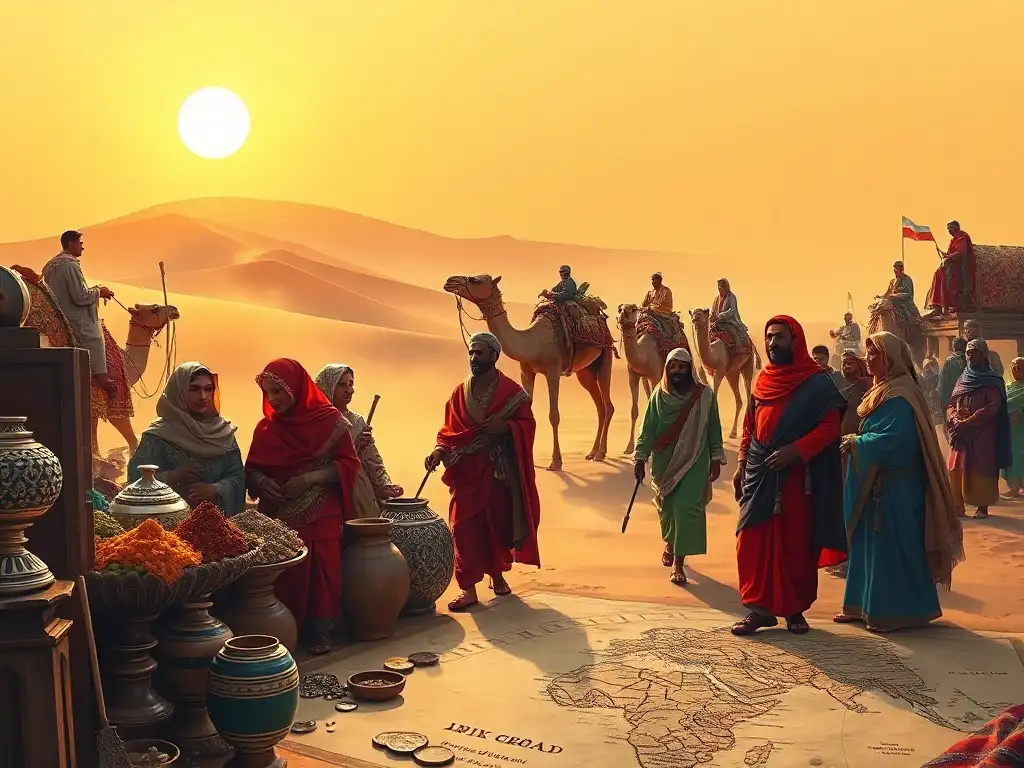
The economic exchange between ancient India and Persia represents a significant chapter in the broader narrative of Indian history and its interactions with other civilizations. As two of the most advanced cultures of their time, India and Persia engaged in a complex web of trade relations that not only facilitated the exchange of goods but also fostered the transfer of ideas, technologies, and cultural practices.
Understanding these trade relations is crucial for grasping the dynamics of ancient economies and their role in shaping societies. This article delves into the rich tapestry of interactions between these two great civilizations, exploring their economic exchanges, cultural impacts, and the significance of trade in their respective developments.
Overview of Ancient India and Its Civilization
Ancient India, known for its remarkable achievements, was characterized by a tapestry of diverse cultures, languages, and religious practices. The roots of Indian civilization can be traced back to the Indus Valley Civilization (circa 2500 BCE), renowned for its advanced urban planning, sophisticated drainage systems, and vibrant trade networks. Following the decline of the Indus Valley, the Vedic period emerged, marked by the composition of the Vedas and the establishment of social and political structures.
Key features of ancient Indian civilization include:
- Cultural Diversity: A mosaic of different ethnicities, languages, and traditions, contributing to a rich cultural heritage.
- Economic Activities: Agriculture, trade, and craftsmanship flourished, with numerous cities acting as trade hubs.
- Philosophical Contributions: Home to significant philosophical schools, including Buddhism and Jainism, which influenced not only Indian thought but also extended to neighboring cultures.
The trade routes that linked India to various regions, including Persia, played a pivotal role in the economic and cultural exchanges that shaped the civilization.
Introduction to Ancient Persia and Its Influence
Ancient Persia, often synonymous with the Achaemenid Empire (circa 550-330 BCE), was one of the world's first great empires, known for its innovative administrative systems and cultural achievements. The Persians established an extensive network of roads, notably the Royal Road, which facilitated rapid communication and trade across vast distances. This infrastructure greatly enhanced their ability to engage with neighboring regions, including ancient India.
Key aspects of ancient Persian influence include:
- Cultural Exchange: The Persian Empire was a melting pot of cultures, integrating various traditions from conquered lands, including those from India.
- Economic Power: Persia's vast resources and organized trade practices enabled it to become a central player in regional commerce.
- Diplomatic Relations: The Persians often engaged in diplomatic ties with Indian kingdoms, which laid the groundwork for mutual economic benefits and cultural interactions.
These elements played a significant role in establishing a strong foundation for trade relations between ancient India and Persia.
Importance of Trade in Ancient Civilizations
Trade was a driving force in the development of ancient civilizations, serving as a conduit for economic prosperity, cultural exchange, and technological advancement. In the context of ancient India and Persia, trade relations fostered a rich interplay of goods, ideas, and innovations that shaped both societies.
Key points regarding the importance of trade include:
- Economic Growth: Trade facilitated the exchange of valuable commodities such as spices, textiles, and precious metals, contributing to the wealth of both civilizations.
- Cultural Interactions: The movement of merchants and goods led to the diffusion of cultural practices, religious beliefs, and artistic styles.
- Technological Advancements: Trade networks enabled the transfer of knowledge and technologies, such as agricultural techniques and craft production methods.
The trade relations between ancient India and Persia were not merely about the exchange of goods; they were integral to the development of both civilizations, influencing their economies, cultures, and historical trajectories.
Historical Context of Ancient India-Persia Trade Relations
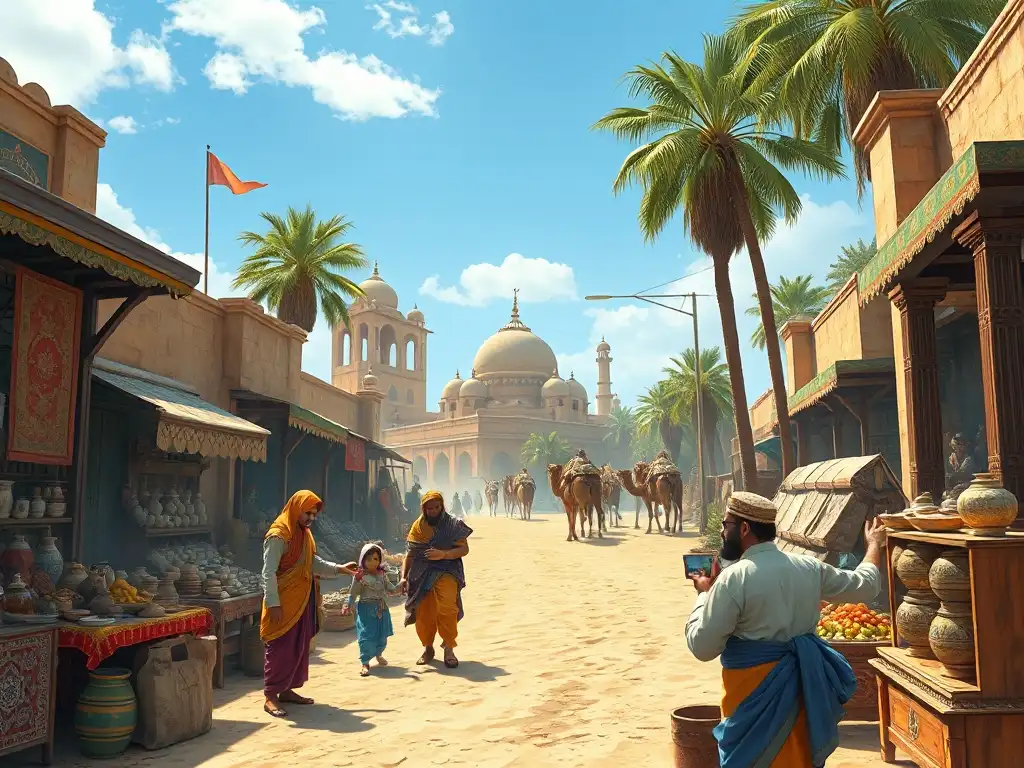
The trade relations between Ancient India and Persia were rooted in a complex historical context shaped by geography, culture, and political dynamics. The interaction between these civilizations dates back to the early periods of both regions, notably during the Achaemenid Empire in Persia and the rise of urban centers in the Indian subcontinent.
The Achaemenid Empire, established in the 6th century BCE, played a pivotal role in fostering trade between the two regions. Persian rulers, such as Cyrus the Great and Darius I, recognized the wealth of India and sought to establish trade routes to access its resources, including spices, textiles, and precious stones. The emergence of the Silk Road further facilitated this economic interaction, enabling the flow of goods, ideas, and culture between these two significant ancient civilizations.
Additionally, subsequent Persian empires, including the Sassanids, continued to engage in trade with India, reinforcing economic ties that were crucial for both regions. The trade relations were not merely limited to the exchange of goods but also included cultural exchanges, influencing art, religion, and philosophy across borders.
Timeline of Economic Exchanges between India and Persia
The timeline of economic exchanges between Ancient India and Persia highlights the evolution of trade relations over the centuries:
- 6th Century BCE: The formation of the Achaemenid Empire marks the beginning of organized trade routes connecting India and Persia.
- 5th Century BCE: Darius I expands the empire, establishing the Royal Road, which facilitated trade with Indian territories.
- 4th Century BCE: The arrival of Alexander the Great leads to brief but significant exchanges, opening new avenues for trade.
- 3rd Century BCE: The Maurya Empire, particularly under Ashoka, strengthens trade ties, with Indian goods reaching Persian markets.
- 2nd Century BCE: The establishment of the Silk Road enhances trade; Indian textiles, spices, and other goods flow into Persia.
- 1st Century CE: The Kushan Empire serves as a bridge for trade, further solidifying economic relationships.
- 3rd Century CE: The Sassanid Empire continues to prioritize trade with India, with a focus on luxury goods.
Key Trade Routes Linking Ancient India and Persia
Several key trade routes were instrumental in facilitating the economic exchange between Ancient India and Persia. These routes not only connected the two regions but also served as conduits for cultural and technological exchange.
- The Royal Road:
- This ancient highway, established by Darius I, connected Persia to various regions, including India. It allowed merchants to transport goods efficiently and safely.
- The Silk Road:
- Although primarily known for connecting China to the West, parts of the Silk Road ran through Persia and India, enabling the trade of silk, spices, and precious stones.
- Maritime Routes:
- Sea trade routes through the Arabian Sea linked ports in India, such as the port of Bharukachchha (modern-day Bharuch), with Persian ports like Hormuz, facilitating the exchange of goods like textiles and spices.
- Overland Caravan Routes:
- These routes, often traversed by merchant caravans, connected key trading cities and enabled the movement of goods overland between the two regions.
Influential Empires in Ancient India-Persia Trade Relations
Several empires played a crucial role in shaping the trade relations between Ancient India and Persia. Each brought unique contributions that influenced economic exchanges:
- Achaemenid Empire:
- The first Persian empire that established systematic trade with India, allowing for the exchange of luxury goods and spices.
- Maurya Empire:
- Under Ashoka, the Mauryas enhanced trade links, emphasizing the importance of economic prosperity through international trade.
- Kushan Empire:
- This empire acted as a significant intermediary between India and Persia, facilitating trade and cultural exchange during its height.
- Sassanid Empire:
- The Sassanids revived and expanded trade routes established by previous empires, focusing on luxury goods that were highly sought after in both regions.
- Gupta Empire:
- Although slightly later, the Gupta Empire solidified the economic ties established earlier, promoting trade in textiles and crafts, further enriching the ancient trade networks.
The Ancient India-Persia trade relations were characterized by a rich tapestry of interactions facilitated by strategic trade routes and influential empires. These exchanges not only contributed to the economic prosperity of both civilizations but also fostered cultural and technological advancements that shaped their historical trajectories.
Key Goods and Commodities in Ancient India-Persia Trade
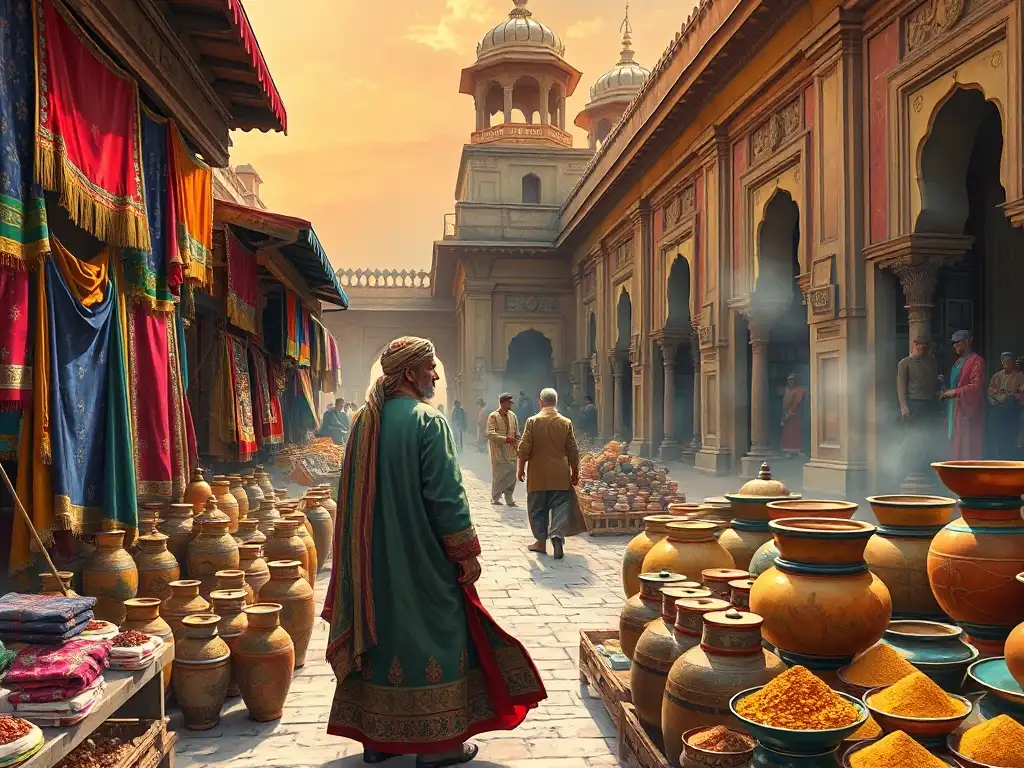
Major Exports from Ancient India to Persia
Ancient India was characterized by a vibrant economy that thrived on trade, particularly with Persia. Several key commodities were exported, significantly influencing the economic landscape of both regions.
- Spices:
- India was renowned for its spices, including black pepper, cardamom, and cinnamon. These spices were highly sought after in Persia for both culinary and medicinal purposes. The trade routes facilitated the movement of these valuable goods, often making them more expensive as they traveled westward.
- Textiles:
- Indian textiles, especially silk and cotton, gained immense popularity in Persia. The intricate designs and vibrant colors of Indian fabrics, such as muslin and brocade, captivated Persian nobility and merchants alike. This demand contributed to the establishment of trade fairs and markets where these textiles were exchanged.
- Precious Stones and Metals:
- India was rich in gemstones like diamonds, sapphires, and rubies, which were exported to Persia. These stones were often used in royal jewelry and ceremonial adornments, elevating their value. Additionally, the export of metals such as gold and silver facilitated the wealth exchange between the two civilizations.
Key Imports from Persia to Ancient India
The trade relations between ancient India and Persia were not one-sided; India also imported various goods from Persia that enriched its culture and economy.
- Wine:
- Persian wine, particularly the varieties produced in regions like Shiraz, was highly prized in India. It was often used in royal courts and festivities, illustrating the cultural exchange facilitated by trade.
- Cultural Artifacts:
- Items such as metalwork, pottery, and decorative artifacts were imported from Persia. The intricate craftsmanship of Persian artisans influenced local artisans in India, leading to a blend of artistic styles.
- Agricultural Products:
- Persia exported several agricultural products, including dates and pomegranates, which were not only consumed but also cultivated in India. The introduction of these crops contributed to the agricultural diversity of the region.
Role of Spices, Textiles, and Precious Stones in Trade
The significance of spices, textiles, and precious stones in the trade between ancient India and Persia cannot be overstated. These commodities played a crucial role in shaping economic relations and cultural exchanges.
- Spices:
- Spices were considered luxury items, often referred to as "black gold." Their high demand led to the establishment of trade routes that connected the Indian subcontinent with various parts of the ancient world, including Persia. The spice trade not only enriched economies but also influenced culinary practices across cultures.
- Textiles:
- The textile trade fostered a mutual appreciation for artistic craftsmanship. Persian traders were instrumental in introducing Indian textiles to broader markets, which in turn encouraged Indian weavers to innovate. The exchange of techniques and designs led to the evolution of textile production in both regions.
- Precious Stones:
- The trade in gemstones created a network of wealthy merchants and traders who specialized in this lucrative market. Precious stones became symbols of status and power in both Indian and Persian societies, influencing trade dynamics and royal patronage.
The ancient India-Persia trade relations were marked by a diverse exchange of goods that not only boosted economies but also enriched the cultural tapestry of both civilizations. The flow of spices, textiles, and precious stones exemplifies the interconnectedness of these two ancient cultures, paving the way for future interactions.
Cultural Exchange through Trade between Ancient India and Persia
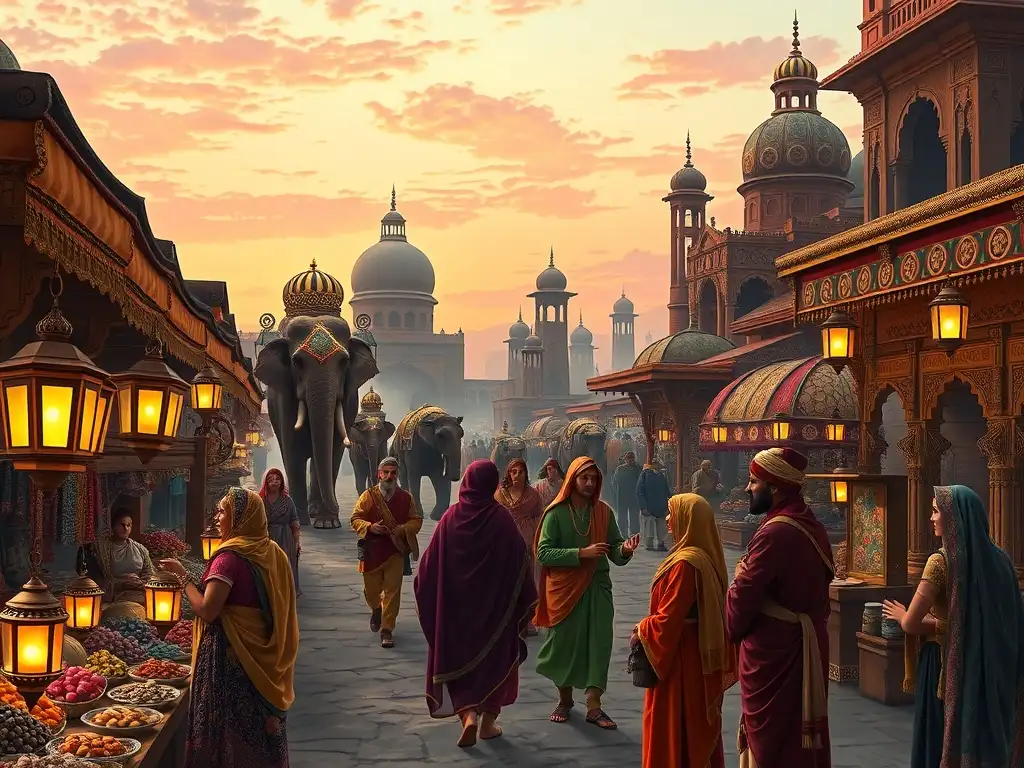
Influence of Persian Culture on Ancient Indian Society
The trade relations between Ancient India and Persia were not merely based on the exchange of goods; they also facilitated a profound cultural exchange that significantly influenced Indian society. Persian merchants and travelers brought with them various aspects of their culture, including ideas, customs, and administrative practices. One of the most notable influences was the introduction of Persian art and architecture, which can be seen in the intricate designs and motifs that began to appear in Indian temples and palaces during the Achaemenid Empire.
The Persian language also made its mark on Indian society, particularly among the elite and in administrative circles. Many words from Persian entered the Indian lexicon, enriching the local languages, especially in regions under Persian influence. This linguistic integration laid the groundwork for the development of Urdu, which emerged much later as a blend of Persian, Arabic, and local dialects.
Furthermore, the establishment of trade routes led to the introduction of Persian administrative techniques in Indian governance. The Persian practice of centralized administration, record keeping, and taxation influenced local rulers, leading to more sophisticated governance structures in various Indian kingdoms.
Adoption of Indian Art and Literature in Persia
The cultural exchange was reciprocal, with Persian society also drawing inspiration from Indian art and literature. Historical texts indicate that Persian scholars and artists traveled to India, where they studied Indian aesthetics and philosophy. This cross-pollination is particularly evident in the art of miniature painting, which blossomed in Persia after the Mongol invasions but was heavily influenced by Indian styles.
Indian literary works, especially epics like the Mahabharata and the Ramayana, found their way into Persian literature. Translations of these texts enriched Persian literature and also influenced Persian poets. Notably, the famous Persian poet Ferdowsi, in his epic Shahnameh, incorporated themes and characters derived from Indian mythology, showcasing the enduring impact of Indian narratives on Persian storytelling.
The adoption of Indian motifs in Persian textiles and pottery further illustrates this cultural interplay. The intricate designs and vibrant colors of Indian crafts were celebrated in Persian markets, leading to a fusion of styles that became highly sought after across the region.
Religion and Philosophy: Cross-Cultural Influences
The trade routes that connected Ancient India and Persia facilitated a significant exchange of religious and philosophical ideas. Zoroastrianism, the dominant religion in Persia, interacted with Indian spiritual traditions, leading to a dynamic exchange of beliefs. Concepts such as dualism and the afterlife were prominent in both cultures, fostering philosophical dialogues that enriched both traditions.
In addition, the spread of Buddhism during the Mauryan period reached Persian territories, influencing local spiritual practices and thought. The Persian Empire, which at times encompassed regions with significant Buddhist populations, saw the adoption of Buddhist themes and iconography in art and architecture.
The interaction between the two civilizations also fostered the development of syncretic philosophies that blended elements of Indian and Persian thought. This is exemplified in the writings of scholars who explored the intersections of philosophy, ethics, and spirituality, contributing to a more nuanced understanding of existence that transcended cultural boundaries.
Through these multifaceted exchanges, Ancient India and Persia not only enriched each other's cultural landscapes but also laid the groundwork for future interactions that would continue to shape the region's history.
The Role of Trade in Political Alliances and Conflicts
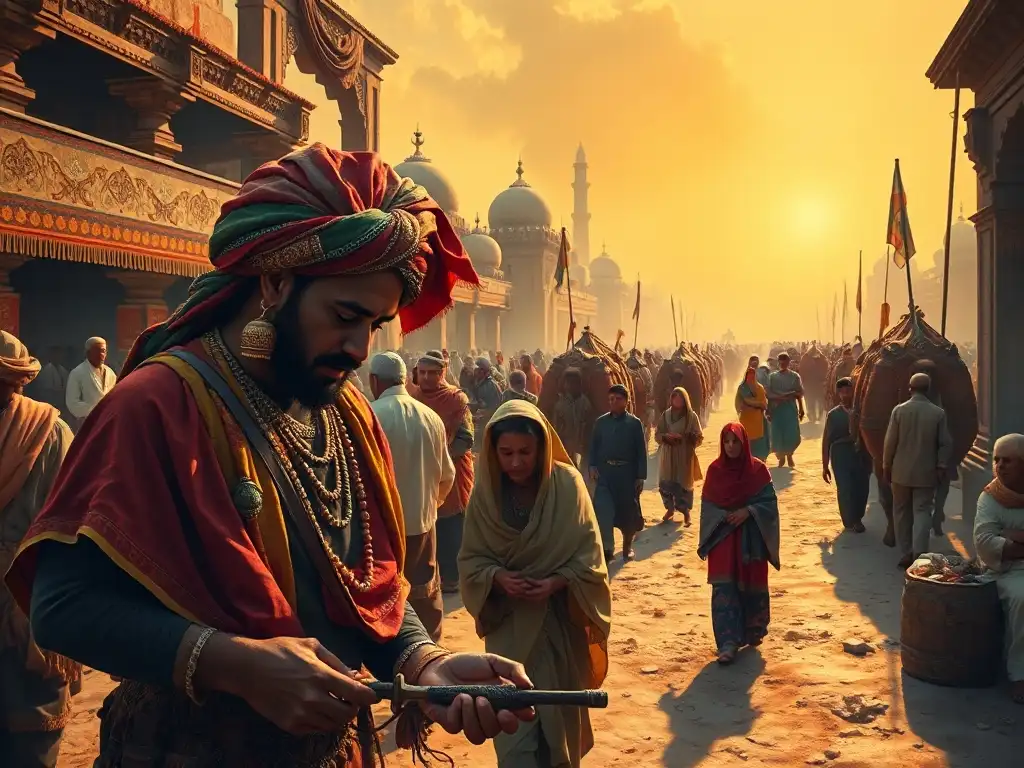
Trade between ancient India and Persia was not merely a commercial activity; it played a pivotal role in shaping the political landscape of the region. The exchange of goods, ideas, and culture fostered relationships that often transcended simple economic interests, influencing alliances and conflicts alike.
How Trade Relations Shaped Diplomatic Ties between India and Persia
The ancient trade routes, particularly those facilitated by the Silk Road and maritime pathways, enabled a continuous flow of goods between India and Persia. This interaction led to the establishment of diplomatic ties, wherein relationships were often negotiated through trade agreements. For example, during the Achaemenid Empire (circa 550–330 BCE), the Persians controlled key trade routes that connected their empire with the Indian subcontinent. This control allowed them to extract valuable resources such as textiles, spices, and precious stones from India, while offering Persian luxury goods in return.
Trade embassies and merchants often acted as intermediaries, facilitating not just the exchange of commodities, but also the sharing of knowledge and culture. The presence of Indian traders in Persian cities fostered goodwill, leading to alliances that could be leveraged in times of conflict. For instance, the marriage alliances between Indian princes and Persian royalty were often reinforced by trade agreements, cementing diplomatic relationships that would benefit both parties economically and politically.
Notable Conflicts Influenced by Economic Interests
Economic interests were frequently a catalyst for conflicts between ancient India and Persia. One notable example is the invasion of India by Darius I around 518 BCE. Darius sought to expand the Persian Empire’s reach into the rich Indian subcontinent, motivated largely by the lucrative trade in textiles and spices. This incursion was not solely about territorial expansion; it was fundamentally tied to control over trade routes that were economically beneficial to the Persian Empire.
Additionally, the rivalry between the Maurya Empire and the Seleucid Empire (after the fall of Persia) further illustrates how trade relationships could lead to military confrontations. Chandragupta Maurya’s rise to power was partly a response to the economic competition posed by the Seleucids, who controlled vital trade routes leading in and out of India. The subsequent conflicts, including the Treaty of 303 BCE, reflected how economic interests were intricately linked to military actions and strategies.
The Impact of Trade on Regional Power Dynamics
Trade between ancient India and Persia significantly affected regional power dynamics, influencing not only local economies but also the political landscape of surrounding territories. The flow of wealth generated from trade led to the rise of powerful kingdoms in India, such as the Maurya and Gupta Empires, which were able to project influence beyond their borders.
The economic interdependence also meant that both Indian and Persian rulers had to consider the repercussions of their trade policies on broader geopolitical stability. For instance, the flourishing trade resulted in the establishment of a network of cities that became cultural and economic hubs, such as Taxila in India and Susa in Persia. These centers facilitated not only trade but also cultural exchanges, which contributed to a shared heritage that transcended national boundaries.
Moreover, as trade routes shifted and evolved, so did the balance of power. The rise of new trade routes led to the decline of some powers while allowing others to flourish. The emergence of maritime trade routes in the late centuries of ancient history began to challenge the traditional overland routes, further altering the dynamics of trade and power between ancient India and Persia.
The ancient India-Persia trade relations were deeply intertwined with political alliances and conflicts, shaping the course of history for both civilizations. The economic interactions fostered diplomatic ties, influenced military conflicts, and ultimately affected the regional power dynamics of the time.
Conclusion: The Legacy of Ancient India-Persia Trade Relations
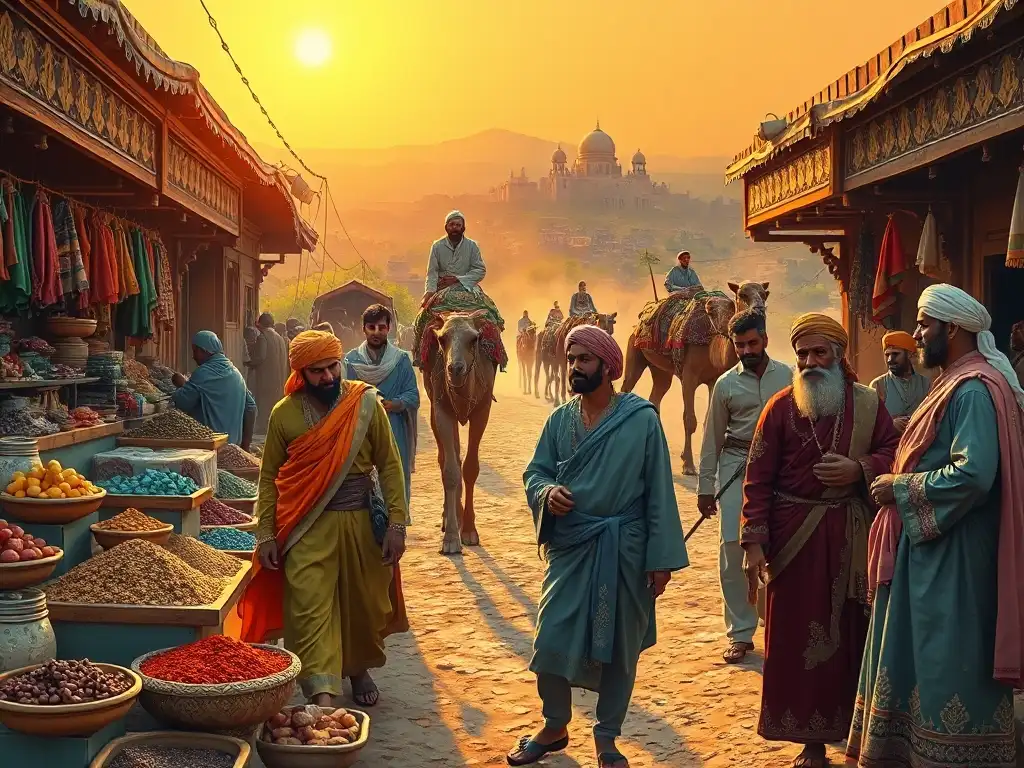
The trade relations between ancient India and Persia were not only pivotal in shaping the economies of both regions but also laid the groundwork for cultural exchanges that resonate to this day. The rich tapestry of commerce, marked by the exchange of goods, ideas, and technologies, illustrates the interconnectedness of these civilizations. This legacy can be observed in various aspects, including linguistic influences, art forms, and even culinary practices that have persisted through centuries.
The trade routes, particularly those that connected the Indus Valley civilization with the Persian Empire, facilitated not just the movement of luxury goods like spices, textiles, and precious stones, but also the flow of innovations in agriculture and metallurgy. As a result, the economic practices and cultural exchanges of this period significantly influenced the subsequent development of both regions.
Lasting Effects on Modern Economic Relations
The ancient trade relations between India and Persia can be seen as a precursor to contemporary economic interactions between India and Iran. Modern trade agreements and exchanges echo the patterns established centuries ago, particularly in sectors such as textiles, carpets, and agricultural products.
- Trade Agreements: Current economic cooperation can be traced back to historical ties, with both nations recognizing the importance of their longstanding relationship. For instance, agreements focused on oil and gas trade highlight the significance of Persia's resources and India's growing demand.
- Cultural Exchanges: The culinary influences from Persia, such as the use of saffron and various cooking techniques, remain prevalent in Indian cuisine today. This cultural exchange fosters a deeper connection, enabling smoother trade relations.
- Economic Collaborations: Joint ventures in technology and infrastructure development show that lessons learned from ancient trade practices continue to apply. The historical interactions provide a framework for understanding mutual benefits derived from collaboration.
Lessons from Ancient Trade Relations for Contemporary Economies
The dynamics of ancient India-Persia trade relations offer valuable insights for modern economies aiming to establish or enhance trade partnerships. Here are some key lessons:
- Diversity of Goods and Services: Ancient traders recognized the value of a diverse range of products. Modern economies can benefit from diversifying their export and import portfolios to mitigate risks and enhance resilience.
- Cultural Understanding: The success of trade relations in ancient times relied heavily on mutual respect and understanding of cultural nuances. Today's businesses can foster stronger partnerships by prioritizing cultural awareness and sensitivity.
- Infrastructure Development: The establishment of trade routes was crucial for the flow of goods. Modern economies must invest in infrastructure—such as transportation and communication networks—to facilitate trade efficiently.
- Adaptability: Ancient traders adapted to changing market demands and conditions. Contemporary economies should embrace flexibility and innovation to stay competitive in a rapidly evolving global marketplace.
Final Thoughts on the Historical Significance of Trade Winds
The historical significance of the trade winds that connected ancient India and Persia extends beyond mere economic exchanges. It highlights the profound impact of trade on cultural identity, technological advancement, and diplomatic relations. By examining the ancient India-Persia trade relations, we gain a deeper appreciation of the interconnectedness of civilizations and the enduring legacy of their interactions.
Understanding this legacy not only enriches our knowledge of history but also provides a foundation for fostering future collaborations. As modern economies navigate the complexities of globalization, the lessons learned from these ancient interactions remain relevant, offering guidance in building bridges across cultures and nations.
The ancient India-Persia trade relations serve as a testament to the power of commerce and cultural exchange in shaping societies. The echoes of these interactions continue to influence contemporary economies, reminding us that the winds of trade have the potential to forge lasting connections across time and space.
Frequently Asked Questions
What were the primary goods traded between Ancient India and Persia?
Ancient India and Persia engaged in a vibrant trade of silks, spices, and precious stones. Indian merchants exported these goods, while Persia offered metals, textiles, and glassware in return.
How did trade relations influence cultural exchange between Ancient India and Persia?
The economic exchange fostered cultural interactions, leading to the sharing of ideas, art, and religious beliefs. This mutual influence enriched both civilizations, leaving a lasting legacy.
What role did the Silk Road play in India-Persia trade relations?
The Silk Road served as a crucial trade route that connected Ancient India with Persia, facilitating the exchange of goods and ideas. It enhanced commercial ties and cultural interactions between the two regions.
Were there any significant political alliances formed due to trade between Ancient India and Persia?
Yes, trade relations often led to political alliances and diplomatic ties. Both regions recognized the benefits of cooperation and often formed agreements to secure their trade interests.
How did the decline of trade between Ancient India and Persia impact their civilizations?
The decline of trade weakened economic ties and diminished cultural exchange, leading to reduced influence of both civilizations. This shift contributed to the rise of new powers and changes in regional dynamics.
Final Reflection: The Enduring Legacy of Ancient India-Persia Trade Relations
The exploration of Ancient India-Persia trade relations reveals not only the intricate economic exchanges that shaped both civilizations but also highlights their profound cultural interconnections. In today's globalized world, where trade continues to be a catalyst for cultural and economic growth, understanding these ancient ties reminds us of the timeless nature of commerce and cooperation. The lessons learned from the past resonate strongly in our current efforts to foster international relationships and mutual understanding.
The influence of these ancient trade routes extends far beyond mere economic transactions; they have woven a rich tapestry of cultural exchange that continues to shape the social landscape. As we reflect on the shared heritage of India and Persia, it becomes clear that these interactions were not just about goods but also about ideas, art, and philosophies. Trade is not just a transaction; it is a bridge that connects diverse cultures and fosters understanding.
This enduring legacy serves as a reminder that our connections with others can lead to a more enriched and harmonious society.
As we look to the future, let us take inspiration from the ancient trade relations between India and Persia. Consider how you can cultivate connections in your own life, whether through cultural exchanges, collaborative projects, or simply by engaging with diverse communities. Reflect on the lessons of cooperation and mutual respect that have stood the test of time, and let them guide your actions in fostering a more interconnected and understanding world.
Embrace the Legacy: Ignite Your Curiosity Today!
Thank you for diving into the fascinating world of the economic exchanges between Ancient India and Persia! Your interest not only enriches your understanding but also connects you to a rich legacy of trade that shaped civilizations. Now, let's transform that curiosity into action.
Here are some exciting steps you can take:
- Visit a local museum or exhibition that showcases artifacts from Ancient India or Persia, allowing you to experience history firsthand!
- Participate in an online discussion forum focused on ancient trade routes, where you can share your thoughts and insights with fellow history enthusiasts.
- Spread the word by sharing this article with friends or on social media to ignite conversations about the incredible history of economic interactions!
In what ways do you think the trade strategies of Ancient India and Persia can inspire modern economic practices today?