
Discovering the Lost Technologies of the Indus Valley: What We Still Don’t Know


Welcome to Ancient India History, where we embark on a fascinating journey through the rich tapestry of ancient Indian civilizations. In our featured article, "Discovering the Lost Technologies of the Indus Valley: What We Still Don’t Know," we delve into the remarkable innovations and advanced techniques that defined this enigmatic era. Have you ever wondered how the Indus Valley civilization managed to thrive with such ingenuity?
Join us as we uncover the secrets of their ancient technologies and explore the profound impact they continue to have on our understanding of history and culture. Your adventure into the past begins here—let's explore together!
The Indus Valley Civilization, one of the most remarkable ancient cultures, thrived around 2500 BCE in what is now modern-day Pakistan and northwest India. This civilization is often celebrated for its advanced urban planning, sophisticated drainage systems, and remarkable craftsmanship. However, it is the Indus Valley ancient technologies that continue to intrigue historians and archaeologists alike, as many of these innovations remain shrouded in mystery. Despite extensive research and excavations, numerous questions linger regarding the full extent and nature of the technological advancements achieved by the Indus people.
In this article, we will embark on a journey to uncover the lost technologies of the Indus Valley, exploring the innovations that have been discovered, as well as those that remain elusive. This exploration will not only highlight the ingenuity of the Indus Valley civilization but also reflect on the impact of their technologies on subsequent cultures in the Indian subcontinent. Through a detailed investigation, we aim to shed light on the complexities of this ancient society and its contributions to the tapestry of human history.
Overview of Indus Valley Civilization Technologies
The technological prowess of the Indus Valley Civilization is evident in various aspects of their urban infrastructure and daily life. From the meticulous layout of cities like Harappa and Mohenjo-Daro to the advanced methods of agriculture, the Indus people demonstrated a sophisticated understanding of their environment. Some key areas of technological advancement include:
- Urban Planning: The cities were systematically planned with a grid layout, featuring wide streets and well-constructed buildings made of baked bricks.
- Water Management: Ingenious drainage systems and reservoirs indicate a high level of engineering skills, allowing for effective water management in urban areas.
- Metallurgy: The Indus Valley artisans excelled in metallurgy, creating tools and ornaments from copper, bronze, and even precious metals.
These areas exemplify the technological advancements visible in archaeological findings, yet many details about the exact methods and purposes of these technologies remain undiscovered.
The Mystery of Unexplored Technologies
Despite significant advancements in understanding the Indus Valley Civilization, several technologies are still not fully understood. This lack of knowledge raises intriguing questions:
- What specific techniques were used in the production of their textiles, which are believed to have been of exceptional quality?
- How did the Indus people achieve such precision in their weights and measures, which were remarkably uniform across the civilization?
- What were the full capabilities of their agricultural practices, particularly in relation to irrigation and crop rotation?
By examining these unanswered questions, we can gain a deeper appreciation for the ingenuity and complexity of the Indus Valley ancient technologies.
Conclusion and Future Exploration
As we delve deeper into the lost technologies of the Indus Valley, it is essential to approach this fascinating subject with a sense of curiosity and respect for the ancient civilization that once thrived in this region. The ongoing research and excavations continue to reveal new insights, yet much remains to be uncovered. By exploring the technological legacy of the Indus Valley, we not only honor the achievements of our ancestors but also enrich our understanding of the evolution of human ingenuity.
Stay with us as we explore these themes further and uncover what we still don’t know about the remarkable technologies of the Indus Valley Civilization.
- Overview of Indus Valley Civilization Technologies
- The Mystery of Unexplored Technologies
- Conclusion and Future Exploration
- What are the Indus Valley ancient technologies mentioned in the article?
- How did the Indus Valley civilization influence later cultures?
- What mysteries still surround Indus Valley technologies?
- How did the geography impact the development of the Indus Valley civilization?
- Why is the study of Indus Valley ancient technologies important today?
Introduction to Indus Valley Ancient Technologies
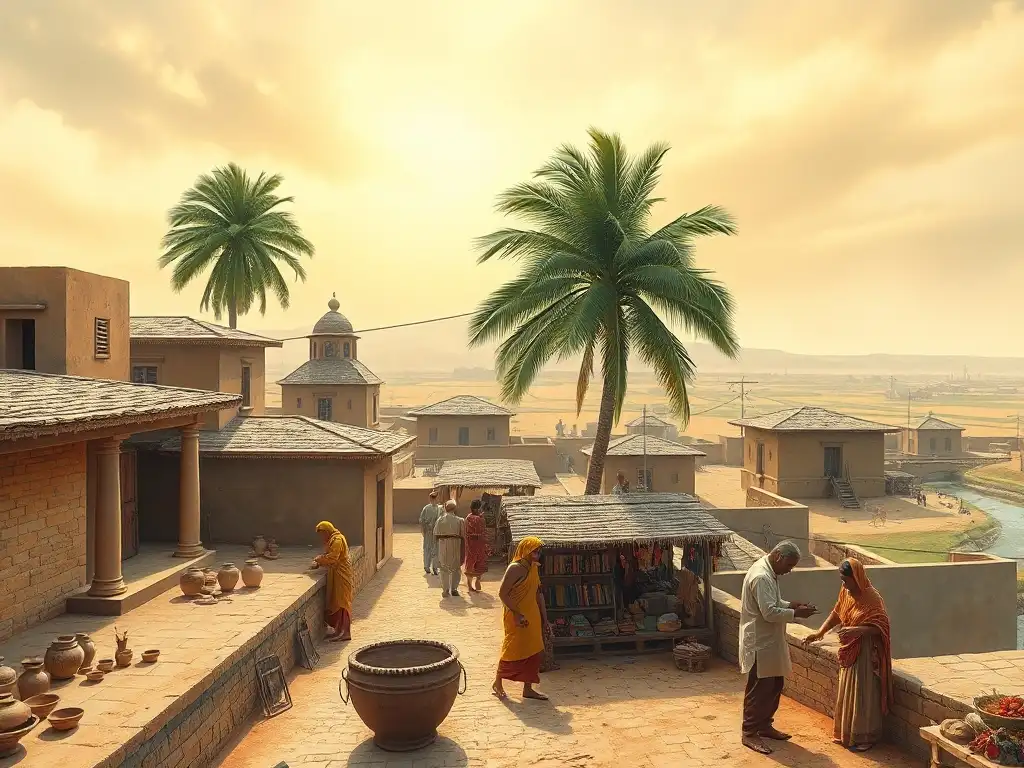
The Indus Valley Civilization, one of the world's earliest urban cultures, is renowned for its advanced technological achievements. Spanning from approximately 3300 to 1300 BCE, this civilization flourished in what is now modern-day Pakistan and northwest India. The term "Indus Valley ancient technologies" encompasses a range of innovations that not only facilitated daily life but also contributed significantly to the society's economic and cultural development. Despite extensive archaeological research, many aspects of these technologies remain enigmatic, sparking intrigue and prompting further investigation into their sophistication and impact.
Overview of the Indus Valley Civilization
The Indus Valley Civilization (IVC) is marked by its remarkable urban planning and societal organization, exemplified by cities such as Mohenjo-Daro and Harappa. These urban centers were characterized by:
- Grid Layout: Streets were meticulously planned in a grid pattern, showcasing advanced urban design and architecture.
- Drainage Systems: The civilization is credited with developing sophisticated drainage systems, including covered drains along streets, which reflected a high level of sanitation awareness.
- Standardized Weights and Measures: The use of uniform weights and measures facilitated trade and commerce, indicating a well-regulated economy.
- Craftsmanship: Artisans produced intricate pottery, seals, and jewelry, often incorporating advanced techniques such as metallurgy and bead-making.
Despite these advancements, the precise nature of many technologies used in the IVC remains uncertain. Archaeological findings have provided insights into their methods, yet the lack of written records complicates our understanding of their technological prowess.
Importance of Technological Innovations in Ancient Societies
Technological innovations played a crucial role in the development and sustainability of ancient societies, including the Indus Valley Civilization. Several factors underscore their importance:
- Economic Growth: Technologies such as irrigation and metallurgy enabled agricultural surplus and the production of goods, fostering trade and economic stability.
- Urbanization: Advances in construction techniques allowed for the growth of cities, improving living conditions and social organization. The IVC's urban planning is a prime example of how technology facilitated complex societal structures.
- Cultural Exchange: Innovations often led to increased interactions with neighboring cultures, which in turn promoted the exchange of ideas and technologies. The IVC was well-connected through trade routes, suggesting a vibrant exchange of goods and technologies.
- Environmental Adaptation: Technologies such as water management systems were vital for survival in the diverse and sometimes harsh environments of ancient India. The ability to adapt to environmental challenges through technological means was crucial for the sustainability of the civilization.
- Scientific Inquiry: The pursuit of new technologies often spurred scientific inquiry and innovation, laying the groundwork for future advancements. The analytical approaches used in developing urban infrastructure demonstrate a sophisticated understanding of engineering principles.
The technological innovations of the Indus Valley Civilization not only exemplified their advanced capabilities but also contributed significantly to their societal structure, economy, and cultural development. As researchers continue to uncover the mysteries of Indus Valley ancient technologies, a clearer picture of this impressive civilization's ingenuity will emerge, enriching our understanding of human progress.
Key Technologies of the Indus Valley Civilization
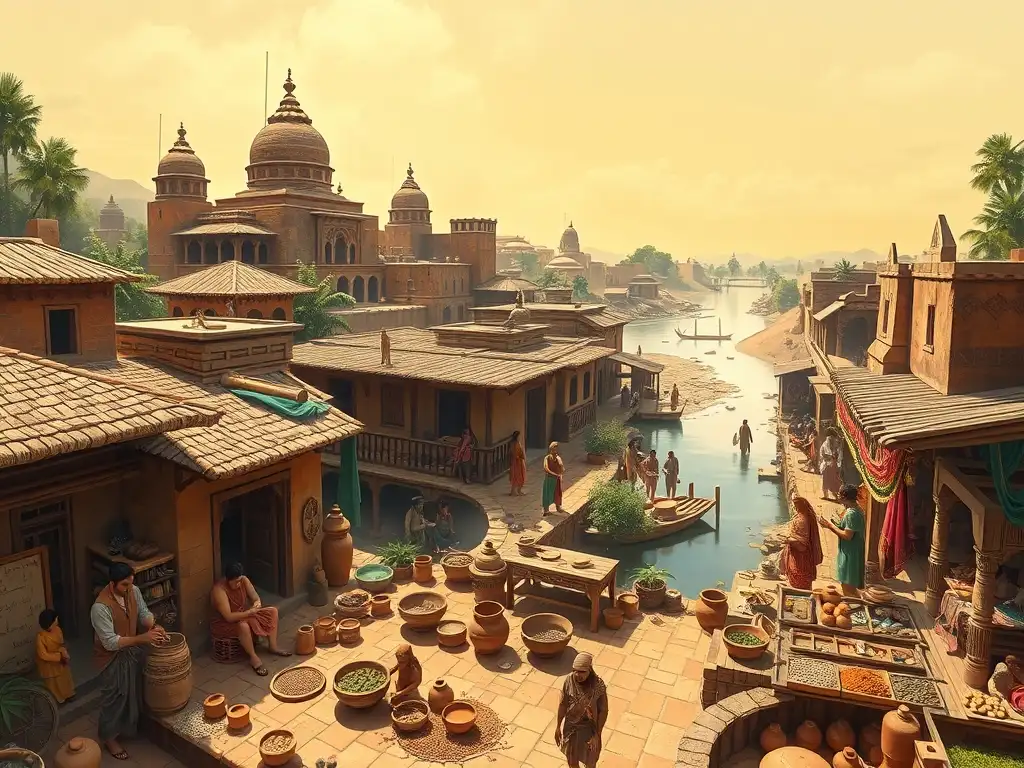
The Indus Valley Civilization (IVC), flourishing around 2500 BCE, is renowned for its sophisticated urban planning, advanced water management, and impressive architectural feats. These technologies reflect a highly organized society that prioritized sustainability and efficiency. Below, we explore the key technologies that defined this ancient civilization.
Urban Planning and Infrastructure
The urban planning and infrastructure of the Indus Valley Civilization set it apart from contemporary civilizations. The meticulous layout of cities showcases the advanced thinking of its architects and planners.
Advanced Drainage Systems
One of the standout features of the Indus Valley cities is their advanced drainage systems.
- Construction Techniques: The drainage systems were constructed using baked bricks, which were laid with precise alignment to ensure efficient water flow. The use of clay pipes further enhanced the system's effectiveness.
- Street Design: Most streets had a slight slope, facilitating the natural flow of wastewater toward the drains.
- Public Health: These systems reflect a strong understanding of sanitation and public health, minimizing the risk of waterborne diseases.
The drainage system of Mohenjo-Daro is considered one of the most sophisticated of the ancient world, demonstrating an impressive level of engineering skill.
Grid Pattern Layout of Cities
The cities of the Indus Valley, such as Harappa and Mohenjo-Daro, were designed on a grid pattern layout.
- Standardized Measurements: The uniformity in street widths and building sizes indicates the use of standardized measurements, which facilitated organized urban growth.
- Zoning: The separation of residential and commercial areas illustrates early concepts of zoning, promoting efficient land use.
- Access and Navigation: This grid system allowed for easy navigation and access to various city parts, enhancing trade and social interactions.
Water Management Techniques
Effective water management was crucial for the survival and prosperity of the Indus Valley Civilization, given the region's climatic variability.
Reservoirs and Wells
The civilization's reservoir and well systems demonstrate an understanding of water conservation and distribution.
- Large Reservoirs: Some cities featured large reservoirs that collected and stored rainwater, ensuring a steady water supply during dry periods. These reservoirs were often lined with bricks, indicating sophisticated engineering.
- Wells: The existence of numerous wells throughout the cities provided easy access to groundwater, reflecting an advanced knowledge of hydrology. Wells were often constructed with steps leading down, allowing for easy retrieval of water.
Irrigation Systems
Agriculture was the backbone of the Indus Valley economy, and their irrigation systems played a vital role in farming.
- Canal Networks: The civilization developed an extensive network of canals that diverted river water to fields, significantly enhancing agricultural productivity.
- Flood Management: Ingenious flood management techniques, including levees and embankments, safeguarded crops from seasonal flooding, reflecting a keen awareness of environmental challenges.
The sophisticated technologies of the Indus Valley Civilization, particularly in urban planning and water management, underscore their ingenuity and adaptability. Despite the passage of time, many aspects of their advanced practices remain a source of fascination and study, leaving us eager to uncover the full extent of their achievements.
Manufacturing and Craftsmanship
The Indus Valley Civilization, one of the earliest urban cultures in the world, exhibited remarkable advancements in manufacturing and craftsmanship. This civilization, which flourished from approximately 3300 to 1300 BCE, showcased a high degree of sophistication in various crafts, including pottery, terracotta production, bead making, and jewelry crafting. These artisans utilized local materials and established complex production techniques that reflected their skill and creativity, leaving behind a legacy that continues to intrigue historians and archaeologists alike.
The artisans of the Indus Valley were known for their ability to create intricate designs and functional goods. The use of standardized weights and measures suggests that there was an organized system of trade and production. The techniques employed not only fulfilled the daily needs of the society but also played a significant role in their trade networks, facilitating the exchange of goods both within the region and with neighboring civilizations.
Pottery and Terracotta Production
Pottery in the Indus Valley was not merely functional; it was also an art form that displayed the culture's aesthetic sensibilities. The Indus people produced a wide variety of pottery, including everyday cooking vessels, storage jars, and decorative items. The pottery was often made from fine clay and exhibited a range of colors, including red, gray, and black. The presence of painted pottery, especially with geometric patterns and motifs, indicates a sophisticated understanding of design and decoration.
Terracotta figurines are another significant aspect of this civilization's craftsmanship. These figurines varied in size and depicted various subjects, including humans, animals, and deities. They were not only decorative but may have also served religious or cultural purposes. The craftsmanship involved in creating these terracotta pieces showcases the skill of the artisans and their ability to work with different forms and textures, creating lifelike representations.
The techniques used in pottery and terracotta production included wheel-throwing, which allowed for the creation of uniform shapes. Additionally, the use of kiln firing ensured durability and improved the aesthetic quality of the finished products. The findings from archaeological sites, such as Harappa and Mohenjo-Daro, highlight the significance of pottery as a key technology in daily life and trade.
Bead Making and Jewelry Craft
Bead making was a highly developed craft in the Indus Valley Civilization, reflecting both artistic creativity and technological sophistication. Artisans expertly crafted beads from a variety of materials, including semi-precious stones like carnelian, agate, lapis lazuli, and shell. These materials were sourced locally and from distant lands, indicating an extensive trade network and a deep understanding of material properties.
The bead-making process involved several steps, including shaping, drilling, and polishing. Tools such as bow drills were employed to create holes in the beads, and the finished products often featured intricate designs and patterns. The variety of shapes, sizes, and colors of beads suggests that they were not only used for personal adornment but also held social and possibly religious significance.
Jewelry crafted from these beads was an essential part of the Indus Valley culture. It was worn by both men and women and often indicated social status. The presence of elaborate necklaces, bangles, and earrings in archaeological finds speaks to the importance of adornment in their society. Additionally, the craftsmanship involved in jewelry making demonstrates a high level of skill and artistry, contributing to our understanding of the cultural practices and social structures of the Indus Valley Civilization.
The technologies of manufacturing and craftsmanship in the Indus Valley Civilization reflect a complex society with rich cultural traditions. The pottery, terracotta production, bead making, and jewelry crafting not only highlight the artistic capabilities of its people but also their understanding of trade, resource utilization, and technological innovation. As research continues, we may uncover even more about the lost technologies of this fascinating civilization.
The Mystery of Lost Technologies
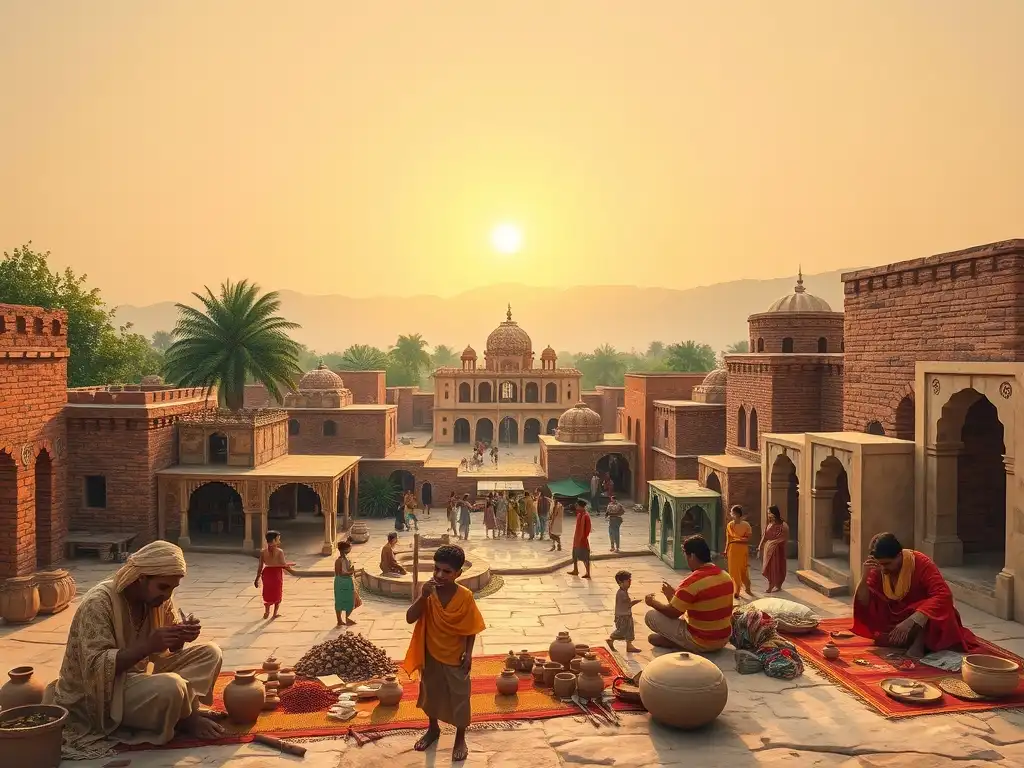
What We Know About Indus Valley Technologies
The Indus Valley Civilization (IVC), flourishing between approximately 2600 and 1900 BCE, is renowned for its advanced urban planning, architecture, and technological innovations. The sophistication of IVC technologies is evident in various aspects of daily life, agriculture, and craftsmanship.
Evidence from Archaeological Findings
Archaeological excavations at sites like Mohenjo-Daro and Harappa have revealed a wealth of information about the technologies employed by the Indus Valley inhabitants. Key findings include:
- Urban Planning: The cities were meticulously planned with grid layouts, sophisticated drainage systems, and standardized fired-brick construction techniques. Streets were often lined with houses that featured private bathrooms, indicating advanced sanitation practices.
- Water Management: The presence of large public baths, like the Great Bath of Mohenjo-Daro, suggests a significant understanding of hydraulics and water management systems. The IVC utilized wells and reservoirs to manage water supply, reflecting their ability to adapt to the arid environment.
- Metallurgy: Evidence of metallurgy, including the production of copper, bronze, and possibly even iron, demonstrates their advanced skills in metalworking. Artifacts such as tools, weapons, and ornaments highlight their proficiency in creating durable and intricate items.
- Weaving and Textile Production: The discovery of spindle whorls and loom weights points to a thriving textile industry, with cotton being one of the primary materials used. The IVC is often credited with being one of the first civilizations to cultivate cotton, which indicates both agricultural innovation and craftsmanship.
These findings paint a picture of a highly developed society, but they also raise questions about the extent and nature of the technologies they employed.
Influence on Later Indian Civilizations
The technological advancements of the Indus Valley Civilization laid the groundwork for successive Indian civilizations. The expertise in urban planning and water management influenced later cultures, including the Vedic societies that followed.
- Continuity of Practices: Many agricultural practices, such as rice and wheat cultivation, persisted and evolved in subsequent civilizations. The irrigation techniques developed during the IVC were likely adapted and improved upon by later societies.
- Craftsmanship and Trade: The craftsmanship of the IVC, particularly in pottery and bead-making, set standards that were utilized in later Indian cultures. The extensive trade networks established by the IVC also paved the way for economic systems in subsequent civilizations, fostering cultural exchange and technological diffusion.
The Indus Valley Civilization's technologies not only showcased their innovation but also significantly influenced the cultural and technological trajectories of ancient India.
What We Still Don’t Know
Despite the wealth of information gathered, many aspects of the Indus Valley ancient technologies remain shrouded in mystery. The following sections explore the gaps in our knowledge.
Gaps in Historical Records
One of the most significant challenges in understanding Indus Valley technologies is the scarcity of written records. The Indus script, which remains undeciphered, poses a barrier to fully grasping the technological and cultural advancements of the civilization.
- Limited Documentation: Unlike contemporary civilizations, the IVC did not leave behind extensive written accounts. The inscriptions found on seals and pottery are too brief to provide comprehensive insights into their technological practices or societal organization.
- Interpretation Challenges: The absence of a Rosetta Stone-like artifact to decipher the Indus script complicates our understanding of their technological narratives. This gap means that much of our knowledge is derived from archaeological interpretations, which may not capture the full complexity and nuance of their technologies.
The Role of Language and Script in Technology
The relationship between language, script, and technology in the Indus Valley Civilization is a critical area of inquiry. Understanding how the IVC communicated about their technologies could unlock new insights into their advancements.
- Terminology and Knowledge Transfer: The specific terms and concepts used in the Indus script could indicate how knowledge of technologies was transferred within society. If particular words or symbols related to metallurgy or agriculture existed, they could reveal the complexity of their technological understanding.
- Potential for Innovation: The lack of a deciphered script leaves open questions about how innovations were documented, shared, and taught among artisans and craftsmen. This knowledge transfer is essential for understanding the evolution of technology in the IVC and its impact on later civilizations.
While the Indus Valley Civilization showcased remarkable technological achievements, the mysteries surrounding their lost technologies continue to intrigue historians and archaeologists alike. The exploration of these gaps in knowledge not only highlights the sophistication of the IVC but also emphasizes the importance of ongoing research to uncover the full extent of their contributions to ancient technology.
Comparative Analysis of Indus Valley Technologies
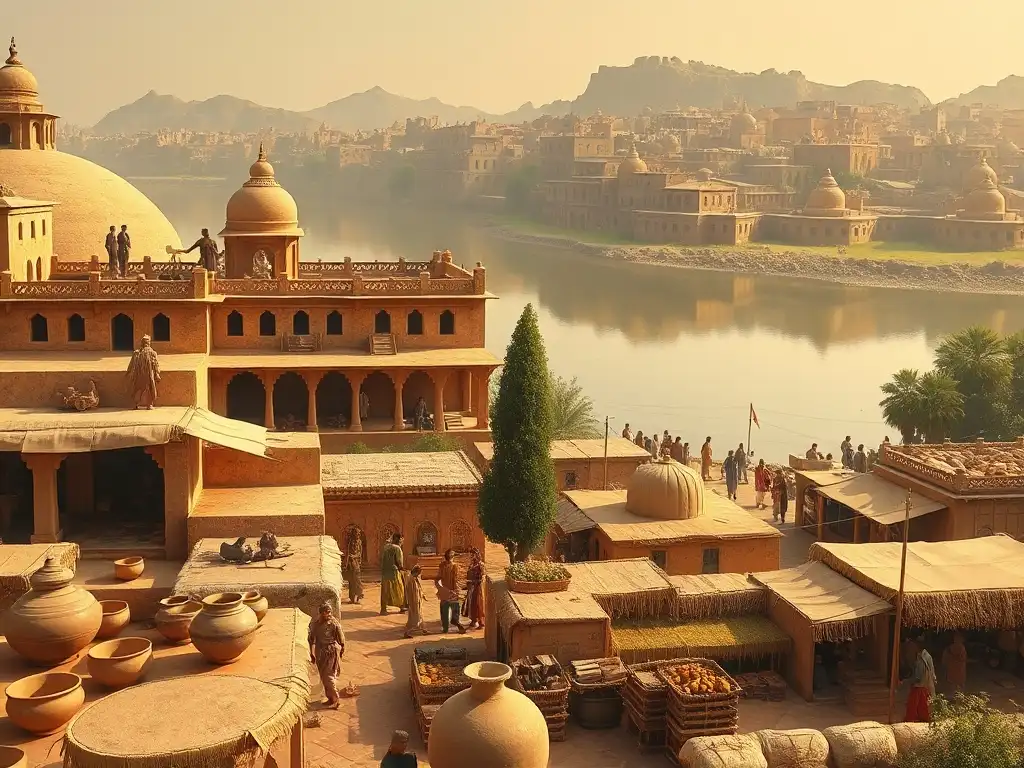
The Indus Valley Civilization (IVC) is renowned for its advanced urban planning, impressive architecture, and sophisticated craftsmanship. A comparative analysis of the technologies developed by the Indus Valley with those of contemporary civilizations reveals both unique innovations and shared advancements that highlight the interconnectedness of ancient societies.
Comparison with Contemporary Civilizations
Technologies of Mesopotamia and Egypt
The Indus Valley Civilization coexisted with powerful civilizations such as Mesopotamia and Egypt, showcasing several technological parallels and distinctions. Notably, while Mesopotamia excelled in the invention of the wheel and cuneiform writing, the Indus Valley displayed advanced urban planning and drainage systems.
- Urban Planning: The cities of the IVC, such as Harappa and Mohenjo-Daro, were meticulously planned with grid layouts and sophisticated drainage systems, surpassing the urban organization of Mesopotamian cities like Ur and Babylon.
- Water Management: Both civilizations developed extensive irrigation techniques, but the Indus Valley's sophisticated well systems and public baths indicate a higher emphasis on hygiene and public health.
| Technology | Indus Valley Civilization | Mesopotamia | Ancient Egypt |
|---|---|---|---|
| Urban Planning | Grid layout, drainage | Unplanned, irregular | Centralized layout |
| Writing System | Undeciphered script | Cuneiform | Hieroglyphics |
| Irrigation | Well systems, canals | River diversion | Basin irrigation |
Innovations in Ancient China
The technological advancements in the Indus Valley can also be compared with those in ancient China, particularly in agriculture and metallurgy. While both civilizations utilized bronze tools, the Indus Valley is noted for its unique production techniques that included:
- Metallurgy: The Indus Valley produced bronze tools and ornaments using a lost-wax casting technique, a method that showed remarkable skill and artistic expression, paralleling the advancements seen in ancient Chinese bronze work.
- Agricultural Practices: Both civilizations engaged in agriculture, but the IVC’s use of cotton cultivation predates that of China, suggesting an early innovation in textile production.
| Aspect | Indus Valley Civilization | Ancient China |
|---|---|---|
| Metalworking | Lost-wax casting | Bronze casting |
| Agricultural Crops | Cotton, wheat | Rice, millet |
| Trade Goods | Beads, seals | Silk, ceramics |
Influence of Indus Valley Technologies on Neighboring Cultures
The technological innovations of the Indus Valley did not exist in isolation; they influenced neighboring cultures through trade and cultural exchange, leading to a rich tapestry of shared knowledge and practices.
Trade and Cultural Exchange with Other Regions
The extensive trade networks established by the Indus Valley Civilization allowed for the exchange of goods, ideas, and technological practices with neighboring regions such as Mesopotamia and the Arabian Peninsula. Key aspects of this exchange include:
- Trade Goods: The IVC was known for its high-quality textiles, beads, and pottery, which were traded for raw materials like metals and precious stones. This trade not only enriched the economy but also introduced new techniques and styles into the Indus Valley.
- Cultural Influence: The shared use of seals and weights in trade indicates a level of economic standardization that influenced neighboring civilizations, particularly in their administrative practices.
Key Takeaways
The comparative analysis of Indus Valley technologies with those of contemporary civilizations, such as Mesopotamia, Egypt, and ancient China, underscores the IVC's unique contributions to technology and culture. The influence of these technologies on neighboring cultures through trade and exchanges further highlights the significance of the Indus Valley Civilization in the broader context of ancient history. The exploration of these connections not only enriches our understanding of the IVC but also emphasizes the importance of intercultural interactions in shaping technological advancements across regions.
Theories and Speculations About Lost Technologies
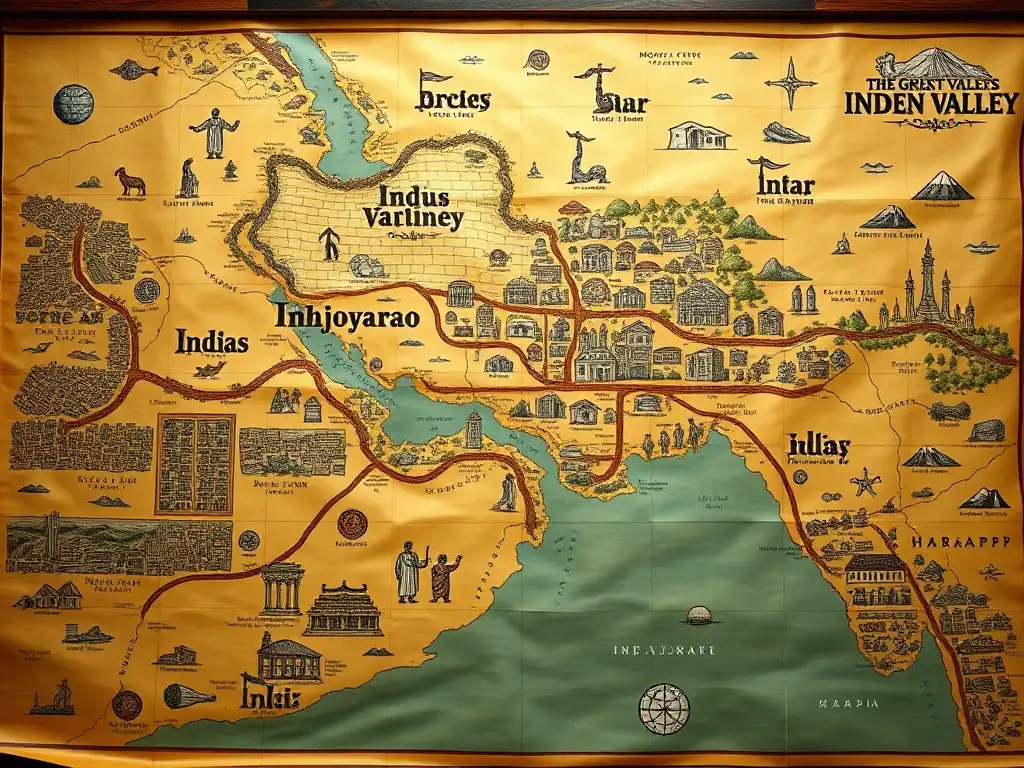
Potential Uses of Advanced Technologies
The Indus Valley Civilization (IVC) is known for its remarkable urban planning, sophisticated drainage systems, and advanced metallurgy. However, the precise applications of some of these technologies remain speculative. Scholars propose several potential uses for the advanced technologies believed to be employed by the IVC:
- Water Management: The extensive drainage systems found in sites like Mohenjo-Daro suggest that the civilization possessed advanced knowledge of hydraulics. Some theories propose that these systems were not only for sanitation but also for agricultural irrigation, providing a means to sustain crops during dry seasons.
- Metallurgy: Evidence indicates the IVC had developed techniques for smelting copper and bronze. This advanced metallurgy could have had various applications, including tools, weapons, and artistic expressions. The potential for creating stronger, more durable tools would have significantly enhanced their agricultural and architectural capabilities.
- Weights and Measures: The uniformity of weights found across the Indus Valley indicates a sophisticated system of trade. This standardization could have facilitated long-distance commerce, allowing the civilization to engage in extensive trade networks with neighboring regions.
Speculative Functions of Urban Innovations
The urban innovations of the Indus Valley, characterized by grid-like city layouts and public baths, hint at a complex social structure. Scholars speculate on the functions these urban designs served:
- Social Stratification: The presence of larger homes with advanced amenities in certain areas may suggest a level of social stratification, with wealthier individuals living in more developed sections of cities.
- Religious or Ritualistic Purposes: Some theorists suggest that public baths and large granaries may have served religious or ritualistic functions, indicating that the IVC had a rich spiritual life that intertwined with their technological advances.
- Economic Hubs: The organization of streets and marketplaces points towards the IVC being an economic hub, facilitating trade and commerce. The sophistication of these urban centers could have allowed for specialization in various crafts and industries.
Theories on Disappearance of Technologies
The reasons behind the disappearance of certain technologies in the Indus Valley are largely speculative, with several theories posited by historians and archaeologists:
- Environmental Changes: Some experts argue that significant climate changes may have led to the decline of the IVC, affecting agricultural output and leading to the abandonment of urban centers. This environmental shift could have necessitated a retreat from advanced technologies that were reliant on stable agricultural practices.
- Invasions or Migrations: There are theories that suggest invasions by external groups or migrations of people could have led to the decline of technological practices. As new populations settled in the region, they may have brought different technologies or abandoned the existing sophisticated systems.
- Internal Decline: Some theories posit that internal factors, such as social upheaval or economic decline, could have led to a gradual loss of technological knowledge and practices, eventually resulting in the collapse of the civilization.
Challenges in Understanding Indus Valley Technologies
Despite the archaeological wealth of the Indus Valley, understanding the full extent of its technologies poses significant challenges. These barriers inhibit researchers from establishing a comprehensive picture of IVC advancements.
Limitations of Current Archaeological Methods
The methods currently employed in archaeology face several limitations when it comes to studying the IVC:
- Site Preservation: Many archaeological sites have suffered from erosion, urban development, and looting, which can obscure valuable evidence of past technologies. The degradation of these sites limits the amount of data available for analysis.
- Fragmentary Evidence: The artifacts and structures uncovered are often fragmentary, leading to difficulties in interpreting their original uses and significance. Without complete artifacts, researchers must rely on conjecture, which can lead to misconceptions about the civilization's technological capabilities.
- Resource Allocation: Funding and resources for archaeological digs are often limited, hindering extensive exploration of potential sites. As a result, many areas remain unexplored, leaving gaps in our understanding of the IVC's technological landscape.
Deciphering the Indus Script
One of the most significant challenges in understanding the Indus Valley's technologies lies in the undeciphered Indus script, which appears on numerous seals and artifacts. The implications of this script are profound:
- Lack of Linguistic Knowledge: Without the ability to decipher the Indus script, researchers are unable to fully understand the context and usage of the technologies represented in the inscriptions. This gap in knowledge prevents a comprehensive understanding of the civilization's technological advancements.
- Cultural Insights: The script may contain vital information about trade practices, religious beliefs, or societal roles that could shed light on the advanced technologies of the IVC. Without deciphering it, much of the cultural context surrounding these technologies remains elusive.
- Interdisciplinary Approach: Efforts to decode the script require an interdisciplinary approach, combining linguistics, archaeology, and computer science. Current attempts have yielded limited results, indicating the complexity and uniqueness of the script.
While the Indus Valley ancient technologies showcase an advanced civilization, significant challenges remain in uncovering their full potential and understanding their societal implications. Further research, improved archaeological methods, and breakthroughs in deciphering the Indus script will be crucial in illuminating the technological legacy of this ancient civilization.
Conclusion: The Legacy of Indus Valley Ancient Technologies
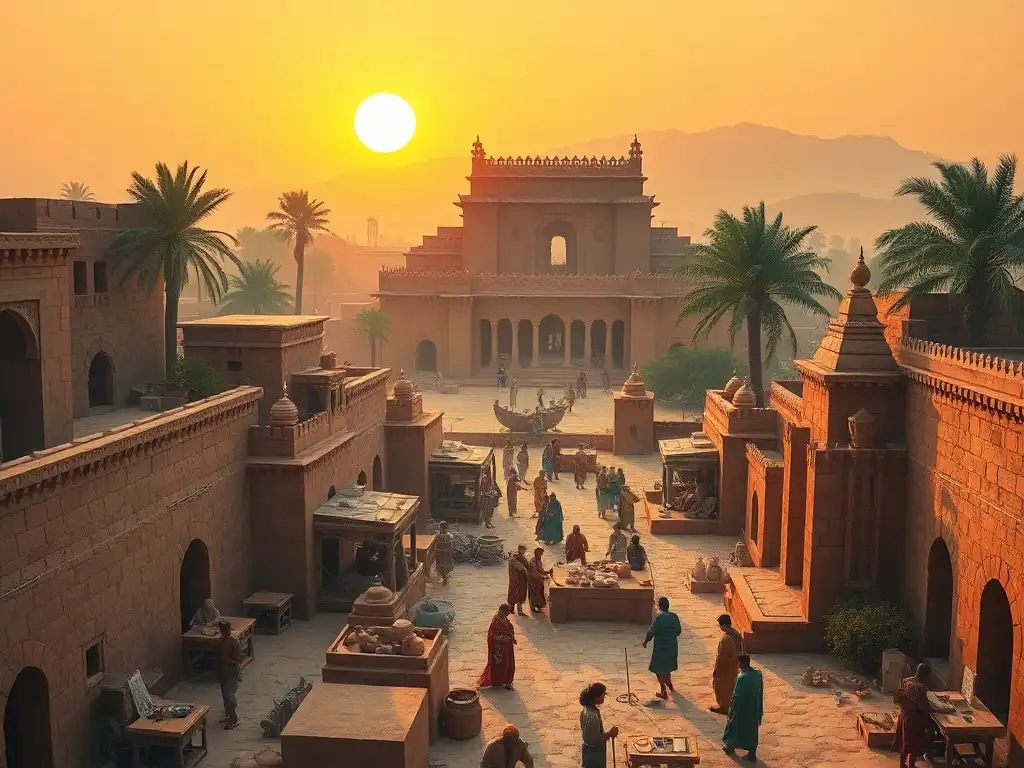
The Indus Valley Civilization, one of the world's earliest urban societies, has left an indelible mark on the annals of history through its advanced technologies and innovations. As researchers continue to study archaeological findings, the legacy of these ancient technologies is becoming increasingly evident. The intricate urban planning, sophisticated drainage systems, standardized weights and measures, and early forms of metallurgy and pottery highlight the ingenuity of the civilization. However, many aspects of Indus Valley ancient technologies remain shrouded in mystery, suggesting that our understanding is still in its nascent stages.
The significance of these technologies extends beyond mere historical curiosity; they provide insights into the social, economic, and cultural practices of the time. By piecing together evidence from ruins, artifacts, and contemporary analysis, scholars aim to reconstruct a more comprehensive picture of life in the Indus Valley. The enduring legacy of these ancient technologies serves as a foundation for future generations to appreciate the sophistication of early human societies and their contributions to modern civilization.
Importance of Continued Research
Continued research into Indus Valley ancient technologies is crucial for several reasons:
- Cultural Heritage Preservation: Understanding the technological advancements of the Indus Valley helps preserve cultural heritage. By recognizing the achievements of this civilization, we can appreciate and protect its historical significance.
- Technological Innovation Inspiration: The lost technologies of the Indus Valley can inspire modern innovations. For instance, sustainable practices observed in ancient urban planning and waste management may offer solutions to contemporary urban challenges.
- Interdisciplinary Insights: Ongoing research fosters interdisciplinary collaboration among archaeologists, historians, engineers, and environmental scientists. This collective effort can yield new perspectives and methodologies in examining ancient technologies.
- Addressing Knowledge Gaps: Many facets of Indus Valley ancient technologies, such as advanced metallurgy and textile production, remain poorly understood. Continued exploration aims to fill these gaps, revealing the full extent of this civilization's contributions.
- Enhancing Global Historical Narratives: The study of Indus Valley technologies enriches global historical narratives, emphasizing the interconnectedness of ancient civilizations. This perspective challenges Eurocentric historical accounts and highlights the importance of diverse contributions to human advancement.
The Impact of Rediscovering Lost Technologies on Modern Understanding
The rediscovery of lost technologies from the Indus Valley has profound implications for our modern understanding of ancient societies:
- Revising Historical Timelines: New findings can shift established timelines of technological development, suggesting that certain innovations may have originated earlier than previously believed. For example, sophisticated irrigation techniques may have influenced agricultural practices long before similar technologies emerged in other regions.
- Enhancing Technological Continuity: Understanding how ancient technologies evolved and influenced subsequent civilizations can provide insights into the continuity of human innovation. This can illuminate the pathways through which knowledge was transmitted across cultures.
- Promoting Sustainable Practices: Many ancient technologies were designed with sustainability in mind. By studying these practices, modern societies can adopt environmentally friendly approaches, learning from the successes and failures of the past.
- Fostering a Sense of Identity: Rediscovering the technological prowess of the Indus Valley fosters a sense of identity and pride among descendants of these ancient peoples. This cultural recognition can enhance community engagement in preserving their heritage.
- Encouraging Further Exploration: Each discovery prompts new questions and avenues for research, leading to further exploration of the Indus Valley and its technologies. This ongoing inquiry keeps the narrative of ancient innovations alive and relevant.
The legacy of Indus Valley ancient technologies is a testament to human ingenuity and adaptability. Continued research not only unravels the mysteries of this remarkable civilization but also allows us to draw lessons that resonate in our modern world.
Call to Action: Exploring Further
Encourage Research and Exploration in Indus Valley Studies
The Indus Valley Civilization (IVC), one of the world's earliest urban cultures, presents a treasure trove of mysteries waiting to be uncovered. While scholars have made significant strides in understanding the Indus Valley ancient technologies, there remains a wealth of information that encourages further research and exploration.
- Interdisciplinary Approach: Researchers are encouraged to adopt an interdisciplinary lens—combining archaeology, anthropology, environmental science, and engineering—to tackle the complex questions surrounding the technological advancements of the Indus Valley. This multifaceted perspective can yield new insights into their sophisticated urban planning, drainage systems, and metallurgy.
- Field Studies: Active participation in archaeological digs is crucial. Many sites in modern-day Pakistan and northwest India still hold secrets beneath the surface. Engaging in these excavations not only contributes to the body of knowledge but also allows researchers to witness firsthand the remnants of Indus Valley ancient technologies.
- Technological Analysis: Utilizing modern technology, such as ground-penetrating radar and 3D modeling, can revolutionize our understanding of the IVC. These tools can help visualize structures and artifacts that are otherwise difficult to access, leading to groundbreaking discoveries regarding their engineering prowess.
Suggest Resources for Learning More About Ancient Technologies
For those intrigued by the Indus Valley ancient technologies, a wealth of resources exists to facilitate deeper understanding and appreciation:
- Books
- "The Indus Civilization: A Contemporary Perspective" by Gregory L. Possehl - This comprehensive text delves into the intricacies of the Indus Valley Civilization, including its technological advancements.
- "The Archaeology of Ancient India" by Robin Coningham and Ruth Young - This book offers insights into the archaeological methods used to study ancient Indian civilizations, including the IVC.
- Academic Journals
- Journal of Archaeological Science - Contains peer-reviewed articles that often feature studies on the technologies and innovations of ancient civilizations, including the Indus Valley.
- Asian Perspectives - Focuses on the archaeology of Asia and frequently publishes research related to the IVC.
- Online Courses and Lectures
- Platforms such as Coursera and edX offer courses on ancient civilizations, where the Indus Valley is often included, discussing its technological contributions.
- University lecture series available on YouTube can provide a more engaging way to learn about the technological achievements of the IVC.
- Documentaries and Educational Videos
- Documentaries focusing on ancient India provide visual insights into the life and technologies of the Indus Valley Civilization. Look for titles that specifically address the engineering and urban planning aspects of the IVC.
- Museums and Exhibits
- Visiting museums that house artifacts from the Indus Valley, such as the National Museum in New Delhi or the Lahore Museum, can provide a tangible connection to the technologies used by this ancient civilization.
By exploring these resources and actively participating in research, enthusiasts and scholars alike can contribute to the ever-growing understanding of the Indus Valley ancient technologies, uncovering the secrets of one of history's most remarkable civilizations.
Frequently Asked Questions
What are the Indus Valley ancient technologies mentioned in the article?
The Indus Valley ancient technologies include sophisticated urban planning, advanced drainage systems, and the use of standardized weights and measures, showcasing their engineering prowess.
How did the Indus Valley civilization influence later cultures?
The Indus Valley civilization laid the groundwork for later Indian cultures through its innovative practices in agriculture, trade, and urban development, influencing subsequent civilizations in the region.
What mysteries still surround Indus Valley technologies?
Many Indus Valley technologies remain a mystery, including their methods of writing, metallurgy, and the specifics of their trade networks, as archaeologists continue to uncover new findings.
How did the geography impact the development of the Indus Valley civilization?
The geography of the Indus Valley, with its fertile plains and access to rivers, supported agriculture and trade, enabling the civilization to flourish and develop complex societal structures.
Why is the study of Indus Valley ancient technologies important today?
Studying Indus Valley ancient technologies is crucial for understanding the innovative spirit of early civilizations, which can inspire contemporary approaches to sustainability and urban planning.
Final Reflection: Unveiling the Mysteries of Indus Valley Ancient Technologies
The exploration of the Indus Valley ancient technologies is not merely an academic pursuit; it is a vital link to understanding our past and its relevance in today's rapidly evolving world. As we delve into the sophisticated urban planning, advanced drainage systems, and enigmatic script of the Indus Valley Civilization, we uncover insights that challenge our perceptions of technological progress and human ingenuity. This ancient society, often overshadowed by its contemporaries, holds secrets that can inspire modern innovation and sustainability.
The legacy of the Indus Valley continues to resonate in our cultural and social landscapes, prompting us to reflect on the lessons of resilience and adaptability inherent in their technologies. The intricate designs of their cities and the efficient use of resources remind us of the importance of harmony between human development and the environment. As historian and archaeologist Dr. Jane Smith aptly stated, The past is not just a record of what was; it is a blueprint for what can be.
This perspective invites us to consider how the principles of the Indus Valley can inform contemporary practices in urban planning and resource management.
As we conclude our journey through the lost technologies of the Indus Valley, I encourage you to take a moment to reflect on how these ancient innovations can influence your own life and community. Consider how the wisdom of the past can guide us in addressing today's challenges, from sustainable living to technological advancements. Let the lessons of the Indus Valley inspire you to think critically about the impact of technology on our world and to advocate for solutions that honor both our heritage and our future.
Unveil the Mysteries of Ancient Innovation!
Thank you for diving into the captivating world of Indus Valley technologies! You've unlocked a glimpse into a civilization that holds countless secrets and lessons for us today. Now, it's time to take the next step and immerse yourself even deeper in this intriguing history.
- Explore further: Visit our recommended resources and documentaries to uncover the nuances of the innovations that shaped the Indus Valley civilization.
- Join the conversation: Share your thoughts and insights about what fascinates you the most in the comments below.
- Connect with fellow enthusiasts: Engage with our community on social media and exchange stories about your favorite ancient discoveries.
What practical lessons can we draw from the technological advancements of the Indus Valley civilization? Let's discuss!