
The Rich History of Ancient Indian Weaponry: Beyond the Blade

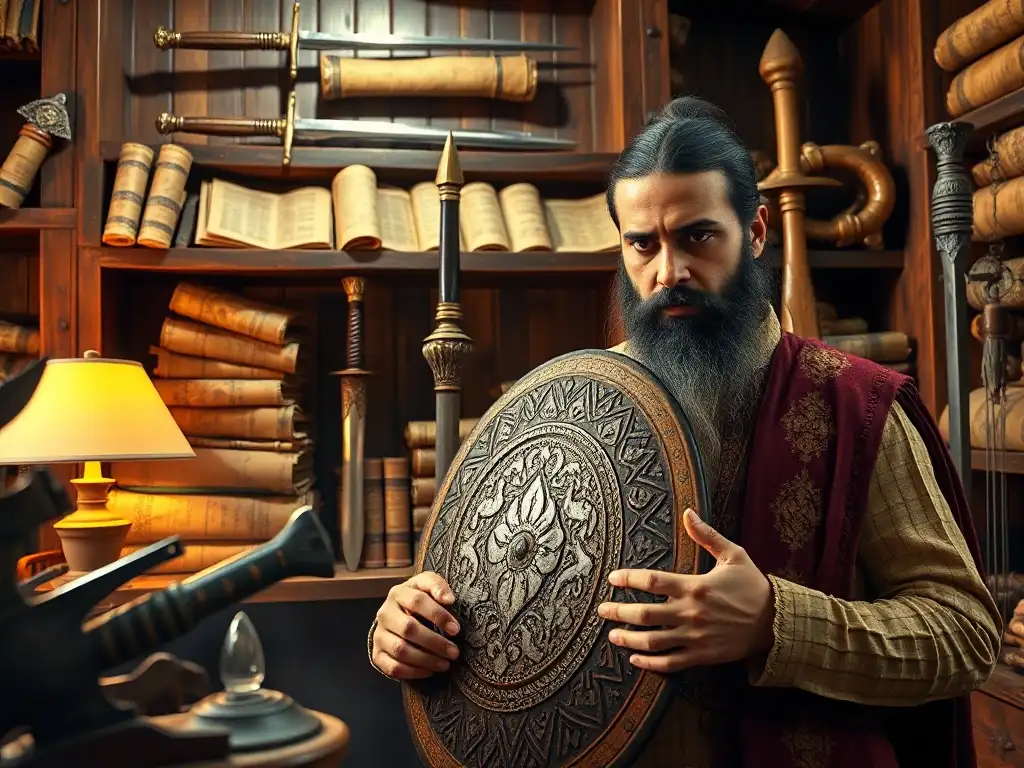
Welcome to Ancient India History, where we journey through the fascinating tapestry of one of the world's oldest civilizations. Today, we invite you to delve into the rich history of ancient Indian weaponry—an exploration that goes beyond mere blades and battles. Discover how the innovations and technologies of ancient Indian societies shaped their warfare and influenced cultures far beyond their borders. As we unravel the stories of these remarkable weapons, you'll find that each artifact tells a tale of ingenuity, artistry, and strategic prowess. Ready to unlock the secrets of the past? Let's embark on this enlightening adventure together!
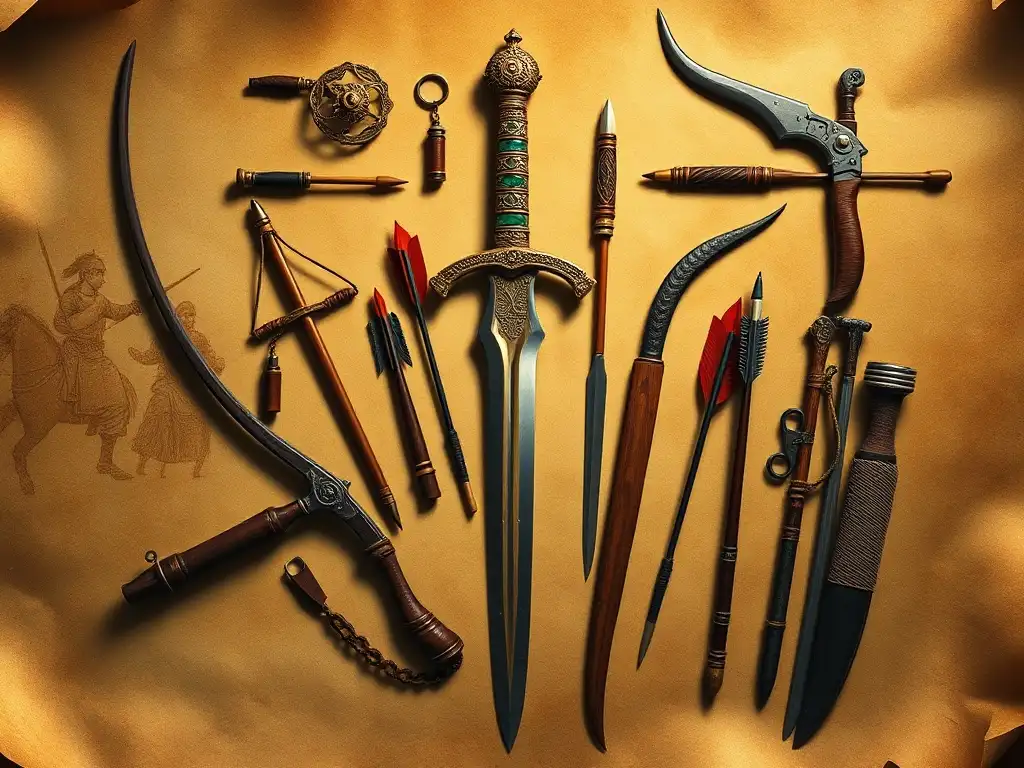
Introduction to Ancient Indian Weaponry History
The history of ancient Indian weaponry is a fascinating and often overlooked aspect of the subcontinent’s rich cultural heritage. Spanning thousands of years, the development of weaponry in ancient India reflects the technological advancements, social structures, and artistic expressions of its civilizations.
From the rudimentary tools of the prehistoric era to the sophisticated arms of the Gupta Empire, ancient Indian weaponry history is not merely a tale of blades and bows, but a narrative woven with innovation, craftsmanship, and strategic significance. As we delve deeper into this intriguing subject, we uncover how the evolution of weaponry not only influenced warfare but also played a crucial role in shaping India's societal and cultural landscapes.
Overview of Ancient Indian Civilizations and Their Influence on Weaponry
Ancient India was home to several prominent civilizations, including the Indus Valley Civilization, Maurya Empire, and Gupta Empire. Each of these societies contributed uniquely to the evolution of weaponry through their technological innovations and military strategies.
- Indus Valley Civilization (c. 3300–1300 BCE): Known for its advanced urban planning and trade, this civilization utilized bronze tools and weapons, setting the foundation for future metallurgical advancements.
- Maurya Empire (c. 322–185 BCE): Under the leadership of Chandragupta Maurya and Ashoka, this empire saw significant military innovations, adopting and adapting weapons from neighboring cultures, which were crucial for consolidating power.
- Gupta Empire (c. 240–550 CE): Often referred to as the "Golden Age" of India, the Gupta period witnessed remarkable advancements in metallurgy, leading to the production of high-quality iron and steel weapons, along with the famed kshatriya swords.
These civilizations not only shaped the technological landscape of weaponry but also influenced the military tactics and strategies employed in their conquests and defenses.
Importance of Studying Ancient Indian Weaponry History
Understanding the history of ancient Indian weaponry is essential for several reasons:
- Cultural Insight: Weaponry reflects the values, art, and technology of a civilization. Studying these tools provides insight into the socio-political dynamics of ancient India.
- Technological Advancements: The evolution of weapons showcases significant advancements in metallurgy and material science, highlighting India's contributions to global technological progress.
- Historical Context: Knowledge of weaponry helps contextualize ancient battles, conquests, and the rise and fall of empires, allowing for a more comprehensive understanding of Indian history.
- Legacy: The influence of ancient Indian weaponry persists in contemporary military practices and cultures, making it a relevant topic for modern studies in defense and strategy.
The Evolution of Weaponry in Ancient India
The transformation of weaponry in ancient India is a story of innovation and adaptation, driven by environmental needs, societal changes, and technological advances.
Early Weaponry: Tools of Survival and Defense
In the initial stages of human settlement in India, weaponry was primarily developed for survival. Early humans fashioned tools from stone, bone, and wood, which served as both hunting instruments and defensive weapons against predators.
- Stone Age Weapons: Tools like hand axes and spears were crucial for hunting and gathering, showcasing the ingenuity of early Indian societies.
- Bronze Age Advancements: With the advent of metallurgy, the introduction of bronze weapons marked a significant advancement, allowing for stronger and more durable tools.
The Transition to Advanced Weaponry: Influence of Metallurgy
As ancient Indian civilizations progressed, so too did their metallurgical skills. The transition from bronze to iron marked a pivotal moment in the history of weaponry.
- Iron Age Innovations: The development of ironworking techniques in India led to the creation of superior weapons such as swords, arrows, and shields, which were pivotal in warfare.
- Techniques and Materials: The use of high-carbon steel, known as Wootz steel, became renowned for its quality, allowing for the manufacturing of exceptionally resilient weapons.
The Role of Trade and Conquest in Weapon Development
Trade routes established during ancient times played a critical role in the exchange of ideas, materials, and techniques related to weaponry.
- Cross-Cultural Influences: Interactions with neighboring regions, such as Persia and the Mediterranean, facilitated the introduction of new weapon types and combat techniques, enhancing the Indian arsenal.
- Military Conquests: As empires expanded, the need for advanced weaponry became paramount. The acquisition of new technologies and materials through conquest contributed significantly to the evolution of weapons.
This exploration reveals that ancient Indian weaponry is not merely a historical curiosity; it is a testament to the ingenuity and resilience of the civilizations that shaped it. By studying this history, we gain a deeper appreciation for how these developments have influenced both past and present societies.
Key Materials in Ancient Indian Weaponry
The history of ancient Indian weaponry is deeply intertwined with the materials used in their creation. The primary materials included metals, wood, and organic compounds, each contributing to the effectiveness and artistry of weapons. Among these, metals like iron, bronze, and later, steel, played a pivotal role in weapon manufacturing. The evolution from stone and wood to more advanced materials marked significant technological advancements in ancient Indian societies.
Iron was particularly crucial, with its use dating back to the early Iron Age. The ability to forge iron into various shapes allowed for the development of stronger and more durable weapons. Additionally, the use of alloys, such as bronze (a combination of copper and tin), enabled the creation of weapons that were not only functional but also aesthetically pleasing. This blend of materials laid the groundwork for the sophisticated weaponry known in ancient India.
The Significance of Metals in Ancient Indian Weaponry History
Metals held immense significance in the history of ancient Indian weaponry, symbolizing strength and superiority. The transition from using primarily stone and wooden weapons to those made of metal signified a major technological leap. Iron, in particular, revolutionized warfare by providing durability and sharpness that natural materials could not match.
The advent of metallurgy also coincided with the rise of powerful kingdoms and empires. For instance, the Mauryan Empire (circa 322–185 BCE) saw extensive use of iron weapons, which contributed to their military dominance. The ability to produce high-quality weapons not only enhanced military capabilities but also played a role in trade, as advanced metalwork became a valuable commodity.
Furthermore, the crafting of weapons from metals was often imbued with cultural and religious significance. Artisans would sometimes engrave weapons with motifs and symbols, reflecting the values and beliefs of the society. Hence, the significance of metals in ancient Indian weaponry extends beyond mere functionality; it encompasses cultural identity and technological prowess.
The Art of Metallurgy in Weapon Making
The art of metallurgy in ancient India was a sophisticated practice, characterized by a deep understanding of materials and techniques. Craftsmen, often referred to as "lohar" (blacksmiths), possessed extensive knowledge of metal properties and were skilled in the processes of smelting, forging, and alloying. This expertise allowed them to produce a wide array of weapons that were both effective in battle and beautiful in design.
Ancient texts, such as the "Arthashastra" by Kautilya, provide insights into the techniques of weapon making and the importance of metallurgy in military strategy. The process involved not only the selection of suitable ores but also the precise control of temperature and forging techniques to create weapons that could withstand the rigors of combat.
Moreover, the metallurgical practices varied across different regions of India, leading to diverse styles of weaponry. For example, the famed wootz steel, known for its quality and resilience, originated in South India and was highly sought after globally. The mastery of metallurgy thus played a crucial role in establishing ancient India's reputation as a center of innovation in weapon manufacturing.
Types of Weapons in Ancient India
Ancient Indian weaponry was remarkably diverse, encompassing a variety of types designed for different combat scenarios. Each category of weaponry reflects the technological advancements and martial traditions of ancient Indian civilizations. The main types of weapons included bladed weapons, projectile weapons, and other notable implements used in warfare.
Bladed Weapons: Swords, Knives, and Daggers
Bladed weapons were perhaps the most iconic aspect of ancient Indian weaponry. Swords, knives, and daggers were not only tools of war but also symbols of honor and status. The craftsmanship involved in creating these weapons was exceptional, with artisans employing intricate designs and superior metallurgy to enhance their effectiveness.
The khanda, a double-edged sword, is one of the most recognized bladed weapons from ancient India. It was typically used by warriors and was known for its effectiveness in close combat. Similarly, the dagger, or kris, featured a curved blade that was both practical and ceremonial, often adorned with jewels and engravings.
Knives were versatile tools, serving various purposes from hunting to combat. The diversity in shapes and sizes of bladed weapons catered to different fighting styles and personal preferences, showcasing the richness of ancient Indian martial culture.
Projectile Weapons: Bows, Arrows, and Crossbows
Projectile weapons played a crucial role in ancient Indian warfare, allowing warriors to engage enemies from a distance. The bow and arrow were the most prominent among these, symbolizing skill and precision. Archery was highly regarded, with many ancient texts detailing the importance of training and technique.
The construction of bows varied, often made from flexible wood and reinforced with animal sinew. Arrows were crafted with meticulous attention to detail, featuring sharp metal tips for greater lethality. The use of arrows in warfare was not only effective but also strategic, allowing for coordinated attacks from afar.
Crossbows, although less common, were also utilized in certain regions, providing a mechanical advantage in launching projectiles with greater force. The effectiveness of these weapons significantly influenced battle tactics, making them essential components of ancient Indian military strategy.
Other Notable Weapons: Spears, Shields, and Siege Instruments
In addition to bladed and projectile weapons, ancient Indian armies employed a variety of other notable weapons that played crucial roles in warfare. Spears were widely used for their reach and versatility, allowing infantry and cavalry to engage effectively in battle. These weapons could be used for thrusting or throwing, making them adaptable to different combat situations.
Shields were vital for protection, crafted from wood, metal, or a combination of both. They were designed not only for defensive purposes but also often decorated with intricate motifs, signifying the status of the warrior. The use of shields allowed soldiers to form defensive formations, enhancing their resilience in battle.
Moreover, ancient Indian warfare saw the use of siege instruments, such as catapults and battering rams, which were crucial during prolonged conflicts. These machines allowed armies to breach fortified positions, showcasing the ingenuity and tactical planning of ancient Indian military leaders. Each of these weapons contributed to the sophisticated nature of warfare in ancient India, reflecting a rich tradition of martial prowess and material innovation.
Ancient Indian Warfare and Strategies
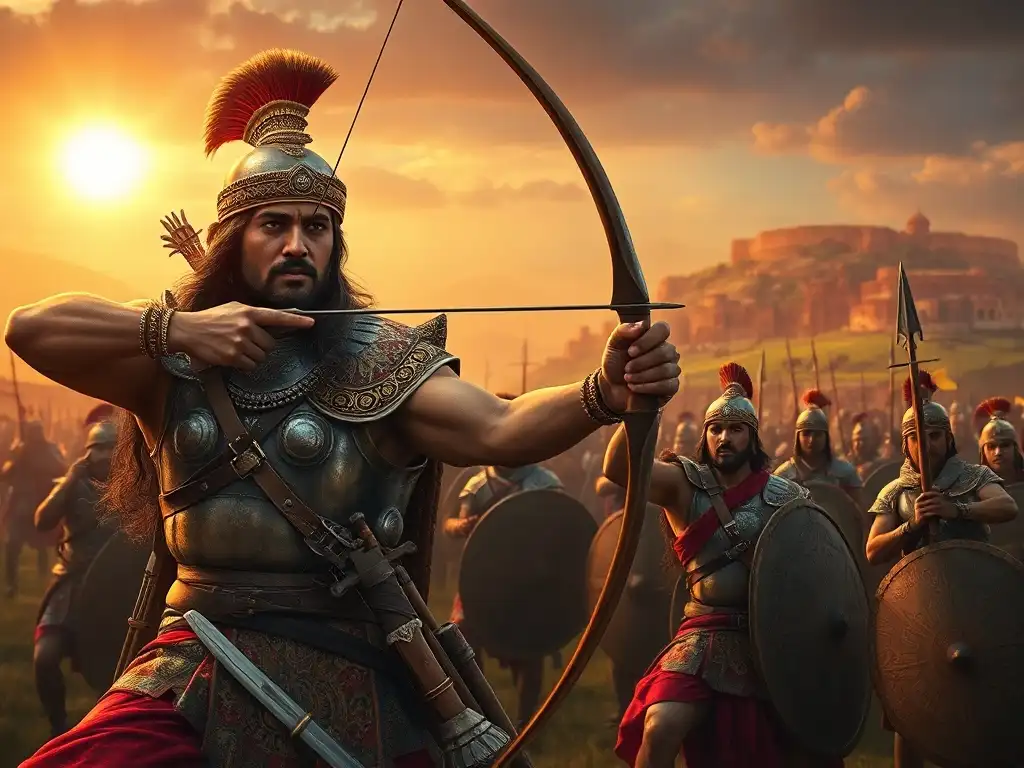
Ancient Indian warfare was characterized by a blend of tactical ingenuity and strategic planning. Military strategies evolved over centuries, responding to various geopolitical dynamics, advancements in technology, and the changing nature of conflicts. The early periods, particularly during the Indus Valley Civilization, showcased a focus on fortified cities and defensive architecture. As the subcontinent transitioned into the Vedic period, warfare emerged as a structured practice with the introduction of chariots and cavalry, indicating a move towards more organized military engagements.
In the subsequent Maurya and Gupta Empires, the strategies adopted were increasingly sophisticated. The use of elephants in battle became a hallmark of ancient Indian military tactics, often employed to instill fear and disrupt enemy formations. Additionally, ancient Indian texts such as the Arthashastra, attributed to Kautilya (Chanakya), provided comprehensive guidelines on warfare, espionage, and statecraft. This text emphasized the importance of intelligence, logistics, and the psychological aspects of warfare, indicating a deep understanding of the complexities involved in military operations.
Military Organization in Ancient Indian Kingdoms
The organization of military forces varied significantly across different ancient Indian kingdoms. In the early kingdoms, armies were often composed of local militias and warriors drawn from the populace. As kingdoms expanded, professional soldiers became more common. The Mauryan Empire, for instance, had a vast and well-structured military establishment, with a hierarchy that included infantry, cavalry, and war elephants. This organization was crucial for maintaining control over a diverse and expansive territory.
The Gupta Empire further refined military organization with a focus on regional autonomy. Local rulers often maintained their armies while pledging allegiance to the Gupta emperor. This system allowed for rapid mobilization of forces during conflicts and provided the flexibility needed to respond to various threats. Additionally, the use of skilled commanders who understood both the art of war and the intricacies of local politics was essential in managing military operations effectively.
The Impact of Geography on Warfare
Geography played a pivotal role in shaping the nature of warfare in ancient India. The diverse landscapes, ranging from the towering Himalayas to the vast deserts of Rajasthan, influenced military tactics and the movement of armies. For example, the mountainous regions provided natural fortifications, making them ideal for defensive strategies, while the plains facilitated large-scale cavalry operations.
Rivers, such as the Ganges and Indus, served as vital arteries for trade and troop movement. Control over these waterways often determined the outcome of conflicts, as they provided logistical support and acted as natural barriers against invading forces. The climatic conditions also impacted military campaigns; monsoons could delay movements and alter battle plans. As such, commanders had to adapt their strategies according to seasonal variations, demonstrating the dynamic interplay between geography and warfare.
Cultural and Symbolic Aspects of Weaponry
The significance of weaponry in ancient India extended beyond its practical use in warfare; it was deeply intertwined with the cultural and spiritual fabric of society. Weapons were not merely tools for battle but were also symbols of power, honor, and divine protection. Artisans often decorated weapons with intricate designs and inscriptions, reflecting the artistic sensibilities of the time.
In many ancient Indian cultures, the act of wielding a weapon was associated with righteousness and dharma. Warriors were often seen as protectors of their communities, and their weaponry symbolized their commitment to uphold justice and virtue. This cultural reverence for weapons was evident in various art forms, where depictions of famous warriors and their weapons were celebrated, reinforcing the idea that weaponry was an extension of one's identity and moral duty.
Weaponry in Ancient Indian Literature and Epics
Ancient Indian literature and epics, such as the Mahabharata and Ramayana, are rich with references to weaponry, illustrating its integral role in societal narratives. These texts not only describe the formidable weapons wielded by legendary heroes but also delve into the philosophies surrounding their use. For instance, the Mahabharata portrays the Kurukshetra war as a moral dilemma, where the use of weapons is juxtaposed with the concepts of duty, righteousness, and the consequences of violence.
Moreover, the descriptions of divine weapons, such as the Brahmastra and Vajrayudha, highlight the belief in the supernatural power associated with weaponry. These narratives often served both as a means of entertainment and as moral lessons, emphasizing the responsibilities that come with power and the ethical implications of warfare.
The Symbolism of Weapons in Religion and Art
In ancient Indian religions, weapons often held significant symbolic meanings. For example, in Hinduism, the trident ( Trishula) of Lord Shiva and the discus ( Chakra) of Lord Vishnu are not merely weapons but are symbols of cosmic order and divine authority. These weapons represent the struggle against chaos and the protection of dharma, reinforcing the idea that warfare, when conducted with righteous intent, can be a path to spiritual fulfillment.
Artistic representations of weapons in sculptures and paintings further illustrate their symbolic importance. Temples and monuments frequently featured depictions of deities wielding weapons, symbolizing their role as protectors against evil forces. Such imagery served to inspire devotion and communicated the belief that divine power could manifest through weaponry, serving both a religious and cultural purpose in ancient Indian society.
The rich history of ancient Indian weaponry encompasses not just the physical tools of war but also the complex cultural narratives and symbolic meanings associated with them, showcasing the profound impact of weaponry on the civilization's development.
Conclusion: The Legacy of Ancient Indian Weaponry
The legacy of ancient Indian weaponry is profound and multifaceted, reflecting the ingenuity and resourcefulness of its creators. From the intricately designed swords of the Maurya and Gupta empires to the strategically developed siege technologies, ancient Indian weaponry went beyond mere tools of war; they were symbols of craftsmanship and military strategy. This rich history not only showcases the advancement of metallurgy and material sciences in ancient India but also highlights the cultural significance of these weapons in the context of warfare, rituals, and societal structures.
As we explore the various aspects of ancient Indian weaponry, it becomes clear that these innovations were pivotal in shaping military tactics and strategies across the subcontinent. The blending of technology, artistry, and warfare principles paved the way for subsequent generations to adopt and adapt these techniques, ensuring that the essence of ancient Indian martial traditions continues to echo in modern practices.
Continuing Influence on Modern Weaponry and Military Practices
The influences of ancient Indian weaponry are still evident in contemporary military practices. Techniques and designs from ancient Indian arms, such as the curved blade of the khanda or the enhanced efficacy of bows and arrows, have inspired modern weapon designs. Military historians note that the principles of warfare, including strategy and the use of terrain, can often be traced back to ancient Indian practices.
Moreover, the philosophical approaches to warfare, which emphasized honor and strategic thinking, resonate in modern military academies. The Arthashastra, an ancient Indian treatise on statecraft and military strategy authored by Kautilya, remains a crucial text for military strategists and political leaders alike. Its teachings on economics, diplomacy, and warfare continue to inform modern tactics and strategies, reflecting the enduring legacy of ancient Indian military thought.
The Importance of Preserving Ancient Indian Weaponry History
Preserving the history of ancient Indian weaponry is crucial for several reasons. Firstly, it helps in understanding the technological advancements of the time and their impact on warfare and society. This knowledge contributes to our broader understanding of ancient civilizations and their contributions to the world.
Secondly, ancient weaponry serves as cultural artifacts that encapsulate the values, beliefs, and skills of past societies. By studying these artifacts, historians and archaeologists can gain insights into the social structures, trade routes, and interactions between different cultures in ancient India.
Finally, preserving this history fosters a sense of identity and pride in the rich heritage of India. It encourages future generations to appreciate and learn from the past, ensuring that the knowledge of ancient craftsmanship and military strategy is not lost but celebrated.
References and Further Reading on Ancient Indian Weaponry History
In order to deepen your understanding of ancient Indian weaponry history, a variety of resources are available. Here are some recommended readings and online resources that provide comprehensive insights into this fascinating subject.
Suggested Books and Articles for In-Depth Understanding
- "The Art of War in Ancient India" by R. K. Sharma – This book explores the military strategies and philosophies that influenced ancient Indian warfare.
- "Ancient Indian Weapons and Warfare" by N. S. Raghavan – A detailed examination of various weapons used in ancient India, including their design and use in battle.
- "Kautilya's Arthashastra" – A classic text that outlines the principles of statecraft and military strategy, with relevance to ancient weaponry.
- "War and Society in Ancient India" by Anuradha S. Deshpande – This work looks into the societal impacts of warfare and the role of weapons in ancient Indian culture.
Online Resources for Further Exploration of Ancient Indian Warfare
- Digital South Asia Library (DSAL) – A valuable resource for digitized historical texts and documents related to ancient India.
- Indian Archaeological Society – Offers insights into archaeological findings related to ancient weaponry and warfare.
- The National Museum of India – Features online exhibitions and resources that showcase ancient Indian arms and armaments.
- YouTube educational channels that focus on ancient history, where historians discuss the intricacies of weaponry and military practices in ancient India.
By diving into these resources, readers can gain a more comprehensive understanding of the intricate history and evolution of ancient Indian weaponry, enriching their appreciation for this vital aspect of India's heritage.
- Introduction to Ancient Indian Weaponry History
- The Evolution of Weaponry in Ancient India
- Key Materials in Ancient Indian Weaponry
- Types of Weapons in Ancient India
- Ancient Indian Warfare and Strategies
- Cultural and Symbolic Aspects of Weaponry
- Conclusion: The Legacy of Ancient Indian Weaponry
- References and Further Reading on Ancient Indian Weaponry History
- What are some notable features of ancient Indian weaponry?
- How did ancient Indian weaponry influence military strategies?
- What role did mythology play in the history of ancient Indian weaponry?
- How did the Indus Valley Civilization contribute to weapon development?
- What is the significance of the Gupta Empire in the evolution of weaponry?
Frequently Asked Questions
What are some notable features of ancient Indian weaponry?
Ancient Indian weaponry is characterized by its diverse designs, including swords, bows, and spears. These weapons were often crafted with intricate artistry and were made from materials like iron and bronze.
How did ancient Indian weaponry influence military strategies?
The development of advanced weaponry in ancient India significantly impacted military strategies, allowing for more effective combat techniques. Innovations such as the chariot and war elephants were instrumental in battles.
What role did mythology play in the history of ancient Indian weaponry?
Mythology in ancient India often glorified weapons as symbols of valor and divinity. Texts like the Mahabharata featured legendary weapons, which influenced both culture and the craftsmanship of actual weaponry.
How did the Indus Valley Civilization contribute to weapon development?
The Indus Valley Civilization showcased early advancements in metalworking and tool production, laying the groundwork for subsequent development in weaponry. Their craftsmanship set a precedent for later civilizations in ancient India.
What is the significance of the Gupta Empire in the evolution of weaponry?
The Gupta Empire is known for its advancements in military technology and weaponry, leading to the rise of powerful armies. This period saw the refinement of weapons and strategies that would influence future Indian warfare.
Final Reflection: Embracing the Legacy of Ancient Indian Weaponry
The rich history of ancient Indian weaponry is not just a tale of blades and battles; it is a profound narrative that resonates with the values of courage, craftsmanship, and cultural identity. As we navigate the complexities of modern society, understanding this legacy offers us invaluable insights into the resilience and ingenuity of our ancestors. The intricate designs and strategic innovations of ancient Indian weaponry remind us that every tool was not merely a means of warfare, but a symbol of the civilization's ethos and artistry.
Culture is not static; it evolves, yet the echoes of our past continue to shape our present. The influence of ancient Indian weaponry extends beyond historical significance; it permeates our art, literature, and even contemporary martial practices. As we reflect on this heritage, we find that it inspires a sense of pride and connection to our roots. History is not just what happened; it is also what we choose to remember.
This quote encapsulates the importance of preserving and honoring our history, ensuring that the stories of valor and innovation are passed down through generations.
As you ponder the lessons of ancient Indian weaponry, consider how they can inspire your own journey. Embrace the spirit of innovation and resilience in your life, and let the stories of the past guide your actions today. Reflect on how you can honor this rich heritage, whether through learning, sharing, or even practicing the arts that stem from these ancient traditions. The legacy of ancient Indian weaponry is not just a chapter in history; it is a call to action, inviting you to forge your own path while respecting the wisdom of those who came before.
Unleash Your Curiosity About Ancient Indian Weaponry!
Thank you for taking the time to explore the fascinating history of ancient Indian weaponry with us! You've uncovered insights that not only enrich your knowledge but also connect you to a heritage filled with artistry and innovation. Now, let’s embark on a journey to deepen your understanding and appreciation even further!
Here are some engaging steps you can take right now:
- Dive deeper: Research a specific weapon mentioned in the article and discover its significance in historical battles. Consider exploring how these weapons influenced socio-political events.
- Join the discussion: Share this article with friends or on social media, sparking conversations about ancient technologies and their relevance in today's world!
- Explore museums: Plan a visit to a local museum that features ancient Indian artifacts. Experiencing these weapons up close brings history to life in a whole new way!
Which weapon or piece of equipment from ancient India intrigues you the most, and how do you believe it shaped the culture of its time?