
The Maurya Empire’s Approach to International Relations and Governance


Welcome to Ancient India History, where we embark on a captivating journey through the rich tapestry of ancient Indian civilizations. Here, you will uncover the profound cultural contributions and historical milestones that have shaped our world. Dive into our featured article on the Maurya Empire's international relations, and discover how this remarkable civilization navigated the complexities of governance and diplomacy. What strategies did they employ to forge alliances and maintain stability? Join us as we unravel the intriguing dynamics that defined one of history's greatest empires, and prepare to be inspired to explore even deeper!

Introduction to the Maurya Empire
The Maurya Empire, which flourished between 322 BCE and 185 BCE, represents one of the most significant and influential periods in ancient Indian history. Founded by Chandragupta Maurya, this vast empire came to encompass most of the Indian subcontinent, marking a pivotal point in the development of governance, culture, and international relations in the region.
The Mauryas established a centralized administration that not only facilitated domestic stability and economic prosperity but also played a crucial role in shaping their interactions with neighboring states and cultures. This article delves into the Maurya Empire's approach to international relations, highlighting the strategies and philosophies that guided their diplomatic efforts and governance.
Overview of the Maurya Empire's Historical Context
The Maurya Empire arose in the wake of the fragmented political landscape following the decline of the Nanda Empire. Chandragupta Maurya, with the guidance of his mentor Chanakya, set the foundation for a unified Indian state through military conquests and strategic alliances. The empire reached its zenith under Ashoka the Great, who expanded its territories and solidified its influence. The Mauryan administration was characterized by a highly organized bureaucracy and a network of provincial governors, which facilitated effective governance across diverse regions.
During this era, the concept of international relations began to take shape, with the Mauryas engaging in both conflict and diplomacy to manage their borders and foster trade. The empire's geographical expanse and cultural diversity necessitated a sophisticated approach to governance and external relations, enabling it to navigate complex political landscapes.
Significance of International Relations in Ancient India
International relations in ancient India were not merely about warfare; they encompassed diplomacy, trade, cultural exchanges, and alliances. The Maurya Empire exemplifies how ancient Indian states engaged with external powers, establishing a legacy that would influence future generations. By fostering diplomatic ties with other kingdoms, the Mauryas enhanced trade routes, promoted cultural exchanges, and facilitated the spread of ideas, including Buddhism.
Understanding the Maurya Empire's approach to international relations is crucial for comprehending the broader historical narrative of ancient India. It highlights the importance of governance strategies that balanced military might with diplomatic finesse, allowing the empire to thrive in a competitive geopolitical environment.
The Foundations of Maurya Empire International Relations
Key Philosophies Guiding Maurya Diplomacy
Central to the Maurya Empire's international relations were the philosophies of statecraft articulated in texts like the Arthashastra by Chanakya. This ancient treatise emphasized the importance of pragmatism in diplomacy, advocating for a blend of diplomacy (sandhi), warfare (danda), and subversion (vigraha) as necessary tools for managing relations with other states.
Key principles included:
- Realism: Understanding that power dynamics shape relationships between states.
- Strategic Alliances: Forming alliances with other kingdoms to bolster security and economic interests.
- Cultural Diplomacy: Promoting cultural exchanges to foster goodwill and mutual understanding.
These guiding philosophies enabled the Maurya Empire to navigate complex international landscapes effectively, adapting to changing circumstances and leveraging opportunities for growth and stability.
The Role of Ashoka in Shaping Foreign Policy
Ashoka the Great, the third Mauryan emperor, profoundly transformed the empire's approach to international relations. Following his conversion to Buddhism after the Kalinga War, Ashoka shifted from a policy of expansionism to one of peaceful coexistence and moral governance. His foreign policy was characterized by:
- Diplomatic Missions: Ashoka sent envoys to various kingdoms, promoting Buddhism and establishing peaceful relations.
- Trade and Cultural Exchanges: Under his reign, trade routes flourished, facilitating economic growth and cultural diffusion across Asia.
- Humanitarian Principles: Ashoka’s edicts emphasized moral conduct and respect for all beings, setting a precedent for ethical governance in international relations.
Through these initiatives, Ashoka not only solidified the Maurya Empire's influence but also left a lasting legacy on the principles of international diplomacy in ancient India.
The Maurya Empire’s approach to international relations was a complex interplay of military strategy, diplomatic engagement, and ethical governance that laid the groundwork for future Indian civilizations.
The Maurya Empire's Governance Structure
The Maurya Empire, one of the largest empires in ancient India, is renowned for its sophisticated governance structure. Established in 322 BCE by Chandragupta Maurya, the empire's administration was characterized by a centralized system that allowed for efficient control and management of its vast territories. The Mauryan governance model integrated various layers of authority, including the emperor, a council of ministers, and regional governors, all of whom played critical roles in maintaining order and implementing policies.
The emperor held supreme power and was seen as a divine figure, which legitimized his authority and decisions. The council of ministers, known as the Mantriparishad, advised the emperor on matters of state, including foreign affairs and military strategy. Regional governors, or Rajukas, were tasked with overseeing provinces, ensuring that imperial decrees were executed locally. This hierarchical structure facilitated effective communication and governance, allowing the Maurya Empire to maintain stability and foster international relations.
Centralized Administration and Its Impacts on Diplomacy
The centralized administration of the Maurya Empire significantly influenced its diplomatic endeavors. By consolidating power in the hands of the emperor and his council, the empire could make swift and cohesive decisions regarding foreign policy. This ability to act decisively was crucial in establishing and maintaining diplomatic relations with neighboring states.
The Mauryan rulers employed a variety of diplomatic strategies, including negotiation and military alliances, to expand their influence. The centralized system enabled the empire to project power and establish a strong diplomatic presence, as seen during the reign of Ashoka, who is known for his efforts to promote peace and Buddhism across Asia. His edicts emphasized moral governance and international cooperation, which strengthened the Maurya Empire's reputation as a formidable player in regional politics.
Moreover, the efficient communication channels established by the Mauryan administration facilitated the swift exchange of diplomatic messages and treaties. This infrastructure was vital for maintaining relationships with allies and rivals alike, showcasing the importance of a well-organized governance structure in international relations.
Local Governance and Its Role in International Relations
Local governance in the Maurya Empire played a pivotal role in shaping its approach to international relations. The empire was divided into several provinces, each governed by officials who were responsible for local administration and law enforcement. These officials acted as intermediaries between the central authority and the local populace, ensuring that the emperor's policies were effectively implemented.
Local governors were empowered to manage relationships with neighboring states, often negotiating treaties or resolving conflicts on behalf of the empire. Their understanding of regional dynamics allowed for more nuanced diplomatic interactions, which were essential for maintaining peace and stability in the empire's borders.
Furthermore, the local governance structure allowed for the collection of taxes and resources, which were crucial for funding diplomatic missions and military campaigns. This financial support enabled the Maurya Empire to engage in international relations more actively, providing the necessary resources to establish and maintain alliances.
Diplomatic Strategies Used by the Maurya Empire
The Maurya Empire employed a range of diplomatic strategies that reflected its political ambitions and cultural values. These strategies were instrumental in fostering relationships with other states and enhancing the empire's influence across the Indian subcontinent and beyond.
Key Alliances and Treaties in the Maurya Period
Throughout its existence, the Maurya Empire forged several key alliances and treaties that shaped its geopolitical landscape. One of the most notable examples was the alliance with the Hellenistic kingdoms following Alexander the Great's invasions. Chandragupta Maurya capitalized on the power vacuum left by Alexander's departure, forming alliances that allowed the empire to expand its territories and influence.
Additionally, the Mauryan rulers frequently engaged in diplomatic negotiations with neighboring kingdoms, such as the Western Kshatrapas and the Satavahanas. These treaties often included terms for trade, military cooperation, and mutual defense, showcasing the empire's strategic approach to diplomacy. The empire's ability to navigate complex regional politics through alliances was a testament to its diplomatic prowess.
The Use of Marriage Alliances as Diplomatic Tools
Marriage alliances were another crucial aspect of the Maurya Empire's diplomatic strategies. By marrying into the families of rival kings or influential local leaders, the Mauryan rulers sought to secure peace and foster goodwill. These marriages often served to legitimize claims to power and create lasting ties between dynasties.
For instance, Ashoka's marriage to a queen from a prominent family helped strengthen alliances with neighboring regions, enhancing the empire's political stability. Such unions not only solidified relationships but also facilitated cultural exchanges, further enriching the Maurya Empire's diverse society.
The strategic use of marriage alliances exemplified the Maurya Empire's multifaceted approach to international relations, blending political acumen with cultural diplomacy to achieve its objectives.
The Maurya Empire and Neighboring States

The Maurya Empire, which thrived from 322 to 185 BCE, was one of the most powerful and expansive empires in ancient India. Its approach to international relations was characterized by a combination of strategic alliances, military conquests, and diplomatic negotiations. The empire, particularly under the reign of Chandragupta Maurya and his grandson Ashoka, maintained a complex web of relationships with neighboring states, which were crucial for its stability and prosperity.
Relations with the Greek Kingdoms
Following Alexander the Great's campaigns in the Indian subcontinent, the Maurya Empire found itself in a unique position concerning the Greek kingdoms. After Alexander's death in 323 BCE, several of his satraps attempted to hold onto their territories in India. Chandragupta Maurya capitalized on this situation by engaging in diplomacy and warfare.
Chandragupta successfully defeated the Greek satraps and established a significant power base. He later negotiated a peace treaty with Seleucus I Nicator, one of Alexander’s generals, which included the exchange of territories and a marriage alliance. This alliance not only solidified the Maurya Empire's power but also facilitated the exchange of ideas and culture between India and Greece. The Maurya Empire's diplomatic skills allowed it to foster relationships that were beneficial both economically and politically.
Engagement with the Persian Empire
The Maurya Empire's interactions with the Persian Empire were multifaceted. Before the rise of the Maurya Empire, the Persian Achaemenid Dynasty had a significant influence over the region, particularly in the northwest. After the Mauryan consolidation of power, the Persians had to reckon with a formidable neighbor.
Chandragupta's initial confrontations with Persian forces led to a reconfiguration of borders and a recognition of the Maurya Empire as a significant power in the region. Diplomatic relations were established, which included trade agreements and cultural exchanges. The Mauryan administration adopted various administrative practices from the Persians, such as efficient tax collection and governance structures, which enhanced the empire's capabilities.
Interactions with South Asian Kingdoms
The Maurya Empire's relationships with other South Asian kingdoms were critical for maintaining regional stability. The empire often employed a mix of military conquest and diplomatic marriages to secure alliances. For instance, through strategic marriages into powerful families of neighboring states, the Maurya Empire could extend its influence without direct conflict.
Moreover, the Maurya rulers engaged in both military campaigns and peace treaties to manage their borders effectively. Their interactions with states such as the Magadha, the Nanda, and various tribal confederations exemplified a pragmatic approach towards governance and diplomacy. The Maurya Empire’s ability to navigate these relationships contributed to its longevity and strength in the region.
The Role of Trade in Maurya Empire International Relations
Trade played a pivotal role in the Maurya Empire's international relations, serving as a means to foster alliances and assert influence over neighboring territories. The empire's strategic location along major trade routes enabled it to become a commercial hub in ancient India, facilitating the exchange of goods and ideas.
Trade Routes and Their Importance in Diplomacy
The Maurya Empire was strategically positioned along several vital trade routes that connected the Indian subcontinent with Persia, Central Asia, and beyond. These routes were crucial not only for economic prosperity but also for diplomatic relations. The empire established control over key trade passages, ensuring the flow of goods such as silk, spices, and precious stones.
By engaging in trade, the Maurya Empire could forge alliances with neighboring states and facilitate cultural exchanges. The trade routes served as conduits for diplomacy, allowing for the negotiation of treaties and the establishment of friendly relations with other kingdoms. The economic interdependence created through trade fostered stability and peace, reducing the likelihood of conflict.
Economic Exchanges and Cultural Diplomacy
Economic exchanges during the Maurya Empire were not merely transactions of goods; they also involved the sharing of cultural practices and ideas. The Mauryas were instrumental in promoting cultural diplomacy through trade. Merchants and traders acted as cultural ambassadors, carrying with them not only merchandise but also religious beliefs, art forms, and technological advancements.
The Maurya rulers, particularly Ashoka, recognized the importance of promoting Buddhism as a unifying force across trade networks. This led to the establishment of stupas and monasteries along trade routes, which became centers for cultural exchange and religious dialogues. The Maurya Empire's ability to integrate economic and cultural diplomacy significantly enhanced its international relations and solidified its position as a leading power in ancient India.
Ashoka's Edicts and Their Influence on Foreign Relations
Ashoka's Edicts, inscribed on pillars and rocks throughout his empire, represent a pivotal moment in the Maurya Empire's approach to international relations. These edicts not only reflected Ashoka's commitment to governance based on moral and ethical principles but also conveyed important messages about diplomacy and foreign policy. Ashoka's reign marked a shift from military expansionism to a focus on peaceful coexistence with neighboring states, significantly influencing how the Maurya Empire interacted with the world.
Overview of Ashoka's Edicts
The Edicts of Ashoka, composed around 250 BCE, consist of 33 inscriptions that emphasize moral governance, social responsibility, and the importance of dharma (righteousness). These edicts were written in various languages, including Prakrit and Greek, and were strategically placed in areas accessible to the public. They aimed to communicate Ashoka's vision for a just society and his commitment to welfare not only within his empire but also beyond its borders.
The edicts address several key themes, including:
- Moral Conduct: Ashoka promoted values such as compassion, truthfulness, and respect for all living beings.
- Religious Tolerance: He advocated for respect and acceptance of diverse religious practices, fostering harmony among different faiths.
- International Diplomacy: The edicts highlighted the importance of peaceful relations, encouraging non-violence and diplomacy over warfare.
By publicly declaring these principles, Ashoka sought to establish a foundation for positive international relations built on mutual respect and ethical conduct.
The Message of Non-Violence in International Relations
One of the most significant aspects of Ashoka's foreign policy was his commitment to ahimsa, or non-violence. Following the Kalinga War, which resulted in immense suffering and loss of life, Ashoka adopted a philosophy that prioritized peace and reconciliation. This shift was not only a personal transformation but also a strategic approach to governance and international relations.
In his edicts, Ashoka explicitly stated:
All living beings should be treated with respect and compassion. It is my wish that my people should live in harmony with others and avoid causing harm.
This message resonated throughout the empire and beyond, influencing neighboring kingdoms and promoting a diplomatic environment. Ashoka's emphasis on non-violence had several implications for Maurya international relations:
- Promotion of Peace Treaties: Rather than pursuing aggressive conquests, Ashoka sought alliances through treaties and diplomatic negotiations.
- Cultural Exchange: His approach encouraged the interchange of ideas and cultural practices with foreign states, enriching the Maurya Empire and fostering goodwill.
- Influence on Neighboring States: Ashoka's reputation as a benevolent ruler extended to other regions, leading to favorable relations with Hellenistic kings and other powers.
Ashoka's commitment to non-violence and ethical governance set a precedent in international relations, demonstrating that diplomacy could succeed without resorting to military force.
Case Studies of Notable Diplomatic Events
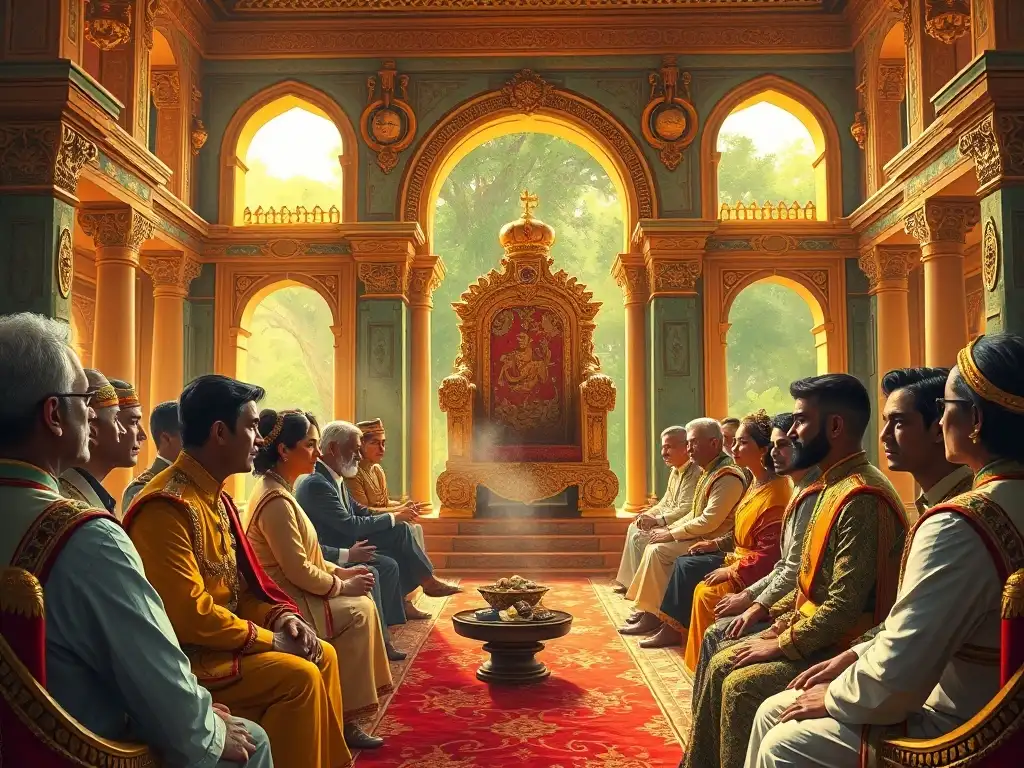
The Maurya Empire's international relations were characterized by significant diplomatic events that showcased Ashoka's policies and strategies. These events not only solidified the empire's influence but also illustrated the effectiveness of diplomacy rooted in ethical principles.
The Diplomacy of Ashoka with Hellenistic Monarchs
Ashoka's diplomatic efforts extended to the Hellenistic world, where he established relations with several prominent monarchs, including Antiochus II of the Seleucid Empire. This engagement was marked by mutual respect and a shared interest in promoting peace and prosperity.
Key aspects of this diplomatic relationship included:
- Intermarriage Alliances: Ashoka is believed to have facilitated marriages between his family and the Hellenistic royal families, strengthening ties and fostering goodwill.
- Cultural Diplomacy: The exchange of ambassadors and emissaries promoted cultural understanding and the spread of Buddhist principles, which resonated with Hellenistic ideals of ethics and governance.
- Mutual Recognition of Sovereignty: Both parties acknowledged each other's sovereignty, paving the way for peaceful coexistence and trade.
These diplomatic interactions not only enhanced the Maurya Empire's stature but also contributed to a broader network of alliances throughout Asia and the Mediterranean.
The Maurya Response to External Threats
While Ashoka's reign is often celebrated for its emphasis on peace, the Maurya Empire faced external threats that required a nuanced approach to governance and international relations. The empire's response was a blend of military readiness and diplomatic engagement.
Key elements of the Maurya response included:
- Strengthening Defensive Capabilities: Ashoka maintained a strong military presence to deter potential aggressors while promoting a policy of non-aggression.
- Negotiation and Diplomacy: In cases where threats emerged, Ashoka often opted for diplomatic measures, seeking to resolve conflicts through dialogue rather than warfare.
- Regional Cooperation: The Maurya Empire sought alliances with neighboring states to create a collective security framework against common threats.
This dual approach of readiness for defense combined with a commitment to diplomacy allowed the Maurya Empire to navigate the complexities of international relations effectively, ensuring its stability and influence in a volatile geopolitical landscape.
The Legacy of Maurya Empire International Relations
The Maurya Empire, which thrived from 322 to 185 BCE, is recognized for its sophisticated approach to international relations and governance. This empire, particularly under the reign of Ashoka the Great, showcased a distinctive blend of diplomacy, military strategy, and cultural exchange that set a precedent for future empires in India and beyond. The Mauryan approach was characterized by a pragmatic understanding of power dynamics, where diplomacy was often prioritized over war. This legacy laid the groundwork for subsequent rulers to engage with neighboring states and tribes through negotiation and strategic alliances.
The Maurya Empire’s international relations also emphasized cultural diplomacy. Ashoka, after his conversion to Buddhism, sought to promote peace and harmony not only within his realm but also with foreign nations. He sent emissaries to various regions, including Greece and Sri Lanka, propagating Buddhist principles and establishing trade links. This not only enhanced cultural ties but also fostered economic relationships that contributed to the prosperity of the Mauryan state. Such initiatives have had a profound influence on the diplomatic practices of later Indian empires, highlighting the importance of cultural and religious diplomacy in fostering international relations.
Long-term Effects on Subsequent Indian Empires
The legacy of the Maurya Empire's international relations had significant long-term effects on subsequent Indian empires. Following the dissolution of the Maurya Empire, the Gupta Empire, which emerged around the 4th century CE, adopted many of the diplomatic practices established by the Mauryas. The Guptas, like their predecessors, prioritized trade and cultural exchanges, which were instrumental in maintaining regional stability and fostering prosperity.
Moreover, the Mauryan emphasis on statecraft and the importance of alliances influenced how later Indian rulers approached foreign relations. Empires such as the Chola and Mughal dynasties drew upon Mauryan principles of governance and diplomacy, often employing a combination of military might and strategic alliances to expand their influence. The principles of dharma, or righteous conduct, that Ashoka championed also resonated in the governance styles of these empires, promoting a sense of ethical responsibility in their dealings with other states.
Influence on Modern International Relations in South Asia
The Maurya Empire's international relations have left a lasting imprint on modern diplomatic practices in South Asia. The emphasis on dialogue, negotiation, and respect for cultural differences can still be observed in the region's contemporary diplomatic engagements. Nations in South Asia, particularly India, often invoke the principles of Ashoka in their foreign policies, promoting peace and cooperation as foundational elements in their international relations strategy.
Furthermore, the Mauryan approach to international relations, which included the establishment of trade routes and cultural exchanges, has been mirrored in modern economic partnerships, enhancing connectivity among South Asian nations. The historical ties established during the Maurya period serve as a reminder of the importance of collaboration and mutual respect, which are essential for regional stability and prosperity today. The emphasis on soft power, through cultural diplomacy and economic cooperation, continues to shape South Asia's geopolitical landscape.
Conclusion
Summary of the Maurya Empire's Approach to Governance and Diplomacy
The Maurya Empire's approach to governance and diplomacy was characterized by a blend of military strategy and cultural diplomacy. This empire set a high standard for international relations, prioritizing dialogue and negotiation over conflict. Ashoka's commitment to spreading Buddhism and promoting peace influenced not only his contemporaries but also future generations of rulers throughout India. His policies highlighted the significance of ethical governance and the role of cultural exchanges in fostering international relations.
The Lasting Impact of Maurya International Relations on Ancient Civilizations
The impact of the Maurya Empire’s international relations extends beyond its immediate successors, influencing the diplomatic practices of various ancient civilizations. The principles of cooperation, cultural diplomacy, and ethical governance established during this period contributed to a framework that many later civilizations, both in India and beyond, would adopt and adapt. The Mauryan legacy serves as a critical reference point for understanding the evolution of international relations in the ancient world, demonstrating how effective governance and diplomacy can lead to lasting peace and prosperity among diverse cultures.
- Introduction to the Maurya Empire
- The Foundations of Maurya Empire International Relations
- The Maurya Empire's Governance Structure
- Diplomatic Strategies Used by the Maurya Empire
- The Maurya Empire and Neighboring States
- The Role of Trade in Maurya Empire International Relations
- Ashoka's Edicts and Their Influence on Foreign Relations
- Case Studies of Notable Diplomatic Events
- The Legacy of Maurya Empire International Relations
- Conclusion
- What was the Maurya Empire's approach to international relations?
- How did the Maurya Empire influence international trade?
- What role did Ashoka play in shaping international relations?
- Were there any notable alliances during the Maurya Empire?
- How did governance affect the international relations of the Maurya Empire?
Frequently Asked Questions
What was the Maurya Empire's approach to international relations?
The Maurya Empire prioritized diplomacy and trade over military conquest, establishing alliances and maintaining peaceful relations with neighboring states.
How did the Maurya Empire influence international trade?
The Maurya Empire facilitated trade routes across regions, promoting economic exchanges and cultural interactions, which significantly enhanced trade relations with other civilizations.
What role did Ashoka play in shaping international relations?
Ashoka, the most notable emperor of the Maurya Empire, adopted a stance of non-violence and diplomacy, promoting Buddhism as a means to foster peaceful relations and cultural exchanges.
Were there any notable alliances during the Maurya Empire?
Yes, the Maurya Empire formed several alliances, often through marriage and treaties, to secure its borders and enhance its influence over neighboring kingdoms.
How did governance affect the international relations of the Maurya Empire?
The centralized governance system of the Maurya Empire allowed for a consistent foreign policy, enabling effective management of diplomatic relations and trade agreements with various states.
Final Reflection: The Enduring Legacy of the Maurya Empire's International Relations
The Maurya Empire's approach to international relations and governance remains strikingly relevant today, as we navigate an increasingly interconnected world. The diplomatic strategies and administrative innovations pioneered by this ancient empire offer invaluable lessons on the importance of fostering alliances, understanding cultural dynamics, and maintaining stability through effective governance. In a time when global tensions often overshadow collaboration, the Maurya Empire's legacy serves as a reminder that diplomacy can pave the way for peace and prosperity.
The influence of the Maurya Empire on contemporary governance and international relations is profound and ongoing. The principles of tolerance, strategic alliances, and economic diplomacy that characterized the Maurya Empire resonate in today's political landscape. As we witness nations grappling with the complexities of globalization, the wisdom of past empires can guide us. The greatest victory is that which requires no battle.
This quote encapsulates the essence of the Maurya Empire's diplomatic ethos, highlighting the power of negotiation and understanding over conflict.
As we reflect on the lessons from the Maurya Empire, I invite you to consider how these principles can be applied in your own life and community. How can you foster understanding and collaboration in your relationships? Whether in personal interactions or broader societal engagements, embracing the spirit of diplomacy and governance can lead to more harmonious coexistence. Let the legacy of the Maurya Empire inspire you to be a champion of peace and cooperation in your own sphere, contributing to a world where dialogue triumphs over discord.
Unveil the Secrets of Effective Governance!
Thank you for diving into the fascinating world of the Maurya Empire’s approach to international relations and governance! By exploring their methods, you've uncovered valuable insights into leadership and diplomacy that remain relevant today. Now, let’s take the knowledge you've gained and put it into action!
- Join a discussion group focused on ancient governance—share your thoughts and learn more from others who are passionate about this topic!
- Research and analyze contemporary governance concepts that reflect the principles of the Maurya Empire, and share your findings on our forum.
- Create a mini-project or presentation illustrating how ancient strategies can influence modern international relations and governance practices.
What aspect of the Maurya Empire’s governance do you believe could benefit today’s leaders the most? Share your insights and let’s start an engaging conversation!