
The Role of Religion in the Maurya Empire’s Governance: A Harmonious Blend

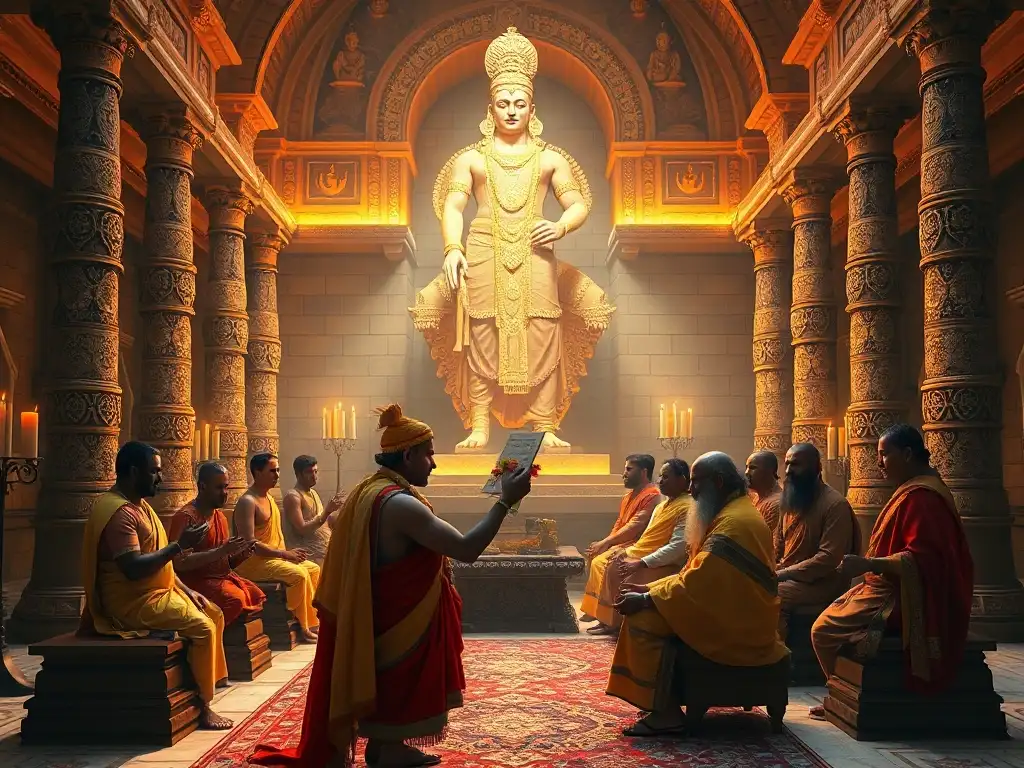
Welcome to Ancient India History, where we invite you to embark on a journey through the tapestry of time that weaves together the incredible stories of ancient Indian civilizations. In our featured article, “The Role of Religion in the Maurya Empire’s Governance: A Harmonious Blend,” we delve into how spirituality and governance intertwined to shape one of history's most influential empires.
Discover the profound impact of religious beliefs on political strategies and social harmony, and let your curiosity lead you deeper into the rich heritage of the Maurya Empire. Join us as we unlock the secrets of the past and celebrate the legacy of ancient India!

Introduction to the Maurya Empire
The Maurya Empire, one of the largest and most powerful empires in ancient India, spanned from 322 BCE to 185 BCE. It is renowned for its significant contributions to the political, cultural, and religious landscape of the Indian subcontinent. The empire was established by Chandragupta Maurya, with the guidance of his mentor Chanakya, and reached its zenith under the reign of Ashoka the Great.
A distinctive feature of Mauryan governance was its integration of religion into the administrative framework, which not only facilitated unity among diverse populations but also reinforced the moral authority of the rulers. This article delves into the intricate relationship between religion and governance in the Maurya Empire, showcasing how this harmonious blend shaped its political identity and cultural legacy.
Overview of the Maurya Empire’s Formation
The Maurya Empire emerged from the fragmented political landscape of ancient India, marked by the decline of the Nanda Dynasty. Chandragupta Maurya, capitalizing on the discontent among the populace, rallied support and established his rule in Magadha. The empire's formation was characterized by strategic alliances, military conquests, and astute diplomacy.
Key milestones in the formation of the Maurya Empire include:
- Chandragupta's Conquest: Overcoming local rulers and consolidating power in the north.
- Chanakya's Role: The political strategist's influence in governance and administration.
- Expansion: Gradual territorial expansion, reaching as far as present-day Afghanistan and parts of Southeast Asia.
Significance of Religion in Ancient Indian Civilizations
Religion has always played a pivotal role in shaping ancient Indian civilizations, influencing social norms, cultural practices, and political dynamics. The Vedic traditions, followed by the rise of Buddhism and Jainism, contributed to a rich tapestry of beliefs and philosophies that permeated daily life.
Key aspects of religion’s significance include:
- Social Cohesion: Religion often acted as a unifying force among diverse ethnic and cultural groups.
- Moral Authority: Religious leaders frequently wielded influence over rulers, guiding moral and ethical governance.
- Cultural Identity: Religious texts and practices helped define cultural identities and societal structures.
The Intersection of Religion and Governance in the Maurya Empire
In the Maurya Empire, religion was not merely a personal belief system but a vital component of governance. The rulers recognized the importance of religious legitimacy, using it to enhance their authority and foster loyalty among subjects.
Defining Governance in the Maurya Empire
The governance structure of the Maurya Empire was characterized by a centralized administration, with a well-defined hierarchy and a network of officials overseeing various regions. The Arthashastra, attributed to Chanakya, outlines the principles of statecraft and administration, emphasizing the importance of both military power and moral governance.
Key features of governance included:
- Centralized Authority: The emperor held supreme power, supported by a council of ministers and local administrators.
- Bureaucratic Efficiency: A structured bureaucracy ensured effective administration and tax collection.
- Legal Framework: Laws were influenced by religious principles, promoting justice and order.
Understanding the Role of Religion in Political Authority
Religion played an instrumental role in legitimizing the political authority of Mauryan rulers. Ashoka, in particular, is renowned for his promotion of Buddhism, which he used as a tool to foster peace and moral governance. His edicts, inscribed on pillars and rocks across the empire, reflected his commitment to dharma (moral law) and inclusivity.
Key elements of religion's role in political authority included:
- Divine Right: Rulers were often seen as divinely ordained, reinforcing their legitimacy.
- Cultural Integration: By embracing various religious traditions, rulers could cultivate loyalty among diverse populations.
- Moral Governance: Religious teachings provided a framework for ethical decision-making and governance.
This exploration of the role of religion in the Maurya Empire’s governance highlights a profound interplay between belief and authority, setting a precedent for future Indian dynasties.
Major Religions During the Maurya Empire
The Maurya Empire, which thrived from approximately 322 to 185 BCE, was marked by a remarkable synthesis of various religious traditions that significantly influenced its governance and societal structure. The three major religions during this period were Hinduism, Buddhism, and Jainism. Each of these faiths contributed uniquely to the empire's administration, reflecting a complex interplay between spirituality and political authority.
Hinduism served as the traditional foundation of governance, reinforcing the social hierarchy and providing ethical guidelines for rulers. Buddhism emerged as a significant force under Emperor Ashoka, promoting principles of non-violence and compassion that reshaped imperial policies. Jainism, with its emphasis on non-violence and ethical living, also played a role in influencing the moral framework of the rulers and their subjects. Together, these religions fostered a diverse cultural milieu that supported the Maurya Empire's political stability and cohesion.
Hinduism: The Traditional Foundation of Governance
Hinduism, as the predominant religion in ancient India, offered a robust framework for governance in the Maurya Empire. The concepts of Dharma (righteousness) and Karma (action and its consequences) were central to the ruling philosophy, providing moral imperatives for kings and their subjects alike. Rulers were expected to uphold Dharma, which not only legitimized their authority but also ensured the welfare of their subjects.
The caste system, rooted in Hindu beliefs, influenced administrative structures, assigning roles and responsibilities within society. Kings often employed Brahmins, the priestly class, as advisors, who provided guidance on religious and moral matters, thus intertwining governance with religious principles. This integration of Hindu ethics into statecraft helped maintain order and promote social stability, creating a governance model that resonated with the populace.
Buddhism’s Influence on Imperial Policies
Buddhism's rise during the Maurya Empire, particularly under Emperor Ashoka, marked a significant shift in governance. Ashoka’s conversion to Buddhism after the Kalinga War led to the implementation of policies reflecting Buddhist values, such as Ahimsa (non-violence) and Satyagraha (truth-force). These principles not only influenced military conduct but also permeated administrative decisions, fostering a more humane approach to governance.
Ashoka's edicts, inscribed on pillars and rocks throughout the empire, served as a means of disseminating Buddhist teachings and reinforcing ethical governance. By promoting welfare initiatives, such as hospitals and irrigation projects, Ashoka demonstrated how Buddhism could inform policies that prioritized the well-being of citizens. This transformation showcased how religion could be harnessed to create a more compassionate and just administration.
Jainism and Its Ethical Implications in Rulership
Jainism, with its profound commitment to non-violence and truth, also had a notable impact on Mauryan governance. Jain teachings emphasized the importance of ethical conduct, encouraging rulers to adopt policies that minimized harm to all living beings. This principle aligned with the broader ethos of the Maurya Empire, fostering a culture of respect for life and promoting social harmony.
Emperor Chandragupta Maurya, the founder of the empire, is believed to have been influenced by Jain ascetics, incorporating their ideals into his rule. The ethical implications of Jainism resonated with the empire's governance, prompting rulers to consider the moral consequences of their actions. This integration of Jain values into the administrative framework helped shape a governance style that prioritized ethical considerations alongside political objectives.
The Use of Religion as a Tool for Administration
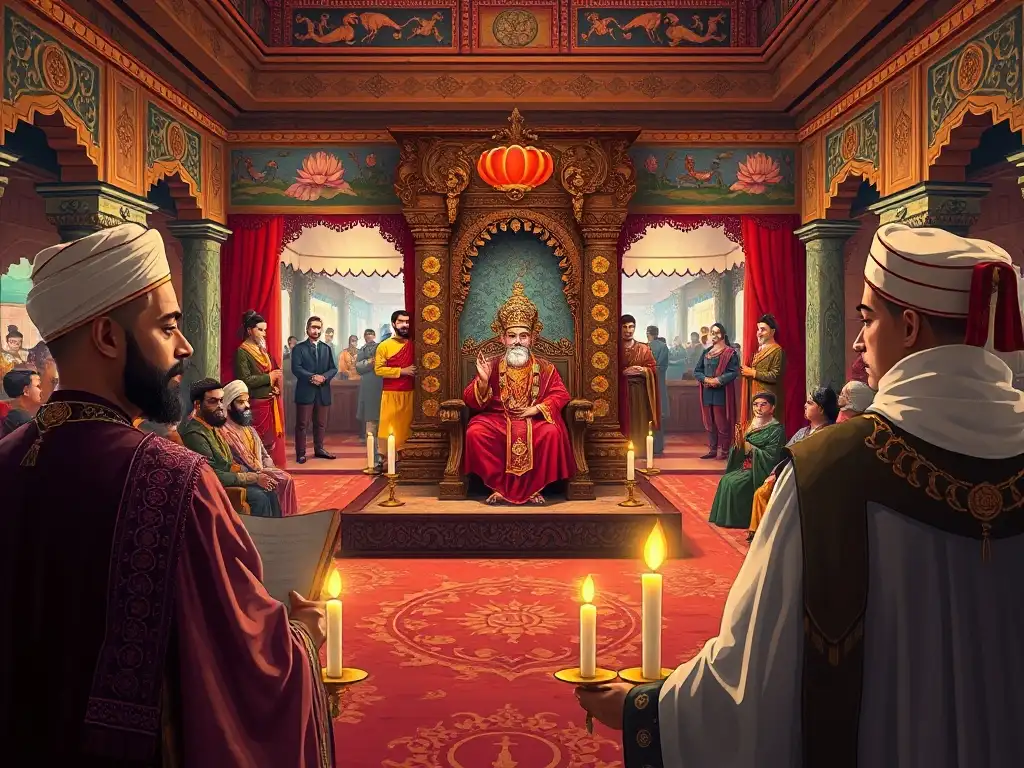
Religion played a pivotal role in the Maurya Empire's administration, serving as both a unifying force and a mechanism for governance. By leveraging religious beliefs and practices, the rulers of the Maurya Empire were able to establish legitimacy, foster loyalty, and ensure social cohesion among their diverse subjects.
Religious Edicts and Their Political Significance
The use of religious edicts was a hallmark of Mauryan governance, particularly during Ashoka's reign. These edicts, often inscribed in stone, conveyed moral and ethical directives derived from Buddhist teachings, emphasizing the ruler's commitment to Dharma and the welfare of the people. By publicly endorsing these principles, Ashoka sought to reinforce his legitimacy and demonstrate his role as a benevolent ruler.
The political significance of these edicts extended beyond mere communication; they served as a tool for social control. By aligning state policies with religious doctrines, the edicts helped to unify the empire's diverse population under a common ethical framework. This strategy not only facilitated governance but also contributed to the empire's stability and cohesion.
The Role of Religious Leaders in Governance
Religious leaders held considerable influence during the Maurya Empire, acting as intermediaries between the rulers and the populace. Brahmins, Buddhist monks, and Jain ascetics often advised emperors on matters of state, providing insights rooted in religious teachings. Their involvement in governance helped legitimize the authority of rulers and ensured that policies were in line with the prevailing moral and ethical standards of society.
Furthermore, religious leaders played a crucial role in mediating conflicts and promoting social harmony. By fostering dialogue and understanding among different religious communities, they contributed to the empire's stability and cohesion, making them essential figures in the administrative landscape.
Festivals and Religious Practices as Social Cohesion Mechanisms
Festivals and religious practices served as vital mechanisms for social cohesion within the Maurya Empire. These events, often rooted in Hindu, Buddhist, and Jain traditions, provided opportunities for communal celebration and reinforced shared values among diverse populations.
Rulers actively participated in and supported these religious festivals, using them as platforms to promote unity and loyalty among subjects. By engaging in public rituals and ceremonies, emperors demonstrated their commitment to the religious traditions of their people, thereby enhancing their legitimacy and fostering a sense of belonging among the populace.
The Maurya Empire's governance was characterized by a harmonious blend of religion and administration, with Hinduism, Buddhism, and Jainism playing integral roles. The strategic use of religious principles, edicts, and practices not only shaped the political landscape but also fostered a cohesive society that thrived under a shared moral framework.
Case Studies of Religious Policies in Mauryan Rule
The Maurya Empire, particularly under the reign of Emperor Ashoka, exemplified a unique integration of religious principles into governance. This integration is illustrated through various policies that shaped the political landscape. The case studies below focus on significant aspects of Ashoka's reign, showcasing how religion influenced governance and statecraft.
Ashoka’s Conversion to Buddhism and Its Impact on Governance
Ashoka, originally a fierce warrior, underwent a profound transformation after witnessing the devastation of the Kalinga War. His conversion to Buddhism marked a pivotal shift in his approach to governance. Ashoka's embrace of Buddhist principles led him to prioritize moral and ethical governance over military conquest.
His policies reflected this change, emphasizing non-violence (ahimsa), compassion, and the welfare of his subjects. Ashoka implemented measures to promote public welfare, such as building hospitals, planting trees for shade, and constructing water reservoirs. This compassionate governance fostered a sense of loyalty and stability among the diverse populations within the empire, demonstrating how his religious beliefs directly influenced administrative decisions.
The Edicts of Ashoka: A Blend of Dharma and Statecraft
The Edicts of Ashoka, inscribed on rocks and pillars throughout the empire, serve as a testament to the intertwining of religion and governance. These edicts not only conveyed Ashoka's commitment to Buddhism but also provided a framework for ethical governance based on dharma, or righteous conduct.
The edicts addressed various social and moral issues, urging subjects to adhere to principles of honesty, respect, and non-violence. By rooting governance in dharma, Ashoka sought to create a just society that upheld the welfare of all beings. This innovative approach to statecraft is a clear example of how religion shaped the administrative ethos of the Maurya Empire, promoting a cohesive and ethical society.
How Religion Influenced Taxation and Economic Policies
Religion played a crucial role in shaping the Mauryan Empire's taxation and economic policies. Ashoka’s Buddhist beliefs fostered a sense of social responsibility, which translated into fair taxation practices aimed at alleviating the burdens on the poor.
He introduced measures such as reducing taxes on agricultural produce and ensuring that tax collectors acted justly and compassionately. The emphasis on moral governance meant that economic policies were not solely focused on revenue generation but also on improving the living standards of the populace. This religiously influenced approach contributed to economic stability and social harmony, allowing the empire to thrive.
The Impact of Religious Harmony on the Maurya Empire’s Stability
The Maurya Empire's emphasis on religious harmony played a pivotal role in maintaining stability across its vast territories. By fostering an environment of tolerance, Ashoka's policies helped mitigate conflicts that could arise from religious differences.
Promoting Tolerance: A Strategy for Unified Governance
Ashoka’s governance was characterized by a profound commitment to promoting tolerance among various religious communities. He recognized the diverse cultural and religious fabric of his empire and advocated for mutual respect among different faiths, including Hinduism, Jainism, and Buddhism.
This policy of tolerance was not merely a passive acceptance but an active promotion of dialogue and understanding. Ashoka organized gatherings and discussions that encouraged interfaith exchanges, thereby fostering a sense of unity and belonging among his subjects. Such strategies not only strengthened the socio-political fabric of the empire but also reduced the potential for religious strife, contributing to overall stability.
The Role of Religious Pluralism in National Identity
Religious pluralism emerged as a defining feature of the Maurya Empire, significantly influencing the national identity of its inhabitants. By embracing a multitude of faiths, Ashoka cultivated an inclusive identity that transcended regional and cultural boundaries.
This pluralism was instrumental in creating a sense of belonging among the diverse populations of the empire. It promoted the idea that while different religions may hold distinct beliefs, they all contribute to the greater moral and ethical fabric of society. The recognition and respect for various religious practices not only enhanced social cohesion but also established a legacy of diversity that continued to influence Indian civilization long after the Maurya Empire's decline.
The integration of religion into governance during the Maurya Empire, particularly under Ashoka, presents a harmonious blend of spiritual principles and administrative practices that contributed to the empire's stability and prosperity.
Comparative Analysis: Religion in Governance of Other Ancient Civilizations

The role of religion in governance has been a critical factor in shaping the administrative structures of various ancient civilizations. By comparing the Maurya Empire's approach to that of other contemporary empires, such as the Persian Empire, the Roman Empire, and the Han Dynasty, we can glean insights into the diverse ways religion influenced governance.
- Persian Empire: The Achaemenid rulers, including Cyrus and Darius, integrated religion into governance primarily through Zoroastrianism, which emphasized moral order and justice. The Persian kings presented themselves as divine agents, and their policies often reflected religious tenets. However, unlike the Maurya Empire, which sought to unify a diverse population under a common religious framework, the Persians allowed various religions to coexist within their vast territories, fostering a degree of autonomy among different cultures.
- Roman Empire: The Romans had a polytheistic belief system that was deeply intertwined with state functions. Religion was used to legitimize political power and unify the populace under a common identity. The emperor was often viewed as a divine figure, a role that was more pronounced in later periods with the rise of Christianity. In contrast to the Mauryans, who promoted a more philosophical and ethical approach to governance through Buddhism, Roman leaders often relied on rituals and public worship to maintain control.
- Han Dynasty: The Han Dynasty in China adopted Confucianism as a guiding principle for governance, emphasizing moral integrity and familial loyalty. While Confucianism is not a religion in the typical sense, it provided a framework for political ethics and governance that paralleled the Mauryan emphasis on dharma, or righteous duty. Both empires utilized their respective philosophical teachings to foster social cohesion, albeit with different focal points—Buddhism for the Maurya Empire and Confucianism for the Han.
This comparative analysis reveals that while each empire utilized religion to solidify governance, the Maurya Empire's unique approach fostered a more inclusive and ethical administrative ethos that prioritized the welfare of its diverse citizenry.
Contrasting the Maurya Empire with Contemporary Empires
When examining the Maurya Empire's governance through the lens of religion, it is essential to highlight how it contrasted with its contemporaries. While the Maurya Empire, particularly under Emperor Ashoka, embraced Buddhism as a guiding philosophy, other empires like the Seleucid Empire or the Indo-Greek kingdoms often relied on Hellenistic traditions and local cults to establish authority.
- Inclusivity vs. Exclusivity: The Maurya Empire's promotion of Buddhism created an inclusive environment where diverse beliefs were respected. In contrast, the Seleucid Empire attempted to impose Hellenistic ideals, often leading to tensions with local populations. Ashoka's edicts, which emphasized respect for all life and religious tolerance, stood in stark contrast to the often more dogmatic approaches of contemporary regimes.
- Ethical Governance: The Maurya emphasis on dharma and moral governance provided a framework for ethical rule that was less common among other empires. For instance, while the Romans focused on law and order to maintain control, the Mauryan rulers sought to cultivate virtue among their subjects, which fostered loyalty and stability.
- Political Integration: The Maurya Empire's religious policies facilitated the integration of various ethnic and cultural groups, using Buddhism to create a shared identity. This was unlike the Indo-Greek kingdoms, which struggled to unify diverse populations under a common political structure.
Overall, the Maurya Empire's distinctive approach to religious governance not only set it apart from other ancient civilizations but also laid the groundwork for future political and ethical considerations in governance.
Lessons Learned from the Maurya Empire’s Religious Governance
The Maurya Empire's integration of religion into governance offers several valuable lessons that remain relevant in contemporary discussions of political ethics and governance.
- Promoting Tolerance: One of the most significant lessons from the Maurya Empire is the importance of religious tolerance. By recognizing and respecting the diversity of beliefs within its borders, the Maurya Empire was able to maintain social harmony and stability. This approach can serve as a model for modern multi-religious societies striving for coexistence.
- Ethical Leadership: The Mauryan emphasis on dharma highlights the necessity of ethical leadership. Rulers who prioritize morality and the welfare of their subjects can cultivate loyalty and trust, essential components for effective governance. Modern leaders can draw inspiration from Ashoka’s commitment to justice and compassion.
- Civic Responsibility: The Maurya governance model underscores the importance of civic responsibility, where citizens are encouraged to engage in ethical conduct and community service. This principle can enhance civic engagement in contemporary governance structures, leading to more active and responsible citizenship.
By embracing these lessons, modern governance can foster a more just and inclusive society, drawing from the rich historical precedents set by the Maurya Empire.
Conclusion
Summary of Key Points on Religion in Maurya Empire Governance
The role of religion in the governance of the Maurya Empire was multifaceted and instrumental in shaping its administrative ethos. Key points include:
- Buddhism as a Unifying Force: The Maurya Empire utilized Buddhism not just as a religious belief but as a unifying philosophy that promoted ethical governance and social harmony.
- Religious Tolerance: The empire's policies of religious tolerance allowed for the coexistence of diverse beliefs, which contributed to societal stability.
- Dharma and Ethical Leadership: The concept of dharma guided rulers in their decision-making processes, emphasizing the importance of moral integrity and the welfare of their subjects.
These points illustrate how the Maurya Empire's religious governance created a harmonious society that valued ethical conduct and inclusivity.
The Lasting Legacy of Mauryan Religious Policies in Modern Governance
The legacy of the Mauryan Empire’s religious policies extends beyond its historical context, influencing modern governance in several ways.
- Framework for Secularism: The principles of religious tolerance and ethical governance have informed contemporary secular states that seek to balance religious freedoms with civic responsibilities. The Maurya model presents a historical precedent for managing religious diversity in a pluralistic society.
- Emphasis on Welfare: The Mauryan commitment to the welfare of citizens can be seen in modern governance models that prioritize social justice and public welfare programs. This legacy encourages leaders to adopt policies that reflect the moral imperatives of their societies.
- Civic Engagement: The ethos of civic responsibility fostered in the Maurya Empire resonates with today’s calls for active citizenship and community involvement, encouraging individuals and groups to contribute positively to their societies.
The Maurya Empire's innovative approach to integrating religion into governance not only shaped its own historical narrative but continues to provide valuable insights for modern governance frameworks, promoting ethical leadership and inclusive policies.
References
Key Texts and Sources on Maurya Empire’s Religious Governance
-
Arthashastra by Kautilya (Chanakya)
This ancient treatise on statecraft, economics, and military strategy not only provides insights into the administrative practices of the Maurya Empire but also discusses the role of ethics and morality, influenced by religious principles, in governance.
-
Edicts of Ashoka
The rock edicts issued by Emperor Ashoka are crucial primary sources that reflect his commitment to Dharma (moral law) and the promotion of Buddhism as a guiding philosophy in governance. These edicts reveal how religion was intricately woven into the fabric of administrative policy.
-
The History of India: From the Earliest Times to the Present Day by Vincent A. Smith
This comprehensive history offers a detailed narrative of the Maurya Empire, including the interplay between governance and religion, particularly during Ashoka’s reign.
-
The Maurya Empire: A Political and Economic History by R. S. Sharma
This scholarly work examines the political structures of the Maurya Empire while analyzing the religious influences that shaped its governance.
-
Buddhism and the State in Sixteenth Century Japan by Richard K. Payne
Although focused on Japan, this text provides comparative insights into how Buddhism influenced governance in different cultures, offering a broader understanding of the role religion plays in political authority.
Suggested Further Reading on Ancient Indian Civilizations
-
Ancient India: In Historical Outline by Romila Thapar
Thapar’s work offers a thorough overview of ancient Indian history, exploring various civilizations, including the Mauryan period, with a focus on cultural and religious developments.
-
The Wonder That Was India by A. L. Basham
This classic text delves into the richness of Indian civilization, examining its philosophical, religious, and cultural dimensions, which can provide context for understanding the Maurya Empire.
-
The Indian History: A Very Short Introduction by Thapar Romila
This concise book presents an accessible overview of Indian history, touching upon major themes, including religion and governance, relevant to the study of the Maurya Empire.
-
Indian Philosophy: A Very Short Introduction by Sukanta Chaudhuri
This book discusses the philosophical underpinnings of Indian traditions, including how these ideas influenced governance and societal structures in ancient India.
-
The Penguin History of Early India: From the Origins to AD 1300 by Romila Thapar
This work provides a narrative of early Indian history, focusing on the socio-political and religious contexts that shaped various dynasties, including the Mauryas.
- Introduction to the Maurya Empire
- The Intersection of Religion and Governance in the Maurya Empire
- Major Religions During the Maurya Empire
- The Use of Religion as a Tool for Administration
- Case Studies of Religious Policies in Mauryan Rule
- The Impact of Religious Harmony on the Maurya Empire’s Stability
- Comparative Analysis: Religion in Governance of Other Ancient Civilizations
- Conclusion
- References
- What was the significance of religion in the Maurya Empire governance?
- How did Emperor Ashoka influence religion in governance?
- What were the main religions practiced during the Maurya Empire?
- How did the Maurya Empire’s policies reflect religious beliefs?
- Did religion influence trade and diplomacy in the Maurya Empire?
Frequently Asked Questions
What was the significance of religion in the Maurya Empire governance?
Religion played a crucial role in the governance of the Maurya Empire, helping to unify diverse populations and establish a moral framework for administration.
How did Emperor Ashoka influence religion in governance?
Emperor Ashoka is known for promoting Buddhism and its values throughout the empire, using his position to spread ethical governance and non-violence as central tenets of his rule.
What were the main religions practiced during the Maurya Empire?
The Maurya Empire was characterized by a mix of religions, primarily Hinduism, Buddhism, and Jainism, each influencing societal norms and governance structures.
How did the Maurya Empire’s policies reflect religious beliefs?
Policies during the Maurya Empire often mirrored religious principles, promoting social welfare, tolerance, and the protection of life, which were integral to both Buddhism and Hinduism.
Did religion influence trade and diplomacy in the Maurya Empire?
Yes, religion facilitated trade and diplomacy, as shared beliefs often fostered trust and cooperation among merchant communities and neighboring states, enhancing economic ties.
Final Reflection: The Enduring Influence of Religion in Governance
The intricate relationship between religion and governance in the Maurya Empire remains profoundly relevant today, illustrating how belief systems can shape political landscapes and societal norms. As we navigate a world where the intersection of faith and governance continues to spark debate, the Maurya Empire serves as a historical testament to the power of religion in unifying diverse populations and legitimizing authority. This harmonious blend of governance and spirituality not only fostered stability in ancient India but also offers valuable lessons for contemporary societies grappling with similar dynamics.
The legacy of the Maurya Empire's governance model highlights the ongoing influence of religious principles in shaping cultural and social identities. The way Ashoka, in particular, utilized Buddhism to promote ethical governance and social welfare resonates with modern movements advocating for moral leadership. As philosopher and historian Will Durant once said, ">A great civilization is not conquered from without until it has destroyed itself from within." This underscores the importance of a cohesive moral framework, which can be drawn from religious teachings, to maintain societal integrity and resilience.
As we reflect on the role of religion in the Maurya Empire's governance, let us consider how these historical insights can inform our own lives and communities. I invite you to ponder how your beliefs influence your understanding of leadership and responsibility. In a world that often feels fragmented, embracing the lessons of harmony and ethical governance from the past can inspire us to foster unity and compassion in our own spheres of influence. Together, we can strive to create a future where the principles of justice, morality, and respect for diverse beliefs guide our actions and decisions.
Embrace the Legacy: Engage with the Wisdom of the Maurya Empire!
Thank you for diving into the enlightening world of the Maurya Empire and its unique governance shaped by religion! Your curiosity fuels our collective understanding of ancient civilizations. Now, let’s bring this fascinating history to life with practical steps that deepen your connection to this remarkable period.
- Explore the teachings of Maurya-era religions: Read historical texts or watch documentaries that delve into how Buddhism and Jainism influenced governance and society.
- Share your insights: Engage in discussions with friends or share your thoughts on social media to spark conversations about the intertwining of faith and politics in history.
- Join a community group: Participate in local or online forums dedicated to ancient Indian history and share your perspectives on the enriched governance of the Maurya Empire.
What aspect of religion do you think had the most significant impact on the daily lives of people in the Maurya Empire? Your thoughts could inspire a deeper discussion!