
Exploring the Secrets of Ayurveda: Modern Medicine's Ancient Roots in India

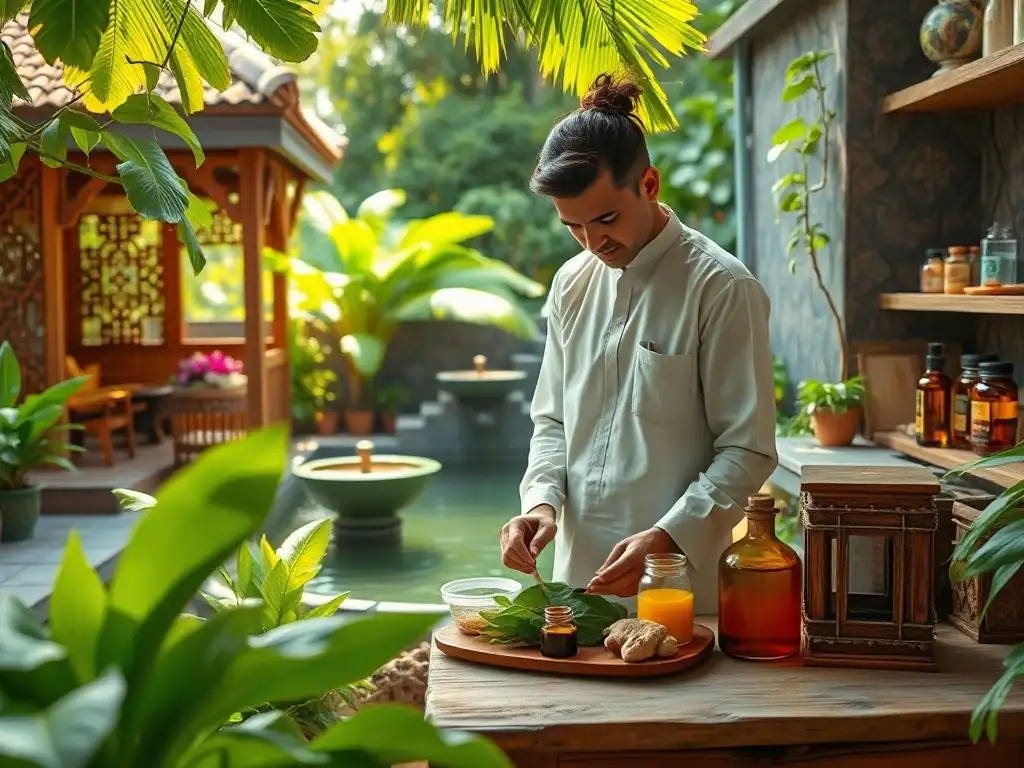
Welcome to Ancient India History, where we embark on a journey through the mesmerizing tapestry of India’s past. Dive into the fascinating world of Ancient Indian Ayurveda practices, a treasure trove of knowledge that has shaped modern medicine and wellness. What secrets lie within these ancient texts, and how do they continue to influence contemporary health practices? Join us as we unravel the profound contributions of ancient Indian civilizations, from the groundbreaking innovations of the Indus Valley to the intellectual brilliance of the Gupta Empire. Your exploration begins here—discover the wisdom of Ayurveda and its enduring legacy!
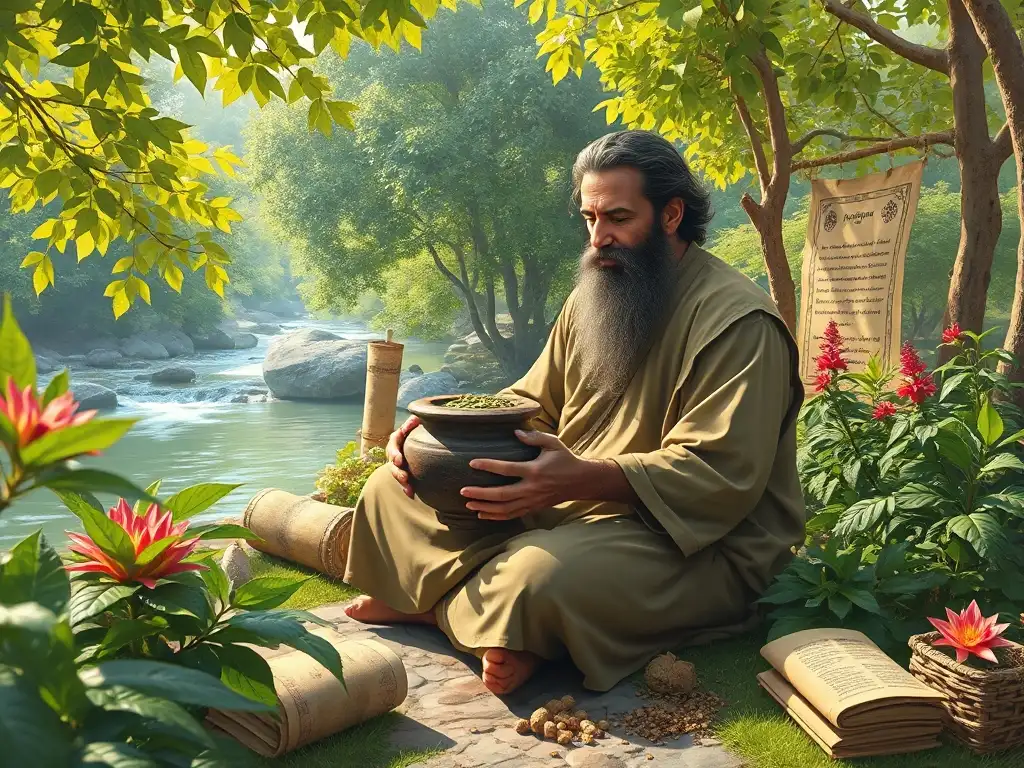
Ayurveda, a holistic system of medicine that originated in ancient India, is gaining renewed interest in contemporary health practices around the globe. This ancient science not only offers profound insights into physical health but also emphasizes the balance between mind, body, and spirit. By exploring the rich tapestry of ancient Indian Ayurveda practices, we can uncover the foundational principles that continue to influence modern medicine. This article delves into the core tenets of Ayurveda and examines how these time-tested practices are now being integrated into contemporary health and wellness regimes, reaffirming their relevance in today’s fast-paced world.
Introduction to Ancient Indian Ayurveda Practices
Ayurveda, which translates to "the science of life," is believed to have been developed over 3,000 years ago. Rooted in the Vedic texts, Ayurveda encompasses a wide range of traditional practices aimed at promoting health, preventing illness, and enhancing the quality of life. The essence of Ayurveda lies in its holistic approach, focusing not just on the symptoms of diseases but on the individual as a whole.
The foundational concepts of Ayurveda revolve around the idea that each person is unique, with their own constitution (Prakriti) and balance of the three doshas: Vata, Pitta, and Kapha. These doshas represent different physiological and psychological functions and play a critical role in determining an individual’s health.
Some of the key practices that have been passed down through generations include:
- Herbal medicine: Utilizing the healing properties of various plants and herbs.
- Dietary recommendations: Tailoring food choices to suit individual doshas.
- Yoga and meditation: Promoting mental well-being and physical vitality.
- Detoxification: Cleansing the body through various techniques like Panchakarma.
Understanding these practices provides a glimpse into the comprehensive nature of Ayurveda and its timeless wisdom.
The Core Principles of Ayurveda
At the heart of Ayurveda are several core principles that guide its practices and philosophies. These principles include:
- Holism: Ayurveda views the body, mind, and spirit as interconnected. A disturbance in one area can affect the others, emphasizing the need for a balanced lifestyle.
- Individuality: Each individual has a unique constitution (Prakriti), which influences their health and susceptibility to disease. Personalized treatment plans are essential in Ayurveda.
- Prevention: Ayurveda stresses the importance of preventive care, advocating for lifestyle choices that promote health and well-being before illness arises.
- Natural Healing: The system emphasizes the body's inherent ability to heal itself, promoting natural remedies and therapies to support this process.
- Seasonal Adaptation: Ayurvedic practices often change according to the seasons, recognizing that environmental factors can affect health and well-being.
These principles not only define the practice of Ayurveda but also highlight its relevance in today's health discourse, where personalized and preventive care is increasingly valued.
Ancient Indian Ayurveda Practices in Modern Medicine
The resurgence of interest in traditional healing systems has prompted the integration of ancient Indian Ayurveda practices into modern medicine. Practitioners and researchers are exploring the efficacy of Ayurvedic treatments in various health domains, including:
- Chronic disease management: Techniques such as dietary modifications, herbal remedies, and stress management strategies from Ayurveda are being studied for their effectiveness in managing conditions like diabetes, hypertension, and arthritis.
- Mental health: Ayurveda's emphasis on mindfulness, meditation, and holistic therapies is being recognized for its potential benefits in addressing anxiety, depression, and other mental health issues.
- Rehabilitation and recovery: Ayurvedic principles are being applied in rehabilitation programs to enhance recovery from surgeries and injuries, focusing on overall wellness rather than just physical healing.
- Integrative health approaches: Many healthcare providers are incorporating Ayurvedic concepts into their practices to create a more holistic approach to patient care, combining the strengths of modern medicine with the wisdom of ancient traditions.
The ancient Indian Ayurveda practices are not only relevant but are also influential in shaping modern medical practices. By embracing the holistic and individualized approach of Ayurveda, we can enhance our understanding of health and well-being in our contemporary lives.
Key Ancient Indian Ayurveda Treatments and Techniques
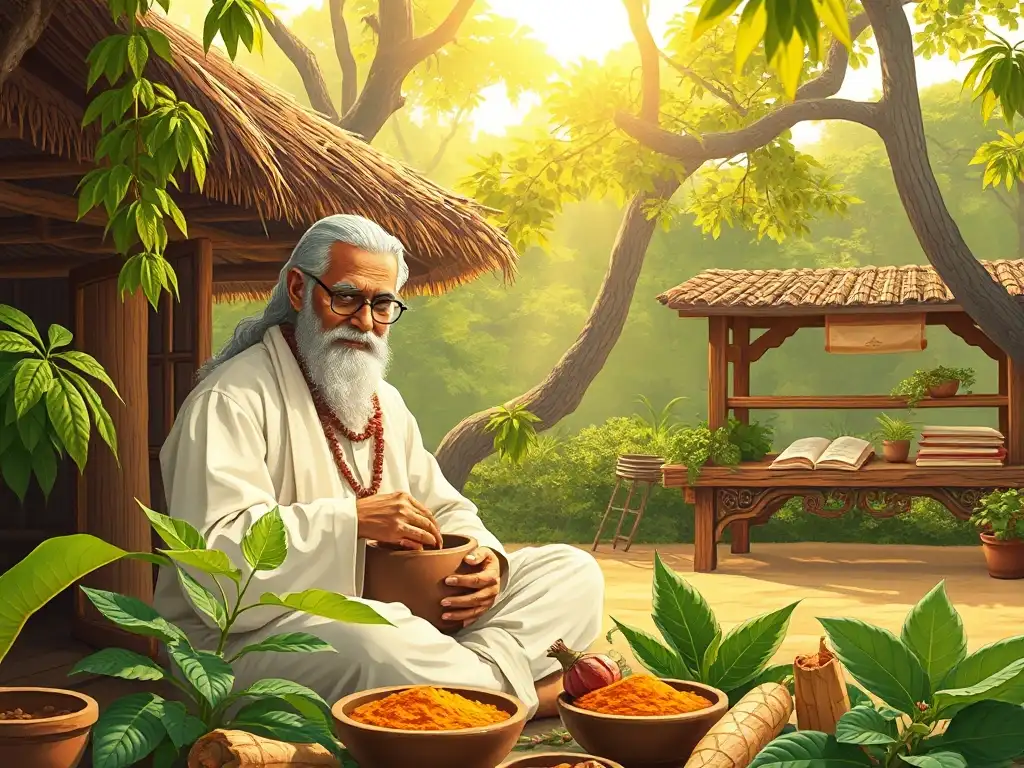
Ayurveda, often referred to as the "science of life," encompasses a vast array of treatments and techniques that have been practiced for thousands of years. At the core of Ayurvedic medicine lies the belief in balancing the body's energies, known as doshas: Vata, Pitta, and Kapha. Here are some key treatments and techniques:
- Panchakarma: This is a detoxification process that involves five key therapies aimed at cleansing the body of toxins. It includes:
- Vamana: Therapeutic vomiting to eliminate excess mucus.
- Virechana: Laxative therapy to clear the digestive system.
- Basti: Enema treatment to cleanse the colon.
- Nasya: Nasal administration of medicated oils to clear sinus passages.
- Raktamokshana: Bloodletting to purify the blood.
- Herbal Remedies: Ayurveda employs a wide range of herbs and plants, each with specific properties. Common herbal treatments include:
- Ashwagandha: Known for its adaptogenic properties, helping the body cope with stress.
- Turmeric: Renowned for its anti-inflammatory and antioxidant effects.
- Tulsi: Often referred to as holy basil, it is used to promote respiratory health and enhance immunity.
- Dietary Approaches: Ayurveda emphasizes the importance of diet in maintaining health. Specific dietary guidelines based on an individual's dosha can help balance bodily functions. For instance:
- Pitta individuals may benefit from cooling foods such as cucumber and coconut.
- Vata types might thrive on warm, moist foods like soups and stews.
- Kapha types should focus on light, spicy foods to stimulate digestion.
- Yoga and Meditation: Integral to Ayurvedic practices, yoga and meditation promote physical and mental well-being. Specific yoga postures and breathing techniques (Pranayama) are prescribed to balance the doshas and promote overall health.
The Scientific Validation of Ancient Indian Ayurveda Practices
In recent years, there has been a growing body of research aimed at validating Ayurvedic practices through scientific methods. This validation is critical for integrating ancient wisdom with modern medicine, allowing for broader acceptance and application in contemporary healthcare.
- Clinical Studies: Numerous studies have explored the efficacy of Ayurvedic treatments. For example, research has shown that Panchakarma can significantly reduce stress and improve quality of life in patients with chronic illnesses.
- Phytochemical Research: Modern pharmacological studies have isolated active compounds from Ayurvedic herbs, demonstrating their therapeutic potential. For instance, curcumin, derived from turmeric, has been extensively studied for its anti-inflammatory effects and potential in treating various diseases.
- Holistic Approach: Ayurveda’s holistic view of health aligns with modern approaches emphasizing preventive care and personalized medicine. This synergy highlights the importance of lifestyle, diet, and mental well-being, which are increasingly being recognized in contemporary health paradigms.
- Government and Institutional Support: Recognizing the potential of Ayurveda, various governments and health organizations have begun to fund research initiatives focused on the scientific validation of Ayurvedic practices, further bridging the gap between ancient wisdom and modern healthcare.
Challenges and Misconceptions Surrounding Ayurveda
Despite its rich history and contributions to health and wellness, Ayurveda faces several challenges and misconceptions that hinder its acceptance and practice.
- Lack of Standardization: One of the main challenges is the variability in practices and formulations. Unlike modern medicine, which relies on standardized protocols, Ayurveda can differ widely in treatment approaches and herbal formulations, leading to inconsistencies in outcomes.
- Scientific Skepticism: While there is growing interest in Ayurvedic practices, some in the scientific community remain skeptical due to a lack of rigorous clinical trials and evidence supporting certain treatments. This skepticism can create barriers to integration into mainstream healthcare.
- Misunderstanding of Principles: Many misconceptions arise from a superficial understanding of Ayurveda. For example, some people dismiss it as mere herbalism, failing to recognize its comprehensive system that incorporates diet, lifestyle, and mental health.
- Cultural Appropriation: In the global context, there's a concern about the appropriation of Ayurvedic practices without proper understanding or respect for their cultural significance. This can lead to the commercialization of Ayurveda, stripping it of its holistic and ethical dimensions.
By addressing these challenges and misconceptions, the potential for Ayurveda to play a significant role in modern healthcare can be maximized, ensuring its ancient wisdom continues to benefit future generations.
Best Resources for Exploring Ancient Indian Ayurveda
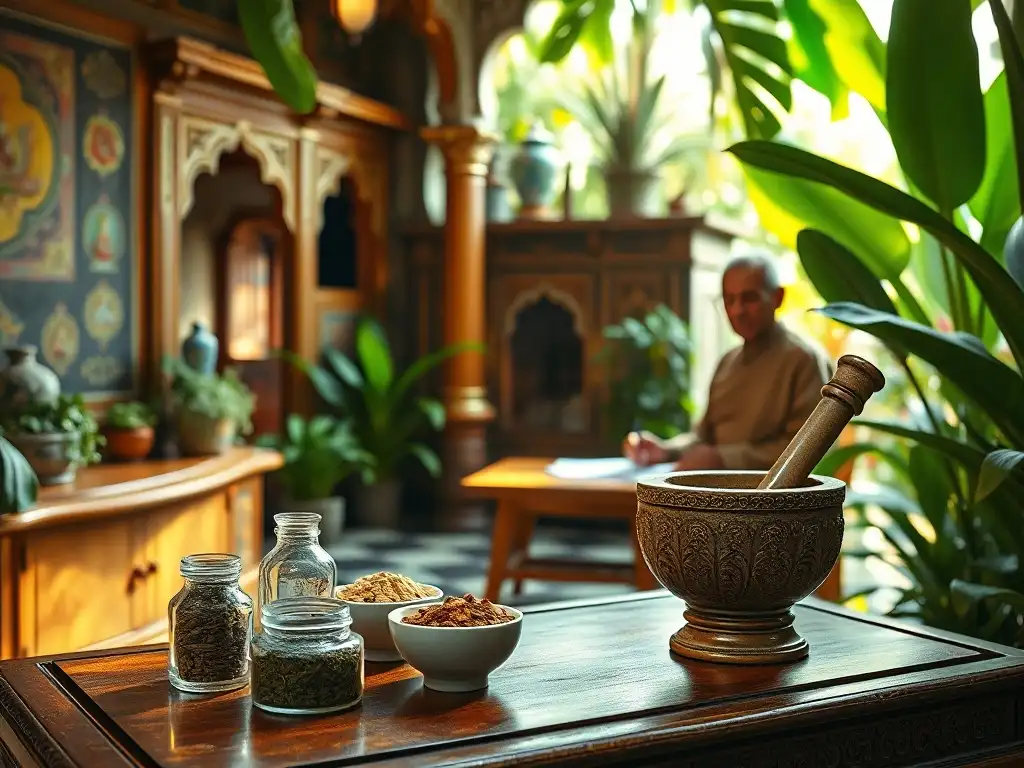
To delve into the rich tradition of Ancient Indian Ayurveda practices, it is essential to utilize a variety of resources that provide comprehensive insights into its principles, techniques, and applications. Here are some of the best resources available:
- Books:
- The Complete Book of Ayurvedic Home Remedies by Vasant Lad offers practical guidance on using Ayurvedic remedies for common ailments.
- Ayurveda: The Science of Self-Healing by Dr. Vasant Lad presents an introduction to the fundamental principles of Ayurveda, making it accessible for beginners.
- Charaka Samhita, one of the foundational texts of Ayurveda, provides in-depth knowledge about ancient medicinal practices and theories.
- Online Courses:
- Platforms like Coursera and edX offer courses on Ayurveda taught by leading experts, allowing individuals to learn at their own pace.
- The Ayurvedic Institute provides online programs ranging from introductory to advanced levels, catering to various interests in Ayurvedic medicine.
- Documentaries and Lectures:
- Documentaries such as The Ayurveda Experience give visual insights into the practices and philosophies of Ayurveda.
- TED Talks featuring Ayurvedic practitioners discuss the relevance of Ayurvedic practices in modern healthcare.
- Professional Organizations:
- The National Ayurvedic Medical Association (NAMA) offers resources for practitioners and students, including certification programs and access to research publications.
- The Association of Ayurvedic Professionals of North America (AAPNA) provides a platform for networking and professional development.
- Podcasts and Blogs:
- Podcasts such as The Ayurveda Podcast discuss various topics related to Ayurvedic health and wellness.
- Blogs like The Ayurveda Experience feature articles on Ayurvedic recipes, herbal remedies, and lifestyle tips.
By leveraging these resources, individuals can gain a deeper understanding of Ancient Indian Ayurveda practices and their relevance in today's world.
Conclusion: The Future of Ancient Indian Ayurveda Practices
As modern medicine continues to evolve, the future of Ancient Indian Ayurveda practices appears promising. Increasing interest in holistic healing and preventative care has led to a renewed focus on traditional practices that emphasize balance, wellness, and natural remedies.
Several factors contribute to the growing integration of Ayurveda into contemporary health systems:
- Research and Validation: Scientific studies are being conducted to validate Ayurvedic treatments, leading to greater acceptance among healthcare professionals. This research is crucial for establishing the efficacy of various Ayurvedic practices in treating chronic ailments.
- Global Awareness: With the rise of wellness tourism, more individuals are seeking Ayurvedic treatments and retreats worldwide. This global interest fosters cross-cultural exchanges and promotes the dissemination of Ayurvedic knowledge.
- Integration with Modern Medicine: Many healthcare practitioners are beginning to incorporate Ayurvedic principles into their practices, recognizing the value of a holistic approach to health. This integrative model could lead to better patient outcomes and a more comprehensive understanding of health.
- Sustainability and Natural Living: As people become more conscious of their environmental impact, the sustainable practices inherent in Ayurveda resonate with those seeking eco-friendly lifestyles. The emphasis on natural remedies and ingredients aligns with modern trends toward organic and sustainable living.
The future of Ancient Indian Ayurveda practices is not only about preservation but also about adaptation and integration into modern healthcare paradigms. As this ancient wisdom continues to inspire new generations, it holds the potential to contribute significantly to global health and well-being.
Call to Action: Discover More about Ayurveda
Are you ready to explore the fascinating world of Ancient Indian Ayurveda practices? Discover how these time-honored techniques can enhance your health and well-being today!
- Join a Workshop: Participate in local or online workshops to learn about Ayurvedic cooking, herbal medicine, and lifestyle practices.
- Consult an Ayurvedic Practitioner: Schedule a consultation to receive personalized recommendations based on your unique constitution and health goals.
- Explore Recipes: Start incorporating Ayurvedic recipes into your daily meals to experience the benefits of balanced nutrition.
- Stay Informed: Subscribe to newsletters or follow social media accounts dedicated to Ayurveda to keep up with the latest research and developments.
Embark on your journey into the world of Ayurveda and uncover the secrets of ancient practices that continue to influence modern medicine! 🌿
- Introduction to Ancient Indian Ayurveda Practices
- The Core Principles of Ayurveda
- Ancient Indian Ayurveda Practices in Modern Medicine
- Key Ancient Indian Ayurveda Treatments and Techniques
- The Scientific Validation of Ancient Indian Ayurveda Practices
- Challenges and Misconceptions Surrounding Ayurveda
- Best Resources for Exploring Ancient Indian Ayurveda
- Conclusion: The Future of Ancient Indian Ayurveda Practices
- Call to Action: Discover More about Ayurveda
Frequently Asked Questions
What is Ayurveda in the context of ancient Indian practices?
Ayurveda is an ancient Indian system of medicine that emphasizes a holistic approach to health, focusing on the balance of mind, body, and spirit.
How did Ayurveda influence modern medicine?
Many modern medical practices and holistic health approaches draw from Ayurvedic principles, particularly in areas such as herbal remedies and lifestyle choices.
What are the key components of Ayurveda?
Ayurveda is built on three main doshas (Vata, Pitta, Kapha), which represent different energetic forces in the body, guiding individual health and wellness.
How was Ayurveda practiced in ancient Indian civilizations?
In ancient India, Ayurveda was practiced through personalized treatments, including dietary guidelines, herbal medicines, and yoga, tailored to each individual's constitution.
What contributions did ancient Indian Ayurveda make to health and wellness?
Ancient Indian Ayurveda laid the groundwork for natural healing practices, influencing both traditional and alternative medicine systems worldwide.
Final Reflection: Embracing Ancient Wisdom for Modern Healing
In a world increasingly dominated by fast-paced lifestyles and quick-fix solutions, the principles of Ancient Indian Ayurveda practices resonate profoundly with our current quest for holistic well-being. As we navigate the complexities of modern medicine, it becomes evident that the wisdom of Ayurveda offers invaluable insights into achieving balance and harmony in our lives. This ancient system of healing not only addresses physical ailments but also nurtures the mind and spirit, reminding us that true health is a multifaceted journey.
The enduring influence of Ayurveda on contemporary health practices is a testament to its timeless relevance. As more individuals seek natural and integrative approaches to wellness, Ayurveda stands at the forefront, bridging the gap between ancient traditions and modern scientific understanding. The words of Dr. Vasant Lad encapsulate this beautifully: Ayurveda is a science of life. It teaches us how to live in harmony with nature and ourselves.
This perspective encourages us to view health not merely as the absence of disease, but as a state of complete physical, mental, and social well-being.
As you reflect on the insights shared in this article, consider how you might incorporate the principles of Ayurveda into your daily life. Take a moment to explore your own relationship with health and wellness—what changes can you make to foster balance and harmony? Whether it's through mindful eating, embracing natural remedies, or simply taking time for self-care, the lessons of Ayurveda invite you to embark on a transformative journey toward holistic health. Embrace this ancient wisdom, and let it guide you toward a more harmonious existence in our modern world.
Unveil the Wisdom of Ayurveda Today!
Thank you for diving into the fascinating world of Ayurveda with us! You've uncovered the timeless connection between ancient practices and modern wellness. Now, it’s time to embark on your own journey toward holistic health.
Take the first step towards embracing Ayurveda in your life:
- Start an Ayurvedic practice: Begin by integrating simple Ayurvedic principles into your daily routine, such as mindful eating and enjoying herbal teas.
- Explore local Ayurvedic workshops or online courses to deepen your understanding and experience of this ancient wisdom.
- Share the insights you’ve gained with friends and family— you might just inspire their own wellness journeys!
What aspect of Ayurveda resonates with you the most, and how will you incorporate it into your daily life?