
The Role of the Jataka Tales: Key Figures in Early Buddhist Stories


Welcome to Ancient India History, where we embark on a journey through the vibrant tapestry of ancient Indian civilizations. As you delve into our exploration of the Jataka Tales in Buddhist culture, you'll uncover the fascinating narratives that shaped early Buddhist thought and morality. These timeless stories, featuring key figures whose wisdom transcends centuries, invite you to reflect on the intricacies of life and the teachings that continue to resonate today. Prepare to be captivated as we unravel the significance of these tales and their enduring legacy in the landscape of ancient Indian religions. Let the adventure begin!
- Introduction to Jataka Tales in Buddhist Culture
- Overview of the Jataka Tales
- Key Figures in Jataka Tales
- The Role of Jataka Tales in Early Buddhism
- Jataka Tales in Buddhist Art and Literature
- The Impact of Jataka Tales on Later Buddhist Traditions
- Conclusion: The Enduring Legacy of Jataka Tales in Buddhist Culture
- Frequently Asked Questions
- Final Reflection: The Enduring Legacy of Jataka Tales in Buddhist Culture
- Embark on Your Journey Through the Jataka Tales!
Introduction to Jataka Tales in Buddhist Culture
The Jataka Tales hold a significant place in the tapestry of Buddhist culture, serving as a rich repository of moral lessons and values that have shaped the ethical framework within which Buddhism has flourished. These tales, which recount the previous lives of the Buddha, not only illustrate his journey towards enlightenment but also provide profound insights into the principles of compassion, kindness, and wisdom.
Originating in ancient India, the Jataka Tales bridge the gap between folklore and spiritual teachings, making them an essential component of Buddhist literature. Through their engaging narratives, these stories have transcended time and geography, influencing not only religious beliefs but also cultural practices across various regions.
As we delve deeper into the Jataka Tales, we will explore their definition and origin, as well as their significance in early Buddhist literature. This exploration will reveal how these stories reflect the values of ancient Indian civilization and continue to resonate with audiences to this day.
Definition and Origin of Jataka Tales
The term "Jataka" literally translates to "birth" in Pali, and it refers to the tales that narrate the Buddha's previous incarnations before he attained enlightenment. Composed primarily in the Pali language, these stories form a crucial part of the Pali Canon, particularly in the "Jataka" collection, which encompasses over 500 distinct tales. Each tale typically presents a moral lesson, often conveyed through the Buddha's interactions with animals, humans, and divine beings in his past lives.
The origins of the Jataka Tales can be traced back to the oral traditions of ancient India, where storytelling was a vital means of imparting wisdom and ethical teachings. Over time, these stories were written down and compiled, solidifying their place in Buddhist canon. The tales serve not only as religious texts but also as a reflection of the socio-cultural context of the time, incorporating elements of Indian folklore, mythology, and moral philosophy.
Significance of Jataka Tales in Early Buddhist Literature
The Jataka Tales are significant for several reasons:
- Moral Instruction: Each tale presents a moral dilemma and demonstrates how the Buddha, in his previous lives, navigated challenges with virtue and wisdom. This format encourages readers to reflect on their own actions and choices.
- Cultural Reflection: The stories encapsulate the values and beliefs of ancient Indian society, offering insights into the cultural landscape during the time of the Buddha. They often highlight virtues such as generosity (dāna), moral integrity (sīla), and wisdom (paññā).
- Literary Influence: The narrative style of the Jataka Tales has influenced various literary forms across different cultures, inspiring adaptations and retellings in diverse languages and traditions.
- Educational Role: The Jataka Tales have historically served as educational tools for teaching Buddhist ethics to monks and laypeople alike, making complex philosophical concepts accessible through engaging storytelling.
The Jataka Tales are not merely stories of the Buddha's past lives; they are a profound exploration of moral values and cultural identity that continue to resonate within Buddhist culture and beyond. Their enduring appeal lies in their ability to convey timeless lessons that transcend the boundaries of time and geography.
Overview of the Jataka Tales
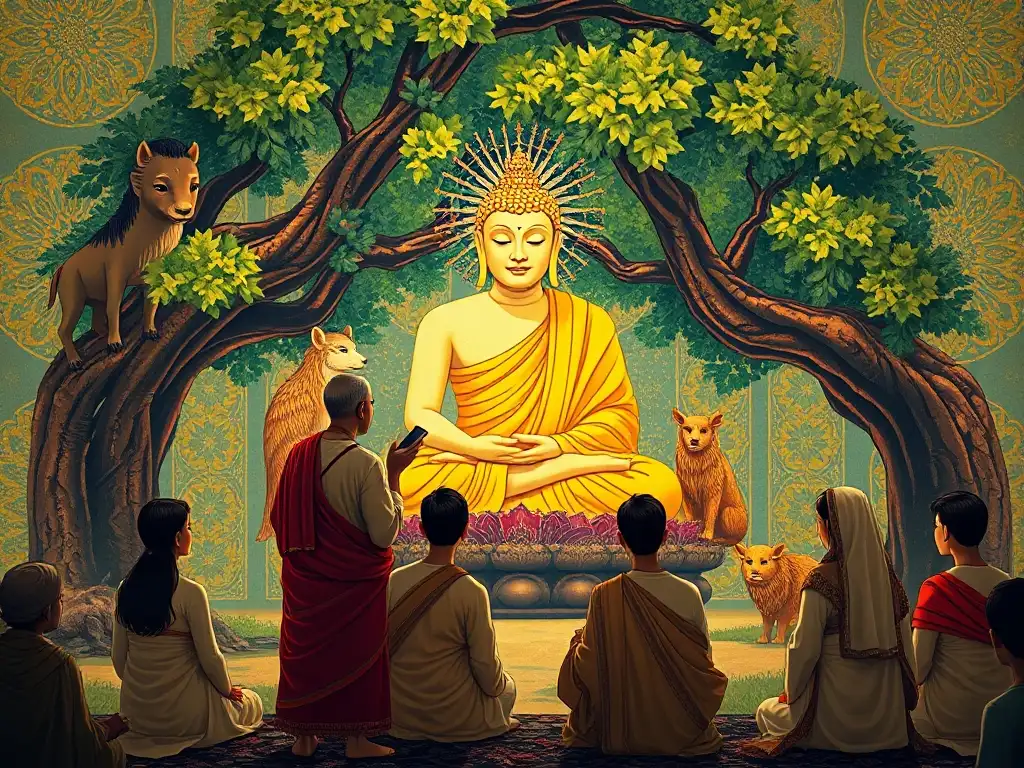
The Jataka Tales are a collection of stories that narrate the previous lives of the Buddha, illustrating his journey towards enlightenment. These tales hold a significant place in Buddhist culture, serving not only as religious texts but also as moral guides that resonate with individuals from various backgrounds. Originating from ancient India, the Jataka Tales are believed to have been composed between the 3rd century BCE and the 5th century CE, featuring a variety of themes ranging from compassion and wisdom to self-sacrifice and justice.
The tales are often depicted in various forms of art, including sculptures, paintings, and manuscripts, emphasizing their cultural prominence. The Jataka Tales are integral to the broader context of Buddhist literature and play a crucial role in conveying the teachings of the Buddha to laypersons. By recounting the experiences of the Buddha in his past lives, these stories emphasize the importance of ethical conduct and the interconnectedness of all beings, reinforcing the core tenets of Buddhism.
Structure and Themes of Jataka Tales
The structure of the Jataka Tales typically follows a simple narrative form. Each tale begins with a setting that introduces the characters and the circumstances they face. The protagonist, often a bodhisattva, demonstrates moral virtues through various trials and challenges, ultimately leading to an insightful resolution. This narrative framework allows for the exploration of complex themes, including:
- Compassion: Many Jataka Tales exemplify acts of kindness and selflessness, illustrating the significance of compassion in human relationships.
- Wisdom: The stories often highlight the importance of wise decision-making, encouraging readers to reflect on the consequences of their actions.
- Justice: Tales that involve themes of fairness and justice serve to teach the value of upholding moral principles in society.
- Self-Sacrifice: Numerous narratives depict the bodhisattva sacrificing their own well-being for the benefit of others, reinforcing the idea of altruism.
The tales are not only entertaining but also serve as a means of imparting ethical teachings. By engaging with the narratives, readers can draw parallels to their own lives and contemplate the moral choices they face, making the Jataka Tales a timeless source of wisdom.
The Moral Lessons Embedded in Jataka Tales
Central to the Jataka Tales are the moral lessons that guide individuals towards ethical living. Each story culminates in a moral that reflects the virtues exhibited by the bodhisattva. Some of the key moral lessons include:
-
The Value of Compassion:
To be compassionate is to understand the pain of others and to act in ways that alleviate their suffering.
This lesson is prevalent in tales where the bodhisattva helps those in need, emphasizing that compassion is a cornerstone of human existence. -
The Importance of Mindfulness:
Mindfulness leads to wisdom, and wisdom leads to understanding.
Jataka Tales often illustrate the significance of being aware of one’s actions and thoughts, encouraging readers to consider the impact of their choices. -
The Power of Non-Attachment:
True freedom comes from letting go of desires.
In various stories, the bodhisattva demonstrates how non-attachment can lead to spiritual liberation, teaching followers to prioritize inner peace over material possessions. -
The Necessity of Justice:
Justice is the foundation of a harmonious society.
Tales that focus on fairness and equity serve as reminders of the importance of justice in human interactions and community relations.
By conveying these moral lessons through engaging narratives, the Jataka Tales not only entertain but also educate, inspiring countless generations to embody the principles of Buddhism in their daily lives. The enduring legacy of the Jataka Tales in Buddhist culture reflects their profound influence on ethical teachings and spiritual development, making them an invaluable part of ancient Indian literature.
Key Figures in Jataka Tales
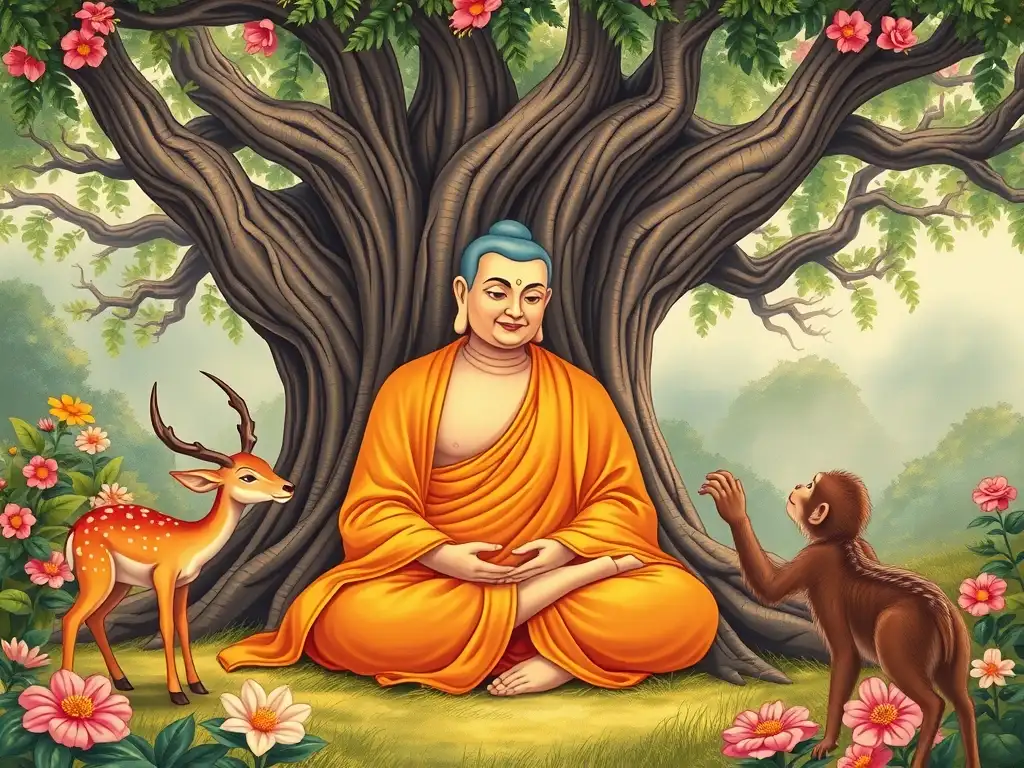
The Jataka Tales are an important part of Buddhist literature, comprising stories that narrate the previous lives of the Buddha as a Bodhisattva. Each tale is designed to impart moral lessons and ethical principles, showcasing the virtues that lead to enlightenment. The characters within these tales, especially the Bodhisattva, serve as role models, embodying virtues such as compassion, wisdom, and self-sacrifice. Understanding these key figures is essential for grasping the moral and philosophical teachings embedded in the Jataka Tales in Buddhist culture.
Bodhisattva: The Central Figure in Jataka Tales
At the heart of the Jataka Tales is the Bodhisattva, a being who seeks enlightenment not only for themselves but for all sentient beings. This selfless aspiration makes the Bodhisattva a pivotal figure in Buddhist philosophy and practice. The narratives often depict the Bodhisattva in various incarnations, demonstrating different qualities that contribute to their ultimate goal of achieving Buddhahood.
- Self-Sacrifice: Many stories highlight the Bodhisattva's willingness to sacrifice their own comfort or even life for the benefit of others. For example, in the "Mahājanaka Jātaka," the Bodhisattva sacrifices his life to save others from drowning, illustrating the virtue of selflessness.
- Wisdom: The Bodhisattva often employs cleverness and wisdom to resolve conflicts or to educate others. In the "Khadira Vana Jātaka," the Bodhisattva uses his intelligence to outsmart adversaries, showcasing the importance of wisdom in overcoming challenges.
- Compassion: Compassion is a core quality of the Bodhisattva, reflected in their interactions with other beings. The "Sasa Jātaka" tells of the Bodhisattva as a hare who offers himself as food to a hungry traveler, emphasizing the depth of compassion and altruism.
Overall, the Bodhisattva's character serves not only as a narrative device but also as an embodiment of the qualities that followers of Buddhism strive to cultivate.
Other Notable Characters in Jataka Tales
While the Bodhisattva is the central figure, the Jataka Tales also feature a variety of other characters, including animals, kings, and common folk. Each character plays a critical role in the narrative and contributes to the moral lesson conveyed through the tale.
Animals and Their Symbolism in Jataka Narratives
Animals frequently appear in the Jataka Tales, often representing human traits and serving as vehicles for moral lessons. The use of animal characters allows the stories to transcend cultural and temporal boundaries, making them relatable across different societies.
- The Clever Rabbit: Often depicted as intelligent and resourceful, the rabbit in tales like the "Sasa Jātaka" symbolizes cleverness and the ability to think on one's feet in dire situations.
- The Wise Elephant: Elephants, representing strength and wisdom, appear in various Jataka Tales, such as the "Daddabaruka Jātaka," where the elephant's wisdom helps resolve conflicts peacefully.
- The Loyal Dog: Dogs are often portrayed as loyal companions, highlighting virtues like fidelity and devotion. In the "Nakkhatta Jātaka," a dog's loyalty becomes instrumental in achieving a greater good.
These animal characters illustrate complex human traits and offer profound insights into ethical behavior and virtues.
Human Characters and Their Lessons
Human characters in the Jataka Tales serve to highlight the societal norms and ethical dilemmas of ancient Indian civilization. They often embody flaws or virtues that are central to the moral teachings of the stories.
- Kings and Rulers: Many tales feature kings who must decide between their own interests and the welfare of their subjects. The "Vasudeva Jātaka" presents a king who learns the importance of justice and compassion through trials and tribulations.
- Common Folk: Stories involving common people illustrate virtues such as honesty, humility, and integrity. In the "Madhura Jātaka," a poor man’s honesty leads to his eventual prosperity, imparting the lesson that integrity is ultimately rewarding.
- Brahmins and Ascetics: These characters often represent the intellectual and spiritual aspirations of society. In the "Brahmadatta Jātaka," a wise Brahmin teaches others the value of knowledge and self-discipline.
Through these human characters, the Jataka Tales impart essential life lessons while reflecting the social fabric of ancient India, thereby adding depth to the understanding of Jataka Tales in Buddhist culture.
The Role of Jataka Tales in Early Buddhism

The Jataka Tales, a collection of stories about the previous lives of the Buddha, represent a significant aspect of early Buddhist literature. These tales not only illustrate the moral and ethical principles central to Buddhist teachings but also serve as a vehicle for imparting wisdom and cultural values across generations. The narratives often feature the Buddha in various forms, showcasing his virtues like compassion, wisdom, and self-sacrifice. The rich tapestry of the Jataka Tales provides insight into the societal norms and values prevalent during the time they were composed, making them an invaluable resource for understanding early Buddhist culture.
Jataka Tales as Educational Tools
The Jataka Tales function as effective educational tools within Buddhist culture. Their primary purpose is to impart moral lessons through engaging narratives that resonate with listeners of all ages. These stories often incorporate animals and fantastical elements, making them accessible and relatable.
Key Educational Aspects:
- Moral Instruction: Each tale concludes with a moral lesson, often highlighting virtues such as kindness, honesty, and perseverance. For instance, the story of "The Golden Goose" emphasizes the importance of generosity and selflessness.
- Storytelling Tradition: Traditionally, these tales were recited in monastic settings or during community gatherings, fostering a culture of storytelling that reinforces communal values.
- Memorable Characters: The characters, whether human or animal, often embody specific traits that serve as archetypes for ethical behavior, enabling listeners to remember and internalize the lessons more effectively.
The engaging nature of these tales ensures that teachings are not just theoretical but are illustrated through real-life scenarios, making them more impactful.
Influence on Buddhist Teachings and Ethics
The Jataka Tales have had a profound influence on the development of Buddhist teachings and ethics. They reflect the core tenets of Buddhism, particularly the concepts of karma and rebirth, integral to understanding the Buddha's path to enlightenment.
Ethical Framework:
- Karma and Rebirth: Many stories illustrate the consequences of actions, reinforcing the belief in karma. For example, in "The Lion's Roar," the narrative demonstrates how virtuous actions lead to favorable rebirths, while negative actions result in suffering.
- Compassion and Altruism: The tales frequently depict the Buddha's previous lives where he exemplifies compassion, teaching followers the importance of altruism. For example, in "The Rabbit's Sacrifice," the Buddha sacrifices himself to save another, showcasing ultimate selflessness.
- Role Models: The figures in these tales often serve as role models for practitioners, encouraging them to emulate positive traits in their own lives and interactions with others.
By embedding ethical lessons within captivating narratives, the Jataka Tales effectively communicate complex philosophical ideas in an accessible manner.
Preservation of Cultural Values in Jataka Stories
Beyond their educational and ethical functions, the Jataka Tales play a crucial role in preserving the cultural values of ancient Indian society. These stories reflect the customs, beliefs, and societal norms of the time, offering a window into the historical context of Buddhism.
Cultural Significance:
- Reflection of Society: The tales often incorporate elements of the daily life and struggles of ancient Indians, such as agriculture, animal husbandry, and social hierarchies. This inclusion provides a rich context for understanding the socio-economic conditions of the era.
- Integration of Local Beliefs: Many Jataka Tales integrate local folklore and beliefs, showcasing the syncretic nature of Buddhism as it spread across different regions. This adaptability helped Buddhism to resonate with diverse cultures.
- Transmission of Values: By embedding cultural values within the stories, the Jataka Tales serve as a medium for transmitting societal norms, ensuring that essential values are upheld and passed down through generations.
As a result, the Jataka Tales are not just religious texts but are also vital cultural artifacts that encapsulate the ethos of ancient Indian civilization, making them a treasure trove for historians and scholars alike.
Jataka Tales in Buddhist Art and Literature

Depictions of Jataka Tales in Ancient Art
The Jataka Tales, which narrate the previous lives of the Buddha in various forms, have been a significant source of inspiration for ancient Indian art. These tales often depict the moral lessons and virtues embodied by the Buddha, making them powerful storytelling tools in visual form.
Common Themes in Artistic Representations
Ancient artists commonly focused on several key themes from the Jataka Tales, including:
- Compassion: Many stories emphasize the importance of compassion, as seen in tales where the Buddha, in a past life, sacrifices himself for the welfare of others.
- Wisdom: Illustrations of the Buddha displaying wisdom through clever solutions to problems are also prevalent, highlighting the importance of intellect in overcoming challenges.
- Generosity: The tales frequently celebrate acts of generosity, showcasing the Buddha's commitment to charity and selflessness.
Iconography and Symbolism
Artisans utilized specific iconographic elements to represent the Jataka Tales effectively:
| Symbol | Meaning |
|---|---|
| Lotus Flower | Purity and enlightenment |
| Elephant | Strength and wisdom |
| Deer | Peace and harmony |
| Bodhi Tree | Enlightenment and awakening |
The use of these symbols helps to convey the deeper philosophical messages inherent in the Jataka Tales, allowing viewers to grasp the narratives even without textual explanations.
Jataka Tales in Buddhist Texts and Scriptures
The Jataka Tales are not only integral to Buddhist art but also form a crucial part of Buddhist literature. These tales are primarily found in the Pali Canon, specifically in the Khuddaka Nikaya, where they serve as moral and ethical teachings.
Structure and Composition
The Jataka Tales are typically composed in a simple narrative style, making them accessible to a wide audience. Each tale follows a specific structure:
- Introduction: The setting is established, often introducing the characters and context.
- Conflict: A problem or moral dilemma arises, presenting a challenge that the protagonist must face.
- Resolution: The story culminates in a resolution that often illustrates a moral lesson or virtue.
Importance in Buddhist Teaching
The Jataka Tales serve various functions within Buddhist teaching:
- Moral Instruction: They provide clear examples of ethical behavior, helping followers understand the importance of virtues like kindness, patience, and humility.
- Cultural Transmission: These tales played a vital role in transmitting Buddhist teachings across generations, ensuring that core philosophies remained accessible.
- Engaging Narrative: The engaging and often whimsical nature of the stories captures the imagination, making complex philosophical ideas more relatable.
The enduring popularity of the Jataka Tales in Buddhist culture demonstrates their profound impact on the development of Buddhist thought and practice, making them a cornerstone of both literature and art within this rich tradition.
The Impact of Jataka Tales on Later Buddhist Traditions

The Jataka Tales, a collection of narratives detailing the previous lives of the Buddha, have profoundly influenced various Buddhist traditions, particularly Theravada and Mahayana Buddhism. These tales not only serve as moral fables but also embody the teachings of compassion, wisdom, and selflessness, which are central to the Buddhist ethos. Their impact can be seen in the ethical teachings, artistic expressions, and cultural practices of later Buddhist communities.
Jataka Tales in Theravada Buddhism
In Theravada Buddhism, the Jataka Tales hold a place of significant reverence. They are primarily included in the Pali Canon, specifically in the Khuddaka Nikaya. These narratives portray the Bodhisattva's various incarnations, emphasizing his development of virtues such as generosity (dāna), moral conduct (sīla), and mental cultivation (bhāvanā).
- Moral Lessons: Each Jataka tale concludes with a moral, reinforcing key Buddhist principles. For instance, in the Jataka of the "Golden Goose," the theme of sacrifice for the sake of others is prominent. This not only illustrates the importance of altruism but also serves as a guide for ethical behavior in Theravada societies.
- Cultural Significance: The Jataka Tales are often recited during religious ceremonies and festivals, reflecting their integral role in the spiritual life of Theravada Buddhists. They are also depicted in various forms of art, including murals and sculptures, which serve to educate and inspire community members.
- Educational Tool: Monasteries often use the Jataka Tales as pedagogical tools for teaching moral lessons to children and novices, imbuing them with the foundational values of Buddhism from an early age. The stories foster a sense of identity and continuity within the Theravada tradition.
Adaptations of Jataka Tales in Mahayana Buddhism
The Mahayana tradition has also embraced the Jataka Tales, interpreting them through a broader lens that emphasizes the ideal of the Bodhisattva. While retaining the core messages, Mahayana adaptations often expand upon the narratives to highlight the compassion and wisdom of the Bodhisattva path.
- Diverse Interpretations: In Mahayana Buddhism, the Jataka Tales are frequently retold with a focus on the Bodhisattva's universal compassion. For example, the story of "The Elephant King" is adapted to showcase the Bodhisattva's selflessness in protecting others, reinforcing the Mahayana ideal of working for the liberation of all sentient beings.
- Integration into Sutras: Many Mahayana texts reference the Jataka Tales, integrating them into larger narratives that elaborate on Buddhist philosophy. This integration allows for a richer understanding of the Bodhisattva's journey and the various paths toward enlightenment.
- Artistic Representations: Mahayana art and literature often draw inspiration from the Jataka Tales, depicting scenes that illustrate the Bodhisattva's virtues. These artistic expressions serve not only as cultural artifacts but also as tools for meditation and reflection on the teachings of compassion and wisdom.
The Jataka Tales, in their various forms, continue to play a vital role in shaping the ethical and cultural landscape of Buddhist traditions, demonstrating their enduring legacy in both Theravada and Mahayana Buddhism.
Conclusion: The Enduring Legacy of Jataka Tales in Buddhist Culture

The Jataka Tales, a remarkable collection of stories narrating the previous lives of the Buddha, hold a significant place in Buddhist culture. These tales, which emphasize moral lessons and the virtues of compassion, wisdom, and self-sacrifice, serve as a vital tool for understanding the ethical framework of Buddhism. The narratives encapsulate the essence of the Buddha's teachings, offering insights into the nature of existence, the cycle of rebirth, and the importance of karma.
The enduring legacy of the Jataka Tales is evident in their widespread dissemination across various cultures and regions. They have been translated into numerous languages and adapted into diverse artistic expressions, such as paintings, sculptures, and performance arts. Through these adaptations, the Jataka Tales have transcended geographical boundaries, becoming a universal source of inspiration and moral guidance.
Reflection on the Importance of Jataka Tales in Understanding Buddhism
The Jataka Tales are instrumental in elucidating the core principles of Buddhism. Each story, with its unique plot, showcases the character development of the Buddha in previous incarnations, highlighting the virtues necessary for spiritual growth. For instance, in the "Tale of the Monkey King," the protagonist demonstrates selflessness and leadership, embodying the qualities that Buddhists aspire to cultivate.
These tales are not merely stories; they function as a pedagogical tool designed to impart moral lessons. They often present dilemmas faced by the Buddha in his past lives, allowing readers to reflect on ethical decisions and the consequences of actions. As such, they serve as a narrative framework for discussing complex philosophical concepts, making them accessible to a broader audience.
In addition to their moral teachings, the Jataka Tales reflect the cultural and social contexts of ancient India. They provide insights into the customs, beliefs, and societal norms of the time, thus enriching our understanding of early Buddhist culture. By studying these tales, scholars gain a deeper appreciation for the historical evolution of Buddhist thought and practice.
The Continued Relevance of Jataka Tales in Modern Contexts
In contemporary society, the Jataka Tales continue to resonate with audiences, transcending their religious roots to offer universal values. The themes of compassion, resilience, and ethical living are more relevant than ever, as individuals navigate the complexities of modern life.
Many educational institutions and organizations incorporate these tales into their curricula and programs to promote moral development and critical thinking. The stories serve as a springboard for discussions on ethics, personal responsibility, and social justice.
Moreover, the adaptability of the Jataka Tales allows them to find expression in various modern media, including animated series, children's books, and theatrical performances. This versatility not only keeps the tales alive but also introduces them to new generations, ensuring their principles remain ingrained in the cultural consciousness.
The Jataka Tales in Buddhist culture represent a profound legacy that continues to offer moral guidance and cultural insight. Their timeless messages and adaptability ensure their relevance in both educational contexts and everyday life, reinforcing the values that underpin Buddhist philosophy.
Frequently Asked Questions
What are the Jataka Tales?
The Jataka Tales are a collection of Buddhist stories that recount the previous lives of the Buddha, illustrating moral lessons and virtues. They serve as a key component of Buddhist literature and teachings.
How do the Jataka Tales contribute to Buddhist culture?
The Jataka Tales play a crucial role in Buddhist culture by imparting ethical values and spiritual wisdom. They are often used for teaching purposes in monastic settings and are beloved by followers for their engaging narratives.
Who are the main figures in the Jataka Tales?
The main figure in the Jataka Tales is the Buddha, who appears in various forms across different stories, often embodying qualities like compassion and wisdom. Other figures may include animals and humans that illustrate moral lessons.
Why are the Jataka Tales significant in ancient Indian history?
The Jataka Tales are significant as they reflect the cultural and moral landscape of ancient Indian society. They provide insights into the values and beliefs of the time, influencing both Buddhism and Indian literature.
How have the Jataka Tales influenced modern literature?
The Jataka Tales continue to inspire modern literature and storytelling, with their themes of rebirth, morality, and compassion resonating in various forms of art and literature, promoting universal values beyond their original context.
Final Reflection: The Enduring Legacy of Jataka Tales in Buddhist Culture
The Jataka Tales serve as a profound testament to the moral and ethical teachings that have shaped Buddhist culture for centuries. In a world increasingly driven by individualism and materialism, these ancient stories remind us of the importance of compassion, selflessness, and the interconnectedness of all beings. The timeless lessons embedded within these narratives resonate deeply today, urging us to reflect on our actions and their impact on others.
Culturally, the Jataka Tales have transcended their origins, influencing not only religious practices but also art, literature, and social values across various societies. Their ability to convey complex moral dilemmas through simple yet powerful narratives speaks to their universal appeal. As the renowned scholar Joseph Campbell once said, "> A hero is someone who has given his or her life to something bigger than oneself." This notion is vividly illustrated in the Jataka Tales, where the protagonists often embody the spirit of sacrifice and altruism, encouraging us to aspire to similar virtues in our own lives.
As we contemplate the lessons of the Jataka Tales, let us take a moment to reflect on our own journeys. How can we embody the values of kindness and wisdom in our daily interactions? I invite you to explore these stories, not just as relics of the past, but as guiding principles for the present and future. Embrace the teachings of the Jataka Tales and allow them to inspire you to cultivate a more compassionate and mindful existence, fostering a deeper connection with the world around you.
Embark on Your Journey Through the Jataka Tales!
Thank you for diving into the fascinating world of the Jataka Tales and the influential figures within early Buddhist stories. We hope you’ve uncovered insights that inspire you to explore further! Now, it’s your turn to take action and deepen your understanding of these timeless narratives.
Here are a few ways you can engage with the teachings and wisdom of the Jataka Tales:
- Immerse Yourself: Read a Jataka Tale each week and reflect on its moral lessons. Consider how these ancient teachings can apply to your daily life.
- Share Your Insights: Initiate a conversation with friends or family about the Jataka Tales. Which lessons resonate with you the most?
- Join a Community: Connect with online forums or local groups that focus on Buddhist literature to exchange thoughts and perspectives on these incredible stories.
What’s the most surprising lesson you’ve encountered in a Jataka Tale, and how do you plan to incorporate it into your life?