
The Historical Figures Who Shaped Buddhism: Leaders and Innovators


Welcome to Ancient India History, where we embark on a fascinating journey through the rich tapestry of ancient Indian civilizations. Discover the profound influence of historical figures who shaped Buddhism, from visionary leaders to innovative thinkers, who left an indelible mark on the spiritual landscape of India.
As we delve into the stories of these remarkable individuals, you'll uncover the intricate connections between their lives and the flourishing of Buddhism as a major world religion. Join us as we explore the legacies that continue to resonate through time, and let your curiosity guide you deeper into the annals of ancient Indian religions.
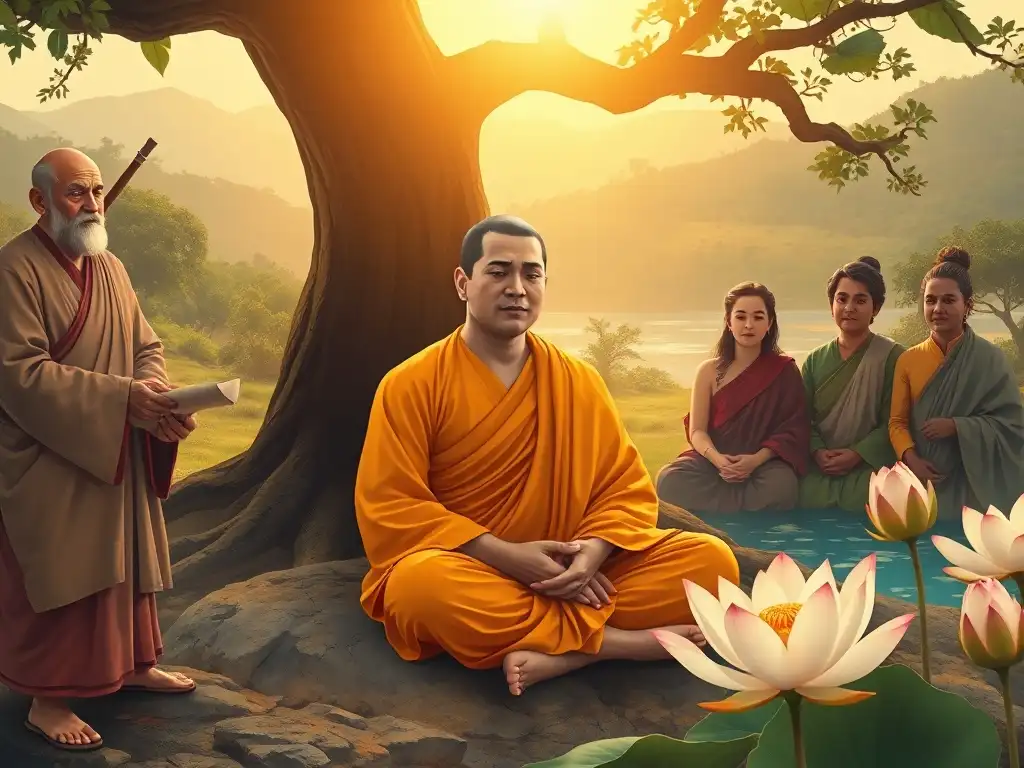
Introduction to Buddhism Historical Figures in India
Buddhism, one of the world's major religions, has its roots deeply embedded in the rich tapestry of ancient Indian civilization. Emerging around the 5th century BCE, Buddhism introduced a profound philosophical framework that emphasized personal spiritual development and the pursuit of enlightenment. The historical figures associated with Buddhism, particularly within India, played pivotal roles in shaping its teachings, practices, and dissemination.
These individuals not only influenced the religious landscape of their time but also contributed to the larger cultural and social dynamics of ancient India. This article explores the significant leaders and innovators who shaped Buddhism, providing a detailed examination of their lives, teachings, and lasting impact on both India and the world.
Overview of Buddhism's Origins and Influence
Buddhism traces its origins to Siddhartha Gautama, known as the Buddha, who lived and taught in the northeastern regions of India. The foundational principles of Buddhism emerged from his quest for understanding the nature of suffering and the path to liberation. The teachings of Buddhism emphasize the Four Noble Truths and the Eightfold Path, guiding followers towards ethical conduct, mental discipline, and wisdom.
The influence of Buddhism extended beyond India, reaching countries across Asia, including Sri Lanka, China, Japan, and Tibet. As it spread, Buddhism adapted to various cultural contexts, leading to the development of diverse schools of thought, such as Theravada, Mahayana, and Vajrayana. Each tradition contributed to the rich philosophical discourse and practices that continue to thrive today.
Importance of Historical Figures in the Development of Buddhism
The historical figures who emerged during the formative years of Buddhism played crucial roles in its development and propagation. From the Buddha himself to later monks, scholars, and rulers, these individuals helped articulate Buddhist teachings, established monastic communities, and engaged with political powers to secure the religion's place within society.
Noteworthy figures include Ashoka the Great, an emperor who promoted Buddhism through edicts and missions, and Nagarjuna, a philosopher whose writings on emptiness and dependent origination laid the groundwork for later Mahayana thought. Understanding the contributions of these historical figures is essential for grasping how Buddhism evolved and adapted through the centuries, influencing millions around the globe.
Siddhartha Gautama: The Buddha
Early Life and Enlightenment
Siddhartha Gautama was born into a royal family in Lumbini (modern-day Nepal) around the 5th century BCE. Shielded from the harsh realities of life, he lived in luxury until he encountered the "four sights": an old man, a sick person, a dead body, and an ascetic. These experiences ignited a deep existential crisis within him, prompting Siddhartha to renounce his royal life and seek the truth about suffering.
After years of ascetic practices, Siddhartha discovered that neither extreme indulgence nor severe austerity led to enlightenment. Instead, he adopted the Middle Way, a balanced approach to spiritual practice. Ultimately, under the Bodhi tree in Bodh Gaya, he attained enlightenment, becoming the Buddha, or "the Awakened One." This pivotal moment marked the beginning of his mission to teach others the path to liberation.
Teachings and Principles of Buddhism
The core teachings of the Buddha, encapsulated in the Four Noble Truths, highlight the nature of suffering and the path to its cessation:
- The Truth of Suffering (Dukkha): Acknowledges that suffering is an inherent aspect of existence.
- The Truth of the Cause of Suffering (Samudaya): Identifies desire and attachment as the root causes of suffering.
- The Truth of the End of Suffering (Nirodha): Asserts that it is possible to overcome suffering.
- The Truth of the Path to End Suffering (Magga): Guides followers along the Eightfold Path, which includes right understanding, intention, speech, action, livelihood, effort, mindfulness, and concentration.
These teachings not only provided a framework for individual practice but also influenced the ethical and social norms of the communities that embraced Buddhism.
Influence on Buddhism's Spread in India and Beyond
The Buddha's teachings gained traction in India, where they resonated with diverse audiences, including the merchant class and disillusioned Brahmins. His emphasis on personal experience and meditation attracted many followers, leading to the establishment of monastic communities that became centers of learning and spiritual practice.
As Buddhism spread, various historical figures, such as Emperor Ashoka, played instrumental roles in its propagation. Ashoka's support for Buddhism, exemplified by his edicts promoting non-violence and moral conduct, facilitated its growth across the Indian subcontinent and beyond. The legacy of Siddhartha Gautama and those who followed him continues to shape the spiritual landscape, as Buddhism remains a vibrant force in the world today.
Ashoka the Great: The Patron of Buddhism
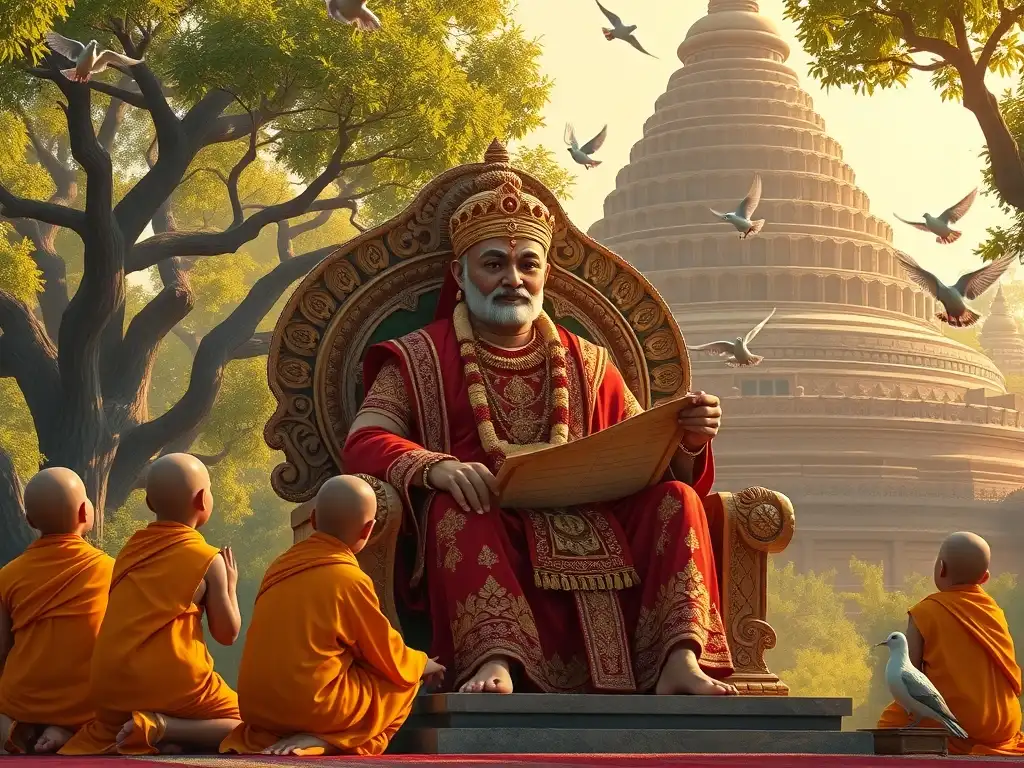
Ashoka the Great, one of India's most renowned emperors, reigned from 268 to 232 BCE and is often credited with the significant spread of Buddhism throughout the Indian subcontinent and beyond. His profound influence on Buddhism stemmed from his conversion to the religion after witnessing the devastating effects of war, particularly during the Kalinga War, where countless lives were lost. This pivotal moment transformed Ashoka’s worldview, leading him to embrace the principles of non-violence, compassion, and moral governance, which he sought to implement across his empire.
Under Ashoka's patronage, Buddhism flourished as a state-supported religion. He established monasteries and stupas, promoted the establishment of the Sangha (the Buddhist community), and provided resources for the sustenance of monks. Ashoka’s reign not only marked the consolidation of Buddhism as a major religious force but also encouraged the integration of Buddhist values into the fabric of Indian society.
Ashoka's Conversion to Buddhism and Its Impact
Ashoka's conversion to Buddhism is often seen as a critical turning point in Indian history. After the bloody Kalinga War, which resulted in immense suffering and loss, Ashoka experienced a deep moral awakening. This led him to renounce violence and adopt the teachings of the Buddha, emphasizing the path of Dharma. His conversion had profound implications, both within his empire and across Asia.
The impact of Ashoka’s conversion was multifaceted:
- Moral Governance: Ashoka implemented policies that focused on ethical governance, promoting welfare and justice.
- Support for Buddhist Monasticism: His patronage led to the establishment of numerous monasteries, facilitating the growth of the monastic community.
- Cultural Integration: Through his embrace of Buddhism, Ashoka fostered a culture of tolerance and acceptance, paving the way for diverse religious practices to coexist.
The Edicts of Ashoka and Promotion of Dharma
Ashoka’s Edicts, inscribed on pillars and rocks throughout his empire, serve as a testament to his commitment to Buddhism and the moral values it espouses. These edicts, written in various languages, communicate Ashoka’s vision for a just and compassionate society. They emphasize principles such as non-violence (Ahimsa), truthfulness, and respect for all forms of life.
The key messages from the Edicts include:
- Promotion of Dharma: Ashoka encouraged the practice of Dharma, which encompasses moral living, ethical conduct, and social responsibility.
- Religious Tolerance: The edicts advocate for respect and understanding among different religious communities, reflecting Ashoka’s commitment to pluralism.
- Social Welfare: Ashoka’s focus on the welfare of his subjects is evident through initiatives such as the establishment of hospitals, planting of trees, and digging of wells for the common good.
Ashoka's Role in the International Spread of Buddhism
Ashoka’s influence extended far beyond the borders of India, playing a crucial role in the international spread of Buddhism. His diplomatic missions and emissaries were instrumental in introducing Buddhist teachings to various regions, including Central Asia, Southeast Asia, and parts of the Mediterranean.
Key aspects of Ashoka’s role in the spread of Buddhism include:
- Emissaries to Foreign Lands: Ashoka dispatched Buddhist missionaries, including his own son Mahinda and daughter Sanghamitta, to regions like Sri Lanka, which became a significant center for Buddhism.
- Cultural Exchange: The interactions facilitated by Ashoka’s diplomatic efforts led to the spread of Buddhist art, literature, and philosophy, enriching the cultural tapestry of the regions involved.
- Establishment of Trade Routes: The stability and prosperity of the Mauryan Empire under Ashoka fostered trade routes that not only promoted commerce but also the exchange of ideas and beliefs.
Nagarjuna: The Philosopher of Emptiness
Nagarjuna, a pivotal figure in Buddhist philosophy, lived around the 2nd century CE and is best known for his development of the concept of "emptiness" (śūnyatā). As a philosopher and founder of the Madhyamaka school of thought, Nagarjuna's contributions have had a lasting impact on both Theravada and Mahayana Buddhism. His teachings challenged existing notions of reality, paving the way for deeper philosophical discussions within the tradition.
Nagarjuna’s philosophy centered around the idea that all phenomena are empty of intrinsic existence, suggesting that understanding this emptiness is key to overcoming suffering. His works have influenced countless Buddhist thinkers and continue to be studied in contemporary philosophy.
Life and Background of Nagarjuna
Details about Nagarjuna's life are somewhat sparse, but it is widely believed that he was born in South India and later moved to the region of present-day Andhra Pradesh. He is often associated with the city of Nalanda, a renowned center of learning during his time.
- Education and Influence: Nagarjuna was said to have been trained in various philosophical traditions before developing his own ideas. His works often engage with earlier Buddhist texts and contemporary philosophical debates.
- Monastic Life: As a monk, Nagarjuna dedicated himself to the practice and teaching of Buddhism, emphasizing the importance of meditation and insight in understanding the nature of reality.
Key Teachings and Contributions to Buddhist Philosophy
Nagarjuna's contributions to Buddhist philosophy are vast, with his most notable teaching being the doctrine of emptiness. His seminal work, the Mūlamadhyamakakārikā (Fundamental Verses on the Middle Way), articulates his philosophical views and critiques various schools of thought.
Key teachings include:
- Emptiness (śūnyatā): Nagarjuna argued that all phenomena lack inherent existence, which leads to the understanding that everything is interdependent and conditioned.
- Two Truths Doctrine: He introduced the distinction between conventional truth (the everyday reality we experience) and ultimate truth (the deeper understanding of emptiness), providing a framework for understanding Buddhist teachings.
- Middle Way: Nagarjuna emphasized a middle path that avoids the extremes of eternalism and nihilism, promoting a balanced approach to understanding reality.
The Influence of Nagarjuna on Mahayana Buddhism
Nagarjuna's philosophical frameworks significantly shaped Mahayana Buddhism, solidifying his role as one of its most influential thinkers. His ideas not only provided a robust philosophical foundation for Mahayana teachings but also influenced various Buddhist schools that emerged later.
The influence of Nagarjuna can be seen in:
- Development of Mahayana Thought: His concepts of emptiness and the two truths became cornerstones of Mahayana philosophy, influencing later philosophers and texts.
- Integration of Emptiness into Practice: Nagarjuna’s teachings encouraged practitioners to approach meditation and ethical living with an understanding of emptiness, leading to a more profound realization of the nature of suffering and liberation.
- Cross-Cultural Impact: Nagarjuna's influence extended beyond India, affecting Buddhist thought in Tibet, China, and Japan, where his ideas were integrated into various schools of Mahayana Buddhism.
Through his profound insights and philosophical innovations, Nagarjuna remains a central figure in the study and practice of Buddhism, embodying the rich intellectual tradition that has characterized this ancient religion.
Padmasambhava: The Guru of the Lotus
Padmasambhava, often referred to as the "Guru of the Lotus," is a pivotal figure in the history of Buddhism, particularly in the context of Tibetan Buddhism. He is credited with bringing Buddhism to Tibet in the 8th century CE and played a crucial role in establishing the Nyingma school, the oldest school of Tibetan Buddhism. His life and teachings are steeped in legend, combining historical elements with mythological narratives that highlight his significance in the spiritual landscape of Buddhism.
Padmasambhava is often depicted as a figure of great power and wisdom, embodying the qualities of compassion and skillful means. He is associated with various Buddhist deities and practices, and his teachings emphasize the importance of meditation, ritual, and the transformative potential of the mind. His influence extends beyond Tibet, impacting Buddhist practices and beliefs in regions such as Bhutan, Mongolia, and the Himalayas.
Padmasambhava’s Role in the Establishment of Tibetan Buddhism
Padmasambhava's journey to Tibet marks a critical turning point in the spread of Buddhism beyond India. Invited by King Trisong Detsen, Padmasambhava is said to have subdued local deities and spirits, integrating them into the Buddhist framework, which facilitated the acceptance of Buddhism among the Tibetan people. He is credited with the establishment of the first Buddhist monastery in Tibet, Samye Monastery, which became a center for Buddhist learning and practice.
His efforts in translating texts from Sanskrit to Tibetan and promoting the teachings of the Buddha helped to lay the groundwork for a distinctly Tibetan form of Buddhism. Padmasambhava's approach was characterized by the incorporation of indigenous beliefs and practices, which made Buddhism more accessible and relatable to the Tibetan populace.
Key Teachings and Practices Introduced by Padmasambhava
Padmasambhava introduced several key teachings and practices that have become fundamental to Tibetan Buddhism. Among these is the concept of Dzogchen, or the "Great Perfection," which focuses on recognizing the innate purity of one’s mind and the importance of direct experience over intellectual understanding. His teachings often emphasized the use of meditation, visualization, and mantra recitation as means to achieve enlightenment.
He also introduced various rituals and practices, including the use of thangka paintings and pujas (ceremonial offerings), which serve to facilitate spiritual connection and devotion. Padmasambhava’s teachings encourage practitioners to harness their emotions and experiences as part of their spiritual journey, fostering a deep and personal connection to the teachings of the Buddha.
Legacy and Reverence in Buddhist Traditions
The legacy of Padmasambhava is profound, with his influence permeating various Buddhist traditions. He is revered as a Buddha in his own right, and many practitioners consider him a personal teacher. The Nyingma school holds him in particular esteem, celebrating his teachings through various texts and oral traditions.
His birth, life, and achievements are celebrated in countless rituals and festivals, and his stories continue to inspire practitioners to this day. The practice of Guru Yoga, which emphasizes devotion to a spiritual teacher, is heavily influenced by Padmasambhava's teachings, underscoring his lasting impact on the spiritual practices of Tibetan Buddhism. Statues, stupas, and temples dedicated to Padmasambhava can be found throughout Tibet and in Tibetan communities worldwide, symbolizing his enduring presence and the continued relevance of his teachings.
The Role of Female Figures in Buddhism

The role of female figures in the history of Buddhism is often overlooked, yet these women played crucial roles in shaping the teachings and communities. From early disciples of the Buddha to influential monastic leaders, women have made significant contributions to the spread and interpretation of Buddhist teachings. Their stories reflect the complexities of gender dynamics within Buddhist societies and highlight the important spiritual contributions of women.
These female figures not only participated in the spiritual practices of Buddhism but also served as teachers, leaders, and role models for future generations. Their involvement challenges traditional narratives that primarily focus on male figures and encourages a broader understanding of Buddhism's development.
Mahapajapati Gotami: The First Female Ordained Monk
Mahapajapati Gotami is perhaps the most prominent female figure in early Buddhism, recognized as the first woman to be ordained as a monk. She was the aunt and foster mother of Siddhartha Gautama (the Buddha) and played a vital role in the early Buddhist community. After the Buddha's enlightenment, Mahapajapati sought to become a nun, advocating for the inclusion of women in the monastic order.
Despite initial resistance from the Buddha, Mahapajapati's persistence led to the establishment of the Bhikkhuni Sangha, the order of female monks. This marked a significant moment in Buddhist history, as it allowed women to partake fully in the spiritual life, receiving the same teachings and opportunities for enlightenment as their male counterparts. Mahapajapati's legacy continues to inspire discussions surrounding gender equality in Buddhism today.
Other Influential Women in Early Buddhism
In addition to Mahapajapati Gotami, numerous other women played significant roles in early Buddhism. Figures such as Khema, Sundari Nanda, and Visakha are notable for their deep understanding of the teachings and their contributions to the Buddhist community. Khema, for instance, was a prominent disciple of the Buddha, known for her wisdom and insight. She is often cited in texts for her profound realizations and teachings on non-attachment.
Visakha, a wealthy laywoman, is celebrated for her generosity and support of the monastic community. She used her resources to provide for the needs of monks and nuns, fostering a thriving community of practice. These women, among others, not only exemplified the principles of Buddhism but also shaped its development through their teachings, leadership, and unwavering dedication to the path of enlightenment.
Contributions of Female Figures to Buddhist Teachings and Practices
Female figures in Buddhism have contributed significantly to the development of teachings and practices that emphasize compassion, wisdom, and community engagement. Their involvement in the early monastic community helped to establish guidelines for the conduct of nuns and laywomen, promoting a more inclusive understanding of spiritual practice.
Women’s teachings often focus on the importance of compassion and interconnectedness, offering perspectives that enrich the broader Buddhist narrative. The stories of these women serve to illuminate the diverse experiences within the Buddhist tradition and highlight the essential roles that female figures have played in shaping the spiritual landscape of Buddhism.
Moreover, contemporary movements within Buddhism are increasingly recognizing and celebrating the contributions of women, leading to a renaissance of female leadership and scholarship in Buddhist communities worldwide. This ongoing evolution reflects a growing acknowledgment of the integral role women have always played in the teachings and practices of Buddhism, ensuring that their voices continue to be heard and valued in the tradition.
The Impact of Historical Figures on the Spread of Buddhism
The spread of Buddhism throughout India and beyond was significantly influenced by a number of historical figures whose teachings, leadership, and policies played vital roles in its development. From the time of Siddhartha Gautama, known as the Buddha, to the later emperors and missionaries, these individuals not only propagated the faith but also shaped its practices and institutions. Their efforts facilitated the transition of Buddhism from a localized tradition to a major world religion, impacting millions across various cultures and regions.
Notably, Ashoka the Great, the Mauryan emperor who reigned from 268 to 232 BCE, is often credited with the widespread dissemination of Buddhism. After his conversion following the Kalinga War, he adopted Buddhist principles of non-violence and compassion, promoting these values throughout his empire. Ashoka sent missionaries to various regions, including Sri Lanka and Central Asia, significantly broadening the reach of Buddhism. His edicts, inscribed on rocks and pillars, serve as historical testaments to his dedication to the spread of Buddhist teachings.
How Leaders Influenced Regional and International Buddhist Practices
Leaders throughout history played a pivotal role in shaping regional and international Buddhist practices. Their influence can be seen in various ways, such as through royal patronage, the establishment of monastic communities, and the creation of educational institutions.
- Royal Patronage: Kings and rulers often embraced Buddhism, which helped to institutionalize the religion. For instance, during the reign of Ashoka, one of the most significant contributions was the establishment of stupas and monasteries that became centers of learning and pilgrimage.
- Monastic Communities: Leaders like Ananda, a close disciple of the Buddha, helped establish monastic rules and practices that formed the foundation of the monastic community (Sangha). This community became crucial for the preservation and dissemination of Buddhist teachings.
- Educational Institutions: Historical figures such as Nagarjuna and Vasubandhu contributed to the philosophical discourse of Buddhism and established centers of learning like Nalanda University. These institutions attracted students from across Asia and fostered a rich exchange of ideas, further promoting the growth of Buddhism.
The actions of these leaders not only solidified Buddhism’s presence in India but also facilitated its expansion into neighboring regions, allowing for diverse interpretations and practices of the faith.
The Role of Historical Figures in the Adaptation of Buddhism Across Cultures
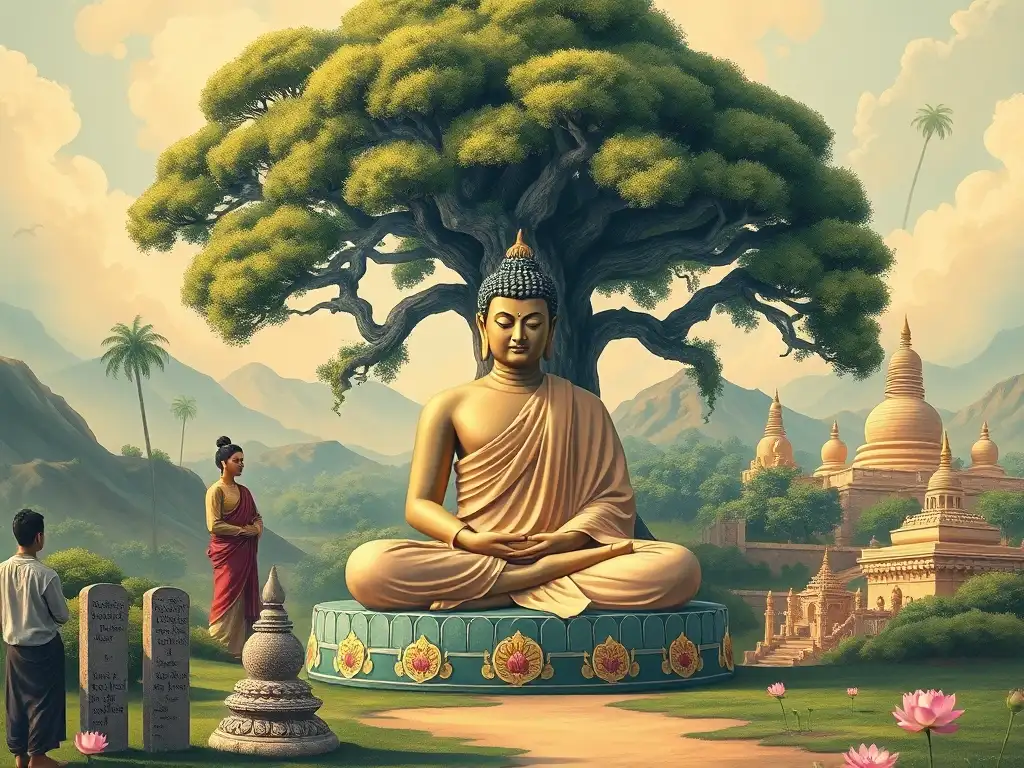
As Buddhism spread beyond India, historical figures played a crucial role in its adaptation to various cultures. This adaptability was essential for its survival and growth in diverse environments.
- Cultural Exchange: Figures such as Xuanzang, the Chinese monk who traveled to India in the 7th century, were instrumental in bridging cultural divides. Xuanzang’s journey not only allowed him to gather texts but also facilitated the exchange of ideas between India and China, leading to the development of Mahayana Buddhism.
- Integration of Local Practices: As Buddhism encountered different cultures, it often absorbed local beliefs and practices. Historical figures like the Tibetan king Songtsen Gampo embraced Buddhism and integrated it with Tibetan culture, leading to the unique form of Tibetan Buddhism that persists today.
- Syncretism: The historical figure of Padmasambhava is significant in the context of Tibetan Buddhism, where he is credited with establishing Buddhism in Tibet by blending it with local shamanistic traditions. This syncretism allowed Buddhism to resonate with the Tibetan people and flourish in a new cultural milieu.
These adaptations demonstrate how historical figures were not only transmitters of Buddhist teachings but also innovators who shaped the religion to fit the cultural contexts in which they found themselves.
Conclusion: The Lasting Legacy of Buddhism Historical Figures in India
The historical figures who contributed to the development and spread of Buddhism in India have left an indelible mark on the religious landscape, influencing both historical and modern practices of Buddhism. Their legacies are evident in the rich tapestry of Buddhist traditions that continue to thrive today.
Summary of Contributions and Their Relevance Today
The contributions of figures like the Buddha, Ashoka, and later philosophers and monks are foundational to understanding Buddhism's evolution. Their teachings on compassion, mindfulness, and ethical living remain relevant in contemporary society, offering valuable insights into personal and communal well-being. Moreover, the institutions they established, such as monasteries and universities, continue to serve as centers for spiritual learning and practice.
Reflection on the Continued Influence of Historical Figures in Modern Buddhism
The influence of historical figures in Buddhism is not confined to the past; their teachings and actions continue to inspire modern practitioners. The emphasis on non-violence, social justice, and interfaith dialogue, rooted in the practices of these historical figures, reflects the ongoing relevance of Buddhism in addressing contemporary global challenges. As a result, these figures not only shaped the historical development of Buddhism but continue to guide its practice and interpretation in the modern world.
Further Reading and Resources on Buddhism Historical Figures in India
Exploring the historical figures who shaped Buddhism in India involves delving into a wealth of literature, documentaries, and online courses. These resources provide insights into the lives, teachings, and contributions of influential personalities in the development of Buddhism. Here, we present a curated list of recommended books, articles, and multimedia resources to deepen your understanding of this crucial aspect of ancient Indian history.
Recommended Books and Articles
-
"Buddhism: A Very Short Introduction" by Damien Keown
This concise book offers an overview of Buddhism, including its origins and key figures. Keown delves into the historical context and the evolution of Buddhist thought, making it a great starting point for those interested in the subject.
-
"The Life of the Buddha" by Bhikkhu Nanamoli
This comprehensive account of the life of Siddhartha Gautama, the Buddha, details his journey from prince to enlightened being. The book explores significant events and teachings that shaped early Buddhism.
-
"Buddhism in India: Challenging Brahmanical Hegemony" by Anne Vallely
Vallely's work examines the role of Buddhism in ancient Indian society and its interactions with Hinduism. The book offers a critical perspective on how historical figures navigated the complex religious landscape.
-
"The Spread of Buddhism" by Andrew H. Wood
This article traces the geographical and cultural spread of Buddhism from India to other parts of Asia, highlighting the contributions of key figures who played pivotal roles in this process.
-
"Historical Dictionary of Buddhism" by Charles S. Prebish
This dictionary provides detailed entries on significant figures, events, and concepts in Buddhism, making it an invaluable reference for anyone studying the religion's history in India.
Notable Documentaries and Online Courses
-
"The Buddha" (PBS Documentary)
This documentary offers a rich visual narrative of the life of the Buddha, featuring interviews with scholars and practitioners. It explores the historical context of his teachings and the impact on Indian society.
-
"Buddhism: The Way of Compassion" (Coursera Course)
This online course, offered by the University of Virginia, covers the historical development of Buddhism and its key figures. It includes lectures, readings, and interactive discussions that enhance the learning experience.
-
"The Art of Buddhism" (Khan Academy)
This educational resource provides lessons on the art and culture associated with Buddhism, including the influence of historical figures on artistic expression in ancient India.
-
"Buddhist History: The Life of the Buddha" (YouTube Series)
This series features episodes that chronologically outline the life of the Buddha and subsequent figures in Buddhism, providing insights into their teachings and legacies.
By engaging with these resources, readers can gain a deeper appreciation for the historical figures who shaped Buddhism in India, enhancing their understanding of its teachings and influence on both ancient and modern societies.
- Introduction to Buddhism Historical Figures in India
- Overview of Buddhism's Origins and Influence
- Importance of Historical Figures in the Development of Buddhism
- Siddhartha Gautama: The Buddha
- Ashoka the Great: The Patron of Buddhism
- Nagarjuna: The Philosopher of Emptiness
- Padmasambhava: The Guru of the Lotus
- The Role of Female Figures in Buddhism
- The Impact of Historical Figures on the Spread of Buddhism
- How Leaders Influenced Regional and International Buddhist Practices
- The Role of Historical Figures in the Adaptation of Buddhism Across Cultures
- Conclusion: The Lasting Legacy of Buddhism Historical Figures in India
- Further Reading and Resources on Buddhism Historical Figures in India
- What role did historical figures play in the development of Buddhism in India?
- Who are some of the most significant Buddhism historical figures in India?
- How did Ashoka the Great contribute to the spread of Buddhism?
- What innovations did Nagarjuna bring to Buddhism?
- Why is it important to study these historical figures in the context of Buddhism?
Frequently Asked Questions
What role did historical figures play in the development of Buddhism in India?
Historical figures were crucial in shaping Buddhism through their teachings, leadership, and community building, influencing its growth and spread across the region.
Who are some of the most significant Buddhism historical figures in India?
Key figures include Siddhartha Gautama (Buddha), Ashoka the Great, and Nagarjuna, each contributing to the doctrinal development and political support of Buddhism.
How did Ashoka the Great contribute to the spread of Buddhism?
Ashoka the Great played a pivotal role by promoting Buddhism through edicts, missionary activities, and the establishment of monasteries, greatly enhancing its visibility and acceptance.
What innovations did Nagarjuna bring to Buddhism?
Nagarjuna is known for his philosophical contributions, particularly the concept of emptiness (śūnyatā), which became fundamental in Madhyamaka Buddhism and influenced subsequent Buddhist thought.
Why is it important to study these historical figures in the context of Buddhism?
Studying these historical figures helps us understand the evolution of Buddhism, its cultural impact, and how these leaders shaped the spiritual landscape of ancient India and beyond.
Final Reflection: The Enduring Legacy of Buddhism's Historical Figures
The historical figures who shaped Buddhism, particularly in India, continue to resonate deeply in our contemporary world. Their teachings and innovations have not only laid the foundation for a rich spiritual tradition but also offer profound insights into the human experience. The wisdom of these leaders and innovators serves as a guiding light, illuminating paths toward compassion, mindfulness, and understanding in an increasingly complex society.
The influence of these historical figures extends far beyond the confines of religious practice; they have profoundly impacted cultural, social, and philosophical landscapes. Their teachings encourage us to reflect on our own lives and the ways we engage with the world around us. As the philosopher Thich Nhat Hanh once said, Buddhism is not about believing in something; it is about understanding and transforming ourselves.
This transformation is not just an individual journey but a collective one, urging us to cultivate a more compassionate and mindful society.
As we contemplate the lessons imparted by these remarkable figures, let us take a moment to reflect on how we can embody their teachings in our daily lives. Consider how you can integrate mindfulness, compassion, and understanding into your interactions with others. By embracing these principles, we not only honor the legacy of Buddhism's historical figures but also contribute to a more harmonious world. The journey of self-discovery and transformation is ongoing, and each of us has the power to make a difference.
Unveil the Legacy: Take Action on Your Journey with Buddhism!
Thank you for diving into the fascinating world of the historical figures who shaped Buddhism! You've gained valuable insights into the leaders and innovators who have influenced this profound philosophy. Now, let’s take that knowledge a step further and explore how you can connect with the teachings and practices of Buddhism today.
Here are some powerful actions to help you embark on your journey:
- Engage with a local Buddhist community: Find a group or center near you where you can learn and practice together.
- Read a book or listen to a podcast about a significant figure in Buddhism that captivates you, deepening your understanding and appreciation of their contributions.
- Share your insights: Discuss your learnings on social media or within your community by hosting a conversation or writing an article that reflects your experiences!
What is one key teaching from Buddhism that you feel inspired to incorporate into your daily life?