
From Temples to Textiles: Unveiling the Cultural Exchange Between India and Southeast Asia

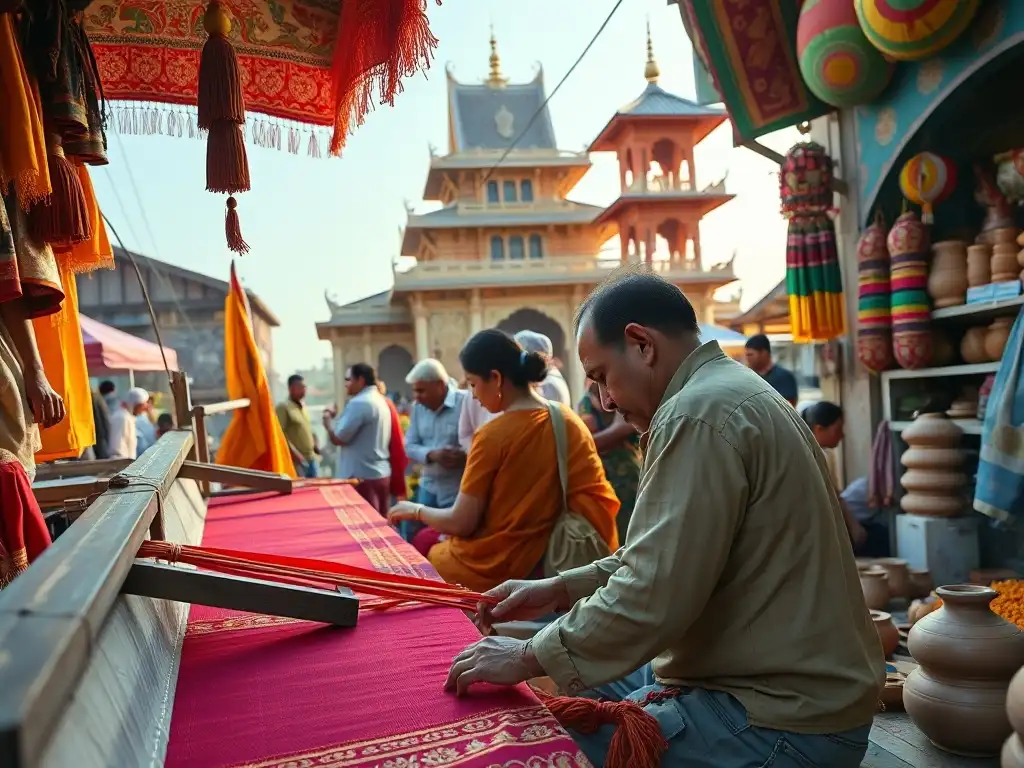
Welcome to Ancient India History, where we embark on an extraordinary journey through time to uncover the rich tapestry of ancient Indian civilizations. Our latest article, "From Temples to Textiles: Unveiling the Cultural Exchange Between India and Southeast Asia," dives deep into the intriguing dynamics of cultural exchange that shaped not only the subcontinent but also its vibrant connections with Southeast Asia. What secrets lie within the temples and textiles that tell tales of trade, religion, and innovation?
Join us as we unravel these captivating narratives and explore the profound influence of ancient India on its neighboring regions. Your adventure into the past awaits!
Introduction to Cultural Exchange Between India and Southeast Asia
The relationship between India and Southeast Asia is marked by a rich tapestry of cultural exchanges that have shaped the civilizations in both regions over millennia. From the majestic temples of Angkor Wat to the intricate textiles of India, the influences are palpable and profound. This article delves into the intricate web of interactions that facilitated the transfer of ideas, art, religion, and trade, illuminating how ancient Indian civilization significantly impacted the cultures of Southeast Asia. By exploring this dynamic relationship, we gain insight into the profound legacy of cultural syncretism that continues to resonate in contemporary society.
Overview of Cultural Exchange
Cultural exchange between India and Southeast Asia can be traced back to the early centuries of the Common Era, where trade routes not only facilitated commerce but also served as conduits for the flow of cultural practices and beliefs. Key aspects of this exchange included:
- Religion: The spread of Hinduism and Buddhism profoundly influenced the spiritual landscape of Southeast Asia.
- Art and Architecture: Architectural styles, sculptures, and motifs from Indian temples were adopted and adapted by Southeast Asian cultures.
- Language and Literature: Sanskrit and Pali texts became foundational in shaping local languages and literary traditions.
This multifaceted exchange enriched both regions, leading to a unique blend of cultural identities that reflect the shared history of their peoples.
Importance of Understanding Ancient Interactions
Understanding the cultural exchange between India and Southeast Asia is crucial for several reasons:
- Historical Insight: It provides a clearer picture of how ancient civilizations interacted and influenced each other.
- Cultural Identity: It helps in recognizing the shared heritage that exists among countries in Southeast Asia and India.
- Modern Implications: The legacies of these exchanges continue to influence contemporary art, religion, and social practices.
By studying these ancient interactions, we not only appreciate the past but also gain a deeper understanding of the present cultural landscape.
Historical Context of India and Southeast Asia
Ancient Trade Routes Connecting India and Southeast Asia
The maritime trade routes between India and Southeast Asia were pivotal in fostering cultural exchanges. These routes facilitated not only the movement of goods but also the exchange of ideas and cultural practices. Key trade routes included:
- The Silk Route: Although primarily known for overland trade, the maritime extensions connected Indian ports with Southeast Asian archipelagos.
- The Spice Route: This route was crucial for the trade of spices, which attracted merchants from various parts of the world, further enhancing cultural interactions.
These routes were instrumental in the dissemination of Indian culture, art, and religious beliefs across Southeast Asia.
Key Civilizations Involved in Cultural Exchange
Several key civilizations played a vital role in the cultural exchange between India and Southeast Asia:
- The Gupta Empire: Known for its advancements in art, science, and philosophy, the Gupta Empire influenced Southeast Asian cultures, particularly in the realms of literature and religion.
- The Khmer Empire: The adoption of Hindu and Buddhist iconography in temples such as Angkor Wat illustrates the profound impact of Indian civilization.
- The Srivijaya Empire: This maritime empire in Southeast Asia was a significant center for trade and the spread of Indian culture, particularly Buddhism.
These civilizations not only received influences from India but also adapted and integrated them into their own cultural frameworks.
Timeline of Cultural Interactions
The timeline of cultural interactions between India and Southeast Asia spans several centuries, highlighting key events and developments:
| Period | Cultural Interaction |
|---|---|
| 3rd Century BCE | Early trade contacts established through maritime routes. |
| 1st Century CE | Spread of Buddhism to Southeast Asia via Indian missionaries. |
| 5th-6th Century CE | Gupta Empire flourishes, influencing Southeast Asian art and culture. |
| 8th Century CE | Khmer Empire begins to adopt Hindu architectural styles. |
| 13th-15th Century CE | Increased trade leading to the further spread of Indian textiles and culture. |
This timeline illustrates the ongoing and evolving interactions that shaped the cultural landscapes of both India and Southeast Asia, underscoring the significance of their historical relationship.
Temples as Symbols of Cultural Exchange
Temples are not merely places of worship; they represent a profound intersection of culture, art, and architecture that transcends geographical boundaries. The architectural grandeur of temples in Southeast Asia often reflects the strong cultural exchange that took place between India and its neighboring regions. As centers of spirituality and community, these temples became conduits for the dissemination of religious beliefs, artistic styles, and social practices. They embody a blend of local traditions and Indian influences, showcasing how cultural syncretism flourished through these sacred spaces.
Architectural Influences from India to Southeast Asia
The architectural influences from India to Southeast Asia are evident in various temple structures, which exhibit distinct features that originated from Indian designs. This includes the use of elaborate carvings, intricate sculptures, and the iconic Shikhara (tower) style seen in Hindu temples. The Khmer temples, such as Angkor Wat in Cambodia, are prime examples where Indian architectural principles were adapted to fit local aesthetics and resources. These structures not only served religious purposes but also became symbols of power and identity for the ruling elites in Southeast Asia, showcasing the deep-rooted connections between the regions.
Notable Temples Reflecting Indian Influence
Several temples across Southeast Asia stand as testaments to the Indian influence on local cultures. For instance:
- Angkor Wat (Cambodia): Originally dedicated to the Hindu god Vishnu, Angkor Wat features intricate bas-reliefs depicting scenes from Hindu mythology.
- Borobudur (Indonesia): This massive Buddhist temple complex incorporates elements of Indian art and architecture, highlighting the blend of Buddhist and Hindu influences.
- Prambanan (Indonesia): A collection of Hindu temples that reflect the architectural styles introduced by Indian artisans, dedicated to deities like Shiva, Vishnu, and Brahma.
These temples not only showcase the artistry of their creators but also serve as historical markers of the profound cultural exchanges that took place during ancient times.
The Role of Religion in Cultural Exchange
Religion played a pivotal role in facilitating cultural exchanges between India and Southeast Asia. The spread of Hinduism and Buddhism from India to Southeast Asia was accompanied by the migration of scholars, artisans, and monks who brought with them their beliefs, practices, and artistic techniques. This religious diffusion fostered a rich tapestry of syncretism where local traditions intertwined with Indian spiritual practices. Festivals, rituals, and iconography were adapted to resonate with local customs, further solidifying the cultural bonds between the regions. Temples became not just sites for worship but also centers for learning and cultural dialogue.
Textiles: A Medium of Cultural Syncretism
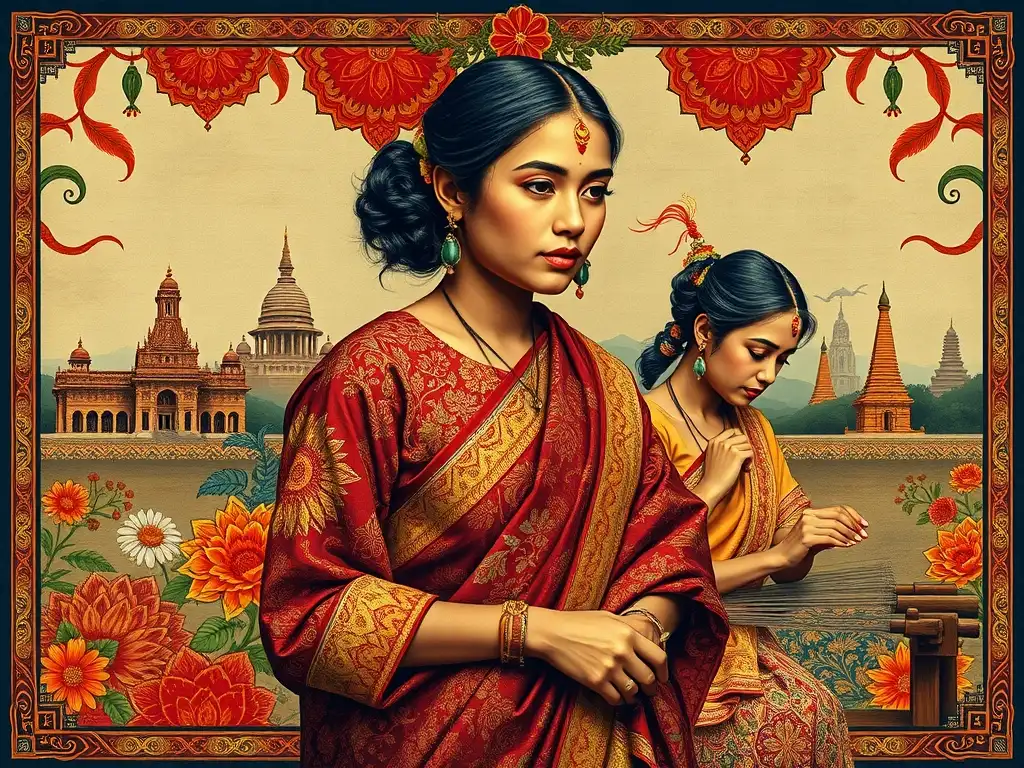
Textiles serve as another significant medium of cultural exchange between India and Southeast Asia, showcasing the intricate ways in which cultures have influenced one another. The trade routes that connected these regions facilitated the exchange of not only goods but also techniques and artistic styles. Indian textiles, known for their quality and craftsmanship, were highly sought after in Southeast Asia, leading to a vibrant exchange of ideas and techniques that enriched both cultures.
Historical Significance of Textiles in Trade
Historically, textiles were among the most valuable commodities traded between India and Southeast Asia. The maritime trade routes facilitated the movement of silk, cotton, and intricate woven fabrics, which were cherished for their rich colors and complex patterns. Indian textiles became symbols of prestige and were often used in royal courts and for ceremonial purposes. This trade not only enhanced economic ties but also allowed for the transfer of artistic techniques and motifs, leading to a shared cultural heritage that is reflected in the textiles produced in both regions.
Indian Textile Techniques Adopted in Southeast Asia
Southeast Asia adopted several Indian textile techniques, leading to a fusion of styles that is still evident today. Techniques such as:
- Block printing: Originating from India, this method was embraced in Southeast Asia to create intricate patterns on fabrics.
- Tie-dyeing: Known as Bandhani in India, this technique found its way into local practices, resulting in unique regional adaptations.
- Weaving styles: The use of specific weaving techniques, such as Ikat, was influenced by Indian practices, leading to the creation of textiles that are distinct to each culture but rooted in shared heritage.
These adaptations reflect not only the practical aspects of textile production but also the aesthetic preferences that developed through cultural interactions.
Case Studies of Textile Exchanges
Several case studies illustrate the dynamic textile exchanges between India and Southeast Asia:
- The Songket of Indonesia: This traditional handwoven fabric, adorned with gold or silver threads, shows Indian influences in its intricate patterns and weaving techniques, adapted to local tastes.
- Thai Silk: The production of silk in Thailand bears the imprint of Indian methods, particularly in the use of natural dyes and weaving techniques, which have evolved over centuries to create a unique Thai identity.
- Batik from Indonesia: While deeply rooted in local culture, Batik's intricate patterns and dyeing techniques exhibit influences from Indian motifs, demonstrating the blend of ideas over time.
These case studies highlight the enduring legacy of cultural exchange through textiles, emphasizing how these practices have shaped identities and fostered connections between diverse cultures.
Artistic Expressions: From Sculpture to Dance
Artistic expressions serve as a profound reflection of cultural interactions, showcasing the shared heritage and influences between India and Southeast Asia. From intricate sculptures to vibrant dance forms, these artistic manifestations encapsulate the essence of the cultural exchange that flourished over centuries.
The influence of Indian art significantly permeated Southeast Asian cultures, leading to unique adaptations and local interpretations that enriched the region’s artistic landscape. This cross-cultural fertilization not only enhanced the aesthetic values of both regions but also fostered a deeper understanding of each other's traditions and identities.
Influence of Indian Art on Southeast Asian Sculptures
The influence of Indian art on Southeast Asian sculptures is evident in the remarkable similarities found in temple architecture and stone carvings. The spread of Buddhism and Hinduism from India to Southeast Asia facilitated the exchange of artistic styles and religious motifs.
- Khmer Temples: The Angkor Wat temple complex in Cambodia features intricate bas-reliefs and statues that mirror Indian aesthetic principles. The depiction of Hindu deities like Vishnu and Shiva showcases the syncretism of Indian iconography in Khmer art.
- Burmese Influence: In Myanmar, the tradition of stone carving reflects Indian stylistic elements, particularly in the portrayal of Buddha figures that align with Indian sculptural techniques.
These artistic influences not only highlighted the reverence for Indian religious practices but also emphasized the local artisans' ability to reinterpret these influences within their cultural context.
Traditional Dances: Blending Indian and Southeast Asian Styles
Traditional dance forms in Southeast Asia often reveal the intricate blend of Indian and local styles, resulting in vibrant performances that narrate historical and mythological tales.
- Balinese Dance: The Balinese Kecak dance, while rooted in Hindu narratives, incorporates local storytelling traditions, showcasing the seamless integration of Indian themes with indigenous cultural expressions.
- Thai Classical Dance: Thai dance, heavily influenced by Indian aesthetics, incorporates elements from the Ramayana and Mahabharata. The fusion of graceful movements and elaborate costumes reflects a rich cultural tapestry.
These dance forms not only serve as entertainment but also as vital mediums for preserving and transmitting cultural narratives across generations.
The Role of Art in Cultural Identity
Art plays a pivotal role in shaping cultural identity, acting as a medium through which communities express their values, beliefs, and histories. In both India and Southeast Asia, artistic expressions, be it through sculpture or dance, have served as a means of asserting cultural identity amid external influences.
- Cultural Memory: Artistic creations often evoke a sense of belonging, grounding communities in their historical narratives and shared experiences.
- Social Cohesion: Festivals and performances that highlight artistic traditions foster communal ties, allowing individuals to connect with their heritage while embracing the shared influences of neighboring cultures.
As such, art remains a dynamic force within cultural identity, adapting to changes while preserving core values that resonate across generations.
Language and Literature: A Reflection of Cultural Exchange
The exchange of ideas and narratives between India and Southeast Asia is not confined to the visual arts; it extends deeply into the realms of language and literature. This linguistic and literary interaction has profoundly shaped the cultural landscapes of both regions, highlighting a shared intellectual heritage.
Sanskrit and Its Impact on Southeast Asian Languages
Sanskrit, as a classical language of ancient India, significantly influenced many Southeast Asian languages, contributing to the development of vocabulary, grammar, and literary forms.
- Lexical Influence: Languages such as Khmer, Thai, and Javanese incorporate numerous Sanskrit words, particularly in religious and philosophical contexts. Terms related to governance, spirituality, and arts often have Sanskrit origins.
- Script Development: The introduction of the Brahmi script in Southeast Asia laid the foundation for various writing systems. This adaptation facilitated the recording of local languages and texts, incorporating Indian literary traditions.
The enduring legacy of Sanskrit underscores the profound connections established through trade, religion, and scholarship between India and Southeast Asia.
Literary Works Inspired by Indian Epics
The Indian epics, mainly the Ramayana and Mahabharata, have left an indelible mark on Southeast Asian literature. These texts have inspired countless adaptations and reinterpretations, reflecting local cultures while retaining their core narratives.
- Wayang Kulit: In Indonesia, the shadow puppet theater draws heavily from the Ramayana, illustrating the timeless appeal of these epic tales through local storytelling practices.
- Thai Ramakien: The Ramakien, a Thai adaptation of the Ramayana, showcases the unique cultural lens through which Southeast Asians interpret Indian epics, incorporating indigenous elements and characters.
These literary adaptations not only preserve the essence of Indian narratives but also highlight the creativity and cultural agency of Southeast Asian storytellers.
Preservation of Cultural Narratives Through Storytelling
Storytelling serves as a vital method for the preservation and transmission of cultural narratives across generations. In both India and Southeast Asia, oral traditions and literary forms have played a crucial role in ensuring that cultural identities remain vibrant and interconnected.
- Oral Traditions: Oral storytelling practices, such as those found in tribal communities, often blend local myths with Indian themes, demonstrating a fusion of cultural elements that enrich the narrative landscape.
- Literary Festivals: Events celebrating literature and storytelling in Southeast Asia often include discussions about Indian influences, fostering a dialogue that emphasizes the importance of these shared narratives.
Through storytelling, communities continue to honor their pasts while embracing the cultural exchanges that have shaped their identities, ensuring the continuity of their rich heritage.
Challenges and Misconceptions in Cultural Exchange
Cultural exchange between India and Southeast Asia, while rich and multifaceted, is often misunderstood. One of the primary challenges is the oversimplification of complex interactions into binary narratives. Many tend to view these exchanges as one-sided, either portraying India as the sole benefactor or Southeast Asia as merely a passive recipient. This perspective neglects the intricate dynamics of influence, adaptation, and reciprocal exchange that characterized these interactions over centuries.
Additionally, the limited understanding of historical context can lead to misconceptions about the motivations behind cultural exchanges. For instance, it is often believed that trade was the only catalyst for cultural diffusion; however, factors such as religious missions, migration, and political alliances played equally crucial roles. These misconceptions can hinder a comprehensive appreciation of the shared histories and the nuanced relationships that evolved between these regions.
Common Myths Surrounding Cultural Exchange Between India and Southeast Asia
Several myths persist regarding the cultural exchange between India and Southeast Asia. One prevalent myth is that Indian culture dominated Southeast Asia, overshadowing local traditions. While Indian influences are evident, particularly in religion, art, and architecture, Southeast Asian cultures have their own distinct identities that have absorbed and adapted these influences. This adaptation often resulted in unique local expressions of Indian cultural elements, rather than mere replication.
Another common misconception is that cultural exchange was a linear process, characterized by a clear timeline of influence. In reality, the exchange was a dynamic and ongoing interaction, where cultures influenced each other in multiple directions over centuries. For instance, while Indian epics like the Ramayana were brought to Southeast Asia, they were reinterpreted through local lenses, leading to variations that reflect Southeast Asian contexts.
Realities of Cultural Adaptation and Integration
The realities of cultural adaptation and integration reveal a complex tapestry of interactions. The introduction of Hinduism and Buddhism from India profoundly altered the spiritual landscapes of Southeast Asia, yet these religions were not merely adopted; they underwent significant transformations. Local beliefs and practices were often integrated with Indian philosophical concepts, resulting in hybrid traditions unique to each region.
Artistic expressions, such as temple architecture, also illustrate the reality of cultural adaptation. While the influence of Indian styles is apparent, many Southeast Asian temples exhibit indigenous motifs and construction techniques. This blending of styles not only reflects the shared heritage but also showcases the creativity and agency of Southeast Asian cultures in shaping their historical narratives.
Conclusion: The Legacy of Cultural Exchange Between India and Southeast Asia
The cultural exchange between India and Southeast Asia has left a profound legacy that continues to shape the identities of both regions. Understanding this legacy requires acknowledging the depth and complexity of interactions that go beyond superficial exchanges. The enduring influence of Indian art, religion, and language in Southeast Asia is a testament to the intricate processes of adaptation, integration, and transformation.
Lasting Impacts on Modern Culture
The impacts of this historical exchange are still evident in modern culture. Practices such as traditional dance forms, culinary arts, and festivals in Southeast Asia often reflect a blend of indigenous and Indian influences. For example, the Balinese dance not only incorporates elements of Indian mythology but also integrates local stories and cultural practices, illustrating the ongoing dialogue between these cultures.
Moreover, the presence of Hindu and Buddhist temples throughout Southeast Asia serves as a reminder of the deep-rooted connections established centuries ago. These sites continue to attract pilgrims and tourists alike, fostering a sense of shared heritage and cultural pride among communities.
Future Implications for Understanding Cultural Syncretism
Looking ahead, the study of cultural exchange between India and Southeast Asia has significant implications for understanding cultural syncretism. As globalization continues to influence cultural dynamics, examining historical exchanges can provide insights into how cultures negotiate identity and influence in contemporary contexts.
The ongoing interplay of traditions and the emergence of new cultural forms underscore the relevance of historical exchanges in shaping modern identities. Scholars and cultural practitioners can draw from these historical narratives to foster dialogue and appreciation for the diverse influences that define both regions today. Recognizing the complexity and richness of these interactions can help cultivate a deeper understanding of cultural syncretism as a living, evolving process.
References and Further Reading
To deepen your understanding of the cultural exchange between India and Southeast Asia, a wealth of literature and resources is available. These texts provide insights into the historical, artistic, and socio-cultural interactions that shaped the region. Below are some recommended readings and resources that explore various dimensions of these exchanges.
Suggested Literature on Cultural Exchange
-
"India and Southeast Asia: A Cultural History" by John Miksic
This book offers a comprehensive examination of the historical interactions between India and Southeast Asia, focusing on trade, religion, and the exchange of artistic practices. Miksic’s research highlights the interconnectedness of these regions and their shared cultural heritage.
-
"Cultural Exchange in Early Modern Asia" by Sujit Mukherjee
Mukherjee explores the nuances of cultural exchange during the early modern period, delving into the influences of Indian art, architecture, and language on Southeast Asian cultures. The book provides a detailed analysis of how these exchanges shaped identity and heritage in both regions.
-
"The Indian Ocean in World History" by Edward A. Alpers
Alpers discusses the Indian Ocean as a critical arena for cultural exchange, focusing on trade routes that connected India to Southeast Asia. The text emphasizes the role of maritime trade in facilitating interactions and the spread of ideas, goods, and religions.
-
"Cross-Cultural Exchange in Ancient India and Southeast Asia" by Michael W. Meister
This work examines the dynamics of cultural exchange through the lens of art and religion, highlighting how Indian civilization influenced Southeast Asian societies. Meister includes case studies on temples and sculptures that reveal the syncretic nature of this cultural dialogue.
-
"Southeast Asia: A Historical Overview" by D.G.E. Hall
Hall’s overview provides a historical context for the cultural exchanges between India and Southeast Asia, tracing the evolution of trade, religion, and art. It serves as an essential resource for understanding the broader implications of these interactions on regional development.
Resources for Exploring Artistic and Cultural Syncretism
-
Digital South Asia Library
This online resource houses a vast collection of texts, maps, and images that document the cultural and artistic exchanges between India and Southeast Asia. It serves as a valuable platform for researchers and enthusiasts alike.
-
The British Museum – South Asia Collection
The British Museum offers extensive resources and exhibitions on South Asian art and artifacts, highlighting the influence of Indian culture in Southeast Asia. Their digital archives allow for exploration of various collections that illustrate cultural syncretism.
-
The National Museum of Indonesia
This museum showcases artifacts that reflect the historical ties between India and Indonesia, including textiles, sculptures, and religious relics. Visitors can explore exhibitions that reveal the depth of cultural exchange in the region.
-
Asia Society
Asia Society provides a range of educational resources, articles, and programs focused on the cultural connections between Asia and the rest of the world. Their initiatives often explore historical and contemporary examples of cultural exchange.
-
The Archives of Traditional Music at Indiana University
This archive contains recordings and ethnographic materials that document the musical traditions of India and Southeast Asia, illustrating how music has served as a medium for cultural exchange.
By engaging with these texts and resources, readers can gain a richer understanding of the intricate cultural tapestry woven between India and Southeast Asia, showcasing the enduring legacy of their exchanges throughout history.
- Introduction to Cultural Exchange Between India and Southeast Asia
- Historical Context of India and Southeast Asia
- Temples as Symbols of Cultural Exchange
- Textiles: A Medium of Cultural Syncretism
- Artistic Expressions: From Sculpture to Dance
- Language and Literature: A Reflection of Cultural Exchange
- Challenges and Misconceptions in Cultural Exchange
- Conclusion: The Legacy of Cultural Exchange Between India and Southeast Asia
- References and Further Reading
- What were the main forms of cultural exchange between India and Southeast Asia?
- How did Indian religions influence Southeast Asia?
- What role did trade play in the cultural exchange?
- Can you name some significant Indian contributions to Southeast Asia?
- How did the Gupta Empire influence Southeast Asia?
Frequently Asked Questions
What were the main forms of cultural exchange between India and Southeast Asia?
The main forms of cultural exchange included religion, art, architecture, and trade, which facilitated the sharing of ideas, beliefs, and practices across regions.
How did Indian religions influence Southeast Asia?
Indian religions, particularly Hinduism and Buddhism, had a profound impact, leading to the establishment of temples and the adoption of philosophical concepts that shaped the spiritual landscape of Southeast Asia.
What role did trade play in the cultural exchange?
Trade routes established between India and Southeast Asia not only enhanced economic ties but also served as channels for the dissemination of culture, art, and technology, enriching both regions.
Can you name some significant Indian contributions to Southeast Asia?
Indian contributions included textiles, art forms, and the introduction of various cultural practices such as dance, music, and literature that have become integral to Southeast Asian identity.
How did the Gupta Empire influence Southeast Asia?
During the Gupta Empire, intellectual advancements in science and philosophy were shared, leading to enhanced literature and mathematics in Southeast Asia, influencing local scholars and educational systems.
Final Reflection: Embracing the Tapestry of Cultural Exchange
The intricate threads of cultural exchange between India and Southeast Asia remain remarkably relevant today, illustrating how interconnected our world truly is. As we navigate an era marked by globalization and cultural blending, the historical ties that bind these regions serve as a powerful reminder of our shared heritage and collective identity. The vibrant tapestry woven from centuries of interaction continues to shape our societies, enriching our lives with diverse traditions, languages, and art forms.
The ongoing influence of this cultural exchange is evident in various aspects of contemporary life, from cuisine to fashion, and even in our spiritual practices. The fusion of Indian and Southeast Asian cultures has created a unique landscape that celebrates diversity while fostering mutual respect and understanding. Culture is the widening of the mind and of the spirit.
– Jawaharlal Nehru. This quote encapsulates the essence of cultural exchange, emphasizing its role in expanding our horizons and nurturing a more inclusive worldview.
As we reflect on the lessons drawn from the historical interplay between India and Southeast Asia, let us embrace the opportunity to engage with and learn from one another. I invite you to explore the richness of cultural diversity in your own life, to seek connections that transcend borders, and to celebrate the beautiful mosaic of humanity. By doing so, we not only honor our past but also pave the way for a more harmonious and interconnected future.
Embrace the Cultural Connection Today!
Thank you for exploring the fascinating cultural exchange between India and Southeast Asia with us! We hope you’ve gained valuable insights into how these rich histories intertwine and influence each other. Now, it’s time to take this knowledge further and connect with the vibrant tapestry of these cultures.
Here are a few actionable steps you can take right now:
- Dive Deeper: Delve into a specific region or historical period that piqued your interest in the article and seek out additional resources or literature on the topic.
- Share Your Insights: Engage in discussions about the intriguing connections you’ve uncovered with friends or on social media—let’s spread the knowledge!
- Join a Community: Get involved with online forums or local groups that focus on cultural studies to share experiences and insights with others who share your interests.
What surprising connection or cultural element from this article resonates most with your own experiences or interests?