
The Artistic Flourish of the Mauryan Era Under Chandragupta's Rule

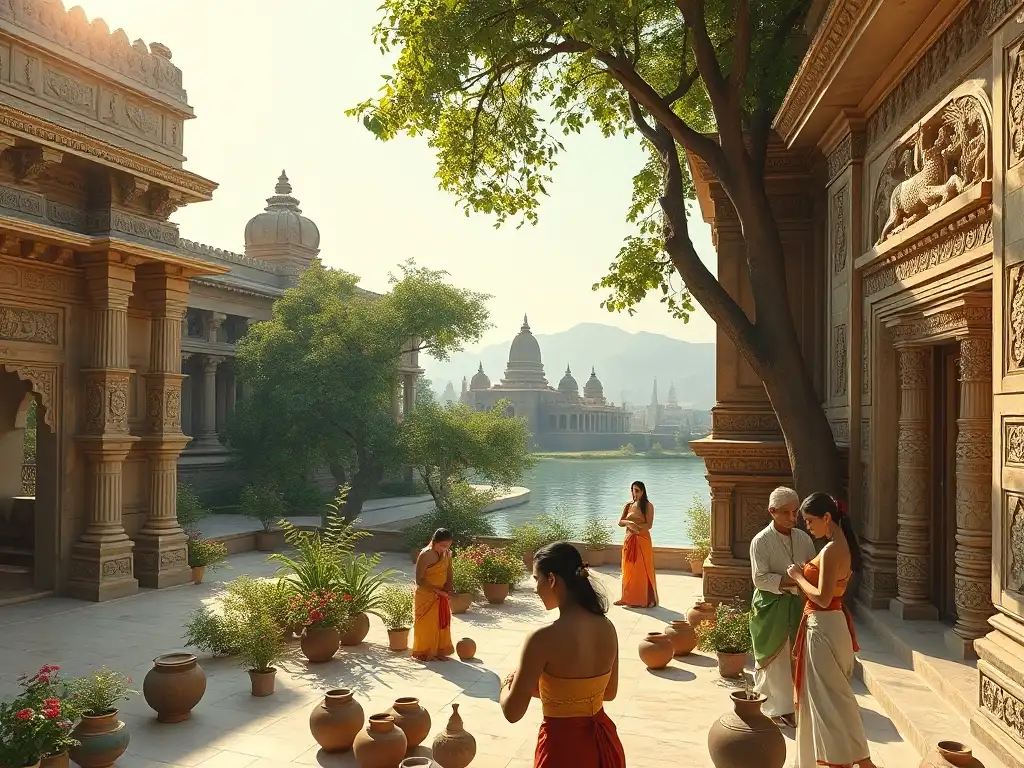
Welcome to Ancient India History, where we embark on a captivating journey through the rich tapestry of ancient Indian civilizations. Here, you will discover the vibrant culture, remarkable achievements, and profound legacies that shaped a nation. In our featured article, "The Artistic Flourish of the Mauryan Era Under Chandragupta's Rule," we delve into the enchanting world of Mauryan era art and culture. Prepare to be intrigued by the artistic innovations and cultural milestones that defined this remarkable period. Join us as we unravel the stories and contributions that continue to resonate through time, inviting you to explore further!
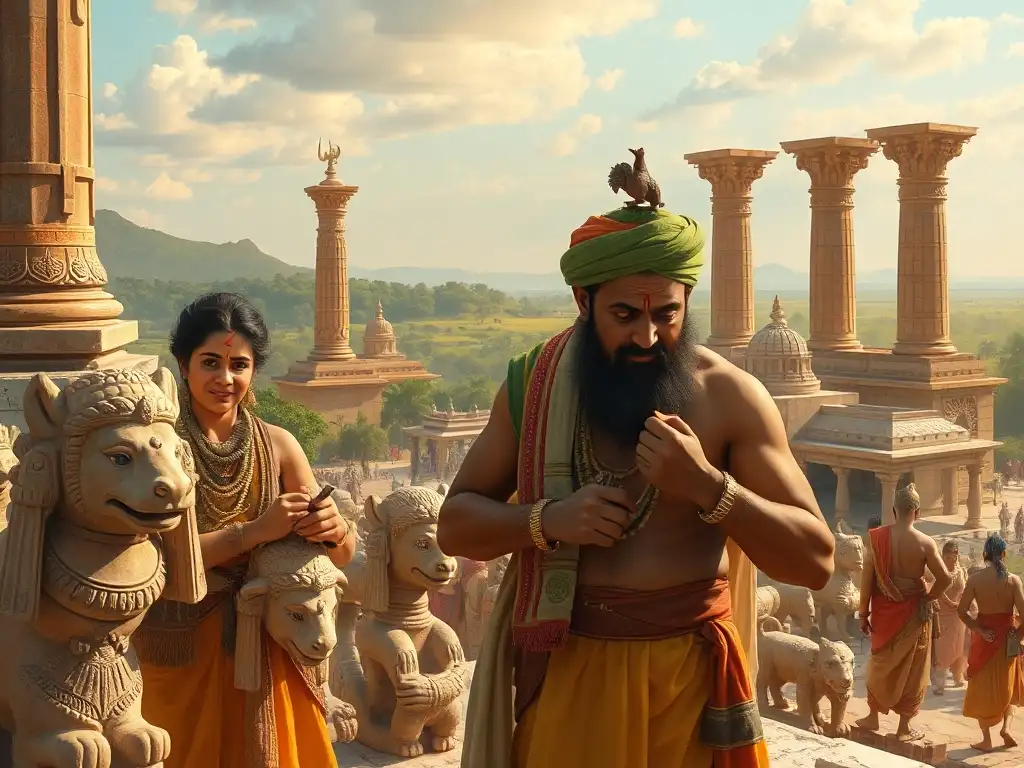
Introduction to the Mauryan Era Art and Culture
The Mauryan Era, spanning from approximately 322 to 185 BCE, marks a pivotal chapter in ancient Indian history, characterized by unprecedented political unification and cultural development. Under the leadership of Chandragupta Maurya, this period witnessed a remarkable flourishing of art and culture, which laid the foundation for India's rich heritage.
The Mauryan Empire, the first to unify most of the Indian subcontinent, was not only a political powerhouse but also a beacon of artistic innovation that reflected the complexities of its diverse society. This article aims to explore the Mauryan era art and culture, highlighting the contributions and significance of Chandragupta Maurya as a key historical figure during this transformative time.
Overview of the Mauryan Era
The Mauryan Empire was established after the fall of the Nanda Dynasty, with Chandragupta Maurya at its helm. This era was marked by significant advancements in various fields, including governance, trade, and, most prominently, art and culture. Key features of the Mauryan Era include:
- Political Unification: The empire brought together a multitude of regions and cultures, fostering a sense of unity.
- Economic Prosperity: The flourishing trade routes contributed to wealth, allowing for patronage of the arts.
- Cultural Syncretism: The diverse population led to a rich blend of artistic traditions and practices.
Art during this period was not merely a reflection of aesthetic values but also served as a means of communication, carrying messages of power, spirituality, and identity.
Significance of Chandragupta Maurya in Art and Culture
Chandragupta Maurya, the founder of the Mauryan Empire, played a crucial role in shaping the artistic landscape of his time. His leadership fostered an environment conducive to creativity and innovation, leading to:
- Patronage of Artists: Chandragupta supported various artisans, sculptors, and architects, which resulted in the creation of timeless masterpieces.
- Architectural Achievements: The construction of grand structures, such as the Mauryan stupas, exemplified the empire's architectural prowess.
- Cultural Exchanges: Under his rule, the empire experienced interactions with various cultures, enriching its artistic expressions.
The artistic developments during his reign set the stage for the subsequent flourishing of the Mauryan art and culture, particularly during the reign of his grandson, Ashoka.
The Genesis of Mauryan Art and Culture
Historical Context of the Mauryan Empire
The emergence of the Mauryan Empire came at a time of significant social and political change in India. The decline of the Nanda Dynasty created a power vacuum that Chandragupta capitalized on, leading to the establishment of a centralized authority. This period was marked by:
- Military Conquests: Chandragupta’s military campaigns expanded the empire's boundaries, facilitating the integration of diverse cultures.
- Economic Development: The empire's extensive trade networks enhanced wealth, allowing for the support of artistic endeavors.
The sociopolitical stability established during this period created fertile ground for artistic innovation.
Influences on Mauryan Artistic Expression
The art and culture of the Mauryan Era were influenced by various factors, including:
- Indigenous Traditions: Local artistic practices and motifs were incorporated into Mauryan art, creating a unique style.
- Cross-Cultural Interactions: Contact with Persian and Hellenistic cultures introduced new artistic techniques and ideas, enriching the local artistic landscape.
- Religious Themes: The rise of Buddhism during this era significantly influenced art, as seen in the intricate carvings and stupas that celebrated Buddhist teachings.
These influences culminated in a distinctive artistic expression that characterized the Mauryan Era, setting it apart from previous and subsequent periods in Indian history.
Key Features of Mauryan Era Art
The Mauryan era, particularly under the leadership of Chandragupta Maurya, marked a significant evolution in Indian art and culture. This period is characterized by its grandiosity and sophistication, reflecting both the political power of the Mauryan Empire and the diverse cultural influences that permeated it. Key features include:
- Use of Stone: The Mauryan artisans notably shifted from wood and clay to stone, showcasing their skills through intricate carvings and monumental structures. The use of sandstone and limestone became prevalent.
- Realism and Detail: Mauryan art emphasized realism, with sculptures and reliefs depicting human figures with detailed expressions, attire, and postures, reflecting a keen observation of the natural world.
- Symbolism and Iconography: Symbolism played a crucial role, with motifs from nature, animals, and religious symbols incorporated into artworks, representing deeper meanings and beliefs of the society.
- Integration of Different Styles: The Mauryan era saw the amalgamation of various regional styles due to the vastness of the empire, leading to a fusion that enriched the artistic expressions of the time.
Sculptural Innovations in the Mauryan Period
Sculptural innovations during the Mauryan period stand out for their grandeur and technical expertise. The most notable achievements included:
- The Lion Capital of Ashoka: This iconic sculpture, which originally crowned an Ashokan pillar, features four lions standing back to back. It symbolizes power and is recognized as the national emblem of India today. Its intricate detailing and majestic posture exemplify the high artistic standards of the time.
- Relief Carvings: The period saw extensive use of relief carvings on pillars and stupas, with depictions of animals, floral patterns, and narratives from Buddhist texts. These reliefs were not merely decorative but served as storytelling devices that communicated religious and moral messages.
- Buddhist Stupas: The construction of stupas, particularly in Sanchi, showcased not only religious devotion but also architectural creativity. These structures often featured elaborate gateways (toranas) adorned with intricate carvings depicting Jataka tales, which narrate the previous lives of the Buddha.
Architectural Marvels of the Mauryan Era
The Mauryan era is also celebrated for its impressive architectural feats, many of which laid the groundwork for future developments in Indian architecture. Key examples include:
- Ashokan Pillars: These monumental pillars, often topped with animal capitals, were erected across the empire to promote Buddhism and assert royal authority. Their polished surface and inscriptions highlight the artistic mastery of Mauryan craftsmen.
- Rock-Cut Caves: The period saw the development of rock-cut architecture, with caves such as those at Barabar and Nagarjuni showcasing exquisite carvings and elaborate interiors, serving as both monastic retreats and places of worship.
- Palatial Structures: The Mauryan capital, Pataliputra, featured grand palatial complexes, the remains of which suggest a sophisticated urban planning approach, with elaborate gardens, waterworks, and spacious halls.
Painting and Decorative Arts in Mauryan Culture
While less is known about the painting techniques of the Mauryan era, archaeological findings indicate a vibrant tradition of decorative arts:
- Murals and Wall Paintings: Evidence suggests that wall paintings adorned palatial interiors and religious spaces. The use of natural pigments and intricate patterns may have conveyed stories and religious themes.
- Textiles and Crafts: The period also fostered advancements in textile production, with the creation of rich fabrics and dyed materials that featured elaborate patterns, hinting at a thriving craft industry.
- Pottery and Terracotta: Decorative pottery from the Mauryan era often included painted motifs and intricate designs, reflecting both everyday life and religious iconography.
The Role of Religion in Mauryan Art and Culture
Religion played a pivotal role in shaping the artistic and cultural landscape of the Mauryan era. The patronage of various faiths led to a flourishing of artistic expressions that were deeply intertwined with spiritual beliefs.
Influence of Buddhism on Mauryan Art
Buddhism had a profound impact on the art and culture of the Mauryan era, particularly through the patronage of Emperor Ashoka, Chandragupta's grandson. Key influences include:
- Stupas and Monuments: The construction of stupas became a significant aspect of Buddhist architecture, serving as reliquaries and places of pilgrimage. The Great Stupa at Sanchi is a prime example, adorned with elaborate carvings that narrate Buddhist teachings.
- Iconography: The depiction of the Buddha in art transitioned from aniconic representations to human forms, showcasing various mudras and postures that conveyed spiritual significance.
- Narrative Reliefs: Artworks often illustrated Jataka tales, emphasizing moral lessons and the principles of Buddhism, thus integrating religious teachings into the visual arts.
Jainism and Its Contributions to Mauryan Culture
Jainism also flourished during the Mauryan period, contributing significantly to the cultural landscape:
- Artistic Representations: Jain art is characterized by its detailed and intricate sculptures, particularly of Tirthankaras (spiritual teachers). These images often reflect a high degree of craftsmanship and attention to detail.
- Religious Architecture: The construction of temples and monasteries for Jains became essential, with architectural styles that emphasized simplicity and harmony with nature, often featuring elaborate carvings and iconography.
- Philosophical Influence: Jain principles of non-violence and asceticism influenced the moral fabric of Mauryan society, impacting not only art but also the cultural values and practices of the time.
The Integration of Hindu Elements in Mauryan Art
The Mauryan era was marked by a syncretism of various religious traditions, including Hinduism:
- Iconography: Hindu deities and motifs began to appear in Mauryan art, reflecting the coexistence of different faiths. Sculptures often depicted gods and goddesses alongside Buddhist figures, showcasing a blending of religious narratives.
- Architectural Styles: The architectural designs of temples and public structures incorporated elements from Hindu traditions, with intricate carvings and decorations that highlighted the divine and the sacred.
- Cultural Practices: Festivals and rituals associated with Hinduism were integrated into the broader cultural practices of the Mauryan society, influencing the artistic expressions of the time.
Through the dynamic interplay of these diverse influences, the Mauryan era emerged as a vibrant period of artistic and cultural flourishing, leaving a lasting legacy that continues to resonate in the history of ancient India.
Chandragupta Maurya's Patronage and Its Impact
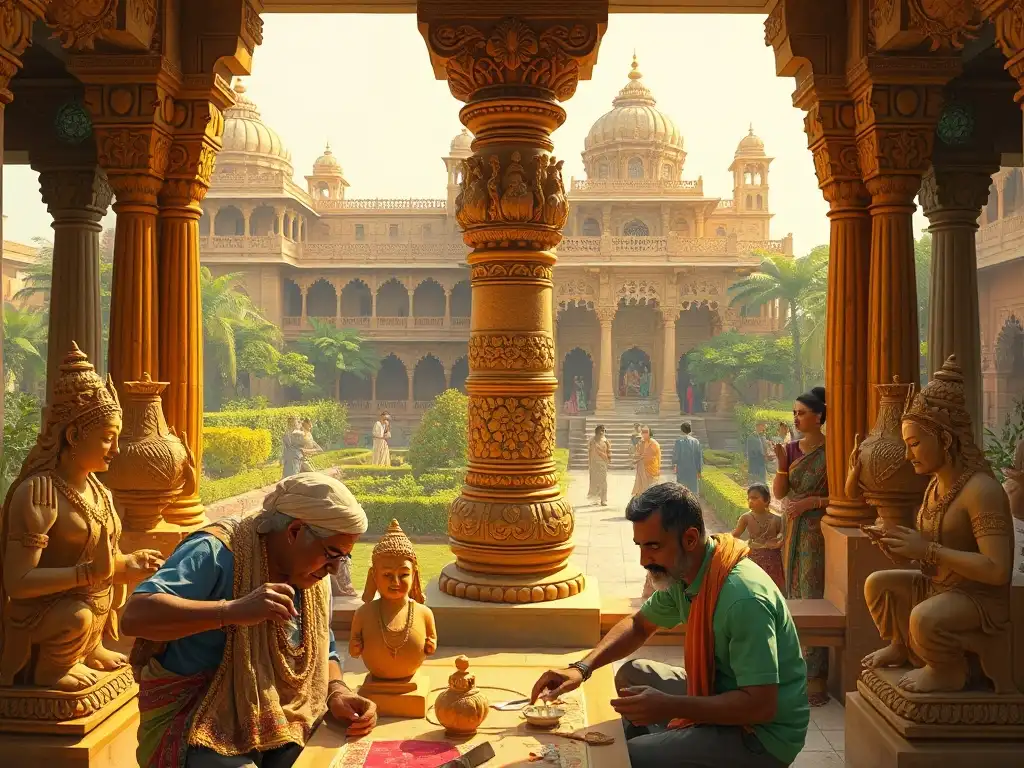
Chandragupta Maurya, the founder of the Mauryan Empire, played a pivotal role in the flourishing of art and culture during his reign from 321 to 297 BCE. His patronage of artists and craftsmen not only supported the development of various art forms but also laid the foundation for a distinctive Mauryan aesthetic. With the establishment of a centralized administration, resources were allocated to promote artistic endeavors, resulting in a vibrant cultural renaissance.
Chandragupta's alignment with the influential thinker Chanakya (Kautilya) further bolstered this artistic movement. Together, they recognized the importance of culture in solidifying political power and unifying the diverse populations within the empire. This strategic patronage led to the creation of artworks that not only celebrated Mauryan achievements but also served as tools for propaganda, enhancing the emperor's image and the empire's stability.
The impact of this patronage is evident in the evolution of artistic styles and the integration of various regional influences, fostering a rich tapestry of cultural expression that would reverberate through subsequent Indian history.
Support for Artists and Craftsmen
Chandragupta Maurya's support for artists and craftsmen was instrumental in nurturing a thriving creative community. He established royal workshops where artisans could hone their skills and produce exceptional works of art. This environment not only encouraged individual creativity but also facilitated collaboration among various craftspeople, leading to innovative techniques and styles.
The Mauryan court attracted skilled artisans from across the subcontinent, including sculptors, painters, and metalworkers. These artists were often commissioned to create works that reflected the grandeur of the empire, such as intricately carved stone sculptures and exquisite pottery. The patronage extended to various art forms, including textiles and jewelry, resulting in a flourishing of craftsmanship that was characteristic of the era.
This emphasis on artistic production contributed to the economic development of the empire, as the demand for luxury goods grew. Moreover, the artworks produced during this time often carried spiritual and political significance, reinforcing the emperor's authority and the empire's cultural identity.
The Creation of Public Works and Monumental Architecture
Chandragupta's reign was marked by significant public works and monumental architecture that showcased the artistic and engineering prowess of the Mauryan Empire. Among the most notable contributions was the construction of the capital city, Pataliputra, which featured grand palaces and well-planned urban infrastructure.
One of the most iconic elements of Mauryan architecture was the construction of stupas, which served as reliquaries for Buddhist relics. The Great Stupa at Sanchi, although built later, reflects the architectural style that originated during the Mauryan era. These stupas were adorned with detailed carvings and gateways (toranas) that depicted various narratives from Buddhist teachings, illustrating the integration of spirituality and artistry.
Additionally, the establishment of roads and irrigation systems not only facilitated trade but also contributed to the empire's cohesion. The monumental works during this period were not merely functional; they were designed to inspire awe and reflect the power of the Mauryan state, leaving a lasting legacy that influenced subsequent architectural styles in India.
Symbols and Themes in Mauryan Art
Mauryan art is characterized by its rich symbolism and thematic depth, which often reflects the spiritual and political ideologies of the time. The artworks created during this era frequently conveyed messages about authority, divinity, and the natural world, employing a variety of symbols that connected the viewer to broader cultural narratives.
Common Motifs in Mauryan Sculpture
The sculptures of the Mauryan period are renowned for their intricate detail and expressive forms. Common motifs include representations of the lion, which symbolized power and royalty, as well as the lotus, representing purity and spiritual awakening. These motifs were often used in sculptures of deities and royal figures, positioning the emperor as a divine ruler.
Another prevalent theme in Mauryan sculpture is the depiction of human figures in dynamic poses, highlighting both physical strength and grace. The use of drapery in clothing adds a sense of movement, while the realistic portrayal of facial expressions conveys a range of emotions, showcasing the mastery of the sculptors.
Moreover, the incorporation of narrative scenes in reliefs tells stories from mythology and everyday life, making the art accessible to a wider audience. The artistry of this period reflects not only skilled craftsmanship but also a profound understanding of human experiences and cultural values.
The Representation of Nature and Animals in Art
Nature and animals held significant symbolic meanings in Mauryan art, often representing various virtues and ideals. The depiction of elephants, for instance, symbolized strength, wisdom, and royalty, while birds and other creatures were frequently used to convey messages of freedom and spirituality.
Mauryan artists excelled in capturing the beauty of the natural world, integrating flora and fauna into their works. The lush, intricate carvings of plants and animals in stone reliefs served to connect the viewer with the environment and underscore the importance of nature in spiritual practices.
Additionally, the incorporation of natural elements into sculptures and architectural designs not only beautified public spaces but also fostered a sense of harmony between the built environment and the natural world. This thematic representation in Mauryan art reflects a deep appreciation of nature, highlighting its role in the cultural and spiritual life of the time.
Legacy of Mauryan Era Art and Culture
The Mauryan era, particularly under the rule of Chandragupta Maurya, marked a significant turning point in the history of Indian art and culture. This period is characterized by its monumental architecture, intricate sculptures, and the establishment of a distinct artistic style that reflected the complexities of urban life and the socio-political environment of the time. The legacy of Mauryan art is not merely confined to its aesthetic value; it represents a profound cultural synthesis that influenced various aspects of life, including religion, governance, and societal norms.
Mauryan art is best exemplified by the impressive Ashoka Pillars, which were erected throughout the empire. These pillars, adorned with exquisite carvings of animals and inscriptions, served as both architectural marvels and vehicles for promoting the ethical and moral tenets of Buddhism. The craftsmanship involved in these structures demonstrated advanced techniques and artistic sensibilities that would resonate through subsequent generations.
Moreover, the Mauryan era's emphasis on public art—through stupas and rock-cut caves—highlighted the importance of collective identity and community engagement. This approach to art not only served religious purposes but also fostered a sense of unity among the diverse populations of the Mauryan Empire.
Influence on Subsequent Indian Art Movements
The artistic innovations of the Mauryan era laid the groundwork for future Indian art movements. The stylistic elements introduced during this period were adopted and adapted by later dynasties, such as the Shunga and Gupta empires. For instance, the use of narrative reliefs and iconography in temple sculptures can be traced back to Mauryan influences, showcasing a continuity of artistic tradition.
Additionally, the integration of religious themes—particularly Buddhism and Jainism—into everyday art forms can be seen as a direct result of Mauryan patronage. The emphasis on spiritual symbolism and ethical teachings in art became a hallmark of Indian culture, influencing not only regional styles but also extending to the broader Asian artistic landscape.
The Mauryan aesthetic also inspired the development of regional styles, as local artisans incorporated Mauryan techniques and motifs into their works. This fusion of styles contributed to the rich tapestry of Indian art, allowing for a diverse range of expressions that remained rooted in the Mauryan legacy.
Preservation and Rediscovery of Mauryan Art Forms
The preservation of Mauryan art forms has been pivotal in understanding the cultural landscape of ancient India. Archaeological excavations and historical studies have unearthed significant artifacts, such as sculptures, inscriptions, and architectural remnants that offer insights into the artistic practices of the time. Institutions dedicated to the preservation of these artifacts have played a crucial role in safeguarding Mauryan heritage.
The rediscovery of Mauryan art was further enhanced during the colonial period when Western scholars began to take an interest in ancient Indian history. This led to a more systematic study of Mauryan art forms, resulting in the documentation and analysis of existing artworks. The efforts to catalog and preserve these pieces have not only contributed to academic discourse but have also sparked renewed interest in Indian culture and history among contemporary audiences.
In recent years, initiatives aimed at promoting awareness of Mauryan art through exhibitions, educational programs, and digital archives have helped to keep this legacy alive. By engaging with the public, these endeavors foster a deeper appreciation for the artistic achievements of the Mauryan era.
Conclusion: The Lasting Impact of Chandragupta's Rule on Art and Culture
The rule of Chandragupta Maurya was a catalyst for profound transformations in art and culture during the Mauryan era. His leadership not only unified a vast territory but also facilitated an environment where artistic expression could flourish. The cultural policies and patronage he established created a legacy that has endured through the centuries.
Summary of Key Contributions to Mauryan Era Art
Chandragupta's contributions to Mauryan art are multifaceted, encompassing architectural innovation, the promotion of Buddhist art, and the establishment of a rich tradition of sculpture and relief work. The introduction of the Ashoka Pillars and stupas exemplifies his commitment to public art that served both religious and civic purposes. His influence extended beyond his reign, shaping the artistic trajectories of subsequent Indian dynasties and their cultural outputs.
Reflection on the Importance of Understanding Mauryan Culture Today
Understanding Mauryan culture today is crucial for several reasons. Firstly, it provides insight into the historical foundations of Indian civilization, illustrating how ancient practices and beliefs have shaped contemporary society. Secondly, the art and culture of the Mauryan era serve as a testament to the achievements of early Indian civilization in promoting ethical governance and cultural expression.
Lastly, the legacy of Mauryan art continues to inspire modern artists and cultural practitioners, reaffirming the enduring relevance of this rich historical period. By engaging with and appreciating Mauryan culture, we foster a greater understanding of our shared human heritage and the artistic traditions that continue to influence us today.
- Introduction to the Mauryan Era Art and Culture
- The Genesis of Mauryan Art and Culture
- Key Features of Mauryan Era Art
- The Role of Religion in Mauryan Art and Culture
- Chandragupta Maurya's Patronage and Its Impact
- Symbols and Themes in Mauryan Art
- Legacy of Mauryan Era Art and Culture
- Conclusion: The Lasting Impact of Chandragupta's Rule on Art and Culture
- What is the significance of the Mauryan era art and culture?
- Who were the major contributors to the artistic development during the Mauryan period?
- What are some examples of artistic achievements from the Mauryan era?
- How did religion influence Mauryan art and culture?
- In what ways did the Mauryan era impact later Indian civilizations?
Frequently Asked Questions
What is the significance of the Mauryan era art and culture?
The Mauryan era art and culture is significant for its innovative techniques and spiritual themes, reflecting the socio-political advancements of the time under Chandragupta's rule.
Who were the major contributors to the artistic development during the Mauryan period?
Key figures include Chandragupta Maurya, who unified India, and his grandson Ashoka, known for his patronage of Buddhism and monumental architecture that influenced Indian art.
What are some examples of artistic achievements from the Mauryan era?
Examples include the Ashoka Pillars, intricate rock-cut caves, and elaborate stupas, which showcase the sophistication and spiritual profundity of Mauryan art.
How did religion influence Mauryan art and culture?
Religion, particularly Buddhism and Jainism, greatly influenced Mauryan art, leading to the creation of religious monuments and sculptures that conveyed spiritual messages and ethics.
In what ways did the Mauryan era impact later Indian civilizations?
The Mauryan era established a foundation for administrative governance and cultural integration, influencing subsequent dynasties in their artistic pursuits, political structures, and social norms.
Final Reflection: The Enduring Legacy of Mauryan Era Art and Culture
The artistic flourish of the Mauryan Era under Chandragupta's rule remains a profound testament to the power of creativity and cultural expression in shaping societies. Today, as we navigate a world increasingly influenced by globalization and technological advancement, the significance of preserving and appreciating our artistic heritage has never been more crucial. The Mauryan era art and culture not only reflect the historical context of their time but also serve as a reminder of the timeless human spirit that seeks to create, innovate, and inspire.
Cultural expressions from the Mauryan period continue to resonate in contemporary society, influencing modern art, architecture, and philosophy. The intricate sculptures, grand stupas, and vibrant murals of this era are not just relics of the past; they are living embodiments of a rich cultural narrative that informs our identity today. As the renowned art historian Ananda K. Coomaraswamy once said, Art is the most beautiful of all lies.
This notion underscores the idea that art transcends time, allowing us to connect with the emotions and ideals of those who came before us, fostering a sense of continuity and belonging.
As we reflect on the lessons of the Mauryan era, let us embrace the call to honor and cultivate our own artistic expressions. Consider how you can contribute to the cultural tapestry of your community, whether through creating, supporting, or sharing art. Each brushstroke, note, or word has the potential to inspire change and foster understanding. In doing so, we not only celebrate our heritage but also pave the way for future generations to explore the depths of their creativity, ensuring that the legacy of art and culture continues to flourish.
Unleash Your Creativity: Embrace the Artistry of the Mauryan Era!
Thank you for diving into the fascinating world of the Mauryan Era under Chandragupta's rule! You've uncovered rich artistic traditions that not only shaped a dynasty but continue to inspire creativity today. Now, let's put that newfound knowledge into action!
- Explore local museums or galleries to see artifacts inspired by the Mauryan period. Engage with history through art that transcends time!
- Share this article with friends and ignite discussions on how ancient artistry influences modern creativity!
- Start a personal project inspired by the intricate designs of the Mauryan era—whether it's painting, sculpture, or digital art!
What is your favorite form of artistic expression, and how will you incorporate ancient styles into your next creation?