
Women in Ancient Indian Literature: Voices that Shaped Culture

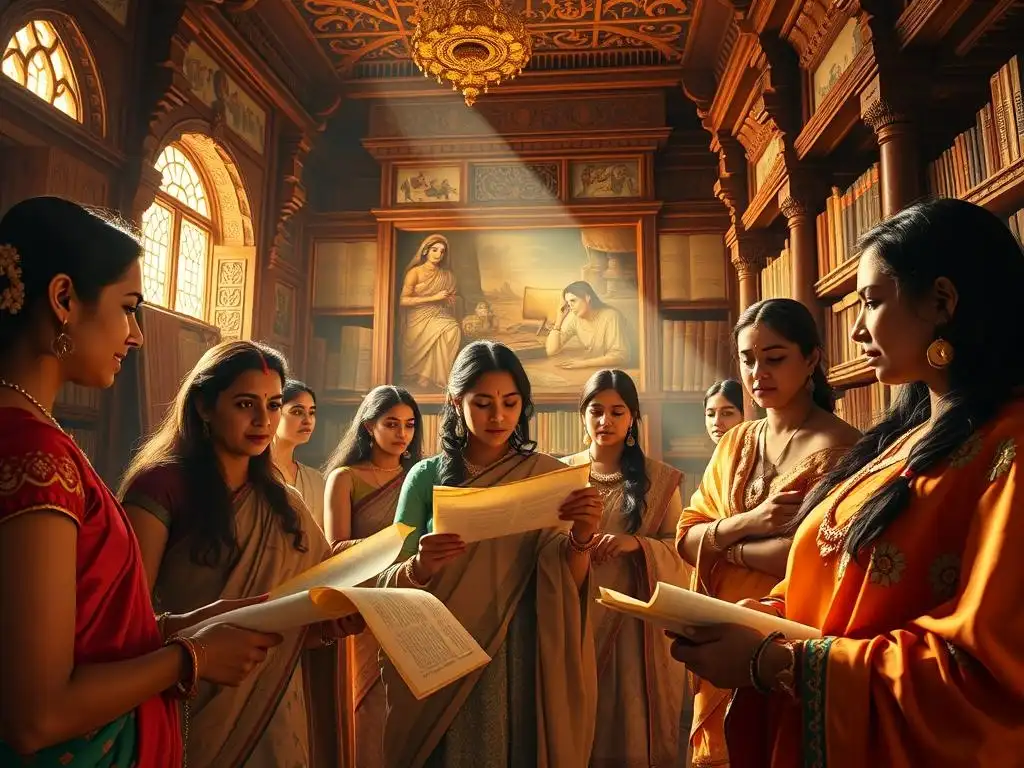
Welcome to Ancient India History, where we delve into the rich tapestry of India's past, exploring the extraordinary contributions and vibrant cultures that shaped civilization. In this issue, we shine a spotlight on "Women in Ancient Indian Literature", uncovering the powerful voices of women whose narratives not only influenced literature but also resonated through the corridors of time. Prepare to embark on a journey that reveals the pivotal roles women played in shaping the cultural landscape of ancient India. Join us as we unravel these remarkable stories and discover the legacies that continue to inspire today.
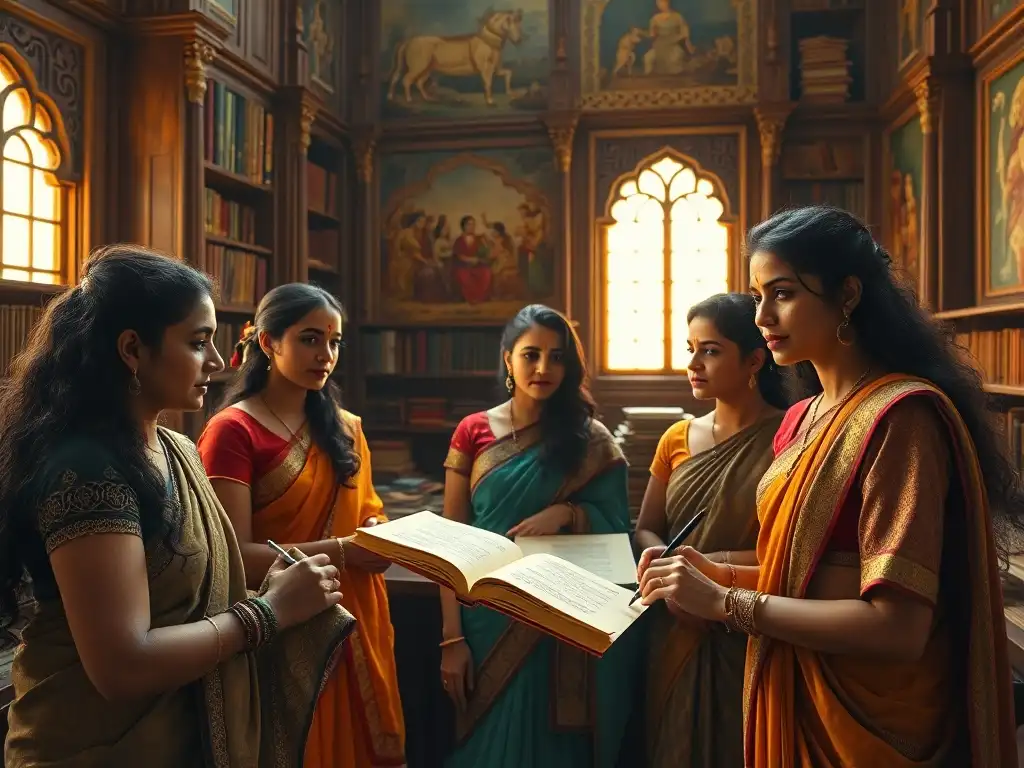
Introduction to Women in Ancient Indian Literature
The exploration of Women in Ancient Indian Literature reveals a tapestry of voices that have significantly shaped the cultural and philosophical landscape of India. From the early Vedic texts to the sophisticated narratives of later periods, women have been depicted not only as central figures in familial and societal roles but also as insightful commentators whose perspectives enrich the literary canon.
The contributions of women in ancient texts provide unique insights into their lives, struggles, and achievements, reflecting the dynamic interplay between gender, society, and culture in ancient India. This article delves into the multifaceted representations of women in ancient literature, highlighting their influence and the vital roles they played in the evolution of Indian thought and tradition.
Understanding the Role of Women in Literature
Women in ancient Indian literature are portrayed in varied dimensions, often embodying ideals of virtue, wisdom, and resilience. Their roles can be categorized into several key aspects:
- Mythological Figures: Women such as Sita and Draupadi serve as pivotal characters in epics like the Ramayana and Mahabharata, representing strength and moral fortitude.
- Scholars and Poets: Figures like Gargi and Maitreyi emerge as intellectuals who engage in philosophical discourse, showcasing women's contributions to the intellectual landscape of their time.
- Everyday Life: Many narratives depict the daily lives of women, providing a lens through which we can understand their societal roles and challenges.
This diverse representation underlines the complexity of women's roles and challenges the simplistic narratives often associated with their existence in historical contexts.
Significance of Women’s Voices in Ancient Texts
The voices of women in ancient Indian literature are essential for understanding the cultural and social dynamics of their times. These voices serve several important functions:
- Cultural Preservation: Women’s writings and narratives have been key in preserving cultural practices, traditions, and oral histories that might otherwise have been lost.
- Social Commentary: Through their writings, women often critique societal norms and expectations, providing a counter-narrative to dominant patriarchal discourses.
- Empowerment: The representation of strong female characters and poets in literature encourages a sense of empowerment and agency, challenging the limitations imposed by their societal roles.
Historical Context of Women in Ancient Indian Literature
To fully appreciate the contributions of women in ancient Indian literature, it is essential to contextualize their roles within the broader historical narrative of India.
Overview of Ancient Indian Literature
Ancient Indian literature spans several millennia, encompassing a wide range of genres, including religious texts, epics, poems, and philosophical treatises. Key texts such as the Vedas, Upanishads, Puranas, and epics like the Ramayana and Mahabharata form the cornerstone of this literary heritage. Women’s inclusion in these texts reveals the evolving attitudes towards gender and the importance of female perspectives in shaping literary traditions.
Women’s Representation in Early Texts
In the earliest texts, women are often depicted in dual roles: as nurturers and as spiritual figures. For instance, in the Vedic literature, women are portrayed as scholars and participants in Vedic rituals, while also being celebrated for their roles within the household. The duality in their representation highlights the complexities of gender roles in ancient Indian society.
Cultural Influence of Women Writers in Ancient India
The contributions of women writers in ancient India were not limited to their immediate contexts; they had a profound influence on subsequent generations. Their works often inspired later poets and philosophers, creating a lineage of literary culture that emphasized the importance of women’s voices. Additionally, many of these women challenged societal norms through their writings, setting precedents for future generations of female intellectuals and artists.
Through this exploration, the crucial roles and rich contributions of women in ancient Indian literature come to light, providing a deeper understanding of their impact on cultural and literary traditions that continue to resonate today.
Prominent Female Figures in Ancient Indian Literature
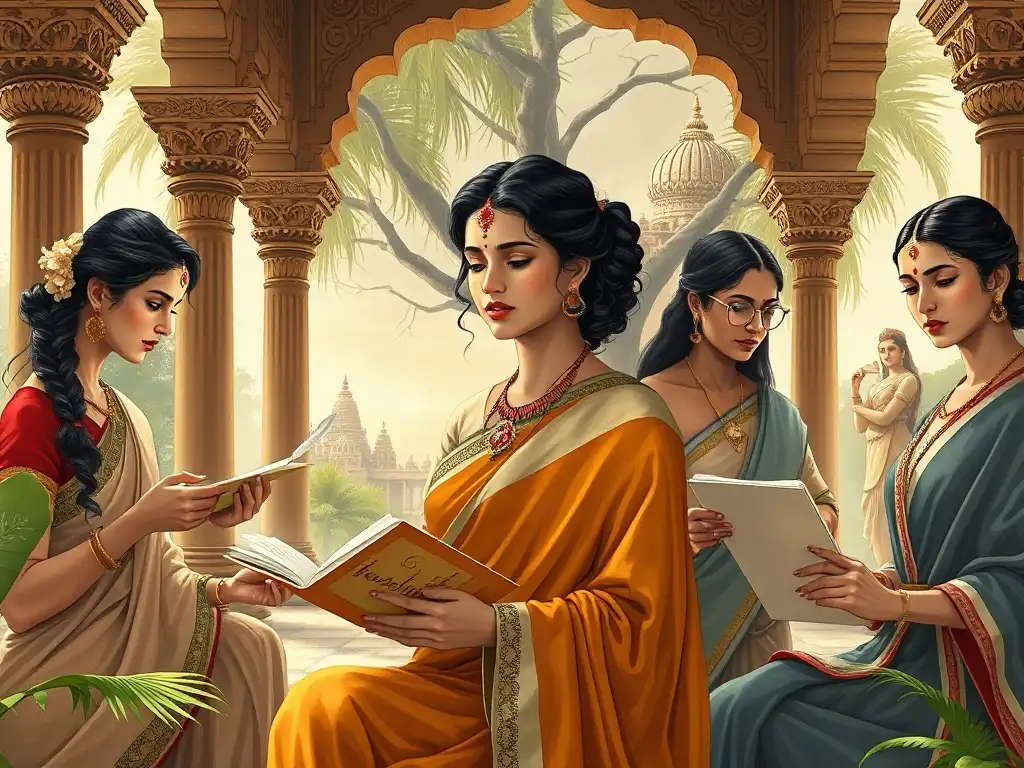
Ancient Indian literature is rich with the voices of women who have significantly influenced its narrative and themes. These prominent female figures often embody the complexities of femininity and its intersection with societal roles. One such figure is Savitribai Phule, who advocated for women's education and rights in the 19th century, though her roots can be traced back to the earlier literary traditions of India. Another notable example is Vasavadatta, a character in the ancient Sanskrit play "Mrichchhakatika," who illustrates the resilience and intelligence of women navigating the complexities of love and social constraints.
In addition to fictional characters, historical figures like Gargi Vachaknavi and Maitreyi are celebrated for their philosophical contributions, often engaging in dialogues that challenge patriarchal norms. These women were not merely passive participants in their narratives; they actively shaped the discourse around ethics, spirituality, and societal values. The representation of women in ancient texts serves as a testament to their multifaceted roles, from revered goddesses to wise sages, each contributing to the rich tapestry of Indian literature.
The Role of Goddesses in Literature
Goddesses in ancient Indian literature hold a pivotal role, representing various aspects of life, nature, and the cosmos. They not only symbolize fertility and motherhood but also embody strength, wisdom, and power. For instance, Saraswati, the goddess of knowledge and arts, is often depicted in texts as a source of inspiration for poets and scholars, highlighting the reverence for women's intellectual contributions.
The narratives surrounding goddesses like Durga and Kali emphasize themes of empowerment and resistance against evil forces, showcasing women's roles as protectors and warriors. These divine figures often serve as metaphors for the struggles and aspirations of women in society, illustrating their capability to transcend traditional roles. Additionally, the worship of these deities in ancient texts reflects the societal acknowledgment of feminine power and its integral place in the cultural fabric of India.
Historical Women Writers and Poets
Ancient Indian literature also features historical women writers and poets who made lasting contributions to the literary canon. One of the earliest known poets, Akkamahadevi, was a 12th-century saint-poet whose Vachanas express profound spiritual insights and critiques of societal norms. Her works not only highlight personal devotion but also challenge the existing patriarchal structures.
Another significant figure is Meera Bai, a 16th-century poetess known for her devotional songs dedicated to Lord Krishna. Meera's poetry transcends the personal, resonating with themes of love, longing, and the quest for divine connection. Her works have inspired countless generations and remain a cornerstone of Indian devotional literature.
These writers and poets often used their pens to voice their experiences, emotions, and challenges, paving the way for future generations of women to express themselves through literature. Their contributions are invaluable, providing insights into the inner lives of women and their struggles in a historically male-dominated literary landscape.
Themes Explored by Women in Ancient Indian Literature
The themes explored by women in ancient Indian literature reflect a spectrum of experiences and perspectives that enrich the cultural narrative. Through their writings, women have addressed love, devotion, patriotism, and spirituality, revealing the depth and complexity of their thoughts and feelings.
Love and Devotion in Women’s Writings
Love and devotion are central themes in the works of women writers, often depicted through the lens of personal experience and spiritual yearning. Poets like Meera Bai express deep emotional connections with the divine, portraying love as a transformative force that transcends the physical realm. Her bhajans are imbued with longing and devotion, illustrating the depth of her relationship with Krishna.
Similarly, Sita, the heroine of the Ramayana, embodies the ideals of love and fidelity, representing the struggles of women in love against the backdrop of societal expectations. The portrayal of Sita's unwavering devotion to Rama has made her an enduring symbol of loyalty and virtue in Indian literature. These narratives not only capture the essence of romantic love but also explore the spiritual dimensions of devotion, showcasing how women's voices contribute to the understanding of these universal themes.
Feminine Perspective on Patriotism and War
Women’s writings in ancient India also encompass themes of patriotism and war, providing a unique feminine perspective on these often male-dominated narratives. Women like Rani Durgavati, though not a literary figure in the traditional sense, are celebrated in literature for their valor and leadership during battles. Her story represents the fierce spirit of women who fought for their homeland.
Additionally, epics such as the Mahabharata present female characters like Draupadi, who plays a crucial role in the war narrative, highlighting her courage and strength in the face of adversity. Draupadi's plight during the game of dice and her subsequent call for justice reflect the intersection of gender, power, and resistance.
These themes of patriotism and war, explored through the voices of women, challenge conventional narratives and highlight the active role women played in shaping the socio-political landscape of ancient India.
Spirituality and Women’s Voices in Texts
Spirituality is another significant theme in women’s writings, where female voices articulate profound philosophical insights and personal experiences of the divine. Figures like Gargi Vachaknavi, a sage known for her wisdom, engaged in dialogues that explored the nature of the universe and existence, emphasizing the intellectual contributions of women in spiritual discourse.
In addition, the Bhakti movement, characterized by devotional poetry, provided a platform for women to express their spiritual experiences. Through their poetry, women conveyed their personal journeys toward enlightenment and connection with the divine, often challenging societal norms that restricted their spiritual agency.
These spiritual narratives serve to enrich the understanding of women's roles in ancient Indian literature, illustrating how their voices shaped the discourse on spirituality and contributed to a broader understanding of the divine.
Impact of Women’s Literature on Ancient Indian Society
Women in ancient Indian literature played a crucial role in shaping societal norms and cultural narratives. Their writings not only reflected the prevailing gender roles but also challenged and redefined them, influencing generations. The contributions of women writers and poets were essential in weaving the social fabric of their time, as they addressed themes of love, duty, morality, and spirituality. This body of work served as a voice for women, allowing them to express their thoughts, struggles, and aspirations, thereby promoting awareness and dialogue regarding women's issues in ancient society.
The presence of female characters in epics like the Mahabharata and Ramayana often depicted strength and resilience, subtly empowering women within the narrative. The expressions of female authors, such as the poetess Mirabai, conveyed deep emotional and spiritual experiences, contributing to the devotional literature that permeated society. By articulating their perspectives, women not only enriched the literary landscape but also forged a path for future generations to explore their identities and roles.
Shaping Gender Roles and Expectations
The literature produced by women in ancient India significantly influenced gender roles and expectations. Through their writings, they articulated the complexities of women's experiences, challenging the traditional confines of domesticity and subservience. For instance, works like the "Stri Dharmaprakashika" provided insights into the moral and ethical responsibilities of women, while also advocating for their rights to education and self-expression.
Moreover, the portrayal of women in literature often oscillated between idealized virtues and realistic struggles. Characters such as Sita and Draupadi embodied both devotion and defiance, prompting readers to reconsider the attributes associated with femininity. This dual representation fostered a nuanced understanding of women's roles, encouraging society to embrace a broader spectrum of female identities beyond mere homemakers.
Influence on Religious and Philosophical Thought
Women’s literature in ancient India also made significant contributions to religious and philosophical thought. Female saints and philosophers, such as Gargi and Maitreyi, engaged in profound discussions about the nature of existence, knowledge, and the divine. Their dialogues often challenged patriarchal norms, emphasizing women's intellectual capabilities and their rightful place in philosophical discourse.
Additionally, the mystical poetry of women like Mirabai infused spirituality with personal experience, allowing for a more inclusive interpretation of devotion. Their works prompted a re-evaluation of spiritual practices, highlighting the importance of individual connection to the divine, irrespective of gender. This shift in religious thought not only elevated women's voices but also enriched the spiritual landscape of ancient India.
Contributions to Cultural and Artistic Expression
The contributions of women to cultural and artistic expression in ancient India are noteworthy. Through poetry, storytelling, and music, women articulated their experiences and emotions, thereby enriching the cultural narrative. The tradition of oral storytelling, often led by women, preserved local histories, folklore, and moral lessons, passing them down through generations.
Moreover, women were instrumental in various art forms, including classical dance and music. Figures like the renowned dancer and poet, Lalita, exemplified how women could excel in the arts while simultaneously challenging the societal norms of their time. Their artistic expressions not only showcased their talents but also served as a medium for social commentary, elevating women's status in cultural contexts.
Comparative Analysis: Women in Literature Across Cultures
The exploration of women's literature across various ancient civilizations reveals both unique contributions and shared challenges. While the specific cultural contexts differ, the underlying themes of women's agency, identity, and resistance resonate universally.
Women’s Literary Contributions in Other Ancient Civilizations
In ancient Greece, women like Sappho made significant strides in poetry, focusing on personal emotion and relationships. Similarly, in ancient Egypt, female writers such as Hatshepsut and the author of "The Tale of the Two Brothers" contributed to literature that often emphasized morality and family dynamics. These contributions highlight that women, regardless of their cultural backgrounds, utilized literature as a platform to express their thoughts and experiences.
In Mesopotamia, the Epic of Gilgamesh features female figures who wield significant influence, indicating that women were not merely passive characters but active participants in shaping narratives. This cross-cultural analysis underscores a shared struggle for recognition and agency among women writers throughout history.
Similarities and Differences in Representation
While there are notable similarities in the representation of women across ancient literatures—such as the exploration of love, duty, and societal roles—there are also distinct differences. In ancient Indian literature, for example, the depiction of women often intertwined with spiritual and philosophical themes, reflecting the cultural significance of dharma (duty) and karma (action).
Conversely, in Greek literature, women were often portrayed within the confines of domesticity or as muses for male protagonists. This divergence illustrates how cultural narratives shape the representation of women, influencing how their voices are heard and acknowledged in literary traditions.
Overall, the comparative analysis of women in literature across cultures enriches our understanding of their roles and contributions, revealing a tapestry of voices that have shaped human history.
Challenges Faced by Women Writers in Ancient India
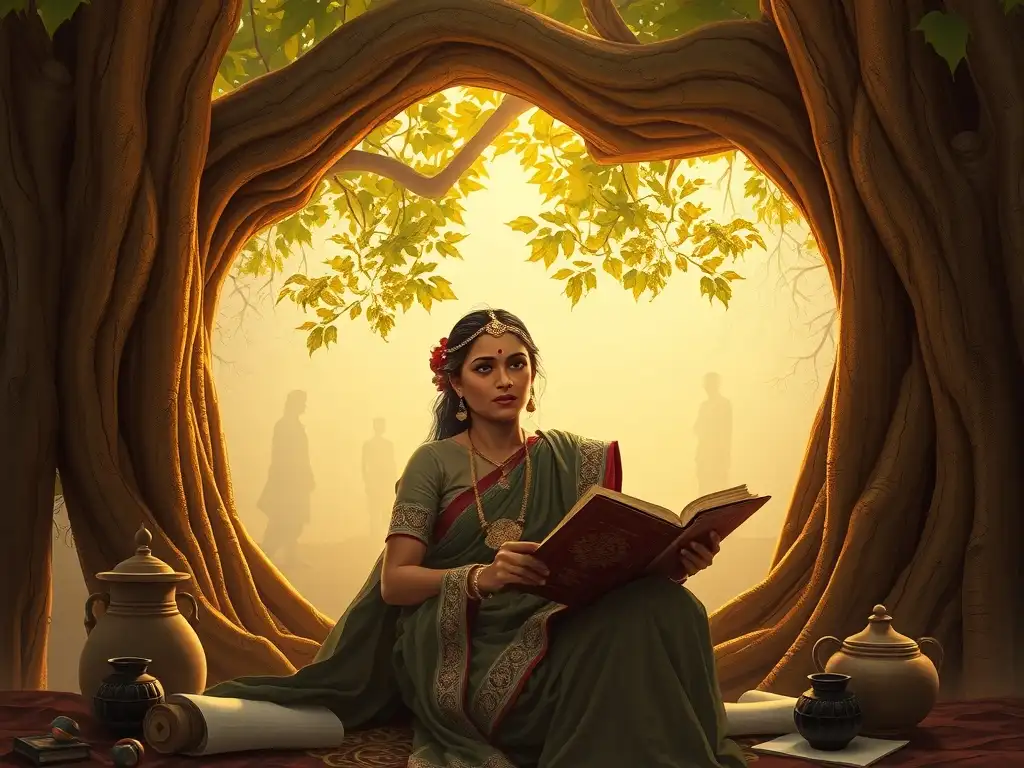
The literary contributions of women in ancient India were often overshadowed by the prevailing societal norms and restrictions of their time. Despite their significant talents and insights, female writers encountered numerous obstacles that limited their expression and recognition. These challenges not only affected their ability to create literary works but also impacted the preservation and transmission of those works through generations.
Societal Constraints and Limitations
Women in ancient India were subjected to stringent societal norms that dictated their roles primarily as wives and mothers. Cultural expectations often confined them to domestic spaces, limiting their opportunities for education and intellectual engagement. The patriarchal structure of society viewed women primarily through a lens of domesticity, which posed significant barriers to their involvement in literary pursuits.
- Education: Access to education for women was severely restricted, with many girls receiving little to no formal instruction. This lack of education hindered their ability to engage with literary forms or to write extensively.
- Censorship: Even when women did manage to write, their works were frequently subject to censorship or disapproval from male relatives or societal leaders. This scrutiny often led to self-censorship, where women refrained from discussing certain topics or expressing individual thoughts that could be deemed inappropriate.
- Cultural Perception: The perception of women as less capable than men in intellectual and artistic endeavors contributed to the marginalization of their literary contributions. Many notable texts were often attributed to male authors, overshadowing the voices of women who played a crucial role in their creation.
These societal constraints created a challenging environment for women writers, making their literary contributions less visible and often unacknowledged.
Preservation of Women’s Literary Works
The preservation of women's literary works in ancient India was fraught with difficulties. Unlike their male counterparts, whose works were often systematically documented and archived, women's writings faced significant challenges in being recorded and passed down through generations.
- Oral Tradition: Many women’s literary contributions, especially in the form of poetry and folklore, were transmitted orally rather than written down. This reliance on oral tradition meant that many voices were lost over time or altered through retellings.
- Destruction of Texts: Historical upheavals, including invasions and the destruction of libraries, often resulted in the loss of texts authored by women. As a result, many contributions remain unknown or incomplete.
- Limited Recognition: The lack of recognition for women's works resulted in a diminished focus on preserving their contributions. Historical records often prioritized male authors, leading to an incomplete understanding of the literary landscape of ancient India.
These factors combined to create a landscape where women’s literary contributions were not only challenged during their time but also faced significant obstacles in being recognized and preserved for future generations.
Conclusion: Legacy of Women in Ancient Indian Literature
The legacy of women in ancient Indian literature is complex and multifaceted, reflecting both their struggles and triumphs in a predominantly male-dominated field. Despite the challenges they faced, the impact of their voices continues to resonate through literary history.
Continuing Influence on Modern Literature
The themes and narratives crafted by women in ancient Indian literature have influenced modern literary traditions both in India and beyond. Their insights into societal roles, gender dynamics, and human emotions provide timeless reflections that continue to inspire contemporary writers.
- Feminist Literature: Modern feminist writers often draw upon the contributions of their ancient predecessors to highlight gender issues and advocate for women's rights, demonstrating the enduring relevance of these voices.
- Cultural Identity: The works of women in ancient India contribute to a broader understanding of cultural identity, shaping narratives that explore the intersection of gender and culture, which continue to be explored in modern literature.
The Importance of Recognizing Women’s Contributions
Recognizing the contributions of women in ancient Indian literature is essential for a holistic understanding of literary history. By addressing the challenges they faced and acknowledging their achievements, we can appreciate the richness of their voices and the diversity of perspectives they offered.
- Historical Context: Understanding the societal constraints that women faced enhances our appreciation of their literary contributions, providing context for their works.
- Inspiration for Future Generations: Celebrating women writers from ancient India serves as an inspiration for future generations, encouraging young women to pursue their literary aspirations and contribute to the ongoing narrative of human experience.
The voices of women in ancient Indian literature not only shaped the cultural fabric of their time but also continue to influence and inspire contemporary discourse, highlighting the importance of recognizing their invaluable contributions to literature and society.
References and Further Reading
Understanding the role of women in ancient Indian literature requires delving into a variety of scholarly works that analyze texts, historical contexts, and cultural impacts. The following sections provide suggested readings and online resources that can enhance your knowledge and offer deeper insights into the voices of women in ancient Indian literature.
Suggested Books and Articles on Women in Ancient Indian Literature
-
"Women in Ancient India: A Historical Perspective" by Kumud Sharma
This book provides a comprehensive exploration of women's roles in ancient Indian society, including their representation in literature and mythology. It discusses various texts and offers critical insights into the historical context of women's voices.
-
"The Feminine in Ancient Indian Literature" by Meena Sharma
A focused analysis of how femininity is portrayed in key literary works from ancient India. Sharma examines texts ranging from the Vedas to classical poetry, highlighting the complexities of female representation.
-
"Women and Society in Ancient India" by Indira K. Sinha
This scholarly work delves into social structures and gender roles, offering a thorough examination of how literature reflects the lives of women in ancient Indian civilization.
-
"Voices of Women in Ancient Indian Texts" (Journal of Historical Studies)
This article compiles various examples from ancient texts, showcasing the contributions of women in literature. It discusses how these voices influenced cultural narratives and societal norms.
-
"The Role of Women in the Epics: Ramayana and Mahabharata" by Aruna Nair
Nair's work focuses on the significant female characters in the two great Indian epics, analyzing how their stories shape the narrative and cultural ethos of ancient India.
Online Resources for Further Exploration
-
Digital Library of India
A treasure trove of ancient texts, many of which feature significant contributions from women. This resource allows for the exploration of original manuscripts and translations.
-
The Internet Archive
Offers a wide range of books and articles related to ancient Indian literature, including those focused on women's roles and representation. Users can access both primary sources and critical analyses.
-
Women in World History: Modules
This educational resource provides modules specifically on women in ancient cultures, including India. It includes lesson plans and essays that explore the impact of women in historical contexts.
-
Project Gutenberg
A digital library offering free access to a vast collection of literary works, including those from ancient India. It is an excellent resource for finding primary texts that feature female voices.
-
Academia.edu
A platform where researchers publish their papers. A search for "Women in Ancient Indian Literature" can yield numerous articles and studies by scholars in the field, providing diverse perspectives and analyses.
These references and resources serve as a solid foundation for anyone interested in exploring the rich tapestry of women's voices in ancient Indian literature, offering both academic insights and primary texts.
- Introduction to Women in Ancient Indian Literature
- Understanding the Role of Women in Literature
- Significance of Women’s Voices in Ancient Texts
- Historical Context of Women in Ancient Indian Literature
- Prominent Female Figures in Ancient Indian Literature
- Themes Explored by Women in Ancient Indian Literature
- Impact of Women’s Literature on Ancient Indian Society
- Comparative Analysis: Women in Literature Across Cultures
- Challenges Faced by Women Writers in Ancient India
- Conclusion: Legacy of Women in Ancient Indian Literature
- References and Further Reading
- What role did women play in ancient Indian literature?
- How were women depicted in texts from the Indus Valley civilization?
- What contributions did women make during the Gupta Empire?
- Are there notable female authors in ancient Indian literature?
- How did the portrayal of women in ancient Indian literature influence later cultures?
Frequently Asked Questions
What role did women play in ancient Indian literature?
Women in ancient Indian literature often served as influential characters, shaping narratives and moral lessons, showcasing their strength and wisdom.
How were women depicted in texts from the Indus Valley civilization?
In the Indus Valley civilization, women were often depicted in artifacts and seals, suggesting they held a significant social position and participated in various aspects of life.
What contributions did women make during the Gupta Empire?
During the Gupta Empire, women were recognized for their intellectual contributions in literature, philosophy, and arts, often being portrayed as patrons or creators of literary works.
Yes, ancient texts reference female authors like Vasanti and Maitreyi, who contributed to philosophical and poetic traditions, showcasing their literary prowess.
How did the portrayal of women in ancient Indian literature influence later cultures?
The portrayals of women in ancient texts laid the foundation for future cultural narratives, influencing the perception and treatment of women in subsequent Indian societies.
Final Reflection: The Enduring Voices of Women in Ancient Indian Literature
The exploration of women's roles in ancient Indian literature reveals a profound connection to contemporary discussions on gender, identity, and cultural representation. As we delve into the narratives crafted by and about women in ancient texts, we uncover not only their contributions to literature but also their influence on societal norms and values. This recognition is crucial today, as we strive for a more inclusive understanding of history and culture, reminding us that the voices of women have always been integral to shaping our collective identity.
Clearly, the impact of these ancient narratives resonates in our modern cultural landscape, where the fight for gender equality and representation continues to unfold. The stories of women like Draupadi and Savitri not only highlight their strength and agency but also serve as a mirror reflecting the ongoing struggles faced by women today. As we navigate this complex terrain, we can draw inspiration from the past. The stories we tell shape the world we live in.
This quote encapsulates the essence of how literature can influence societal change, urging us to recognize and amplify the voices that have historically been marginalized.
As we conclude this exploration, I invite you to reflect on the lessons learned from these ancient narratives and consider how they can inform your own understanding of gender and culture. Take a moment to think about the stories that resonate with you and how you can contribute to a dialogue that honors the voices of women, both past and present. By engaging with these narratives, we not only celebrate their legacy but also empower future generations to continue the conversation, ensuring that the voices of women in literature remain vibrant and influential.
Unveil the Legacy of Ancient Indian Women!
Thank you for taking the time to explore the incredible contributions of women in ancient Indian literature. Your interest in these powerful voices helps keep their stories alive! Now, let’s inspire change and deepen your understanding of their impact.
Here are some engaging steps you can take:
- Dive Deeper: Read a classic work by an ancient Indian female author or scholar, and reflect on its relevance today.
- Join the Conversation: Share this article with friends or on social media to spark discussions about women's roles in shaping culture.
- Explore Further: Look for local events or online forums focused on women in literature, and participate to expand your knowledge and connect with others.
What insights did you gain about the role of women in literature that surprised you the most? Let's keep the dialogue going!