
How Ancient Indian Metallurgy Contributed to Architectural Wonders

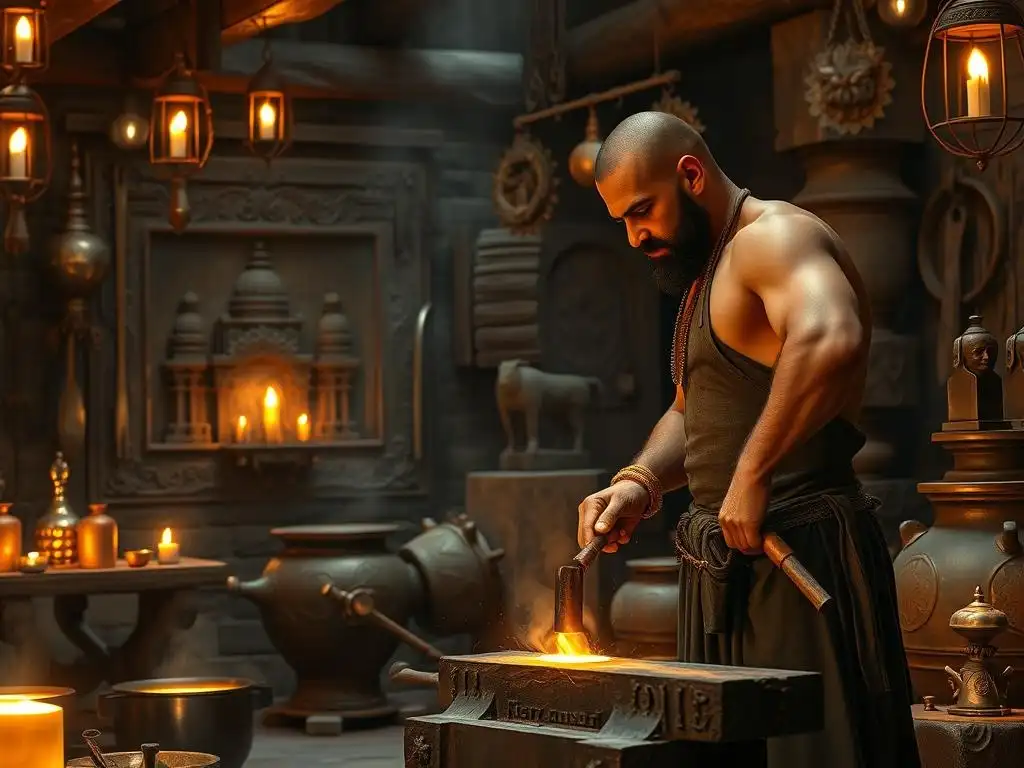
Welcome to Ancient India History, where we embark on a captivating journey through time, unveiling the rich tapestry of culture and innovation that shaped one of the world's most fascinating civilizations. Today, we invite you to delve into the remarkable world of ancient Indian metallurgy techniques, a cornerstone of architectural wonder that not only showcases the ingenuity of ancient artisans but also laid the groundwork for future technological advancements.
Are you ready to discover how these remarkable skills contributed to the grand edifices and intricate designs that continue to inspire awe? Join us as we explore the fascinating intersections of technology and heritage that defined an era!
- Introduction to Ancient Indian Metallurgy Techniques
- Historical Context of Ancient Indian Metallurgy
- Techniques of Ancient Indian Metallurgy
- Architectural Wonders Influenced by Metallurgy
- Case Studies of Architectural Marvels
- The Legacy of Ancient Indian Metallurgy Techniques
- Conclusion
-
Frequently Asked Questions
- What are ancient Indian metallurgy techniques?
- How did metallurgy influence ancient Indian architecture?
- What metals were primarily used in ancient Indian metallurgy?
- What are some famous architectural wonders resulting from ancient Indian metallurgy?
- How did ancient Indian metallurgy compare to other civilizations?
- Final Reflection: The Enduring Legacy of Ancient Indian Metallurgy
- Unleash the Secrets of Ancient Indian Metallurgy!
Introduction to Ancient Indian Metallurgy Techniques
Ancient Indian metallurgy is a fascinating subject that reveals the exceptional skills and innovative techniques of ancient civilizations in India. From the sophisticated metallurgical practices of the Indus Valley Civilization to the advanced methodologies employed during the Gupta Empire, these techniques not only highlight the technological prowess of the time but also significantly contributed to architectural wonders that have stood the test of time.
The use of metals like copper, bronze, iron, and later, steel, played a crucial role in shaping the infrastructure, religious structures, and everyday tools of ancient Indian society. Understanding the ancient Indian metallurgy techniques provides invaluable insights into the cultural and technological advancements that defined this era, showcasing how these practices laid the groundwork for subsequent developments in architecture and engineering.
Overview of Metallurgy in Ancient India
The journey of metallurgy in ancient India can be traced back to the Indus Valley Civilization (circa 3300–1300 BCE), where evidence of early metalworking has been found. The artisans of this period demonstrated remarkable skills in the extraction and alloying of metals. Key elements of this metallurgical legacy include:
- Copper and Bronze Work:
- Artisans produced various tools, weapons, and decorative items using copper and bronze, showcasing intricate designs and advanced casting techniques.
- The famous dancing girl statuette, a bronze artifact from Mohenjo-Daro, exemplifies the sophistication of metal casting during this period.
- Iron Metallurgy:
- The Iron Age, beginning around 1200 BCE, marked a significant advancement with the introduction of iron smelting techniques.
- The Wootz steel, developed around the 3rd century CE, became renowned for its quality and was exported globally, influencing metallurgy in other civilizations.
- Alchemical Practices:
- Ancient Indian texts such as the Arthashastra and Rasayana discuss various methods for metal purification and alloying, indicating a profound understanding of chemistry and materials science.
These metallurgical innovations laid the groundwork for future architectural feats, enabling the construction of magnificent structures that showcased both aesthetic beauty and functional durability.
Importance of Metallurgical Innovations in Architecture
The impact of ancient Indian metallurgy on architecture cannot be overstated. Metallurgical innovations allowed builders to create robust structures that were not only enduring but also visually striking. Some key contributions include:
- Structural Integrity:
- The use of iron and steel in construction provided enhanced strength, allowing for the design of larger and more complex structures, such as temples and forts.
- For example, the Iron Pillar of Delhi, dating back to the 4th century CE, stands as a testament to the advanced metallurgy of ancient India, resisting corrosion for over 1,600 years.
- Artistic Expressions:
- The incorporation of intricate metalwork in architectural designs added aesthetic values to buildings. Decorative elements made from bronze or wrought iron adorned temples and palaces, reflecting cultural narratives and local artistry.
- The Brihadeeswarar Temple in Thanjavur features exquisite bronze sculptures, illustrating the intersection of metallurgical skill and artistic expression.
- Engineering Advancements:
- Innovations such as the use of metal clamps and brackets facilitated the assembly of larger stone blocks, improving the overall stability of structures.
- The stepwell architecture, utilizing advanced water management techniques, often integrated metal ladders and fixtures, showcasing the practical applications of metallurgy in daily life.
Through these advancements, ancient Indian metallurgy contributed significantly to not only the aesthetic and structural aspects of architecture but also to the cultural and technological evolution of the subcontinent. The legacy of these techniques continues to inspire modern engineering and architectural practices.
Historical Context of Ancient Indian Metallurgy
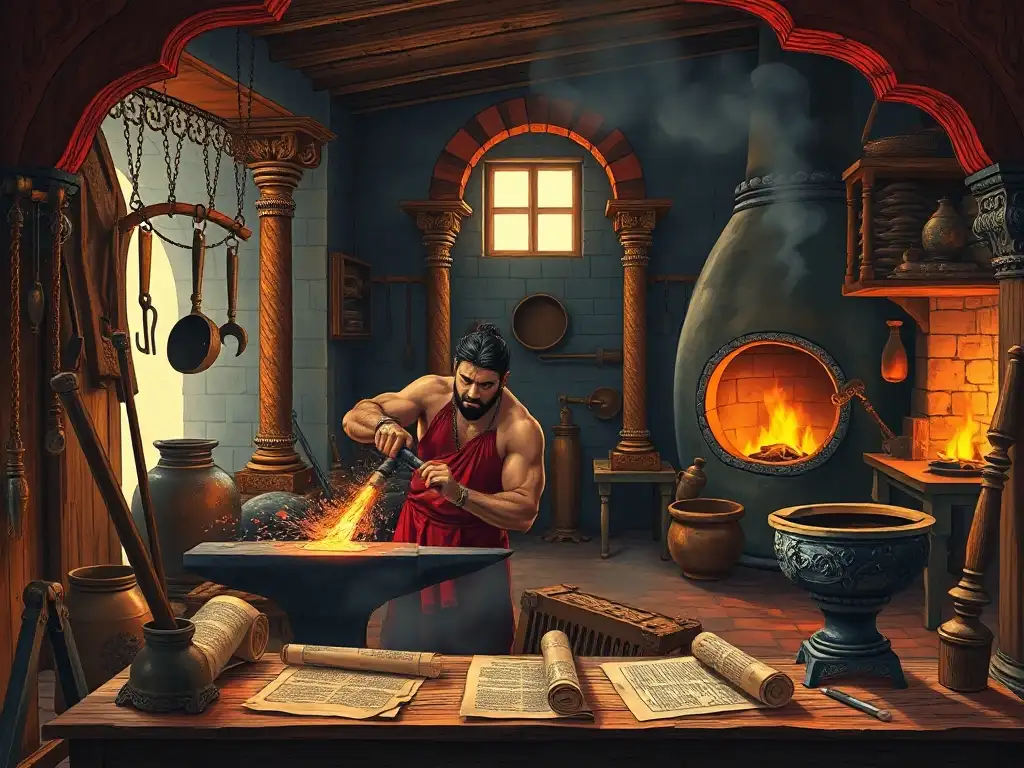
Ancient Indian metallurgy represents a significant chapter in the history of technology and innovation. It encompasses a range of metalworking techniques that contributed not only to the practical aspects of daily life but also to the grandeur of architectural endeavors. The metallurgy practices in ancient India date back to the Indus Valley Civilization (circa 3300–1300 BCE) and evolved through successive empires, showcasing a rich legacy of techniques and materials that would influence both regional and international developments.
Early Developments in Metallurgy in the Indus Valley
The Indus Valley Civilization is renowned for its sophisticated urban planning and advanced craftsmanship, including metallurgy. Archaeological excavations at sites like Harappa and Mohenjo-Daro reveal a variety of metal artifacts that demonstrate early metallurgical skills.
- Copper and Bronze Work: The Indus Valley artisans were adept at working with copper and bronze. They crafted tools, weapons, and decorative items using lost-wax casting techniques, which involved creating a wax model that was encased in clay. Once heated, the wax melted away, allowing molten metal to fill the space.
- Alloy Production: The ability to create bronze, an alloy of copper and tin, indicates a sophisticated understanding of material properties. This innovation allowed for the production of harder and more durable tools and weapons, which were crucial for agriculture and defense.
- Trade and Influence: The extensive trade networks established by the Indus Valley people facilitated the exchange of metallurgical knowledge and materials with other regions, including Mesopotamia. Such interactions likely influenced the development of metallurgy techniques beyond the subcontinent.
The Role of Metallurgy in the Maurya and Gupta Empires
The Maurya (322–185 BCE) and Gupta (c. 320–550 CE) Empires marked a golden age for metallurgy in ancient India, during which advanced techniques flourished.
- Iron Smelting: The Mauryan Empire is particularly noted for its iron metallurgy. The famous iron pillar of Delhi, dating back to around 400 CE, showcases advanced iron-smelting techniques. This pillar is notable for its resistance to corrosion, demonstrating an understanding of alloying and material properties that was ahead of its time.
- Architectural Applications: Metallurgy played a crucial role in architectural advancements. The use of iron beams, for instance, allowed for larger and more stable structures, enabling the construction of iconic temples and stupas that characterized the landscape of ancient India.
- Cultural Significance: The Gupta period further refined metallurgical techniques, producing exquisite gold and silver coins that not only facilitated trade but also served as a medium for artistic expression. The intricate designs on coins reflect the high level of craftsmanship and artistic sensibility of the time.
Key Metallurgical Centers in Ancient India
Several regions in ancient India emerged as key centers of metallurgical innovation and production, contributing significantly to the overall advancement of metallurgy techniques.
- Kanchipuram: Known for its bronze casting, Kanchipuram was a hub for artisans skilled in crafting bronze idols and ceremonial items, often using the cire perdue (lost wax) method. This city became synonymous with high-quality metalwork, attracting traders and craftsmen alike.
- Bihar: The region of Bihar, particularly during the Mauryan period, became a significant center for iron production. The iron mines of the region provided the raw materials necessary for the extensive ironworking that characterized the era.
- Uttar Pradesh: This region was home to the famous city of Kannauj, which became a center for the production of high-quality steel known as wootz steel. This material was highly sought after, not only within India but also in foreign markets, leading to its export to regions as far as the Middle East and Europe.
Ancient Indian metallurgy techniques not only laid the groundwork for the development of sophisticated tools and weapons but also played a vital role in the architectural advancements that defined the civilizations of the subcontinent. The legacy of these practices continues to influence modern metallurgy and material science.
Techniques of Ancient Indian Metallurgy
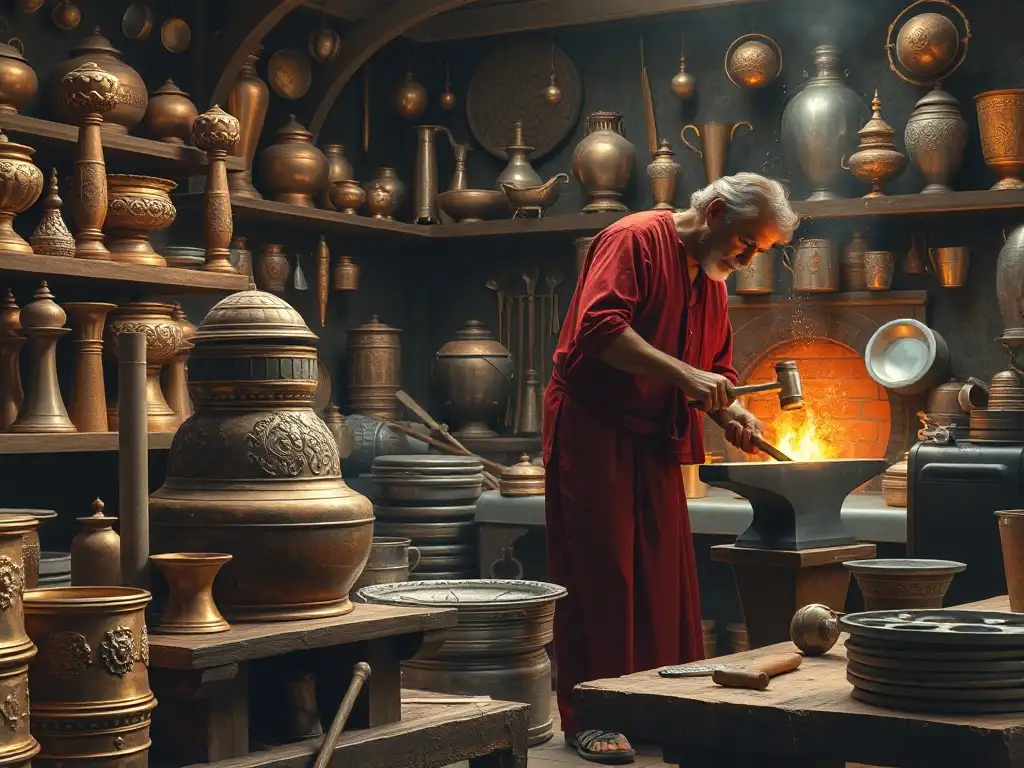
Ancient Indian metallurgy encompasses a variety of sophisticated techniques that were pivotal in shaping the architectural and artistic achievements of the civilizations. The mastery of metals not only facilitated the construction of monumental structures but also influenced various other domains such as agriculture, warfare, and trade. The following sections delve into the key techniques employed in ancient Indian metallurgy.
Smelting and Alloying Techniques
The process of smelting was fundamental to ancient Indian metallurgy, as it involved extracting metals from their ores through heating. The primary metals that were smelted include copper, bronze, and iron.
- Copper Smelting:
- Ancient Indians utilized furnaces known as kathas for smelting copper ores, which were primarily found in regions like Rajasthan and Madhya Pradesh.
- The typical temperature for smelting copper was around 1,200°C, achieved through the use of charcoal as fuel.
- Bronze Alloying:
- The combination of copper with tin or arsenic resulted in bronze, a metal that was significantly harder and more durable than its components.
- Archaeological findings indicate that the ratio of copper to tin was often around 9:1, which produced an alloy known for its strength and resistance to corrosion.
- Iron Production:
- The transition to iron metallurgy marked a significant advancement, with the earliest evidence dating back to around 1200 BCE.
- The use of bloomery furnaces enabled the production of wrought iron, which was utilized extensively for tools and weaponry.
Casting and Molding Methods
Casting was another pivotal technique that allowed ancient Indian metallurgists to create intricate designs and shapes.
- Lost-Wax Casting:
- This technique involved creating a model in wax, which was then encased in clay. Once heated, the wax melted away, leaving a mold for pouring molten metal.
- This method was crucial for producing detailed sculptures and idols, notably seen in the famous Nataraja statues.
- Sand Casting:
- Another prevalent method involved using sand to create molds. The sand was mixed with clay and water to form a compact mass that could hold the shape during the metal pouring process.
- This technique was primarily used for creating tools and larger items like bells and utensils.
- Die Casting:
- Although less common, die casting was utilized for producing uniform pieces, such as coins. The die, made from harder materials, allowed for precision and replication.
Advanced Metallurgical Tools and Their Uses
The advancement of metallurgy in ancient India was supported by the development of specialized tools that enhanced both the smelting and shaping processes.
- Hammers and Anvils:
- Constructed from harder metals, these tools were essential for forging and shaping metals. Hammers were often used to create flat sheets or intricate designs, while anvils provided a sturdy surface for metalworking.
- Furnace Designs:
- The evolution of furnaces, such as the pits and tall furnaces, allowed for higher temperatures and improved efficiency in metal production.
- These designs also enabled the production of higher-quality metals, essential for both utilitarian and ceremonial uses.
- Measuring Tools:
- Ancient Indian metallurgists developed measuring tools that ensured the accuracy of metal compositions and dimensions, which were crucial for both structural integrity and aesthetic appeal.
The ancient Indian metallurgy techniques not only contributed to the creation of architectural wonders but also played a significant role in societal advancement. The mastery of materials allowed ancient civilizations to thrive, leaving a legacy that continues to influence modern practices in metallurgy and architecture.
Architectural Wonders Influenced by Metallurgy
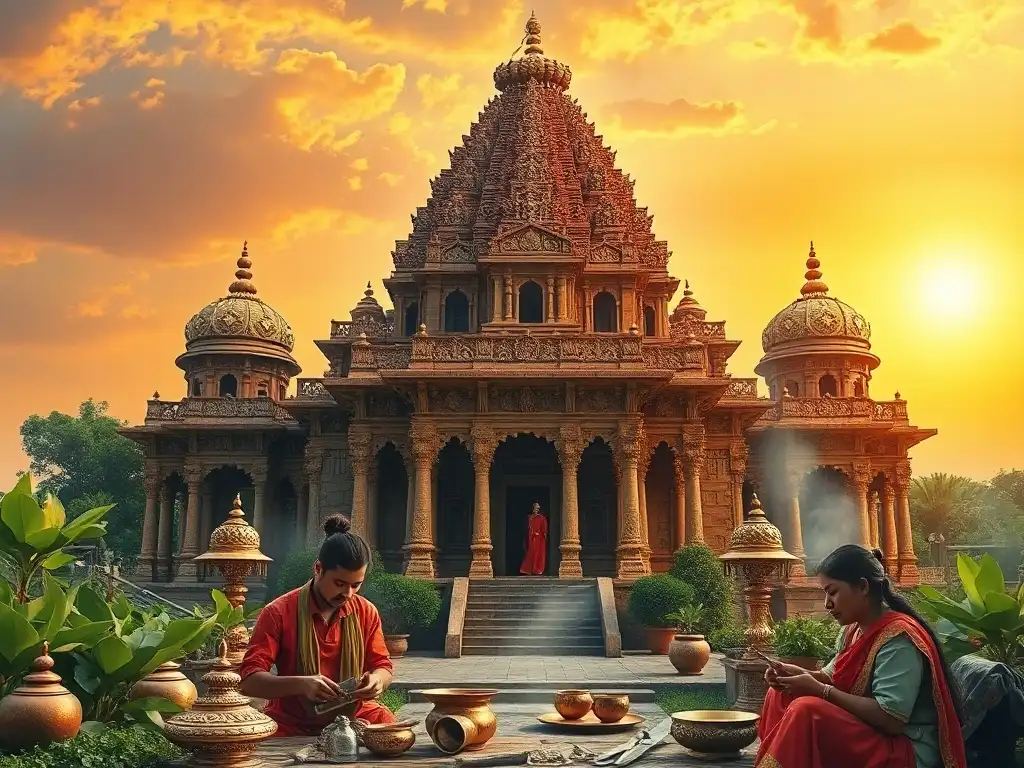
The architectural landscape of ancient India is a testament to the innovative spirit and advanced techniques of its civilizations. Among the various factors contributing to the magnificence of these structures, ancient Indian metallurgy techniques played a crucial role. From the intricate designs of temples to the robust fortifications, metalworking influenced not only the aesthetics but also the structural integrity of these architectural wonders.
Construction of Temples and Monuments
Temples in ancient India are often regarded as masterpieces of architectural ingenuity, with metallurgy being a key component in their construction. The use of copper, bronze, and iron significantly enhanced the durability and aesthetics of these structures.
- Copper and Bronze: These metals were primarily used in the crafting of intricate sculptures and decorative elements that adorned temple facades. For example, the Brahmanical temples often featured detailed bronze castings of deities, which required advanced casting techniques that demonstrated exceptional skill.
- Iron in Structural Support: The Iron Pillar of Delhi, standing at 7 meters tall, is a prime example of ancient Indian metallurgy. Dated to the Gupta period, this pillar is notable for its rust-resistant quality, showcasing the advanced understanding of metallurgy. Its presence in the Qutub complex serves as a testament to the structural innovations that allowed for the construction of grand monuments.
- Architectural Innovations: Techniques such as tempering and forge welding were employed in the creation of metal fixtures and supports within temple architecture. These techniques ensured that the structures could withstand the test of time and the elements, contributing to their longevity.
Engineering Marvels: Stepwells and Fortifications
In addition to temples, ancient Indian metallurgy was pivotal in the creation of engineering marvels like stepwells and fortifications. These structures not only served functional purposes but also reflected the advanced engineering capabilities of ancient Indian civilizations.
- Stepwells: These intricate water storage systems, such as the Rani ki Vav in Gujarat, utilized metal tools for excavation and construction. The precision in the crafting of stone steps and walls was enhanced by the use of metal chisels and other tools, allowing for elaborate designs.
- Fortifications: The construction of forts, like the Chittorgarh Fort, relied heavily on metallurgy for creating robust gates and barriers. Iron was extensively used in the crafting of gates, grills, and cannons, which provided both security and aesthetic appeal. The use of metal in these fortifications exemplifies the blend of functionality and artistry.
- Innovative Techniques: Techniques such as cast iron and alloying were utilized to enhance the strength of materials used in fortification. The strategic use of metals not only fortified these structures but also contributed to their unique architectural styles.
The Use of Metal in Decorative Architecture
Metallurgy's influence extends beyond structural integrity into the realm of decorative architecture, where metalwork introduced elegance and artistry to ancient Indian buildings.
- Metal Inlay Work: The practice of metal inlay in stone structures created stunning aesthetic effects. This technique involved embedding metal pieces into stone surfaces, resulting in intricate patterns and designs, as seen in the Taj Mahal and various temples across India.
- Gilding and Finishing: Gold and silver were often used for gilding, adding a luxurious finish to important architectural elements. The shimmering surfaces not only captivated the eye but also symbolized wealth and divinity, enhancing the spiritual experience of worshippers.
- Cultural Symbolism: Metal elements in architecture often held cultural significance. For instance, the use of bell metal in temple bells is not merely decorative but also serves a ritualistic purpose, believed to ward off evil and invite divine presence.
Ancient Indian metallurgy techniques significantly contributed to the architectural wonders of the time, blending functionality with aesthetic beauty. The sophistication of these techniques laid the foundation for enduring structures that continue to inspire awe today.
Case Studies of Architectural Marvels
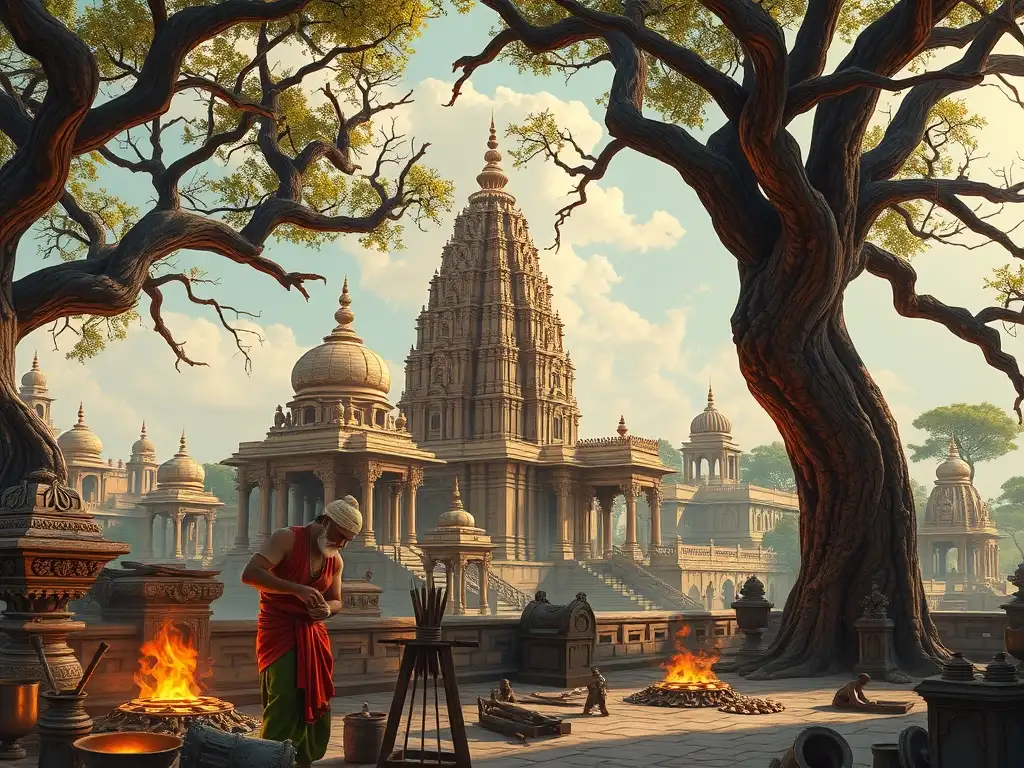
Ancient Indian metallurgy techniques played a pivotal role in the creation of some of the most remarkable architectural wonders in history. The integration of advanced metalworking skills not only enhanced the structural integrity of these monuments but also added aesthetic value. Below, we explore three iconic examples that highlight the outstanding achievements in metallurgy and architecture during ancient times.
The Iron Pillar of Delhi: A Metallurgical Marvel
The Iron Pillar of Delhi stands as an extraordinary testament to the advanced metallurgical skills of ancient Indian artisans. Erected during the reign of Chandragupta II in the 4th century CE, this 7-meter tall pillar is composed of 98% wrought iron, showcasing remarkable resistance to corrosion.
Key Features:
- Composition: The pillar is primarily made of iron, with traces of phosphorus and a small amount of carbon, which contributed to its strength and durability.
- Corrosion Resistance: The unique iron oxide layer formed on the surface protects it from rust, a phenomenon that perplexes modern scientists and highlights the ingenuity of ancient Indian metallurgy techniques.
- Cultural Significance: Inscribed with a Sanskrit text, the pillar not only served a functional purpose but also celebrated the cultural and technological advancements of its time.
Interestingly, the Iron Pillar's ability to withstand the test of time has spurred numerous studies aimed at understanding the metallurgical processes used in its creation. This marvel continues to inspire contemporary metallurgists and engineers alike.
The Brihadeeswarar Temple: Architectural and Metallurgical Significance
The Brihadeeswarar Temple, located in Thanjavur, Tamil Nadu, is a UNESCO World Heritage Site and an exemplary model of Dravidian architecture. Completed in 1010 CE under the reign of Raja Raja Chola I, this temple is not only an architectural wonder but also a significant achievement in ancient Indian metallurgy.
Notable Aspects:
- Copper Roof and Bronze Statues: The temple features an impressive copper roof and intricate bronze sculptures, showcasing advanced metal casting techniques.
- Gopuram (Tower): The temple's towering gopuram is adorned with detailed carvings and sculptures, demonstrating the skillful use of metal tools in stone carving.
- Structural Integrity: The use of iron pillars within the temple complex highlights how ancient Indian metallurgy techniques contributed to the stability and longevity of such grand structures.
The Brihadeeswarar Temple serves as a profound example of how metallurgy and architecture intersected to produce a lasting cultural and religious edifice.
The Great Stupa at Sanchi: Symbolism and Structure
The Great Stupa at Sanchi, built during the Mauryan period in the 3rd century BCE, is one of the oldest stone structures in India and serves as a key example of ancient Indian architectural and metallurgical prowess.
Significant Features:
- Symbolic Design: The Stupa's hemispherical dome represents the universe, while its design reflects deep philosophical and spiritual meanings, demonstrating the interplay of art and architecture in ancient India.
- Metallurgical Elements: The Stupa is complemented by intricately carved gateways known as toranas, which were crafted using advanced stone tools indicative of sophisticated metallurgy techniques.
- Preservation Techniques: The use of metals in the construction and embellishment of the Stupa has helped preserve its form against natural elements over centuries.
Through the Great Stupa at Sanchi, we see how ancient Indian metallurgy techniques not only supported architectural innovation but also contributed to the preservation of cultural heritage.
These case studies illustrate the profound impact of ancient Indian metallurgy techniques on architectural achievements, showcasing how technological advancements shaped the cultural landscape of the time. Each structure not only embodies architectural brilliance but also serves as a beacon of the metallurgical ingenuity that defined ancient Indian civilization.
The Legacy of Ancient Indian Metallurgy Techniques
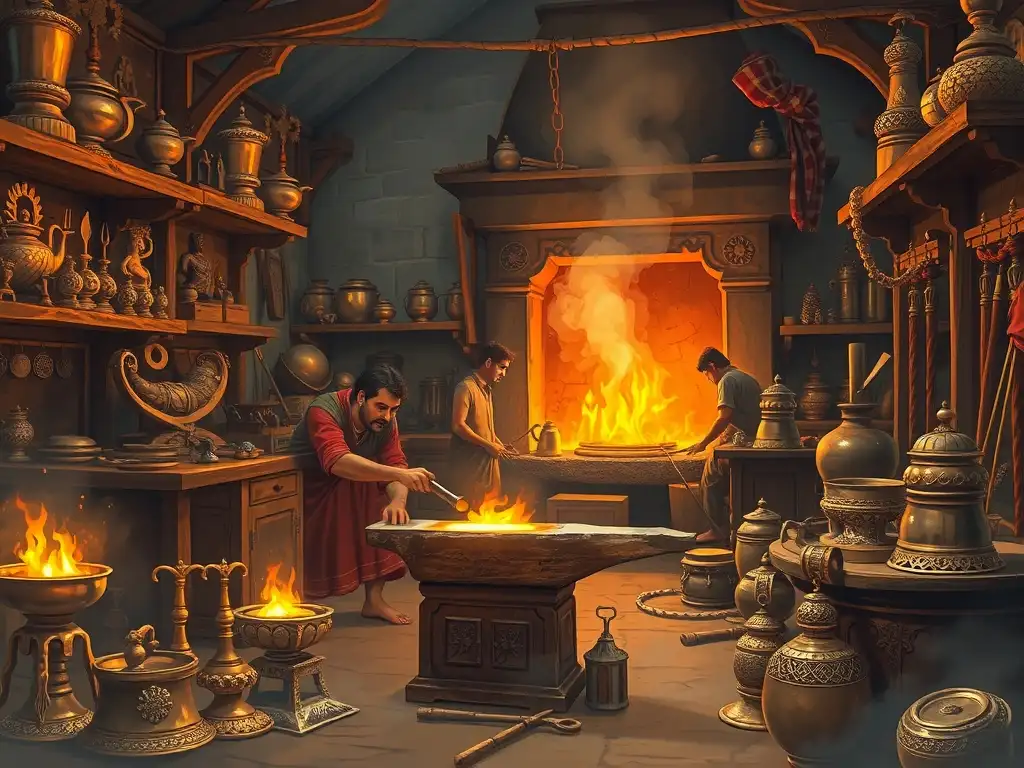
Ancient Indian metallurgy techniques have profoundly shaped both the architectural landscape and material science throughout history. The mastery of metalworking in ancient India, particularly during the periods of the Indus Valley Civilization and the subsequent dynasties, underscores a legacy that is still evident in modern practices. This section explores the remarkable advancements in metallurgy that contributed to architectural wonders and the enduring influence of these techniques.
Influence on Modern Metallurgy and Architecture
The innovations in metallurgy from ancient India laid the groundwork for various modern practices in metallurgy and architecture. Key aspects include:
- Advanced Alloying Techniques: Ancient Indian metallurgists developed sophisticated methods for creating alloys, notably brass and bronze. The precise combination of copper with zinc and tin resulted in materials that were not only durable but also aesthetically pleasing. These alloys inspired contemporary metallurgy, where similar techniques are employed to enhance the properties of metals.
- Construction Techniques: The architectural marvels of ancient India, such as the Iron Pillar of Delhi, reflect advanced engineering principles. This 7-meter tall structure, composed of high-quality iron, is renowned for its resistance to corrosion. The methods used to create such resilient materials have influenced modern engineering practices, particularly in the construction of buildings and monuments.
- Artistic Expressions in Metalwork: The intricate metalwork found in ancient sculptures and artifacts demonstrates a high level of craftsmanship. Techniques such as lost-wax casting, which was prevalent in ancient Indian metalworking, are still utilized today in various art forms and industrial applications. This transfer of knowledge highlights the continuity of ancient practices in modern artistic and engineering endeavors.
- Sustainable Practices: Ancient Indian metallurgists often used local materials and sustainable methods, which resonate with current trends toward eco-friendly practices in metallurgy. Their ability to source materials and minimize waste informs contemporary approaches to sustainable manufacturing.
Preservation of Ancient Techniques in Contemporary Practices
Despite the passage of time, numerous ancient Indian metallurgy techniques have been preserved and adapted in contemporary practices. Notable points include:
- Traditional Craftsmanship: Many artisans in India continue to employ ancient methods of metallurgy, particularly in regions known for their metallurgical heritage. For instance, the craft of brassware in Varanasi and the bronze casting of Tamil Nadu showcase the preservation of ancient techniques. These practices not only sustain cultural heritage but also contribute to local economies.
- Research and Documentation: Modern scholars and metallurgists are increasingly recognizing the significance of ancient Indian techniques. Research initiatives aim to document and study these methods, ensuring that the knowledge is not lost. This academic interest fosters a deeper understanding of how ancient practices can inform contemporary metallurgy.
- Revival of Techniques: Some contemporary architects and engineers seek to integrate ancient Indian metallurgy techniques into modern designs. This revival is seen in projects that aim to combine traditional aesthetics with modern functionality. Such collaborations between artisans and engineers highlight the relevance of ancient methods in the context of contemporary architectural challenges.
- Cultural Heritage Initiatives: Organizations dedicated to preserving cultural heritage often focus on ancient metallurgy techniques. Workshops, exhibitions, and educational programs aim to raise awareness about the significance of these practices, ensuring their continuation for future generations.
The legacy of ancient Indian metallurgy techniques remains vital not only in understanding the past but also in shaping the future of metallurgy and architecture. The influence of these techniques can be seen across various domains, demonstrating their timeless relevance and the importance of preserving such rich traditions.
Conclusion
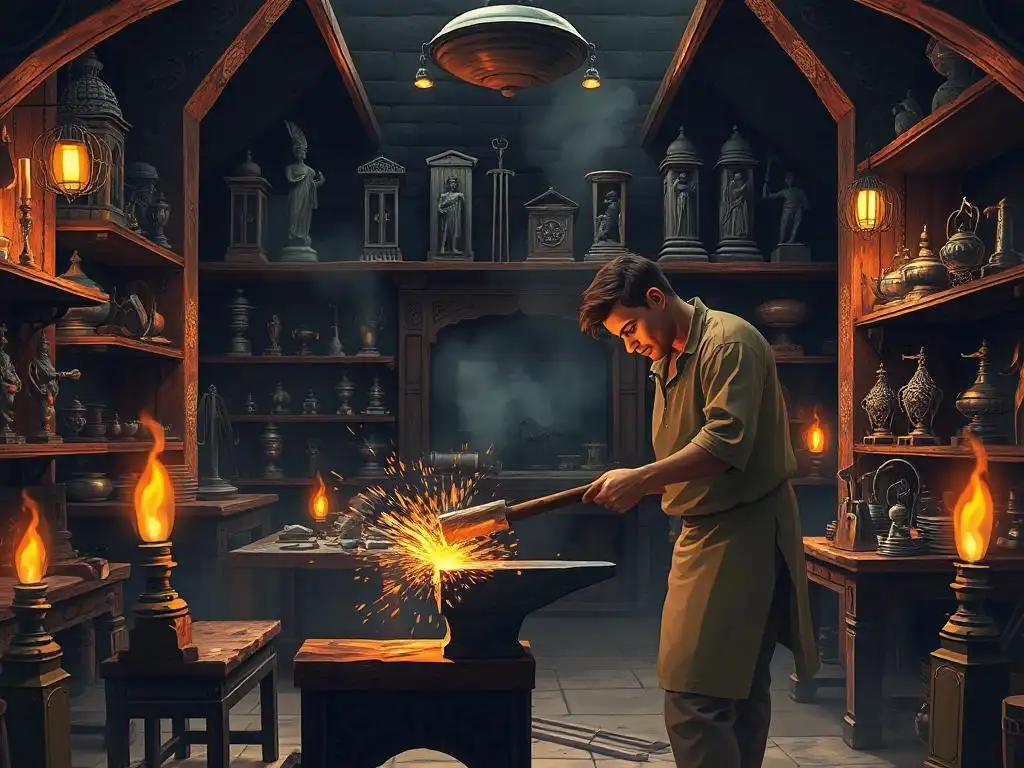
Summary of Contributions of Ancient Indian Metallurgy to Architecture
Ancient Indian metallurgy techniques played a pivotal role in the development of architectural marvels that have stood the test of time. One of the most notable contributions is the use of iron and brass, which were integral to constructing enduring structures. For instance, the Iron Pillar of Delhi, dating back to the 4th century CE, showcases advanced metallurgical knowledge with its rust-resistant properties, demonstrating the sophistication of ancient Indian iron-making techniques.
The incorporation of copper and zinc in architectural elements also reflects the ingenuity of ancient artisans. Copper was used for intricate decorations, while zinc was crucial in producing brass, which adorned many temples and public buildings. The Brihadeeswarar Temple in Thanjavur, with its stunning bronze sculptures, exemplifies the fusion of metallurgy and architecture, highlighting how these materials contributed to the aesthetic and structural integrity of ancient constructions.
Moreover, the metallurgical practices of alloying allowed ancient Indian craftsmen to develop tools that facilitated the precision required in stone-cutting and carving. This enabled the construction of intricate designs and patterns that characterize ancient Indian architecture, making it not just functional but also artistically significant.
Ancient Indian metallurgy techniques not only enhanced the structural capabilities of buildings but also enriched their artistic value, leaving a legacy that continues to inspire modern engineering and architecture.
Reflection on the Cultural Significance of Metallurgy in Ancient India
The significance of metallurgy in ancient India extends beyond its technical achievements; it is deeply intertwined with the cultural and spiritual ethos of the civilization. Metallurgy was not merely a craft but a symbol of progress and innovation that reflected the intellectual prowess of ancient Indian society. The ability to manipulate metals was seen as a divine skill, often associated with various gods and goddesses in Hindu mythology, such as Vishvakarma, the divine architect, and Parvati, who is believed to have taught metallurgy to humanity.
The cultural implications of metalworking are evident in the ceremonial use of metals in religious practices. The crafting of icons and temple bells from bronze and other alloys reflects the importance of metallurgy in religious and social rituals. These artifacts were not only functional but also served as manifestations of artistic expression, embodying the beliefs and values of the time.
Furthermore, ancient texts, such as the Arthashastra and various Shilpa Shastras, illustrate the philosophical and ethical dimensions of craftsmanship, indicating that metallurgy was regarded as a noble profession. This respect for artisans and their crafts laid the foundation for a rich tradition of knowledge transfer, where skills and techniques were passed down through generations, ensuring the continuous evolution of metallurgical practices.
Ancient Indian metallurgy techniques were pivotal to architectural advancements and served as a cornerstone of cultural identity, reflecting the values, beliefs, and artistic sensibilities of an era that continues to resonate in contemporary society.
Frequently Asked Questions
What are ancient Indian metallurgy techniques?
Ancient Indian metallurgy techniques refer to the advanced methods used by civilizations in India to extract and manipulate metals, contributing to both artistic and architectural achievements.
How did metallurgy influence ancient Indian architecture?
The development of metallurgy allowed for the creation of durable materials and intricate designs, enabling ancient Indian architects to construct magnificent structures like temples and forts that still stand today.
What metals were primarily used in ancient Indian metallurgy?
Ancient Indian metallurgists primarily worked with copper, bronze, iron, and gold, each contributing to various aspects of art, tools, and construction throughout different periods.
What are some famous architectural wonders resulting from ancient Indian metallurgy?
Notable examples include the Iron Pillar of Delhi, which showcases the rust-resistant properties of ancient Indian ironwork, and the temples of Khajuraho, known for their intricate sculptures and metallic enhancements.
How did ancient Indian metallurgy compare to other civilizations?
Ancient Indian metallurgy was highly sophisticated, often rivaling that of contemporary civilizations such as the Greeks and Romans, particularly in the quality and craftsmanship of metal artifacts and architectural elements.
Final Reflection: The Enduring Legacy of Ancient Indian Metallurgy
The remarkable achievements of ancient Indian metallurgy techniques not only shaped the architectural wonders of their time but continue to resonate in our modern world. As we explore the intricate craftsmanship and innovative methods that defined an era, we uncover a profound connection between past ingenuity and contemporary advancements. The legacy of these techniques serves as a reminder that the pursuit of excellence in metallurgy and architecture is timeless, inspiring us to push the boundaries of what is possible.
Cultural and social landscapes have been significantly influenced by the advancements in metallurgy, which laid the groundwork for architectural marvels that still captivate us today. The intricate designs and robust structures created through these ancient techniques reflect a deep understanding of materials and aesthetics. As we marvel at these historical feats, we are reminded of the words of the renowned historian, “The past is not dead; it is not even past.” > This quote encapsulates the idea that the innovations of ancient metallurgists continue to inform and inspire modern practices, bridging the gap between history and contemporary craftsmanship.
As we reflect on the lessons of ancient Indian metallurgy, let us embrace the spirit of innovation and resilience that characterized this remarkable period. I invite you to consider how the principles of creativity, resourcefulness, and dedication to quality can be applied in your own life. Whether you are an architect, an artist, or simply someone seeking to make a meaningful impact, let the legacy of these ancient techniques inspire you to forge your own path and contribute to the wonders of the future.
Unleash the Secrets of Ancient Indian Metallurgy!
Thank you for diving into the fascinating world of Ancient Indian Metallurgy and its monumental impact on architectural wonders! Your curiosity has unearthed insights into how these ingenious techniques have shaped our heritage. Now, it’s time to take that knowledge and transform it into action!
Here’s how you can continue exploring this captivating subject:
- Delve deeper into history by reading more articles on our website about topics in ancient engineering and architecture.
- Share the wonders you’ve learned with friends and family; spread the knowledge and ignite their curiosity!
- Join our community by commenting below or on our social media pages. Your thoughts and insights can inspire others!
What architectural marvels have you discovered that showcase the brilliance of ancient metallurgy? We would love to hear about your findings!