
The Interconnection of Philosophy and Art in Ancient Indian Culture

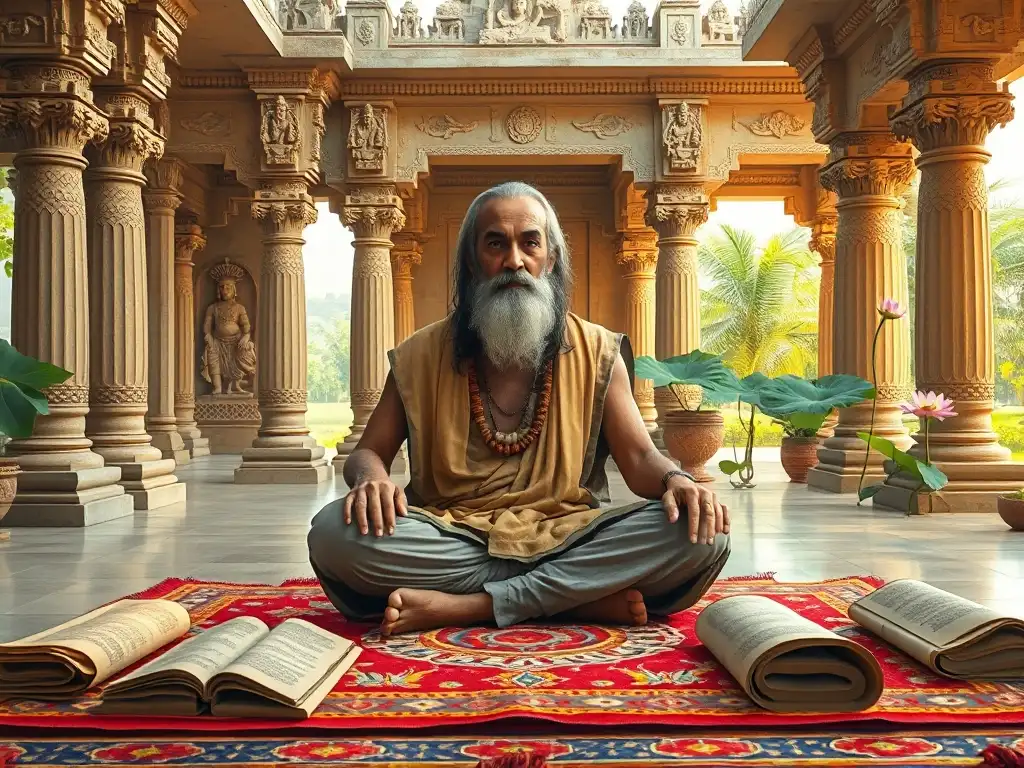
Welcome to Ancient India History, where we embark on a fascinating journey through the rich tapestry of India’s past. As we delve into the interconnection of philosophy and art in ancient Indian culture, prepare to uncover the profound ways these realms influenced each other, shaping a civilization renowned for its intellectual and artistic achievements.
From the intricate sculptures of the Indus Valley to the profound insights of the Gupta philosophers, each discovery invites you to explore how ideas and creativity intertwined to form a vibrant cultural legacy. Join us as we unravel these connections, sparking your curiosity and inspiring a deeper appreciation for the enduring impact of ancient Indian civilizations.
Introduction to Philosophy and Art in Ancient India
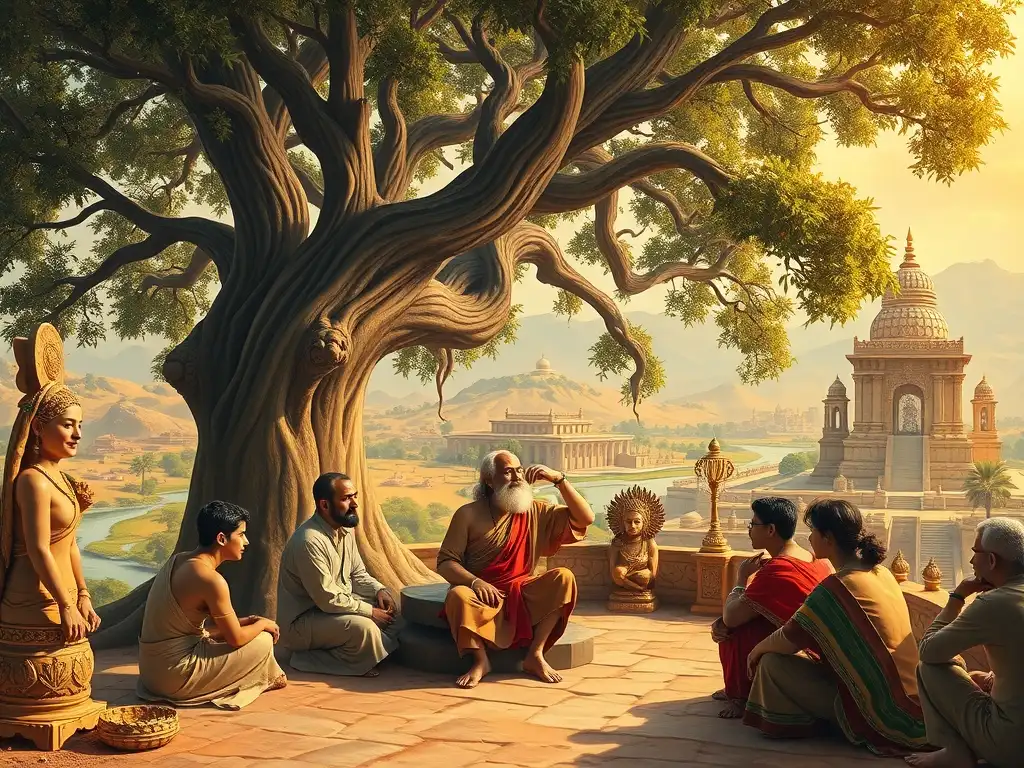
The intricate relationship between philosophy and art in ancient India reveals a profound narrative of cultural expression that shaped the subcontinent's identity. From the early Indus Valley civilization to the sophisticated Gupta Empire, the intertwining of philosophical thought and artistic innovation laid the foundation for a rich tapestry of ideas and aesthetics. This article delves into how philosophical doctrines influenced artistic creation, emphasizing that art was not merely a form of expression but a medium to communicate complex philosophical concepts, spiritual beliefs, and cultural values.
As we explore this interconnection, it is essential to understand the historical context of ancient Indian civilization, which fostered diverse philosophical schools and artistic traditions. The legacy of thinkers such as Kapila, Buddha, and Advaitha Vedanta is mirrored in art forms that range from intricate sculptures to elaborate paintings, each conveying deeper meanings that resonate with the philosophical inquiries of their time.
Overview of Ancient Indian Culture
Ancient Indian culture is marked by its multifaceted nature, characterized by various regional traditions, languages, and practices. Central to this culture were the Vedas, Upanishads, and epic narratives like the Mahabharata and Ramayana, which provided philosophical underpinnings to both thought and artistic expression.
- Key Features of Ancient Indian Culture:
- Rich spiritual and philosophical texts
- Diverse artistic practices, including architecture, sculpture, and dance
- A strong emphasis on spirituality and metaphysics
The dynamic interplay between philosophy and art reflects the civilization's quest for understanding the universe and humanity's place within it.
Importance of Philosophy and Art in Cultural Expression
Philosophy and art served as vital avenues for cultural expression in ancient India, each influencing the other in profound ways.
- Key Points of Interconnection:
- Philosophy as Inspiration: Philosophical concepts often inspired artistic themes, leading to the creation of works that embodied ideas of moksha (liberation), dharma (duty), and karma (action).
- Art as Philosophical Commentary: Artistic works acted as a canvas for philosophical discourse, allowing artists to convey complex ideas through symbolism and visual narratives.
This symbiotic relationship enriched the cultural landscape, enabling a deeper exploration of existential themes and ethical dilemmas.
Historical Context of Philosophy and Art in Ancient India
To fully appreciate the interconnection of philosophy and art, it is crucial to examine the historical context that shaped these domains. Ancient India witnessed the emergence of several philosophical schools that profoundly influenced artistic expression.
Major Philosophical Schools Influencing Art
- Sankhya: Focused on dualism and the nature of reality, influencing visual representations of the cosmos and the human condition.
- Buddhism: Emphasized the impermanence of life, reflected in art that captures the transient nature of existence, such as Buddha statues and stupas.
- Vedanta: Explored concepts of unity and the divine, inspiring temple architecture that embodies spiritual ideals.
These philosophical traditions provided frameworks through which artists could explore and represent complex themes, contributing to a rich artistic heritage.
Art Forms Reflecting Philosophical Ideas
Various art forms emerged as reflections of philosophical doctrines, each contributing uniquely to the cultural fabric of ancient India.
- Sculpture: Often depicted deities and philosophical concepts, conveying themes of divinity and moral teachings.
- Painting: Captured narratives from epics and philosophical texts, serving as visual storytelling that engaged the viewer in deeper reflection.
- Dance and Music: Incorporated philosophical themes, using movement and sound to express spiritual and ethical ideas.
These art forms not only served aesthetic purposes but also acted as vehicles for philosophical exploration, enriching the cultural landscape of ancient India.
As we delve deeper into this topic, we will uncover specific examples and case studies that illustrate the profound connection between philosophy and art, showcasing the enduring legacy of ancient Indian culture.
Key Philosophical Concepts Shaping Artistic Expressions
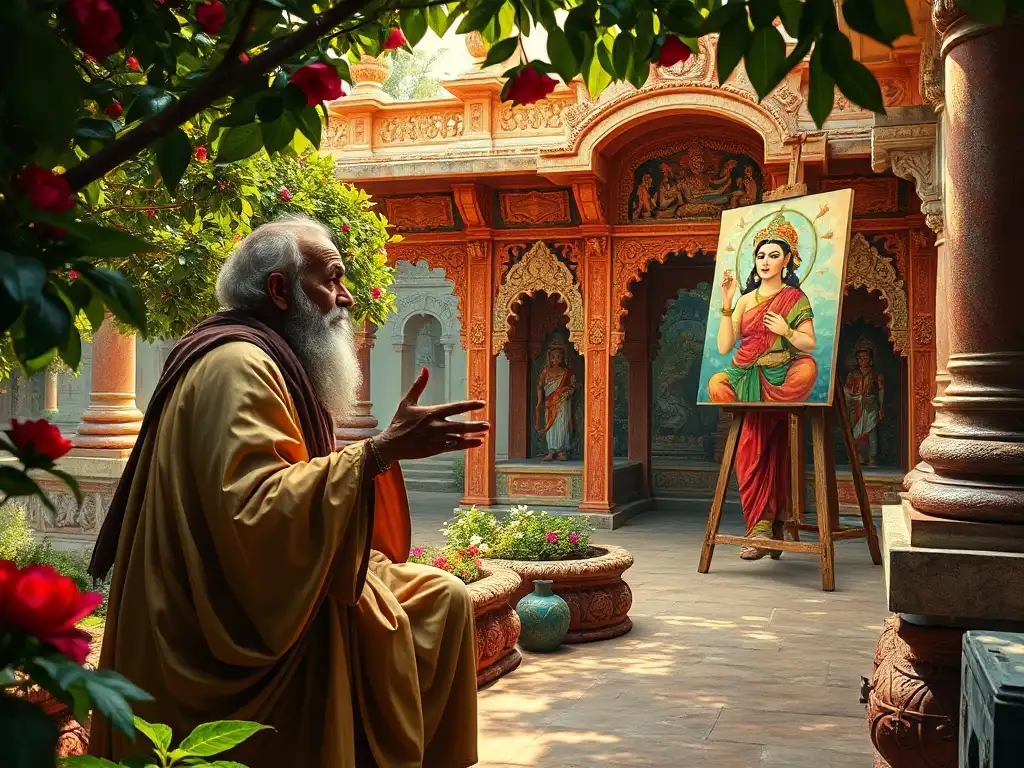
The interconnection between philosophy and art in ancient India provides a profound understanding of how these two domains influenced each other. Philosophical concepts served as a foundation for artistic expressions, enriching the cultural landscape of the time. Various philosophical ideologies, such as Vedanta, Buddhism, and Jainism, permeated artistic endeavors, guiding the themes, techniques, and purposes behind the creations. The exploration of these concepts reveals a vibrant tapestry where philosophical thought and artistic creativity coalesce, leading to a unique manifestation of cultural identity.
The Concept of Dharma in Art
Dharma, often translated as "duty," "righteousness," or "moral order," played a significant role in shaping artistic expressions in ancient India. Artists frequently drew inspiration from the principles of dharma, portraying themes that emphasized ethical conduct and the responsibilities of individuals within society. For instance, many sculptures and paintings depicted scenes from epics like the Mahabharata and Ramayana, illustrating the moral dilemmas faced by characters and the consequences of their choices.
The representation of dharma in art not only served to instruct viewers on ethical behavior but also reflected the societal values of the time. Temples adorned with intricate carvings and murals showcased stories that reinforced the importance of righteousness, duty, and moral integrity, creating a visual narrative that resonated with the spiritual and ethical dimensions of daily life.
The Influence of Karma on Artistic Creation
Karma, the law of cause and effect, significantly influenced artistic creation in ancient India. Artists often incorporated the concept of karma into their works, illustrating the interplay between actions and their consequences. This philosophical idea encouraged a deeper contemplation of life and existence, prompting artists to explore themes such as rebirth, redemption, and the cyclical nature of life.
In many paintings and sculptures, the depiction of karmic cycles served as a reminder of the moral implications of one's actions, reinforcing the belief that every deed holds weight in the grand tapestry of existence. This philosophical underpinning not only shaped the subject matter but also inspired a rich symbolism within the artworks, allowing viewers to engage with complex ideas through visual narratives.
Aesthetic Experience: Rasa and Its Role in Art
The concept of rasa, or aesthetic experience, is central to understanding the relationship between philosophy and art in ancient India. This idea posits that art should evoke specific emotions or sentiments in the viewer, creating a profound connection between the observer and the artwork. Rasa is deeply intertwined with various philosophical traditions, particularly in the context of performing arts and literature.
In classical Indian art forms, such as dance and drama, the practitioner aimed to evoke rasa through the portrayal of characters and emotions, allowing the audience to experience a transcendent state. This philosophical approach to aesthetics not only influenced the techniques employed by artists but also shaped the audience's expectations and engagement with the art. The exploration of rasa highlights how ancient Indian culture valued emotional depth and intellectual engagement in artistic expressions.
Major Artistic Movements in Ancient Indian Culture
Throughout ancient Indian history, various artistic movements emerged, each reflecting the philosophical currents of its time. These movements not only contributed to the evolution of art forms but also showcased the dynamic interplay between philosophical thought and artistic innovation. Analyzing these movements provides insight into how philosophy informed artistic practices and cultural expressions.
The Evolution of Sculpture and Philosophy
The evolution of sculpture in ancient India illustrates a significant interplay between philosophy and artistic expression. Initially characterized by simple forms, Indian sculpture began to flourish during the Maurya period, with the introduction of lifelike representations of human figures and deities. Philosophical ideas, particularly those from Buddhism and Hinduism, heavily influenced the themes depicted in sculptures.
The depiction of Buddhist figures in meditation or the intricate carvings of Hindu gods and goddesses served not only as religious symbols but also as vehicles for philosophical teachings. Sculptures often conveyed complex ideas about spirituality, the nature of reality, and the path to enlightenment, reflecting the evolving philosophical landscape of the time. The artistry of sculpture became a means of communicating profound truths, making it an essential aspect of ancient Indian culture.
Painting and Philosophical Themes
Painting in ancient India served as a medium through which philosophical themes could be expressed and explored. Various styles, such as frescoes in cave temples and miniature paintings, often incorporated allegorical representations of philosophical concepts. For example, the rich colors and intricate details in paintings from the Ajanta caves illustrate the teachings of Buddhism, portraying scenes of the Buddha's life and the moral lessons embedded within.
Additionally, the use of symbolism in paintings allowed artists to convey deeper meanings, inviting viewers to engage with the philosophical underpinnings of the artwork. Themes such as the duality of life and death, the pursuit of knowledge, and the quest for spiritual enlightenment found visual representation in the art of the time. This fusion of philosophy and painting emphasized the importance of intellectual thought in the artistic process, showcasing the profound connections between these two domains in ancient Indian culture.
The Role of Religion in Philosophy and Art
Religion has played a pivotal role in shaping both philosophy and art in ancient India. The philosophical inquiries stemming from various religious traditions provided a framework through which artists expressed complex ideas and spiritual beliefs. From the metaphysical concepts of the Upanishads to the ethical teachings of Buddhism and Jainism, these philosophical doctrines influenced artistic themes, styles, and mediums. This interconnection facilitated a rich tapestry of artistic expression that not only depicted religious narratives but also engaged with deeper existential questions, reflecting the society's values and aspirations.
Religious texts and scriptures often served as sources of inspiration for artists. Temples, sculptures, and paintings were not merely decorative; they conveyed philosophical messages and acted as visual narratives that communicated the essence of the teachings of different faiths. This relationship between religion, philosophy, and art created an environment where each discipline complemented the other, resulting in a vibrant cultural output that resonates to this day.
Hinduism's Influence on Artistic Expression
Hinduism has profoundly influenced artistic expression in ancient India, with its rich pantheon of deities, epics, and philosophies providing a wellspring of inspiration. The intricate carvings and sculptures found in temples across India serve as a testament to this influence. For instance, the depiction of gods and goddesses, as seen in the stunning art of Khajuraho and Hampi, illustrates philosophical concepts such as dharma (duty) and moksha (liberation).
Moreover, the narrative art forms, such as the storytelling through murals and frescoes, reflect the philosophical ideas embedded in texts like the Mahabharata and Ramayana. These artworks not only depict the stories but also invite contemplation on moral dilemmas and human nature, thus merging the realms of philosophy and art. The use of symbolism, such as the lotus representing purity and enlightenment, further emphasizes how deeply intertwined the religious philosophies are with artistic representation.
Buddhism and Its Artistic Legacy
Buddhism, emerging in the 6th century BCE, introduced a new dimension to artistic expression in ancient India. The art of Buddhism was primarily concerned with the representation of the Buddha and his teachings, which were conveyed through various forms like sculptures, stupas, and paintings. The depiction of the Buddha in various mudras (hand gestures) is not just an artistic choice; it reflects philosophical concepts such as compassion and enlightenment.
The Ajanta Caves, with their intricately painted murals and sculptures, serve as a prime example of Buddhist art's philosophical depth. These artworks narrate the Jataka tales, which illustrate the ethical teachings of the Buddha, encouraging viewers to reflect on their own lives and moral choices. The emphasis on non-attachment and the transient nature of life in Buddhist philosophy is often mirrored in the simplicity and elegance of Buddhist art, showcasing a profound connection between philosophy and artistic legacy.
Jainism's Aesthetic Principles in Art
Jainism, with its focus on non-violence and asceticism, has also contributed significantly to the aesthetics of ancient Indian art. Jain art is characterized by its meticulous detail and emphasis on purity and simplicity. The representation of Tirthankaras (spiritual teachers) in sculptures and paintings often highlights their serene expressions and meditative postures, which embody the Jain philosophical ideals of peace and renunciation.
The use of intricate patterns and motifs in Jain manuscripts and temple architecture reflects the philosophical principle of anekantavada (the doctrine of non-absolutism), emphasizing that truth can be perceived from multiple viewpoints. This principle is visually represented through the complexity and richness of Jain art, encouraging viewers to appreciate the depth and multiplicity of perspectives. The aesthetic principles stemming from Jain philosophy have left an indelible mark on the artistic landscape of ancient India.
Interactions Between Different Philosophical Traditions and Art
The interactions between various philosophical traditions in ancient India fostered a unique synthesis that enriched both art and thought. This cross-pollination allowed artists to explore themes that transcended individual traditions, creating a more inclusive cultural narrative. As artists drew from the philosophical teachings of Hinduism, Buddhism, and Jainism, they developed a diverse artistic vocabulary that reflected the multifaceted nature of Indian society.
Artworks became a medium for dialogue between different philosophies, as seen in the shared motifs and narratives across religious traditions. Temples often showcased a blend of iconography, inviting worshippers from various backgrounds to find common ground in their spiritual journeys.
Cross-Cultural Influences on Ancient Indian Art
Ancient Indian art was not created in isolation; it was profoundly influenced by interactions with other cultures through trade, conquests, and cultural exchanges. The Silk Road, for instance, facilitated the flow of ideas, artistic techniques, and materials between India and regions as far as Central Asia and the Mediterranean. This exchange led to the incorporation of foreign elements into Indian art, enriching its diversity.
Artistic styles, such as Greco-Buddhist art in Gandhara, illustrate this cross-cultural influence, where Hellenistic elements fused with Buddhist iconography. The result was a unique style that retained the philosophical essence of Buddhism while embracing new artistic techniques and forms. Such interactions not only broadened the aesthetic scope of ancient Indian art but also underscored the dynamic nature of philosophical and cultural dialogues, cementing India's position as a pivotal center of artistic and intellectual exchange in the ancient world.
Conclusion: The Lasting Legacy of Philosophy and Art in Ancient India
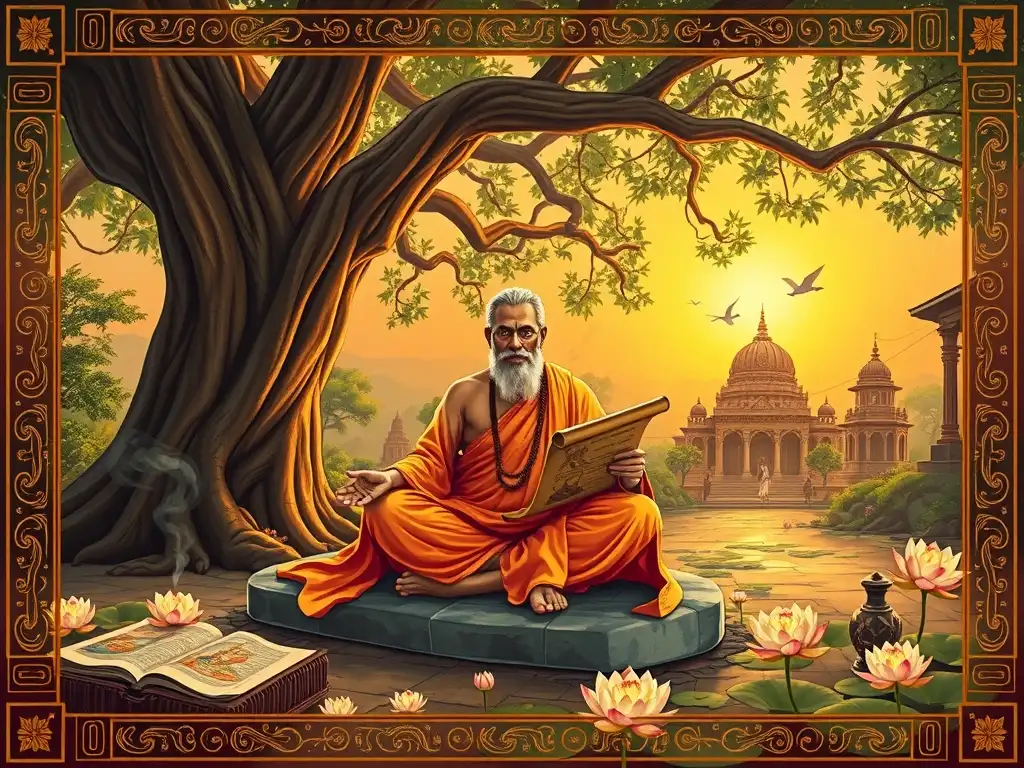
The interplay between philosophy and art in ancient India has produced a rich tapestry of cultural expression that continues to resonate throughout history. Ancient Indian civilizations, from the Indus Valley to the Gupta Empire, utilized artistic forms to convey philosophical ideas, imbuing their art with profound meanings. This interconnection has fostered a unique cultural identity that is not only reflective of its historical context but also serves as a source of inspiration for contemporary art and philosophical thought.
The lasting legacy of this synthesis can be seen in various art forms, including sculpture, architecture, and literary works, which often encapsulate the philosophical principles of dharma, karma, and moksha. These concepts not only influenced artistic expressions but also provided a framework for understanding human existence and the cosmos. As a result, the art produced during this period serves as a testament to the intellectual and spiritual pursuits of ancient Indian society.
Summary of Key Interconnections
- Philosophical Themes in Art: Ancient Indian art often depicted themes rooted in philosophical teachings, such as the life cycles depicted in Buddhist and Hindu art. These representations served as visual narratives that illustrated complex philosophical ideas.
- Religious Influence: The major religions of ancient India, including Hinduism, Buddhism, and Jainism, played a crucial role in shaping the artistic landscape. Temples, sculptures, and paintings were not merely decorative; they were embodiments of religious and philosophical beliefs, designed to inspire devotion and reflection.
- Symbolism and Representation: The use of symbolism in art reflects the philosophical concepts prevalent at the time. For instance, the lotus flower symbolizes purity and spiritual awakening, frequently appearing in various artistic expressions as a representation of enlightenment.
- Cultural Exchange: Interactions with neighboring civilizations facilitated the exchange of ideas and artistic techniques, enriching the philosophical and artistic traditions of ancient India. This syncretism resulted in a diverse array of artistic styles that incorporate various philosophical perspectives.
Implications for Understanding Contemporary Indian Art and Philosophy
The enduring relationship between philosophy and art in ancient India provides valuable insights into contemporary Indian cultural expressions. Modern Indian artists often draw inspiration from historical themes, reinterpreting ancient philosophies to address contemporary issues.
- Revival of Traditional Concepts: Many contemporary artists seek to revive traditional philosophies, infusing their work with spiritual and ethical dilemmas that resonate with today's audience. This approach not only preserves ancient knowledge but also contextualizes it within modern frameworks.
- Cultural Identity: Understanding the historical interconnections between philosophy and art helps contemporary Indian society reconnect with its cultural roots. This connection fosters a sense of identity and continuity, allowing for a richer appreciation of modern artistic endeavors.
- Interdisciplinary Approaches: The blending of philosophical inquiry with artistic practice encourages interdisciplinary exploration, fostering innovative approaches to both fields. Such collaborations can lead to new forms of expression that challenge conventional boundaries.
References and Further Reading on Philosophy and Art in Ancient India
Suggested Texts and Resources for Deeper Exploration
- "Indian Philosophy: A Very Short Introduction" by Sue Hamilton: - This book provides an overview of Indian philosophical thought, including its interrelation with art.
- "The Art of Ancient India: Buddhist, Hindu, Jain" by Susan Huntington: - A comprehensive examination of the artistic traditions of ancient India and their philosophical underpinnings.
- "The Philosophy of Indian Art" by James C. Harle - This text delves into the philosophical dimensions of Indian art, discussing its evolution and cultural significance.
Recommended Academic Journals and Articles on Ancient Indian Culture
- Journal of Asian Studies - A leading journal that publishes scholarly articles on various aspects of Asian cultures, including the intersection of art and philosophy in ancient India.
- Artibus Asiae - Focused on the study of Asian art, this journal includes analyses of Indian art and its philosophical contexts.
- "Philosophy and Art in Ancient India" by John F. Staal - An insightful article exploring the mutual influences of philosophical and artistic developments in ancient Indian society.
- Introduction to Philosophy and Art in Ancient India
- Overview of Ancient Indian Culture
- Importance of Philosophy and Art in Cultural Expression
- Historical Context of Philosophy and Art in Ancient India
- Key Philosophical Concepts Shaping Artistic Expressions
- Major Artistic Movements in Ancient Indian Culture
- The Role of Religion in Philosophy and Art
- Interactions Between Different Philosophical Traditions and Art
- Conclusion: The Lasting Legacy of Philosophy and Art in Ancient India
- Summary of Key Interconnections
- Implications for Understanding Contemporary Indian Art and Philosophy
- References and Further Reading on Philosophy and Art in Ancient India
- What is the significance of philosophy and art in ancient India?
- How did philosophical ideas influence artistic expressions in ancient India?
- What are some key art forms that emerged from ancient Indian philosophy?
- How did the Gupta Empire contribute to the relationship between philosophy and art?
- Can you name any influential philosophers who impacted art in ancient India?
Frequently Asked Questions
What is the significance of philosophy and art in ancient India?
Philosophy and art in ancient India are deeply interconnected, influencing each other and shaping cultural expressions. They reflect spiritual beliefs and societal values, showcasing the intellectual depth of Indian civilization.
How did philosophical ideas influence artistic expressions in ancient India?
Philosophical ideas provided the framework for artistic expressions, where concepts like Dharma and Moksha were often depicted in sculptures and paintings, enriching the symbolism in art.
What are some key art forms that emerged from ancient Indian philosophy?
Key art forms include Buddhist sculptures, Hindu temple architecture, and classical dance, which all incorporate philosophical themes and convey moral and spiritual messages.
How did the Gupta Empire contribute to the relationship between philosophy and art?
The Gupta Empire is often referred to as the Golden Age of India, where advancements in philosophy led to significant developments in literature, painting, and sculpture, reflecting a harmonious blend of intellect and creativity.
Can you name any influential philosophers who impacted art in ancient India?
Influential philosophers like Adi Shankaracharya and Buddha laid the groundwork for artistic expression by intertwining spiritual teachings with visual and performance arts, influencing generations of artists and thinkers.
Final Reflection: The Enduring Legacy of Philosophy and Art in Ancient India
The intricate relationship between philosophy and art in ancient India remains profoundly relevant today, as it reveals the timeless quest for understanding the human experience. In a world increasingly driven by technology and materialism, the insights from ancient Indian culture remind us of the importance of introspection and creativity in shaping our identities and values. The harmonious blend of these two domains not only enriched the spiritual and intellectual landscape of the time but also laid the foundation for contemporary discussions on the meaning of existence and the role of creativity in our lives.
The influence of ancient Indian philosophy and art continues to resonate in modern society, shaping our cultural narratives and artistic expressions. From the intricate sculptures of temples to the profound teachings of philosophers like Adi Shankaracharya, we see a legacy that encourages us to explore the depths of our consciousness and the beauty of our surroundings. Art is the most beautiful of all lies.
This quote encapsulates the idea that art, much like philosophy, serves as a mirror reflecting our innermost thoughts and emotions, urging us to engage with the world on a deeper level.
As we reflect on the lessons of ancient Indian culture, I invite you to embrace the interconnectedness of philosophy and art in your own life. Consider how these elements can inspire your personal journey and contribute to a more meaningful existence. Engage with art not just as an aesthetic experience but as a philosophical inquiry into your own beliefs and values. Let the wisdom of the past guide you in creating a future where creativity and contemplation coexist, enriching both your life and the lives of those around you.
Unleash Your Creativity and Explore Ancient Wisdom!
Thank you for diving into the fascinating world of philosophy and art in ancient Indian culture! Your interest helps uncover the rich tapestry of thought and expression that has shaped human civilization. Now, it's time to take the enlightening insights you've gained and put them into action!
- Start your own art project inspired by ancient Indian philosophical concepts. Consider how ideas like Samsara or Dharma can transform your creative expression.
- Engage with others: Share your reflections on the interplay between art and philosophy with friends or within an art community. Initiate discussions that spark meaningful conversations!
- Discover more: Explore local museums or online exhibitions that showcase the beauty of ancient Indian art and philosophy to deepen your understanding of their connection.
What innovative creations can you develop that merge artistic expression with philosophical thought?