
The Enduring Mystique of the Indus Valley Civilization: What Remains Unanswered

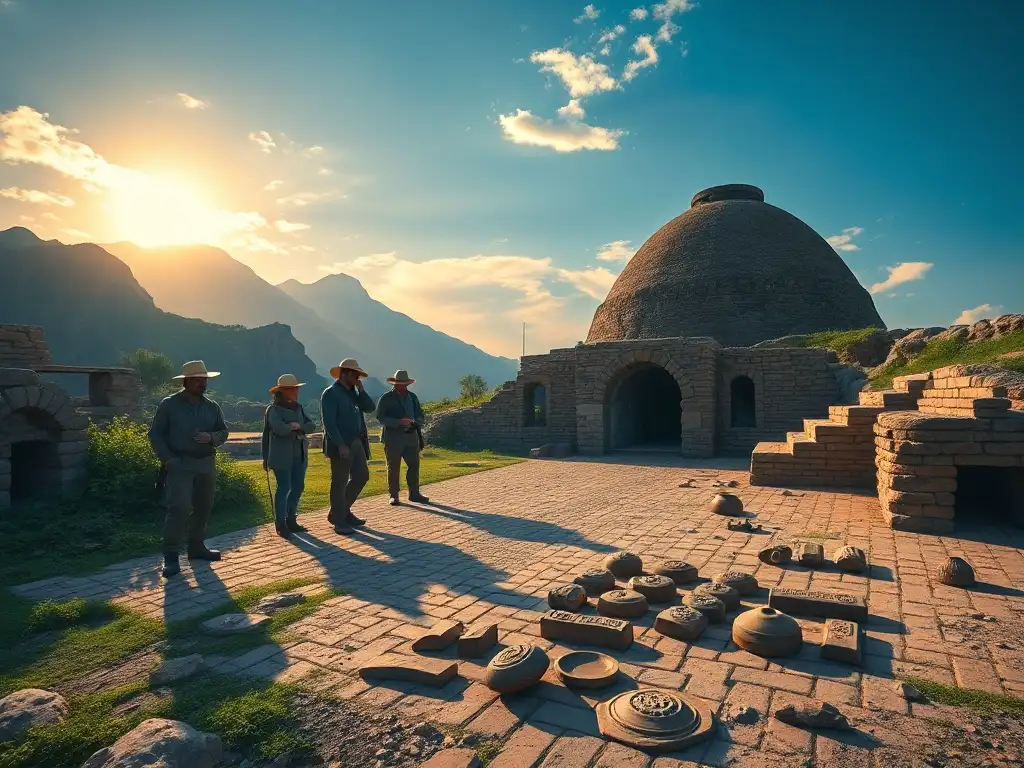
Welcome to Ancient India History! Here, we embark on a fascinating journey through the rich tapestry of ancient Indian civilizations, uncovering their remarkable contributions and vibrant cultures. Today, we delve into the enigmatic mysteries of the Indus Valley Civilization, a society that flourished thousands of years ago yet continues to intrigue historians and enthusiasts alike. What secrets lie beneath the surface of this ancient marvel? Join us as we explore the unanswered questions that shroud the Indus Valley, igniting your curiosity and inviting you to delve deeper into the captivating world of ancient India.
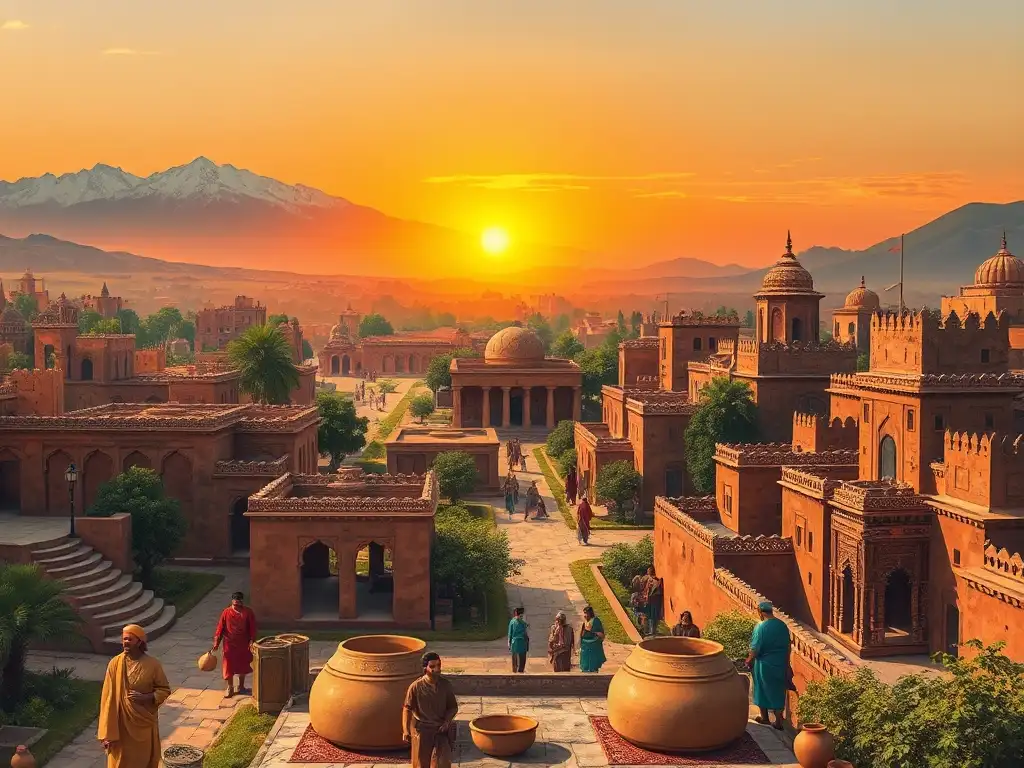
Introduction to the Indus Valley Civilization Mysteries
The Indus Valley Civilization (IVC), one of the world's earliest urban cultures, flourished around 2500 BCE in what is now Pakistan and northwest India. Despite its significant contributions to human history, many aspects of this ancient civilization remain shrouded in mystery. From its sudden decline to the undeciphered script, the IVC presents a tantalizing puzzle for historians and archaeologists alike.
Understanding these mysteries is crucial not only for comprehending the civilization itself but also for gaining insights into the broader narrative of human development. In this article, we will delve into the enigmatic elements of the Indus Valley Civilization and explore what remains unanswered.
Brief Overview of the Indus Valley Civilization
The Indus Valley Civilization is renowned for its sophisticated urban planning, advanced drainage systems, and standardized weights and measures. Key cities such as Harappa and Mohenjo-Daro showcased remarkable architectural designs, including multi-storied houses and elaborate public baths. The civilization thrived on agriculture, trade, and craftsmanship, suggesting a well-organized society with complex social structures.
Despite its achievements, the IVC is marked by several mysteries:
- Undeciphered Script: The script used by the Indus people has yet to be decoded, leaving many aspects of their language and communication a mystery.
- Decline: The reasons behind the civilization's decline around 1900 BCE remain uncertain, with theories ranging from climate change to invasions.
Significance of Understanding Its Mysteries
Deciphering the mysteries of the Indus Valley Civilization is essential for several reasons:
- Cultural Continuity: Understanding this civilization helps trace the cultural roots of modern Indian society.
- Historical Lessons: Insights into its rise and fall can inform contemporary discussions about sustainability and urban planning.
- Global Heritage: The IVC contributes to the global narrative of ancient civilizations, enriching our understanding of human history.
Historical Context of the Indus Valley Civilization
Timeline of the Indus Valley Civilization
The timeline of the Indus Valley Civilization can be summarized as follows:
| Period | Description |
|---|---|
| 3300-2600 BCE | Early Harappan Phase - Development of agriculture and settlements. |
| 2600-1900 BCE | Mature Harappan Phase - Peak of urbanization, trade, and cultural achievements. |
| 1900-1300 BCE | Late Harappan Phase - Gradual decline and transition to smaller settlements. |
Major Sites and Archaeological Discoveries
Key archaeological sites have been uncovered, revealing the civilization's richness:
- Mohenjo-Daro: Famous for its advanced urban layout and the Great Bath.
- Harappa: Noted for its granaries and well-planned streets.
- Dholavira: Distinguished by its water conservation systems and large reservoirs.
Each of these sites has contributed significantly to our understanding of the IVC's urban planning and societal structure.
Cultural and Technological Achievements
The Indus Valley Civilization was remarkable for its cultural and technological achievements:
- Urban Planning: Cities were designed with grid patterns and advanced drainage systems.
- Craftsmanship: The IVC was known for its bead-making, pottery, and metallurgy.
- Agricultural Innovations: The civilization practiced advanced irrigation and crop cultivation techniques, notably of wheat and barley.
These achievements not only highlight the sophistication of the IVC but also underscore the civilization's lasting impacts on subsequent cultures in the region.
The Indus Valley Civilization remains a focal point of historical inquiry, with its mysteries inviting exploration and debate. As we continue to unravel these enigmas, we deepen our appreciation for one of humanity's greatest ancient achievements.
Core Mysteries Surrounding the Indus Valley Civilization
The Indus Valley Civilization (IVC), which thrived around 2500 BCE in what is now modern-day Pakistan and northwest India, has captivated historians and archaeologists for decades. Despite extensive excavations and research, several core mysteries remain unsolved, leaving scholars speculating about the civilization's language, urban planning, trade networks, and eventual decline. These unanswered questions contribute to the enduring mystique of the IVC, prompting further investigation into its complexities and nuances.
The Enigma of the Script: Language and Communication
One of the most perplexing mysteries of the Indus Valley Civilization is its script, which remains undeciphered. The seals and inscriptions found at various archaeological sites, such as Harappa and Mohenjo-Daro, feature a series of symbols that suggest a form of written communication. However, the absence of a linguistic key and the limited number of examples hinder efforts to decode the script.
Scholars have proposed various theories regarding the language, from it being a form of Dravidian to a precursor of the Brahmi script. Yet, without concrete evidence, the true nature of communication in the IVC remains shrouded in uncertainty.
Urban Planning and Architecture: What Remains Unexplained
The urban planning and architectural achievements of the Indus Valley Civilization are remarkable, yet they raise further questions. Cities like Mohenjo-Daro and Harappa were meticulously planned with grid-like streets, advanced drainage systems, and standardized brick sizes. This level of organization suggests a highly sophisticated society, yet the reasons behind such urban planning remain speculative. Questions around governance, the sociopolitical structure, and the role of religion in urban design persist. Furthermore, the absence of monumental architecture, which is common in other ancient civilizations, leads to inquiries about the cultural values and priorities of the IVC.
Trade Networks: Insights and Speculations
The Indus Valley Civilization was likely integrated into extensive trade networks, as evidenced by the discovery of materials such as lapis lazuli and carnelian, which were not locally sourced. However, the specifics of these trade routes, including their extent and the nature of the goods exchanged, remain largely unknown. Speculations suggest that the IVC engaged in trade with neighboring regions, including Mesopotamia and Persia, but the exact nature of these interactions is yet to be clarified. The absence of written records further complicates our understanding of trade dynamics and economic structures within the civilization.
Decline of the Civilization: Theories and Hypotheses
The decline of the Indus Valley Civilization is another significant mystery, with various theories attempting to explain this dramatic downturn around 1900 BCE. Some researchers advocate for climate change, suggesting that a shift towards arid conditions may have disrupted agricultural practices, leading to food shortages. Others propose that invasions or migrations by outside groups might have played a role in the civilization's fall.
Additionally, internal factors such as social upheaval or economic decline are also considered. The interplay of these factors, and how they contributed to the eventual decline of such a complex society, remains a topic of ongoing research and debate.
Theories and Interpretations of Indus Valley Civilization Mysteries
The mysteries surrounding the Indus Valley Civilization have spurred a plethora of theories and interpretations. Scholars from various disciplines, including archaeology, anthropology, and environmental science, have sought to unravel these enigmas through different lenses, each providing unique insights into the civilization's complexity.
Archaeological Theories: Evidence and Interpretation
Archaeologists have employed various methods to study the remnants of the Indus Valley Civilization, leading to diverse interpretations. Discoveries of urban sites, artifacts, and burial practices have provided clues about daily life, trade, and governance. However, the fragmented nature of the archaeological record and the lack of written documentation challenge the ability to create a cohesive narrative. Scholars often debate the significance of certain findings, leading to multiple interpretations of what these artifacts reveal about the IVC's culture and social dynamics.
Anthropological Perspectives: Social Structures and Beliefs
Anthropologists have delved into the social structures and belief systems of the Indus Valley Civilization, offering interpretations based on comparative analysis with contemporary societies. The uniformity in urban planning and artifact styles suggests a degree of societal cohesion, yet the absence of clear evidence of social stratification raises questions about the civilization's hierarchy. Beliefs and practices, particularly regarding religion and spirituality, remain largely undefined, prompting anthropologists to explore possible connections to later Indian cultures.
Environmental Factors: Climate Change and Its Impact
Environmental factors have become increasingly relevant in discussions about the Indus Valley Civilization. Recent research into climate patterns suggests that changes in monsoon cycles and river systems may have significantly impacted agriculture and settlement patterns. The hypothesis that climate change played a role in the civilization's decline is gaining traction, as studies reveal correlations between environmental shifts and societal changes. Understanding these interactions helps paint a more comprehensive picture of how the Indus Valley Civilization adapted to its environment and ultimately faced challenges that contributed to its downfall.
Comparative Analysis of Indus Valley Civilization Mysteries
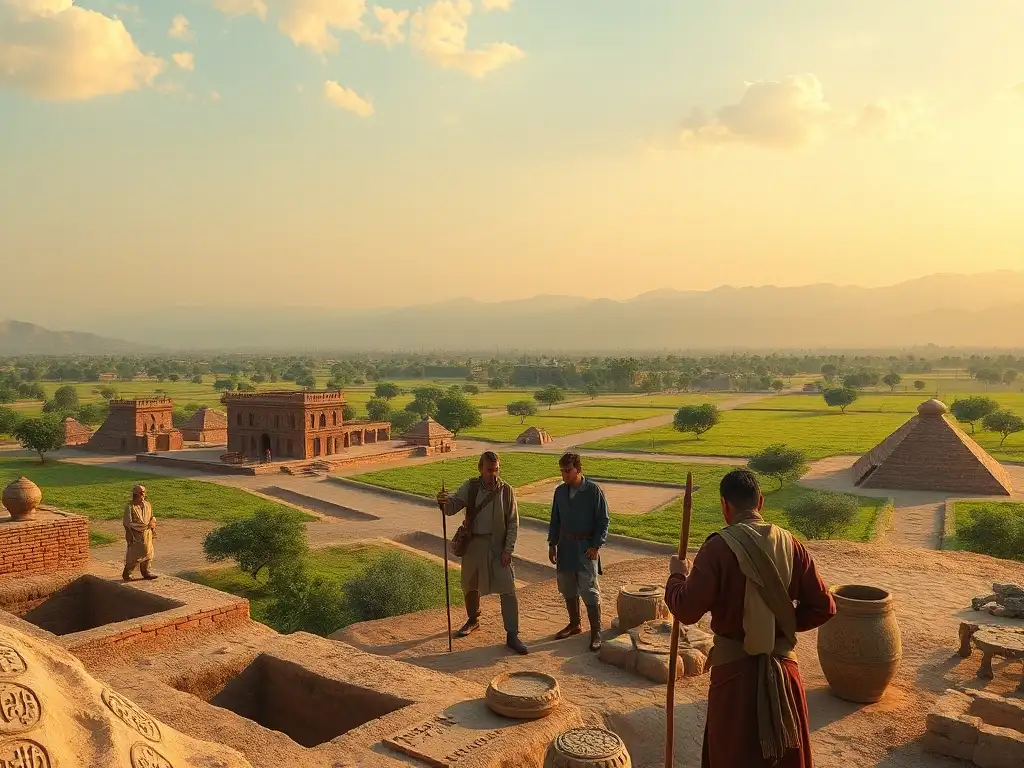
The Indus Valley Civilization (IVC) remains one of the most enigmatic ancient cultures, intriguing historians and archaeologists alike. The mysteries surrounding this civilization, from its sudden decline to its undeciphered script, offer fertile ground for comparative analysis with other ancient civilizations. Such comparisons can illuminate not only the unique aspects of the IVC but also broader patterns in human history.
Indus Valley vs. Contemporary Civilizations: Similarities and Differences
When examining the IVC alongside contemporary civilizations like Mesopotamia and Ancient Egypt, striking similarities and differences emerge.
- Urban Planning: The IVC is renowned for its sophisticated urban planning, featuring grid layouts, drainage systems, and standardized brick sizes, akin to the orderly cities of Mesopotamia. However, the absence of monumental architecture in IVC cities like Mohenjo-Daro and Harappa sets them apart from their contemporaries, who built grand temples and palaces.
- Trade Networks: Like the Egyptians and Sumerians, the IVC engaged in extensive trade, both locally and with distant regions such as Mesopotamia. However, the absence of large-scale warfare artifacts in IVC sites suggests a different societal structure, possibly more focused on trade and cooperation rather than conquest.
- Writing Systems: The IVC's script remains undeciphered, contrasting sharply with the cuneiform of Mesopotamia and Egyptian hieroglyphs, which provide rich insights into their societies. This lack of written records limits our understanding of the IVC's social, political, and religious structures.
Lessons from Other Ancient Civilizations: What Can Be Learned?
Studying other ancient civilizations can provide valuable insights into the Indus Valley Civilization's mysteries.
- Environmental Adaptation: The collapse of various ancient societies often correlates with environmental changes. Learning from the lessons of the Maya or the Akkadian Empire, researchers can explore how environmental factors may have influenced the IVC's agricultural practices and urban sustainability.
- Cultural Exchange: The interconnectedness of ancient civilizations through trade and cultural exchange is a vital area of study. The diffusion of ideas and technologies between the IVC and its contemporaries can shed light on the socio-economic dynamics of the period.
- Societal Organization: Investigating the governance structures of other ancient societies may provide clues about the social hierarchy and political organization within the IVC. Understanding how different civilizations managed resources and societal needs can contribute to a fuller picture of IVC governance.
Ongoing Research and Future Directions in Indus Valley Studies
The mysteries of the Indus Valley Civilization continue to engage scholars, prompting ongoing research that seeks to uncover new insights and resolve unanswered questions.
Current Archaeological Excavations and Discoveries
Recent archaeological endeavors have revitalized interest in the IVC, revealing new sites and artifacts that challenge previous understandings. For instance, excavations in Gujarat have unearthed evidence of extensive maritime trade, suggesting a more complex economic network than previously thought. These findings may provide clues to the civilization's interactions with other cultures and its eventual decline. Moreover, the discovery of urban centers like Dholavira presents opportunities to reevaluate the regional variations within the IVC.
The Role of Technology in Unraveling Mysteries
Technological advancements are playing a crucial role in IVC research. Remote sensing technologies, such as LiDAR (Light Detection and Ranging), allow archaeologists to visualize ancient landscapes and identify potential sites without extensive excavation. Additionally, radiocarbon dating and DNA analysis are aiding in the understanding of agricultural practices, trade routes, and even genetic links between ancient populations. These technologies not only enhance our understanding of the IVC but also highlight the importance of interdisciplinary approaches in archaeological research.
Interdisciplinary Approaches to Understanding the Indus Valley Civilization
The complexity of the IVC's mysteries necessitates interdisciplinary approaches that integrate archaeology, anthropology, history, and environmental science. Collaborative research efforts can unveil how cultural practices, social structures, and environmental conditions intersected to shape the civilization. For instance, combining archaeological findings with climate data may help elucidate how environmental changes influenced urban planning and agricultural strategies. Engaging experts from diverse fields fosters a holistic understanding of the IVC and its lasting impact on subsequent civilizations.
The Indus Valley Civilization's mysteries invite continued exploration and analysis through comparative studies and innovative research methods. By learning from other ancient cultures and leveraging modern technology, scholars can move closer to unraveling the enigmas of this remarkable civilization.
Conclusion: The Lasting Impact of Indus Valley Civilization Mysteries
The Indus Valley Civilization (IVC) remains one of the most enigmatic chapters in ancient Indian history. Its sophisticated urban planning, advanced drainage systems, and script that has yet to be deciphered reflect a remarkable level of achievement. However, the unresolved mysteries surrounding this civilization continue to captivate scholars and enthusiasts alike, sparking numerous debates about its origins, societal structure, and eventual decline. The allure of these unanswered questions not only highlights the gaps in our understanding of ancient cultures but also emphasizes the complexities of human history itself.
The mysteries of the Indus Valley Civilization serve as a reminder that while we may uncover artifacts and remnants of the past, the narrative of human civilization is far from complete. Each unanswered question invites further exploration and inquiry, inspiring new generations of archaeologists and historians to delve deeper into the past. The ongoing mysteries of the IVC also underscore the importance of interdisciplinary research, where fields such as archaeology, anthropology, linguistics, and even climate science converge to offer a more holistic understanding of ancient societies.
Reflection on the Importance of Unanswered Questions
Unanswered questions are vital in the study of the Indus Valley Civilization, as they stimulate critical thinking and encourage scholarly dialogue. They challenge researchers to reevaluate existing theories and to explore new methodologies that could potentially unlock the secrets of this ancient civilization. For instance, the lack of clarity regarding the IVC's decline has led to various theories ranging from climate change to invasion, each with its implications for understanding human resilience and adaptation.
Moreover, these questions highlight the significance of cultural heritage and the need for preservation efforts. As excavations continue and new technologies emerge, the potential discoveries could reshape our perceptions of the Indus Valley Civilization. The mysteries serve not just as academic interests but as symbols of a shared human past that deserves to be understood and appreciated.
The Future of Indus Valley Research and Its Implications for Ancient Indian History
The future of Indus Valley research holds great promise for expanding our knowledge of ancient Indian history. With advancements in technology, such as satellite imaging and ground-penetrating radar, archaeologists are now able to identify potential sites and gather data with unprecedented precision. These innovations may lead to the discovery of new sites that could provide insights into the socio-political dynamics, trade networks, and daily lives of the IVC inhabitants.
Additionally, interdisciplinary approaches combining archaeology with genetics and environmental studies can offer new perspectives on the demographic patterns and ecological contexts of the IVC. As researchers continue to investigate the mysteries of the Indus Valley Civilization, the implications extend beyond the study of this single civilization, enriching our understanding of ancient Indian history as a whole.
The enduring mystique of the Indus Valley Civilization—not just in its achievements but also in its unanswered questions—invites ongoing exploration and fosters a deeper appreciation for the rich tapestry of human history. As we seek answers, we also reaffirm the importance of preserving and studying our ancient legacies, ensuring that the lessons of the past inform our understanding of the present and future.
- Introduction to the Indus Valley Civilization Mysteries
- Historical Context of the Indus Valley Civilization
- Core Mysteries Surrounding the Indus Valley Civilization
- Theories and Interpretations of Indus Valley Civilization Mysteries
- Comparative Analysis of Indus Valley Civilization Mysteries
- Ongoing Research and Future Directions in Indus Valley Studies
- Conclusion: The Lasting Impact of Indus Valley Civilization Mysteries
- What is the Indus Valley Civilization?
- What are some mysteries surrounding the Indus Valley Civilization?
- How did the Indus Valley Civilization influence later cultures?
- What archaeological sites are significant to the Indus Valley Civilization?
- Why is the Indus Valley Civilization considered a mystery today?
Frequently Asked Questions
What is the Indus Valley Civilization?
The Indus Valley Civilization was an ancient civilization that flourished around 2500 BCE in what is now Pakistan and northwest India, known for its advanced urban planning, architecture, and social organization.
What are some mysteries surrounding the Indus Valley Civilization?
Key mysteries include the reasons behind its decline, the lack of deciphered writing, and the identity of its people, which remain unanswered despite archaeological discoveries.
How did the Indus Valley Civilization influence later cultures?
The civilization's advancements in trade, craftsmanship, and urban planning laid the groundwork for future cultures in the region, impacting the social and economic structures of later Indian societies.
What archaeological sites are significant to the Indus Valley Civilization?
Notable sites include Mohenjo-Daro, Harappa, and Dholavira, each offering insights into the civilization's urban design, arts, and daily life.
Why is the Indus Valley Civilization considered a mystery today?
Despite extensive research, the Indus Valley Civilization holds many secrets, particularly regarding its script, the reasons for its decline, and the extent of its connections with other ancient cultures, leaving historians and archaeologists with much to explore.
Final Reflection: The Unsolved Mysteries of the Indus Valley Civilization
The enduring allure of the Indus Valley Civilization lies in its profound mysteries that continue to captivate scholars and enthusiasts alike. As we delve into the remnants of this ancient society, we find ourselves grappling with questions that remain unanswered, highlighting the complexity of human history and our quest for understanding. The enigmas surrounding the Indus Valley Civilization remind us that even in our modern age, there are still vast realms of knowledge waiting to be uncovered.
Culturally and socially, the mysteries of the Indus Valley Civilization resonate deeply within our contemporary context. The unanswered questions about their societal structure, trade practices, and eventual decline serve as a mirror reflecting our own uncertainties about civilization's trajectory. As we navigate through our rapidly changing world, we are reminded of the fragility of societies and the importance of preserving our cultural heritage. The past is never dead. It's not even past.
— William Faulkner. This quote encapsulates the ongoing influence of historical mysteries, urging us to recognize that the lessons of the past are intertwined with our present and future.
As we conclude our exploration of the Indus Valley Civilization, I invite you to reflect on the mysteries that surround not only this ancient culture but also your own life. Consider how the pursuit of knowledge and understanding can shape your journey. Embrace the questions that linger, for they are often more valuable than the answers themselves. Let the mysteries of the Indus Valley inspire you to seek out your own truths and to appreciate the beauty of the unknown in your personal and collective narratives.
Unveil the Secrets of the Indus Valley Civilization!
Thank you for delving into the captivating world of the Indus Valley Civilization with us. You've explored its enduring mystique and uncovered intriguing unanswered questions. Now, it’s time to take those insights further!
Here are some actionable steps you can take to deepen your understanding and connect with this incredible part of history:
- Dive into further research: Choose a specific aspect of the Indus Valley Civilization that captured your interest and explore it in greater detail. Consider visiting your local library or trustworthy websites for more information.
- Share your thoughts: Engage with friends or share your findings on social media! Start conversations that could lead to meaningful discussions about ancient cultures.
- Join a community group: Seek out online forums or local history clubs dedicated to ancient civilizations where you can exchange ideas and learn from others who share your passion for history.
What aspect of the Indus Valley Civilization are you most curious about? Let’s keep the discussion going!