
The Craftsmanship Behind Indus Valley Jewelry: A Blend of Art and Science

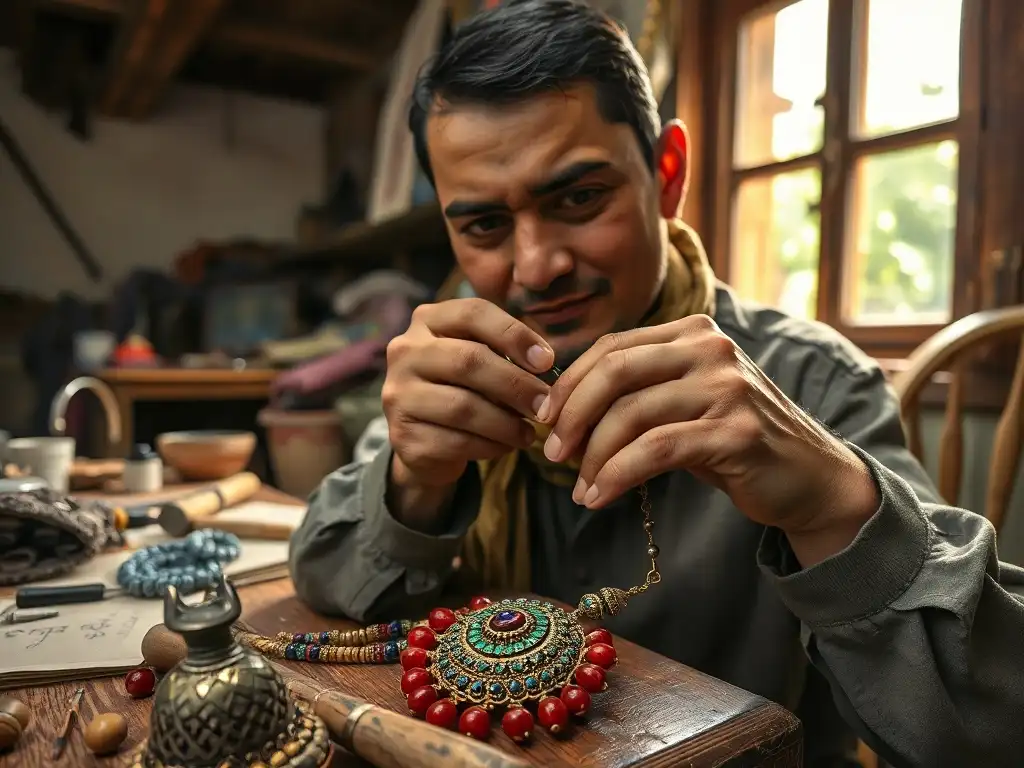
Welcome to Ancient India History, where we embark on a fascinating journey through the vibrant tapestry of ancient Indian civilizations. In this article, we delve into the exquisite world of Indus Valley jewelry craftsmanship, a remarkable fusion of art and science that showcases the extraordinary skills of artisans from one of history's earliest urban cultures. Discover how these intricate pieces not only adorned their wearers but also reflect the sophisticated societal structures and rich cultural narratives of the time. Prepare to be captivated as we unravel the stories behind these exquisite creations—your adventure into the past begins here!
Introduction to Indus Valley Jewelry Craftsmanship
The Indus Valley Civilization, one of the world's earliest urban cultures, flourished between approximately 3300 and 1300 BCE in what is now modern-day Pakistan and northwest India. Renowned for its advanced city planning, sophisticated drainage systems, and a rich tapestry of cultural practices, this civilization also produced remarkable jewelry that reflects both intricate artistry and scientific understanding.
The craftsmanship behind Indus Valley jewelry is not merely a testament to aesthetic appeal; it reveals a complex interplay of materials, techniques, and cultural significance. This article delves into the exceptional craftsmanship of Indus Valley jewelry, illustrating how this ancient art form embodies a blend of creativity and scientific methodology.
The Historical Context of Indus Valley Civilization
The Indus Valley Civilization was a significant cultural and economic hub, with trade networks extending to Mesopotamia and beyond. This period saw advancements in various fields, including metallurgy, which played a crucial role in jewelry making. The civilization's urban centers, such as Harappa and Mohenjo-Daro, were marked by their sophisticated architecture and social organization. Jewelry, in this context, was not only a form of personal adornment but also served as a symbol of status and identity within a highly stratified society.
- Key Characteristics:
- Urban Planning: Cities were laid out in grid patterns with advanced drainage systems.
- Trade: Extensive trade networks facilitated the exchange of goods, including precious metals and stones.
- Cultural Exchange: Interaction with neighboring civilizations enriched the artistic and technological practices of the Indus Valley artisans.
Importance of Jewelry in Ancient Indian Culture
Jewelry in ancient Indian culture held profound significance beyond mere decoration. It served as a vital component in religious rituals, social ceremonies, and daily life. In the Indus Valley, jewelry was often associated with wealth, power, and social status. Moreover, it played a role in trade and economy, contributing to the prosperity of the civilization.
- Cultural Significance:
- Symbol of Status: Jewelry was a marker of social hierarchy and wealth.
- Religious Practices: Certain pieces were used in rituals, reflecting spiritual beliefs.
- Trade Value: Jewelry often served as a medium of exchange in trade, enhancing its economic importance.
Techniques and Materials in Indus Valley Jewelry Making
The artistry behind Indus Valley jewelry is evident in the variety of techniques and materials employed by artisans. This section explores the specific materials used in jewelry making, as well as the craftsmanship techniques that highlight the innovative spirit of this ancient civilization.
Overview of Jewelry Materials Used
Indus Valley artisans utilized a diverse array of materials to create their jewelry, showcasing both local resources and imported goods. The use of these materials not only demonstrates their craftsmanship but also reflects the trade networks that connected them to other cultures.
- Common Materials:
- Metals: Copper, bronze, and gold were frequently used for crafting jewelry pieces.
- Stones: Semi-precious stones like lapis lazuli, carnelian, and agate were popular for inlays and beads.
- Shell and Terracotta: These materials were often used to create unique designs and forms.
Craftsmanship Techniques: A Blend of Art and Science
The techniques employed in the creation of Indus Valley jewelry reveal a sophisticated understanding of both artistic expression and scientific principles. Artisans combined various methods to produce intricate designs that were not only beautiful but also durable.
- Craftsmanship Techniques:
- Lost Wax Casting: A method used for creating detailed metal works, showcasing advanced metallurgical skills.
- Bead Making: Techniques like drilling and polishing were essential for producing smooth, intricate beads from various materials.
- Inlay Work: Delicate inlay techniques allowed artisans to create stunning patterns and contrasts, enhancing the visual appeal of jewelry pieces.
The fusion of art and science in Indus Valley jewelry craftsmanship exemplifies the innovative spirit of this ancient civilization, leaving a lasting legacy that continues to influence contemporary jewelry design.
Symbolism and Functionality of Indus Valley Jewelry
The jewelry crafted during the Indus Valley Civilization (approximately 3300–1300 BCE) served not only as a means of adornment but also as a powerful symbol of status, identity, and cultural beliefs. Artisans meticulously created pieces that often conveyed significant meanings through their designs, materials, and usage.
Cultural Significance of Jewelry in the Indus Valley
Jewelry played a vital role in the social and religious life of the Indus Valley people. Different materials such as gold, silver, semi-precious stones, and terracotta were used, each chosen for their specific meanings and values. For instance, the use of beads made from carnelian and agate was widespread, and these materials were often associated with trade and wealth.
The designs frequently featured motifs that represented fertility, nature, and deities, indicating their spiritual significance. Moreover, jewelry was often gifted during important life events such as marriages, signifying the importance of these pieces in personal relationships and social status.
Functional Aspects of Jewelry
Beyond their decorative aspects, the functionality of jewelry in the Indus Valley was noteworthy. Many pieces were designed for practical uses, such as pendants that could hold amulets for protection or large earrings that doubled as fasteners for head coverings.
Additionally, jewelry often served as a medium of trade. Beads and other jewelry items were exchanged between different regions, showcasing the sophistication of trade networks established by the Indus Valley inhabitants. This functionality underscored the dual role of jewelry as both a personal adornment and a vital economic asset within their society.
Comparison of Indus Valley Jewelry with Contemporary Practices
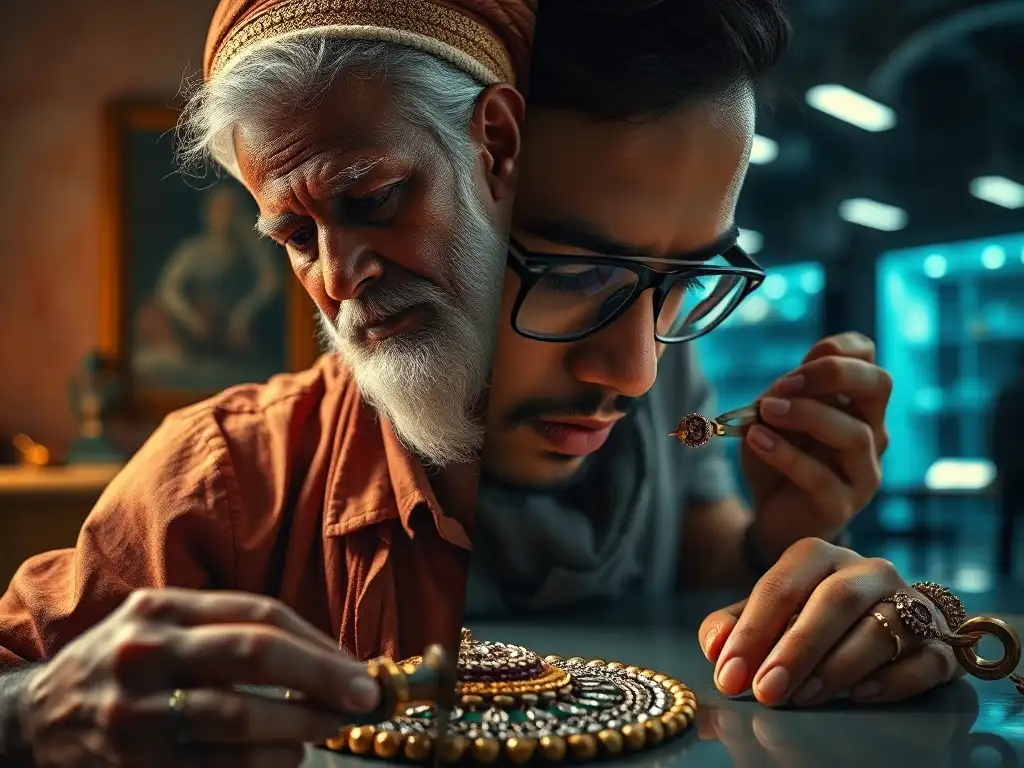
The craftsmanship of Indus Valley jewelry presents fascinating parallels and distinctions when compared to contemporary jewelry-making practices. While modern jewelry often emphasizes individual expression and innovation, the artistry of the Indus Valley reflects a harmonious blend of tradition and practicality.
Similarities Between Ancient and Modern Jewelry Craftsmanship
Both ancient and modern jewelry craftsmanship prioritize the use of intricate designs and quality materials. Techniques such as bead-making, metalworking, and stone setting are evident in both eras. The emphasis on personalization and the use of symbolism remains consistent, with modern jewelers often drawing inspiration from ancient designs to convey contemporary meanings.
Furthermore, similar tools and methods are employed in both periods, although modern technology has enhanced precision and efficiency. For example, the ancient artisans used rudimentary tools to carve and shape their materials, while today’s craftsmen benefit from advanced machinery and techniques, yet the core principles of craftsmanship remain intact.
Evolution of Techniques from the Indus Valley to Today
The evolution of jewelry-making techniques from the Indus Valley to the present day highlights significant advancements in both artistry and technology. While ancient artisans relied on manual methods and natural materials, modern techniques utilize a variety of tools and resources, including lasers and computer-aided design (CAD).
Despite these advancements, the essence of craftsmanship persists. Techniques such as granulation and filigree, rooted in the Indus Valley, have evolved but are still celebrated in contemporary practices. The ongoing appreciation for the aesthetics and meanings embedded in jewelry ensures that the rich legacy of Indus Valley craftsmanship continues to influence modern artisans and jewelers.
The craftsmanship behind Indus Valley jewelry showcases an extraordinary blend of art and science, with its symbolism and functionality deeply intertwined with the cultural fabric of the civilization. The connections between ancient and modern practices reveal a continuum of creativity and skill that transcends time.
Preservation and Archaeological Discoveries
The craftsmanship behind Indus Valley jewelry is not merely a subject of aesthetic appreciation but also a testament to the scientific ingenuity of ancient artisans. Preservation of this craftsmanship has been largely dependent on archaeological discoveries that have unearthed various artifacts, including intricate jewelry pieces, tools, and the remains of workshops. These findings provide invaluable insights into the techniques, materials, and cultural significance of jewelry-making in the Indus Valley Civilization.
Archaeologists have utilized various methods to preserve these artifacts, ensuring that the delicate craftsmanship is documented for future generations. Techniques such as 3D scanning, digital photography, and chemical conservation methods have been pivotal in safeguarding the integrity of these items. The combination of art and science in preserving these artifacts not only aids in understanding the past but also enhances the appreciation of the craftsmanship involved in creating such remarkable pieces of jewelry.
Key Archaeological Sites of Indus Valley Jewelry
Several key archaeological sites have played a crucial role in revealing the secrets of Indus Valley jewelry craftsmanship. Among these sites, Harappa and Mohenjo-Daro stand out as the most significant. Excavations at these locations have uncovered an array of jewelry, including beads made from semi-precious stones, gold ornaments, and intricate metalwork.
Other notable sites include:
- Chanhu-Daro: Known for its unique terracotta ornaments and bead-making workshops.
- Dholavira: Famous for its sophisticated urban planning and evidence of jewelry made from shells and stones.
- Lothal: Recognized for its dockyard and trade links, which facilitated the exchange of raw materials essential for jewelry making.
These sites not only enhance our understanding of the craftsmanship involved but also highlight the trade networks that existed, linking the Indus Valley with other ancient civilizations.
Challenges in Preserving Ancient Jewelry Craftsmanship
Preserving ancient jewelry craftsmanship poses significant challenges. The primary issues include environmental factors, such as humidity and temperature fluctuations, which can lead to deterioration of organic materials. Additionally, many artifacts are composed of fragile materials like gold, silver, and semi-precious stones that require careful handling to prevent damage.
Moreover, the lack of comprehensive records regarding the traditional techniques used by artisans poses a challenge to preservation efforts. As many of these skills have not been passed down through generations, there is a risk of losing valuable knowledge related to the creation and significance of these artifacts. Efforts must be made to document these techniques through interviews with artisans and the use of modern technology to create a database of traditional craftsmanship.
Conclusion: The Legacy of Indus Valley Jewelry Craftsmanship
The legacy of Indus Valley jewelry craftsmanship is a profound aspect of ancient Indian history, reflecting not only the aesthetic values of the civilization but also their advanced understanding of materials and techniques. The intricate designs and skilled workmanship found in the jewelry of this period serve as a reminder of the cultural richness of the Indus Valley Civilization.
Lasting Influence on Modern Jewelry Design
The influence of Indus Valley craftsmanship can be seen in contemporary jewelry design, where artisans often draw inspiration from ancient motifs and techniques. The use of beadwork, intricate metal designs, and the incorporation of semi-precious stones are elements that echo the craftsmanship of the Indus Valley. Modern jewelers often look back to ancient practices to revive lost techniques, ensuring that the spirit of this craftsmanship continues to thrive.
The Importance of Preserving Ancient Techniques and Knowledge
Preserving ancient techniques and knowledge is vital not only for historical accuracy but also for cultural identity. The craftsmanship behind Indus Valley jewelry offers insights into the social, economic, and spiritual lives of its people. By safeguarding these ancient methods, we can ensure that future generations appreciate and learn from the ingenuity and artistry of their ancestors. Initiatives that focus on education, documentation, and revitalization of traditional skills are essential in maintaining this connection to our past.
- Introduction to Indus Valley Jewelry Craftsmanship
- Techniques and Materials in Indus Valley Jewelry Making
- Symbolism and Functionality of Indus Valley Jewelry
- Comparison of Indus Valley Jewelry with Contemporary Practices
- Preservation and Archaeological Discoveries
- Conclusion: The Legacy of Indus Valley Jewelry Craftsmanship
- What is the significance of Indus Valley jewelry craftsmanship?
- What materials were commonly used in Indus Valley jewelry?
- How did the Indus Valley civilization influence modern jewelry design?
- Were there any specific techniques used in Indus Valley jewelry making?
- What role did jewelry play in Indus Valley society?
Frequently Asked Questions
What is the significance of Indus Valley jewelry craftsmanship?
The Indus Valley jewelry craftsmanship represents a blend of artistic expression and technical skill, showcasing the sophistication of ancient Indian civilizations.
What materials were commonly used in Indus Valley jewelry?
Craftsmen utilized a variety of materials, including gold, silver, carnelian, and shells, highlighting their access to both local and imported resources.
How did the Indus Valley civilization influence modern jewelry design?
The design elements and techniques developed during the Indus Valley civilization laid the groundwork for many contemporary styles, emphasizing intricate patterns and meticulous craftsmanship.
Were there any specific techniques used in Indus Valley jewelry making?
Yes, artisans employed several techniques, such as lost-wax casting and bead-making, which demonstrated their advanced understanding of metallurgy and gemstone processing.
What role did jewelry play in Indus Valley society?
Jewelry served not only as ornamental items but also as symbols of status and wealth, playing a significant role in social and cultural practices within the Indus Valley civilization.
Final Reflection: The Timeless Legacy of Indus Valley Jewelry Craftsmanship
The intricate artistry and scientific precision of Indus Valley jewelry craftsmanship resonate profoundly in today’s world. As we navigate an era increasingly defined by mass production and digitalization, the meticulous techniques and cultural significance embedded in these ancient artifacts remind us of the value of authenticity and skill. The craftsmanship of the Indus Valley civilization is not merely a relic of the past; it serves as a powerful testament to human creativity and ingenuity that continues to inspire artisans and jewelers around the globe.
Cultural heritage is a living entity that shapes our identities and connects us to our ancestors. The craftsmanship behind Indus Valley jewelry has influenced contemporary design, encouraging a revival of traditional techniques and sustainable practices in the jewelry industry. As we admire these exquisite pieces, we recognize that they are not just adornments but stories of a civilization that thrived on innovation and artistry. Art is the most beautiful of all lies.
This quote encapsulates the essence of how artistry transcends time, inviting us to appreciate the beauty and complexity of our shared human experience.
As you reflect on the lessons of Indus Valley jewelry craftsmanship, consider how you can incorporate elements of this rich heritage into your own life. Embrace the artistry around you, whether through supporting local artisans, learning a craft, or simply appreciating the stories behind the objects you cherish. Let the legacy of the Indus Valley inspire you to seek beauty in craftsmanship and to honor the artistry that connects us all across time and space.
Unveil the Secrets of Indus Valley Jewelry!
Thank you for taking the time to explore the fascinating world of Indus Valley jewelry craftsmanship! You've gained insights into the remarkable blend of art and science that defines this ancient adornment. Now, let’s bring this knowledge to life and deepen your connection to this rich heritage.
Here are some inspiring actions you can take:
- Visit a local museum featuring ancient artifacts to experience the beauty of Indus Valley jewelry up close.
- Join an online community or forum where enthusiasts discuss ancient crafts, and share your thoughts or discoveries related to Indus Valley art.
- Create your own jewelry piece inspired by the motifs of the Indus Valley civilization—experiment with materials that tell your personal story!
What aspect of Indus Valley jewelry intrigues you the most, and how might you incorporate that inspiration into your own creative endeavors?