
The Significance of the Great Bath: Rituals and Social Life in MohenjoDaro

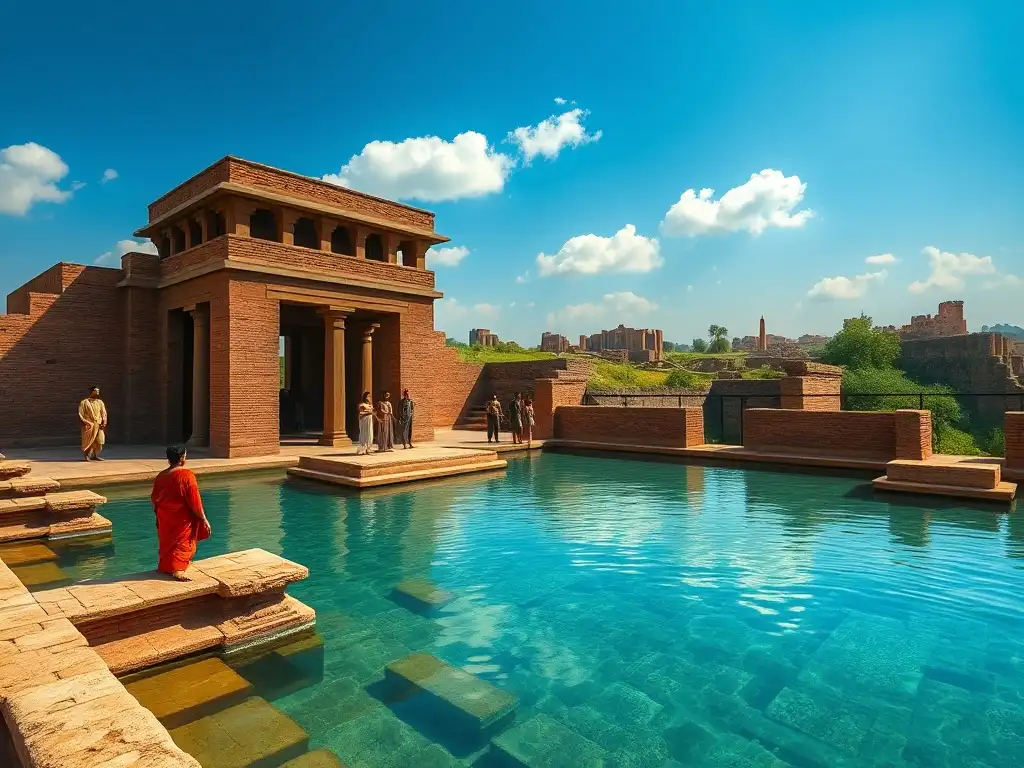
Welcome to Ancient India History, where we invite you to journey through the fascinating tapestry of ancient Indian civilizations. Today, we delve into the significance of the Great Bath at Mohenjo Daro, a marvel of engineering that offers profound insights into the rituals and social life of one of the world's earliest urban centers. What secrets does this ancient structure hold about communal practices and spirituality?
Join us as we uncover the layers of meaning behind this iconic site, sparking your curiosity and enriching your understanding of India’s rich heritage. Prepare to explore a world where history speaks, and every discovery invites you to learn more!
Introduction to Mohenjo Daro and the Great Bath
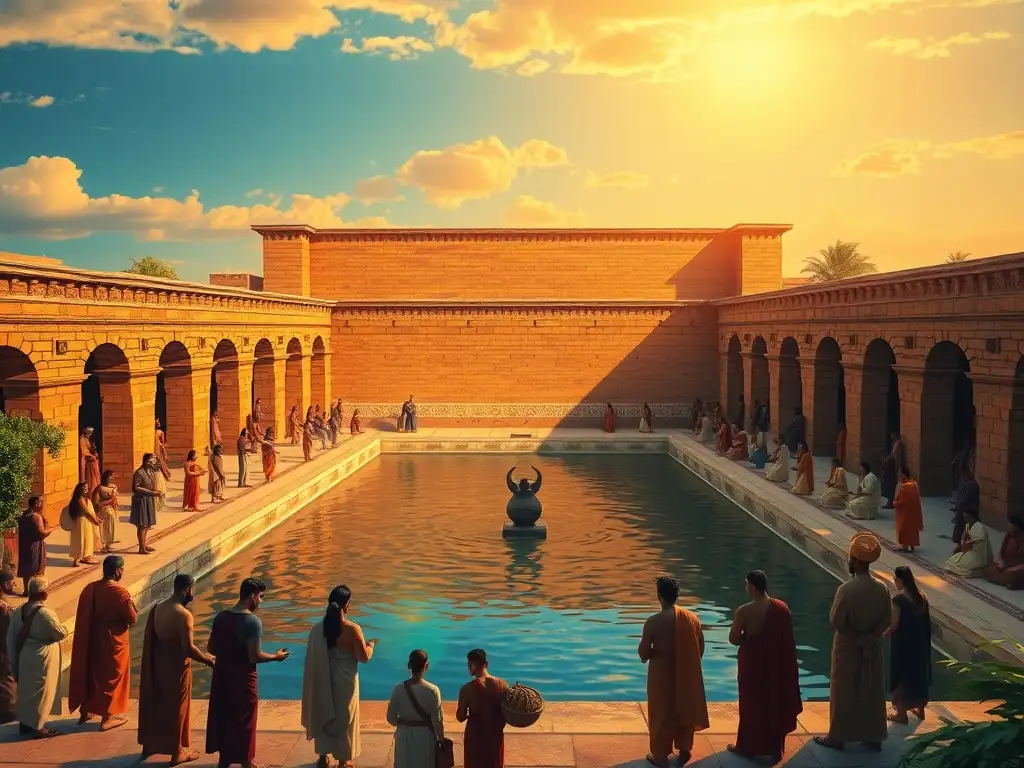
Mohenjo Daro, one of the most prominent cities of the Indus Valley Civilization, stands as a testament to the advanced urban planning and sophisticated societal structures of ancient India. This archaeological marvel, dating back to approximately 2500 BCE, offers invaluable insights into the rituals, social interactions, and technological achievements of its time. Among its many remarkable features, the Great Bath emerges as a focal point, symbolizing not only architectural ingenuity but also the cultural and spiritual dimensions of life in Mohenjo Daro.
Understanding the significance of the Great Bath is crucial, as it provides a window into the daily lives of its inhabitants, their religious practices, and social organization. This article delves into the multifaceted role of the Great Bath, exploring its architectural features, the materials used in its construction, and its comparison to other water structures within the Indus Valley.
Overview of the Indus Valley Civilization
The Indus Valley Civilization (IVC), one of the world’s earliest urban cultures, flourished between 3300 BCE and 1300 BCE across what is now modern-day Pakistan and northwest India. This civilization is renowned for its remarkable urban planning, advanced drainage systems, and standardized weights and measures. Major cities, including Harappa and Mohenjo Daro, were characterized by their grid-like layouts and sophisticated civic amenities.
The civilization's economy was primarily agrarian, supported by trade in goods such as cotton, beads, and metals. Importantly, the IVC exhibited a high degree of social organization, as evidenced by the uniformity in the size and layout of homes, as well as public structures like granaries and baths.
Importance of Mohenjo Daro in Ancient Indian History
Mohenjo Daro is often regarded as a cornerstone of ancient Indian history due to its extensive contributions to urban development and social organization. The city serves as a crucial archaeological site that provides insights into the lifestyle, governance, and trade practices of the time. The presence of sophisticated public baths, like the Great Bath, highlights the importance of hygiene and communal activities in the daily lives of its inhabitants.
Furthermore, Mohenjo Daro's strategic location along the Indus River facilitated trade routes that connected it to other ancient civilizations, enhancing its economic significance. As a result, Mohenjo Daro continues to be a focal point for researchers and historians aiming to understand the complexities of ancient Indian societies.
Introduction to the Great Bath
The Great Bath of Mohenjo Daro is one of the most iconic structures of the Indus Valley Civilization, measuring approximately 12 meters by 7 meters, and reaching a depth of over 2.5 meters. This monumental bathing facility is believed to have served both ritualistic and social purposes, possibly acting as a venue for purification rites or communal gatherings.
The construction of the Great Bath, with its carefully engineered drainage systems and impressive water-tight design, showcases the advanced engineering skills of the inhabitants. The significance of this structure extends beyond its physical attributes; it embodies the cultural values and communal spirit of the people of Mohenjo Daro, making it a vital subject of study for understanding the social dynamics of ancient Indian civilizations.
Architectural Features of the Great Bath
Design and Structure of the Great Bath
The Great Bath's design reflects a remarkable understanding of hydraulic engineering, characterized by its rectangular shape and large central pool. The surrounding platform is made of bricks, meticulously laid to create a smooth surface for access.
The edges of the pool are lined with bricks set in a mortar mixture, enhancing its durability and water retention capabilities. The presence of staircases leading down to the bathing area indicates that this structure was intended for public use, facilitating access for numerous individuals at any given time.
Materials Used in Constructing the Great Bath
The construction of the Great Bath involved the use of locally sourced materials, predominantly baked bricks, which were standardized in size. This uniformity in materials not only highlights the architectural sophistication but also reflects the economic organization of the IVC, where resources were efficiently utilized.
Additionally, the use of bitumen as a waterproofing agent demonstrates the advanced knowledge of materials and techniques employed by the builders, ensuring the longevity and functionality of the structure.
Comparison with Other Water Structures in Indus Valley
While the Great Bath is the most famous water structure in Mohenjo Daro, it is essential to note that other cities within the Indus Valley Civilization also featured similar bathing facilities and water management systems. For instance, the city of Harappa had its own set of baths and drainage systems, albeit with different architectural styles and arrangements.
| Feature | Great Bath (Mohenjo Daro) | Other Water Structures (Harappa) |
|---|---|---|
| Dimensions | 12m x 7m, depth 2.5m | Varies significantly |
| Purpose | Ritualistic and social | Primarily utilitarian |
| Water Management | Advanced drainage system | Basic drainage |
| Materials | Baked bricks, bitumen | Local clay, mud bricks |
The Great Bath not only serves as an architectural marvel but also as a critical piece of evidence reflecting the social, religious, and communal aspects of life in Mohenjo Daro. The exploration of its significance provides a deeper understanding of the intricate tapestry of the Indus Valley Civilization, underscoring its lasting impact on ancient Indian history.
Rituals Associated with the Great Bath
The Great Bath of Mohenjo Daro stands as a remarkable emblem of the Indus Valley Civilization, showcasing not only advanced engineering but also a deep connection to ritualistic practices. Its large, rectangular form, measuring approximately 12 meters long and 7 meters wide, suggests that it served as a place for communal bathing and possibly for various rituals that emphasized purification and social cohesion. The presence of steps leading down into the bath indicates that it was designed for frequent use, hinting at its significance in the daily lives of the inhabitants.
Water in Ancient Indian Rituals
Water has always held a sacred place in Indian culture, symbolizing purity, life, and renewal. In ancient texts and practices, water is frequently connected with spiritual cleansing and the preparation for rituals. It is believed that immersion in water cleanses not only the body but also the mind and spirit.
This belief likely influenced the design and use of the Great Bath, reinforcing its role as a space dedicated to ritual purification. The rituals associated with water in ancient India often included offerings to deities, rites of passage, and seasonal festivals, all of which may have found a suitable venue at the Great Bath.
Possible Religious and Ceremonial Uses of the Great Bath
While the exact religious practices of the Indus Valley people remain largely speculative due to the lack of written records, scholars suggest that the Great Bath could have served multiple ceremonial purposes. The bathing area may have been used for rituals aimed at fertility, health, and communal well-being. Additionally, archaeological findings, such as terracotta figurines and seals, hint at the possibility of worship or homage to water-related deities. The Great Bath may have acted as a convergence point for various rituals that were integral to the spiritual lives of the people.
Archaeological Evidence of Ritual Practices
Archaeological excavations at Mohenjo Daro have unveiled artifacts that point towards ritual practices centered around the Great Bath. For example, the discovery of pottery, ritualistic objects, and remnants of fire altars in the vicinity suggests that this space was not only for bathing but also for performing rituals. The meticulous construction of the bath, along with its drainage systems, indicates a sophisticated understanding of hygiene and ritual cleanliness, further emphasizing its importance in the daily lives of the inhabitants.
The Great Bath also served as a focal point for social gatherings and interactions among the residents of Mohenjo Daro. Its grandeur and accessibility likely made it a natural meeting place for various community activities, fostering a sense of unity among the people.
The Social Significance of Bathing in Mohenjo Daro
Bathing was more than just a physical act; it was a socially significant ritual that reinforced community bonds. The Great Bath provided a shared space where individuals could come together, engage in conversation, and participate in communal activities. This collective bathing practice would have contributed to the social fabric of Mohenjo Daro, allowing for the exchange of ideas, stories, and cultural traditions, thus promoting a sense of belonging among its inhabitants.
Gathering Place for Community Interaction
The layout of the Great Bath, with its expansive area and surrounding structures, suggests that it was a gathering point for social and communal events. Archaeological evidence indicates that the area around the Great Bath was utilized for various activities, including festivals and communal feasts, where residents could come together to celebrate and strengthen community ties. This social aspect of the Great Bath underscores its significance beyond mere hygiene, transforming it into a vital cultural hub within Mohenjo Daro.
Role of the Great Bath in Daily Life of Mohenjo Daro Residents
The Great Bath likely played an integral role in the daily lives of Mohenjo Daro residents, serving as a place for regular cleansing rituals as well as a venue for social interaction. It provided a space where individuals could engage in communal bathing practices, which were not only essential for physical cleanliness but also symbolic of community identity and cohesion. The consistent use of the Great Bath reflects the importance of water as a life-sustaining resource and highlights the interconnectedness of daily routines, social customs, and spiritual beliefs in the vibrant life of Mohenjo Daro.
The Great Bath's Influence on Later Indian Cultures
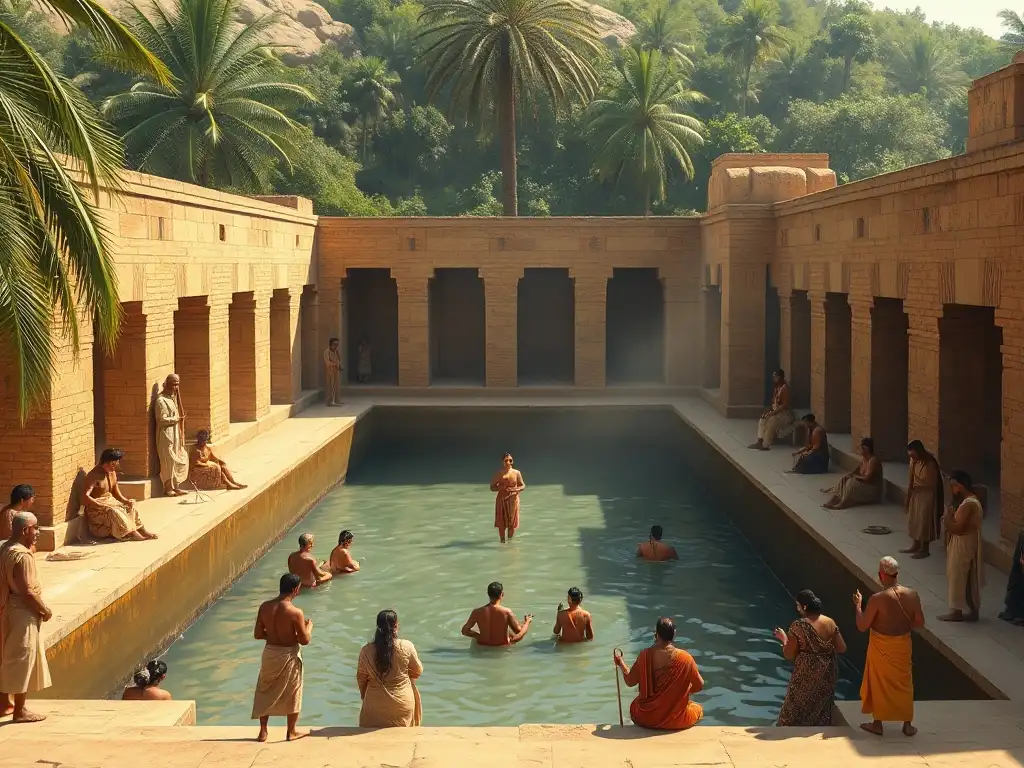
The Great Bath of Mohenjo Daro stands as a significant monument not only in the context of the Indus Valley Civilization but also in the broader narrative of Indian cultural evolution. Its elaborate design and purpose reflect sophisticated architectural and social planning that influenced various aspects of later Indian cultures. This monumental structure likely served as a precursor to the bathing rituals that became integral to Hindu practices, particularly in the context of purification and spiritual ceremonies.
Continuity of Bathing Rituals in Ancient India
The tradition of bathing as a ritual of purification continued to thrive in subsequent Indian cultures, particularly during the Vedic period and beyond. Sacred texts from these later periods highlight the importance of water for spiritual cleansing and the role of bathing in communal and personal rituals.
For instance, the practice of ritual bathing in rivers, especially during festivals like Kumbh Mela, can be traced back to the foundational ideas of purity established by the Great Bath. The architectural elements of public baths in later urban centers, such as those in Varanasi or Haridwar, further illustrate the enduring legacy of the Great Bath’s influence on the cultural importance of water and bathing.
Influence on Later Urban Planning and Water Management
The sophisticated water management system evident in Mohenjo Daro, particularly around the Great Bath, set a precedent for urban planning in India. The careful consideration given to drainage, water supply, and public bathing facilities influenced subsequent civilizations, including the Mauryan and Gupta empires, where urban planning incorporated public baths and advanced sanitation systems. The emphasis on water management in these later cities demonstrates how the principles established during the Indus Valley Civilization, particularly those surrounding the Great Bath, shaped the infrastructural development of urban areas in ancient India, fostering communal hygiene and public health.
The Legacy of the Great Bath in Indian Civilization
The legacy of the Great Bath transcends its physical structure, encapsulating the spiritual, social, and civic values of the Indus Valley Civilization. It symbolizes the communal ethos that characterized Mohenjo Daro, where social life was intertwined with ritual practices. In later Indian cultures, the significance of bathing evolved, often being imbued with religious meanings, as seen in the rituals associated with the Ganges River. This legacy reflects an enduring reverence for water and its purification properties, which continues to resonate in contemporary Indian society, where public bathing places remain vital to cultural practices.
Conclusion: The Great Bath's Role in Understanding Mohenjo Daro
The Great Bath of Mohenjo Daro serves as a pivotal archaeological and cultural artifact that provides insight into the social and religious life of the Indus Valley Civilization. Its design and function reveal much about the values and practices of a society that prioritized community, cleanliness, and spirituality.
Recap of the Great Bath's Significance
The Great Bath is not merely an architectural marvel; it is a testament to the intricate social fabric of Mohenjo Daro. Its role in rituals, urban planning, and community health underscores its significance in ancient Indian culture. The continuity of bathing practices from the Indus Valley to later civilizations highlights the lasting impact of this iconic structure.
Final Thoughts on Rituals and Social Life in Mohenjo Daro
Understanding the Great Bath and its significance enhances our appreciation of the sophisticated social and ritualistic life in Mohenjo Daro. It provides a lens through which we can explore the values of cleanliness, community, and spirituality that were central to the lives of its inhabitants.
Implications for Future Research on Indus Valley Civilization
The study of the Great Bath opens avenues for future research into the Indus Valley Civilization. Examining the links between the Great Bath and contemporary practices can yield valuable insights into the evolution of cultural and social norms in South Asia. Furthermore, investigating the broader implications of water management and urban planning in the Indus Valley can contribute to a deeper understanding of ancient civilizations and their legacies in modern India.
References and Further Reading
The study of Mohenjo Daro and its iconic Great Bath provides rich insights into the rituals and social life of the Indus Valley Civilization. To further explore this topic, a variety of literature and online resources are available that delve into the archaeological findings, cultural implications, and historical significance of this ancient urban center.
Suggested Literature on Mohenjo Daro and the Great Bath
-
"Mohenjo Daro: The History and Legacy of the Ancient Indus Valley Civilization" by Charles River Editors
This book offers a comprehensive overview of the Indus Valley Civilization, with a specific focus on Mohenjo Daro. It discusses the archaeological discoveries and the cultural implications of the Great Bath.
-
"The Indus Civilization: A Contemporary Perspective" by Gregory Possehl
Possehl's work provides a modern analysis of the Indus Civilization, including detailed sections on urban planning and the significance of public baths, particularly the Great Bath.
-
"The Archaeology of Ancient India" by Robin Coningham and Ruth Siddall
This text covers a broad range of archaeological findings across ancient India, with dedicated chapters on the Indus Valley and the role of communal spaces such as the Great Bath in social rituals.
-
"Mohenjo Daro: A Historic and Archaeological Study" by K. D. Bajpai
This study focuses specifically on Mohenjo Daro, exploring its historical context, architectural features, and the social dynamics reflected in the site’s layout, particularly the Great Bath.
-
"Cities of Ancient India" by R. S. Sharma
Sharma examines various ancient Indian cities, including Mohenjo Daro, highlighting the importance of urban planning and public structures like the Great Bath in promoting social cohesion.
Online Resources for Exploring Indus Valley Civilization
-
Archaeological Survey of India (ASI)
The official website of ASI provides access to reports and findings related to archaeological sites, including Mohenjo Daro. It offers insights into ongoing research and conservation efforts.
-
The British Museum: Indus Valley Civilization
This online resource features articles, images, and detailed descriptions of artifacts from the Indus Valley, including those connected to Mohenjo Daro and its Great Bath.
-
Khan Academy: Introduction to the Indus Valley Civilization
Khan Academy provides educational videos and articles that offer a comprehensive introduction to the Indus Valley Civilization, discussing key sites like Mohenjo Daro and their significance.
-
National Geographic: The Indus Valley Civilization
National Geographic's website includes articles and multimedia content that explore the history, culture, and archaeological discoveries related to the Indus Valley Civilization.
-
YouTube Channels: Archaeology and History
Various educational YouTube channels offer documentaries and lectures on the Indus Valley Civilization, providing visual and narrative contexts to the significance of sites like the Great Bath.
These resources collectively enhance the understanding of the Mohenjo Daro Great Bath significance, providing a multi-faceted view of its role in ancient rituals and social life.
- Introduction to Mohenjo Daro and the Great Bath
- Architectural Features of the Great Bath
- Rituals Associated with the Great Bath
- Social Life and Community Interaction at the Great Bath
- The Great Bath's Influence on Later Indian Cultures
- Conclusion: The Great Bath's Role in Understanding Mohenjo Daro
- References and Further Reading
- What was the purpose of the Great Bath in Mohenjo Daro?
- How does the Great Bath reflect the culture of the Indus Valley civilization?
- What were the rituals associated with the Great Bath?
- Why is the Great Bath considered a significant archaeological find?
- What can we learn about ancient Indian civilization from the Great Bath?
Frequently Asked Questions
What was the purpose of the Great Bath in Mohenjo Daro?
The Great Bath served as a ritualistic and social center, indicating the importance of water in purification rituals and communal gatherings in ancient Indian society.
How does the Great Bath reflect the culture of the Indus Valley civilization?
The architectural design of the Great Bath showcases the advanced engineering skills of the Indus Valley people, highlighting their emphasis on hygiene and communal activities.
What were the rituals associated with the Great Bath?
Rituals involving the Great Bath often included purification ceremonies, which were crucial for spiritual cleansing and community bonding in the daily life of Mohenjo Daro's inhabitants.
Why is the Great Bath considered a significant archaeological find?
The Great Bath is significant because it provides insight into the social and religious practices of the Indus Valley civilization, reflecting their values and community structure.
What can we learn about ancient Indian civilization from the Great Bath?
The Great Bath illustrates the importance of water in ancient Indian culture, revealing how it was integral to both rituals and the social fabric of Mohenjo Daro.
Final Reflection: The Enduring Legacy of the Great Bath in Mohenjo Daro
The significance of the Great Bath in Mohenjo Daro transcends its ancient origins, resonating with contemporary discussions on community, ritual, and social cohesion. In a world increasingly fragmented by individualism and technological distractions, the communal practices symbolized by the Great Bath remind us of the fundamental human need for connection and shared experiences. This ancient structure, once a hub of ritualistic gatherings, serves as a poignant reminder of how public spaces can foster unity and collective identity.
Cultural and social landscapes are continually shaped by the rituals we uphold and the spaces we create. The Great Bath stands as a testament to the sophisticated urban planning and social organization of the Indus Valley Civilization, illustrating how communal rituals were integral to their way of life. As we navigate our own complex societies, we can draw inspiration from this ancient practice. Rituals are the threads that weave the fabric of community,
a sentiment that echoes through time and remains relevant today. The Great Bath invites us to reflect on our own rituals and how they shape our interactions and relationships within our communities.
As we ponder the lessons from the Great Bath, let us consider how we can cultivate spaces and practices that promote connection in our lives. I encourage you to reflect on the rituals that bring you together with others—whether through shared meals, community events, or simple gatherings. Embrace the spirit of the Great Bath by creating opportunities for connection and fostering a sense of belonging in your own community. In doing so, we honor the legacy of those who came before us and contribute to a more unified and compassionate society.
Dive Deeper into Mohenjo-Daro's Mysteries!
Thank you for joining us in exploring the fascinating significance of the Great Bath in Mohenjo-Daro. Your curiosity has unveiled the intriguing rituals and social dynamics of this ancient civilization. Now, let’s take the next steps to enrich your understanding even further!
- Join a local history meetup or participate in an online forum to discuss the rituals and social life of ancient cultures.
- Share your insights on social media using the hashtag #MohenjoDaro to connect with fellow history enthusiasts.
- Explore available archaeological research studies online to discover more about the lives of the people who once gathered at the Great Bath.
What aspect of Mohenjo-Daro’s rituals or social life fascinates you the most? We invite you to share your thoughts below and join the conversation!