
Chandragupta Maurya's Influence on the Indian Caste System

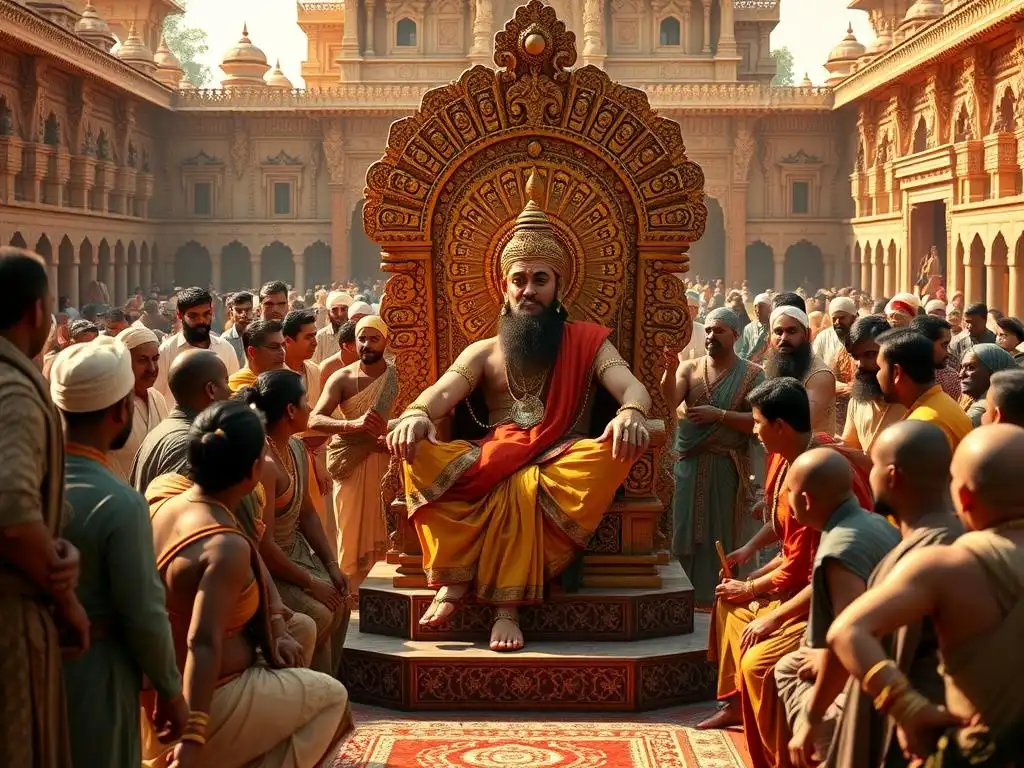
Welcome to Ancient India History, where we embark on a fascinating journey through the intricate tapestry of ancient Indian civilizations. Today, we delve into the life and legacy of Chandragupta Maurya—a pivotal figure whose influence shaped the very foundations of the Indian caste system. What drove this extraordinary leader to establish such a complex social structure?
As we explore the nuances of his reign and the societal implications of his policies, you'll uncover the profound connections between his leadership and the enduring legacy of caste in India. Prepare to be intrigued and inspired as you navigate through the rich narratives that have defined our cultural heritage!
- Introduction to Chandragupta Maurya's Influence on the Indian Caste System
- Historical Context of the Caste System in India
- Chandragupta Maurya and the Formation of the Mauryan Empire
- Impact of Chandragupta Maurya on the Caste System
- The Role of Religion and Philosophy in the Caste System
- Comparisons of Caste Practices Before and After Chandragupta
- Legacy of Chandragupta Maurya on the Caste System
- Conclusion: The Lasting Influence of Chandragupta Maurya on the Indian Caste System
- Frequently Asked Questions
- Final Reflection: Chandragupta Maurya's Enduring Legacy on the Caste System
- Explore the Legacy of Chandragupta Maurya Today!
Introduction to Chandragupta Maurya's Influence on the Indian Caste System
Chandragupta Maurya, a pivotal figure in ancient Indian history, played a critical role in the establishment of the Maurya Empire and significantly influenced various aspects of Indian society, including the caste system. His reign, which marked the beginning of a unified Indian state, set the stage for socio-political developments that would shape the subcontinent for centuries.
This article delves into the intricate relationship between Chandragupta Maurya and the caste system, exploring how his policies and governance impacted the social stratification that defined ancient Indian society. By examining his contributions, we can gain a better understanding of the historical context that shaped the caste system and its enduring legacy in India.
Overview of Chandragupta Maurya
Chandragupta Maurya, born around 340 BCE, was the founder of the Maurya Empire, one of the largest empires in ancient India. His rise to power was marked by a series of strategic alliances and military conquests that led to the unification of the Indian subcontinent. Under the guidance of his mentor, Chanakya (also known as Kautilya), Chandragupta developed a strong administrative framework and implemented various reforms that influenced the socio-political landscape of his time.
Chandragupta's reign saw the establishment of a centralized government, which was pivotal in transforming the fragmented regional kingdoms into a cohesive entity. His policies emphasized trade, agriculture, and infrastructure development, contributing to economic prosperity. The Maurya Empire also marked a period of cultural and intellectual advancements, fostering the growth of arts and sciences.
In terms of his influence on the caste system, Chandragupta's governance brought about significant changes in social dynamics. His administration aimed to stabilize society, which often involved the reinforcement of existing caste structures while also facilitating mobility among different strata of society. This interplay between governance and social order is crucial for understanding the evolution of the caste system during his reign.
Importance of the Caste System in Ancient India
The caste system in ancient India was a complex social hierarchy that defined individuals' roles, responsibilities, and relationships within society. Emerging from the Vedic texts, it categorized people into distinct groups—primarily the Brahmins (priests and scholars), Kshatriyas (warriors and rulers), Vaishyas (traders and agriculturists), and Shudras (laborers and service providers). This stratification played a significant role in organizing society and dictating social interactions.
The caste system was not merely a social arrangement; it was deeply intertwined with religious, economic, and political aspects of life. Each caste had specific duties and privileges, creating a sense of order and stability within communities. However, it also led to social inequalities and discrimination, particularly against those outside the four primary categories, often referred to as "Dalits" or "Untouchables."
During Chandragupta Maurya's reign, the caste system underwent notable transformations. His policies aimed at enhancing economic productivity and administrative efficiency often led to the re-evaluation of caste roles. For instance, while the traditional hierarchies were maintained, there were instances of upward mobility and the emergence of new occupational groups, reflecting the dynamic nature of the caste system during this period.
The exploration of Chandragupta Maurya's influence on the Indian caste system provides valuable insights into the historical context of social organization in ancient India. Understanding this relationship is essential for appreciating the complexities of India's cultural heritage and the enduring impact of its historical figures.
Historical Context of the Caste System in India
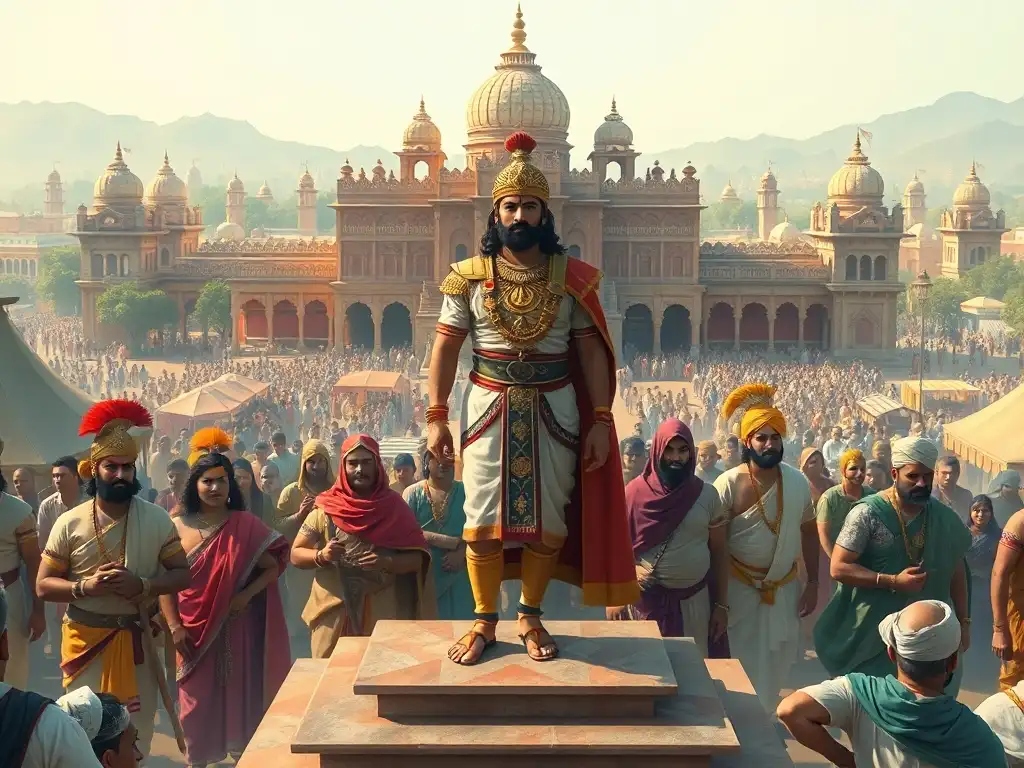
Origins of the Caste System
The caste system in India is a complex social stratification that has its roots in ancient Indian society. Its origins can be traced back to the Vedic period, around 1500 BCE, when the Brahmanical texts outlined a division of society into four primary categories, known as varnas. These were:
- Brahmins: The priestly class responsible for religious rituals and maintaining sacred knowledge.
- Kshatriyas: The warrior and ruling class, tasked with protecting the realm and upholding justice.
- Vaishyas: The merchant class, engaged in agriculture, trade, and commerce.
- Shudras: The laboring class, responsible for serving the above three varnas.
The term "varna" signifies a broader classification, while the "jati" system, which emerged later, refers to the hundreds of sub-castes that developed over time, often based on profession and regional practices. This intricate social organization was initially fluid but gradually became rigid, leading to the hereditary nature of castes that is observed today.
As Indian society evolved, particularly during the Mauryan period, the caste system underwent significant transformations. Chandragupta Maurya, the founder of the Mauryan Empire, played a crucial role in shaping the social landscape of ancient India. Under his rule, the caste system became more pronounced as the empire sought to establish stability and order.
- Integration of Diverse Communities: The Mauryan Empire encompassed a vast territory with various tribes and communities. Chandragupta's administration encouraged the integration of these diverse groups into a cohesive society. This integration often meant aligning local customs and practices with the prevailing caste norms, which contributed to the system's rigidity.
- Patronage of Brahmins: Chandragupta's alliance with Brahminical traditions further solidified the caste structure. By supporting Brahmin priests and scholars, he not only legitimized his rule but also reinforced the dominance of the Brahmin varna. This patronage helped to establish a religious and philosophical framework that justified the caste system as divinely ordained.
- Administrative Framework: The Mauryan Empire introduced a structured bureaucratic system, where officials were often chosen based on their caste affiliations. This led to the establishment of caste-based roles within the administration, perpetuating the idea that certain castes were suited for specific functions within society.
- Legal Codification: Chandragupta's reign also saw the development of legal texts that outlined the duties and responsibilities of each caste. These texts served to formalize the social hierarchy and provided a basis for the enforcement of caste-related norms and practices.
The influence of Chandragupta Maurya on the caste system was significant, as his governance and policies contributed to both the entrenchment of existing hierarchies and the evolution of the caste system into a more rigid and hereditary structure. This foundational period laid the groundwork for the complexities of the caste system that would persist in Indian society for centuries to come.
Chandragupta Maurya and the Formation of the Mauryan Empire
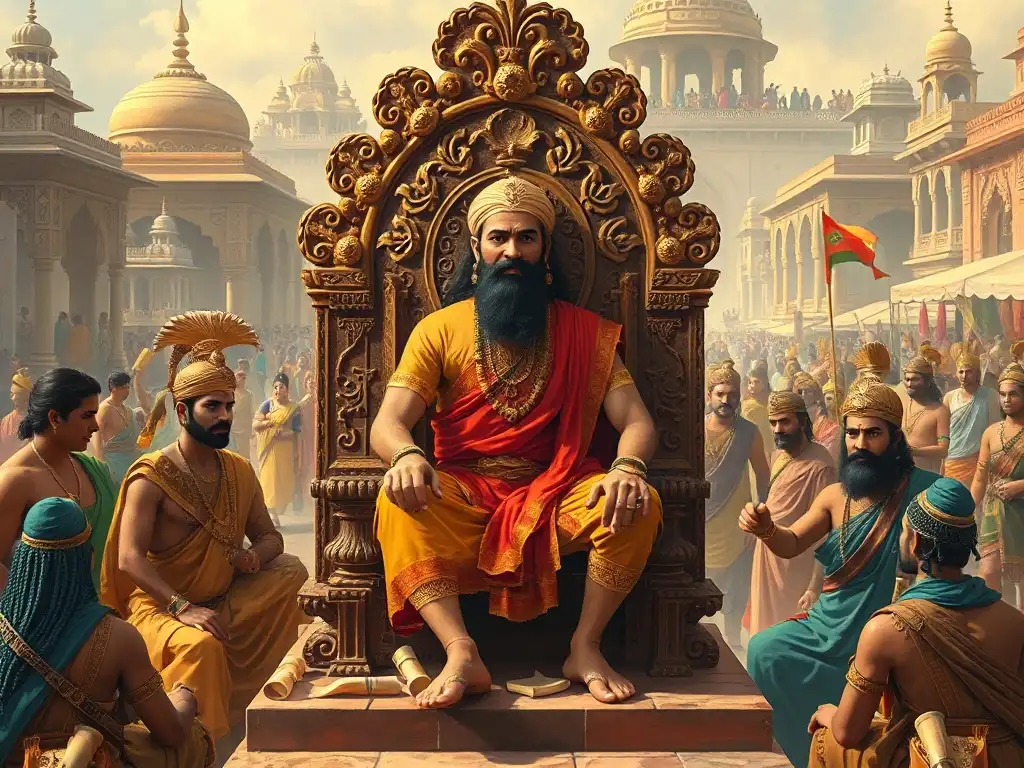
Rise to Power: Chandragupta's Early Life
Chandragupta Maurya, born around 340 BCE, emerged from humble beginnings. His early life is shrouded in mystery, but historical accounts suggest he was born into a Shudra family in the region that is now Bihar, India. This background played a crucial role in shaping his perspectives and ambitions.
Chandragupta’s rise to power can be attributed to several key factors:
- Mentorship: He was mentored by Chanakya, an astute Brahmin and political strategist. Chanakya's vision of a unified India inspired Chandragupta to challenge the fragmented state of the region, which was divided into several smaller kingdoms and ruled by various local powers.
- Military Skills: His early training in martial arts and warfare gave him the edge needed to attract a band of followers. Chandragupta cultivated a loyal army, drawing from local discontent with existing rulers. This military prowess was essential for his later conquests.
- Strategic Alliances: By forging alliances with various regional powers and leaders who were disillusioned with the Nanda dynasty, Chandragupta effectively built a network of support that would facilitate his rise.
Through these connections and his ambition, Chandragupta began his campaign to overthrow the Nanda Dynasty, which was known for its wealth and power, but also for its unpopularity among the masses.
Unification of India Under Chandragupta Maurya
Chandragupta's unification of India marked a pivotal moment in the subcontinent's history. His conquests and subsequent establishment of the Mauryan Empire were significant not only for their military success but also for their socio-political implications, particularly regarding the caste system.
- Conquering the Nanda Dynasty: In 322 BCE, after years of strategic planning and military engagement, Chandragupta successfully defeated Dhananjoy Nanda, the last ruler of the Nanda dynasty. This victory was not just a military triumph; it symbolized the beginning of a new era in Indian history.
- Centralized Administration: Once in power, Chandragupta implemented a centralized administrative system. He recognized the diverse social fabric of India and took steps to integrate various communities. This integration contributed to the evolving structure of the caste system during his reign.
- Influence on the Caste System: The Mauryan Empire under Chandragupta introduced a degree of flexibility within the rigid caste framework. His administration included individuals from different social standings, promoting meritocracy over hereditary privilege. This approach helped in mitigating some tensions prevalent in the caste system, allowing for greater social mobility.
- Economic and Cultural Contributions: Chandragupta’s reign also saw the flourishing of trade and culture. The establishment of trade routes and the promotion of arts and sciences created a vibrant cultural milieu that transcended caste boundaries, encouraging interaction among different social groups.
Chandragupta Maurya's influence on the Indian caste system was significant. His efforts in unifying India and promoting a more inclusive administration laid the groundwork for the future evolution of social structures in ancient India. The Mauryan Empire not only transformed the political landscape but also contributed to the ongoing dialogue around caste and social identity in the subcontinent.
Impact of Chandragupta Maurya on the Caste System
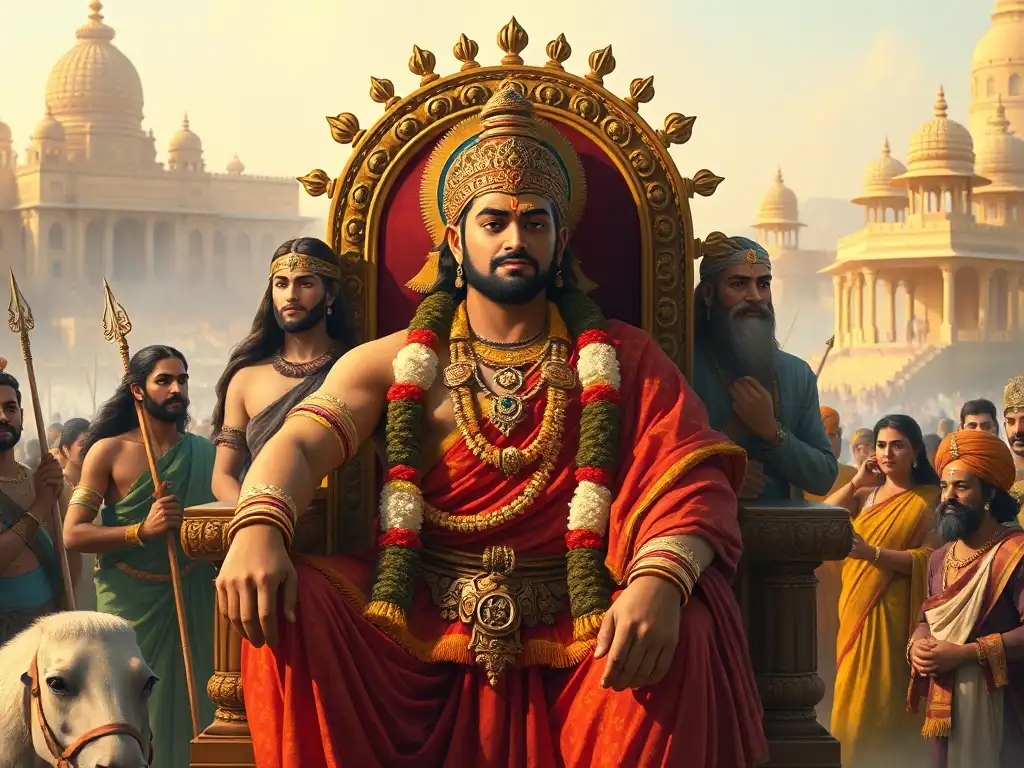
Chandragupta Maurya, the founder of the Maurya Empire, played a pivotal role in shaping the social and administrative structures of ancient India, including the caste system. His reign marked a transition in governance and societal organization that had long-lasting implications for the caste dynamics in the region. This section will delve into how his administrative reforms and the establishment of a new order influenced the caste system of ancient India.
Chandragupta Maurya's administration was characterized by significant reforms aimed at consolidating power and maintaining control over his vast empire. One of the primary strategies employed was the organization of society into a more hierarchical structure that interacted directly with the already established caste system.
- Centralized Governance: Chandragupta centralized authority, which allowed for more efficient management of resources and people. This centralization created a need for a bureaucratic class, which often included individuals from various castes, thereby introducing new dynamics within the caste system.
- Meritocracy in Administration: Unlike previous regimes that were heavily reliant on hereditary privilege, Chandragupta's administration began to incorporate individuals based on merit. This shift allowed for upward mobility among lower castes, challenging the rigid social stratification that had characterized ancient Indian society.
- Legal Codification: The Mauryan Empire saw the introduction of legal codes that aimed to regulate social conduct. These laws often reflected the prevailing caste norms but also recognized the rights of individuals regardless of their caste, setting a precedent for future legal frameworks.
- Promotion of Trade and Economy: Chandragupta's emphasis on trade and agriculture led to economic prosperity, which in turn affected the social fabric. As merchants and traders gained wealth and influence, their ability to challenge existing caste boundaries became more pronounced, leading to a gradual transformation in the caste dynamics.
Establishment of a New Order: Influence on Caste Dynamics
The establishment of the Maurya Empire under Chandragupta marked a significant shift in the socio-political landscape of ancient India, influencing the caste system in several ways:
- Integration of Diverse Groups: The Mauryan Empire was known for its vast territorial expanse and cultural diversity. Chandragupta's policies encouraged the integration of various cultural and social groups, which led to a blending of customs and practices across different castes. This integration challenged the exclusivity that had previously defined caste identities.
- Encouragement of Buddhism and Jainism: Chandragupta's later embrace of Jainism and his support for Buddhism contributed to a cultural shift that emphasized equality and social justice. These philosophies often advocated for a more egalitarian society, which resonated with lower castes and provided them with a voice against traditional caste hierarchies.
- Decline of Brahminical Authority: With the rise of the Maurya Empire, the traditional authority of Brahmins began to wane in certain contexts. While they remained influential, the administrative roles opened to individuals from various backgrounds diluted their exclusive power, leading to a more complex interaction among the castes.
- Impact on Subsequent Dynasties: The changes initiated by Chandragupta had lasting effects that influenced subsequent rulers and their policies regarding the caste system. The Mauryan model of governance and social organization laid the groundwork for later empires, which further modified the caste dynamics based on the precedents set during his reign.
Chandragupta Maurya's influence on the caste system was profound and multifaceted. Through his administrative reforms and the establishment of a new order, he not only transformed the political landscape but also initiated a series of changes that would resonate through the ages, redefining the social structure of ancient India.
The Role of Religion and Philosophy in the Caste System
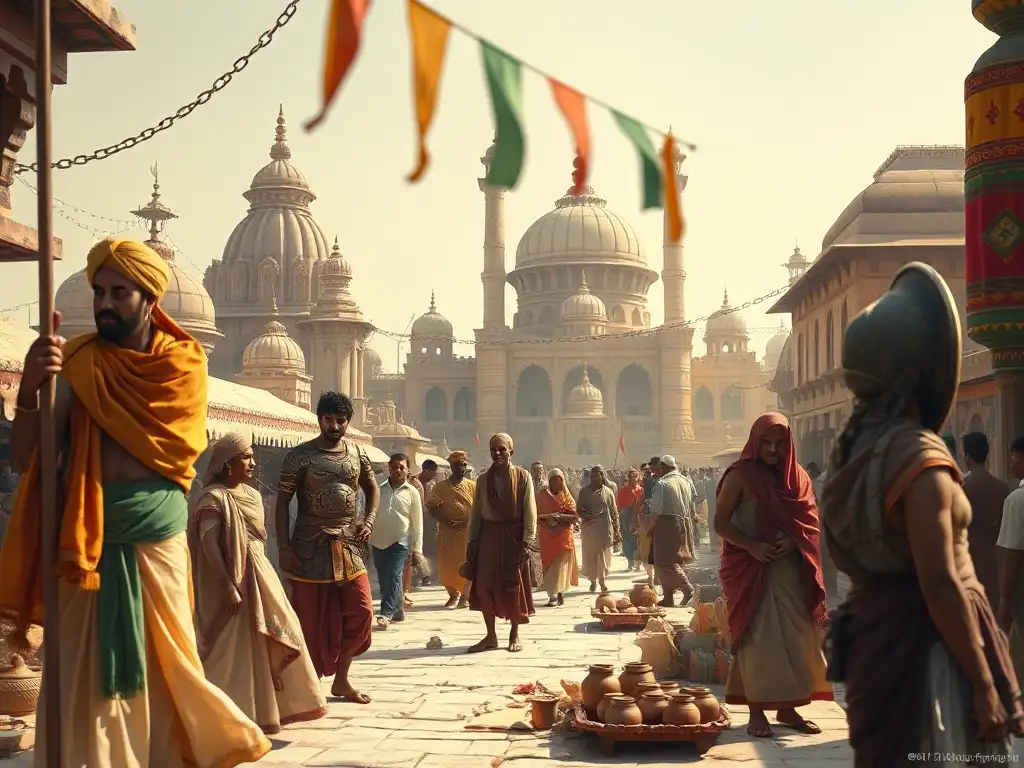
The caste system in ancient India was deeply intertwined with the religious and philosophical frameworks of the time. It was not merely a social hierarchy; rather, it was a manifestation of religious beliefs and cultural practices that influenced every aspect of life, including occupations, rituals, and social interactions. Key to understanding this system is the role of prominent leaders and thinkers who shaped its development, among whom Chandragupta Maurya stands out.
Chandragupta Maurya's Conversion to Jainism
Chandragupta Maurya, the founder of the Maurya Empire, underwent a significant transformation in his later years by converting to Jainism. This conversion was not only a personal spiritual journey but also had broader implications for the caste system in ancient India.
- Historical Context: Chandragupta's conversion is believed to have occurred after he abdicated the throne in favor of his son, Bindusara. Embracing Jainism offered him a new perspective on life, emphasizing principles such as non-violence (ahimsa) and truth (satya), which were central to Jain philosophy.
- Political Implications: His conversion to Jainism highlighted a shift in the ideological landscape of the time. It encouraged greater acceptance of different communities, potentially leading to a loosening of rigid caste distinctions. Chandragupta's patronage of Jain monks also played a role in promoting the religion, which emphasized ethical living over social stratification.
- Legacy: The influence of Chandragupta's conversion extended beyond his reign. It inspired subsequent rulers to adopt more inclusive policies and fostered an environment where merit and virtue began to be valued alongside traditional caste roles.
Jain philosophy, with its core tenets, brought a transformative perspective to the social fabric of ancient India, particularly concerning the caste system.
- Principle of Ahimsa: The Jain commitment to non-violence encouraged respect for all living beings, which indirectly promoted a more egalitarian outlook. This philosophy challenged the harsh realities of caste-based discrimination, urging individuals to reconsider their roles and responsibilities within society.
- Focus on Individual Merit: Jainism emphasized personal merit and spiritual purity over birthright. This perspective allowed for the possibility of social mobility, enabling individuals from lower castes to aspire to higher positions based on their virtues and actions, rather than their inherited status.
- Community and Cooperation: The Jains fostered a sense of community that transcended traditional caste boundaries. Their economic activities, often rooted in trade and commerce, encouraged collaboration among various groups, further diluting caste divisions.
- Cultural Integration: As Jainism gained prominence, its ideals influenced the broader cultural milieu of ancient India. The philosophical underpinnings of Jainism began to permeate other religious practices, contributing to a gradual evolution of the caste system that allowed for greater social fluidity.
Chandragupta Maurya's conversion to Jainism and the subsequent influence of Jain philosophy significantly impacted the caste system in ancient India. By challenging existing norms and promoting a more inclusive ideology, these developments laid the groundwork for a more flexible social structure, ultimately shaping the course of Indian history.
Comparisons of Caste Practices Before and After Chandragupta
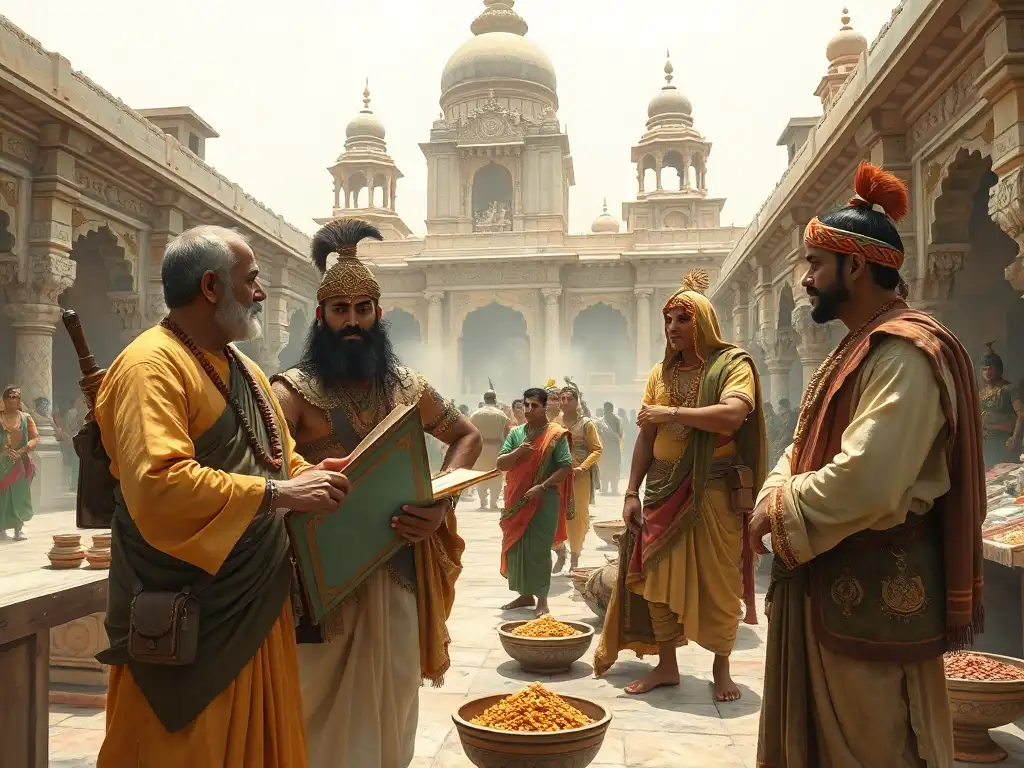
Pre-Mauryan Caste Practices
Before the rise of Chandragupta Maurya and the establishment of the Mauryan Empire, the caste system in India was already in existence, but it was not as rigidly defined or universally applied across the subcontinent. Caste practices varied significantly among different regions, communities, and even cities, influenced by local customs, economic conditions, and the prevalence of different religions.
-
Varna System:
The earliest documentation of the caste system is found in the Vedic texts, where society was initially divided into four main categories, or varnas:
- Brahmins: Priests and scholars responsible for religious rituals and teachings.
- Kshatriyas: Warriors and rulers tasked with protection and governance.
- Vaishyas: Merchants and landowners engaged in agriculture and trade.
- Shudras: Laborers and service providers supporting the higher varnas.
-
Lack of Rigidity:
During the pre-Mauryan period, the caste system was more fluid. Social mobility was somewhat possible, as individuals could change their caste through various means, such as marriage, occupation, or through the patronage of higher castes. The jati system, which categorizes society into numerous sub-castes based on occupations, was less formalized as well.
-
Local Variations:
Different regions demonstrated varying adherence to caste principles. For example, in some tribal societies, the caste system was either absent or vastly different, with egalitarian social structures. In contrast, urban centers showed an emerging complexity in caste relations, often leading to tensions and conflicts.
Changes in Caste Systems during Chandragupta's Reign
Chandragupta Maurya's rise to power marked a significant shift in the organization and perception of the caste system. His reign, which lasted from 321 to 297 BCE, not only unified a vast territory but also influenced social structures profoundly.
-
Centralization of Power:
Chandragupta's establishment of a centralized empire brought about a more systematic approach to governance, which extended to the reinforcement of caste distinctions. The Mauryan administration relied on a bureaucratic structure that included members from various castes, leading to a more organized yet stratified society.
-
Promotion of Brahmins:
The Mauryan Empire, particularly under Chandragupta and later his grandson Ashoka, saw the Brahmins gaining substantial influence. They were often appointed to key administrative positions, and their religious authority was solidified. This shift entrenched Brahminical supremacy within the caste hierarchy, contributing to the stratification of society.
-
Caste as a Tool for Governance:
Chandragupta utilized the caste system as a means to consolidate power. By aligning with various local rulers and their respective castes, he could ensure loyalty and stability across the empire. The integration of diverse castes into the Mauryan administrative framework allowed for smoother governance but also led to the solidification of caste boundaries.
-
Religious Influence and the Spread of Jainism:
The period of Chandragupta's reign also saw the rise of Jainism, which advocated for non-violence and acceptance across caste lines. However, while Jainism promoted egalitarian principles, the overarching influence of Brahminical norms continued to dominate societal structures.
-
Overall Impact:
The cumulative effect of these changes during Chandragupta's reign resulted in a more defined and rigid caste system that would persist long after his rule. The integration of caste into the political framework of the Mauryan Empire contributed to the longevity of the caste system in Indian society, shaping its evolution in subsequent centuries.
Chandragupta Maurya's influence on the caste system was significant, marking a transition from a more fluid and localized caste practice to a structured and hierarchical system that would define Indian society for generations.
Legacy of Chandragupta Maurya on the Caste System
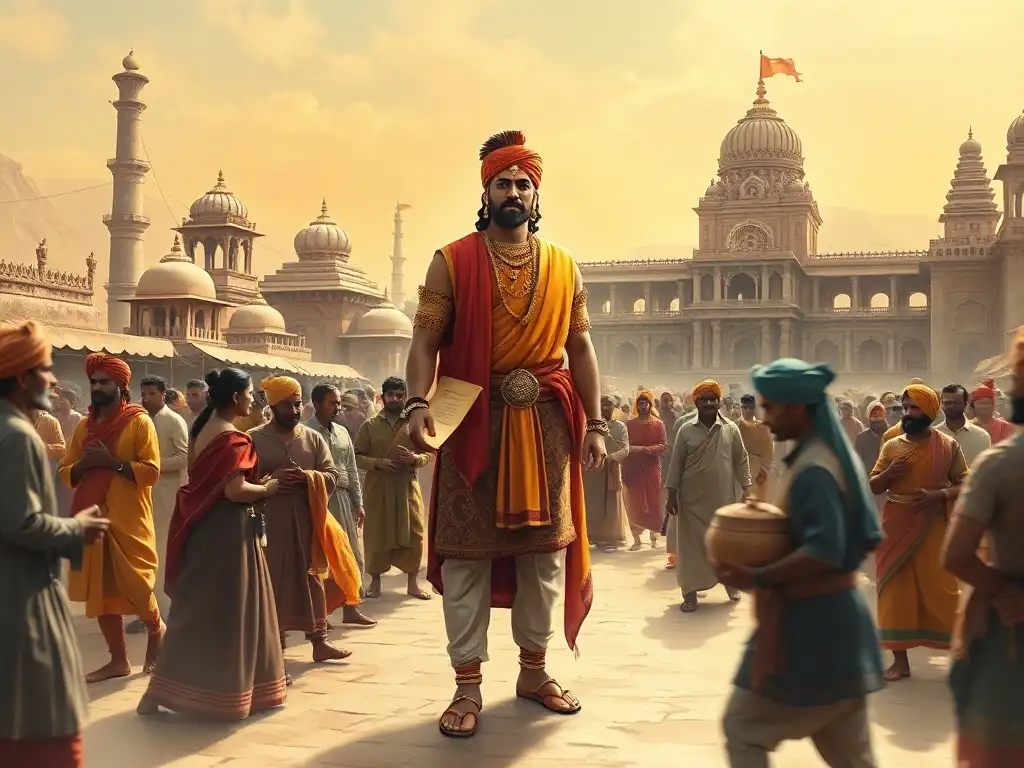
Chandragupta Maurya, the founder of the Maurya Empire, played a pivotal role in shaping the socio-political landscape of ancient India. His reign not only marked the unification of various Indian states but also influenced the structure and function of the caste system during his time. While the caste system had pre-existing roots in Indian society, Chandragupta's policies and administrative practices contributed to its evolution and integration within the framework of governance.
Long-term Effects on Indian Society
The caste system in ancient India was a complex social hierarchy that categorized individuals based on their occupation and lineage. Under Chandragupta Maurya's rule, the caste system underwent significant transformations that had long-lasting effects on Indian society.
- Administrative Integration: Chandragupta implemented a centralized administration that relied on individuals from various castes. This integration allowed for a more inclusive approach, where people from different backgrounds could contribute to governance. While this did not dismantle the caste system, it did create pathways for mobility and interaction among different caste groups.
- Legitimization of Caste Roles: By recognizing and institutionalizing the roles of various castes in administration, Chandragupta reinforced the existing caste hierarchy. For instance, certain castes were designated specific roles within the empire, such as warriors, traders, and artisans, which further entrenched their societal status. This practice laid the groundwork for the more rigid caste distinctions that would emerge in later periods.
- Cultural Syncretism: The Mauryan Empire under Chandragupta was marked by cultural exchanges and interactions across regions. As different communities came into contact, there was a blending of practices and ideologies that influenced caste identities. For example, the spread of Buddhism during his reign challenged traditional caste norms by promoting the idea of social equality, albeit within a limited framework.
- Economic Implications: The economic policies of Chandragupta, including trade regulations and agricultural innovations, impacted different castes differently. While some castes benefitted from increased trade opportunities, others faced economic marginalization. This dynamic contributed to the ongoing evolution of caste relations in Indian society.
Influence on Subsequent Rulers and Caste Policies
Chandragupta Maurya's influence on the caste system extended well beyond his reign, shaping the policies of subsequent rulers and the overall trajectory of caste relations in India.
- Precedent for Future Governance: The administrative strategies employed by Chandragupta set a precedent for later rulers, notably his grandson Ashoka. Ashoka's promotion of Buddhism and its egalitarian principles continued to challenge the rigidities of the caste system, leading to a more nuanced understanding of caste relations during his reign.
- Caste-Based Legislation: Following Chandragupta, several rulers acknowledged the significance of caste in governance. They enacted laws and policies that either reinforced or challenged caste distinctions, often depending on the socio-political context. For example, some rulers sought to elevate certain castes to consolidate power, while others used caste as a means of social control.
- Historical Narratives: The historical accounts and texts from the Maurya period, such as the Arthashastra by Kautilya (Chanakya), reflect the complexities of the caste system during Chandragupta's reign. These texts served as foundational sources for later rulers, influencing their understanding of caste dynamics and governance.
- Cultural Legacy: The legacy of Chandragupta Maurya is evident in the ongoing discussions about caste in India. His era marked a critical juncture in the evolution of caste relations, and the implications of his policies continue to resonate in contemporary society. The interplay between caste and politics has been a recurring theme in Indian history, and Chandragupta's reign serves as a crucial reference point in this narrative.
Chandragupta Maurya's influence on the caste system was multifaceted, with effects that reverberated throughout Indian history. His policies not only impacted the social structure of his time but also laid the groundwork for the complex interplay of caste and governance in subsequent eras. The legacy of his reign remains a significant chapter in the story of the Indian caste system.
Conclusion: The Lasting Influence of Chandragupta Maurya on the Indian Caste System
Summary of Key Points
Chandragupta Maurya, the founder of the Maurya Empire, played a pivotal role in shaping the Indian social structure, particularly the caste system. His reign marked significant political and economic transformations that indirectly influenced the rigid social hierarchy in ancient India. Key points to consider include:
- Unification of Territories: Chandragupta's consolidation of various kingdoms under a centralized administration created a more structured society that necessitated clear social roles.
- Brahmanical Influence: By aligning with Brahmin advisors, particularly Kautilya (Chanakya), Chandragupta reinforced the socio-religious norms that dictated caste responsibilities and privileges.
- Legal Framework: The introduction of administrative policies and legal codes during his reign contributed to the codification of caste roles, making them more pronounced and formalized.
- Economic Developments: The Maurya Empire's focus on trade and agriculture led to the emergence of merchant and artisan castes, further entrenching social classifications.
These factors combined to solidify the caste system as an integral part of Indian society, with Chandragupta Maurya’s policies laying the groundwork for its evolution.
Reflection on the Relevance of Chandragupta's Legacy Today
The legacy of Chandragupta Maurya continues to resonate in contemporary discussions about social stratification and caste dynamics in India. While the caste system has undergone significant changes since ancient times, its historical roots can be traced back to the structures established during the Mauryan era.
- Caste and Identity: The caste system remains a crucial aspect of Indian identity, influencing social interactions, marriage, and politics. Understanding its origins helps contextualize current societal challenges.
- Social Mobility: The rigid social hierarchy established during Chandragupta's reign raises questions about social mobility and equality, issues that are still debated in modern India.
- Policy Implications: Policymakers and social reformers often reference historical precedents when addressing caste-related issues, aiming to strike a balance between tradition and modernity.
In essence, Chandragupta Maurya’s influence on the caste system is not merely a historical footnote; it serves as a lens through which we can examine ongoing social dynamics and the quest for a more equitable society in India today.
Frequently Asked Questions
What was Chandragupta Maurya's role in the caste system?
Chandragupta Maurya established the Mauryan Empire, which influenced the social hierarchy of ancient India, including the caste system. His reign marked a shift in the political structure that affected caste dynamics.
How did the Mauryan Empire impact the caste system?
The Mauryan Empire led to the centralization of power and promoted a more structured caste system. This change helped to reinforce social divisions while also allowing for mobility among different groups.
What is the significance of the caste system in ancient India?
The caste system was a vital aspect of social organization in ancient India, dictating one's occupation, social status, and interactions with others. It played a crucial role in maintaining societal order.
Did Chandragupta Maurya support any particular caste?
Chandragupta Maurya and his advisor Chanakya supported the Kshatriya (warrior) class, as they were instrumental in establishing and maintaining the Mauryan Empire. However, his policies also aimed at unifying various castes for a stronger state.
How did the caste system evolve after Chandragupta Maurya?
Following Chandragupta Maurya's reign, the caste system became more rigid, influenced by later rulers and cultural practices. The Gupta Empire further solidified these divisions, shaping the socio-political landscape of India.
Final Reflection: Chandragupta Maurya's Enduring Legacy on the Caste System
The exploration of Chandragupta Maurya's influence on the Indian caste system reveals a complex interplay between governance, social structure, and cultural evolution that resonates profoundly in today's society. As we navigate the intricacies of modern social hierarchies, understanding the historical foundations laid by figures like Chandragupta becomes crucial. His reign not only established a powerful empire but also set precedents that shaped the caste dynamics we still grapple with today. The echoes of his policies and philosophies remind us that history is not just a series of events but a living narrative that continues to impact our lives.
The caste system, as influenced by Chandragupta, has left an indelible mark on the cultural and social landscape of India. This historical framework not only delineates social roles but also influences contemporary discussions on equality and justice. The ongoing debates surrounding caste-based reservations and social mobility are a testament to the legacy of Chandragupta's era.
As Mahatma Gandhi once said, “The caste system is a disease of the mind,” highlighting the need for introspection and reform. > “The future depends on what we do in the present.” This quote serves as a reminder that while we are shaped by our past, we hold the power to redefine our future.
As we reflect on the lessons drawn from Chandragupta Maurya's impact on the caste system, I invite you to consider your role in this ongoing dialogue. How can you contribute to a more equitable society? Embrace the opportunity to challenge outdated norms and advocate for inclusivity in your community. By recognizing the historical context of our social structures, we can foster a more compassionate and understanding world. Let us carry forward the legacy of inquiry and reform, ensuring that the lessons of the past guide us toward a brighter, more equitable future.
Explore the Legacy of Chandragupta Maurya Today!
Thank you for diving into the captivating world of Chandragupta Maurya! You’ve uncovered the profound influence he had on the Indian caste system and its lasting implications. Now, it's time to take that knowledge and transform it into action.
- Reflect on how Chandragupta’s legacy might inform your perspective on social structures today. Consider journaling your thoughts or discussing them with friends to deepen your understanding.
- Discover more about ancient Indian leaders by exploring our extensive collection of articles on the history of Ancient India. Expanding your knowledge of this era will enhance your appreciation of its impact on modern society!
- Share this article with your network to ignite discussions about the historical influences that shape our world today. Your insights can inspire others to reflect on these vital themes!
What are your thoughts on the evolution of the caste system and its effects on contemporary society? What lessons can we draw from Chandragupta Maurya’s reign that remain relevant today?