
The Lasting Legacy of Chandragupta Maurya in Modern Indian Politics

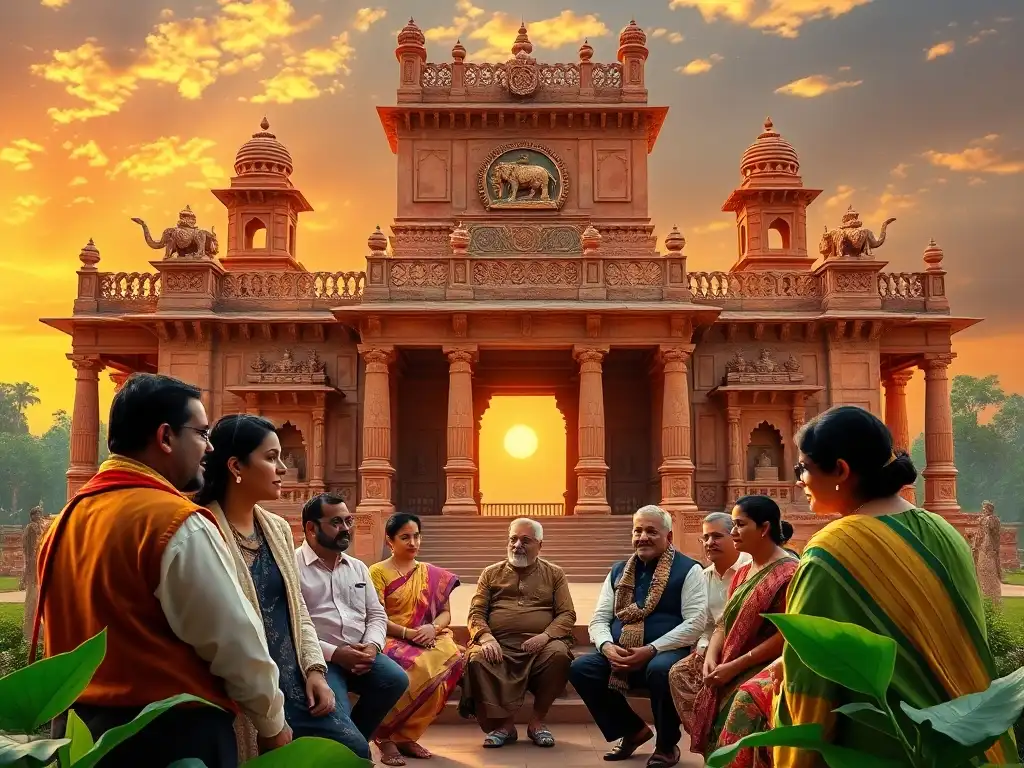
Welcome to Ancient India History, where we embark on an enthralling journey through the rich tapestry of ancient Indian civilizations. Here, you'll uncover the profound cultural contributions and remarkable historical narratives that have shaped the subcontinent. In our featured article, we delve into the political influence of Chandragupta Maurya, a pivotal figure whose legacy resonates even in today's political landscape.
What secrets did this illustrious leader harness to forge an empire? Join us as we explore the fascinating connections between his reign and modern governance, igniting your curiosity to learn more about the profound impact of ancient India on the world as we know it.
Introduction to Chandragupta Maurya's Political Influence
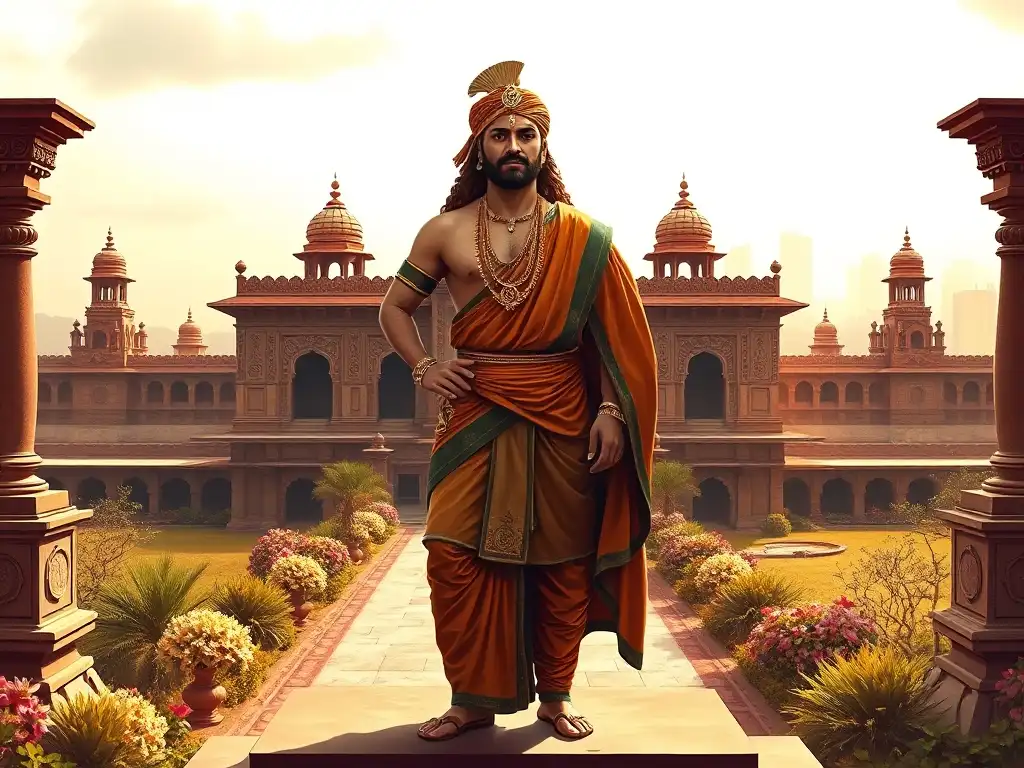
Chandragupta Maurya, the founding emperor of the Maurya Empire, is a pivotal figure in Indian history, renowned for his remarkable political influence that resonates even in modern governance. His ability to unify diverse territories and establish a centralized administration marked a significant turning point in ancient Indian politics. This article delves into the lasting legacy of Chandragupta Maurya, examining how his political strategies and structures have shaped contemporary Indian political thought and practice. With a focus on the keyword Chandragupta Maurya political influence, we will explore the foundations he laid that continue to inspire leaders and policymakers today.
Overview of Chandragupta Maurya's Role in Ancient India
Chandragupta Maurya (circa 340-297 BCE) emerged as a formidable leader during a time of fragmentation in India. He played a crucial role in the formation of one of the largest empires in ancient India, the Maurya Empire, which spanned across vast territories including present-day India, Pakistan, and parts of Afghanistan. His strategic prowess, combined with the guidance of his mentor Chanakya, allowed him to overthrow the Nanda dynasty and establish a new order.
- Key Contributions:
- Unification of diverse regions under a central authority.
- Implementation of administrative reforms that enhanced governance.
- Establishment of a robust military framework that ensured the empire's security.
Chandragupta's reign set a precedent for political organization, and his methods of governance have influenced successive rulers in India, making him an enduring figure in the annals of Indian history.
Importance of Political Structures Established by Chandragupta
The political structures established by Chandragupta Maurya laid the groundwork for a sophisticated system of governance that prioritized efficiency and stability. His administration was marked by the following features:
- Centralized Governance:
- A strong centralized government that facilitated effective decision-making.
- Establishment of provinces with local governors, ensuring local governance while maintaining imperial oversight.
- Legal and Economic Framework:
- Codification of laws that promoted justice and order.
- Development of trade networks that stimulated economic growth.
- Diplomacy and Warfare:
- Strategic alliances and military conquests that expanded the empire's influence.
- Diplomatic relations with neighboring states, enhancing international recognition.
These structures not only strengthened the Maurya Empire but also served as a model for future dynasties, highlighting the importance of governance in maintaining order and prosperity.
The Historical Context of Chandragupta Maurya
To fully appreciate the political influence of Chandragupta Maurya, it is essential to understand the historical context in which he operated. The rise of the Maurya Empire was influenced by various socio-political factors that shaped his ascent.
The Rise of the Maurya Empire
The decline of the Nanda dynasty created a power vacuum that Chandragupta capitalized on. By leveraging the discontent among the populace and the weaknesses of the Nandas, he gathered support from various factions, including local rulers and military leaders. His rise was characterized by:
- Military Campaigns:
- Successful military operations against the Nandas, showcasing his strategic acumen.
- Formation of a powerful army that was pivotal in his conquests.
- Popular Support:
- Gaining the trust and loyalty of the people through promises of better governance.
- Engagement with local communities to build a broad base of support.
Key Events Leading to Chandragupta's Ascendancy
Several key events were instrumental in Chandragupta's rise to power:
- Alliance with Chanakya: The brilliant strategist and philosopher Chanakya became Chandragupta's mentor, providing guidance and support in his quest for power.
- Overthrow of the Nanda Dynasty: Chandragupta's military campaigns culminated in the defeat of the Nandas, establishing him as the new ruler of Magadha.
- Consolidation of Power: Following his ascension, Chandragupta focused on consolidating his power through strategic governance and the implementation of effective administrative policies.
These events not only marked the dawn of the Maurya Empire but also set the stage for Chandragupta's enduring political influence that would echo through the ages, shaping the landscape of Indian politics.
Chandragupta Maurya's Political Philosophy
Chandragupta Maurya, the founder of the Maurya Empire, established a political philosophy that emphasized centralized authority and pragmatic governance. His approach was not merely a product of personal belief but rather a strategic necessity in a fragmented political landscape. Influenced by the tumultuous conditions of his time, including the decline of the Nanda Dynasty and the invasions of foreign forces, Chandragupta sought to unify the Indian subcontinent under a strong, centralized rule. This philosophy encompassed several core tenets that resonate through history and even into modern political discourse.
At the heart of Chandragupta's political philosophy was the idea of Dharma, which represents a moral and ethical framework guiding rulers in their governance. He believed that a ruler's primary duty was to ensure the welfare of their subjects, a concept that still underpins modern democratic systems. Moreover, Chandragupta's governance was characterized by a blend of autocratic rule and consultation, where he relied on advisors and strategists, notably Kautilya, to formulate policies that balanced authority with public welfare.
Principles of Governance in the Maurya Empire
Chandragupta's principles of governance were systematic and well-structured, reflecting his vision for a stable and prosperous empire. He implemented a bureaucratic system that included various administrative divisions, allowing for efficient governance across vast territories. This structure emphasized:
- Centralized Administration: Power was concentrated in the hands of the emperor, who had the ultimate authority over state affairs. This centralization facilitated quicker decision-making and policy implementation.
- Meritocracy: Appointments to key positions were based more on ability and loyalty than on birthright, which was a significant departure from previous dynasties. This principle helped in creating a more competent administration.
- Public Welfare: Chandragupta recognized the importance of public welfare projects, such as irrigation systems, trade routes, and urban development, which not only enhanced the quality of life but also strengthened the economy.
- Law and Order: He placed a strong emphasis on maintaining law and order, employing a well-trained army and a network of spies to ensure security and prevent dissent, which is a principle that many modern governments still uphold.
Influence of Kautilya's Arthashastra on Chandragupta's Policies
Kautilya, also known as Chanakya, played a crucial role in shaping Chandragupta Maurya's policies through his seminal work, the Arthashastra. This ancient treatise on statecraft, economic policy, and military strategy provided a comprehensive guide for effective governance. Some significant influences of the Arthashastra on Chandragupta's policies include:
- Realpolitik: Kautilya advocated for a pragmatic approach to politics, where the ends justified the means. This philosophy allowed Chandragupta to navigate complex political landscapes, making strategic alliances and using espionage as necessary tools for maintaining power.
- Economic Management: The Arthashastra emphasized the importance of a robust economy as the backbone of a strong state. Chandragupta implemented policies that promoted trade, agriculture, and taxation systems, laying the groundwork for economic prosperity.
- Military Strategy: Kautilya’s insights into warfare and state defense equipped Chandragupta with the strategies necessary to protect and expand his empire. His military campaigns were meticulously planned, reflecting the strategic frameworks laid out in the Arthashastra.
- Diplomacy: The text also highlighted the significance of diplomacy in governance, advising rulers to engage in both warfare and negotiation. Chandragupta adeptly balanced these aspects, often preferring diplomacy to outright conflict when it served his interests.
Chandragupta Maurya's Legacy in Modern Indian Politics
Chandragupta Maurya's political legacy continues to influence modern Indian politics in various ways. His approaches to governance, statecraft, and public administration have left an indelible mark that is still observed in contemporary political practices. Understanding his legacy provides insights into the foundation of political thought in India.
The Relevance of Ancient Political Strategies Today
The strategies employed by Chandragupta Maurya are remarkably relevant in today's political landscape. Modern leaders often draw on historical precedents to address contemporary challenges. Key aspects of his political strategies that resonate today include:
- Centralized Authority: The need for strong leadership in times of crisis echoes Chandragupta’s centralized governance model. Leaders often find themselves consolidating power to ensure stability, especially in tumultuous periods.
- Pragmatic Governance: The principle of realpolitik, where leaders prioritize practical solutions over ideological purity, is evident in current political maneuvering. This approach allows for flexibility in policy-making and governance.
- Focus on Economic Development: Chandragupta’s emphasis on economic management is mirrored in the policies of modern governments that prioritize economic growth as a means to enhance national power and improve citizens' quality of life.
Comparisons of Chandragupta's Policies with Contemporary Political Practices
When examining the political practices of Chandragupta Maurya and those of contemporary India, several parallels emerge:
- Bureaucratic Structure: Modern India maintains a complex bureaucratic system akin to that established by Chandragupta, emphasizing merit-based appointments and administrative efficiency.
- Public Welfare Initiatives: Just as Chandragupta invested in public infrastructure, modern Indian governance often prioritizes welfare schemes aimed at improving the living standards of citizens.
- Security and Defense: The emphasis on national security, akin to Chandragupta's focus on maintaining law and order, remains a cornerstone of contemporary political discourse, reflecting the ongoing importance of a strong defense framework.
- Diplomatic Engagement: The art of diplomacy, as championed by Kautilya, remains vital in today’s global politics, where leaders engage in strategic partnerships and negotiations to enhance their nation’s standing.
Chandragupta Maurya's political influence, deeply rooted in his philosophy and governance practices, continues to resonate within the framework of modern Indian politics, demonstrating the timeless nature of his contributions.
Case Studies of Chandragupta's Influence on Modern Leaders
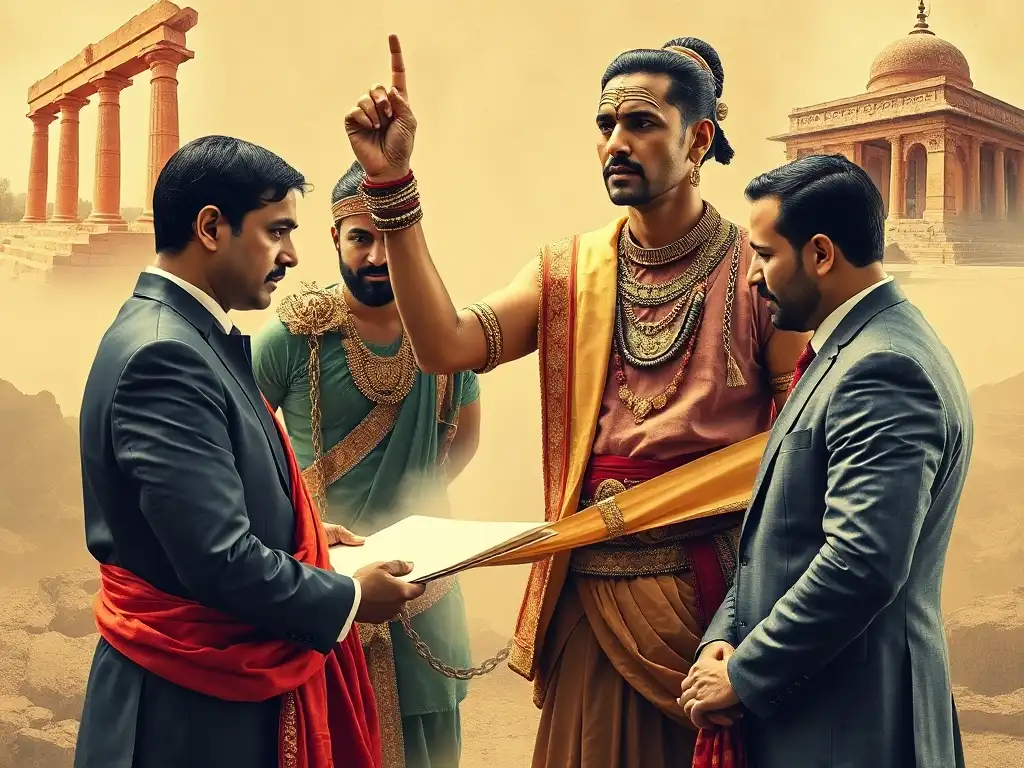
Chandragupta Maurya, known for his pivotal role in establishing the Maurya Empire, has left an indelible mark on the political landscape of India. His strategies and ideologies resonate strongly with several modern leaders, demonstrating his lasting influence.
One striking case study is that of Sardar Vallabhbhai Patel, a key figure in the Indian independence movement and the first Deputy Prime Minister of India. Patel's approach to unifying the princely states of India mirrors Chandragupta’s unification of the Indian subcontinent. Both leaders displayed remarkable negotiation skills and strategic foresight, emphasizing the importance of a cohesive national identity.
Similarly, B.R. Ambedkar, the principal architect of the Indian Constitution, can be seen as influenced by Chandragupta’s emphasis on governance and statecraft. Ambedkar’s focus on social justice and democratic principles echoes the administrative innovations introduced during Chandragupta’s reign, showcasing how ancient governance models can inform modern constitutional frameworks.
Notable Indian Leaders Inspired by Chandragupta Maurya
Several prominent leaders of modern India draw inspiration from Chandragupta Maurya’s life and political strategies. Jawaharlal Nehru, the first Prime Minister of India, often referred to ancient Indian history in his speeches, citing Chandragupta as a figure of strong leadership and unification. Nehru’s vision of a secular and democratic India reflects the pluralistic society that Chandragupta aimed to create.
Moreover, Narendra Modi, the current Prime Minister, has invoked Chandragupta’s legacy in his speeches, emphasizing themes of nationalism and prosperity. Modi’s initiatives for economic reforms can be seen as a contemporary interpretation of Chandragupta’s administrative policies aimed at strengthening the state.
Analysis of Political Strategies Mirroring Chandragupta's Approaches
Chandragupta Maurya’s pragmatic political strategies are evident in the tactics employed by modern leaders. His use of alliances and diplomacy is a notable aspect that modern politicians often replicate. For instance, the way Chandragupta allied with prominent figures like Chanakya to consolidate power is mirrored in contemporary coalition politics, where leaders form alliances to achieve governance goals.
Furthermore, Chandragupta’s focus on military strategy and statecraft has influenced military leaders and policymakers in India. The emphasis on a strong defense and proactive diplomacy in today’s political environment can be traced back to the strategies employed by Chandragupta in securing and expanding his empire.
The Cultural Impact of Chandragupta Maurya on Indian Society
The cultural impact of Chandragupta Maurya extends beyond politics, influencing various social and cultural aspects of Indian society. His reign is often associated with the promotion of art, architecture, and literature, which have shaped Indian cultural identity.
Chandragupta’s patronage of scholars and artists led to significant advancements in various fields, fostering a culture of intellectual growth. This cultural renaissance continues to inspire modern artistic and academic endeavors, highlighting the enduring legacy of his rule.
The Role of Chandragupta in Shaping National Identity
Chandragupta Maurya is a cornerstone in the narrative of Indian national identity. His successful unification of diverse kingdoms laid the groundwork for a collective Indian identity, transcending regional and cultural divides. This legacy is celebrated in various forms, including literature, folklore, and even contemporary media, where his story serves as a symbol of strength and unity.
In modern India, the ideals represented by Chandragupta have become a reference point for discussions on national integrity and sovereignty, reinforcing the significance of his contributions to the collective consciousness of the nation.
The Connection Between Ancient Political Influence and Modern Civic Engagement
The influence of Chandragupta Maurya on modern civic engagement is profound. His principles of governance, which emphasized the welfare of the people and the importance of a strong state, resonate with contemporary civic movements. Modern political leaders often invoke his legacy to inspire citizen participation and promote responsible governance.
Civic organizations frequently reference Chandragupta as a model for leadership and community organization, highlighting the relevance of ancient political philosophies in addressing contemporary societal challenges. This connection underscores the importance of learning from history to foster active engagement in democratic processes today.
Conclusion: The Enduring Significance of Chandragupta Maurya's Political Influence
Chandragupta Maurya, as the founder of the Maurya Empire, established a political framework that has had a profound and lasting impact on Indian governance and political thought. His strategies for unifying a fragmented India, his emphasis on a centralized administration, and his innovative tax systems laid the groundwork for future rulers and governmental structures. The principles he implemented in statecraft resonate in modern political discourse, particularly in the realm of effective governance and leadership.
Chandragupta’s ability to adapt and employ various political strategies, including diplomacy and military prowess, highlights the importance of versatility in leadership. His alliance with Chanakya, a master strategist, further emphasizes the role of mentorship and wisdom in shaping effective governance. This partnership symbolizes the importance of collaboration and support systems in political success, a lesson that continues to be relevant in contemporary political arenas.
Summary of Chandragupta Maurya's Contributions to Modern Governance
Chandragupta Maurya's contributions to governance can be summarized through several key elements that still influence modern political systems in India:
- Centralized Administration: He established a centralized form of governance that allowed for effective control over vast territories, ensuring that local administrations were aligned with the central authority.
- Legal Framework: The formulation of a legal system that addressed various societal needs and ensured justice was pivotal in maintaining order and promoting stability within the empire.
- Economic Policies: His approach to taxation and resource management provided a sustainable economic model that is studied in modern economics for its effectiveness in state revenue generation without overburdening citizens.
- Military Organization: The military strategies employed by Chandragupta, including the use of spies and intelligence, laid the foundation for modern defense strategies and the importance of security in governance.
These contributions illustrate how Chandragupta Maurya's governance principles continue to inspire modern leaders and policymakers in their quest for effective governance.
Final Thoughts on His Legacy in Contemporary Indian Politics
The legacy of Chandragupta Maurya is not merely a historical account; it serves as a guiding principle for contemporary Indian politics. His emphasis on strong leadership, the need for a cohesive and centralized government, and the balance of power within a state are lessons that modern political leaders can draw upon.
In today's rapidly changing political landscape, the relevance of Chandragupta's strategies is evident in the way leaders navigate challenges, build coalitions, and implement policies that affect millions. His life and reign exemplify the significance of strategic thinking, adaptability, and the pursuit of justice, qualities that are essential for any political leader in the modern era.
The enduring significance of Chandragupta Maurya’s political influence is a testament to the timeless nature of effective governance principles, making his contributions to Indian history not just a chapter of the past, but a blueprint for the future.
- Introduction to Chandragupta Maurya's Political Influence
- The Historical Context of Chandragupta Maurya
- Chandragupta Maurya's Political Philosophy
- Chandragupta Maurya's Legacy in Modern Indian Politics
- Case Studies of Chandragupta's Influence on Modern Leaders
- The Cultural Impact of Chandragupta Maurya on Indian Society
- Conclusion: The Enduring Significance of Chandragupta Maurya's Political Influence
- What was Chandragupta Maurya's role in ancient Indian politics?
- How did Chandragupta Maurya achieve his political power?
- What are the key contributions of Chandragupta Maurya to Indian governance?
- In what ways does Chandragupta Maurya's legacy impact modern Indian politics?
- Why is the study of Chandragupta Maurya important for understanding ancient India?
Frequently Asked Questions
What was Chandragupta Maurya's role in ancient Indian politics?
Chandragupta Maurya was the founder of the Maurya Empire, establishing a centralized political system that significantly influenced later Indian governance.
How did Chandragupta Maurya achieve his political power?
Chandragupta Maurya utilized strategic alliances and military prowess, notably with the help of Chanakya, to overthrow the Nanda dynasty and unify Northern India.
What are the key contributions of Chandragupta Maurya to Indian governance?
He introduced administrative reforms and established a network of officials that laid the groundwork for a bureaucratic system, influencing subsequent rulers.
In what ways does Chandragupta Maurya's legacy impact modern Indian politics?
His emphasis on centralized governance and statecraft continues to resonate in modern political structures and administrative practices in India today.
Why is the study of Chandragupta Maurya important for understanding ancient India?
Understanding his reign provides insight into the political dynamics of the time, the emergence of empires, and the cultural synthesis that shaped ancient Indian civilization.
Final Reflection: The Enduring Influence of Chandragupta Maurya in Modern Politics
Chandragupta Maurya's political influence is not merely a relic of history; it resonates profoundly in today's political landscape. As we navigate the complexities of governance and leadership in contemporary India, the principles and strategies employed by Chandragupta continue to provide a framework for effective statecraft. His ability to unify diverse factions and establish a centralized authority speaks volumes about the importance of strong leadership in fostering national integrity and progress.
The legacy of Chandragupta Maurya is woven into the very fabric of Indian political culture, shaping the ideals of governance and power dynamics. His story serves as a reminder of the potential for transformative leadership to effect change in society. As noted by historian Romila Thapar, The Mauryan Empire set a precedent for the integration of diverse cultures and communities, a lesson that remains crucial in our increasingly fragmented world.
This ongoing relevance underscores the need for leaders today to draw inspiration from the past while addressing contemporary challenges.
As we reflect on the teachings of Chandragupta Maurya, I invite you to consider how his legacy can inform your own understanding of leadership and civic responsibility. What lessons can you apply in your daily life to foster unity and collaboration in your community? By embracing the values of strategic thinking and inclusive governance that Chandragupta exemplified, we can contribute to a more cohesive and resilient society. Let us honor his legacy by becoming proactive agents of change in our own spheres of influence.
Embrace the Wisdom of Chandragupta: Shape Tomorrow’s Leadership!
Thank you for taking the time to explore the enduring legacy of Chandragupta Maurya in modern Indian politics! You've uncovered insights that not only highlight his profound impact but also inspire us to rethink our approach to leadership and governance today. Now, it’s time to put that inspiration into action!
Here are a few steps you can take to actively engage with this legacy:
- Reflect on Chandragupta's Strategies: Take a moment to analyze how his tactics can be applied to contemporary leadership roles or your own personal development.
- Share Your Thoughts: Discuss this article with friends or on social media! Encourage conversations about the influence of historical figures on current political landscapes.
- Get Involved in Local Politics: Consider joining a local political group or organization to apply the values you’ve learned, ensuring your voice is heard in shaping future policies.
What aspect of Chandragupta Maurya's leadership resonates most with your vision for the future? Share your thoughts in the comments below!