
Understanding the Four Aims of Life (Purusharthas) in Hindu Philosophy


Welcome to Ancient India History, where we embark on a fascinating journey through the vibrant tapestry of ancient Indian civilizations. Here, we delve deep into the rich cultural heritage and remarkable contributions that have shaped the world as we know it. In this enlightening article, we explore the profound concept of Purusharthas in Hindu philosophy—the four aims of life that guide ethical living and holistic well-being.
What does it truly mean to seek Dharma, Artha, Kama, and Moksha? Join us as we unravel these timeless principles and discover how they resonate even today, inviting you to reflect on your own path. Read on to unlock the wisdom of the ancients!
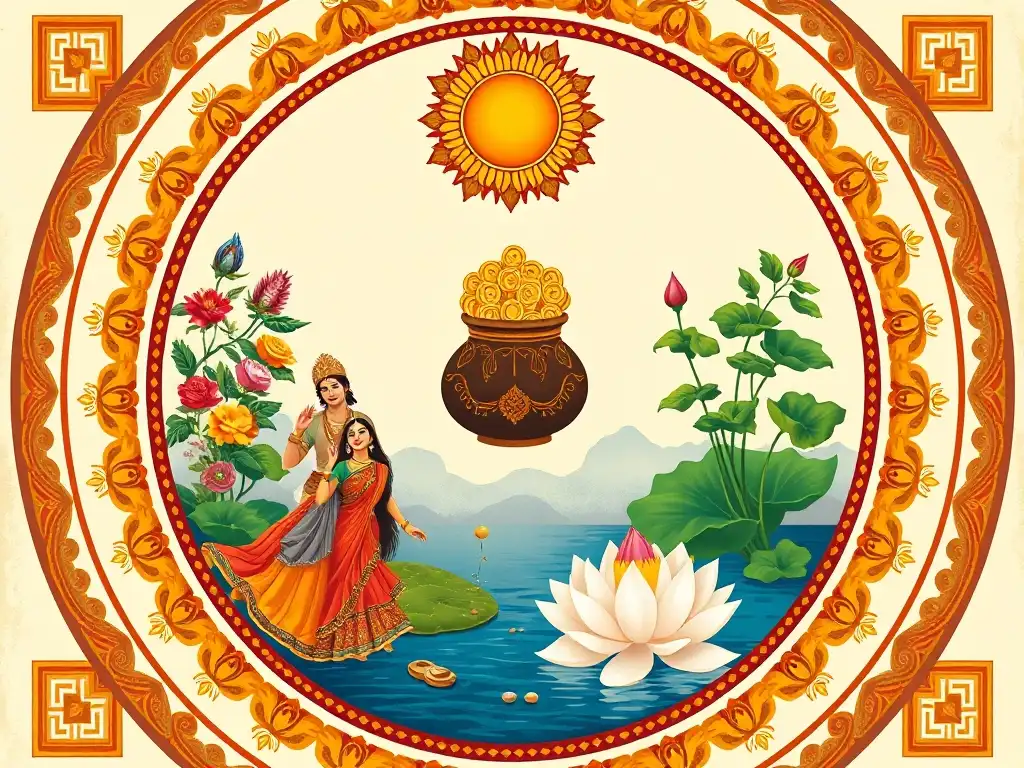
Introduction to Purusharthas in Hindu Philosophy
In Hindu philosophy, the concept of Purusharthas refers to the four fundamental aims of human life, which collectively guide individuals toward a fulfilling and meaningful existence. Originating from ancient texts, these aims serve as a framework for ethical living and personal development, deeply embedded in the cultural and spiritual fabric of Indian civilization. Understanding these aims is essential not just for adherents of Hinduism, but for anyone interested in the philosophical underpinnings that have shaped one of the world's oldest religions. The Purusharthas encompass a comprehensive view of human experience, addressing the physical, emotional, and spiritual dimensions of life.
Definition of Purusharthas
The term Purusharthas can be broken down into two Sanskrit words: Purusha (meaning "human" or "person") and Artha (meaning "aim" or "goal"). Thus, Purusharthas literally translates to "the aims of a person." The four aims are:
- Dharma - righteousness or duty
- Artha - wealth or prosperity
- Kama - desires or pleasures
- Moksha - liberation or spiritual freedom
These aims are not mutually exclusive; rather, they are interconnected and provide a balanced approach to living a harmonious life.
Importance of Understanding Aims of Life in Hindu Thought
The Purusharthas are vital in understanding the philosophical and ethical dimensions of Hinduism. They encourage individuals to pursue a life that is not only successful but also meaningful.
- Guidance: They serve as a guide in making moral choices and navigating the complexities of life.
- Balance: The aims promote a balance between material pursuits and spiritual growth, which is essential in Hindu thought.
- Holistic Approach: By integrating these aims, individuals can achieve a holistic understanding of their purpose in life.
Overview of the Four Aims of Life
Introduction to the Four Aims: Dharma, Artha, Kama, Moksha
Each of the four aims— Dharma, Artha, Kama, and Moksha—plays a crucial role in the pursuit of a fulfilling life. Together, they create a comprehensive framework for personal development and societal contribution.
- Dharma represents ethical responsibilities and moral duties, emphasizing the importance of righteous living.
- Artha focuses on the pursuit of wealth and resources, which are necessary for sustaining life and fulfilling responsibilities.
- Kama pertains to the enjoyment of life’s pleasures and desires, recognizing the importance of emotional and sensual fulfillment.
- Moksha reflects the ultimate goal of spiritual liberation, transcending the physical world and achieving unity with the divine.
Significance of Each Aim in Hindu Philosophy
Understanding the significance of each aim is essential for holistic living:
- Dharma fosters a sense of responsibility towards oneself and society, ensuring that one’s actions contribute positively to the community.
- Artha is crucial for providing the means to fulfill one’s duties and desires, representing the material aspect of life that supports overall well-being.
- Kama highlights the importance of enjoying life, advocating for a balanced pursuit of pleasure that does not compromise ethical values.
- Moksha serves as the ultimate aspiration, encouraging individuals to seek spiritual growth and liberation from the cycle of birth and rebirth.
The Purusharthas provide a profound understanding of human existence and the various paths individuals can take toward a fulfilling life, making them a cornerstone of Hindu philosophy.
Detailed Analysis of Each Aim
The Purusharthas in Hindu philosophy present a comprehensive framework for understanding the goals of human existence. Each aim serves a distinct purpose while contributing to an individual's overall well-being and fulfillment. These four aims—Dharma, Artha, Kama, and Moksha—are interconnected and form a balanced approach to life. Below, we delve into each aim to explore its significance and implications.
Dharma: The Pursuit of Righteousness
Dharma represents the ethical and moral duties that guide an individual’s actions and behavior. It encompasses righteousness, justice, and the moral laws that uphold social order. In Hindu philosophy, Dharma is not a static concept; it varies according to one’s age, caste, gender, and circumstances. This adaptability ensures that individuals can navigate their moral responsibilities effectively.
- Role in Society: Dharma is crucial for maintaining harmony in society. It fosters cooperation, respect, and responsibility among individuals, which is essential for community welfare.
- Personal Conduct: On a personal level, adhering to Dharma leads to inner peace and self-respect. It encourages individuals to act in accordance with their conscience and societal norms.
- Spiritual Growth: Engaging in righteous actions cultivates virtues, paving the way for spiritual evolution and ultimately aiding in the pursuit of Moksha.
Artha: The Pursuit of Wealth and Prosperity
Artha focuses on the acquisition of wealth and material resources necessary for a stable and prosperous life. It emphasizes the importance of financial success and economic security as a means to fulfill one’s duties and desires.
- Economic Stability: Artha is essential for providing for oneself and one’s family, ensuring access to education, healthcare, and other resources that enhance quality of life.
- Wealth with Purpose: It is important to note that the pursuit of Artha should be aligned with Dharma. Ethical wealth generation contributes to a balanced life, where material pursuits do not overshadow moral responsibilities.
- Cultural Contributions: Prosperity also allows individuals to contribute to cultural and social development, enabling philanthropy and support for community initiatives.
Kama: The Pursuit of Pleasure and Love
Kama represents the pursuit of sensory pleasures, emotional fulfillment, and love. It acknowledges the importance of enjoying life and experiencing joy in relationships, art, and nature.
- Emotional Well-being: Kama highlights the significance of love and companionship, which are essential for emotional health. Healthy relationships can foster personal growth and happiness.
- Aesthetic Appreciation: This aim encourages the appreciation of beauty in various forms, including art, music, and literature, enriching one’s life experience.
- Balance with Dharma: Like Artha, the pursuit of Kama must also adhere to Dharma. Seeking pleasure should not lead to harm or violate ethical standards, ensuring a holistic approach to enjoyment.
Moksha: The Pursuit of Liberation
Moksha is the ultimate aim of human life, representing spiritual liberation and the liberation from the cycle of birth and rebirth (samsara). It signifies the realization of one’s true self and unity with the divine.
- Spiritual Enlightenment: Moksha involves deep self-inquiry and understanding the nature of existence, leading to enlightenment and transcending worldly attachments.
- Pathways to Liberation: Various paths, such as devotion (bhakti), knowledge (jnana), and disciplined practices (yoga), can lead to Moksha, allowing individuals to choose their journey based on personal inclination.
- Integration of Other Aims: The pursuit of Moksha integrates and transcends the other three aims, as a life lived in accordance with Dharma, Artha, and Kama naturally leads to spiritual fulfillment.
The Interconnection of the Four Aims of Life

The Purusharthas are not isolated pursuits; rather, they interrelate in ways that foster a well-rounded and meaningful existence. Understanding these connections is key to living a balanced life.
How Dharma, Artha, Kama, and Moksha Complement Each Other
The four aims of life complement and support one another, creating a comprehensive framework for living. For instance:
- Dharma and Artha: Ethical conduct (Dharma) ensures that the pursuit of wealth (Artha) is done responsibly, creating a foundation for sustainable prosperity.
- Artha and Kama: Wealth (Artha) can enhance the pursuit of pleasure (Kama), allowing individuals to enjoy life’s offerings without compromising their values.
- Kama and Moksha: Experiences of love and pleasure (Kama) can lead to a deeper understanding of oneself, ultimately guiding one toward spiritual liberation (Moksha).
The Holistic Approach to Living a Fulfilling Life
Embracing the Purusharthas encourages individuals to pursue a life of balance and fulfillment. Each aim contributes to a holistic understanding of existence, where:
- Integration of Goals: Individuals learn to harmonize their ethical responsibilities, material aspirations, emotional needs, and spiritual pursuits.
- Personal Growth: By recognizing the interconnectedness of the four aims, individuals can navigate life’s complexities, fostering personal growth and resilience.
- Community and Society: A balanced approach fosters not only personal well-being but also a thriving community, as individuals contribute positively to society through responsible actions and shared values.
The Purusharthas in Hindu philosophy provide a profound understanding of the aims of life. By recognizing the significance of Dharma, Artha, Kama, and Moksha, individuals can cultivate a meaningful and fulfilling existence that resonates with both personal and collective aspirations.
Conclusion
The concept of Purusharthas in Hindu philosophy encompasses a profound understanding of human existence and the various pursuits that define a fulfilled life. By integrating the four aims of life— Dharma, Artha, Kama, and Moksha—individuals are guided towards a holistic approach to living, balancing ethical duties, material wealth, desires, and spiritual liberation.
Recap of the Four Aims of Life in Hindu Philosophy
- Dharma: This aim represents righteousness and moral duty. It emphasizes the importance of living ethically, fulfilling one’s responsibilities towards family, society, and oneself, which ultimately contributes to the greater good.
- Artha: Artha focuses on the pursuit of material wealth and prosperity. It acknowledges the necessity of financial stability and resources needed to support oneself and one’s family, allowing for the enjoyment of life’s pleasures.
- Kama: This aim pertains to the pursuit of sensual pleasures and emotional fulfillment. It recognizes the importance of love, joy, and artistic expression, emphasizing that the enjoyment of life is a valid pursuit as long as it is aligned with Dharma.
- Moksha: The ultimate aim of life, Moksha signifies liberation from the cycle of birth and rebirth (samsara). It represents spiritual enlightenment and union with the divine, encouraging individuals to seek deeper meaning beyond material existence.
The Relevance of Purusharthas in Modern Times
In contemporary society, the Purusharthas continue to hold significant relevance. As individuals navigate the complexities of modern life, the four aims serve as a framework for achieving balance and fulfillment.
- Dharma encourages ethical living in a world often challenged by moral dilemmas, fostering a sense of duty and community.
- Artha remains crucial as financial independence and stability are essential for personal security and the ability to support others.
- Kama acknowledges the importance of mental well-being and emotional health, promoting the pursuit of happiness and meaningful relationships.
- Moksha invites individuals to explore spirituality and mindfulness, reflecting a growing interest in self-realization and inner peace in an increasingly fast-paced world.
This framework not only helps individuals assess their current life paths but also inspires them to strive for a more harmonious existence.
Final Thoughts on Living According to Purusharthas
Living in accordance with the Purusharthas in Hindu philosophy offers a comprehensive guide to navigating life’s complexities. By embracing all four aims, individuals can create a lifestyle that is enriched with ethical purpose, material stability, emotional satisfaction, and spiritual depth.
Ultimately, the Purusharthas encourage a balanced approach, reminding us that life is not merely about the pursuit of one aim at the expense of others but rather about integrating these pursuits in a way that leads to a fulfilling and meaningful existence. As we reflect on the wisdom of these ancient teachings, we can find valuable insights that resonate with our personal journeys today.
- Introduction to Purusharthas in Hindu Philosophy
- Overview of the Four Aims of Life
- Detailed Analysis of Each Aim
- The Interconnection of the Four Aims of Life
- Conclusion
Frequently Asked Questions
What are the Purusharthas in Hindu philosophy?
The Purusharthas refer to the four aims of life in Hindu philosophy, which include Dharma (duty), Artha (wealth), Kama (pleasure), and Moksha (liberation).
How do the Purusharthas guide an individual's life?
The Purusharthas provide a framework for living a balanced life, helping individuals to pursue their goals harmoniously while fulfilling their social responsibilities and personal desires.
Can the Purusharthas conflict with each other?
Yes, the Purusharthas can sometimes conflict; for example, pursuing Kama might clash with Dharma. However, the philosophy encourages finding a balance among them for a fulfilling life.
How are the Purusharthas relevant in modern society?
In modern society, the Purusharthas remain relevant as they offer a holistic approach to life, emphasizing the importance of values, prosperity, and personal fulfillment in achieving overall well-being.
Where can one learn more about the Purusharthas?
More information about the Purusharthas can be found in ancient texts like the Mahabharata and Bhagavad Gita, as well as various scholarly articles and resources focused on Hindu philosophy.
Final Reflection: Embracing the Purusharthas for a Meaningful Life
The exploration of the Purusharthas in Hindu philosophy remains profoundly relevant today, as it offers a holistic framework for understanding our aspirations and guiding our actions. In a world increasingly driven by material success and fleeting pleasures, the four aims of life—Dharma, Artha, Kama, and Moksha—serve as a compass, reminding us that true fulfillment lies in balancing our duties, desires, and spiritual pursuits. The essence of these aims invites us to reflect on what it truly means to lead a meaningful life.
The Purusharthas not only shape individual lives but also influence the broader cultural and social landscape. They encourage us to cultivate virtues and engage in ethical practices, fostering a sense of community and interconnectedness. As we navigate the complexities of modern existence, the wisdom of these aims can guide our choices and priorities. The ultimate aim of life is to realize our true nature, which transcends the material and the ephemeral.
This quote encapsulates the enduring relevance of the Purusharthas, reminding us that our journey is not solely about personal gain but about contributing to the greater good.
As you reflect on the teachings of the Purusharthas, I invite you to consider how these principles can be woven into your daily life. What steps can you take to align your actions with your values, ensuring a harmonious balance between your responsibilities, desires, and spiritual growth? By embracing the wisdom of the Purusharthas, you can embark on a transformative journey that not only enriches your own life but also uplifts those around you, creating a ripple effect of positive change in the world.
Embrace Your Purpose: Take Action Towards the Four Aims of Life!
Thank you for diving into the enriching world of the Four Aims of Life in Hindu philosophy! By exploring these profound concepts, you’ve unlocked valuable insights into leading a balanced and fulfilling life. Now, it’s time to transform knowledge into action.
Here are a few steps you can take to bring these teachings into your daily life:
- Reflect on Your Goals: Identify which of the four aims resonates most with you right now. Is it Dharma (duty), Artha (prosperity), Kama (pleasure), or Moksha (liberation)? Consider how you can incorporate your chosen aim into your daily routine.
- Join a Community: Connect with others on this journey of life’s aims. Seek out local or online groups that discuss the Four Aims, allowing you to share experiences and insights with like-minded individuals.
- Share This Wisdom: Discuss these concepts with friends or family. Start a conversation about the Four Aims and explore how they can enrich your collective journey.
What do you think is the most challenging aim to integrate into modern life, and why? Share your thoughts in the comments!