
The Evolution of Jain Temples: Architectural Marvels of Ancient India

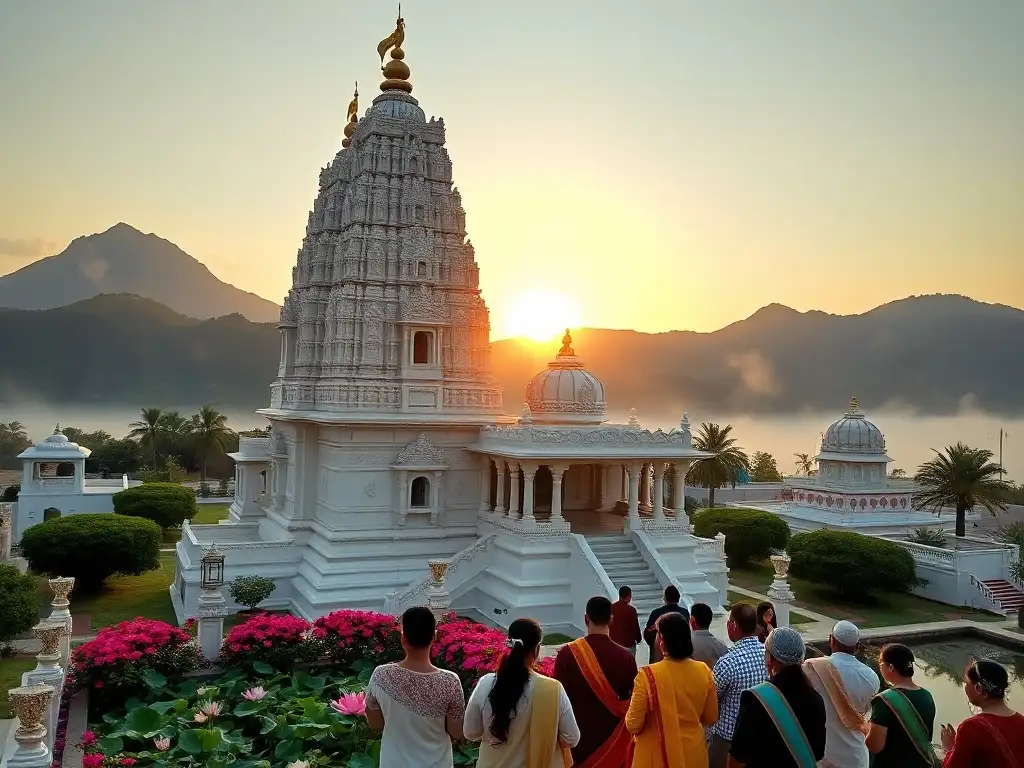
Welcome to Ancient India History, where we embark on a fascinating journey through the rich tapestry of ancient Indian civilizations! In this exploration, we delve into the Jain temple architecture history, uncovering the intricate designs and profound meanings behind these architectural marvels. From the serene beauty of the Indus Valley to the grandiosity of the Gupta Empire, each temple tells a story of devotion, artistry, and cultural significance. Are you ready to unlock the secrets of these magnificent structures? Join us as we illuminate the evolution of Jain temples and their enduring legacy in the heart of ancient India!
Introduction to Jain Temple Architecture History
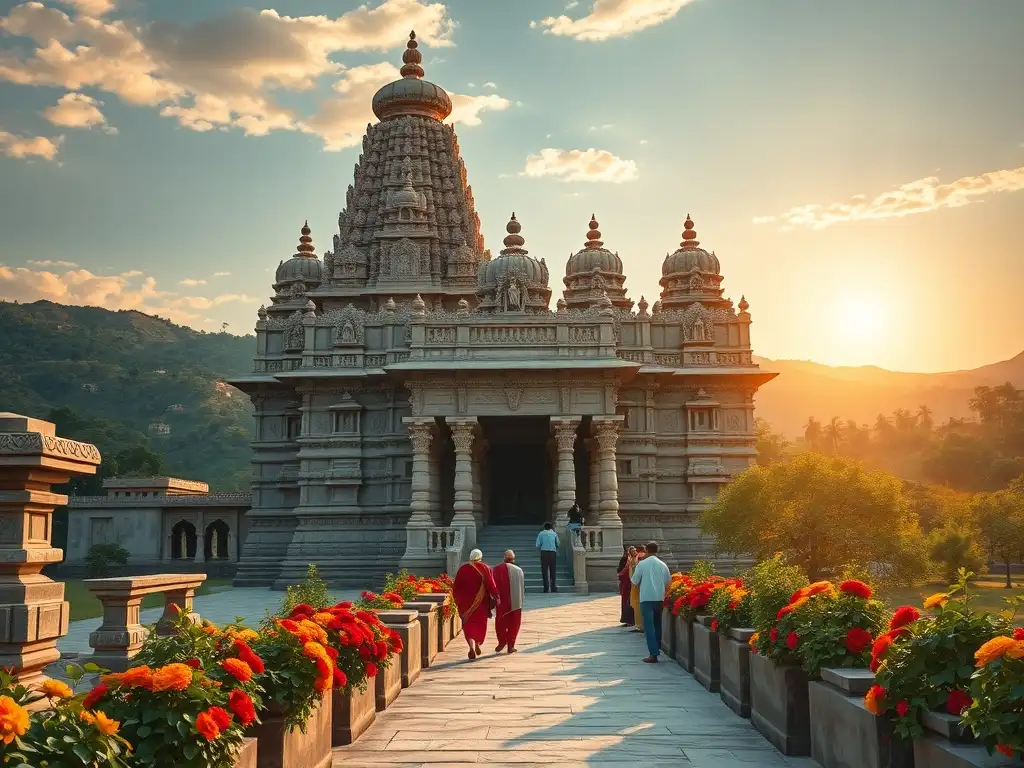
Jain temple architecture is a remarkable testament to the ingenuity and artistic expression of ancient Indian civilizations. These architectural marvels not only showcase intricate craftsmanship but also serve as spiritual havens that reflect the philosophical tenets of Jainism. This article delves into the evolution of Jain temples, tracing their architectural history from the earliest structures to the grand edifices of the later periods. We will explore how these temples became integral to both Jain religious practice and the broader cultural landscape of ancient India, highlighting their significance in the rich tapestry of Indian history.
Overview of Jainism and Its Architectural Significance
Jainism, one of the oldest religions in India, emphasizes non-violence, truth, and asceticism. Founded in the 6th century BCE, it has profoundly influenced Indian culture and philosophy. The architectural significance of Jain temples lies in their embodiment of core Jain principles—each temple is a microcosm of the universe, designed to inspire devotion and reflection among its visitors. The elaborate carvings, detailed sculptures, and spatial organization within these temples not only serve aesthetic purposes but also convey deep spiritual meanings.
- Core Principles of Jainism:
- Ahimsa (Non-violence): A central tenet reflected in the peaceful nature of temple spaces.
- Anekantavada (Multiplicity of viewpoints): Illustrated in the diverse architectural styles across regions.
- Ascetic Ideal: Promoted through the simplicity and purity of temple designs.
Importance of Jain Temples in Ancient Indian Culture
Jain temples played a crucial role in the social and cultural life of ancient India. They were not merely places of worship; they functioned as community centers that fostered education, art, and philanthropy. The temples acted as repositories of knowledge, preserving ancient texts and scriptures, while also serving as venues for religious gatherings and festivals.
- Cultural Contributions:
- Art and Sculpture: Jain temples are adorned with exquisite carvings that depict various deities, celestial beings, and scenes from Jain mythology.
- Literary Heritage: Many temples housed libraries that preserved important manuscripts and texts related to Jain philosophy and history.
- Philanthropic Endeavors: Temples often supported the needy and promoted social welfare through charitable activities.
Historical Background of Jain Temple Architecture
Origins of Jain Temples in Ancient India
The origins of Jain temple architecture can be traced back to the early centuries of Jainism. The first temples were modest structures, often carved into rock faces, reflecting the ascetic lifestyle of early Jains. Over time, as Jainism gained followers and resources, the temples evolved into more elaborate constructions, showcasing an increasing sophistication in design and artistry.
- Early Rock-Cut Temples: Examples include the Uparkot Caves in Gujarat, which date back to the 2nd century BCE.
- Transition to Freestanding Structures: By the 1st century CE, Jain temples began to emerge as standalone edifices, marked by intricate designs and religious symbolism.
Influence of Regional Styles on Jain Temple Design
Jain temple architecture is characterized by its adaptability to regional styles, incorporating local materials and artistic traditions. The influence of various dynasties, such as the Solankis of Gujarat and the Chandellas of Madhya Pradesh, is evident in the stylistic variations seen in different regions.
- Diverse Architectural Styles:
- Solanki Style: Known for its ornate carvings and intricate facades, prevalent in Gujarat.
- Madhya Pradesh Style: Features towering shikharas (spires) and complex mandapas (pillared halls).
Key Historical Periods in Jain Temple Architecture History
The history of Jain temple architecture can be divided into several key periods, each marked by distinctive features and advancements in design:
- Early Period (6th century BCE - 1st century CE): Characterized by simple rock-cut temples.
- Medieval Period (1st - 15th century CE): Marked by the emergence of grand freestanding temples with elaborate sculptures.
- Later Period (15th - 19th century CE): Notable for the integration of local architectural styles and increased patronage from various dynasties.
Understanding these periods provides insight into the evolution of Jain temple architecture, reflecting the broader historical and cultural developments within ancient India. Through this exploration, we can appreciate the craftsmanship and significance of these sacred spaces as enduring symbols of Jain heritage.
Key Features of Jain Temple Architecture
Jain temple architecture is characterized by its intricate craftsmanship, spiritual symbolism, and unique design elements that reflect the principles of Jainism. One of the most defining features is the use of marble and sandstone, materials chosen for their durability and aesthetic appeal. Jain temples often exhibit detailed carvings depicting various deities, celestial beings, and scenes from Jain cosmology, showcasing the skill of artisans who meticulously worked on these structures.
Another key feature is the shikhara, or tower, which is typically adorned with intricate designs and symbolizes the spiritual ascent towards enlightenment. The temples are often organized around a central garbhagriha, or sanctum, where the main idol resides, surrounded by a series of pillared halls that serve as spaces for worship and congregational activities. The temples are also designed to promote serenity and contemplation, with expansive courtyards and carefully planned pathways that enhance the spiritual experience for devotees.
Distinctive Elements of Jain Temple Design
Jain temples possess several distinctive elements that differentiate them from other religious structures in India. One prominent feature is the chaumukha, a four-faced idol of Tirthankara, which represents the omnipresence of the divine. The presence of these idols is central to Jain worship, and their placement often dictates the overall layout of the temple.
Additionally, jalis or perforated screens are commonly used in Jain temple architecture. These intricately designed screens not only provide ventilation and light but also create a sense of privacy and sanctity for worshippers. The use of lotus motifs in carvings symbolizes purity and spiritual awakening, reinforcing the core tenets of Jain philosophy.
Moreover, Jain temples often incorporate elements of water management, such as ponds and tanks, reflecting the Jain commitment to environmental sustainability. These water bodies not only serve practical purposes but also enhance the beauty of the temple complex, creating a serene atmosphere conducive to meditation and reflection.
Layout and Structure of Jain Temples
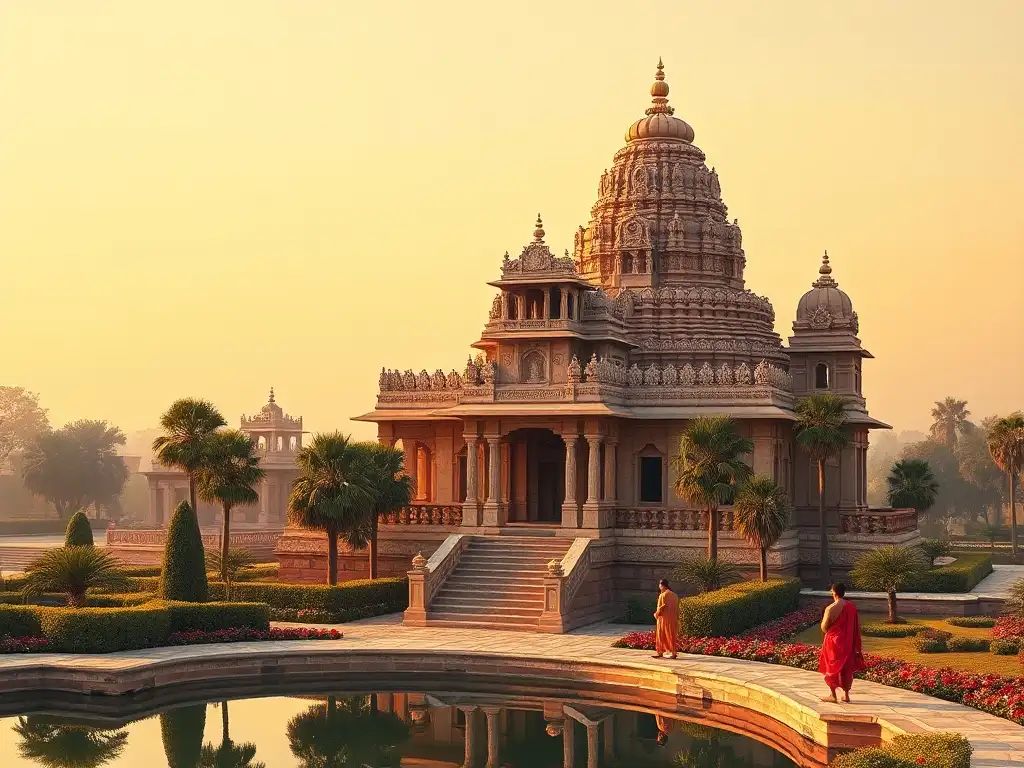
The layout of Jain temples is meticulously planned to facilitate a seamless flow of movement for devotees. Typically, the temple follows a mandala plan, which is a geometric diagram representing the cosmos. This layout is often circular or square, symbolizing the unity of the universe and the interconnectedness of all beings.
The entrance to the temple is usually grand and inviting, adorned with intricate carvings and sculptures that tell stories from Jain texts. Upon entering, devotees are led through a series of pillared corridors that create a sense of progression toward the sanctum. The garbhagriha, housing the main idol, is usually elevated and designed to be the focal point of the temple, surrounded by smaller shrines dedicated to other Tirthankaras.
The temple's structure emphasizes verticality, with soaring ceilings and high shikharas that draw the gaze upward, symbolizing the aspiration for spiritual elevation. The use of natural light is also a crucial aspect of the design, with strategically placed windows and openings that illuminate the interiors, enhancing the ethereal quality of the space.
Major Jain Temple Complexes in India
India is home to several major Jain temple complexes, each showcasing the rich architectural heritage and spiritual significance of Jainism. These complexes are not only places of worship but also stand as testaments to the artistic prowess and cultural contributions of ancient Indian civilization.
The Dilwara Temples: A Pinnacle of Jain Architecture
Located in Mount Abu, the Dilwara Temples are considered a pinnacle of Jain architecture, known for their exquisite marble craftsmanship and intricate carvings. Constructed between the 11th and 13th centuries, these temples are dedicated to various Tirthankaras, with the most prominent being the Vimal Vasahi Temple and the Luna Vasahi Temple.
The temples' interiors feature stunning marble inlay work, depicting floral patterns, celestial beings, and mythological scenes. The attention to detail is remarkable, with every surface adorned with elaborate carvings that reflect the skill of the artisans. The Dilwara Temples not only serve as a spiritual haven but also attract visitors from around the world, making them a significant landmark in Jain temple architecture.
The Ranakpur Temples: A Blend of Art and Spirituality
The Ranakpur Temples, located in the Pali district of Rajasthan, are another exemplary representation of Jain temple architecture. Built in the 15th century, this temple complex is dedicated to Adinatha, the first Tirthankara.
Ranakpur is renowned for its stunning jali work and the unique feature of having over 1,400 intricately carved pillars, each with a distinct design. The temple's layout is a sprawling structure with multiple shrines, halls, and a grand sanctum, emphasizing the importance of community worship. The interplay of light and shadow within the temple creates a mystical atmosphere, enhancing the spiritual experience for visitors.
The Shikharji Temples: Pilgrimage and Architectural Heritage
The Shikharji Temples, located on the Parasnath Hill in Jharkhand, are one of the most revered pilgrimage sites for Jains. Dedicated to the 23rd Tirthankara, Parshvanatha, this temple complex attracts thousands of devotees each year.
Architecturally, the Shikharji Temples are notable for their simplicity and harmony with nature. The temples are set against a backdrop of lush greenery, and the ascent to the temples involves a trek that symbolizes the spiritual journey one undertakes in pursuit of enlightenment. The temples feature minimalistic design elements, focusing on the worship of Parshvanatha, and serve as a reminder of the ascetic values intrinsic to Jainism.
The evolution of Jain temples is a fascinating journey through architectural innovation, spiritual expression, and cultural significance, reflecting the rich history of Jainism in ancient India.
Evolution of Jain Temple Architecture Through the Ages
The evolution of Jain temple architecture is a fascinating journey that reflects the religious, cultural, and artistic developments within ancient India. From the earliest simple structures to the elaborate and intricate designs of later periods, Jain temples have undergone significant transformations. Each phase of architecture not only highlights the changing aesthetics but also emphasizes the principles and teachings of Jainism. This evolution can be broadly categorized into three distinct periods: early, medieval, and modern.
Early Jain Temples: Simplicity and Functionality
The earliest Jain temples, dating back to around the 3rd century BCE, were characterized by their simplicity and utilitarian design. These structures primarily served as places of worship and meditation for Jain monks. Built with locally available materials such as stone and wood, early Jain temples often featured basic architectural elements, including:
- Rectangular Layouts: Most early temples had a straightforward rectangular shape, with limited ornamentation.
- Open Spaces: Many of these temples included open courtyards where devotees could gather and perform rituals.
- Minimal Sculptural Details: The focus was more on functionality than aesthetics, with only essential carvings or sculptures present.
One of the most notable examples of early Jain architecture is the Udayagiri Caves in Madhya Pradesh, which exhibit the simplicity and lack of elaborate ornamentation typical of this period.
Medieval Jain Temples: Flourishing Art and Craftsmanship
The medieval period, particularly from the 8th to the 12th centuries CE, marked a golden age for Jain temple architecture. This era witnessed a significant increase in artistic expression and architectural sophistication. Key features of medieval Jain temples include:
- Intricate Carvings: Temples became adorned with detailed carvings depicting various Tirthankaras (spiritual teachers) and intricate floral and geometric patterns.
- Complex Layouts: The layout evolved into more complex designs, often incorporating multiple shrines under one roof (known as sanghars) and extensive use of pillars.
- Use of Marbles and Stones: Temples were often constructed using high-quality marble and sandstone, allowing for fine detailing that showcased the skill of artisans.
The Dilwara Temples in Mount Abu are a prime example of medieval Jain architecture, celebrated for their stunning marble craftsmanship and elaborate ornamentation, reflecting the zenith of Jain artistic expression.
Modern Jain Temples: Contemporary Interpretations of Tradition
In the contemporary era, Jain temples continue to evolve while maintaining their traditional roots. Modern Jain temple architecture often blends traditional styles with contemporary design elements, resulting in unique structures that resonate with current aesthetic sensibilities. Characteristics of modern Jain temples include:
- Innovative Designs: Architects are experimenting with modern materials and techniques, often incorporating glass, steel, and concrete.
- Sustainability: Many new constructions emphasize eco-friendly designs and sustainability, integrating natural light and greenery within the temple premises.
- Community Spaces: Modern temples are designed not just as places of worship but also as community centers that foster social interaction and cultural activities.
An example of contemporary Jain architecture is the Jain Temple in Chandigarh, which exemplifies modern design while honoring Jain traditions through its symbolic representations and serene environment.
The Influence of Jain Temple Architecture on Other Indian Temples
Jain temple architecture has had a profound impact on the architectural styles of other Indian religious structures, especially Hindu and Buddhist temples. The unique features and design elements of Jain temples have fostered a cross-pollination of ideas that enriched the overall landscape of Indian architecture.
Cross-Cultural Influences in Indian Temple Architecture
The cross-cultural influences between Jainism, Hinduism, and Buddhism can be seen in various architectural features. Key aspects include:
- Pillared Halls: The use of large pillared halls is a notable feature adopted by Hindu and Buddhist temples, often inspired by Jain temple layouts.
- Sculptural Themes: Many Hindu temples incorporate Jain-inspired sculptures, especially in regions where Jainism flourished alongside Hinduism, showcasing shared artistic motifs and narratives.
- Ritual Spaces: The emphasis on ritualistic spaces within Jain temples has influenced the design of sacred spaces in other religious structures, promoting a similar focus on community and worship.
Jain Elements in Hindu and Buddhist Temples
Elements of Jain architecture have been integrated into the designs of Hindu and Buddhist temples, reflecting the shared cultural heritage of ancient Indian religions. Notable examples include:
- Tirthankara Depictions: Some Hindu temples feature carvings of Jain Tirthankaras, indicating the reverence for Jain teachings and figures within broader Indian spirituality.
- Architectural Styles: The intricately carved exteriors and sanctums of Jain temples have inspired similar embellishments in many Hindu and Buddhist temple complexes, particularly in regions like Rajasthan and Gujarat.
Overall, the influence of Jain temple architecture on other Indian temples underscores a legacy of artistic collaboration and shared religious values, contributing to the rich tapestry of India's religious architectural history.
Preservation and Restoration of Jain Temples
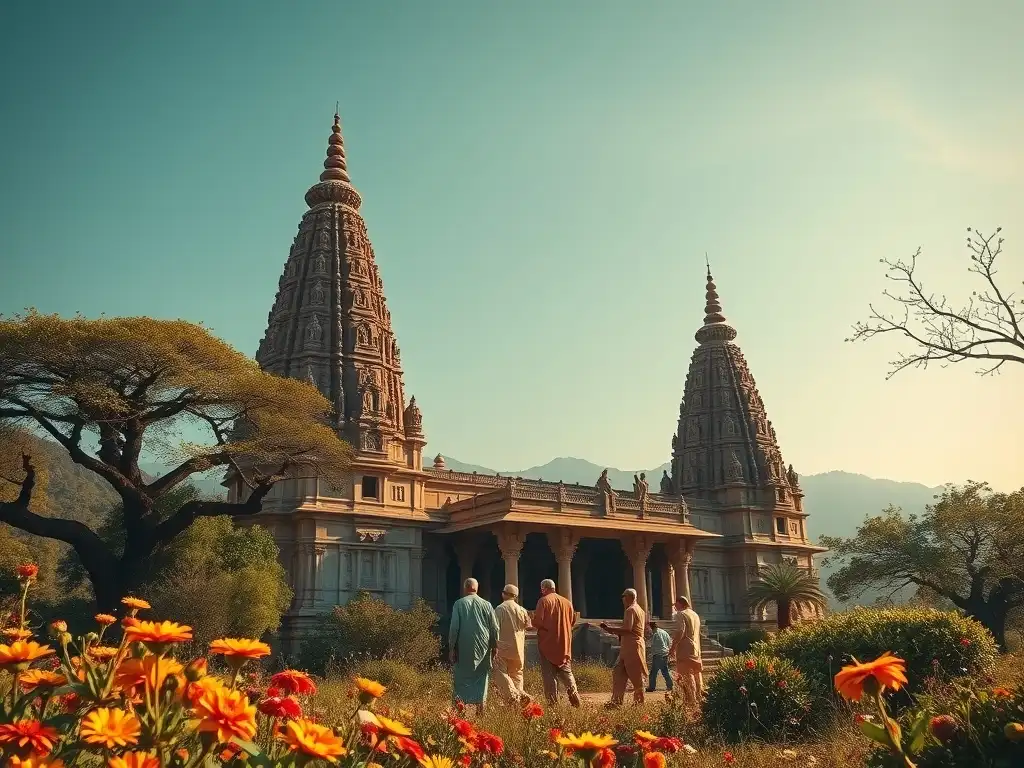
The preservation and restoration of Jain temples are crucial for maintaining the cultural heritage and architectural significance of these ancient structures. Jain temples, known for their intricate carvings and unique architectural styles, not only represent the religious beliefs of Jainism but also showcase the artistry and craftsmanship of the periods in which they were built. As custodians of this heritage, various organizations, both governmental and non-governmental, are working tirelessly to ensure that these temples are preserved for future generations.
The preservation efforts encompass a range of activities, from routine maintenance to extensive restoration projects. These initiatives aim to protect the temples from environmental wear, pollution, and the effects of time. Additionally, the promotion of awareness about the historical and cultural value of Jain temples plays a pivotal role in garnering support for preservation efforts.
Challenges Facing Jain Temple Preservation
Despite the importance of Jain temple preservation, several challenges hinder these efforts.
- Environmental Factors: Natural elements such as rain, wind, and pollution pose significant threats to the structural integrity of the temples. Weathering and erosion can lead to deterioration of the stonework, necessitating urgent intervention.
- Urbanization: Rapid urban development often encroaches upon temple sites, leading to disputes over land use and putting additional pressure on these sacred spaces. The expansion of cities can also result in increased pollution levels, further damaging the temples.
- Funding and Resources: Many preservation projects struggle due to a lack of adequate funding and resources. While some temples receive support from wealthy patrons or religious organizations, others are left to fend for themselves, making it difficult to maintain their structures.
- Lack of Awareness: There is often insufficient public awareness regarding the historical significance of Jain temples. This can lead to neglect and a lack of community support for preservation initiatives.
Efforts in Restoration and Conservation of Jain Temples
In response to these challenges, numerous efforts have been made to restore and conserve Jain temples across India.
- Government Initiatives: Various government bodies, including the Archaeological Survey of India, have taken steps to identify and preserve important Jain sites. This includes conducting surveys, implementing conservation programs, and providing financial assistance for restoration projects.
- Community Involvement: Local Jain communities have also played a significant role in preservation efforts. Many temples have established committees to oversee conservation projects, engage volunteers, and raise funds for restoration activities.
- Collaborations with Experts: Collaboration with architects, historians, and conservationists has proven essential in the restoration process. These experts bring specialized knowledge to ensure that restoration efforts are carried out in a manner that respects the original architectural integrity of the temples.
- Awareness Campaigns: Increasing public awareness through educational programs and cultural events has helped garner support for preservation initiatives. Many organizations are now taking an active role in promoting the historical significance of Jain temples to inspire local communities and tourists alike.
Conclusion: The Enduring Legacy of Jain Temple Architecture
The architectural marvels of Jain temples stand as a testament to the rich cultural and religious heritage of ancient India. Their intricate designs and spiritual significance continue to inspire awe and admiration among visitors and scholars alike. As we reflect on the legacy of Jain temple architecture, it becomes evident that these structures are not merely places of worship; they are embodiments of the artistic, philosophical, and historical narratives of Jainism.
Reflection on the Historical Significance of Jain Temples
Jain temples have played a pivotal role in shaping the spiritual landscape of ancient India. They serve as centers of worship, learning, and community engagement, reflecting the core principles of Jainism, such as non-violence, truth, and asceticism. The architectural styles of these temples, varying from the grandeur of the Dilwara Temples in Rajasthan to the simplicity of smaller local shrines, highlight the adaptability of Jainism to diverse cultural contexts throughout history. This diversity underscores the temples' importance as cultural landmarks that contribute to the rich tapestry of Indian civilization.
Future of Jain Temple Architecture in Modern India
Looking ahead, the future of Jain temple architecture in modern India hinges on a balance between preservation and contemporary needs. As urbanization continues to expand, the challenge will be to maintain the sanctity of these ancient structures while accommodating the evolving cultural landscape.
- Innovative Preservation Techniques: The adoption of modern preservation techniques, including the use of technology for monitoring structural health and environmental impacts, will be essential for the long-term sustainability of Jain temples.
- Integration with Modern Design: There is potential for integrating contemporary architectural practices with traditional Jain designs, creating spaces that honor the past while meeting the needs of modern worshippers.
- Strengthening Community Engagement: Continued community involvement in preservation efforts will be crucial. By fostering a sense of ownership and pride in these cultural assets, local communities can ensure that Jain temples remain vibrant centers of spiritual and cultural life.
Jain temple architecture not only enriches India's historical narrative but also offers valuable lessons in resilience, adaptability, and reverence for cultural heritage. The ongoing efforts in preservation and restoration will ensure that these magnificent structures continue to inspire future generations.
References for Further Reading on Jain Temple Architecture History
To gain a deeper understanding of Jain temple architecture history, several key resources and literature can provide insightful perspectives and comprehensive information. Below are some suggested books, articles, and online resources that explore the intricate details of Jain architecture and its historical context.
Suggested Books and Articles on Jainism and Its Architectural Heritage
-
"Jain Architecture: A Study of the Temples of Jainism" by A. N. Mishra
This book delves into the various architectural styles of Jain temples across different regions in India, analyzing their historical significance and aesthetic qualities.
-
"Jainism and Architecture" by M. S. Daryanani
Daryanani’s work provides an overview of the unique features of Jain architecture, focusing on notable temples and their designs, alongside discussions on the symbolism inherent in these structures.
-
"The Jain Temple Complex at Khajuraho" by K. L. Handa
This article explores the Jain temples located in Khajuraho, detailing their architectural characteristics and place within the broader context of Indian temple architecture.
-
"The Art and Architecture of Jain Temples" by R. C. Agrawal
Agrawal’s publication examines the evolution of Jain temple architecture, emphasizing the stylistic transitions from early to later periods, and how these reflect the cultural values of Jainism.
-
"Temples of the Jain Faith: A Historical Overview" by Prakash S. Jain
This historical overview provides insights into the development of Jain temples, including their architectural innovations and the socio-religious factors that influenced their construction.
Online Resources for Exploring Jain Temple Architecture History
-
Jain Heritage Sites
This website is a valuable resource for exploring various Jain temple sites across India, featuring detailed descriptions, photographs, and historical context of each temple.
-
Digital Library of India
The Digital Library of India hosts a collection of texts and scholarly articles related to Jainism and its architectural legacy, allowing for extensive research opportunities.
-
Jainpedia
Jainpedia offers a wealth of information on Jainism, including articles specifically dedicated to the architecture of Jain temples, featuring interactive resources and visual aids.
-
The Archaeological Survey of India (ASI)
The ASI’s website includes reports and documentation related to Jain temples, including conservation efforts and historical significance, making it a great resource for academic research.
-
YouTube Channels Dedicated to Indian History
Several educational YouTube channels explore Jain temple architecture through documentaries and visual tours, providing a multimedia approach to learning about these architectural marvels. Look for channels that focus on Indian history and culture.
By utilizing these resources, readers can enhance their understanding of the rich history and architectural grandeur of Jain temples, contributing to a broader appreciation of ancient Indian civilization.
- Introduction to Jain Temple Architecture History
- Historical Background of Jain Temple Architecture
- Key Features of Jain Temple Architecture
- Distinctive Elements of Jain Temple Design
- Layout and Structure of Jain Temples
- Major Jain Temple Complexes in India
- Evolution of Jain Temple Architecture Through the Ages
- The Influence of Jain Temple Architecture on Other Indian Temples
- Preservation and Restoration of Jain Temples
- Conclusion: The Enduring Legacy of Jain Temple Architecture
- References for Further Reading on Jain Temple Architecture History
Frequently Asked Questions
What is Jain temple architecture?
Jain temple architecture refers to the unique design and construction styles of temples built for Jain worship, characterized by intricate carvings and ornate details that reflect Jain values and beliefs.
How did Jain temple architecture evolve over time?
The evolution of Jain temple architecture can be traced from the simple designs of early temples to the grand structures of the medieval period, showcasing increased artistic sophistication and regional influences.
What are some key features of Jain temples?
Key features of Jain temples include elaborate sculptures, multi-storied structures, and the prominent use of marble and stone, often adorned with mythological themes and iconography representing Jain saints.
Which civilizations contributed to Jain temple architecture?
Jain temple architecture was significantly influenced by various ancient Indian civilizations, particularly during the Maurya and Gupta periods, where patronage from rulers helped flourish these architectural marvels.
Why is Jain temple architecture significant in ancient Indian history?
Jain temple architecture is significant as it reflects the cultural richness of ancient India, showcasing religious devotion, artistic innovation, and the socio-political environment, marking it as a vital part of Indian heritage.
Final Reflection: The Enduring Legacy of Jain Temple Architecture
**The evolution of Jain temple architecture stands as a testament to the rich cultural and spiritual heritage of ancient India, reminding us that these architectural marvels are not just relics of the past, but vibrant symbols of a living tradition. As we navigate the complexities of modern life, the intricate designs and profound philosophies embedded in Jain temples resonate with our quest for meaning and connection in a rapidly changing world.
The influence of Jain temple architecture extends far beyond its physical structures; it has shaped the cultural and social landscape of India for centuries. The meticulous craftsmanship and spiritual significance found in these temples inspire a sense of reverence and introspection, inviting us to reflect on our own values and beliefs. Architecture is the learned game, correct and magnificent, of forms assembled in the light.
– Le Corbusier. This quote encapsulates the essence of Jain temples, where every detail is thoughtfully designed to create a harmonious relationship between the sacred and the mundane.
As we contemplate the lessons embedded in Jain temple architecture, I invite you to reflect on how these principles can be applied to your own life. Consider how the values of peace, non-violence, and respect for all living beings can guide your actions and decisions. Let the beauty and wisdom of these ancient structures inspire you to create spaces—both physical and emotional—that foster harmony and understanding in your community. Embrace the legacy of Jain temple architecture as a call to action, encouraging you to build a future that honors the past while nurturing the present.
Unleash the Wonders of Jain Temple Architecture!
Thank you for taking the time to explore the incredible journey of Jain temple architecture with us! We hope you gained insights into these magnificent structures that reflect India's rich cultural heritage. Now, it’s time to take action and deepen your connection with this fascinating topic.
Here are some steps you can take right now:
- Visit a local Jain temple to experience the architectural beauty firsthand and appreciate the intricate details that tell a story of devotion and craftsmanship.
- Join a discussion group or online forum to connect with fellow history enthusiasts, share findings, and expand your understanding of Jainism and its architectural marvels.
- Document your reflections by starting a blog or posting on social media about what you’ve learned regarding Jain temples; your insights may inspire others to explore this rich tradition!
Have you ever considered how these ancient structures continue to influence modern architecture today? We invite you to share your thoughts in the comments!