
Southern India's Influence on Modern Indian Culture: A Historical Examination

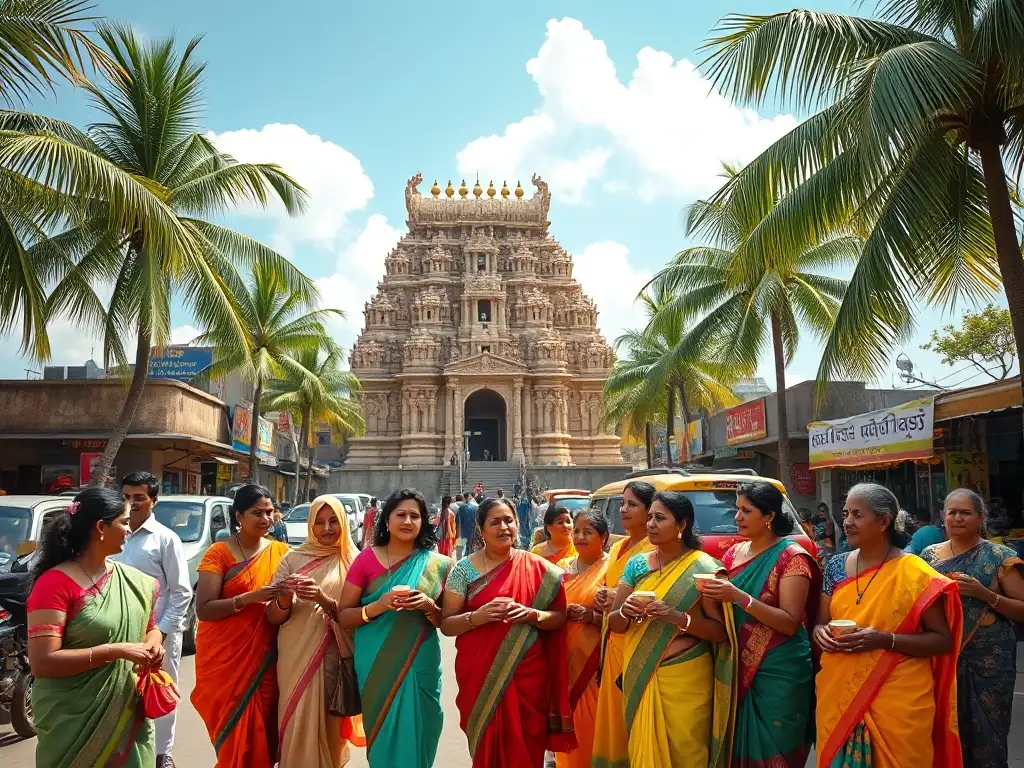
Welcome to Ancient India History, where we embark on a fascinating journey through time to uncover the rich tapestry of India's past. In this exploration, we invite you to delve into Southern India's cultural influence, a cornerstone of our modern identity, as we examine how the legacies of ancient civilizations continue to shape contemporary society.
Prepare to be captivated by the stories, traditions, and innovations that emerged from this vibrant region, and discover how its historical threads weave into the fabric of today's culture. Join us as we unravel the intricate connections that define Southern India and its enduring impact on our world!
-
Southern India's Cultural Influence on Modern Indian Culture: A Historical Examination
- Introduction to Southern India's Cultural Influence
- Historical Foundations of Southern Indian Culture
- Southern India's Influence on Language and Literature
- Architectural Marvels and Their Cultural Significance
- Culinary Heritage of Southern India
- Religion and Spiritual Practices
- Arts and Crafts: A Legacy of Southern India
- Southern India's Influence on Music and Dance
- The Role of Southern India in Contemporary Society
- Conclusion: The Lasting Impact of Southern India's Cultural Influence
-
Frequently Asked Questions
- What is the significance of Southern India's cultural influence on modern Indian culture?
- How did ancient civilizations in Southern India contribute to cultural development?
- What role did religion play in shaping Southern India's cultural landscape?
- How has Southern Indian cuisine influenced broader Indian culinary practices?
- What are some notable art forms originating from Southern India?
- Final Reflection: Embracing Southern India's Cultural Legacy
- Embrace and Celebrate the Richness of Southern Indian Culture!
Southern India's Cultural Influence on Modern Indian Culture: A Historical Examination
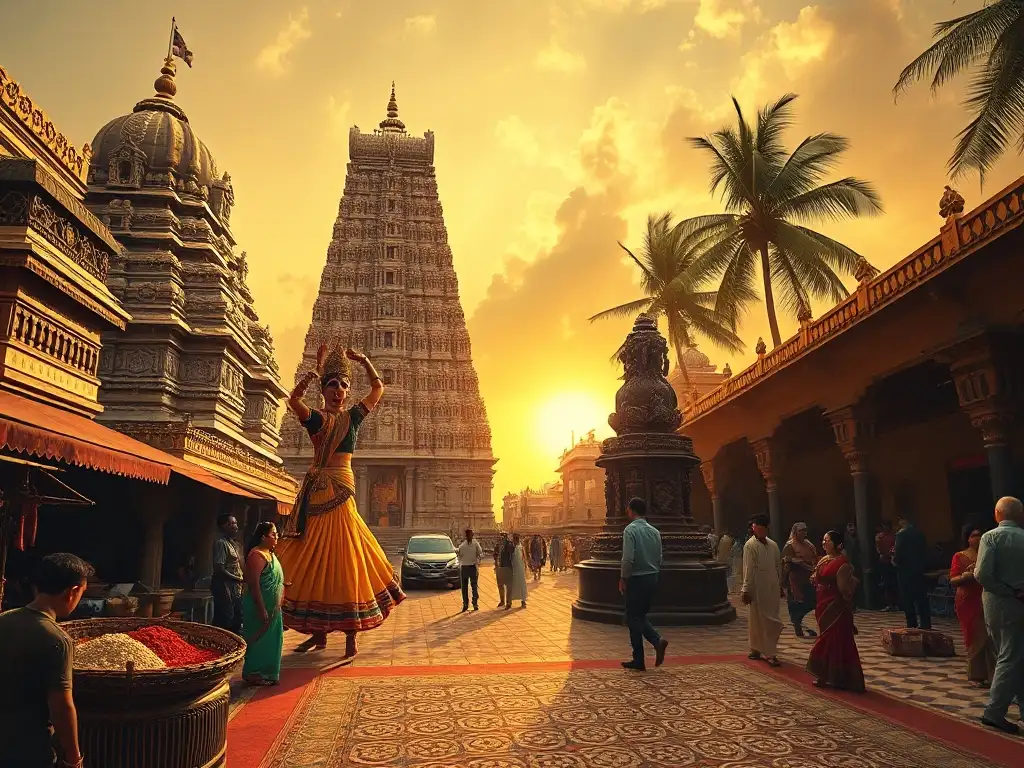
Introduction to Southern India's Cultural Influence
Southern India has long been a cradle of rich cultural heritage that has significantly shaped the broader spectrum of Indian civilization. From ancient times through the medieval period and into modernity, the region has contributed diverse traditions, art forms, languages, and philosophies that resonate throughout India today.
This article delves into the historical examination of Southern India's cultural influence, exploring how its unique elements have woven into the fabric of modern Indian culture. By understanding the roots of this influence, we can appreciate the depth and complexity of contemporary Indian society, which is enriched by the traditions and innovations that first emerged in Southern India.
Overview of Southern India's Historical Context
Southern India is home to some of the earliest urban civilizations in the Indian subcontinent, notably the Indus Valley Civilization. However, it is the subsequent kingdoms and dynasties, such as the Cholas, Pandyas, and Cheras, that laid the foundation for a vibrant cultural evolution. The region's geographical diversity, including lush landscapes and coastal areas, fostered trade and cultural exchange with other civilizations, particularly with Southeast Asia, which further enriched Southern India's cultural tapestry.
- Key Historical Periods:
- Indus Valley Civilization: Early urban centers and trade networks.
- Tamil Kingdoms: Flourishing of literature and art during the Sangam period.
- Chola Dynasty: Expansion of influence across Southeast Asia and advancements in architecture and governance.
- Pandya Dynasty: Contributions to literature, language, and temple architecture.
Importance of Cultural Contributions from Southern India
The cultural contributions from Southern India are pivotal in understanding the entirety of Indian culture. The region's influence extends into various domains, including:
- Art and Architecture: The intricate temple architecture of Southern India, characterized by towering gopurams and exquisite sculptures, is a testament to its artistic prowess.
- Literature and Language: The Tamil language, one of the oldest languages in the world, has a rich literary tradition that has influenced many other Indian languages.
- Philosophy and Religion: Southern India has been the birthplace of several philosophical schools and religious movements, impacting spiritual practices across the country.
Historical Foundations of Southern Indian Culture
The historical foundations of Southern Indian culture are deeply rooted in its ancient civilizations, which laid the groundwork for the region's distinctive identity. Understanding these foundations provides insight into how they have influenced modern cultural practices.
Ancient Civilizations and Their Role in Shaping Culture
The ancient civilizations of Southern India were characterized by their advanced urban planning, trade networks, and cultural exchanges with neighboring regions. The Indus Valley Civilization played a crucial role in early urban development, while subsequent kingdoms established a rich legacy of literature, art, and governance.
- Key Features of Ancient Southern Indian Civilizations:
- Urban Planning: Evidence of well-planned cities with sophisticated drainage systems.
- Trade Networks: Flourishing trade with other civilizations, including maritime trade with Southeast Asia.
- Cultural Exchanges: Interactions with various cultures that enriched local traditions and practices.
Key Contributions of the Chola and Pandya Dynasties
The Chola and Pandya dynasties were instrumental in shaping the cultural landscape of Southern India. Their contributions are manifold, influencing not just their time but also leaving a lasting legacy that permeates modern Indian culture.
- Chola Dynasty:
- Artistic Achievements: The Chola period is renowned for its bronze sculptures and temple architecture, exemplified by the Brihadeeswarar Temple, a UNESCO World Heritage site.
- Political Innovations: Development of a sophisticated administrative system that influenced governance across the region.
- Pandya Dynasty:
- Literary Flourishing: The Pandyas fostered Tamil literature, producing works that are still celebrated today.
- Religious Contributions: The construction of temples and promotion of religious practices that influenced the spiritual landscape of India.
The cultural influence of Southern India is profound and multifaceted, shaping various aspects of modern Indian culture through its rich historical legacy. Understanding these contributions allows us to appreciate the complexity of India's cultural identity today.
Southern India's Influence on Language and Literature
Southern India has played a pivotal role in shaping the linguistic landscape of modern India. The Dravidian language family, which includes major languages such as Tamil, Telugu, Kannada, and Malayalam, has not only influenced regional communication but has also enriched the literary traditions of the nation. The literary heritage of Southern India is characterized by its profound philosophical inquiries, emotional depth, and diverse themes, which continue to resonate in contemporary literature.
Evolution of Dravidian Languages
The Dravidian languages have a rich history that dates back over 4,000 years, with Tamil being one of the oldest continuously spoken languages in the world. The earliest Tamil inscriptions, found in Tamil Nadu, date back to around 500 BCE and showcase an evolved script that has undergone significant transformations over the centuries.
The Dravidian languages have distinct grammatical structures, vocabulary, and phonetic systems that differ markedly from the Indo-Aryan languages predominant in Northern India. This linguistic divergence has fostered a unique cultural identity that is deeply embedded in the literature, folklore, and oral traditions of the region. For example, the grammatical intricacies of Tamil allow for nuanced expression, which has given rise to a rich corpus of poetry and prose, such as the Sangam literature, which flourished between 300 BCE and 300 CE.
Significant Literary Works and Their Impact on Modern Literature
Southern India has produced numerous influential literary works that have had a lasting impact on modern Indian literature. The classical works of Tamil poets like Thiruvalluvar, whose "Thirukkural" offers timeless moral teachings, continue to be referenced in contemporary discussions on ethics and governance. Similarly, the devotional literature of the Alvars and Nayanars has inspired modern writers to explore themes of spirituality and devotion.
In Telugu, the works of poets like Nannaya and Tikkana have laid the foundation for the rich tradition of Telugu literature, influencing modern writers and poets to engage in social and political discourse through their writings. Kannada literature, with figures like Kuvempu and B. M. Srikantaiah, has also contributed significantly to the modern literary landscape, emphasizing themes of social justice and regional pride.
These literary traditions not only reflect the historical and cultural contexts of their time but also continue to inspire contemporary authors, playwrights, and poets, ensuring that the essence of Southern India's literary heritage remains alive in modern Indian culture.
Architectural Marvels and Their Cultural Significance
The architectural legacy of Southern India is another vital aspect of its cultural influence. The region is renowned for its intricate temple architecture, which reflects a confluence of artistic expression, religious devotion, and cultural identity. The temples are not merely places of worship; they are repositories of history and heritage, showcasing the craftsmanship of ancient builders and the spiritual aspirations of the communities they served.
Temples of Southern India: Architectural Innovations
The temples of Southern India, such as the Brihadeeswarar Temple in Thanjavur and the Meenakshi Temple in Madurai, are exemplary of the Dravidian architectural style. Characterized by towering gopurams (gateway towers), detailed stone carvings, and expansive courtyards, these structures represent significant advancements in engineering and artistry.
The Brihadeeswarar Temple, a UNESCO World Heritage site, is notable for its massive dome made of a single granite stone and intricate sculptures that tell stories from Hindu mythology. The temple's design incorporates principles of geometry and symmetry, showcasing the advanced knowledge of ancient architects. Furthermore, the temple complexes served as educational and cultural centers, fostering the arts, music, and dance.
Influence of Southern Architecture on Modern Urban Design
The influence of Southern India's architectural marvels extends beyond historical contexts, permeating modern urban design. Contemporary architects often draw inspiration from the intricate designs and spatial arrangements of ancient temples, integrating elements such as courtyards and water features into modern buildings.
Cities like Chennai and Bengaluru reflect this architectural dialogue, where traditional motifs are combined with modern aesthetics to create spaces that honor cultural heritage while meeting contemporary needs. The principles of sustainability observed in ancient construction, such as the use of local materials and climate-responsive designs, are being revisited in modern architecture, highlighting the timeless relevance of Southern India's architectural wisdom.
The cultural influence of Southern India, manifested through its languages, literature, and architectural innovations, continues to shape modern Indian identity and societal values, making it an integral part of the nation's history and heritage.
Culinary Heritage of Southern India
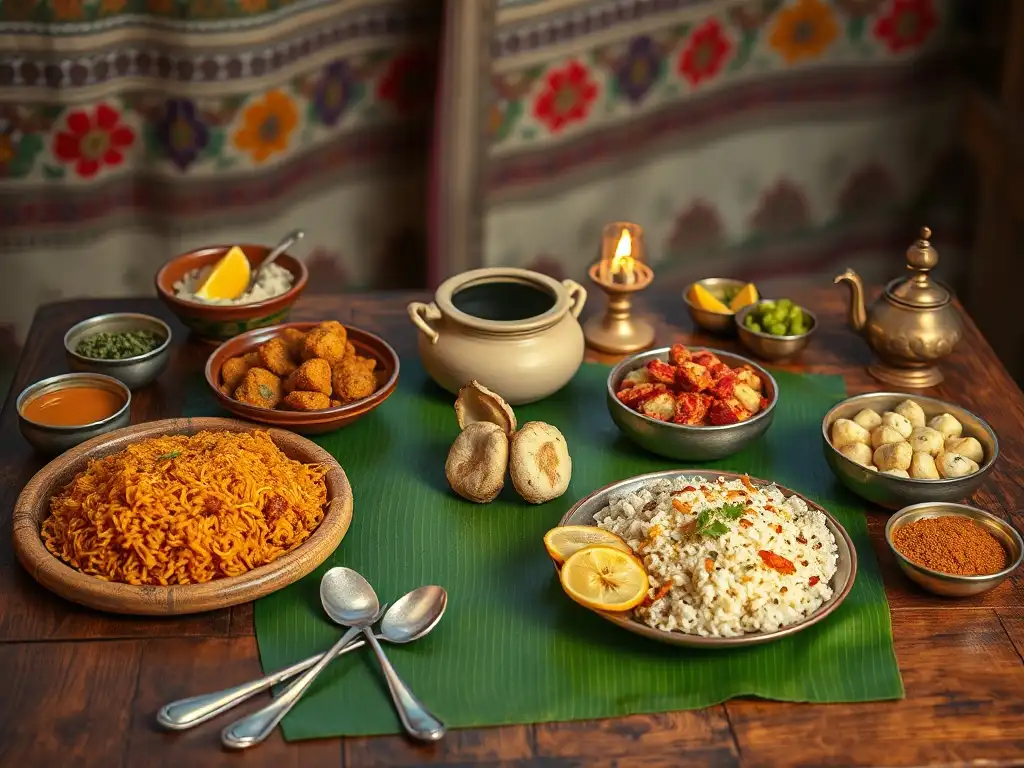
Southern India's culinary heritage is a remarkable tapestry woven from centuries of tradition, diverse ingredients, and cultural influences. It encompasses a wide range of flavors, cooking techniques, and regional variations that have shaped not only the local cuisine but also the culinary landscape of modern Indian food culture. The use of rice, lentils, and a variety of spices is fundamental, with each state in the region contributing unique dishes that reflect its history, geography, and social fabric.
Rice is the staple food of Southern India, with various forms such as steamed rice, dosa (fermented rice and lentil crepes), and idli (steamed rice cakes) being integral to daily diets. The cuisine is also known for its extensive use of coconut, tamarind, and curry leaves, which lend distinctive flavors to dishes. The communal aspect of dining in South Indian culture, often characterized by sharing meals served on banana leaves, underscores the importance of food as a social and familial bond.
Traditional Dishes and Their Historical Roots
The traditional dishes of Southern India are steeped in history, reflecting the region's agricultural practices, trade routes, and cultural exchanges. Some iconic dishes include:
- Sambar: A lentil-based vegetable stew flavored with tamarind and a unique blend of spices known as sambar powder, believed to have originated in Tamil Nadu. Its roots trace back to the influence of the Chola dynasty, which promoted agriculture and culinary arts.
- Rasam: A tangy, spicy soup made with tamarind, tomatoes, and a variety of spices, traditionally served as a digestive aid. Its origins are linked to ancient Ayurvedic practices, emphasizing the medicinal benefits of certain ingredients.
- Biryani: Though often associated with Mughal cuisine, biryani has deep connections to Southern India, particularly Hyderabadi biryani, which blends Persian and local flavors. This dish reflects the region's historical trade connections and cultural syncretism.
- Payasam: A sweet dessert made from rice or vermicelli, often flavored with cardamom and garnished with nuts, showcasing the region's use of dairy and sugar, which can be traced back to temple offerings and royal feasts.
These dishes not only serve as a source of nourishment but also as a medium for cultural expression, with recipes often passed down through generations, preserving the rich culinary legacy of Southern India.
Impact of Southern Indian Cuisine on National Food Culture
Southern Indian cuisine has significantly influenced the broader Indian food culture, enriching it with its diverse flavors and cooking techniques. The popularity of dishes like dosa and idli has transcended regional boundaries, becoming staples in many parts of India. The use of spices such as mustard seeds, fenugreek, and curry leaves has also permeated other regional cuisines, contributing to a more unified national palate.
Moreover, the emphasis on vegetarianism within Southern Indian cuisine has shaped dietary habits across the country, particularly among those influenced by religious and cultural practices. The rise of South Indian restaurants in urban centers throughout India has introduced a wider audience to the region's culinary delights, fostering appreciation and adaptation of Southern flavors in various contexts.
The health-conscious nature of Southern Indian cooking, with its emphasis on fresh, locally sourced ingredients and balanced meals, has also played a role in the national discourse on nutrition. The cuisine's ability to cater to diverse dietary preferences, including vegetarian and gluten-free options, aligns with modern trends focusing on wellness and sustainability.
Religion and Spiritual Practices
Religion and spirituality in Southern India are deeply intertwined with its cultural identity, having evolved through millennia of history. The region is known for its rich tapestry of religious traditions and practices, which have significantly influenced the spiritual landscape of modern India. The coexistence of various faiths, including Hinduism, Buddhism, Jainism, and Islam, has fostered a unique environment of philosophical inquiry and religious diversity.
The temples of Southern India, known for their intricate architecture and artistry, serve not only as places of worship but also as cultural hubs that promote community engagement and artistic expression. Festivals celebrating deities, harvests, and seasons further exemplify the region's spiritual vibrancy.
Major Religions Originating from Southern India
Southern India is a cradle for several major religions and spiritual movements that have left an indelible mark on the region and beyond:
- Hinduism: As one of the oldest religions in the world, Hinduism has deep roots in Southern India, with numerous temples and sacred sites dedicated to various deities. The Bhakti movement, which emphasized personal devotion and access to the divine, gained momentum in this region and influenced the broader Hindu community.
- Buddhism: Although Buddhism originated in Northern India, it found a significant following in Southern India, particularly during the reign of Emperor Ashoka. The rock-cut caves of Ajanta and Ellora are prime examples of Buddhist architecture that reflect the region's spiritual heritage.
- Jainism: The teachings of Jainism, emphasizing non-violence and asceticism, were prominent in Southern India. The influence of Jain philosophy can be seen in various aspects of local culture, particularly in the vegetarian traditions of the region.
- Islam: With the arrival of traders and rulers from the Middle East, Islam became a prominent faith in Southern India. The region is home to several historical mosques and Sufi shrines that reflect the syncretic nature of Southern Indian spirituality.
These religions have contributed to a rich philosophical discourse that continues to evolve, influencing art, literature, and social practices across the region.
Influence of South Indian Philosophies on Modern Spirituality
The philosophies originating from Southern India have significantly impacted modern spiritual movements, both within India and globally. Key philosophical schools such as Advaita Vedanta and the teachings of various saints and thinkers have shaped contemporary understandings of spirituality, self-realization, and ethics.
- Advaita Vedanta, a non-dualistic philosophy attributed to the sage Adi Shankaracharya, emphasizes the oneness of the individual soul (Atman) and the universal spirit (Brahman). This philosophy has gained traction among spiritual seekers worldwide, fostering a deeper understanding of consciousness and existence.
- Bhakti and Mystical Traditions: The devotional practices of southern saints such as Andal, Ramanuja, and Basava have inspired modern movements advocating for personal connection with the divine through love and devotion, transcending ritualism. This has resonated with many contemporary spiritual seekers who prioritize personal experience over dogma.
- Yoga and Meditation: The integration of South Indian practices, particularly those from Tamil Nadu and Kerala, into modern yoga and wellness movements has contributed to a global interest in holistic health. The emphasis on mind-body connection, breath control, and meditation techniques has found a place in contemporary spirituality.
The philosophies and spiritual practices of Southern India continue to enrich the global dialogue on spirituality, emphasizing inclusivity, personal experience, and the quest for deeper understanding.
Arts and Crafts: A Legacy of Southern India
Southern India boasts a rich tapestry of arts and crafts that have significantly shaped modern Indian culture. The region's artistic heritage, spanning centuries, reflects the intricate traditions, religious influences, and cultural narratives of its people. From the exquisite craftsmanship of textiles to the vibrant paintings that adorn temples, Southern India's contributions to the arts form an essential part of India's cultural identity today.
Traditional Art Forms and Their Evolution
Traditional art forms in Southern India, such as Tanjore paintings, Mysore paintings, and Kalamkari, have evolved over the years, incorporating both ancient techniques and contemporary styles. Tanjore paintings, known for their rich colors and gold foil embellishments, originated in Tamil Nadu and depict religious themes, often showcasing deities and mythological stories. Over time, artists have experimented with new materials and techniques, leading to a revival of interest in these traditional forms and their adaptation in modern décor.
Kalamkari, a method of hand-painting or block-printing on fabric, has also seen significant evolution. Initially rooted in religious narratives, contemporary artists have expanded its themes to include social issues, environmental concerns, and abstract designs, thereby making it relevant to today's society while still honoring its origins.
Influence of Southern Handicrafts on Contemporary Arts
Southern handicrafts, such as wood carving, ceramics, and weaving, have had a profound influence on contemporary arts. The intricate craftsmanship and designs found in traditional Kanchipuram silk sarees and the delicate craftsmanship of Bidriware are now being integrated into modern fashion and interior design.
Moreover, the resurgence of interest in sustainable and handmade products has led to a greater appreciation for Southern handicrafts. Artists and designers are increasingly collaborating with local artisans to create pieces that blend traditional techniques with modern sensibilities, resulting in unique, culturally rich works that resonate with a global audience. This synergy between past and present highlights the enduring legacy of Southern India's crafts in shaping contemporary artistic expressions.
Southern India's Influence on Music and Dance
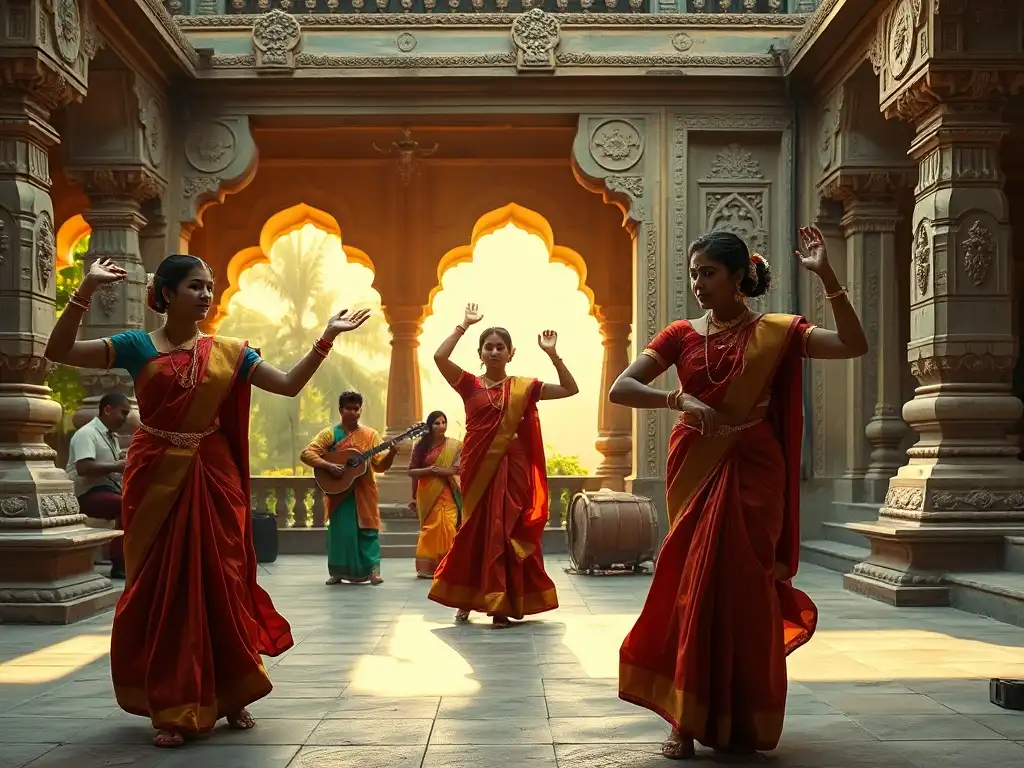
The music and dance traditions of Southern India are revered for their complexity and depth, significantly influencing the broader landscape of Indian performing arts. These forms not only embody the region's cultural narratives but also serve as a bridge connecting ancient practices with modern interpretations.
Classical Music Traditions of South India
Southern India is the birthplace of Carnatic music, one of the two major forms of Indian classical music. Characterized by intricate melodies and rhythms, Carnatic music has a rich repertoire that includes compositions in various languages, primarily Telugu, Tamil, and Kannada. The tradition has evolved over centuries, with legendary composers like Thyagaraja, Muthuswami Dikshitar, and Shyama Shastri laying the foundation for its development.
Today, Carnatic music continues to thrive, with numerous concerts, festivals, and music schools dedicated to its practice. The influence of this classical tradition is evident in contemporary music styles, as artists incorporate traditional ragas and talas into modern compositions, creating a fusion that appeals to diverse audiences while preserving the essence of their cultural heritage.
Impact of Traditional Dance Forms on Modern Performance Art
Traditional dance forms from Southern India, such as Bharatanatyam, Kathakali, and Kuchipudi, have also left an indelible mark on modern performance art. Bharatanatyam, with its graceful movements and expressive storytelling, has gained international acclaim, inspiring contemporary dance forms and theatrical productions worldwide. The intricate footwork and expressive hand gestures of Bharatanatyam have been adapted into various modern dance styles, blending traditional techniques with contemporary narratives.
Kathakali, known for its elaborate costumes and dramatic storytelling, has also influenced modern theatrical expressions. Its emphasis on facial expressions and body language has inspired various performance artists to explore new avenues in storytelling, further enriching the cultural landscape. As these traditional dance forms continue to evolve, they serve as a reminder of Southern India's profound impact on the arts, demonstrating how heritage can seamlessly blend with innovation in the modern era.
The Role of Southern India in Contemporary Society
Southern India plays a significant role in shaping contemporary society, influencing various aspects such as arts, cuisine, language, and philosophy. The rich tapestry of traditions and cultural practices from this region has left an indelible mark on the identity of modern India. This influence is particularly evident in the vibrant festivals, classical arts, and architectural styles that continue to thrive today. The region's historical prominence, stemming from ancient kingdoms like the Chola, Pandya, and Vijayanagara, has fostered a unique blend of culture that resonates across the country.
Moreover, Southern India is a hub for education, technology, and innovation, which has contributed to its cultural dissemination. Cities such as Bangalore and Chennai are not only centers of IT and industrial growth but also serve as cultural melting pots where traditional Southern practices meet modern sensibilities. This integration of ancient and contemporary influences is pivotal in creating a dynamic societal framework that emphasizes diversity, creativity, and resilience.
Cultural Festivals and Their Historical Origins
Cultural festivals in Southern India are vibrant celebrations that reflect the region's rich historical legacy. Festivals such as Pongal, Onam, and Ugadi are deeply rooted in agricultural practices, mythological narratives, and seasonal changes, showcasing the interconnection between nature and community life.
- Pongal, celebrated predominantly in Tamil Nadu, marks the harvest season and is a tribute to the Sun God. Its origins can be traced back to ancient agrarian practices, symbolizing prosperity and gratitude.
- Onam, celebrated in Kerala, commemorates the homecoming of King Mahabali, representing the spirit of equality and harmony among all communities. Its roots lie in the region's indigenous cultural practices and mythology.
- Ugadi, celebrated in Karnataka and Andhra Pradesh, signifies the New Year and the arrival of spring. This festival reflects the agrarian calendar and is steeped in historical customs that highlight renewal and hope.
These festivals serve not only as occasions for celebration but also as vital links to the past, preserving traditions and narratives that continue to shape the cultural landscape of modern India.
The Integration of Southern Cultural Elements in Modern India
The integration of Southern cultural elements into the broader Indian cultural framework is evident in various domains, including cuisine, music, dance, and art. The distinctive flavors of Southern cuisine, characterized by its use of rice, lentils, coconut, and spices, have influenced culinary practices across India and even internationally. Dishes like dosa, idli, and sambar have transcended regional boundaries, becoming staples in many households.
In the realm of performing arts, classical dance forms such as Bharatanatyam, Kathakali, and Kuchipudi not only preserve ancient traditions but also inspire contemporary choreographers and dancers. These dance forms, rich in storytelling and expression, have gained global recognition and are often featured in international cultural festivals.
Furthermore, Southern India’s architectural styles, notably the intricate carvings of temples and the unique designs of palaces, continue to inspire modern architecture. Elements such as ornate pillars, vimanas, and mandapas can be seen in contemporary constructions, illustrating the timeless appeal of Southern architectural aesthetics.
Conclusion: The Lasting Impact of Southern India's Cultural Influence
The cultural influence of Southern India on modern Indian society is profound and multifaceted. Its historical narratives, artistic expressions, and culinary traditions have played a crucial role in shaping the collective identity of the nation. This enduring impact is a testament to the region's ability to adapt and thrive, even in the face of globalization and modernization.
Reflection on Southern India's Role in Shaping Modern Indian Identity
Southern India has significantly contributed to shaping modern Indian identity through its diverse cultural expressions. The philosophies, values, and traditions originating from this region have fostered a sense of unity amidst diversity. The emphasis on community, spirituality, and respect for nature resonates throughout Indian society, influencing contemporary perspectives on sustainability and harmony.
Moreover, Southern India's rich literary heritage, marked by great poets and thinkers, continues to inspire intellectual discourse and artistic endeavors. The region's literature, in various languages such as Tamil, Telugu, and Kannada, serves as a repository of wisdom and cultural narratives that enrich the broader Indian literary landscape.
Future Prospects for Southern Indian Culture in a Globalized World
As we look to the future, the prospects for Southern Indian culture in a globalized world appear promising. The increasing interconnectedness of societies offers opportunities for Southern cultural practices to gain wider recognition and appreciation.
The rise of digital platforms allows for the dissemination of Southern arts, music, and cuisine to global audiences, fostering cross-cultural exchanges that enhance mutual understanding and respect. Additionally, as the world grapples with issues of identity and heritage, Southern India's emphasis on tradition, community, and sustainability may serve as valuable lessons in promoting cultural preservation and resilience.
The ongoing evolution of Southern India's cultural influence will play a pivotal role in shaping not only regional but also national and global cultural narratives. Embracing this rich heritage while adapting to modern challenges will ensure that Southern India's contributions continue to resonate for generations to come.
Frequently Asked Questions
What is the significance of Southern India's cultural influence on modern Indian culture?
Southern India's cultural influence is immense, impacting art, cuisine, music, and dance forms that are foundational to contemporary Indian identity.
How did ancient civilizations in Southern India contribute to cultural development?
Ancient civilizations like the Chola and Pandya dynasties were pivotal, promoting literature, temple architecture, and trade, which enriched the cultural fabric of India.
What role did religion play in shaping Southern India's cultural landscape?
Religion, particularly Hinduism, Buddhism, and Jainism, greatly influenced art, rituals, and festivals, fostering a diverse yet harmonious cultural environment in Southern India.
How has Southern Indian cuisine influenced broader Indian culinary practices?
Southern Indian cuisine, known for its spices and flavors, has introduced distinct dishes like dosa and sambar, which are now widely enjoyed across India and beyond.
What are some notable art forms originating from Southern India?
Art forms such as Bharatanatyam, Kuchipudi, and Tanjore paintings originated in Southern India, showcasing the region's rich artistic heritage and continuing to influence modern art today.
Final Reflection: Embracing Southern India's Cultural Legacy
Southern India's cultural influence is not just a relic of the past; it is a vibrant force that shapes contemporary Indian society. From its rich traditions in art, music, and cuisine to its profound philosophical contributions, the impact of Southern India resonates deeply in the fabric of modern Indian culture. As we navigate a rapidly changing world, understanding this influence becomes essential, reminding us that our roots are intertwined with the evolution of our identity.
The cultural tapestry woven by Southern India continues to inspire and enrich the broader Indian landscape. Its traditions have not only survived the test of time but have also adapted, influencing various aspects of life across the nation. The words of renowned Indian author R.K. Narayan encapsulate this sentiment beautifully: Culture is the widening of the mind and of the spirit.
This ongoing cultural dialogue fosters a sense of unity and diversity, allowing us to appreciate the richness that Southern India brings to the collective Indian experience.
As you reflect on the themes presented in this article, consider how Southern India's cultural influence manifests in your own life. Embrace the opportunity to explore and celebrate this heritage, whether through music, cuisine, or art. Let the lessons of the past guide you in fostering a deeper connection with the diverse cultural narratives that shape our world today. By doing so, you contribute to the ongoing legacy of Southern India, ensuring that its vibrant spirit continues to thrive for generations to come.
Embrace and Celebrate the Richness of Southern Indian Culture!
Thank you for diving into the fascinating world of Southern India's influence on modern Indian culture! You've gained valuable insights into how history shapes our present. Now, it’s time to put that knowledge into action and connect more deeply with this vibrant heritage.
Here are some steps you can take:
- Explore local Southern Indian festivals in your area and immerse yourself in their unique traditions and flavors.
- Share your newfound knowledge with friends and family; you might inspire someone to learn more about this rich culture!
- Join a community group or club that focuses on Southern Indian arts, crafts, or cuisine to further engage with the culture.
Which aspect of Southern Indian culture intrigues you the most? How do you plan to incorporate it into your life?