
The Importance of Trade Routes in the Maurya Empire: Key Traders and Figures


Welcome to Ancient India History, where we embark on a fascinating journey through the rich tapestry of ancient Indian civilizations. From the magnificent Indus Valley to the illustrious Gupta Empire, our exploration reveals the profound cultural and historical contributions of this vibrant era. In today's feature article, we delve into the intricate web of trade routes in the Maurya Empire, uncovering the key traders and figures who shaped its economic landscape.
What secrets lie within these ancient paths of commerce? Join us as we unravel the significance of these routes and their impact on the empire, inviting you to discover the stories that have shaped India's past.
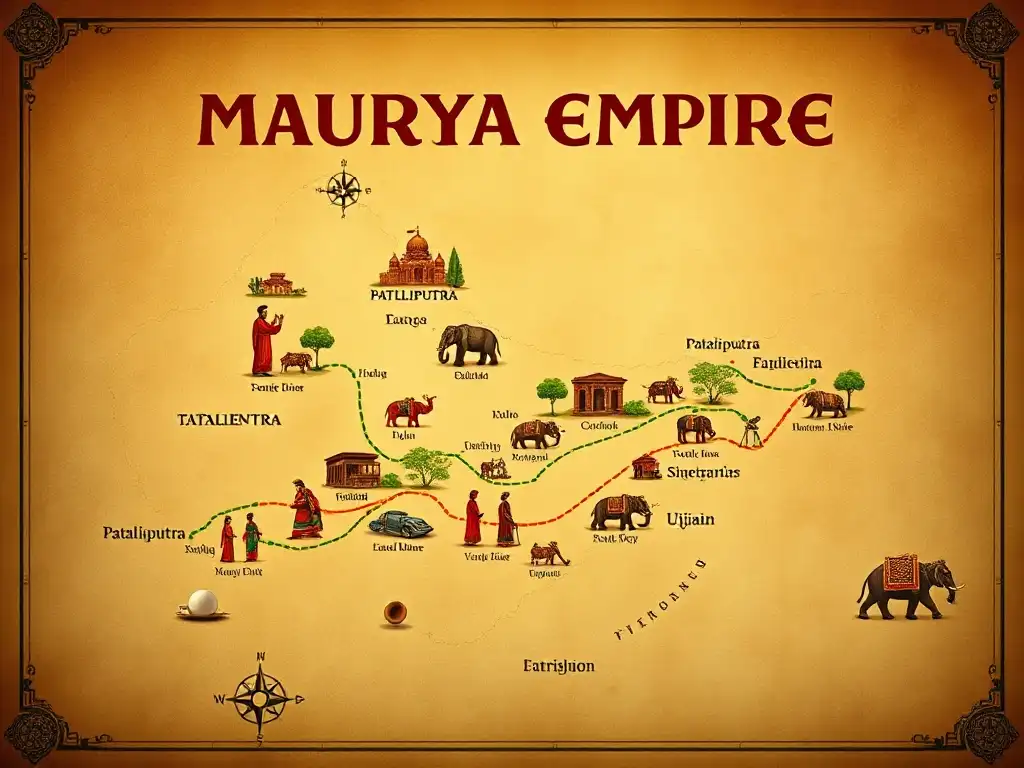
Introduction to Trade Routes in the Maurya Empire
The Maurya Empire, which thrived from 322 to 185 BCE, is renowned for its vast territorial expanse and sophisticated governance. Yet, one of the empire's most significant aspects was its intricate network of trade routes that facilitated economic prosperity and cultural exchange. Trade routes in the Maurya Empire not only connected various regions within India but also linked the empire to distant lands, fostering a dynamic marketplace filled with diverse goods, ideas, and cultures. This article delves into the critical role of these trade routes, highlighting key traders and figures who influenced the economic landscape of the Maurya Empire.
Overview of the Maurya Empire's Economic Landscape
The Maurya Empire was characterized by a highly organized economy, driven by agriculture, craftsmanship, and trade. Its economic foundation rested on:
- Agricultural Production: The fertile plains along the Ganges River supported extensive farming, providing surplus crops that fueled trade.
- Urban Centers: Key cities such as Pataliputra (the capital), Taxila, and Ujjain emerged as bustling trade hubs, each contributing to the economy through various industries and crafts.
- Commodity Diversity: The empire was rich in resources, producing goods like textiles, spices, metals, and gemstones, which were highly sought after in both domestic and international markets.
Significance of Trade in Ancient Indian Civilization
Trade in ancient India was not merely a means of economic exchange; it played a pivotal role in cultural development and societal interactions. The significance of trade during the Maurya Empire can be summarized as follows:
- Cultural Exchange: Trade routes facilitated the flow of ideas, religions, and art between diverse cultures, enriching Indian civilization with various influences, including Buddhism and Hellenistic culture.
- Economic Integration: The establishment of trade routes integrated local economies into a broader market, enhancing wealth and stability across the empire.
- Political Alliances: Trade often led to diplomatic relations and alliances with neighboring regions, bolstering the empire's influence and security.
Major Trade Routes in the Maurya Empire
The trade routes of the Maurya Empire can be classified into two main categories: overland and maritime routes, each playing a crucial role in the economic framework of the empire.
Overland Trade Routes: Pathways of Prosperity
Overland trade routes were vital for connecting the Maurya Empire with regions in Central Asia and beyond. Key features include:
- Silk Road Connections: The Maurya Empire was strategically positioned to benefit from the Silk Road, facilitating trade with the Persian Empire, Central Asia, and even as far as Rome.
- Caravan Trade: Merchants traveled in caravans, transporting valuable goods such as silk, spices, and precious stones across vast distances, fostering economic prosperity.
Maritime Trade Routes: Connecting India to Global Markets
In addition to overland routes, maritime trade played a crucial role in the Maurya Empire, linking India to global markets:
- Indian Ocean Trade Network: The empire's proximity to the Indian Ocean allowed for the exchange of goods with Southeast Asia and the Arabian Peninsula.
- Ports and Trading Centers: Coastal cities like Bharukaccha (modern-day Bharuch) served as significant ports, facilitating the export of Indian goods and the import of foreign commodities.
Key Locations and Cities Along Trade Routes
Several key locations and cities were instrumental in the trade network of the Maurya Empire, serving as vital nodes for exchange:
- Pataliputra: The capital city, a central hub for trade and administration.
- Taxila: A major center for commerce and learning, attracting traders and scholars from various regions.
- Ujjain: Known for its trade in textiles and spices, Ujjain was also an important cultural center.
The trade routes in the Maurya Empire were essential in shaping the economic, cultural, and political landscape of ancient India. Understanding the significance of these routes and the key figures involved provides valuable insights into the complexities of Mauryan society and its lasting impact on the region.
Key Traders of the Maurya Empire
The Maurya Empire, which flourished from 322 to 185 BCE, was pivotal in the development of trade routes that connected various regions of ancient India and beyond. These trade routes facilitated not only the exchange of goods but also the interchange of ideas and cultures. Traders played a crucial role in this vibrant economy, and their activities can be understood through the lens of prominent traders, guilds, and notable exchanges that characterized this period.
Prominent Traders and Their Contributions
Among the key traders of the Maurya Empire, the Sarthavas (caravan merchants) stood out for their extensive networks that spanned across the Indian subcontinent and into Central Asia. They were instrumental in transporting goods such as spices, textiles, and precious stones. Their ability to navigate the vast and often perilous routes allowed them to establish lucrative trade links that contributed significantly to the empire's wealth.
Another important class of traders was the Pattana, who were known for their involvement in maritime trade, particularly along the coasts of Western India. They facilitated the movement of goods between India and distant lands like Egypt and the Roman Empire. The contributions of these traders not only enriched the Maurya Empire but also enhanced India's status in global trade.
The Role of Guilds in Trade Activities
Guilds, known as Shrenis, were essential to the trade activities in the Maurya Empire. These organizations provided a structured framework for traders, ensuring the regulation of trade practices and protecting the interests of their members. Each guild specialized in specific commodities, such as textiles or metalwork, which enabled them to maintain high standards of quality and craftsmanship.
Moreover, guilds often played a role in training new traders and apprentices, which ensured the continuity of traditional practices. They also facilitated collective bargaining, helping traders negotiate better terms with suppliers and customers. This collaborative approach not only fostered a sense of community among traders but also contributed to the overall stability and growth of trade in the empire.
Notable Trade Exchanges and Their Impact
Notable trade exchanges during the Maurya Empire included the famous silk routes that connected India with regions such as China and the Mediterranean. The exchange of silk, spices, and other luxury goods contributed to the economic prosperity of the empire. This interconnectedness also led to cultural exchanges, with ideas, religions, and technologies flowing between different civilizations.
Additionally, the port city of Tamralipti became a significant hub for maritime trade. Its strategic location allowed for the easy export of goods like silks and spices to foreign markets. The prosperity generated from such trade exchanges had a lasting impact on the Maurya Empire, solidifying its position as a dominant player in ancient world trade.
Influential Figures in Mauryan Trade
The trade networks of the Maurya Empire were significantly shaped by influential figures who understood the importance of trade in fostering economic growth and cultural interaction. Among them, Chandragupta Maurya and his grandson Ashoka the Great stand out for their contributions to the expansion and promotion of trade routes.
Chandragupta Maurya: The Architect of Trade Networks
Chandragupta Maurya, the founder of the Maurya Empire, recognized the critical role of trade in establishing a prosperous state. He implemented policies that encouraged trade by improving infrastructure, such as roads and way stations, which facilitated the movement of goods. His establishment of centralized governance ensured the security of trade routes, allowing merchants to conduct business with confidence. Chandragupta's vision for a strong, interconnected empire laid the groundwork for the flourishing trade networks that would define the Maurya period.
Ashoka the Great: Promoting Trade and Cultural Exchange
Ashoka the Great, Chandragupta's grandson, further advanced the trade networks established by his predecessor. He understood that trade was not only about economic prosperity but also about cultural exchange. Under his reign, the Maurya Empire witnessed the promotion of Buddhism, which spread along trade routes, facilitating cultural interactions with regions like Central Asia and beyond.
Ashoka's efforts to improve infrastructure, including roads and rest houses for traders, made it easier for merchants to travel and conduct business. His edicts, which emphasized ethical trade practices, created a sense of trust and integrity in commerce, contributing to a thriving economy.
Other Notable Figures in Mauryan Trade History
Apart from Chandragupta and Ashoka, several other figures played significant roles in Mauryan trade. Merchants like Rudrabhata, known for their extensive trading operations, and Siddhartha, who developed unique trade routes, contributed to the economic landscape of the empire. The collaborative efforts of these traders, supported by the policies of influential leaders, helped establish the Maurya Empire as a significant center of trade in ancient history.
The intricate web of trade routes in the Maurya Empire was shaped by key traders, influential figures, and robust guilds, making trade a cornerstone of its economic and cultural identity.
Economic Impact of Trade Routes on the Maurya Empire
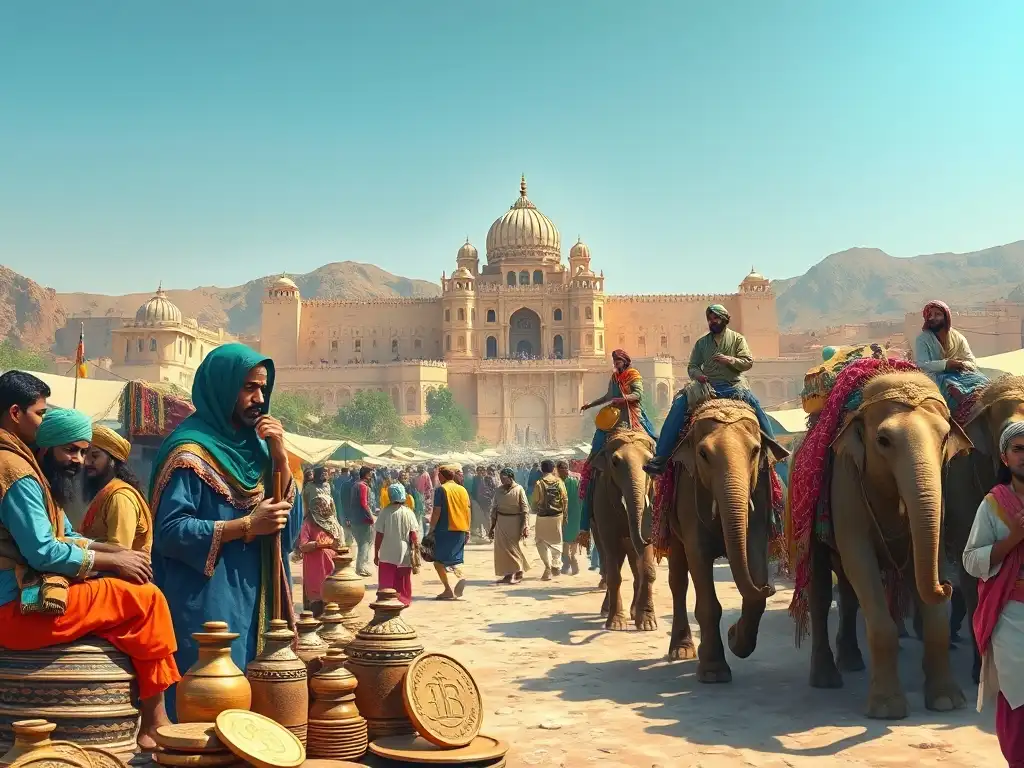
The trade routes in the Maurya Empire played a pivotal role in shaping its economy. These routes facilitated the exchange of goods not only within the empire but also with distant regions, including Southeast Asia, the Middle East, and even parts of Europe. The extensive network of trade routes contributed significantly to the wealth of the Mauryan Empire, allowing the state to collect taxes on trade activities, which in turn funded public works, military expenditures, and administrative functions.
The Mauryan economy thrived on a variety of traded goods, including textiles, spices, precious stones, and metals. The Silk Road, which connected India to Central Asia and beyond, was particularly vital in this regard. The flow of goods helped establish the Maurya Empire as a major player in international commerce, enhancing its political and economic influence across the region. The prosperity derived from trade routes also encouraged urbanization, with cities like Pataliputra emerging as bustling centers of commerce.
Moreover, the wealth generated by trade allowed the Mauryan rulers, especially Emperor Ashoka, to invest in infrastructure, such as roads and ports, further enhancing trade efficiency. This economic foundation laid the groundwork for cultural and technological exchanges that would have lasting impacts on Indian society.
Trade and Urban Development in the Maurya Era
Trade routes catalyzed urban development during the Maurya Empire by attracting merchants, artisans, and laborers to urban centers. Cities like Pataliputra, Ujjain, and Taxila became thriving hubs of commerce, characterized by vibrant marketplaces and diverse populations. The influx of wealth from trade led to the construction of infrastructure, including roads, warehouses, and public buildings, which supported both commerce and daily life.
These urban centers served as melting pots of culture and innovation, where different communities and ideas converged. Skilled artisans produced high-quality goods that were traded extensively, further enhancing the economic status of these cities. The growth of urban areas also stimulated demand for agricultural products, which encouraged advancements in farming techniques and resource management.
Additionally, the establishment of guilds and trade organizations during this period provided a structured approach to commerce, enhancing the reliability and efficiency of trade transactions. This integration of trade and urban development ultimately contributed to the overall stability and prosperity of the Maurya Empire.
Influence on Agriculture and Resource Distribution
The trade routes of the Maurya Empire significantly influenced agriculture and resource distribution. As trade expanded, so did the demand for agricultural products, prompting farmers to increase production. The empire’s ability to transport goods efficiently allowed surplus crops to reach urban centers, where they could be sold or processed into more valuable products.
The trade networks also facilitated the exchange of agricultural techniques and innovations. For example, the introduction of irrigation methods and crop rotation from other regions improved agricultural yields. Additionally, the distribution of resources such as iron, timber, and textiles became more organized, helping to ensure that different regions received the materials they needed for construction and manufacturing.
Furthermore, increased agricultural productivity supported a growing population, which in turn fueled the demand for more goods and services. This cycle of trade, agriculture, and resource distribution created a robust and interconnected economy within the Maurya Empire, ultimately enhancing its resilience and sustainability.
The Role of Trade in Cultural Exchange and Integration
Trade routes in the Maurya Empire were not solely conduits for goods; they were also vital channels for cultural exchange and integration. As merchants and traders traveled along these routes, they brought with them diverse cultural practices, beliefs, and technologies. This interaction among different cultures enriched the Mauryan society, leading to the adoption of new ideas and customs.
The spread of Buddhism is a notable example of this cultural exchange. As traders traveled along the Silk Road and other routes, they facilitated the dissemination of Buddhist teachings across Asia. Emperor Ashoka’s support of Buddhism and his efforts to promote it along trade routes significantly influenced its spread, leading to the establishment of monasteries and the adoption of Buddhist principles in various regions.
Additionally, the exchange of art, literature, and scientific knowledge occurred through these trade networks. The fusion of styles and ideas led to the development of unique artistic expressions and advancements in fields like mathematics and astronomy. This cultural integration fostered a sense of unity within the empire, contributing to its stability and cohesion.
Challenges Faced by Traders in the Maurya Empire
Despite the prosperity facilitated by trade routes, traders in the Maurya Empire faced several challenges that impacted their operations and the overall economy.
Geographical and Political Obstacles
The geographical landscape of ancient India posed significant challenges for traders. The diverse terrain, including mountains, forests, and river systems, often made travel difficult. Monsoon seasons could cause flooding or disrupt transportation, while rugged paths could lead to delays and increased costs for traders.
Political obstacles also played a role in hindering trade. The Maurya Empire, while largely unified, had regions that were governed by local rulers or were subject to conflict. These political divisions could result in inconsistent taxation policies or tariffs, which affected the profitability of trade. Furthermore, the threat of banditry and local skirmishes in border areas often deterred traders from venturing into certain regions, limiting access to markets.
Impact of Warfare on Trade Routes
Warfare had a profound impact on trade routes during the Maurya Empire. Conflicts, both internal and external, could disrupt established routes, leading to economic instability. For example, military campaigns against rival kingdoms or incursions by nomadic tribes could temporarily close off key trade paths, causing shortages of goods in urban centers and a rise in prices.
Moreover, the need to finance military endeavors often diverted resources away from trade-related infrastructure. Roads may have fallen into disrepair during prolonged periods of conflict, further complicating logistics. The instability caused by warfare not only affected the immediate economic landscape but also had long-lasting effects on trade relationships and regional partnerships.
Responses to Trade Challenges by Mauryan Leaders
In response to the challenges faced by traders, Mauryan leaders implemented various strategies to maintain and enhance trade routes. One significant measure was the establishment of a network of roads and way stations to support traders. These roads facilitated easier movement of goods and provided resting places for merchants, enhancing their safety and efficiency.
Additionally, the Mauryan administration took steps to standardize weights and measures, which simplified trade transactions and fostered trust among traders. The introduction of a uniform currency further facilitated commerce, allowing for smoother exchanges and reducing the complications associated with barter systems.
Furthermore, Mauryan rulers often sought to maintain peace and stability in trade regions through diplomacy and strategic alliances. By fostering good relations with neighboring states, they could ensure the safety of trade routes and encourage cross-border commerce. These proactive measures not only protected trade but also contributed to the overall economic prosperity of the Maurya Empire.
Conclusion: Legacy of Trade Routes in Ancient India
The legacy of trade routes in the Maurya Empire is profound and has left an indelible mark on the historical trajectory of ancient India. These routes facilitated not only the exchange of goods but also the transmission of ideas, cultures, and technologies. The Maurya Empire, under the leadership of figures like Chandragupta Maurya and his grandson Ashoka, effectively utilized these trade networks to enhance economic prosperity and political stability.
The strategic positioning of trade routes linked India with the broader world, connecting with regions as distant as the Mediterranean, Central Asia, and Southeast Asia. This integration fostered a vibrant economic landscape that contributed significantly to the empire's wealth and influence.
Furthermore, the trade routes established during this period laid the groundwork for subsequent Indian empires, ensuring the continuation of commerce and cultural exchange. The impact of these routes is evident in the flourishing of cities along trade paths, which became centers of commerce, culture, and learning.
Lasting Influence on Subsequent Indian Empires
The trade routes developed during the Maurya Empire served as a blueprint for future Indian empires, such as the Gupta Empire. The Gupta period saw an expansion of trade networks, which were heavily influenced by the precedents set by the Mauryas. The integration of trade into the administration and economy became a vital aspect of governance. The emphasis on trade not only stimulated economic growth but also encouraged the spread of ideas, arts, and religions across regions.
For instance, the Silk Road, which connected India to the West, became a conduit for Indian exports like spices, textiles, and gems, while also facilitating the import of foreign goods and cultural practices. This interconnectivity fortified political alliances and contributed to the cultural richness of subsequent empires, demonstrating the enduring legacy of the Mauryan trade routes.
The Role of Trade in Shaping Indian Culture and Society
Trade routes in the Maurya Empire were instrumental in shaping the social and cultural fabric of ancient Indian society. The interactions between traders from diverse backgrounds fostered a melting pot of cultures, resulting in the exchange of artistic styles, religious beliefs, and culinary traditions.
The movement of goods along these routes also influenced local economies, leading to the growth of urban centers and the establishment of a merchant class that became pivotal in the socio-economic hierarchy. These merchants not only facilitated trade but also became patrons of art and culture, contributing to the architectural and artistic achievements of the time, such as the construction of stupas and rock-cut caves.
Moreover, the spread of religions like Buddhism and Jainism along trade routes played a crucial role in shaping the spiritual landscape of India. The Maurya Empire's support for these religions, particularly under Ashoka, helped disseminate their teachings across vast distances, further intertwining trade with cultural and spiritual exchange.
References and Further Reading
Suggested Resources for Exploring Mauryan Trade History
- "The Maurya Empire: A Historical Overview": by R. S. Sharma - This book provides a comprehensive analysis of the Mauryan Empire, including its trade networks and economic policies.
- "Trade and Traders in Ancient India" by R. N. Mehta - This resource delves into the intricacies of trade in ancient India, highlighting the Mauryan period's significance.
- Online Lectures and Documentaries - Many educational platforms offer lectures and documentaries focusing on the Maurya Empire's trade routes, providing visual and contextual insights into this topic.
Key Academic Works on Ancient Indian Trade Networks
- "Routes of Trade: The Ancient Indian Economy": by M. Atharva - A scholarly examination of trade dynamics in ancient India, with specific focus on the Maurya Empire's impact on trade networks.
- "Cultural Exchanges along the Silk Road" by P. K. Choudhury - This work explores the broader implications of trade routes, including their influence on cultural exchanges and interactions across civilizations.
- Journal of Historical Geography - Articles published in this journal often cover topics related to trade networks and their geographical significance in ancient civilizations, including the Maurya Empire.
These resources provide a deeper understanding of the trade routes in the Maurya Empire and their lasting impact on Indian history and culture, offering valuable insights for both scholars and enthusiasts of ancient Indian civilization.
- Introduction to Trade Routes in the Maurya Empire
- Major Trade Routes in the Maurya Empire
- Key Traders of the Maurya Empire
- Influential Figures in Mauryan Trade
- Economic Impact of Trade Routes on the Maurya Empire
- Challenges Faced by Traders in the Maurya Empire
- Conclusion: Legacy of Trade Routes in Ancient India
- References and Further Reading
Frequently Asked Questions
What were the main trade routes in the Maurya Empire?
The Maurya Empire had several significant trade routes, including the Grand Trunk Road which facilitated trade between the east and the west, connecting major cities and markets.
Who were the key traders in the Maurya Empire?
Key traders included merchants from various regions, such as the Silk Road traders who exchanged silk, spices, and precious stones, contributing to the empire's economic prosperity.
How did trade impact the Maurya Empire's economy?
Trade played a crucial role in the Maurya Empire's economy by enhancing wealth, promoting cultural exchange, and fostering urban development through the establishment of bustling trade centers.
What were the contributions of the Maurya Empire to trade?
The Maurya Empire contributed to trade by standardizing weights and measures, improving infrastructure, and establishing a network of roads that facilitated the movement of goods and traders.
How did the trade routes influence cultural exchange during the Maurya Empire?
The trade routes allowed for the exchange of not only goods but also ideas, religions, and cultural practices, significantly enriching the cultural landscape of the Maurya Empire.
Final Reflection: The Enduring Legacy of Trade Routes in the Maurya Empire
The intricate web of trade routes in the Maurya Empire not only facilitated economic prosperity but also fostered cultural exchange and unity among diverse communities. Today, as we navigate a globalized world, the lessons from the Maurya Empire's trade networks resonate profoundly, reminding us that interconnectedness is vital for growth and understanding. The significance of these routes transcends mere commerce; they symbolize the power of collaboration and the sharing of ideas across borders.
Clearly, the legacy of the Maurya Empire's trade routes continues to shape our cultural and social landscapes. The exchange of goods, ideas, and traditions during this period laid the groundwork for future civilizations and established a model for trade that many societies still aspire to emulate. As historian Romila Thapar aptly noted, Trade is not just about goods; it is about the relationships that are built and the cultures that are exchanged.
This observation underscores the importance of recognizing how historical trade routes have influenced modern interactions and cultural identities, fostering a sense of global community.
As we reflect on the importance of trade routes in the Maurya Empire, I invite you to consider how these lessons can be applied in your own life. Think about the connections you forge in your community and beyond—how can you cultivate relationships that promote understanding and collaboration? Embrace the spirit of the Maurya traders by seeking opportunities to engage with diverse perspectives and cultures, for it is through these interactions that we can build a more harmonious and prosperous future together.
Unveil New Horizons in Ancient Trade!
Thank you for exploring the fascinating world of the Maurya Empire's trade routes with us! You've uncovered the crucial role that traders and merchants played in shaping ancient commerce. Now it’s time to take your newfound knowledge and integrate it into your daily life!
Here are a few empowering actions you can take:
- Dive Deeper: Read more about significant trade routes in ancient civilizations and discover how they have influenced the world we live in today!
- Share the Knowledge: Discuss this article with friends or on social media. Start a conversation about the impact of trade networks, and feel free to tag us!
- Explore Further: Visit local historical sites or museums that showcase trade artifacts, considering how these ancient connections resonate with modern trading practices.
What do you think is the most surprising impact of trade routes on ancient civilizations? Join the discussion below—we'd love to hear your thoughts!