
Notable Rulers of the Gupta Empire: Chandragupta and Samudragupta

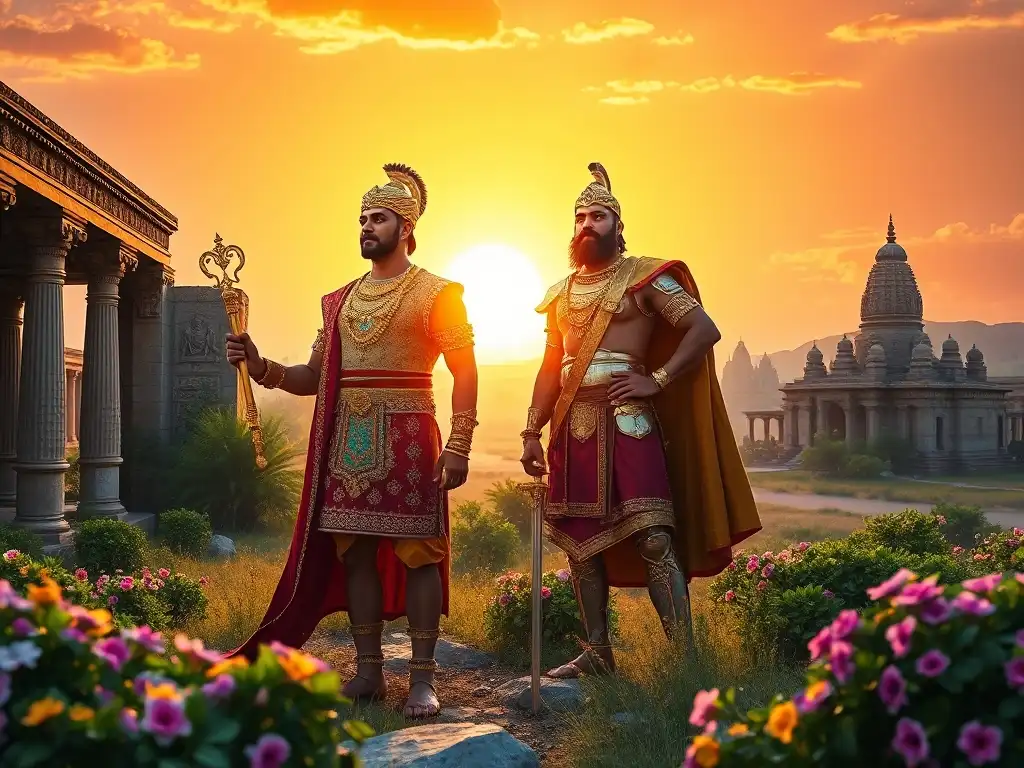
Welcome to Ancient India History, where we embark on a captivating journey through the rich tapestry of ancient Indian civilizations. Today, we delve into the Gupta Empire, a remarkable era that flourished with innovation and culture. As we explore the notable rulers like Chandragupta and Samudragupta, you'll uncover the profound impacts they had on art, science, and governance that continue to resonate in our world today. Are you ready to discover the legacies of these extraordinary leaders? Let’s dive deeper into their stories and the unparalleled achievements of the Gupta Empire!
The Gupta Empire, often heralded as the "Golden Age" of ancient India, was marked by remarkable advancements in art, science, literature, and governance. This era, which flourished from approximately 320 to 550 CE, saw the emergence of influential rulers whose policies and vision laid the groundwork for a flourishing civilization. Among these rulers, Chandragupta I and his son Samudragupta stand out as pivotal figures whose contributions not only defined the Gupta Empire but also left a lasting legacy on Indian history.
This article delves into the lives and accomplishments of these two notable rulers, exploring how Chandragupta I established the Gupta dynasty and how Samudragupta expanded its influence, thereby solidifying its dominance in the Indian subcontinent. Through a detailed examination of their reigns, we will uncover the intricacies of their governance, military conquests, and cultural patronage, highlighting the significance of their leadership in shaping the Gupta Empire's reputation as a beacon of prosperity and intellectual growth. Join us as we journey through the annals of history to appreciate the profound impact of these notable rulers on ancient Indian civilization.
- Introduction to the Gupta Empire
- Chandragupta: The Founder of the Gupta Empire
- Samudragupta: The Warrior King
- Comparison of Chandragupta and Samudragupta
- Legacy of the Notable Rulers of the Gupta Empire
- Conclusion
- Frequently Asked Questions
- Final Reflection: The Enduring Legacy of Gupta Empire Notable Rulers
- Unveil the Legacy of the Gupta Empire!
Introduction to the Gupta Empire
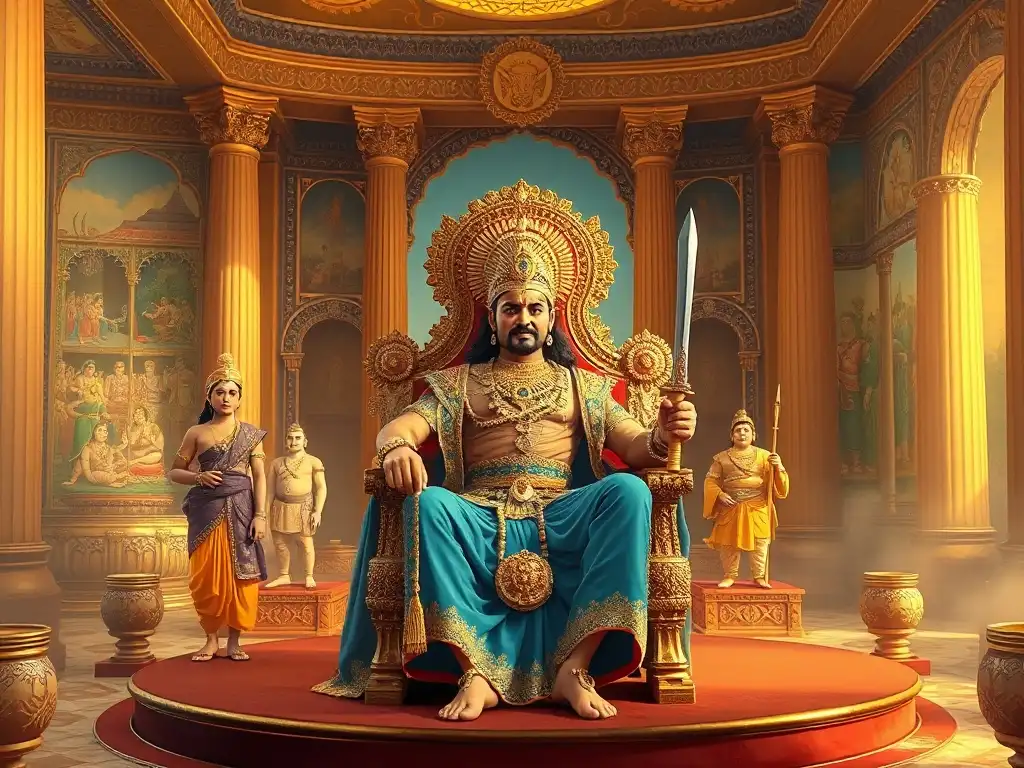
The Gupta Empire, which flourished from approximately 320 to 550 CE, is often regarded as a golden period in the history of ancient India. This era was characterized by significant advancements in art, science, mathematics, and philosophy, laying the foundation for many concepts that are still relevant today. The Gupta Empire not only unified large parts of the Indian subcontinent but also fostered an environment that encouraged intellectual growth and cultural richness.
Overview of the Gupta Empire's Significance
The Gupta Empire is significant for several reasons:
- Political Stability: Under notable rulers like Chandragupta I and Samudragupta, the Gupta Empire established a centralized government that provided political stability across vast territories. The efficient administration allowed for the flourishing of trade and commerce, connecting various regions.
- Cultural Flourishing: This period saw a remarkable cultural renaissance. The empire was a hub for scholars, poets, and artists. For instance, the works of Kalidasa, a prominent playwright and poet, emerged during this time, influencing literature in India profoundly.
- Scientific Advancements: The Gupta Empire is credited with significant contributions to mathematics and astronomy. Aryabhata, one of the greatest mathematicians and astronomers of this period, introduced concepts such as zero and the decimal system, which revolutionized mathematics.
- Religious Tolerance: The Gupta rulers practiced religious tolerance, allowing Hinduism, Buddhism, and Jainism to coexist and flourish. This pluralism contributed to a rich spiritual and philosophical discourse.
- Art and Architecture: The Gupta period is known for its exquisite sculpture and temple architecture, with notable examples such as the rock-cut caves at Ajanta and Ellora. These artistic endeavors reflected the sophisticated skills of artisans and the patronage of the rulers.
The Golden Age of Ancient India
The Gupta Empire is often referred to as the "Golden Age of Ancient India" due to the remarkable progress made in various fields:
- Mathematics: The introduction of the concept of zero by Aryabhata was a monumental achievement that transformed mathematics. Other significant contributions included advancements in algebra, geometry, and trigonometry.
- Astronomy: Gupta scholars made substantial advancements in astronomy, including the calculation of the Earth's circumference and the understanding of planetary motions. Aryabhata's astronomical treatise, the Aryabhatiya, laid the groundwork for future studies.
- Medicine: The Gupta period saw significant developments in medicine, with texts such as the Sushruta Samhita, attributed to Sushruta, which detailed surgical techniques and medicinal plants. This period marked the beginning of systematic medical practices in India.
- Literature: The era produced remarkable literary works, with poets and playwrights like Kalidasa, whose epic Shakuntala remains a cornerstone of Indian literature. The use of Sanskrit as a literary language flourished, enhancing the richness of Indian cultural expression.
- Philosophy: The Gupta Empire was a time of philosophical inquiry and debate. Schools of thought such as Vedanta and Buddhism were further developed, influencing spiritual and ethical paradigms in India.
The Gupta Empire's notable rulers, particularly Chandragupta and Samudragupta, not only forged a powerful state but also created an environment conducive to unprecedented cultural and intellectual advancements. This period remains a defining chapter in the narrative of ancient Indian history.
Chandragupta: The Founder of the Gupta Empire
Early Life and Rise to Power
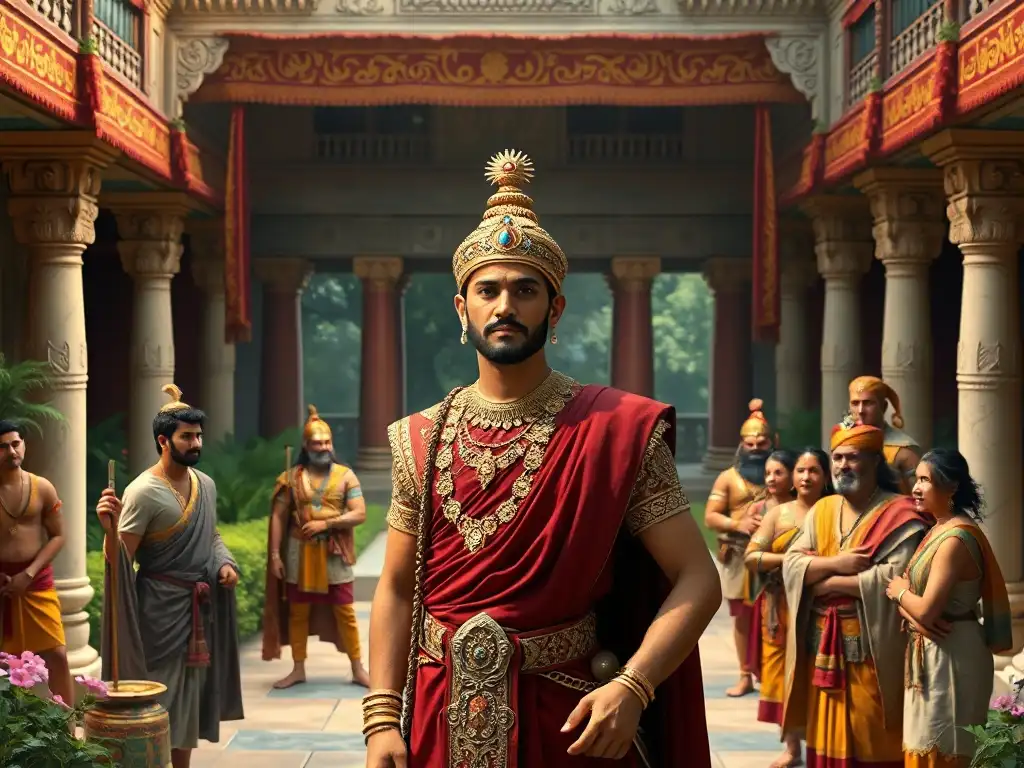
Chandragupta, often referred to as the founder of the Gupta Empire, was born around 350 CE in a humble family in present-day Bihar, India. His early life remains somewhat shrouded in mystery, but it is believed that he was a member of the Kshatriya (warrior) class. Chandragupta's rise to power began under the tutelage of a notable Brahmin advisor, Chanakya, who played a pivotal role in guiding him towards his destiny.
Chandragupta's ambition was kindled by the political instability in India after the decline of the Maurya Empire. He leveraged this chaos to gather a following and launch a campaign against the local kings, establishing himself as a formidable leader. By skillfully navigating alliances and conflicts, he laid the foundation for what would become one of the most significant empires in Indian history.
Key Achievements and Contributions
Chandragupta's reign marked the beginning of the Gupta Empire, which is often hailed as a golden age of Indian culture and civilization. His contributions span various domains, including military conquests, administrative innovations, and cultural patronage.
Military Strategies and Expansion
Chandragupta's military strategies were characterized by swift and decisive campaigns. He effectively utilized cavalry and infantry, employing guerrilla tactics to unsettle larger armies. One of his notable military achievements was the conquest of the Nanda dynasty, which had ruled over a significant portion of northern India.
To expand his empire, Chandragupta established alliances with various regional rulers, either through diplomacy or marriage. His most significant victory was against the Seleucid Empire, where he successfully negotiated a treaty that not only expanded his territory but also established diplomatic relations with the Hellenistic world. This expansion laid the groundwork for the Gupta Empire's influence and prosperity.
Administrative Reforms and Governance
Chandragupta implemented several administrative reforms that enhanced governance and efficiency within the Gupta Empire. He divided the empire into provinces, each overseen by a governor, which allowed for more localized administration. This division facilitated better resource management and law enforcement, leading to a relatively stable and prosperous society.
Moreover, he introduced a tax system that was fair and ensured the treasury's sustainability, which funded various state projects, including infrastructure and public works. Chandragupta's governance model emphasized the importance of dharma (moral duty), which not only solidified his rule but also ensured the welfare of his subjects.
Chandragupta's foundational role in establishing the Gupta Empire is marked by his military prowess and innovative governance. His legacy set the stage for the flourishing of culture and scholarship during the subsequent reign of his son, Samudragupta.
Cultural Contributions Under Chandragupta
Chandragupta, the illustrious founder of the Gupta Empire, stands as a pivotal figure in ancient Indian history, particularly due to his significant cultural contributions. His reign marked a transformative period that laid the foundation for what would be known as the Golden Age of India. Under his leadership, the Gupta Empire witnessed a flourishing of arts, literature, science, and technology, setting a precedent for future generations.
Patronage of Arts and Literature
Chandragupta was a formidable patron of the arts and literature, recognizing their importance in shaping the cultural identity of his empire. His rule saw the emergence of renowned poets and playwrights, significantly contributing to the rich tapestry of Indian literature. Notable figures, such as the famous playwright Kalidasa, are believed to have thrived during this period.
The Gupta period is marked by the creation of a diverse array of literary works, including poems, dramas, and prose. These texts often reflected the socio-political environment, mythology, and philosophical thought of the time. Moreover, the Gupta rulers encouraged the use of Sanskrit as the language of administration and culture, further solidifying its status and enriching the literary heritage of India.
In addition to literature, visual arts also flourished. The development of intricate sculptures and intricate temple architecture during Chandragupta's reign showcased the extraordinary craftsmanship of the era. Temples built during this time, such as the Dashavatara Temple at Deogarh, illustrate the artistic innovations that characterized the Gupta period, with their stunning carvings and elaborate designs.
Advances in Science and Technology
The Gupta Empire under Chandragupta is also celebrated for its remarkable advances in science and technology. Scholars and astronomers were encouraged to explore various fields, leading to innovations that would have a lasting impact on Indian and global knowledge systems.
One of the most significant contributions during this era was in the field of mathematics. The concept of zero, which revolutionized numerical systems, is attributed to this period. Mathematicians like Aryabhata, who flourished later in the Gupta era, built upon the foundations laid during Chandragupta's reign, introducing concepts of algebra and trigonometry that were ahead of their time.
In addition to mathematics, significant strides were made in astronomy. The Gupta scholars made observations about planetary motion and solar eclipses, contributing to a deeper understanding of celestial phenomena. Their work laid the groundwork for future astronomical studies and emphasized the Gupta Empire’s commitment to intellectual pursuits.
Medicine also saw advancements during Chandragupta's rule, with texts like the Sushruta Samhita detailing surgical techniques and medical practices that were innovative for their time. This emphasis on health and medicine reflected the Gupta’s holistic approach to governance, where cultural and scientific progress were seen as interconnected.
Chandragupta's reign was marked by a profound appreciation for cultural and intellectual endeavors, establishing a legacy that would influence generations to come. The Gupta Empire's notable rulers, through their patronage of the arts and advances in science, not only enriched their immediate society but also contributed significantly to the broader narrative of human civilization.
Samudragupta: The Warrior King
Early Life and Succession to the Throne
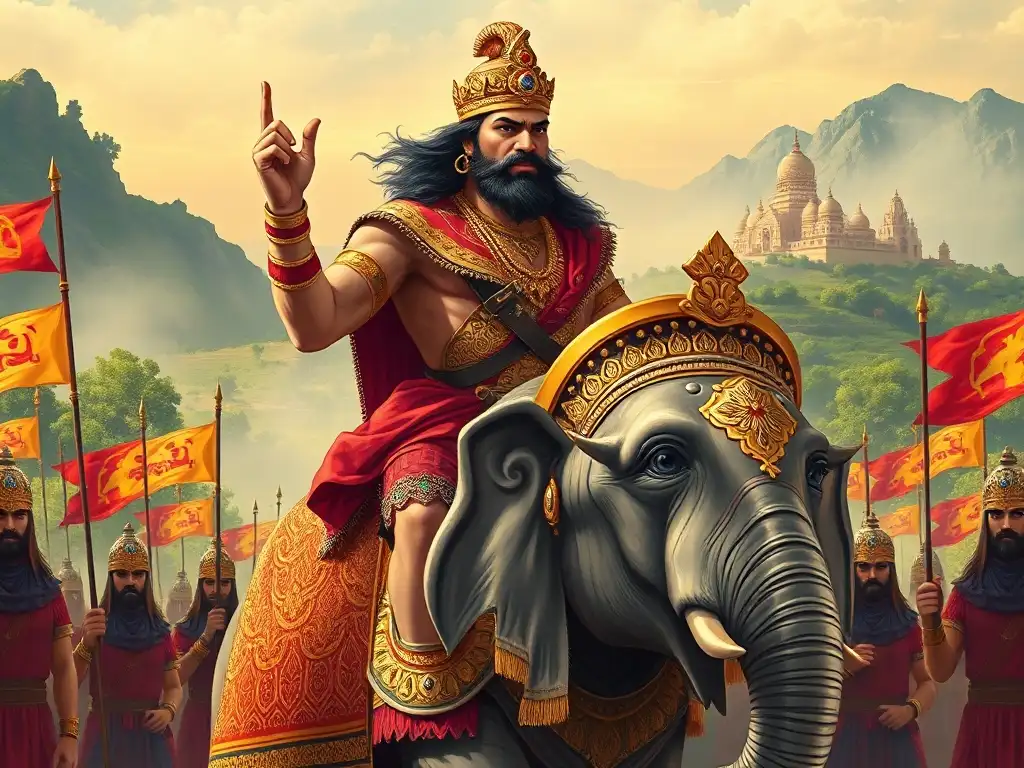
Samudragupta, born to Chandragupta I and his queen, was a remarkable figure in the Gupta Empire, often celebrated as one of its most distinguished rulers. His early life is shrouded in some mystery, but it is believed that he was groomed for leadership from a young age. His education likely included training in warfare, governance, and the arts, laying the foundation for his future achievements.
Upon the death of his father, Chandragupta I, around 319 CE, Samudragupta ascended to the throne. His succession was not merely a matter of inheritance; it was marked by a strategic consolidation of power. His immediate challenge was to secure the empire against potential rivals and ensure stability. As a young king, he demonstrated exceptional political acumen, swiftly eliminating threats from within and solidifying his rule. His ability to command loyalty from his generals and noblemen was pivotal, allowing him to embark on ambitious military campaigns that would expand the empire’s borders significantly.
Military Campaigns and Conquests
The hallmark of Samudragupta's reign was his military prowess, which earned him the epithet "The Warrior King." His campaigns were characterized by both strategic brilliance and sheer audacity. Samudragupta's military endeavors were not just about conquest; they were also a means of unifying the diverse regions under the Gupta Empire.
Expansion of the Gupta Empire
Samudragupta's military campaigns facilitated a remarkable expansion of the Gupta Empire, stretching from the Himalayas in the north to the Deccan Plateau in the south. His notable expedition against various kingdoms, including the powerful Shakas and the rulers of the southern territories, exemplified his ambition to establish Gupta supremacy.
- North India Campaigns: Samudragupta launched successful military campaigns against the kingdoms of the north, notably the Ahichhatra and the Malwa. His victory over these kingdoms not only expanded the empire but also established Gupta dominance in northern India.
- Southern Expeditions: His campaigns extended into the south, where he faced formidable foes such as the rulers of the Deccan. The conquest of these regions was significant, as it integrated diverse cultures and increased trade opportunities within the empire.
- Diplomatic Maneuvers: Samudragupta also employed diplomacy alongside military action. He would often install puppet rulers or forge alliances with certain states, ensuring loyalty to the Gupta Empire while minimizing direct conflict.
Notable Battles and Strategies
Samudragupta's reign is marked by several notable battles that showcase his military strategies and leadership skills. Each battle contributed to his legacy as one of the Gupta Empire's notable rulers.
- The Battle of the Shakas: This pivotal confrontation against the Shaka rulers showcased Samudragupta's tactical brilliance. Utilizing a combination of cavalry maneuvers and surprise attacks, he decisively defeated the Shakas, cementing Gupta control over northwestern India.
- The Campaigns in the Deccan: Samudragupta's southern campaigns involved several key battles where he demonstrated adaptability and resourcefulness. His ability to navigate difficult terrains and engage a variety of enemy forces was crucial in these confrontations.
- Siege Warfare: Samudragupta employed siege tactics effectively, showcasing his understanding of military logistics and fortifications. His successful sieges of fortified cities illustrated not only his military strength but also the strategic planning that defined his campaigns.
Through these military endeavors, Samudragupta not only expanded the Gupta Empire but also laid the foundations for what is often referred to as the Golden Age of India, characterized by advancements in arts, sciences, and culture. His legacy as a warrior king endures, marking him as one of the most notable rulers of the Gupta Empire.
Cultural and Economic Contributions
Samudragupta, often referred to as the "Warrior King," made significant contributions to the cultural and economic landscape of the Gupta Empire. His reign marked a period of extraordinary growth in the arts and culture, alongside a flourishing economy that laid the groundwork for the Golden Age of India. These contributions not only enhanced the empire's prestige but also facilitated a thriving society that was interconnected through trade and cultural exchanges.
Promotion of Arts and Culture
Under Samudragupta's rule, the Gupta Empire experienced a renaissance in arts and culture. He was a patron of various forms of artistic expression, including poetry, music, and sculpture. The king himself was a skilled musician and poet, which encouraged the flourishing of these art forms among his subjects.
- Literature: The period saw the creation of numerous literary works, with notable poets like Kalidasa emerging during this time. Kalidasa's plays and poetry exemplified the sophisticated literary culture that Samudragupta nurtured.
- Sculpture and Architecture: The art of sculpture reached new heights, with intricate carvings and statues depicting gods, goddesses, and various mythological themes. The famous temples, adorned with exquisite sculptures, reflect the remarkable craftsmanship of this era.
- Coins and Inscriptions: Samudragupta's coinage is also a testament to his cultural influence. The coins, often inscribed with poetic verses, not only served as currency but also as a medium to convey messages about his achievements and divine mandate.
The promotion of arts and culture during Samudragupta's reign fostered a sense of identity and pride among the people, contributing to the empire's cohesion and stability.
Economic Prosperity and Trade
The economic prosperity of the Gupta Empire under Samudragupta was instrumental in establishing it as a significant power in ancient India. His militaristic conquests not only expanded the empire's territory but also opened new avenues for trade and commerce.
- Trade Networks: Samudragupta established and reinforced extensive trade networks, connecting the Gupta Empire to distant regions. These trade routes facilitated the exchange of goods such as textiles, spices, and precious metals, enhancing the empire's wealth.
- Agricultural Advancement: Agricultural practices improved significantly during his reign, with advancements in irrigation techniques and crop cultivation. This led to increased agricultural productivity, ensuring food security and surplus that could support trade.
- Economic Policies: Samudragupta implemented policies that encouraged trade and commerce. He promoted the use of standardized currency, which simplified transactions and fostered a more organized economic structure.
The economic prosperity achieved during Samudragupta's reign not only enriched the Gupta Empire but also laid a firm foundation for the cultural advancements of the Golden Age. His contributions to both the economy and culture remain a defining feature of this illustrious period in ancient Indian history.
Comparison of Chandragupta and Samudragupta
Leadership Styles and Governance Approaches
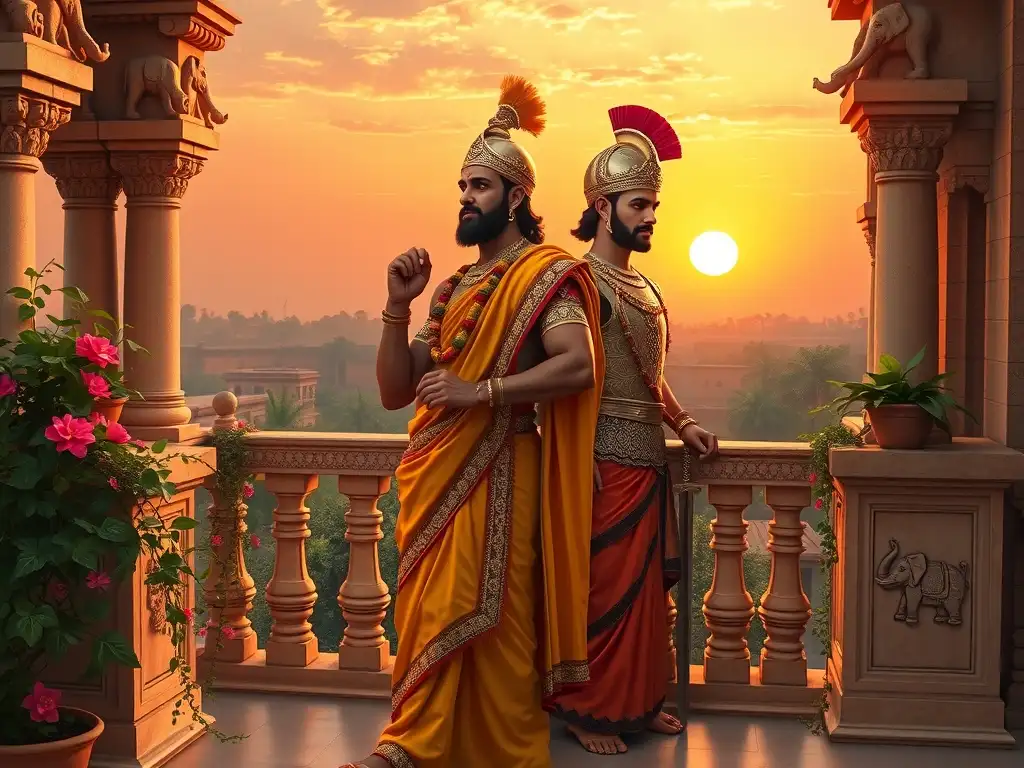
Chandragupta I and his son Samudragupta exhibited distinct leadership styles that significantly influenced the governance of the Gupta Empire.
- Chandragupta I: His reign marked the foundation of the Gupta Empire around 320 CE. Chandragupta was known for his strategic acumen and diplomatic skill. He established a centralized government and strengthened ties with local rulers through marriages and alliances. His administration emphasized the importance of a strong military and an efficient bureaucracy, laying the groundwork for future expansion. Chandragupta’s governance was characterized by:
- Centralization: He centralized power in the hands of the monarchy, ensuring that local governors adhered to the central authority.
- Diplomatic Relations: Strategic marriages, such as his alliance with the Licchavis, expanded his influence and secured political stability.
- Samudragupta: Ascending the throne around 335 CE, Samudragupta is often regarded as one of the most illustrious rulers of the Gupta Empire. His leadership style was more militaristic and aggressive compared to his father. He is celebrated for his conquests, which extended the empire significantly. Key aspects of his governance included:
- Military Campaigns: Samudragupta conducted extensive military campaigns, often described in the Allahabad Pillar Inscription, which showcases his prowess in battle and ability to integrate conquered territories.
- Cultural Patronage: Unlike his father, who focused on administrative stability, Samudragupta promoted arts and culture, fostering an environment of intellectual growth.
Impact on the Gupta Empire's Expansion and Stability
Both Chandragupta and Samudragupta played crucial roles in the expansion and stabilization of the Gupta Empire, albeit through different methods.
- Chandragupta I: His initial consolidation of power was vital for establishing the Gupta Empire's territorial integrity. By forging alliances and reducing the influence of rival kingdoms, he created a stable foundation. His reign is characterized by:
- Territorial Expansion: He expanded the empire's boundaries through strategic diplomacy, focusing on securing the northern territories.
- Internal Stability: By promoting trade and agriculture, he ensured economic stability, which was essential for sustaining the empire's early growth.
- Samudragupta: His reign is often seen as the epitome of Gupta expansion. Through his relentless military campaigns, he annexed several kingdoms across northern India:
- Military Conquests: Samudragupta's campaigns not only expanded the empire but also incorporated diverse cultures, promoting a sense of unity and stability.
- Administrative Integration: He implemented policies that allowed for the peaceful integration of conquered regions, ensuring loyalty and diminishing resistance.
Contributions to the Golden Age of India
The reigns of Chandragupta and Samudragupta were pivotal in ushering in the Golden Age of India, marked by remarkable advancements in various fields.
- Chandragupta I: His contributions laid the groundwork for a flourishing cultural and intellectual environment. Key contributions include:
- Promotion of Arts and Culture: Chandragupta encouraged the arts, leading to the emergence of classical Indian art forms.
- Foundation of Science and Mathematics: His reign saw the initial advances in mathematical concepts and astronomical studies, setting the stage for future scholars.
- Samudragupta: Often referred to as the "Napoleon of India," his reign was marked by significant contributions to the Golden Age:
- Cultural Patronage: He was a patron of poets and scholars, including Kalidasa, who flourished under his rule. This patronage resulted in a rich literary tradition.
- Advancements in Education: Samudragupta’s reign saw the establishment of numerous educational institutions, promoting learning in philosophy, science, and arts.
Both rulers played integral roles in shaping the Gupta Empire, ensuring it became a beacon of culture, governance, and prosperity in ancient India. Their distinct yet complementary approaches to leadership and governance laid the foundation for what is often considered one of the most significant periods in Indian history.
Legacy of the Notable Rulers of the Gupta Empire
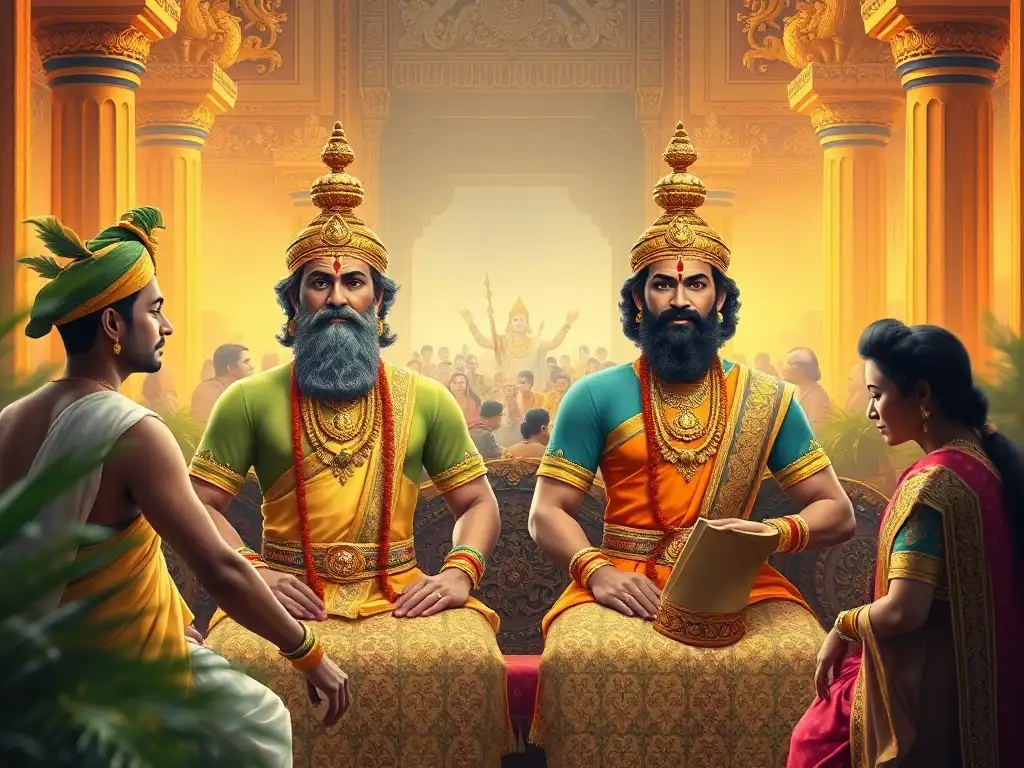
The Gupta Empire, often referred to as the "Golden Age of India," was marked by remarkable achievements in various fields, largely attributed to its notable rulers, Chandragupta I and his son Samudragupta. Their legacies extended far beyond their reigns, influencing both the political landscape and cultural development of India for centuries to come.
Influence on Subsequent Indian Dynasties
The administrative and political frameworks established by the Gupta rulers served as a model for many subsequent dynasties. Chandragupta I set the foundation by implementing a centralized government that emphasized efficient administration and local governance. This approach was refined further by Samudragupta, who demonstrated military prowess, expanding the empire while maintaining a well-structured bureaucracy.
Key Influences:
- Decentralization of Power: The Gupta rulers appointed local governors, or Uparikas, who were responsible for maintaining law and order, collecting taxes, and overseeing infrastructure in their respective regions. This model was widely adopted by later dynasties, including the Mughals and Cholas.
- Cultural Integration: The Gupta Empire was known for its policy of religious tolerance and promotion of various cultural practices. This encouraged a blend of local customs with the dominant Hindu culture, influencing later rulers to adopt similar inclusive policies.
- Military Strategies: The military tactics and strategies employed by Samudragupta, particularly his campaigns in the north and east, set a precedent for future military leaders who sought to expand their territories effectively.
Lasting Cultural and Historical Impact
The cultural contributions during the Gupta Empire are some of the most significant aspects of its legacy. Under the patronage of Chandragupta and Samudragupta, art, literature, and science flourished, resulting in innovations that shaped Indian civilization.
Major Contributions:
- Literature and Philosophy: The era produced literary giants such as Kalidasa, known for his poetic work Shakuntala, and Varahamihira, who made significant contributions to astronomy and astrology. The emphasis on Sanskrit literature during this time laid the groundwork for future literary traditions.
- Art and Architecture: Gupta art is characterized by its intricate sculptures and beautiful temple architecture. The Ajanta and Ellora caves, adorned with exquisite murals and carvings, stand as a testament to the artistic excellence of this period. These styles influenced architectural practices in subsequent kingdoms.
- Scientific Advancements: The Gupta period saw advancements in mathematics, including the concept of zero and the decimal system, credited to Aryabhata and others. These innovations not only benefited India but also impacted mathematical practices worldwide.
The notable rulers of the Gupta Empire, especially Chandragupta and Samudragupta, left an indelible mark on the historical, cultural, and political landscape of India. Their legacies continue to resonate, showcasing the profound influence of the Gupta Empire on subsequent dynasties and the broader canvas of Indian civilization.
Conclusion
Summary of the Gupta Empire Notable Rulers
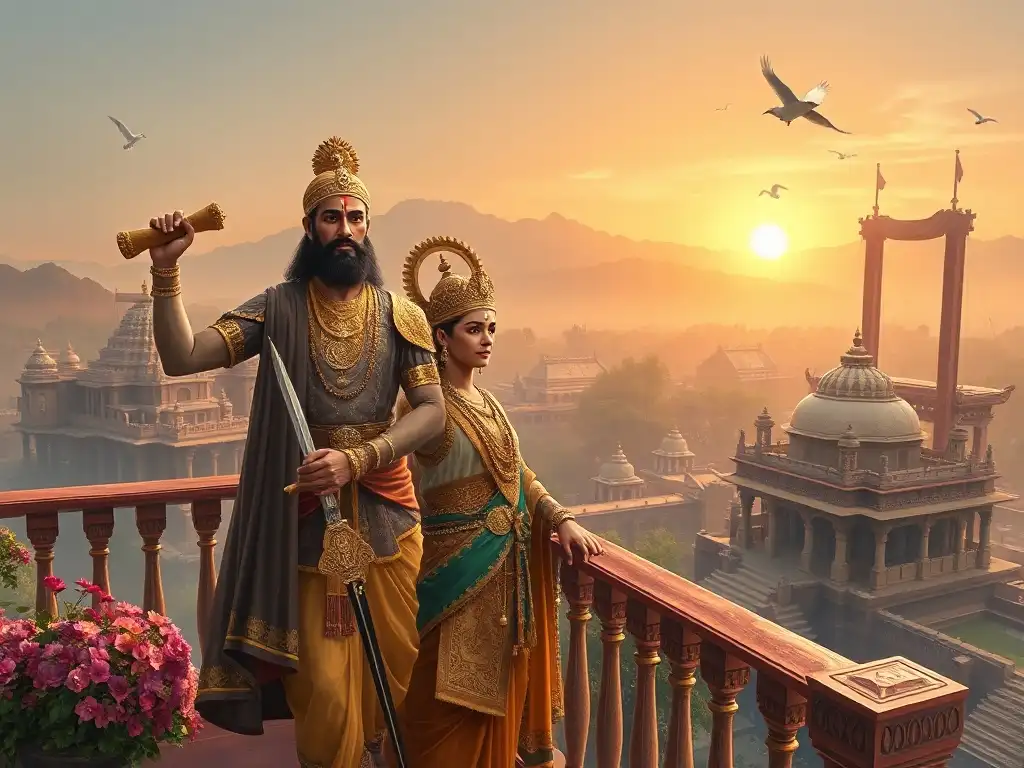
The Gupta Empire, often referred to as the Golden Age of India, was marked by significant advancements in various fields, from science and mathematics to art and literature. Among its notable rulers, Chandragupta I and Samudragupta stand out as pivotal figures who shaped the empire's trajectory.
- Chandragupta I (c. 320-335 CE) is credited with establishing the Gupta dynasty and laying the foundations for a unified empire. He expanded his territory through strategic marriages and military conquests, establishing a centralized administration that promoted trade and cultural exchange. His reign marked the beginning of a prosperous era in ancient India.
- Samudragupta (c. 335-380 CE), often hailed as the "Napoleon of India," is known for his remarkable military prowess. His campaigns extended the Gupta Empire's reach across northern India, and he is credited with uniting various smaller kingdoms under Gupta rule. Beyond his military achievements, Samudragupta was a patron of the arts, leading to significant developments in literature and culture during his reign.
The contributions of these rulers significantly influenced the political landscape and cultural evolution of ancient India. Their governance models and achievements set a precedent that resonated throughout subsequent Indian history.
Reflection on the Gupta Empire’s Legacy in Ancient Indian History
The legacy of the Gupta Empire extends far beyond the confines of its immediate rule. The era established a framework for governance, culture, and societal norms that would shape India's future for centuries to come.
- Cultural Flourishing: The Gupta period is renowned for its advancements in arts and sciences. Key contributions include:
- Mathematics: The concept of zero and advancements in arithmetic were developed during this time.
- Literature: Notable poets and playwrights like Kalidasa emerged, whose works are celebrated even today.
- Architecture: The era saw the construction of exquisite temples and sculptures, reflecting the artistic excellence of the time.
- Religious Integration: The Gupta rulers promoted religious tolerance, fostering an environment where Hinduism, Buddhism, and Jainism could coexist and flourish. This pluralism laid the groundwork for a diverse cultural fabric in India.
- Political Influence: The administrative strategies and military tactics employed by Chandragupta and Samudragupta influenced future dynasties, showcasing the importance of effective governance and unity in a diverse region.
The Gupta Empire’s notable rulers, particularly Chandragupta I and Samudragupta, were instrumental in crafting a legacy that emphasized cultural richness and political stability. Their contributions continue to be celebrated as a defining chapter in the history of ancient India, embodying the essence of a flourishing civilization that has left an indelible mark on the world.
Frequently Asked Questions
What was the significance of Chandragupta in the Gupta Empire?
Chandragupta was the founder of the Gupta Empire and established its foundations during the 3rd century CE, marking a significant era in Indian history.
Who was Samudragupta and why is he notable?
Samudragupta, the son of Chandragupta, is renowned for his military conquests and his role in expanding the empire, earning him the title of the "Napoleon of India."
How did the Gupta Empire contribute to Indian culture?
The Gupta Empire is often referred to as the Golden Age of India due to its advancements in arts, science, and literature, which laid the groundwork for future generations.
What was the political structure of the Gupta Empire?
The Gupta Empire operated under a centralized system with provinces, each managed by a governor, which facilitated administrative efficiency and stability.
What legacy did the Gupta Empire's notable rulers leave behind?
The notable rulers of the Gupta Empire, especially Chandragupta and Samudragupta, left a legacy of cultural flourishing and political unity that influenced subsequent Indian dynasties and civilizations.
Final Reflection: The Enduring Legacy of Gupta Empire Notable Rulers
The remarkable achievements of the Gupta Empire's notable rulers, Chandragupta and Samudragupta, resonate profoundly in today's world, illustrating how visionary leadership can shape civilizations. Their reigns not only marked a golden age of cultural and intellectual advancement but also laid the groundwork for governance and administration that continues to influence modern societies. The lessons drawn from their leadership styles and policies remind us that effective rulers can inspire progress and unity, even in the face of adversity.
Cultural and social landscapes have been indelibly shaped by the legacies of these rulers. Their commitment to art, science, and philosophy fostered an environment where creativity flourished, and knowledge was revered. This legacy is echoed in the words of historian R.C. Majumdar, who stated, "> The Gupta period was a time when India shone like a beacon of light in the world of culture and civilization." As we navigate our contemporary challenges, the Gupta Empire's emphasis on education and cultural patronage serves as a powerful reminder of the importance of nurturing intellectual growth and fostering a sense of community.
As we reflect on the lessons from the Gupta Empire's notable rulers, I invite you to consider how their principles can be applied in your own life. What can you learn from Chandragupta's strategic acumen or Samudragupta's commitment to cultural patronage? Embrace the opportunity to lead with vision and purpose in your own spheres of influence, whether in your community, workplace, or personal relationships. By embodying the qualities of these great rulers, you can contribute to a legacy of progress and enlightenment that transcends time, much like the Gupta Empire itself.
Unveil the Legacy of the Gupta Empire!
Thank you for taking the time to explore the impactful reigns of Chandragupta and Samudragupta in the Gupta Empire! We hope you uncovered valuable insights into their remarkable leadership and contributions to ancient Indian culture. Now, it's your turn to delve deeper into this fascinating history.
Here are some exciting ways you can continue your journey:
- Dive deeper: Research the cultural and scientific advancements that flourished during the Gupta Empire—you might be amazed by what you find!
- Share the knowledge: Discuss your discoveries with friends or share them on social media. Use the hashtag #GuptaEmpireLegacy to connect with fellow history enthusiasts!
- Join the conversation: Engage with our community by sharing your thoughts in the comments below!
What aspects of the Gupta Empire's contributions resonate most with you, and how do you believe they influenced the future of India?