
The Legacy of Persian Trade Routes in Ancient India

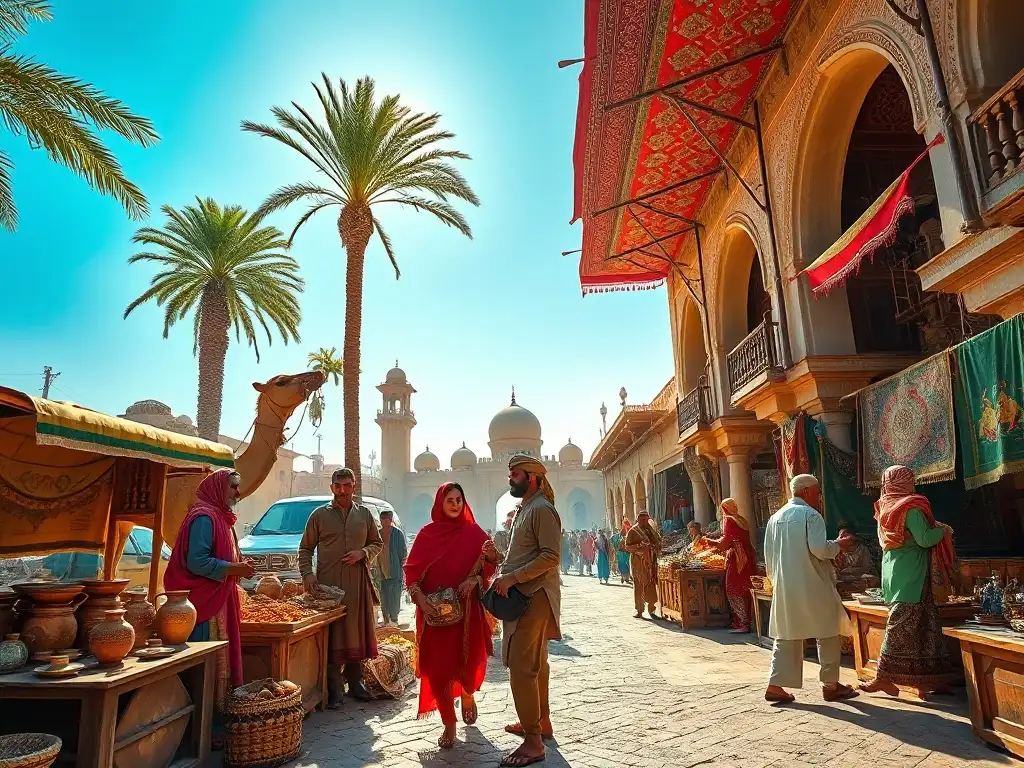
Welcome to Ancient India History, where we embark on an enlightening journey through the rich tapestry of ancient Indian civilizations. Here, we delve into the intriguing influence of Persian trade routes, a key chapter in the story of cultural exchange and economic prosperity that shaped the landscape of ancient India. As you explore the layers of this fascinating legacy, you'll uncover how these interactions not only enriched trade but also left a profound impact on art, culture, and society itself. Join us as we navigate through history, and discover the profound connections that continue to resonate today!
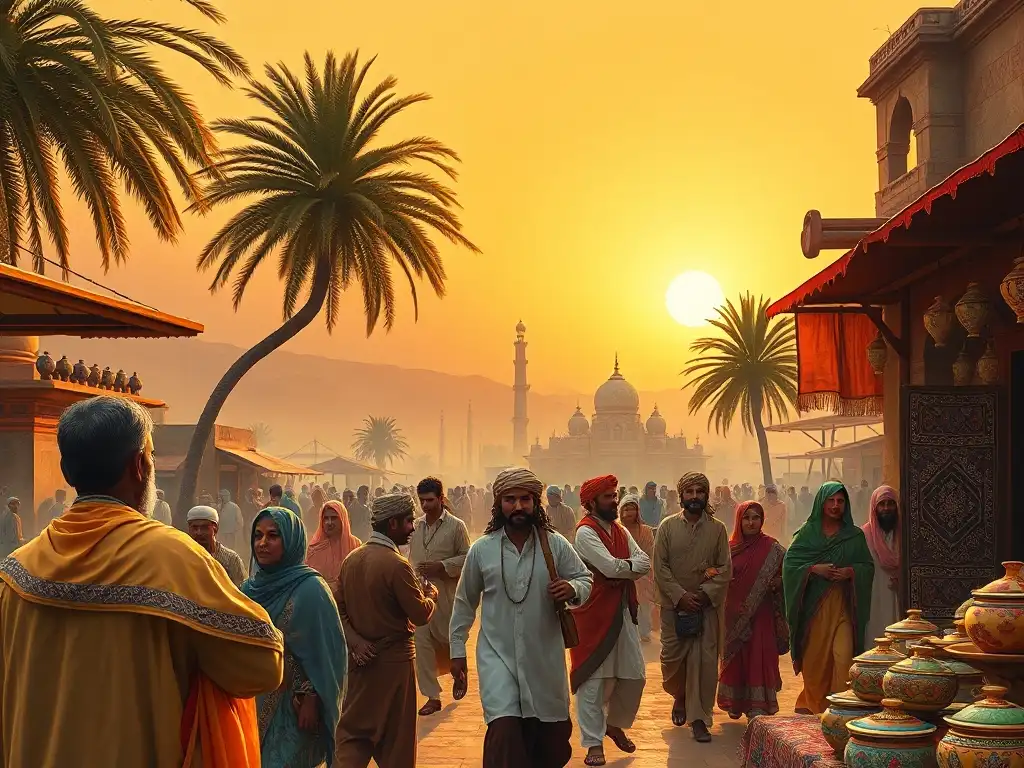
Introduction to Persian Trade Influence in India
The Persian trade influence in India represents a significant chapter in the intricate tapestry of ancient Indian history. This influence can be traced back to the vibrant trade networks that connected the Indian subcontinent with the Persian Empire, facilitating not only the exchange of goods but also the sharing of culture, ideas, and technologies.
The trade routes established during this period were not merely pathways for commerce; they were conduits of interaction that shaped the socio-economic landscape of ancient India. As we delve into the legacy of these trade routes, we uncover the profound impact they had on various aspects of Indian civilization, from economic prosperity to cultural enrichment.
Overview of Persian Trade Routes
The Persian trade routes were instrumental in linking the vast territories of the Persian Empire with the rich and diverse markets of India. These routes encompassed both land and maritime pathways, allowing for a dynamic exchange of commodities such as spices, textiles, precious stones, and metals. Some of the key routes included:
- The Silk Road: Connecting Persia to Northern India, facilitating the flow of silk and other luxury goods.
- The Maritime Trade Routes: Linking the Persian Gulf to the Indian subcontinent, crucial for the transport of spices and agricultural products.
The establishment of these routes not only enabled economic transactions but also fostered diplomatic and cultural relationships between the civilizations.
Importance of Trade in Ancient Civilizations
Trade played a pivotal role in the development of ancient civilizations, serving as a catalyst for economic growth and cultural exchanges. In the context of Persian trade routes, the significance can be summarized as follows:
- Economic Prosperity: Trade stimulated local economies, creating wealth and supporting urbanization.
- Cultural Exchange: The movement of traders facilitated the sharing of philosophies, religions, and artistic expressions.
- Technological Advancements: Interactions led to the exchange of technologies, enhancing agricultural practices and craftsmanship.
The intricate web of trade relationships forged through these routes laid the groundwork for enduring legacies in both Indian and Persian societies.
Historical Context of Persian Trade in India
Understanding the historical context of Persian trade in India requires an examination of key events and periods that shaped these interactions.
Emergence of Persian Trade Networks
The emergence of Persian trade networks dates back to the Achaemenid Empire (circa 550-330 BCE), which established a vast and well-organized trade system. The integration of various regions under Persian control allowed for the expansion of trade routes into India. Key factors contributing to this development included:
- Political Stability: The centralized governance of the Persian Empire facilitated secure trade environments.
- Infrastructure Development: The construction of roads and way stations, such as the Royal Road, improved connectivity.
As a result, traders from Persia began to establish settlements in India, leading to a flourishing of trade and cultural interactions.
Key Historical Periods of Interaction
Several key historical periods mark the interactions between Persian traders and Indian civilizations:
- Achaemenid Period: Initial trade connections were established, focusing on luxury goods and raw materials.
- Mauryan Empire (322-185 BCE): This period saw intensified trade relations, particularly under Emperor Ashoka, who promoted trade with the Persian territories.
- Sassanian Era (224-651 CE): The revival of trade routes under the Sassanian Empire further strengthened economic ties, leading to mutual cultural influences.
Through these periods, the Persian trade influence in India evolved, resulting in a complex interplay of commerce and culture that left a lasting legacy on both civilizations.
The Nature of Persian Trade Influence in India
The Persian trade influence in India was a multifaceted phenomenon that shaped numerous aspects of Indian society, economy, and culture. Beginning around the 6th century BCE, trade routes established by the Achaemenid Empire opened a conduit for the exchange of goods, ideas, and cultural practices between Persia and the Indian subcontinent. This interaction was characterized by a blend of commercial ambitions and cultural diplomacy, as Persian merchants and diplomats sought to forge strong economic ties with Indian kingdoms.
One of the defining features of this influence was the introduction of new commodities into the Indian market, which diversified local economies. Additionally, the Persian administrative and commercial practices, including sophisticated systems of trade regulation and taxation, were gradually adopted by Indian rulers. This relationship facilitated not only the flow of goods but also a significant cultural exchange, resulting in the intermingling of traditions, languages, and art forms that enriched both civilizations.
Types of Goods Traded from Persia to India
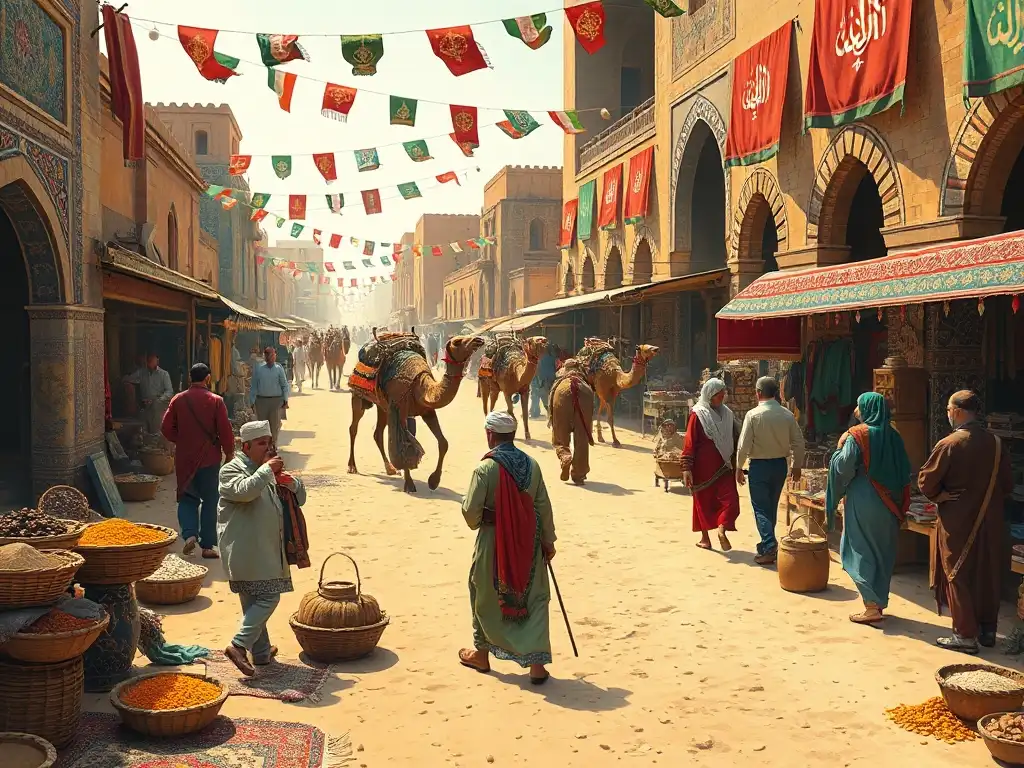
The trade between Persia and India encompassed a wide array of goods that were highly valued in both regions. Key items included:
- Textiles: Persian silk and woolen textiles were highly sought after in India, influencing local fabric production techniques.
- Spices: India, known for its spices, also traded these with Persia, creating a two-way flow of these essential commodities.
- Precious Stones and Metals: Persian traders brought in gold, silver, and gemstones, which were often used in Indian jewelry and ornamentation.
- Agricultural Products: Various agricultural products, including grains and fruits, were exchanged, enhancing food diversity in both regions.
- Perfumes and Incense: Persian perfumes were popular in Indian markets, contributing to the development of the local fragrance industry.
This vibrant exchange of goods not only enriched both economies but also laid the groundwork for future trade relations between the two regions.
Cultural Exchange through Trade
The interactions facilitated by Persian trade routes led to profound cultural exchanges that influenced art, religion, and social practices in India. Persian motifs and artistic styles began to permeate Indian craftsmanship, particularly in textiles, pottery, and architecture. For example, the intricate designs and techniques seen in Persian carpets found their way into Indian art forms.
Additionally, this exchange fostered the spread of Zoroastrianism and other Persian philosophical ideas into the Indian subcontinent, contributing to the rich tapestry of Indian spirituality. Indian scholars and traders, in turn, introduced Persian travelers to various Indian philosophies, particularly Buddhism and Hinduism, enhancing cross-cultural understanding.
The Persian language also left its mark on various Indian languages, especially in regions like North India, where Persian vocabulary and literary styles influenced Urdu and Hindi literature, enriching the linguistic landscape of India.
Economic Impact of Persian Trade on Indian Societies
The economic ramifications of Persian trade on Indian societies were significant. The influx of Persian goods stimulated local economies, leading to the establishment of vibrant markets and trade centers. Indian artisans and merchants gained access to high-quality Persian products, which enhanced their own manufacturing capabilities and craftsmanship.
Moreover, the trade routes facilitated not just the exchange of goods but also the movement of people, including merchants, artisans, and laborers, which contributed to urbanization in many regions. Cities such as Taxila and Gandhara thrived as cultural and commercial hubs connecting the East and West.
The economic relationships established during this period also laid the groundwork for future dynasties, including the Maurya and Gupta Empires, which further integrated Persian influences into their administrations and economies.
Key Persian Trade Routes Connecting to India
The Persian trade routes that connected to India were critical in establishing and sustaining trade relations between these two civilizations. These routes included overland paths and maritime channels that facilitated the movement of goods and ideas across vast distances.
The Silk Road: A Gateway to India
The Silk Road was a crucial trade network that linked Persia with India and beyond. This ancient route facilitated the exchange of luxury goods, such as silk, spices, and precious stones, between East and West. Persian merchants played a pivotal role in this network, acting as intermediaries who brought Indian products to the Mediterranean markets while introducing Persian goods to Indian consumers.
The Silk Road also served as a conduit for cultural exchange, enabling the flow of art, literature, and religious beliefs, which significantly enriched both Persian and Indian civilizations. The interactions along this route fostered a spirit of cosmopolitanism that characterized many ancient societies.
Maritime Trade Routes: Ports and Navigation
In addition to overland routes, maritime trade routes played a significant role in Persian trade with India. Persian traders utilized the Arabian Sea and the Persian Gulf to establish direct sea routes to Indian coastal cities like Bharukachchha (modern-day Bharuch) and other ports along the western coast, including Lothal, a prominent port in the Indus Valley civilization.
These maritime routes allowed for the efficient transport of bulk goods, such as textiles and spices, while also facilitating cultural exchanges through the movement of people. The strategic location of these ports contributed to the flourishing of trade networks and the establishment of thriving maritime commerce.
Overland Routes: Caravans and Infrastructure
The overland routes connecting Persia to India were characterized by well-established caravan networks that facilitated trade across vast deserts and mountainous regions. Key routes included the routes through the Hindu Kush and the Khyber Pass, which allowed Persian traders to access the rich markets of the Indian subcontinent.
The development of caravanserais—roadside inns for travelers and traders—along these routes enhanced the safety and efficiency of trade. These infrastructures provided necessary rest stops for merchants, allowing for the exchange of ideas and goods, and contributing to the rich tapestry of interactions between Persian and Indian societies. The organization of trade along these routes demonstrated the sophistication of ancient trade practices and the importance of collaboration between diverse cultures.
The Impact of Persian Culture on Indian Civilization
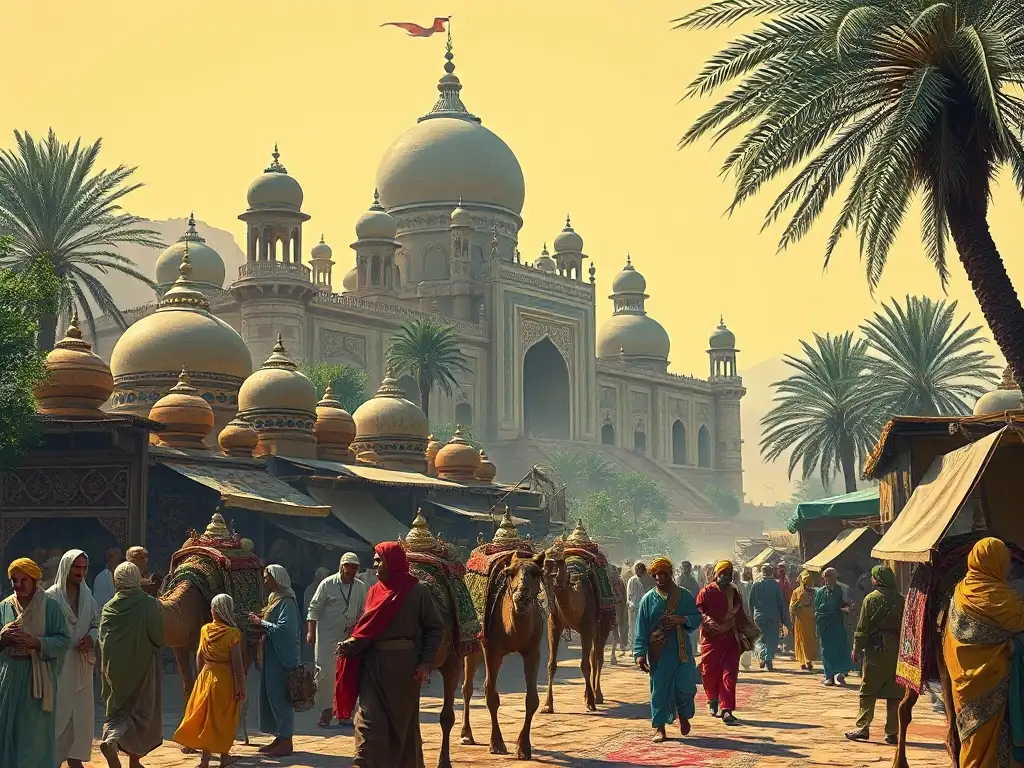
The Persian trade influence in India has left an indelible mark on various facets of Indian civilization, particularly through cultural exchanges that occurred along the bustling trade routes. The interactions between the Persian Empire and Indian states facilitated not only the exchange of goods but also ideas, artistic expressions, and social practices. This cultural diffusion enriched Indian society, leading to significant developments in art, literature, cuisine, and social structures.
Adoption of Persian Art and Architecture
One of the most profound impacts of Persian culture on India can be seen in the realm of art and architecture. The introduction of Persian motifs and architectural styles began as early as the Achaemenid Empire, with the construction of grand structures that showcased intricate designs, calligraphy, and geometric patterns.
- Mausoleums and Gardens: The Persian concept of garden tombs, such as the famous Mausoleum of Humayun in Delhi, exemplifies this influence. These gardens often symbolize paradise and reflect a blend of Persian and Indian aesthetics.
- Miniature Paintings: The Persian miniature painting tradition also found its way into the Mughal courts, where artists fused Persian techniques with Indian themes. This led to a unique style that flourished during the reign of emperors like Akbar and Jahangir.
These artistic exchanges not only contributed to the aesthetic landscape of India but also established a renewed appreciation for detail and beauty in architectural planning.
Influence on Indian Language and Literature
The Persian influence is also profoundly evident in the evolution of Indian languages and literature. Persian became a prestigious language of administration and culture during the Delhi Sultanate and Mughal periods, significantly impacting several regional languages.
- Lexicon Enrichment: Many Persian words were adopted into languages like Urdu, Hindi, and Punjabi, enriching their vocabulary and expressiveness. Terms related to administration, art, and daily life often have Persian origins.
- Literary Contributions: Persian poets and writers, such as Mirza Ghalib and Faiz Ahmed Faiz, played a pivotal role in shaping Indian literature. The fusion of Persian poetic forms, such as ghazals, with Indian themes resulted in a unique literary tradition that resonates with readers even today.
Thus, the intertwining of Persian and Indian literary traditions has fostered a rich tapestry of expressions that reflect shared cultural values.
Contributions to Indian Cuisine and Agriculture
The culinary landscape of India has also been significantly shaped by Persian influences, particularly through the introduction of new ingredients, cooking methods, and dishes.
- Spices and Ingredients: The Persian traders brought with them a variety of spices, nuts, and dried fruits, which were integrated into Indian cooking. Ingredients such as saffron and dried fruits became staples in Indian cuisine.
- Culinary Techniques: The Persian method of slow-cooking and the concept of biryani—a layered rice dish with meat—originated from Persian culinary traditions and has since become a beloved dish across India.
These contributions have not only enhanced the flavors of Indian cuisine but also reflected the cultural exchanges between the two civilizations.
Case Studies of Persian Trade Influence in Major Indian Cities
The influence of Persian trade routes can be illustrated through specific case studies that reveal how trade facilitated cultural interactions and economic exchanges in major Indian cities.
Persian Influence in Taxila
Taxila, an ancient city renowned for its educational and commercial significance, was a melting pot of cultures due to its strategic position along the trade routes.
- Cultural Exchange: The presence of Persian merchants in Taxila led to the dissemination of Persian art, literature, and philosophies. This cultural blending enriched the educational institutions of Taxila, attracting scholars from various regions.
- Material Culture: Archaeological findings in Taxila reveal artifacts such as pottery and coins that bear Persian inscriptions, indicating the city’s role as a hub for trade and cultural exchange.
The interactions in Taxila serve as a testament to the vibrant exchanges that characterized the Persian influence in ancient India.
The Role of Surastrene in Trade
Surastrene, known today as the coastal region of Gujarat, was a key maritime trading hub that played a crucial role in facilitating Persian trade with India.
- Trade Networks: The region's ports became crucial for Persian merchants, who traded textiles, spices, and precious stones. This led to a flourishing economy that benefited from both Persian and Indian influences.
- Cultural Interactions: The trading activities fostered cultural exchanges, evident in the architecture of coastal towns that exhibit Persian elements, such as intricate stone carvings and floral motifs.
Surastrene exemplifies how Persian trade routes contributed to economic prosperity and cultural richness in coastal India.
Cultural Blending in Gujarat
Gujarat stands out as a prime example of cultural blending resulting from Persian trade influence. The region’s history is marked by interactions between Persian traders and local populations.
- Architecture and Urban Planning: Cities like Ahmedabad showcase a blend of Persian architectural styles, evident in the intricate jali work and the use of domes in mosques. The Sidi Saiyyed Mosque is a prime example of this architectural fusion.
- Cuisine and Festivals: The culinary traditions in Gujarat reflect Persian influences, with dishes such as kebabs and pulao becoming integral to local cuisine. Additionally, festivals often blend Persian elements, celebrating the shared heritage.
The cultural synthesis in Gujarat illustrates the lasting impact of Persian trade routes on local traditions and lifestyles.
Challenges Faced by Persian Traders in India
Persian traders, integral to the flourishing trade networks of ancient India, encountered several challenges that impacted their operations and influence. These challenges arose from a mixture of geopolitical factors, competition with local traders, and environmental constraints that shaped their trading activities.
Geopolitical Factors Affecting Trade
The geopolitical landscape during the Persian trade era was marked by shifting alliances and conflicts, which significantly influenced trade routes. The Persian Empire, at its height, extended across vast territories, including parts of present-day Iran, Iraq, and even into Central Asia. As these regions interacted with Indian kingdoms, the political stability—or instability—of surrounding areas often determined trade viability. For instance:
- War and Conflict: Periods of war between the Persians and neighboring powers, such as the Greeks or local Indian kingdoms, could disrupt trade routes, leading to economic losses.
- Border Policies: The fluctuating borders of empires meant that traders often had to navigate complex customs and tariffs imposed by local rulers, affecting the cost and efficiency of trade.
- Diplomacy and Alliances: Diplomatic relations between Persia and various Indian states played a crucial role in facilitating or hindering trade. Friendly relations often led to more secure and prosperous trading environments.
Competition with Local Traders
Persian traders also faced stiff competition from local Indian merchants who were well-acquainted with the regional market dynamics. This competition manifested in several ways:
- Established Networks: Local merchants had established trade networks, often involving traditional trade routes and established relationships with local consumers.
- Cultural Familiarity: Indian traders were more familiar with local customs, languages, and market preferences, giving them an edge in negotiations and customer relations.
- Economic Rivalry: The influx of Persian goods and traders sometimes disrupted local economies, leading to resentment and retaliation from indigenous merchants who sought to protect their interests.
Environmental and Logistical Challenges
The environmental conditions in India presented further challenges for Persian traders. The diverse geography, ranging from deserts to mountains and rivers, required adaptive strategies for successful trade:
- Climate Variability: Seasonal monsoons and extreme weather conditions could affect travel and the preservation of goods, particularly perishable items.
- Transportation Barriers: The lack of developed infrastructure in certain regions posed logistical challenges, making it difficult for traders to transport goods efficiently across varied terrains.
- Supply Chain Issues: The need for reliable access to resources and markets often led to delays and increased costs, impacting the overall profitability of trade endeavors.
The Decline of Persian Trade Influence in India

Despite their initial success, the influence of Persian trade in India began to wane due to several interrelated factors. This decline was gradual and reflected broader changes in the geopolitical and economic landscape of the region.
Factors Leading to Decline
Several key factors contributed to the decline of Persian trade influence in India:
- Rise of New Powers: The emergence of powerful local kingdoms and empires, such as the Mauryas and later the Guptas, began to overshadow Persian influence. These new powers prioritized their own trade networks and often sought to limit foreign competition.
- Shifts in Trade Routes: Changes in global trade dynamics, including the opening of new maritime routes, diminished the importance of overland trade routes traditionally used by Persian traders.
- Cultural Assimilation: As local economies evolved, there was a gradual assimilation of Persian goods and practices into Indian culture, reducing the distinctiveness of Persian trade.
Transition to Other Trading Powers
As Persian influence declined, other trading powers began to assert themselves in the Indian market. This transition was characterized by:
- Emergence of European Traders: By the late medieval period, European powers, notably the Portuguese and later the British, began to establish their presence in India, fundamentally altering trade dynamics.
- Integration of Local Markets: New trading companies and local merchants started to form alliances that further integrated local markets with broader global trading systems, often sidelining Persian traders.
- Cultural Exchange: The decline of Persian trade also coincided with a broader exchange of culture and ideas from various civilizations, leading to a more diverse and interconnected trading environment in India.
While Persian trade once played a significant role in connecting India with the broader world, a combination of challenges and the rise of new trading powers led to its eventual decline, paving the way for a new era of commerce in ancient India.
Conclusion: The Enduring Legacy of Persian Trade in Ancient India
The Persian trade routes significantly shaped the socio-economic landscape of ancient India, leaving an indelible mark that can still be traced in various aspects of Indian culture, society, and economy. The interactions fostered through these trade networks not only enhanced commercial exchanges but also facilitated the transfer of ideas, art forms, and religious beliefs. This profound legacy of the Persian trade influence in India continues to be a subject of study, reflecting the intricate web of relationships that existed between civilizations in the ancient world.
Summary of Key Contributions
The contributions of Persian trade to ancient India are manifold. Key aspects include:
- Economic Growth: Persian traders introduced new goods such as textiles, spices, and precious metals, thereby enriching local markets and encouraging urbanization.
- Cultural Exchange: The fusion of Persian and Indian cultures resulted in advancements in art, architecture, and literature, exemplified by the Indo-Persian style that emerged during the later periods.
- Technological Innovations: The exchange of knowledge related to agricultural practices and navigation techniques helped improve local farming and trade efficiency.
- Religious Syncretism: The trade routes facilitated the spread of Zoroastrianism and other beliefs, leading to a unique blend of religious practices in regions of India.
These contributions collectively illustrate how Persian trade routes served as conduits of not just goods, but also cultural and intellectual exchanges that enriched Indian civilization.
Lasting Effects on Indian Society and Culture
The influence of Persian trade on Indian society and culture is evident in several enduring ways:
- Language and Literature: The Persian language had a profound impact on Indian languages, especially Urdu, which incorporates a significant number of Persian words and expressions. Persian literature also influenced Indian poets and writers, leading to the creation of rich literary traditions.
- Art and Architecture: The introduction of Persian styles led to the development of unique architectural forms, such as the use of intricate tile work and ornamental designs in Indian buildings, notably seen in Mughal architecture.
- Cuisine: Persian trade brought new culinary practices and ingredients to India, which have been integrated into regional cuisines, enriching the gastronomic landscape.
- Social Structures: The interactions fostered a greater awareness of different cultures and practices, leading to more cosmopolitan societies within trade hubs like Gujarat and Sindh.
These lasting effects underscore the profound impact that Persian trade routes had on shaping Indian identity and cultural heritage.
References
Scholarly Sources on Persian Trade Influence in India
- Trade and Society in the Indian Ocean World by K. N. Chaudhuri: This book explores the dynamics of trade in the Indian Ocean and its impact on the Indian subcontinent, with a focus on Persian influences.
- The Persian Presence in India: Influence and Interactions by S. A. Q. Rizvi: A comprehensive study detailing the cultural and economic exchanges between Persia and India.
- India and Iran: A Historical Overview by R. G. Narayanan: This work provides a detailed account of the historical interactions that shaped the ties between India and Persia.
Suggested Further Reading on Ancient Trade Routes
- Silk Roads: Highways of Culture and Commerce by Xinru Liu: This book discusses the broader context of trade routes, including the Persian influence on Indian trade.
- The Spice Trade of the Roman Empire by C. M. B. Donald: While primarily focused on the Roman Empire, this work provides insights into the interconnectedness of trade routes, including those involving Persia and India.
- Ancient Indian Trade and Trade Routes: A Historical Perspective by A. K. Sharma: This text examines the various trade routes in ancient India and their significance, including the role of Persian traders.
These references and suggested readings provide a deeper understanding of the complex legacy of Persian trade influence in India and its far-reaching impacts on the subcontinent's history.
- Introduction to Persian Trade Influence in India
- Overview of Persian Trade Routes
- Historical Context of Persian Trade in India
- The Nature of Persian Trade Influence in India
- Types of Goods Traded from Persia to India
- Cultural Exchange through Trade
- Economic Impact of Persian Trade on Indian Societies
- Key Persian Trade Routes Connecting to India
- The Impact of Persian Culture on Indian Civilization
- Case Studies of Persian Trade Influence in Major Indian Cities
- Challenges Faced by Persian Traders in India
- The Decline of Persian Trade Influence in India
- Conclusion: The Enduring Legacy of Persian Trade in Ancient India
- References
Frequently Asked Questions
What were the Persian trade routes in ancient India?
The Persian trade routes were a network of pathways that facilitated trade and cultural exchange between Persia and the Indian subcontinent, significantly influencing local economies and societies.
How did Persian trade influence Indian culture?
The Persian trade influence introduced various cultural elements, including art, architecture, and language, enriching India's cultural tapestry and leading to the fusion of different traditions.
What role did Persian merchants play in ancient India?
Persian merchants were vital in establishing commercial links with Indian traders, promoting the exchange of goods such as spices, textiles, and precious stones, which bolstered the economy.
How did the Persian Empire impact Indian political structures?
The Persian Empire influenced Indian political structures by introducing administrative practices and governance models that were adopted by local rulers, leading to more organized state systems.
What is the significance of the Gupta Empire in relation to Persian trade?
The Gupta Empire marked a period of economic prosperity and cultural flourishing, where the established Persian trade routes played a crucial role in enhancing trade relations and cultural exchanges with Persia and the wider world.
Final Reflection: The Enduring Influence of Persian Trade in India
The legacy of Persian trade routes in ancient India is not just a historical footnote; it remains a vital thread woven into the fabric of modern cultural and economic exchanges. Today, as we navigate a globalized world, the principles of trade, diplomacy, and cultural exchange established centuries ago continue to shape our interactions. The ancient routes that once connected Persia and India serve as a reminder of the profound impact that commerce can have on societies, fostering not only economic prosperity but also cultural enrichment and mutual understanding.
The influence of Persian trade in India has left an indelible mark on our cultural landscape, shaping everything from cuisine to language and art. This historical interplay is a testament to the power of collaboration and exchange. As we reflect on this rich heritage, we can draw inspiration from the words of the Persian poet Rumi: The wound is the place where the Light enters you.
This quote encapsulates the idea that through the challenges and triumphs of trade, both nations have emerged stronger and more enlightened, fostering a legacy that transcends time and borders.
As we look to the future, let us embrace the lessons of the past and recognize the importance of fostering connections across cultures. I invite you to reflect on how the principles of trade and collaboration can be applied in your own life. Whether through supporting local businesses, engaging in cultural exchanges, or simply being open to new ideas, we can all contribute to a world that honors the rich tapestry of human history while paving the way for a more interconnected and harmonious future.
Unveil the Mysteries of Ancient Trade!
Thank you for exploring the fascinating legacy of Persian trade routes in ancient India with us! We hope you’ve uncovered valuable insights into this rich historical tapestry. Now, it’s time to take what you've learned and delve deeper into this captivating subject.
Here are some actionable steps you can take:
- Start your own research project: Dive into a specific aspect of the Persian trade routes that intrigued you and share your findings with friends or on social media.
- Visit a local museum: Seek out exhibits that feature ancient trade artifacts; experiencing these pieces can deeply enhance your understanding of their significance.
- Join an online community: Engage with others who share an interest in ancient history; platforms like forums or social media groups can provide a wealth of shared knowledge.
What aspect of ancient trade intrigues you the most, and how do you think it shaped the cultural exchange between Persia and India? **We invite you to spark a discussion in the comments below! **