
The Role of Craftsmanship in the Indus Valley Economy

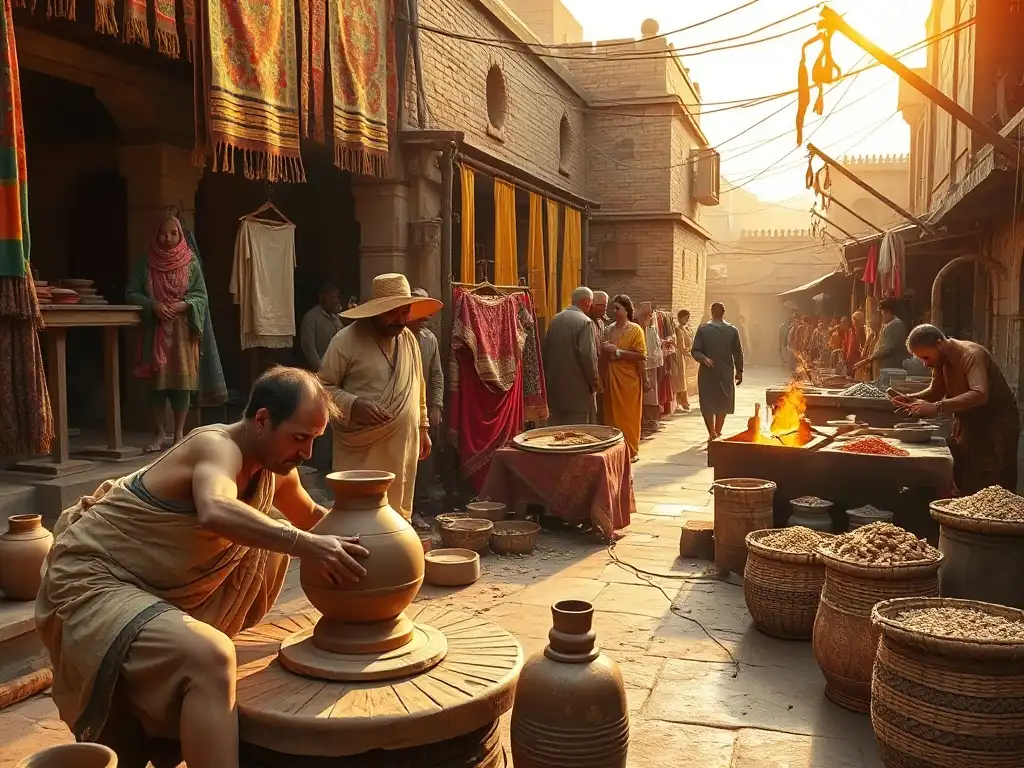
Welcome to Ancient India History, where we embark on a fascinating journey through the vibrant tapestry of ancient Indian civilizations! Today, we delve into the captivating world of the Indus Valley craftsmanship economy, uncovering how the artistry and skills of this remarkable society shaped not only their daily lives but also their trade networks and cultural identity. What secrets lie within the intricate designs and innovative techniques of the artisans of the Indus Valley?
Join us as we explore the profound impact of craftsmanship on economic prosperity and cultural exchange in one of history's earliest urban centers. Your adventure into the depths of India's ancient heritage begins here!
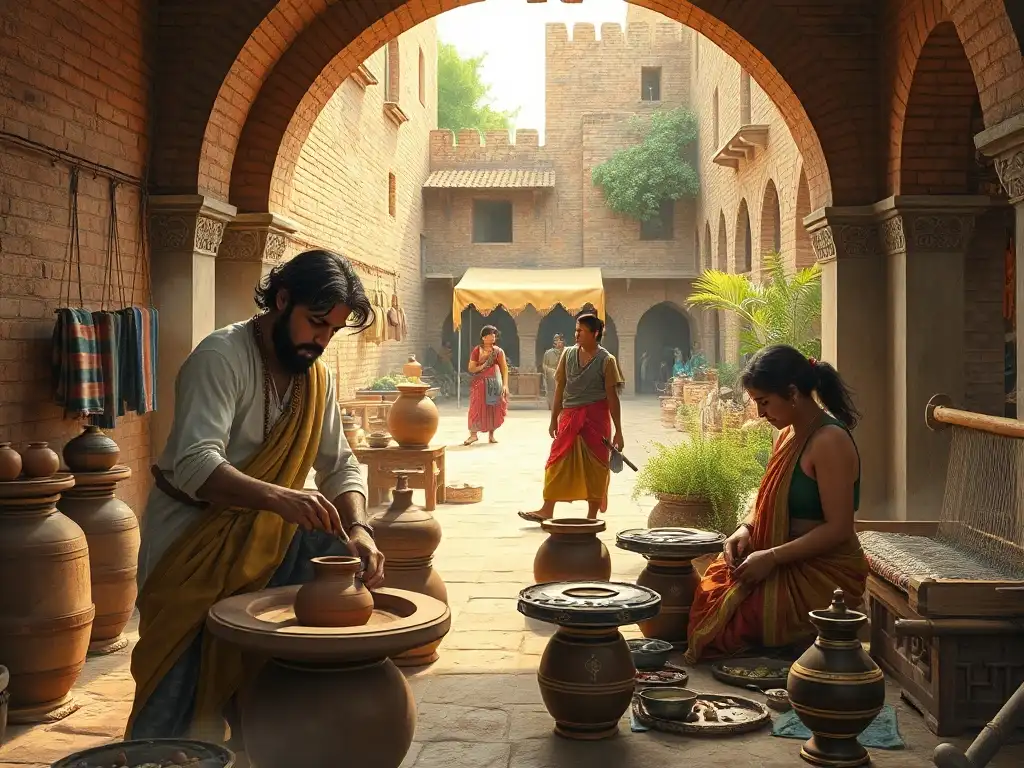
Craftsmanship played a pivotal role in the economy of the Indus Valley Civilization, a sophisticated society that thrived from approximately 3300 BCE to 1300 BCE in what is now modern-day Pakistan and northwest India. Renowned for its advanced urban planning, trade networks, and artistic achievements, this civilization's economy was significantly bolstered by skilled artisans and their intricate creations.
The production of a wide array of crafts not only facilitated trade within and beyond the region but also reflected the cultural and technological advancements of the time. This article will explore the multifaceted aspects of Indus Valley craftsmanship, shedding light on how these artisans contributed to the economy and societal structure of one of the world’s earliest urban civilizations.
Introduction to Indus Valley Craftsmanship and Economy
Overview of the Indus Valley Civilization
The Indus Valley Civilization, often hailed as one of the cradles of civilization, flourished along the banks of the Indus River. It encompassed major urban centers such as Harappa and Mohenjo-Daro, which were characterized by their well-planned cities, sophisticated drainage systems, and standardized weights and measures. The civilization demonstrated remarkable achievements in various domains, including architecture, agriculture, and trade.
Economically, the Indus Valley was marked by its extensive trade networks, both locally and with distant regions, including Mesopotamia and Persia. The economy was predominantly agrarian, yet it was the craftsmanship that provided a significant boost, facilitating the exchange of goods and establishing the Indus Valley as a vital hub for both artisans and merchants.
Importance of Craftsmanship in Ancient Economies
Craftsmanship has historically been a cornerstone of economic development in ancient societies. In the context of the Indus Valley, skilled artisans engaged in various crafts, including pottery, metallurgy, bead-making, and textiles, not only met the needs of their communities but also created goods for trade.
The significance of craftsmanship in the economy can be summarized as follows:
- Economic Diversification: Craft production allowed for the diversification of the economy, reducing reliance on agriculture alone.
- Trade Enhancement: High-quality crafts enhanced trade opportunities, as these goods were in demand both locally and internationally.
- Cultural Expression: Artisans expressed cultural identity and technological innovation through their craftsmanship, helping to unify the society.
The Characteristics of Indus Valley Craftsmanship
Materials Used in Craft Production
Indus Valley artisans utilized a variety of materials to create their crafts, which were often sourced locally, showcasing the region's rich natural resources. Some commonly used materials included:
- Clay: For pottery and figurines, showcasing both utilitarian and artistic purposes.
- Stone: Used in sculptures and construction, illustrating advanced skills in carving and masonry.
- Metals: Such as copper, bronze, and gold, which were essential for tools, weapons, and decorative items.
- Textiles: Cotton and wool were spun into fabrics, indicating an early understanding of textile production.
Techniques and Skills of Indus Valley Artisans
The artisans of the Indus Valley were highly skilled, employing various techniques that reflected their expertise and innovation. Some notable techniques included:
- Wheel-Throwing: Revolutionized pottery production, allowing for uniform shapes and sizes.
- Lost-Wax Casting: A sophisticated method for metalworking, enabling the creation of intricate jewelry and tools.
- Bead Making: Involved drilling and polishing semi-precious stones, which were then traded widely.
- Textile Weaving: Demonstrated advanced skills in spinning and dyeing, resulting in colorful and durable fabrics.
Notable Craftsmanship Artifacts from the Indus Valley
Several artifacts from the Indus Valley exemplify the remarkable craftsmanship of this civilization. Some of the most notable include:
- The Dancing Girl: A bronze figurine symbolizing the artistic mastery of metalwork.
- Seals and Inscription: Crafted from steatite, these seals not only served as trade markers but also showcased intricate designs and script.
- Pottery: Distinctive red and black pottery featuring geometric designs, indicating a high level of artistic expression.
- Jewelry: Elaborately designed necklaces, earrings, and bracelets made from beads and metals, reflecting both skill and aesthetic sensibility.
The craftsmanship of the Indus Valley Civilization was integral to its economy, contributing to trade, cultural identity, and technological advancement. The legacy of these artisans continues to be celebrated today, providing insight into the complexities of ancient Indian civilizations.
Economic Significance of Craftsmanship in the Indus Valley
The Indus Valley Civilization, flourishing from approximately 3300 BCE to 1300 BCE, is renowned for its advanced urban planning and sophisticated societal organization. At the heart of its economy was craftsmanship, which played a pivotal role in both local and regional markets. Artisans produced a wide array of goods, including pottery, textiles, metalwork, and jewelry, which were not only functional but also aesthetically pleasing. This emphasis on craftsmanship led to the emergence of specialized trades, allowing for increased efficiency and skill development.
Moreover, the quality and diversity of Indus Valley craftsmanship significantly contributed to trade networks. Artisans manufactured goods that were highly sought after, both within the civilization and in distant lands, strengthening the economic ties with neighboring cultures. The production of standardized weights and measures further facilitated trade, ensuring that the exchange of crafted goods was both fair and efficient.
Role of Craftsmanship in Trade and Commerce

Craftsmanship was integral to the trade and commerce of the Indus Valley, providing the necessary goods that fueled economic interactions. The civilization is known to have engaged in trade with regions such as Mesopotamia and Persia, exchanging crafted items like beads, pottery, and textiles for materials not locally available, such as metals and precious stones. The presence of seals, often intricately crafted and used for trade, indicates a sophisticated system of commerce where artisans played a key role.
Additionally, the craft goods produced were not merely for local consumption; they were strategically crafted for export. Items such as terracotta figurines and intricate gold jewelry found in archaeological sites suggest that artisans tailored their products to meet the tastes of foreign markets, thus enhancing the economic significance of craftsmanship in international trade.
Impact on Local and Regional Economies
The impact of craftsmanship on local and regional economies in the Indus Valley cannot be overstated. Artisans created goods that served everyday needs, which in turn stimulated local markets. This local production not only provided essential items for the population but also encouraged the growth of ancillary services, such as transportation and storage, fostering a vibrant economic atmosphere.
Regionally, the craftsmanship of the Indus Valley contributed to a network of trade routes that extended across South Asia and beyond. The exchange of goods facilitated cultural interactions and economic interdependence among different regions. This interconnectedness allowed for the diffusion of technologies and artistic styles, enriching the economies of both the Indus Valley and its trading partners.
Craftsmanship as a Source of Employment
Craftsmanship was a vital source of employment in the Indus Valley Civilization. As urban centers like Harappa and Mohenjo-Daro expanded, the demand for crafted goods surged, leading to the creation of numerous jobs. Artisans specialized in various crafts, from pottery to metallurgy, forming a diverse labor force that contributed to the economy's overall health.
The presence of workshops and production sites in urban areas indicates organized labor practices. These workshops often employed multiple artisans, suggesting a system of apprenticeships where skills were passed down through generations. This not only ensured the continuation of craftsmanship but also provided stable employment opportunities for many families within the community.
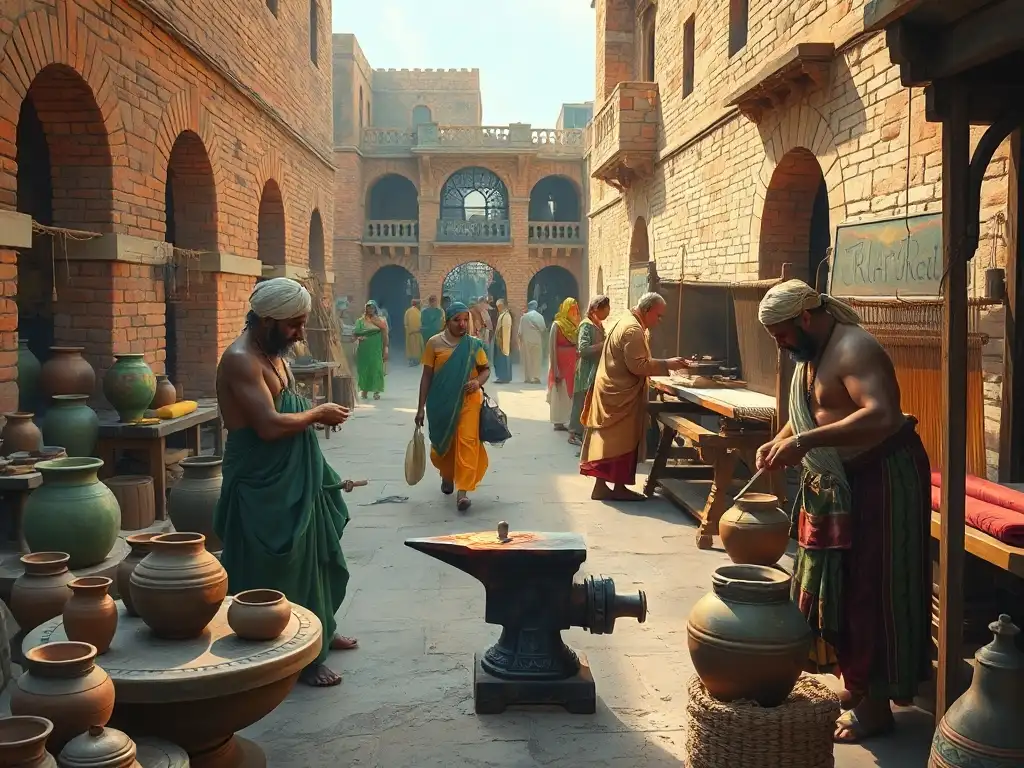
The relationship between craftsmanship and social structure in the Indus Valley Civilization reveals much about its societal organization. Artisans held a unique position within the social hierarchy, characterized by both status and specialization. Their ability to create highly valued goods established them as important contributors to the economy, which in turn often afforded them a certain level of respect and recognition in society.
However, the social dynamics were complex, with varying degrees of status among different types of craftsmen. While some artisans, particularly those working with precious materials, likely enjoyed a higher status, others may have faced more modest conditions. This variability highlights the nuanced relationship between craftsmanship and social standing in the Indus Valley.
Artisans and Their Status in Indus Society
Artisans in the Indus Valley Civilization held a significant status within their communities due to their specialized skills and the economic importance of their work. Skilled craftsmen, such as goldsmiths, potters, and weavers, were essential to the culture's economic prosperity. Their ability to produce high-quality goods not only satisfied local demands but also facilitated trade with distant regions, elevating their social standing.
Archaeological findings, including the discovery of elaborate tools and workshops, suggest that artisans were well-respected within their communities. Certain artifacts, such as intricately crafted seals and ceremonial items, indicate that craftsmanship was valued not only for its practical applications but also for its artistic merit. This duality of function and aesthetics likely contributed to the artisans’ esteemed positions in society.
Gender Roles in Indus Valley Craftsmanship
Gender roles within the realm of craftsmanship in the Indus Valley were likely diverse and complex. While specific evidence regarding gender dynamics remains limited, it is believed that both men and women participated in various crafts. Women may have been involved in textile production, pottery, and other domestic crafts, contributing significantly to the economy.
However, the visibility of male artisans, particularly in metalworking and stone carving, suggests a gendered division of labor. This division might have reflected broader societal norms regarding gender roles, where men typically engaged in more prestigious or public forms of craftsmanship, while women focused on household crafts. Yet, the exact balance of these roles remains a topic of scholarly debate, indicating the need for further research.
Community and Collaboration Among Craftsmen
Craftsmanship in the Indus Valley was often characterized by a strong sense of community and collaboration among craftsmen. Workshops likely served as communal spaces where artisans shared techniques, resources, and knowledge, fostering a spirit of cooperation. This collaborative environment not only enhanced the quality of goods produced but also contributed to innovation within various crafts.
The interconnectedness of artisans can also be observed in the production of goods that required multiple skills. For instance, creating a finished piece of jewelry might involve collaboration among goldsmiths, stonecutters, and engravers, highlighting the network of relationships within the craft community. This synergy not only bolstered individual artisans' work but also played a crucial role in the overall economic stability of the Indus Valley Civilization.
The Influence of Indus Valley Craftsmanship on Later Civilizations
The craftsmanship of the Indus Valley Civilization (IVC), which flourished from approximately 3300 to 1300 BCE, laid the groundwork for various artistic and economic developments in later Indian civilizations. This civilization was renowned for its advanced urban planning, sophisticated drainage systems, and remarkable craftsmanship, particularly in pottery, bead-making, metalwork, and textiles.
The intricate designs and high-quality materials used by Indus artisans influenced subsequent cultures, including the Vedic period and later empires such as the Maurya and Gupta. The techniques of pottery and metallurgy, along with the aesthetic sensibilities seen in Indus artifacts, can be traced in later artifacts, revealing a continuity of craftsmanship that enriched the cultural tapestry of ancient India. Moreover, the trade networks established by the IVC enabled the dissemination of their craftsmanship across regions, impacting neighboring civilizations and facilitating cultural exchanges that would shape the artistic landscape of Southeast Asia.
Legacy of Indus Craftsmanship in Ancient India
The legacy of Indus Valley craftsmanship is evident in the continuity of certain craft techniques and artistic styles that persisted throughout ancient Indian history. For instance, the intricate bead-making techniques developed in the Indus Valley continued to thrive in subsequent periods, with artisans in later civilizations adopting and adapting these methods to create new forms of jewelry and decorative items.
Similarly, the motifs and designs characteristic of Indus pottery—often featuring geometric patterns and animal figures—are echoed in the pottery styles of later cultures. This influence is particularly notable in the painted pottery of the early historic period, which exhibits similarities in form and decoration. Furthermore, the emphasis on specialized craftsmanship in the IVC fostered a culture of artisanship that persisted in ancient India, contributing to the establishment of guilds and trade networks that would be significant in subsequent economic systems.
Comparison with Other Ancient Civilizations' Craft Practices
When comparing Indus Valley craftsmanship to those of other ancient civilizations, such as Mesopotamia and Egypt, several similarities and differences emerge. Like the IVC, both Mesopotamia and Egypt produced sophisticated goods through specialized craftsmanship, including textiles, ceramics, and metalwork. However, the Indus artisans were particularly known for their use of materials like carnelian, agate, and shell to create intricate beads and seals, showcasing a distinctive aesthetic that set them apart.
Additionally, while the Mesopotamian and Egyptian economies were heavily reliant on agriculture and state control, the Indus Valley economy demonstrated a remarkable degree of independence and self-sufficiency among skilled artisans. This decentralized approach allowed for greater innovation and diversity in craft production, highlighting the unique economic landscape of the Indus Valley Civilization.
Conclusion: The Lasting Impact of Indus Valley Craftsmanship on Economy and Culture
The craftsmanship of the Indus Valley Civilization played a pivotal role in shaping both the economy and culture of ancient India. By establishing trade networks that connected various regions, the IVC artisans not only contributed to the economic prosperity of their society but also facilitated cultural exchanges that enriched the artistic heritage of future generations.
Summary of Key Contributions
The key contributions of Indus Valley craftsmanship to the economy and culture of ancient India include:
- Innovation in Craft Techniques: Development of advanced pottery, metallurgy, and bead-making techniques that influenced later artisans.
- Trade Networks: Establishment of extensive trade routes that promoted the exchange of goods and ideas, enhancing economic interdependence among regions.
- Cultural Continuity: Preservation and adaptation of artistic styles and motifs that linked the Indus Valley with subsequent Indian civilizations.
Reflection on the Importance of Preserving Craft Traditions
Reflecting on the importance of preserving craft traditions, it is essential to recognize that these practices are more than mere economic activities; they embody the identity and heritage of a culture. The craftsmanship of the Indus Valley Civilization serves as a reminder of the ingenuity and creativity of ancient artisans. Today, as we witness the decline of traditional crafts in the face of industrialization, it becomes increasingly vital to safeguard these skills and knowledge.
Preserving these traditions not only honors the legacy of ancient craftsmanship but also fosters a sense of community and continuity in contemporary society. By supporting artisans and encouraging the transmission of craft techniques, we can ensure that the rich tapestry of human creativity, as exemplified by the Indus Valley, continues to thrive for future generations.
- Introduction to Indus Valley Craftsmanship and Economy
- The Characteristics of Indus Valley Craftsmanship
- Economic Significance of Craftsmanship in the Indus Valley
- Role of Craftsmanship in Trade and Commerce
- Impact on Local and Regional Economies
- Craftsmanship as a Source of Employment
- The Relationship Between Craftsmanship and Social Structure
- The Influence of Indus Valley Craftsmanship on Later Civilizations
- Conclusion: The Lasting Impact of Indus Valley Craftsmanship on Economy and Culture
- What is the significance of craftsmanship in the Indus Valley economy?
- How did the Indus Valley civilization develop its craftsmanship?
- What types of crafts were prominent in the Indus Valley?
- How did trade influence the craftsmanship of the Indus Valley?
- What legacy did Indus Valley craftsmanship leave on later civilizations?
Frequently Asked Questions
What is the significance of craftsmanship in the Indus Valley economy?
Craftsmanship played a crucial role in the Indus Valley economy, facilitating trade and enhancing the aesthetic value of products, which attracted buyers from various regions.
How did the Indus Valley civilization develop its craftsmanship?
The Indus Valley civilization utilized advanced techniques and resources available in their environment, leading to the creation of intricate goods that showcased their artistic skills and economic prowess.
What types of crafts were prominent in the Indus Valley?
Pottery, bead-making, and textile production were among the most prominent crafts, reflecting the diversity and sophistication of Indus Valley craftsmanship.
How did trade influence the craftsmanship of the Indus Valley?
Trade expanded the market for Indus Valley artisans, allowing them to share their skills and innovations with neighboring cultures, thus enhancing their craftsmanship and contributing to the economy.
What legacy did Indus Valley craftsmanship leave on later civilizations?
The techniques and designs developed in the Indus Valley influenced subsequent cultures, contributing to the cultural heritage and economic systems of later Indian civilizations.
Final Reflection: The Enduring Legacy of Indus Valley Craftsmanship
The craftsmanship of the Indus Valley civilization remains a powerful testament to the ingenuity and resourcefulness of ancient societies, highlighting the profound impact of skilled artisans on economic structures. Today, as we navigate a rapidly changing global economy, the lessons from the Indus Valley craftsmanship economy resonate more than ever, reminding us of the value of quality, creativity, and sustainable practices in our own production methods.
Craftsmanship is not merely a relic of the past; it continues to shape our cultural identity and economic practices. The intricate beadwork, pottery, and metallurgy of the Indus Valley serve as a reminder of the importance of skilled labor and the community's role in fostering innovation. As we witness a resurgence of interest in handmade goods and artisanal products, we can draw inspiration from the words of the renowned craftsman William Morris: Have nothing in your house that you do not know to be useful, or believe to be beautiful.
This sentiment echoes the values of the Indus Valley artisans, who created not just for utility but also for beauty and cultural expression.
As we reflect on the significance of craftsmanship in the Indus Valley economy, I invite you to consider how these principles can be applied in your own life. Embrace the spirit of craftsmanship by valuing quality over quantity, supporting local artisans, and fostering creativity in your everyday endeavors. Let the legacy of the Indus Valley inspire you to cultivate a deeper appreciation for the art of making, and to recognize the profound impact that skilled craftsmanship can have on our communities and economies today.
Unveil the Secrets of Ancient Craftsmanship!
Thank you for diving deep into the fascinating world of craftsmanship in the Indus Valley Economy! Your interest not only enriches your knowledge but also keeps the spirit of ancient civilizations alive. Now, let's take the next step together to further explore this topic and share the wonders of our history.
- Share Your Thoughts: Leave a comment below sharing your insights or questions about Indus Valley craftsmanship. Your perspective matters!
- Join the Conversation: Engage with fellow history enthusiasts on our social media platforms. Connect, discuss, and learn together!
- Explore Further: Check out other articles on our site to uncover more about the rich history and innovations of ancient India.
What aspect of Indus Valley craftsmanship excites you the most? Your voice could spark a great conversation!