
The Impact of the Maurya Empire on Indian Fashion: Key Influencers

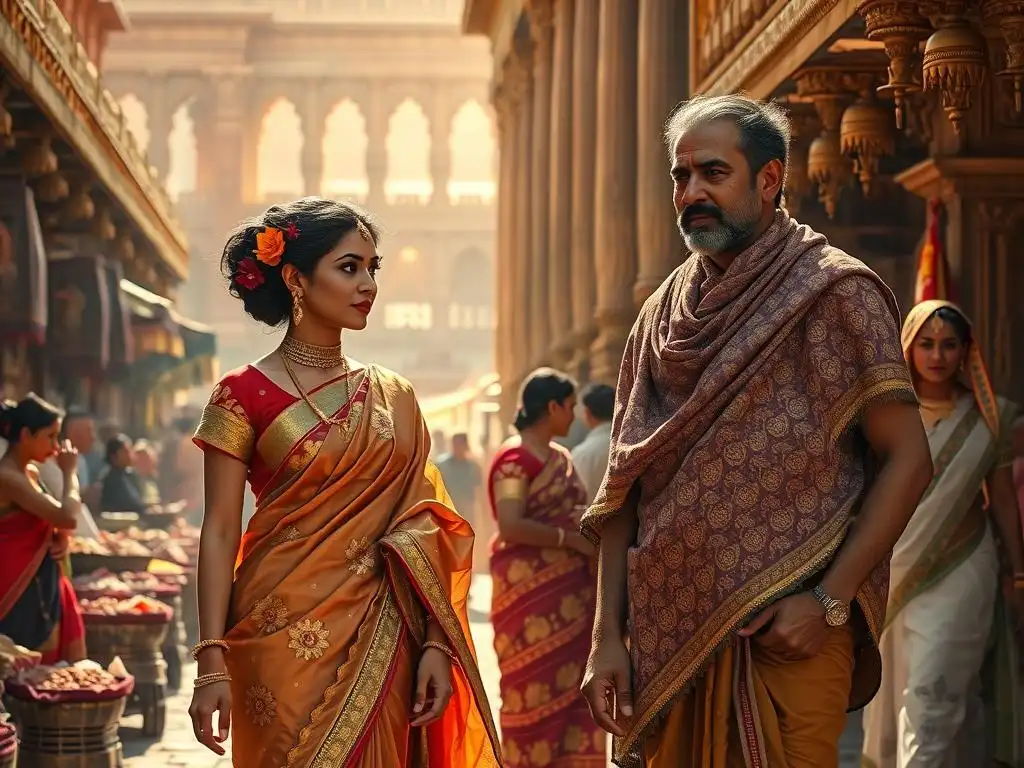
Welcome to Ancient India History, where we embark on a captivating journey through the rich tapestry of ancient Indian civilizations. Delve into the Maurya Empire's influence on fashion—a pivotal yet often overlooked aspect of our cultural heritage. Discover how this majestic empire not only shaped the social and political landscape of its time but also left an indelible mark on the fashion trends that continue to echo in modern India.
As you explore our main article, prepare to uncover the key influencers behind this fascinating transformation and how their legacy persists today. Your voyage through time begins now—let's unravel the threads of history together!
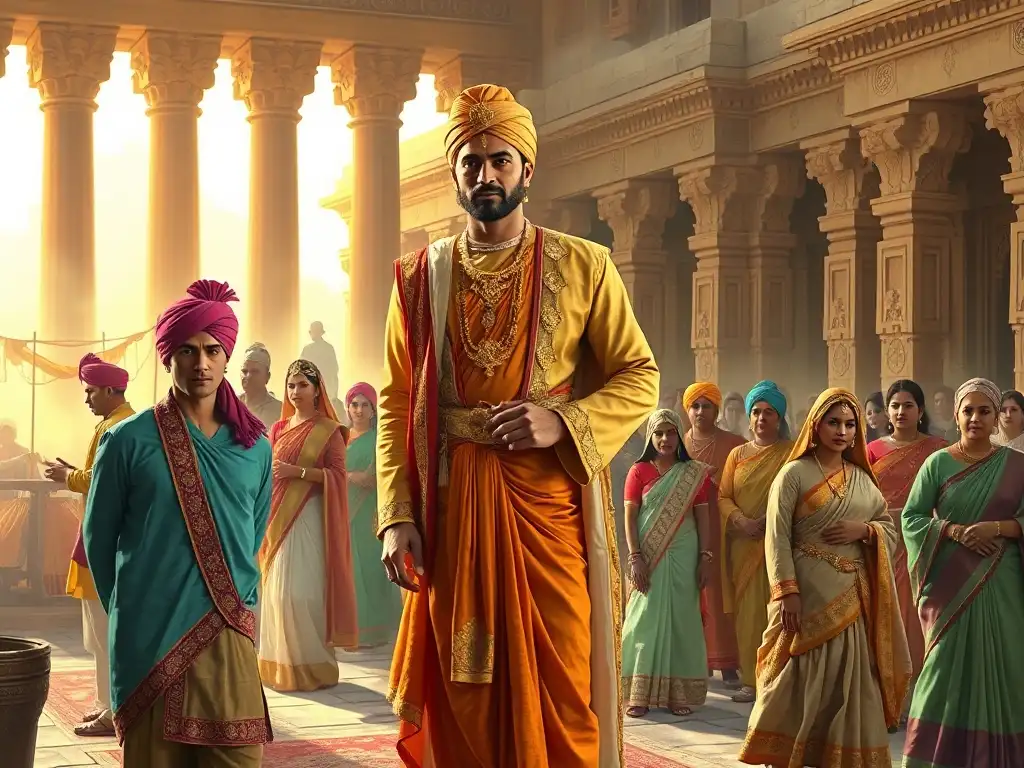
The Maurya Empire, flourishing from 322 to 185 BCE, stands as one of the most remarkable and influential periods in ancient Indian history. Renowned for its political and military prowess under leaders like Chandragupta Maurya and Ashoka the Great, this empire also played a significant role in the evolution of Indian culture, specifically in the realm of fashion.
The unique blend of indigenous traditions and external influences during this era not only shaped the clothing styles but also established a foundation for future fashion trends across the subcontinent. In this article, we delve into the key figures of the Maurya Empire who have left an indelible mark on Indian fashion, exploring how their contributions influenced styles, textiles, and cultural aesthetics that resonate even today.
Introduction to the Maurya Empire
Overview of the Maurya Empire's History
The Maurya Empire emerged in the wake of the disintegration of the Nanda Dynasty, founded by Chandragupta Maurya with guidance from his mentor, Chanakya. This empire expanded rapidly, reaching its zenith under Ashoka the Great, who is often celebrated for his role in promoting peace and Buddhism after the Kalinga War. The empire not only unified the Indian subcontinent but also facilitated trade and cultural exchanges with neighboring regions, laying the groundwork for significant societal transformations.
Significance of the Maurya Empire in Ancient India
The Maurya Empire is significant for numerous reasons: it was the first large-scale empire in India, which established a centralized government and a sophisticated administrative system. The influence of the Maurya period extended beyond governance; it set precedents in art, architecture, and fashion that would shape Indian civilization for centuries. The empire's promotion of cultural values and religious tolerance fostered a rich tapestry of traditions that celebrated diversity.
Introduction to Fashion During the Maurya Period
Fashion during the Maurya period was characterized by a vibrant amalgamation of styles influenced by local traditions, regional resources, and the empire's extensive trade networks. Textiles such as cotton and silk became widely available, and clothing styles began to reflect not only status and occupation but also cultural affiliations. The introduction of new colors, patterns, and ornamentation during this time laid the foundation for future fashion evolution in India.
Key Influencers of Maurya Empire Influence on Fashion
Chandragupta Maurya: The Founder and His Impact on Style
Chandragupta Maurya, as the founder of the Maurya Empire, profoundly influenced the fashion landscape of his time. His vision for a unified empire necessitated a distinct identity, which extended to the attire of the nobility and soldiers. The use of elaborate fabrics and jewelry became a symbol of power and status, setting a precedent for the fashion norms of the imperial elite.
Ashoka the Great: Cultural Patrons and Fashion Evolution
Ashoka’s reign marked a significant transformation in cultural expression, including fashion. His patronage of Buddhism led to the integration of spiritual motifs in clothing, promoting simplicity and modesty. This shift not only altered the visual aesthetic of the era but also encouraged the use of natural dyes and handwoven textiles, thereby enhancing the artisanal craftsmanship associated with Mauryan fashion.
The Role of Royalty in Shaping Fashion Trends
The royal court of the Maurya Empire played a pivotal role in establishing fashion trends that transcended social classes. The opulence of royal attire influenced common citizens, leading to the adoption of certain styles and fabrics across various strata of society. The preferences of the elite, including the colors and materials favored by the royal family, often dictated the fashion landscape, demonstrating the interconnectedness of power and style during this period.
Through these key figures and their contributions, the Maurya Empire left a lasting legacy on Indian fashion, intertwining social status, cultural identity, and artistic expression. As we explore the influences of this remarkable empire, we uncover the rich narrative that continues to shape contemporary Indian fashion.
Fashion Elements Influenced by the Maurya Empire
The Maurya Empire, which flourished from approximately 322 to 185 BCE, significantly impacted various aspects of Indian culture, including fashion. The empire's vast reach and cultural diversity allowed for a blending of styles and traditions that transformed the clothing, accessories, and overall aesthetic of the period. Key elements of fashion during this time included clothing styles, jewelry, and textile innovations that reflected the empire's rich culture and social hierarchy.
Clothing Styles: Traditional Attire of the Maurya Period
During the Maurya period, clothing styles varied significantly based on social status, regional influences, and cultural practices. The predominant attire comprised draped garments, such as the uttarīya (a long scarf or shawl) and antariya (a lower garment). These were typically made from cotton or silk, showcasing the advancements in textile production during this era.
The elite often adorned themselves in elaborate attire, characterized by intricate embroidery and vibrant colors, which were indicative of their wealth and status. For instance, the use of bright dyes derived from natural sources like indigo and safflower was prevalent. These clothing styles not only served practical purposes but also acted as a canvas for expressing one's identity and social standing.
Jewelry and Accessories: Symbols of Status and Influence
Jewelry played a crucial role in the fashion of the Maurya Empire, often serving as a symbol of status and power. Gold and silver jewelry, adorned with precious stones, were commonly worn by the wealthy and royal classes. Items such as necklaces, bangles, earrings, and armlets were not merely decorative but also carried cultural significance, often reflecting religious beliefs and social norms.
Accessories, including headgear and belts, were also essential components of Mauryan fashion. The use of elaborate jewelry was not just a display of wealth; it signified one's position within the intricate social hierarchy of the empire. Additionally, the craftsmanship involved in creating these pieces highlighted the skills of artisans and the cultural importance of adornment in Mauryan society.
Textile Innovations: Fabrics and Techniques Introduced
The Maurya Empire was notable for its advancements in textile production, which had a lasting influence on Indian fashion. The introduction of new weaving techniques and the cultivation of high-quality cotton and silk led to a diversification of fabrics available for clothing.
Techniques such as tie-dyeing and embroidery became popular, allowing for more intricate and colorful designs. The use of block printing emerged during this era, revolutionizing how patterns were applied to textiles. These innovations not only enhanced the aesthetic appeal of garments but also made fashion more accessible to various social classes, as different qualities of fabrics were produced to cater to diverse audiences.
Cultural Exchange and Its Impact on Fashion
The Maurya Empire was a melting pot of cultures due to its extensive trade networks and interactions with various civilizations. This cultural exchange played a pivotal role in shaping the fashion landscape of ancient India, leading to the adoption and adaptation of styles, materials, and techniques from neighboring regions.
Trade Routes and Their Influence on Mauryan Attire
The Maurya Empire's strategic location on key trade routes facilitated the exchange of goods, ideas, and cultural practices. Trade with regions such as Persia, Central Asia, and the Mediterranean introduced new fabrics, styles, and ornamentation to Indian fashion.
Silk, which was highly prized, became more widely available, influencing the clothing choices of the elite. The fusion of styles from different cultures resulted in a unique blend that characterized Mauryan attire, creating a rich tapestry of fashion that reflected both local traditions and foreign influences.
Interaction with Other Cultures: Adoption and Adaptation
As the Maurya Empire expanded, it came into contact with various cultures that enriched its own fashion practices. The adoption of elements from Greek and Persian styles, particularly after Alexander the Great's invasion of India, led to the emergence of hybrid fashion trends.
For example, the introduction of tunic-style garments and tailored clothing from the West began to appear in the attire of certain social classes. This adaptation showcased the flexibility of Mauryan fashion, which was not static but rather dynamic, evolving with the influences of different cultures while maintaining core Indian aesthetics.
The Role of Art and Literature in Fashion Evolution
Art and literature from the Maurya period played a significant role in the evolution of fashion. Artistic depictions in sculptures and paintings often showcased the clothing and accessories of the time, providing valuable insights into contemporary styles and societal norms.
Literary works, including ancient texts and poetry, also highlighted fashion trends, detailing the significance of clothing and adornment in social settings and rituals. This interplay between art, literature, and fashion contributed to the preservation and promotion of Mauryan styles, ensuring their legacy in the annals of Indian history. The influence of the Maurya Empire on fashion was thus multifaceted, intertwining cultural, artistic, and social threads into a rich tapestry that shaped Indian attire for generations to come.
Religious Influences on Maurya Empire Fashion
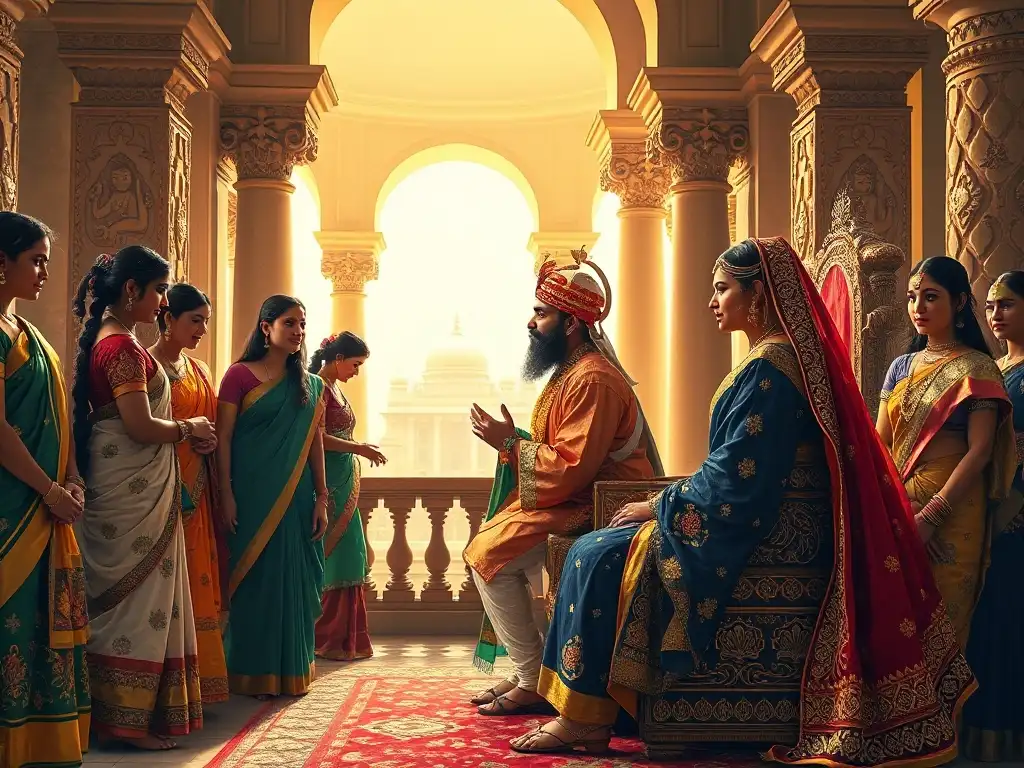
The Maurya Empire, which flourished from 322 to 185 BCE, was a monumental period in Indian history marked by significant religious and cultural transformations. The interplay between religion and fashion during this era was profound, with Buddhism and Hinduism playing pivotal roles in shaping clothing styles, materials, and the overall aesthetic of the time. Understanding these religious influences provides insight into how the Maurya Empire not only shaped societal norms but also laid the groundwork for future fashion trends in India.
Buddhism and Its Symbolic Impact on Attire
Buddhism emerged as a significant force during the Maurya period, particularly under the patronage of Emperor Ashoka. The principles of Buddhism emphasized simplicity, modesty, and detachment from material possessions, which reflected in the attire of its followers. Monks and laypeople alike often wore simple, unadorned garments made from natural fibers such as cotton and wool.
The symbolic aspects of Buddhist attire included:
- Color Significance: Monks typically donned ochre robes, symbolizing renunciation and the pursuit of enlightenment. This color became a defining element of Buddhist fashion.
- Minimalism: The emphasis on minimalism opposed the opulent styles seen in other segments of society, promoting a fashion that aligned with the ideals of humility and simplicity.
- Artistic Expressions: Buddhist art, including sculptures and paintings, often depicted figures in serene postures, which influenced the draping and styling of garments, leading to a more fluid and relaxed silhouette in clothing.
These elements combined to create a distinctive fashion narrative that reflected the core tenets of Buddhism, influencing the broader cultural landscape of the Maurya Empire.
Influence of Hinduism on Mauryan Fashion Trends
In contrast to Buddhism, Hinduism thrived alongside it and significantly influenced the fashion of the Maurya Empire. The diverse practices and rituals of Hinduism created a rich tapestry of clothing styles, often characterized by their vibrant colors and intricate designs. Key aspects of Hindu influence on fashion included:
- Textile Variety: The use of luxurious fabrics such as silk and fine cotton became prevalent, with dyes sourced from natural materials creating vivid colors that were symbolic of social status and identity.
- Ornate Embellishments: Unlike the minimalist styles promoted by Buddhism, Hindu fashion embraced elaborate decorations, including embroidery, beadwork, and the use of gold and silver adornments, reflecting the spiritual and cultural significance of attire.
- Regional Variations: Different regions within the Maurya Empire showcased unique styles influenced by local customs and traditions, leading to a variety of garments such as sarees, dhotis, and shawls that were both functional and ceremonial.
Through these elements, Hinduism contributed to a dynamic and evolving fashion landscape within the Maurya Empire, setting trends that would echo throughout Indian history.
The Interplay Between Religion and Clothing Choices
The relationship between religion and clothing choices in the Maurya Empire was not merely a reflection of personal belief systems but also a societal norm that governed the public and personal identities of its citizens. The integration of religious values into fashion choices can be observed through:
- Ceremonial Attire: Individuals often wore specific garments during religious ceremonies, reinforcing their faith and community ties. For example, during rituals, the choice of clothing was critical in expressing devotion and reverence.
- Social Hierarchy: Fashion served as a marker of social status, with religious leaders often adorned in distinct styles that set them apart from laypeople. This differentiation reinforced the social and spiritual hierarchy within the society.
- Cultural Syncretism: The coexistence of multiple religions in the Maurya Empire led to a fusion of styles, where elements from both Buddhism and Hinduism could be seen in everyday attire, creating a unique blend that characterized Mauryan fashion.
This interplay highlights how clothing became a medium through which spiritual and cultural identities were expressed, making fashion a significant aspect of life in the Maurya Empire.
Conclusion: Lasting Legacy of the Maurya Empire on Indian Fashion
The Maurya Empire's profound influence on Indian fashion has left an indelible mark that continues to resonate in contemporary styles. The religious and cultural dynamics of the time fostered a rich diversity in clothing that not only defined an era but also contributed to the ongoing evolution of Indian fashion.
Summary of Key Influencers and Their Contributions
Key figures like Emperor Ashoka played a crucial role in the promotion of Buddhist values, which impacted the sartorial choices of many. The design and materials used in clothing were heavily influenced by religious beliefs, with both Buddhism and Hinduism contributing distinct philosophies that shaped fashion trends. The artisans and weavers of the time also innovated with techniques that led to the thriving textile industry, producing garments that were both practical and symbolic.
The Enduring Influence of Maurya Fashion in Modern India
Modern Indian fashion continues to draw inspiration from the past, with elements of Mauryan attire evident in contemporary styles. The use of natural fabrics, vibrant colors, and intricate designs reflects the enduring legacy of Mauryan fashion. Festivals and cultural events often see a revival of traditional garments inspired by this historical period, showcasing the timeless appeal of these styles.
Reflection on the Maurya Empire’s Role in Shaping Cultural Identity
The Maurya Empire played a pivotal role in shaping the cultural identity of India through its influence on fashion. The clothing choices of this era were not merely about aesthetics; they encapsulated the spiritual beliefs, social hierarchies, and artistic expressions of the time. By weaving together religious influences and cultural practices, the Maurya Empire laid the groundwork for a rich and diverse fashion heritage that continues to thrive in India today, embodying the essence of its historical and cultural journey.
References
The study of the Maurya Empire and its influence on Indian fashion is enriched by various scholarly works, historical texts, and archaeological findings. The references compiled below provide a foundation for understanding how clothing styles, textiles, and adornments evolved during this significant period in Indian history.
Recommended Reading on the Maurya Empire and Fashion
-
"The Maurya Empire: A Historical Overview" by R.S. Sharma
This comprehensive book delves into the political, economic, and cultural aspects of the Maurya Empire, offering insights into how these factors influenced fashion and lifestyle during this era.
-
"Clothing and Textile Traditions of Ancient India" by Aditi K. Verma
This work focuses specifically on the textiles used in ancient India, detailing the materials, techniques, and designs that were prevalent during the Maurya period.
-
"Fashioning the Past: Indian Textiles and the Maurya Empire" by Neelam Gupta
Gupta's book explores the intricate relationship between fashion and identity in ancient India, particularly how Mauryan rulers and society shaped textile production and consumption.
-
"The Art of Ancient India: Buddhist, Hindu, Jain" by Susan L. Huntington
While primarily an art history resource, this book provides valuable context regarding the attire and adornments depicted in ancient Indian sculpture and paintings, including those from the Maurya Empire.
-
"Mauryan Society: Culture, Art, and Fashion" by Vikram Singh
This text discusses the cultural practices of the Mauryan society, including their approaches to fashion, jewelry, and personal adornment, reflecting the empire's wealth and social stratification.
Sources for Further Exploration of Ancient Indian Fashion
-
Journal of Indian History and Culture
An academic journal that frequently publishes articles on ancient Indian history, including the impact of different empires on fashion and social customs.
-
Archaeological Surveys and Reports
Numerous archaeological findings from sites such as Pataliputra and Taxila provide tangible evidence of clothing styles, accessories, and textile techniques used in the Maurya Empire.
-
The National Museum of India Collections
The museum houses artifacts from the Maurya period, including sculptures and textiles that showcase the fashion of the time. Their online resources offer additional insights into the clothing and aesthetic preferences of ancient Indians.
-
"India: A History" by John Keay
This book provides a broader historical context, including the Maurya Empire, and discusses how fashion evolved with changing political landscapes.
-
Online Databases and Archives
Access to archives like JSTOR and Google Scholar can yield articles and papers focused on the social history of ancient India, particularly studies related to the Maurya Empire's influence on fashion trends.
These resources collectively offer a well-rounded approach to understanding the interplay between the Maurya Empire and the evolution of fashion in ancient India, revealing the empire's lasting impact on cultural aesthetics.
- Introduction to the Maurya Empire
- Key Influencers of Maurya Empire Influence on Fashion
- Fashion Elements Influenced by the Maurya Empire
- Cultural Exchange and Its Impact on Fashion
- Religious Influences on Maurya Empire Fashion
- Conclusion: Lasting Legacy of the Maurya Empire on Indian Fashion
- References
- What was the Maurya Empire known for in terms of fashion?
- How did the Maurya Empire contribute to textile production?
- Were there any specific fashion items that emerged during the Maurya Empire?
- How did the Maurya Empire's trade relations affect fashion?
- What legacy did the Maurya Empire leave on modern Indian fashion?
Frequently Asked Questions
What was the Maurya Empire known for in terms of fashion?
The Maurya Empire was known for its luxurious textiles and intricate craftsmanship, which influenced the fashion trends of ancient India and set standards for future generations.
How did the Maurya Empire contribute to textile production?
The Maurya Empire significantly advanced textile production techniques, including the use of silk and cotton, which became integral to Indian fashion and trade.
Were there any specific fashion items that emerged during the Maurya Empire?
Yes, notable fashion items such as ornate jewelry, embroidered garments, and decorative turbans became popular, reflecting the empire's wealth and artistry.
How did the Maurya Empire's trade relations affect fashion?
Through extensive trade networks, the Maurya Empire facilitated the exchange of fashion trends and materials, allowing diverse influences to shape Indian attire.
What legacy did the Maurya Empire leave on modern Indian fashion?
The Maurya Empire's emphasis on elegance and craftsmanship continues to inspire modern Indian fashion, blending traditional designs with contemporary styles.
Final Reflection: The Enduring Influence of the Maurya Empire on Fashion
The legacy of the Maurya Empire continues to resonate in contemporary fashion, showcasing how historical influences shape our modern aesthetic. From the intricate textiles to the regal adornments, the fashion of the Maurya period has left an indelible mark on Indian culture that persists today. This connection between past and present highlights the profound impact of historical empires on our everyday lives, reminding us that fashion is not merely a reflection of trends but a tapestry woven with the threads of history.
The Maurya Empire's influence on fashion is a testament to the power of cultural exchange and artistic expression. The styles and techniques developed during this era have not only enriched Indian fashion but have also inspired global fashion dialogues. As we navigate through a world increasingly defined by cultural fusion, we can appreciate how the elegance of Mauryan attire continues to inspire designers and fashion enthusiasts alike. Fashion is the armor to survive the reality of everyday life.
— Bill Cunningham. This quote encapsulates the essence of how fashion serves as a bridge between our historical roots and contemporary identity.
As we reflect on the lessons from the Maurya Empire, I invite you to explore how history informs your personal style and choices. Consider the stories behind the garments you wear and the cultural narratives they embody. Embrace the richness of your heritage and allow it to inspire your fashion journey. By acknowledging the past, we can create a future that honors our roots while celebrating the diversity of expression in fashion. Let the influence of the Maurya Empire guide you in crafting a style that is not only fashionable but also meaningful.
Unveil the Richness of Maurya Fashion Today!
Thank you for diving into the fascinating world of the Maurya Empire and its lasting impact on Indian fashion. You've gained insights into the unique styles and cultural influences that have shaped clothing traditions over centuries. Now, it's time to take that knowledge further!
Here’s how you can embrace and explore this vibrant heritage:
- Rediscover traditional attire: Visit local markets or online platforms to find clothing inspired by the exquisite styles of the Maurya period, and introduce these pieces into your wardrobe!
- Share your findings: Post your favorite outfits inspired by Mauryan aesthetics on social media with a creative hashtag to inspire others in your community.
- Join a local cultural group: Engage with organizations that celebrate and educate about ancient Indian fashion, helping to preserve and promote this rich heritage.
How do you envision incorporating elements of Mauryan style into your modern wardrobe? **Share your thoughts below! **