
Unraveling the Artistry of Indus Valley Pottery and Sculpture

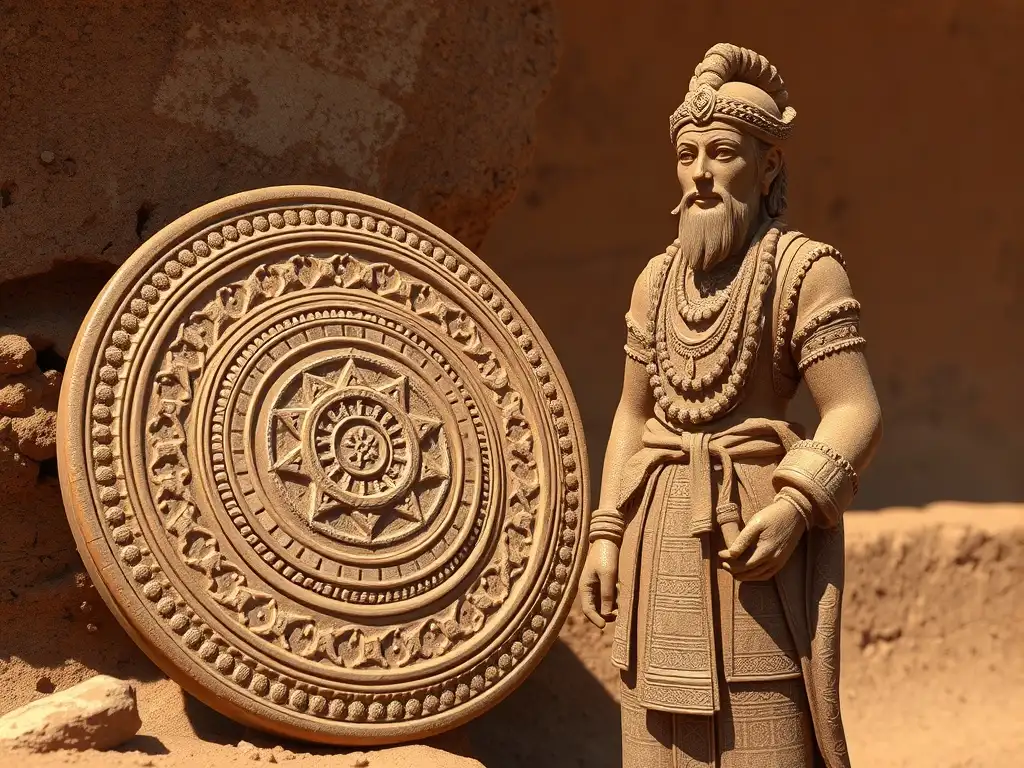
Welcome to Ancient India History, where we embark on an exciting journey through the vibrant tapestry of ancient Indian civilizations. Dive deep into our latest exploration, “Unraveling the Artistry of Indus Valley Pottery and Sculpture,” and discover the remarkable craftsmanship that defined an era. From intricate designs to symbolic motifs, the artistry of the Indus Valley offers a fascinating glimpse into the lives and beliefs of its people. Are you ready to uncover the secrets of this ancient art form and its enduring legacy? Let’s delve into the past together!
The Indus Valley Civilization, one of the most remarkable ancient cultures, flourished around 2500 BCE in what is now Pakistan and northwest India. Renowned for its advanced urban planning, sophisticated drainage systems, and vibrant trade networks, this civilization also made significant contributions to the world of art, particularly through its pottery and sculpture.
The artistry of Indus Valley pottery and sculpture not only reflects the aesthetic values of the time but also provides valuable insights into the social, economic, and religious practices of its people. In this article, we will delve into the rich tapestry of Indus Valley pottery and sculpture, examining their characteristics, cultural significance, and the techniques employed by artisans of this ancient civilization.
Characteristics of Indus Valley Pottery
The pottery of the Indus Valley Civilization is distinguished by its intricate designs and varied forms. Most notably, the pottery is often:
- Made of high-fired clay: This technique contributed to the durability of the pottery, allowing it to withstand the test of time.
- Decorated with geometric patterns: Artists employed complex motifs, including circles, triangles, and swirls, reflecting a strong aesthetic sense.
- Utilized in various functional forms: The pottery served diverse purposes, from cooking and storage to ceremonial uses.
The colors of the pottery were typically red and black, achieved through specific firing techniques. The use of a potter's wheel, which was a significant technological advancement, allowed for the creation of uniform shapes and sizes.
Significance of Pottery in Indus Valley Society
Indus Valley pottery holds great significance beyond mere functionality. It serves as a cultural artifact that offers insights into the daily lives and practices of the civilization's inhabitants:
- Trade and Economy: The presence of pottery in archaeological sites indicates the existence of trade networks. Pottery styles found in distant regions suggest that the Indus Valley engaged in extensive commerce.
- Social Structure: Variations in pottery styles may indicate social stratification, with certain designs reserved for elite classes or specific uses.
- Cultural Practices: Some pottery pieces are believed to have had ritualistic purposes, illustrating the spiritual beliefs of the society.
The Art of Indus Valley Sculpture
Alongside its pottery, the Indus Valley Civilization is also celebrated for its remarkable sculptures. These sculptures, crafted from materials like terracotta, stone, and ivory, showcase the artistic prowess of the time. Key features include:
- Figurative Representations: Sculptures often depict human figures, animals, and deities, emphasizing the civilization's connection to nature and spirituality.
- Attention to Detail: The craftsmanship reflects a high level of skill, with intricate details capturing the nuances of facial expressions and body postures.
- Symbolism: Many sculptures are imbued with symbolic meanings, representing fertility, power, or protection.
Conclusion
The artistry of Indus Valley pottery and sculpture is a testament to the creativity and ingenuity of one of the world's earliest urban civilizations. As we explore these art forms, we gain a deeper understanding of the social, economic, and cultural fabric of the Indus Valley, highlighting the civilization's enduring legacy in the annals of history.
- Characteristics of Indus Valley Pottery
- Significance of Pottery in Indus Valley Society
- The Art of Indus Valley Sculpture
- Conclusion
- What is the significance of Indus Valley pottery in ancient history?
- How did sculpture play a role in the Indus Valley Civilization?
- What materials were primarily used in Indus Valley pottery?
- Are there any famous examples of Indus Valley sculpture?
- How did the artistry of the Indus Valley influence later Indian cultures?
Introduction to Indus Valley Civilization Art
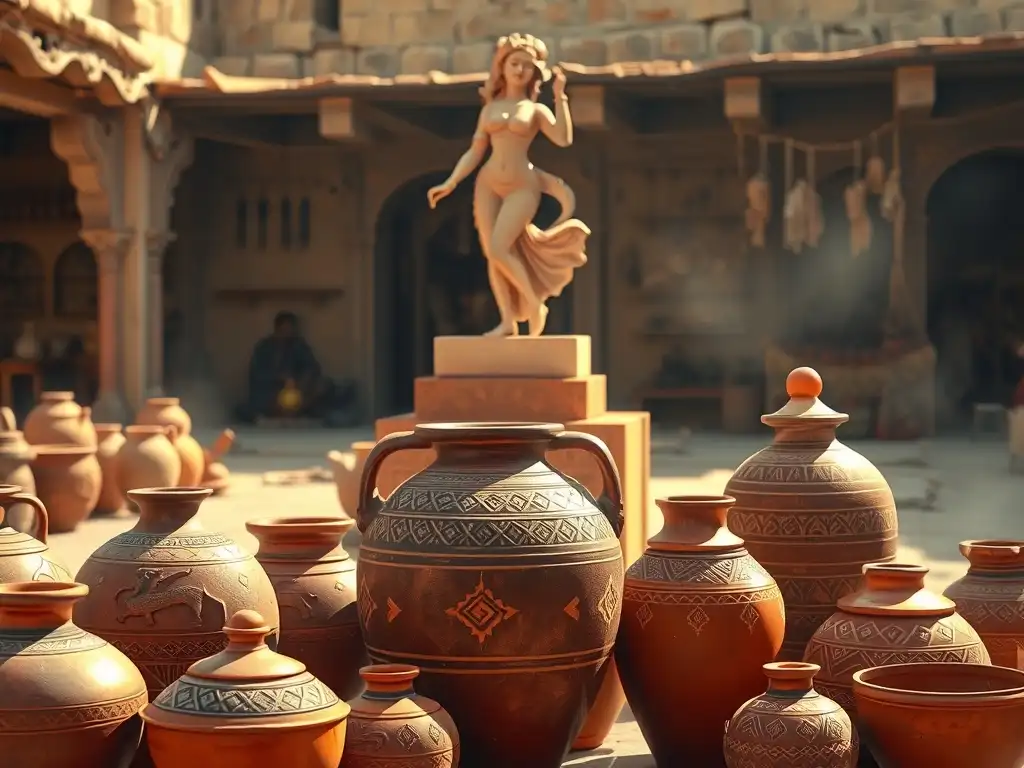
The art of the Indus Valley Civilization, which flourished between approximately 3300 BCE and 1300 BCE, is a pivotal aspect of ancient Indian history. Known for its sophisticated urban planning, advanced drainage systems, and remarkable craftsmanship, the Indus Valley Civilization was one of the world's earliest urban cultures. The artistry found in pottery and sculpture from this period not only reflects the aesthetic sensibilities of its people but also provides insight into their daily lives, beliefs, and social structures.
Overview of the Indus Valley Civilization's Historical Context
The Indus Valley Civilization, also known as the Harappan Civilization, extended across modern-day Pakistan and northwest India, encompassing major urban centers like Harappa, Mohenjo-Daro, and Dholavira. It is characterized by:
- Urban Planning: Cities were meticulously planned with grid layouts, advanced drainage systems, and standardized fired brick construction.
- Trade Networks: The civilization engaged in extensive trade with contemporary societies, including Mesopotamia, facilitating the exchange of goods and cultural ideas.
- Agriculture: The fertile plains along the Indus River supported agriculture, leading to surplus production that allowed for the growth of urban centers.
The historical context of the Indus Valley Civilization is crucial for understanding its art. Artisans were not only skilled craftsmen but also played a significant role in the economy and cultural expression of their society. Their creations, particularly pottery and sculpture, were often utilitarian yet imbued with artistic flair.
Significance of Art in Ancient Indian Cultures
Art in ancient Indian cultures, including the Indus Valley, served multiple purposes that went beyond mere decoration. The significance of art can be categorized into several key aspects:
- Cultural Identity: Artifacts such as pottery and sculptures were vital in expressing the cultural identity of the Indus Valley people. They often depicted animals, human figures, and symbols that were integral to their belief systems.
- Religious and Spiritual Expression: Many sculptures and pottery items were linked to religious practices, suggesting a belief in deities and spirituality. Some figurines, often interpreted as fertility symbols or mother goddesses, highlight the spiritual dimensions of their art.
- Social Status: The quality and style of pottery and sculptures could indicate social status and occupation. High-quality artifacts were likely associated with the elite, while simpler designs were more common among the lower classes.
- Technological Advancement: The techniques used in pottery production, such as wheel-throwing and glazing, demonstrate the technological prowess of the civilization. The sophistication of these methods reflects a high level of skill and innovation in the arts.
The artistry of the Indus Valley Civilization, particularly its pottery and sculpture, is a testament to the culture's complexity and sophistication. These artistic expressions not only provide a glimpse into the daily lives and beliefs of the Indus people but also highlight their contributions to the broader tapestry of ancient Indian civilizations.
Characteristics of Indus Valley Pottery
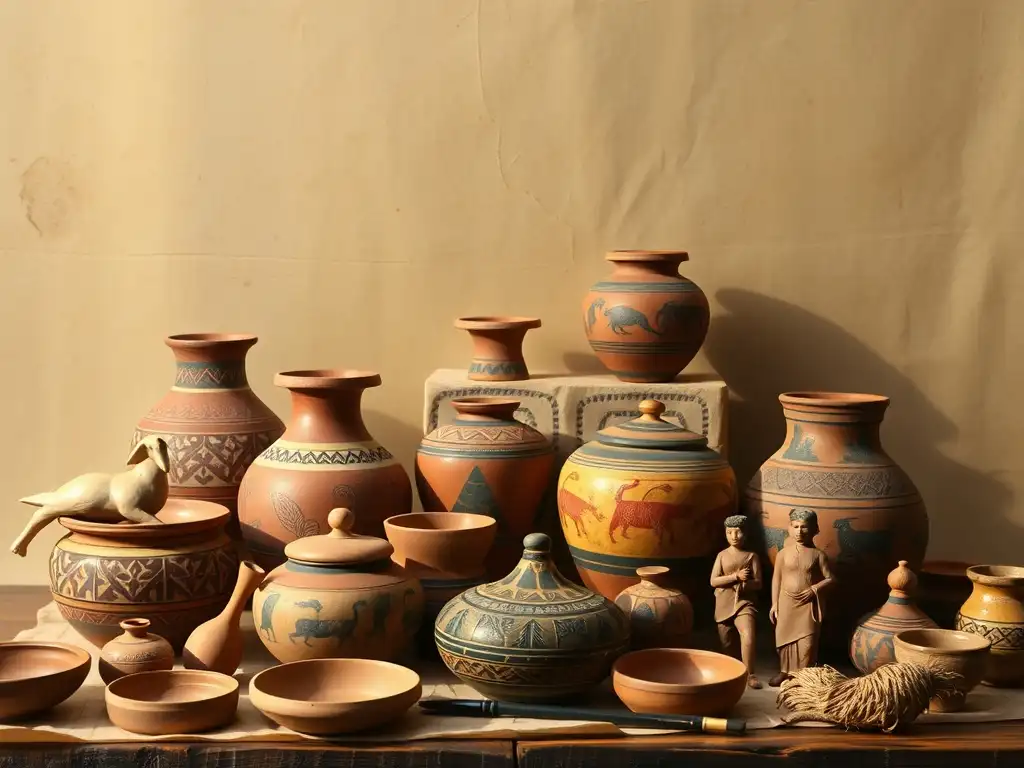
Indus Valley pottery is renowned for its unique characteristics that reflect the advanced artistic sensibilities of the civilization. The pottery from this era showcases a variety of forms, styles, and functions, making it a crucial aspect of the Indus Valley's artistic heritage.
Distinctive Features of Indus Valley Pottery
Indus Valley pottery is primarily distinguished by its fine quality, decorative techniques, and varied forms. Some notable features include:
- Red and Black Ware: One of the most iconic styles, this pottery is characterized by a red body with black designs, often achieved through the application of a slip before firing.
- Incised Designs: Potters frequently used incising techniques to create intricate patterns and motifs, which often included geometric shapes and floral designs.
- Naturalistic Forms: Many pottery pieces, such as bowls and vases, displayed naturalistic forms, showing a strong connection to the environment. Some even imitated the shapes of animals or plants.
- Functional and Ritualistic Purposes: The pottery served both daily functional uses, such as cooking and storage, and ritualistic purposes, often used in religious or ceremonial contexts.
Common Materials Used in Pottery Production
The materials used for pottery production in the Indus Valley were primarily sourced locally, which included:
- Clay: The primary material, sourced from riverbanks, was often mixed with sand or other additives to enhance its workability and durability.
- Paints and Dyes: Natural pigments derived from minerals and plants were used for decoration. Common colors included red, black, and white, achieved through various techniques.
- Glazing Agents: While glazing was not extensively used, some pieces were coated with a slip to create a smoother surface that could be polished for aesthetic appeal.
Techniques of Pottery Making in the Indus Valley
The techniques employed in the creation of pottery were sophisticated, incorporating both traditional and innovative methods:
- Wheel-Throwing: The potter's wheel, which was a significant technological advancement, allowed for uniform shapes and sizes, enhancing the quality of the pottery produced.
- Hand-Building: Many small items were crafted using hand-building techniques, such as coiling or pinching, which allowed for more intricate designs.
- Firing Techniques: Pottery was fired in kilns, with some advanced methods that helped achieve high temperatures, leading to stronger and more durable pieces. Different firing atmospheres, such as reducing or oxidizing environments, influenced the final appearance of the pottery.
The artistry of Indus Valley pottery and sculpture not only highlights the aesthetic sensibilities of the civilization but also provides invaluable insights into their daily lives, rituals, and social structures. This rich artistic tradition continues to be a subject of fascination for historians and archaeologists alike.
Types of Indus Valley Pottery
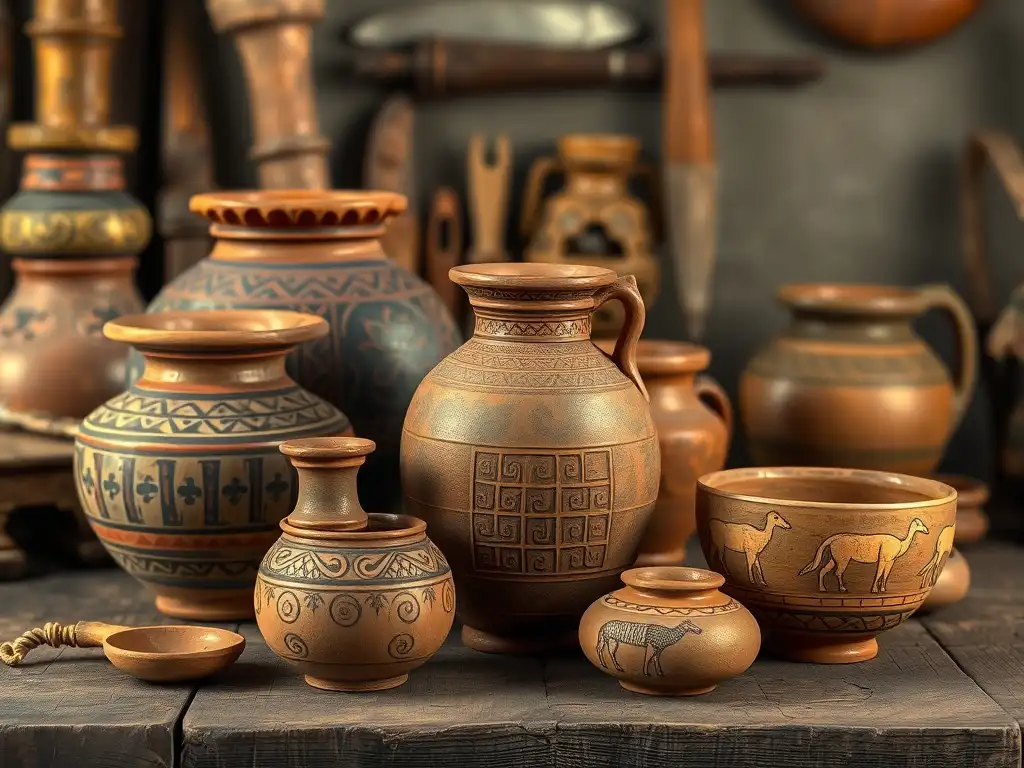
Functional Pottery: Everyday Use and Utility
Functional pottery from the Indus Valley Civilization showcases the practical aspects of daily life. The artisans of this era produced a variety of utilitarian items that were integral to everyday activities. These included pots, bowls, and storage jars, designed to meet the needs of the households.
The most common types of functional pottery included:
- Cooking pots: Typically made with coarse clay, these pots were used for boiling and cooking food. Many have been discovered with soot marks, indicating their use over open flames.
- Storage jars: These larger vessels were essential for storing grains, water, and other essential supplies. They often featured thick walls for durability, ensuring that contents remained safe from pests and environmental factors.
- Dishes and bowls: Used for serving food, these items often displayed simple designs and were functional in shape. Their flat bases allowed easy placement on surfaces.
The widespread use of such pottery indicates a well-organized society that prioritized functionality in its daily life. The presence of various sizes and forms of functional pottery suggests a high degree of specialization among potters, who catered to the diverse needs of the community.
Decorative Pottery: Artistic Expressions and Motifs
In addition to functional pieces, the Indus Valley Civilization was renowned for its decorative pottery, which highlighted the artistic sensibilities of its people. These items often served as symbols of status and identity within the society. Decorative pottery pieces frequently featured intricate designs and motifs, showcasing the skills of the artisans.
Key characteristics of decorative pottery include:
- Geometric patterns: Many pots were adorned with bold geometric shapes, such as circles, triangles, and zigzags, reflecting the aesthetic preferences of the time.
- Natural imagery: Artists often incorporated depictions of flora and fauna into their designs, suggesting a deep connection to the natural world and possibly symbolizing fertility and abundance.
- Polished finishes: Unlike functional pottery, decorative pieces often exhibited a high degree of finishing, with some being burnished to a smooth sheen. This not only enhanced their visual appeal but also highlighted the craftsmanship involved in their creation.
The artistry in Indus Valley decorative pottery provides insight into the cultural values and social structures of the civilization. It indicates a society that not only focused on utility but also embraced beauty and personal expression in their everyday objects.
Special Ceramics: Ritual and Ceremonial Pottery
Special ceramics from the Indus Valley were primarily associated with rituals and ceremonies. These items often held significant cultural and spiritual importance, reflecting the beliefs and practices of the society.
Notable types of special ceramics include:
- Ceremonial vessels: Often elaborate in design, these vessels were used in religious or communal ceremonies. Their shapes and decorations often had symbolic meanings, believed to connect the physical and spiritual realms.
- Funerary pottery: Items found in burial sites suggest that certain pots were created specifically for funerary practices. These vessels might have contained offerings for the deceased, indicating beliefs about the afterlife.
- Altar pieces: Some pottery was crafted for use in altars, showcasing intricate carvings and designs that signified their importance in ritual practices.
The existence of these special ceramics highlights the complex spiritual life of the Indus Valley people. The careful craftsmanship and specific designs of these items suggest a society that placed great importance on their rituals, using pottery not only for practical purposes but also as a means of engaging with the divine.
Exploring Indus Valley Sculpture
Overview of Sculpture in the Indus Valley Civilization
The Indus Valley Civilization (IVC), which thrived from approximately 3300 to 1300 BCE, is renowned not only for its advanced urban planning but also for its remarkable artistry, particularly in sculpture. The sculptures from this period reflect a deep understanding of form, proportion, and aesthetics, embodying the cultural and social values of the time.
Sculpture in the Indus Valley was primarily made of terracotta, stone, and bronze, showcasing a diverse range of forms, from small figurines to large statuary. Notably, the civilization is characterized by its focus on realism and intricate detailing. The famous bronze statuette of the "Dancing Girl" from Mohenjo-Daro exemplifies this artistry; measuring just about 10.5 cm in height, it features detailed anatomical features and a confident posture, indicating the skill of IVC artisans.
The sculptures often depict human figures, animals, and deities, hinting at the religious and cultural practices of the Indus people. While the exact meanings behind many sculptures remain elusive due to the undeciphered script of the civilization, the artistic expressions provide a glimpse into their daily lives, beliefs, and societal roles.
Notable Materials Used in Indus Valley Sculpture
The choice of materials for sculpture in the Indus Valley Civilization was influenced by availability, functionality, and aesthetic preferences. The most notable materials included:
- Terracotta: Widely used for creating figurines and small sculptures, terracotta was valued for its plasticity and ease of use. These figurines often represented women, animals, and mythical creatures.
- Stone: Various types of stone, such as sandstone and limestone, were utilized for larger sculptures and relief carvings. The durability of stone allowed for intricate designs and detailed carvings, as seen in some of the larger sculptures found in cities like Harappa.
- Bronze: The use of bronze, particularly for creating statues and ritual objects, reflects advanced metallurgical techniques. The lost-wax casting method enabled artisans to produce detailed and expressive figures, such as the well-known "Dancing Girl."
- Shell and Ivory: Though less common, sculptures made from shell and ivory demonstrate the diversity of materials available to artisans. These materials were often used for decorative pieces and jewelry.
The innovative use of these materials not only highlights the technical prowess of Indus Valley artisans but also their artistic sensibilities and adaptability in creating lasting works of art.
Techniques and Styles in Indus Valley Sculpture
The craftsmanship of Indus Valley sculpture showcases a variety of techniques and styles that set it apart from other ancient cultures. Some key aspects include:
- Realism: Sculptures from the IVC exhibit a remarkable degree of realism, emphasizing accurate human proportions and lifelike expressions. This is particularly evident in the detailed facial features and postures of figurines.
- Stylization: While realism was a focus, there was also a tendency toward stylization in certain representations, particularly in decorative motifs and the depiction of animals. This dual approach allowed for both accurate representation and artistic expression.
- Relief Carving: Many sculptures featured relief work, where figures were carved into stone or terracotta surfaces, creating a three-dimensional effect. This technique was commonly used in seals, which often depicted animals and mythological scenes.
- Lost-Wax Casting: This advanced technique for bronze sculpture allowed for complex shapes and intricate detailing. The process involved creating a model in wax, encasing it in a mold, and then melting the wax away to leave a hollow bronze sculpture.
- Functional Art: Many sculptures served a functional purpose, such as ritual objects or decorative items for domestic use. This integration of art into daily life reflects the significance of craftsmanship in IVC culture.
The combination of these techniques and styles not only underscores the artistic innovation of the Indus Valley Civilization but also indicates a rich cultural narrative embedded in their sculptural works, reflecting their values, beliefs, and societal norms.
Iconic Indus Valley Sculptures
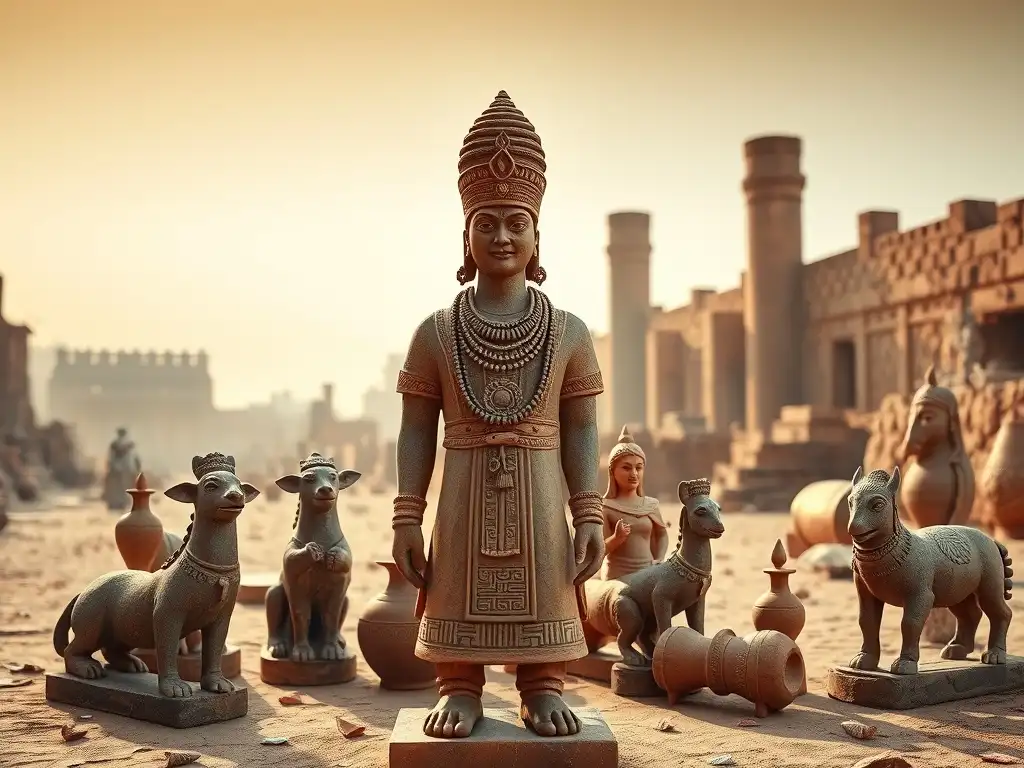
The Indus Valley Civilization is renowned for its exceptional craftsmanship in pottery and sculpture, reflecting a sophisticated understanding of art and aesthetics. Among the myriad of artifacts unearthed from this ancient civilization, certain sculptures stand out due to their artistic merit and cultural significance. The iconic sculptures of the Indus Valley not only showcase the skill of their creators but also provide invaluable insights into the social, religious, and political dynamics of the time.
The Dancing Girl: Symbol of Indus Valley Artistry
One of the most celebrated artifacts of the Indus Valley Civilization is the Dancing Girl, a bronze statue discovered in Mohenjo-Daro. This exquisite piece, measuring approximately 10.5 centimeters in height, is a testament to the artistic excellence and technical prowess of Indus Valley craftsmen.
- Artistic Features:
- The figure is depicted in a dynamic pose, with one hand on her hip and the other raised, suggesting movement and rhythm.
- Her elaborate hairstyle and the jewelry adorning her body reflect the aesthetic sensibilities of the time.
- The attention to detail, including the intricate designs on her bangles, showcases the high level of skill in metalworking.
- Cultural Significance:
- The Dancing Girl is often interpreted as a representation of dance and music, which were integral to the cultural fabric of the civilization.
- Some scholars suggest that she may symbolize fertility or the celebration of life, linking her to the spiritual and social practices of the Indus people.
This sculpture encapsulates the essence of Indus Valley artistry, melding form and function in a manner that resonates through millennia.
Another significant sculpture from the Indus Valley is the Priest-King, also discovered in Mohenjo-Daro. This limestone figure stands about 17.5 centimeters tall and is characterized by its dignified appearance and regal posture.
- Artistic Features:
- The Priest-King is adorned with a shawl draped over his shoulders, accentuating his status. The detailed facial features and the well-defined beard imbue the figure with a sense of authority.
- The sculpture is crafted with remarkable precision, reflecting a deep understanding of proportion and anatomy.
- Cultural Significance:
- This figure is often interpreted as a representation of leadership and governance within the Indus Valley Civilization.
- The presence of such a figure suggests a complex societal structure, with roles that included religious and political leadership.
The Priest-King serves as a remarkable artifact that encapsulates the themes of power, spirituality, and social hierarchy prevalent in ancient Indus society.
Terracotta Figurines: Insights into Daily Life and Beliefs
In addition to bronze and stone sculptures, terracotta figurines are another vital aspect of Indus Valley artistry. These small, often hand-shaped figures provide rich insights into the everyday life and spiritual beliefs of the civilization.
- Types of Figurines:
- The terracotta figures include representations of humans, animals, and deities. Common themes involve motherhood, fertility, and domesticity.
- Some figurines depict women in various roles, highlighting the importance of female figures in social and religious contexts.
- Cultural Significance:
- These figurines are believed to have played a role in ritual practices, possibly serving as offerings or talismans for fertility and prosperity.
- The diversity in the figurines suggests a complex belief system, with varying representations of daily life and the natural world.
Terracotta figurines from the Indus Valley offer a glimpse into the spiritual and social dimensions of the civilization, bridging the gap between the mundane and the sacred.
The artistry of Indus Valley pottery and sculpture not only showcases the skill of ancient artisans but also serves as a window into the rich cultural tapestry of one of the world's earliest urban civilizations. Each sculpture and figurine contributes to the narrative of a society that valued creativity, spirituality, and social organization.
The Cultural Significance of Pottery and Sculpture
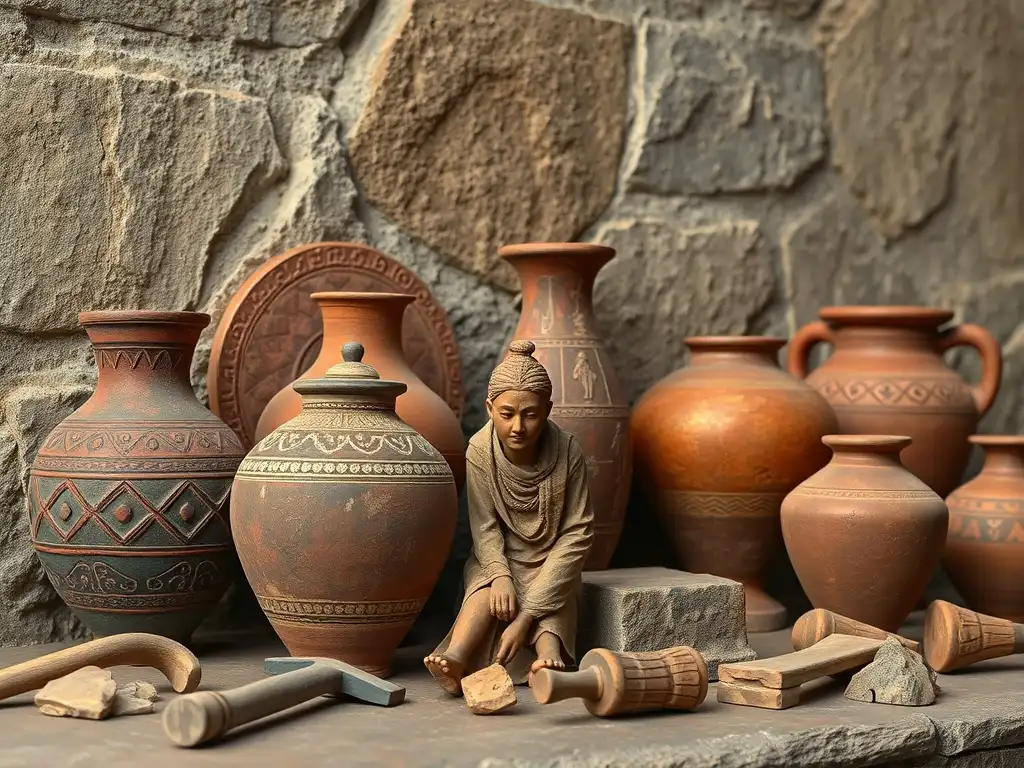
The artistry of the Indus Valley civilization is not merely a reflection of aesthetic preferences; it encapsulates the rich cultural tapestry of one of the world's earliest urban societies. Pottery and sculpture from this period provide invaluable insights into the social, religious, and geographical dimensions of life in ancient India. The distinctive styles and techniques employed in these art forms highlight the civilization's advanced craftsmanship and cultural practices, making them central to understanding the Indus Valley's legacy.
Indus Valley pottery and sculpture serve as a crucial lens through which we can examine the social structure and daily life of its people. The artifacts unearthed from archaeological sites, such as Harappa and Mohenjo-Daro, reveal a sophisticated society with distinct social hierarchies and community roles.
- Functional and Decorative Pottery: The pottery varied in function—from utilitarian vessels for cooking and storage to decorative items used in domestic settings. The presence of painted pottery featuring geometric patterns and motifs indicates a community that valued both functionality and artistry.
- Social Status Indicators: Certain pottery styles, such as those with intricate designs or unique shapes, may have been reserved for the elite, suggesting a stratified society. The use of materials like terracotta and the craftsmanship involved in creating these items point to specialized skill sets among artisans, highlighting the importance of trade and craftsmanship within their economy.
- Daily Life Representation: Sculptural depictions of animals, humans, and daily activities in terracotta figurines suggest a vibrant community engaged in agriculture, trade, and domestic life. Artifacts like the famous "Dancing Girl" sculpture illustrate not only the artistic skill but also the cultural practices surrounding leisure and social gatherings.
Religious and Ritualistic Aspects of Indus Valley Art
The religious and ritualistic dimensions of Indus Valley pottery and sculpture are equally significant, providing insight into the spiritual beliefs and practices of the civilization.
- Symbolism in Art: Many pottery pieces feature symbols that may have held religious significance, such as the "Swastika" and various animal motifs. These symbols often represent fertility, prosperity, and protection, indicating a society deeply connected to spiritual beliefs.
- Ritualistic Figurines: Terracotta figurines, often found in burial sites, suggest a belief in an afterlife, as they may have been intended as offerings or companions for the deceased. The presence of mother goddess figurines emphasizes the veneration of feminine deities, reflecting the importance of fertility and motherhood in their spiritual framework.
- Ceremonial Pottery: Certain pottery types, decorated with elaborate designs, are thought to have been used in rituals or ceremonies, hinting at the role of art in religious practices. The intricate craftsmanship associated with these items underscores the significance of artistic expression in spiritual life.
The Influence of Geography on Artistic Expression
Geography played a pivotal role in shaping the artistic expression of the Indus Valley civilization, influencing both the materials available for use and the thematic elements of their pottery and sculpture.
- Local Materials: The availability of clay and minerals in the Indus region allowed for the production of high-quality pottery. Different areas produced distinct styles based on local resources, leading to a variety of artistic expressions throughout the civilization.
- Trade and Cultural Exchange: The Indus Valley's strategic location facilitated trade with neighboring regions, which likely influenced artistic styles. The adoption of motifs and techniques from other cultures can be seen in some pottery designs, indicating a dynamic exchange of ideas and materials.
- Environmental Reflections: The themes depicted in art often mirrored the natural environment, with motifs of flora and fauna prevalent in pottery designs. This connection to the surrounding landscape highlights how geography not only influenced the materials used but also inspired the subjects of artistic representation.
The pottery and sculpture of the Indus Valley civilization encapsulate a wealth of cultural significance, reflecting the complex interplay between social structure, religious beliefs, and geographical influences. These artifacts not only showcase the artistic skills of the civilization but also serve as vital records of their daily life and spiritual practices.
Preservation and Legacy of Indus Valley Pottery and Sculpture
Archaeological Discoveries and Their Importance
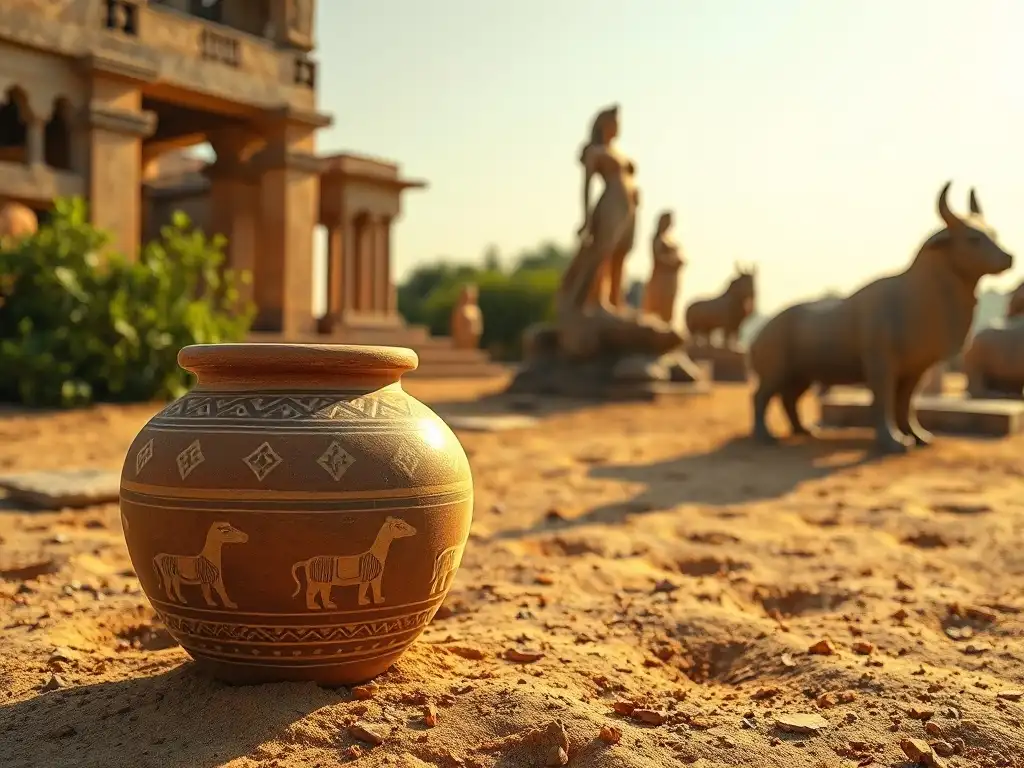
The preservation of Indus Valley pottery and sculpture is deeply rooted in the archaeological discoveries that have emerged from this ancient civilization. Excavations at key sites such as Harappa and Mohenjo-Daro have unearthed a wealth of artifacts that provide invaluable insights into the life and culture of the Indus people.
Key Discoveries:
- Pottery: The pottery found in these sites varies significantly in style, form, and decoration. Noteworthy examples include:
- Red and Black Ware: Characterized by its glossy finish and intricate designs, this type of pottery reflects the aesthetic sensibilities of the time.
- Terracotta Figurines: These small statues, often depicting animals or human figures, reveal the artistic skills and cultural practices of the Indus Valley people.
- Sculptures: The sculptures, often made from steatite or terracotta, showcase a high level of craftsmanship. Some notable discoveries include:
- The Dancing Girl: A bronze figurine that exemplifies the advanced metallurgy skills of the Indus Valley civilization.
- Seals: Carved with intricate motifs and inscriptions, these seals served both commercial and ritualistic purposes, highlighting the civilization's trade networks and sociopolitical structures.
The significance of these discoveries lies not only in their artistic value but also in their role as a window into the socio-economic and cultural dynamics of the Indus Valley Civilization. They provide evidence of trade, religious practices, and daily life, making them critical to understanding the legacy of this ancient civilization.
Modern Interpretations and Influence on Contemporary Art
The legacy of Indus Valley pottery and sculpture continues to influence modern artists and artisans. Many contemporary artists draw inspiration from the forms, materials, and themes of ancient Indus art, reinterpreting them through modern techniques and perspectives.
Influences on Contemporary Art:
- Material Use: Artists today often incorporate terracotta and natural pigments reminiscent of ancient practices. This not only pays homage to the original artisans but also connects modern artistry with historical traditions.
- Cultural Themes: The motifs found on Indus Valley pottery, such as animals and geometric patterns, are frequently reimagined in contemporary works, reflecting a dialogue between past and present.
- Exhibitions and Installations: Galleries and museums frequently showcase exhibitions that highlight the connection between ancient artifacts and modern artistic expressions, fostering a deeper appreciation of both.
Through these modern interpretations, the essence of Indus Valley artistry is kept alive, demonstrating its relevance and adaptability in today's artistic landscape.
Challenges in Preserving Indus Valley Artifacts
Despite the significance of Indus Valley pottery and sculpture, several challenges hinder their preservation and study.
Key Challenges:
- Environmental Factors: Many artifacts are made from fragile materials susceptible to deterioration due to humidity, temperature fluctuations, and pollution. For instance, terracotta pieces can easily crumble if not stored in controlled environments.
- Looting and Illegal Trade: The illicit trade of artifacts poses a significant threat to the preservation of Indus Valley art. Many artifacts are stolen from archaeological sites and sold on the black market, depriving future generations of their cultural heritage.
- Limited Funding and Resources: Preservation efforts often suffer from a lack of funding and trained personnel. Without adequate resources, many artifacts remain poorly conserved, risking further damage.
To address these challenges, collaboration among governments, museums, and academic institutions is crucial to develop effective strategies for the conservation and promotion of Indus Valley pottery and sculpture. Enhanced public awareness and education about the significance of these artifacts can also play a vital role in their preservation for future generations.
Conclusion: The Lasting Impact of Indus Valley Artistry
The artistry of the Indus Valley Civilization, particularly its pottery and sculpture, represents a significant chapter in the narrative of ancient Indian civilizations. The intricate designs and craftsmanship not only reflect the aesthetic values of the time but also provide insights into the socio-economic and cultural dynamics of the era. As we conclude our exploration, it’s essential to highlight the enduring impact of these artistic expressions.
Summary of Key Points on Indus Valley Pottery and Sculpture
- Diverse Pottery Styles:
- The Indus Valley pottery showcases a variety of styles, including painted, plain, and figurative designs. The use of red and black slip for decoration was particularly prevalent, showcasing a high level of sophistication.
- Common motifs included geometric patterns, animal forms, and natural elements, which indicate a strong connection to their environment and cultural beliefs.
- Sculptural Mastery:
- The sculptures from the Indus Valley, such as the famous "Dancing Girl" and various terracotta figures, illustrate remarkable skill in working with materials like bronze and clay.
- These sculptures often reflect the daily lives, religious practices, and societal structure of the civilization, suggesting a vibrant cultural life.
- Technological Innovations:
- The pottery was often wheel-thrown, a significant technological advancement of the time. This technique allowed for uniformity and creativity in shape and size, enhancing functionality and aesthetic appeal.
- The use of kilns for firing pottery indicates a level of sophistication in production techniques that contributed to the durability of these artifacts.
- Cultural Significance:
- Both pottery and sculpture served not only utilitarian functions but also played essential roles in rituals and trade. The diverse artifacts found at various sites underline the interconnectedness of trade routes and cultural exchanges that shaped the civilization.
- Legacy and Influence:
- The artistry of the Indus Valley has influenced subsequent Indian art and craftsmanship, making its study crucial for understanding the evolution of artistic practices in the region.
- Preservation efforts and ongoing research continue to reveal the complexities of Indus Valley art, ensuring its legacy remains relevant in discussions of ancient Indian history.
The Importance of Studying Ancient Indian Art in Contemporary Context
The study of Indus Valley pottery and sculpture extends beyond mere appreciation of aesthetics; it is essential for understanding the foundations of Indian art and culture. Here are a few reasons why this exploration is significant today:
- Cultural Identity: Ancient Indian art, including that from the Indus Valley, forms a vital part of the cultural identity for many contemporary communities. Understanding these roots can foster a sense of belonging and continuity.
- Historical Insights: Artifacts provide critical insights into the social, economic, and political structures of ancient civilizations. By examining these elements, we can better comprehend the complexities of historical narratives.
- Inspiration for Modern Artists: The motifs and techniques of Indus Valley art continue to inspire contemporary artists. Reviving ancient practices can lead to innovative expressions that resonate with present-day themes.
- Educational Value: Studying ancient art encourages interdisciplinary approaches, integrating history, archaeology, anthropology, and art history, which enriches educational frameworks.
- Global Heritage: The Indus Valley is a crucial part of global heritage. Its art and artifacts contribute to a broader understanding of human creativity and adaptability, fostering appreciation for cultural diversity.
The artistry of the Indus Valley Civilization, encapsulated in its pottery and sculpture, serves as a testament to human creativity and cultural richness. Its study is not only a window into the past but also a pathway to understanding our present and shaping our future.
Frequently Asked Questions
What is the significance of Indus Valley pottery in ancient history?
Indus Valley pottery is significant for its intricate designs and functional forms, showcasing the advanced artistry and daily life of the Indus Valley Civilization.
How did sculpture play a role in the Indus Valley Civilization?
Sculpture in the Indus Valley was essential for religious and decorative purposes, reflecting the cultural beliefs and sophistication of the society.
What materials were primarily used in Indus Valley pottery?
Indus Valley pottery was mainly crafted from clay, often painted with natural pigments to create vibrant designs, demonstrating the artistic skills of the potters.
Are there any famous examples of Indus Valley sculpture?
Yes, notable examples include the dancing girl figurine and various terracotta animals, which highlight the creativity and artistic expression of the civilization.
How did the artistry of the Indus Valley influence later Indian cultures?
The artistry of the Indus Valley laid the foundation for later Indian art forms, influencing techniques and styles seen in subsequent civilizations throughout Indian history.
Final Reflection: The Enduring Legacy of Indus Valley Pottery and Sculpture
The artistry of Indus Valley pottery and sculpture remains profoundly relevant today, as it not only showcases the ingenuity of ancient civilizations but also serves as a mirror reflecting our contemporary values and aesthetics. In a world increasingly driven by technology and mass production, the intricate craftsmanship and cultural significance embedded in these artifacts remind us of the importance of preserving our heritage and understanding the narratives that shape our identities.
The influence of Indus Valley pottery and sculpture extends beyond mere historical appreciation; it resonates within our cultural and social landscapes, inspiring artists, historians, and enthusiasts alike. The delicate forms and functional designs of these ancient creations invite us to explore the intersection of utility and beauty, urging us to consider how art can enrich our lives. Art is not what you see, but what you make others see.
– Edgar Degas. This quote encapsulates the transformative power of art, as seen in the enduring legacy of the Indus Valley civilization.
As we reflect on the lessons imparted by the artistry of the Indus Valley, let us embrace the call to honor and celebrate our shared human experience through creativity. Take a moment to ponder how you can incorporate the values of craftsmanship, storytelling, and cultural appreciation into your own life. Whether through supporting local artisans, engaging with historical narratives, or simply allowing art to inspire your daily existence, each of us has the power to contribute to a richer, more connected world.
Uncover the Timeless Beauty of Indus Valley Art!
Thank you for diving into the rich history of Indus Valley pottery and sculpture! We hope you found inspiration and fascinating insights into the artistry of this ancient civilization. Now, it’s time to take your newfound knowledge further and engage with this captivating heritage.
Here are some actionable steps you can take:
- Explore Local Exhibitions: Visit a nearby museum showcasing ancient artifacts to experience the beauty of Indus Valley art in person.
- Join a Community Forum: Connect with fellow history enthusiasts online or in your local area to discuss and share your thoughts about ancient Indian art.
- Create Your Own Art: Inspired by what you've learned, try your hand at pottery or sculpting to channel the creative spirit of the Indus Valley artisans!
What aspect of Indus Valley artistry resonates with you the most, and how will you let it influence your own creative endeavors?