
The Role of Agriculture in the Maurya Empire: Key Figures in Farming

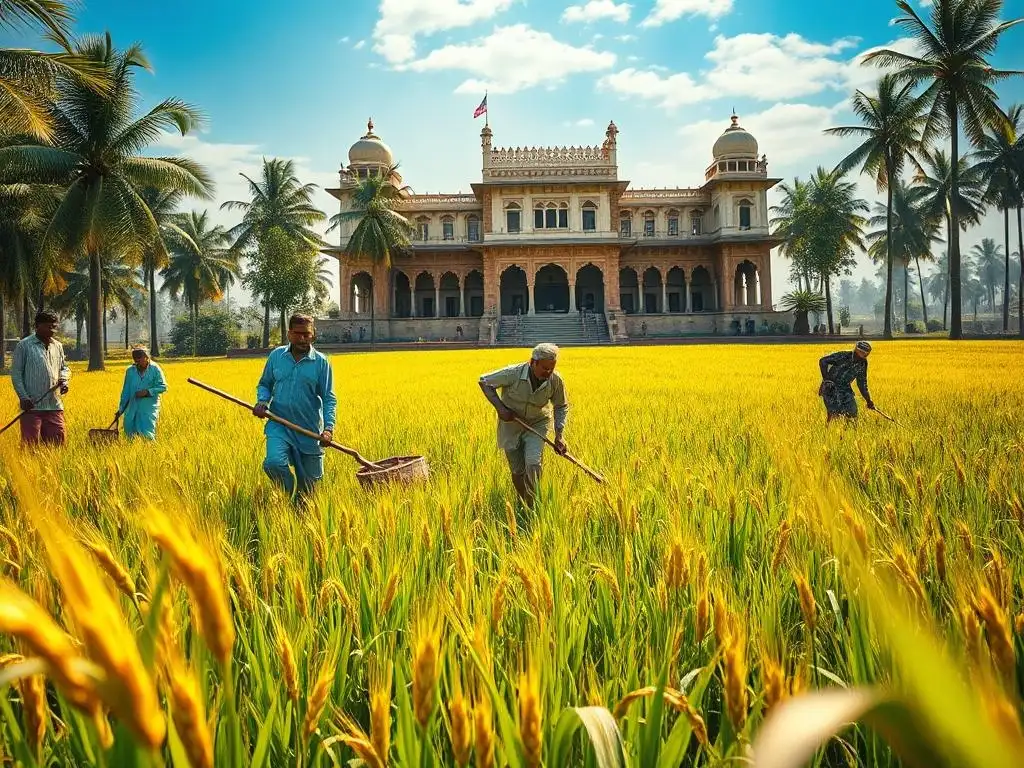
Welcome to Ancient India History, where we embark on an enlightening journey through the remarkable tapestry of ancient Indian civilizations. Dive deep into the Maurya Empire, a pivotal era that laid the foundation for agricultural advancements that shaped the future of the subcontinent. In our featured article, "The Role of Agriculture in the Maurya Empire: Key Figures in Farming," we unravel the significant contributions that revolutionized farming practices and sustained this powerful empire.
Prepare to be captivated by the stories of visionary leaders and innovative techniques that transformed the landscape of ancient agriculture. Join us as we explore the roots of India’s rich heritage and the lasting impact of its agricultural legacy!
Introduction to the Maurya Empire
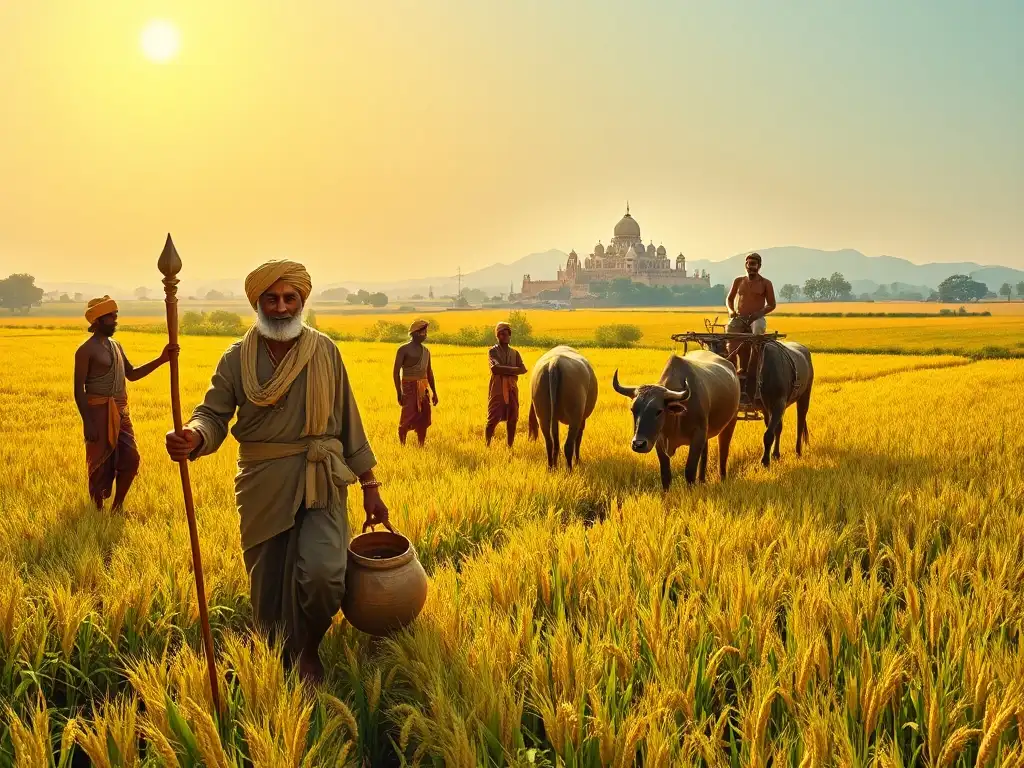
The Maurya Empire, which flourished from 322 to 185 BCE, stands as a monumental chapter in the history of ancient India. It was characterized by vast territorial expansion, political consolidation, and rich cultural achievements. Among its many contributions, agriculture played a pivotal role in supporting the empire's economy, sustenance, and societal structure. The agrarian practices during this period not only ensured food security but also fostered trade, craft, and urbanization. Understanding the contributions of agriculture in the Maurya Empire allows us to appreciate the intricate relationship between farming and the empire's overall prosperity.
Overview of the Maurya Empire
The Maurya Empire was founded by Chandragupta Maurya, who unified numerous smaller kingdoms and laid the foundation for a centralized governance system. The most illustrious ruler, Ashoka the Great, expanded the empire to its zenith, covering almost the entire Indian subcontinent. The empire's administration was sophisticated, with a well-organized bureaucracy that facilitated trade and agriculture. Notable figures such as Kautilya (Chanakya), an advisor to Chandragupta, played a crucial role in formulating policies that promoted agricultural growth and economic stability.
Importance of Agriculture in Ancient India
Agriculture was the backbone of ancient Indian civilization, providing sustenance for the population and serving as the primary source of wealth. The fertile plains of the Indo-Gangetic region, along with advanced irrigation techniques, allowed for the cultivation of diverse crops such as rice, wheat, barley, and pulses. Additionally, agriculture in ancient India was not merely a means of subsistence; it was deeply intertwined with social structures, religious practices, and cultural traditions. The agrarian lifestyle shaped the societal framework, influencing everything from community organization to seasonal festivals.
The Significance of Agriculture in the Maurya Empire
The agricultural landscape of the Maurya Empire was marked by significant advancements and strategic initiatives that laid the foundation for its economic strength.
Economic Contributions of Maurya Empire Agriculture
The agricultural sector was a significant contributor to the Maurya Empire's economy. With a well-developed taxation system in place, the state collected revenues from agrarian produce, which in turn financed military campaigns, infrastructure development, and public welfare. The land revenue system was meticulously organized, allowing for efficient collection and distribution of resources. Notably, the surplus generated by agriculture facilitated trade with neighboring regions, leading to the exchange of goods and ideas.
- Key Economic Contributions:
- Taxation on Agricultural Produce: Revenue generated from crops supported the empire's administrative and military expenditures.
- Trade and Commerce: Surplus production allowed for trade, enhancing economic relations with other regions.
- Infrastructure Development: Agricultural wealth funded the construction of roads, irrigation systems, and storage facilities.
Agricultural Innovations in the Maurya Empire
The Maurya Empire was also a period of agricultural innovation, with advancements that improved crop yields and farming efficiency. Techniques such as crop rotation, the use of plows, and irrigation systems were employed to maximize productivity. The implementation of agricultural manuals and texts provided farmers with guidance on optimal farming practices, making significant strides in agricultural science.
- Notable Innovations:
- Irrigation Techniques: Development of canals and water management systems to support crops.
- Crop Rotation Practices: Enhanced soil fertility and crop yields through systematic planting.
- Use of Plows: Introduction of iron plows improved tillage and efficiency in farming.
These innovations not only bolstered agricultural output but also contributed to the overall stability and growth of the Maurya Empire, highlighting the crucial role of agriculture in its historical narrative.
Key Figures in Maurya Empire Agriculture
The Maurya Empire, one of the most significant ancient Indian civilizations, was heavily reliant on agriculture, which served as the backbone of its economy. Several key figures played pivotal roles in shaping agricultural policies and practices during this period. Their contributions not only enhanced agricultural output but also promoted sustainable practices that benefited the empire’s vast population. Notable leaders, such as Chandragupta Maurya and his grandson Ashoka, along with influential farmers and agricultural leaders, left a lasting legacy on the agricultural landscape of ancient India.
Chandragupta Maurya and Agricultural Policies
Chandragupta Maurya, the founder of the Maurya Empire, recognized the importance of agriculture in maintaining a stable economy and supporting his growing empire. To promote agricultural development, he implemented a series of policies that encouraged land cultivation and improved agricultural productivity.
- Land Reforms: Chandragupta introduced land reforms aimed at redistributing land among the peasantry, ensuring that more people had access to land for farming. This policy helped increase agricultural output and support local economies.
- Taxation System: He established a fair taxation system that allowed farmers to retain a larger portion of their harvests, thus incentivizing them to cultivate more land and invest in better farming practices.
- Support for Farmers: By providing assistance in the form of loans and resources, Chandragupta aimed to empower farmers, enabling them to adopt new techniques and improve their yields.
Chandragupta’s agricultural policies laid the foundation for a prosperous farming sector that would flourish under his successors.
Ashoka the Great: Promoting Sustainable Farming Practices
Ashoka the Great, the grandson of Chandragupta, further advanced the agricultural framework established by his grandfather. His reign marked a significant shift towards sustainable farming practices, reflecting his commitment to the welfare of his subjects.
- Promotion of Dhamma: Ashoka’s philosophy of Dhamma emphasized harmony with nature, which translated into agricultural practices that respected the environment. He encouraged farmers to adopt methods that preserved soil fertility and maintained ecological balance.
- Irrigation Projects: Recognizing the need for efficient irrigation to support agriculture, Ashoka invested in large-scale irrigation projects. These initiatives not only improved crop yields but also ensured a stable water supply for farming communities.
- Support for Organic Farming: Ashoka advocated for the use of natural fertilizers and pest control methods, promoting organic farming techniques that would sustain agricultural productivity without harming the ecosystem.
Through these initiatives, Ashoka not only bolstered the agricultural sector but also inspired future generations to prioritize sustainable practices.
Influential Farmers and Agricultural Leaders in the Maurya Era
While Chandragupta Maurya and Ashoka the Great are often highlighted for their contributions, numerous influential farmers and agricultural leaders played crucial roles in the development of agriculture during the Maurya era. These individuals were instrumental in implementing innovative farming techniques and enhancing agricultural productivity.
- Agricultural Innovators: Many farmers in the Maurya Empire experimented with crop rotation and selective breeding, leading to increased yields and the introduction of new crop varieties. Their practical knowledge contributed significantly to the empire's agricultural advancements.
- Regional Leaders: Local leaders and landowners also played a vital role in promoting agriculture by organizing labor, sharing knowledge, and facilitating trade. Their influence helped in the distribution of agricultural products across the empire, ensuring food security for the population.
The collaborative efforts of these key figures fostered a thriving agricultural environment that supported the Maurya Empire’s economy and stability.
Techniques and Practices in Maurya Empire Agriculture
The agricultural practices during the Maurya Empire were diverse and sophisticated, reflecting the innovative spirit of its farmers. Various techniques were employed to maximize productivity and ensure sustainable land use.
Crop Cultivation Methods in the Maurya Empire
Crop cultivation in the Maurya Empire was characterized by advanced techniques that allowed for the efficient production of staple crops. The primary crops included rice, wheat, barley, and pulses.
- Crop Rotation: Farmers practiced crop rotation, where different types of crops were planted in succession on the same land to improve soil fertility and manage pests. This technique reduced the risk of crop failure and ensured continuous productivity.
- Intercropping: Intercropping, or growing multiple crops in proximity, was common among Mauryan farmers. This method optimized land use and helped in pest management, as the diversity of plants deterred harmful insects.
- Use of Tools: The Maurya Empire saw the usage of various agricultural tools, such as the plow, sickle, and hoe, which enhanced farming efficiency and increased yields.
These methods exemplify the agricultural ingenuity of the Maurya Empire, enabling it to sustain its large population.
Irrigation Systems and Their Importance
Irrigation was a cornerstone of agricultural success in the Maurya Empire. The development of sophisticated irrigation systems allowed farmers to cultivate land effectively, even in regions with irregular rainfall.
- Canals and Dams: The Mauryan government invested in constructing canals and dams to divert water from rivers, ensuring a stable water supply for crops. These infrastructures were crucial for agriculture, particularly in arid regions.
- Water Management Techniques: Farmers employed various water management techniques, such as bunding (creating embankments) to prevent soil erosion and maximize water retention. This practice was essential for maintaining soil health and crop productivity.
The emphasis on irrigation systems not only supported agricultural output but also contributed to the overall prosperity of the Maurya Empire.
Role of Livestock in Maurya Agriculture
Livestock played an integral role in the agricultural systems of the Maurya Empire, providing essential resources that supported farming activities.
- Draft Animals: Oxen and buffaloes were commonly used as draft animals, assisting in plowing fields and transporting goods. This significantly reduced the labor burden on farmers and improved efficiency in agricultural operations.
- Fertilization: Livestock manure was a valuable resource for fertilizing crops, enhancing soil fertility and promoting healthy plant growth. The use of animal waste was a sustainable practice that contributed to the agricultural productivity of the empire.
- Dairy and Meat Production: Besides their role in farming, livestock also provided dairy products and meat, contributing to the nutrition and economy of rural communities.
The integration of livestock into agricultural practices exemplifies the comprehensive approach to farming that characterized the Maurya Empire, ensuring food security and economic stability for its inhabitants.
Challenges Faced by Maurya Empire Farmers

The farmers of the Maurya Empire encountered a myriad of challenges that impacted their agricultural productivity and overall livelihoods. These challenges were both environmental and socio-political, reflecting the complexities of managing agriculture in a vast and diverse empire. Understanding these obstacles is crucial for appreciating the contributions of agriculture to the Maurya Empire and its enduring legacy.
Environmental Challenges and Agricultural Productivity
Environmental factors played a significant role in shaping agricultural practices during the Maurya Empire. The empire spanned diverse geographical regions, each presenting unique climatic conditions and soil fertility levels. Farmers often faced:
- Monsoon Dependency: The agrarian economy heavily relied on the monsoon season, which was unpredictable. Insufficient rainfall could lead to drought, while excessive rainfall could result in flooding, both devastating for crops.
- Soil Erosion: In regions with hilly terrain, the risk of soil erosion was prevalent. Farmers had to implement effective soil conservation techniques to maintain productivity.
- Pest Infestations: Crop diseases and pest invasions posed constant threats. Farmers relied on traditional methods to combat these issues, but their effectiveness varied.
These environmental challenges necessitated innovations in agricultural practices and contributed to the development of sustainable farming techniques that would influence future generations.
Social and Political Factors Affecting Farming
In addition to environmental challenges, social and political factors also profoundly impacted farming in the Maurya Empire. Key influences included:
- Taxation Policies: The Mauryan government imposed taxes on agricultural produce, which could be burdensome for farmers. The collection methods and rates often influenced farmers' willingness to invest in their land.
- Land Ownership and Social Hierarchy: The structure of land ownership was complex, with a significant portion of land held by elites or the state. This often marginalized smaller farmers, limiting their access to resources and decision-making.
- Infrastructure Development: The Maurya Empire made strides in infrastructure, such as irrigation systems and roads, which benefited agriculture. However, the effectiveness of these developments depended on the political will and local governance.
These socio-political dynamics created a challenging environment for farmers, impacting their productivity and quality of life.
Legacy of Maurya Empire Agriculture
The agricultural practices and challenges faced during the Maurya Empire left a lasting legacy that shaped the trajectory of Indian agriculture in subsequent centuries. This legacy is characterized by both advancements in techniques and enduring practices that would influence future agricultural endeavors.
Long-term Impact on Indian Agriculture
The Maurya Empire's contributions to agriculture established foundational practices that persisted long after its decline. Key aspects of this legacy include:
- Crop Diversification: The empire encouraged the cultivation of various crops, leading to greater food security and the development of regional specialties. This diversification helped establish a more resilient agricultural system.
- Irrigation Techniques: Innovations in irrigation, such as the use of canals and water management systems, were refined during this period. These methods improved agricultural productivity and became models for future irrigation projects.
- Agricultural Texts: The period saw the development of agricultural treatises that documented farming techniques, crop rotation, and pest management. These texts served as valuable resources for future generations.
The long-term impact of these contributions has been evident in the evolution of Indian agriculture, creating a robust framework for future agrarian societies.
Influence on Subsequent Indian Empires
The agricultural practices and policies established during the Maurya Empire significantly influenced subsequent Indian empires, shaping their agricultural frameworks and economic strategies. Notable influences include:
- Gupta Empire: Building on the foundations laid by the Mauryas, the Gupta Empire further advanced agricultural techniques and promoted trade in agricultural goods, contributing to economic prosperity.
- Regional Kingdoms: Many regional kingdoms adopted Mauryan practices, adapting them to their local contexts. This led to a rich tapestry of agricultural innovation across the Indian subcontinent.
- Cultural Significance: The emphasis on agriculture in the Maurya Empire reinforced its cultural importance, influencing art, literature, and social structures in later empires.
The legacy of Maurya Empire agriculture was profound, influencing not only the agricultural practices of subsequent empires but also shaping the socio-economic landscape of ancient India. The innovations and challenges faced by Mauryan farmers contributed to a resilient agricultural system that would endure for centuries.
Conclusion
The Maurya Empire, one of the most significant and expansive empires in ancient India, recognized agriculture as the backbone of its economy and societal structure. The contributions of key figures in farming during this period were crucial, not only in enhancing agricultural productivity but also in fostering a stable environment for trade and cultural exchange. The developments in agricultural techniques, irrigation systems, and crop management laid the groundwork for sustained economic growth and societal prosperity.
Summary of Maurya Empire Agriculture Contributions
The Maurya Empire's agricultural contributions were multifaceted and transformative. Key advancements included:
- Irrigation Systems: The introduction of sophisticated irrigation techniques allowed for the effective use of water resources, increasing crop yields and enabling farming in previously arid areas.
- Crop Diversification: The empire encouraged the cultivation of a variety of crops, including staples like rice, wheat, and pulses, as well as cash crops such as cotton and sugarcane, which diversified the economy and reduced reliance on single crops.
- Agricultural Policies: Under the guidance of notable figures like Kautilya, agricultural policies were implemented that promoted land management and provided incentives for farmers, ensuring a steady food supply and economic stability.
- Trade and Agriculture: The surplus generated from agriculture facilitated trade, both within the empire and with neighboring regions, leading to cultural exchanges and economic interdependence.
These contributions not only enhanced the agricultural landscape of the Maurya Empire but also set a precedent for future civilizations in India.
Reflection on the Importance of Key Figures in Farming
Key figures in farming during the Maurya Empire played an instrumental role in shaping the agricultural landscape that supported the empire's vast population. Their innovative practices and policies have left a lasting legacy, highlighting the significance of leadership in agriculture.
- Visionary Leadership: Figures such as Kautilya not only focused on economic strategies but also on the welfare of the agrarian community, advocating for practices that improved farmers' livelihoods.
- Cultural Impact: The agricultural advancements made during this period influenced not just economic structures but also social and cultural practices, as farming became intertwined with the daily lives of people.
- Sustainability: The emphasis on sustainable agricultural practices laid the groundwork for future generations, demonstrating the importance of environmental stewardship in farming.
Understanding the role of these key figures in farming provides valuable insights into the agricultural contributions of the Maurya Empire, underscoring how their innovations and policies fostered a thriving agrarian economy that was crucial for the empire's success and longevity.
- Introduction to the Maurya Empire
- The Significance of Agriculture in the Maurya Empire
- Key Figures in Maurya Empire Agriculture
- Techniques and Practices in Maurya Empire Agriculture
- Challenges Faced by Maurya Empire Farmers
- Legacy of Maurya Empire Agriculture
- Conclusion
- What were the agricultural contributions of the Maurya Empire?
- Who were the key figures in Maurya agriculture?
- How did agriculture impact the economy of the Maurya Empire?
- What role did irrigation play in Maurya agriculture?
- How did the Maurya Empire's agricultural methods influence later civilizations?
Frequently Asked Questions
What were the agricultural contributions of the Maurya Empire?
The Maurya Empire significantly advanced agriculture through irrigation systems, crop rotation, and improved farming techniques, which boosted food production across the empire.
Who were the key figures in Maurya agriculture?
Key figures included Chanakya, who emphasized agricultural policies, and Ashoka, who promoted sustainable farming practices, enhancing the lives of farmers throughout the empire.
How did agriculture impact the economy of the Maurya Empire?
Agriculture served as the backbone of the economy, providing food security and surplus that supported trade, taxation, and the overall prosperity of the Maurya Empire.
What role did irrigation play in Maurya agriculture?
Irrigation was crucial for transforming barren lands into fertile fields, allowing for multi-crop farming and ensuring reliable water supply, which led to increased agricultural productivity.
How did the Maurya Empire's agricultural methods influence later civilizations?
The innovative agricultural practices established during the Maurya Empire laid the foundation for future agricultural developments in India, influencing methods used in subsequent empires and cultures.
Final Reflection: The Lasting Legacy of Maurya Empire Agriculture Contributions
The agricultural advancements of the Maurya Empire remain profoundly relevant today, as they laid the groundwork for sustainable farming practices that continue to influence modern agriculture. The innovations and techniques developed during this era not only enhanced food production but also fostered economic stability and social cohesion, demonstrating the critical role agriculture plays in the development of civilizations. As we navigate contemporary challenges such as food security and climate change, the lessons from the Maurya Empire remind us of the enduring importance of agriculture in shaping societies.
The impact of Maurya Empire agriculture contributions resonates through history, illustrating how agricultural practices can transform cultures and economies. The sophisticated methods employed by key figures in farming during this period not only improved crop yields but also established a sense of community and shared responsibility among farmers. As historian R.S. Sharma noted, Agriculture was not merely an economic activity; it was the backbone of society, shaping its very structure.
This observation underscores the idea that agriculture is intertwined with social dynamics, influencing everything from trade to governance.
As we reflect on the significance of agriculture in the Maurya Empire, I invite you to consider how these historical insights can inform our actions today. What can we learn from the past to cultivate a sustainable future?
Embrace the spirit of innovation and community that characterized the Maurya Empire, and think about how you can contribute to modern agricultural practices in your own life. Whether through supporting local farmers, advocating for sustainable practices, or simply being mindful of your food choices, each action can help honor the legacy of those who came before us and ensure a thriving agricultural landscape for generations to come.
Explore the Influence of Agriculture in Ancient Societies!
Thank you for diving into the fascinating role agriculture played during the Maurya Empire. Your interest enriches our understanding of how farming shaped ancient civilizations. Now, let's take the next step!
Here are some actionable suggestions to deepen your connection with this topic:
- Start a discussion: Share your thoughts on how agriculture influenced the economy of ancient empires in our forum!
- Discover further insights: Explore our articles on ancient agricultural practices and the techniques employed by influential figures of the Maurya Empire.
- Engage with a community: Join our newsletter to connect with fellow history enthusiasts and receive curated content directly in your inbox!
What aspect of agriculture during the Maurya Empire intrigues you the most, and why? We’d love to hear your insights!