
The Use of Symbols in Indus Valley Art: A Cultural Insight

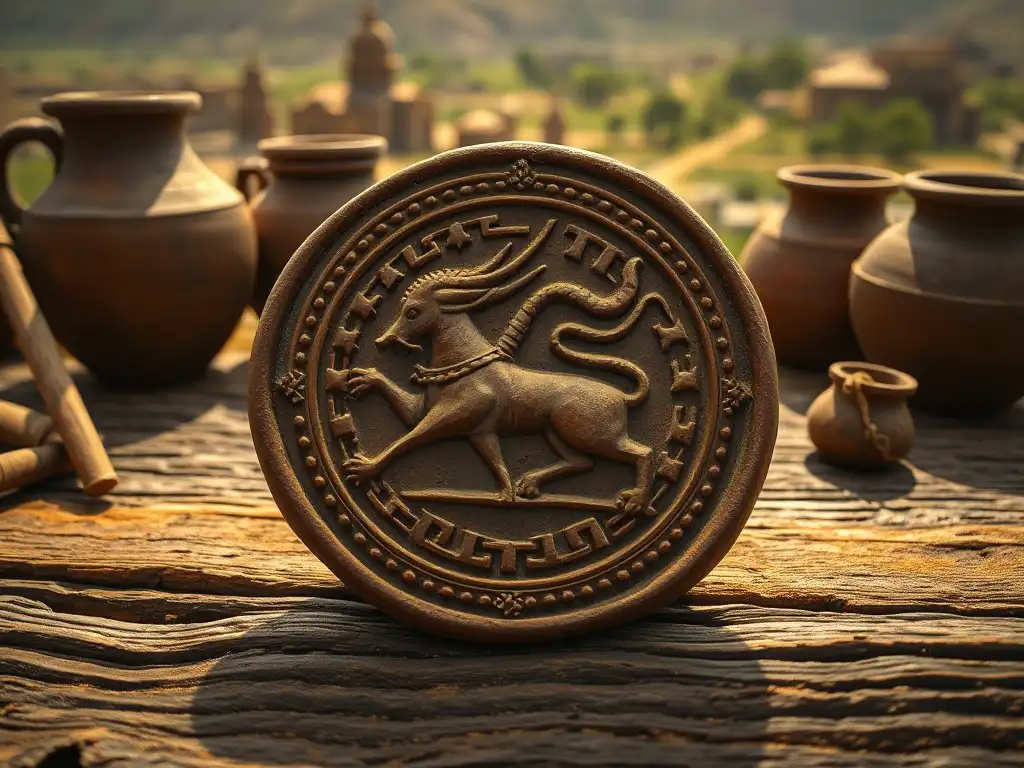
Welcome to Ancient India History, where we embark on an enlightening journey through the captivating tapestry of ancient Indian civilizations. Dive into our featured article, "The Use of Symbols in Indus Valley Art: A Cultural Insight," to uncover the profound significance of art symbols that not only adorned the relics of the Indus Valley but also reflected the intricate beliefs and values of a culture that flourished thousands of years ago. What secrets do these symbols hold?
Join us as we unravel the mysteries and explore the enduring legacy of a civilization that laid the foundations for modern India. Your adventure into the depths of history begins here!
Introduction to Indus Valley Art
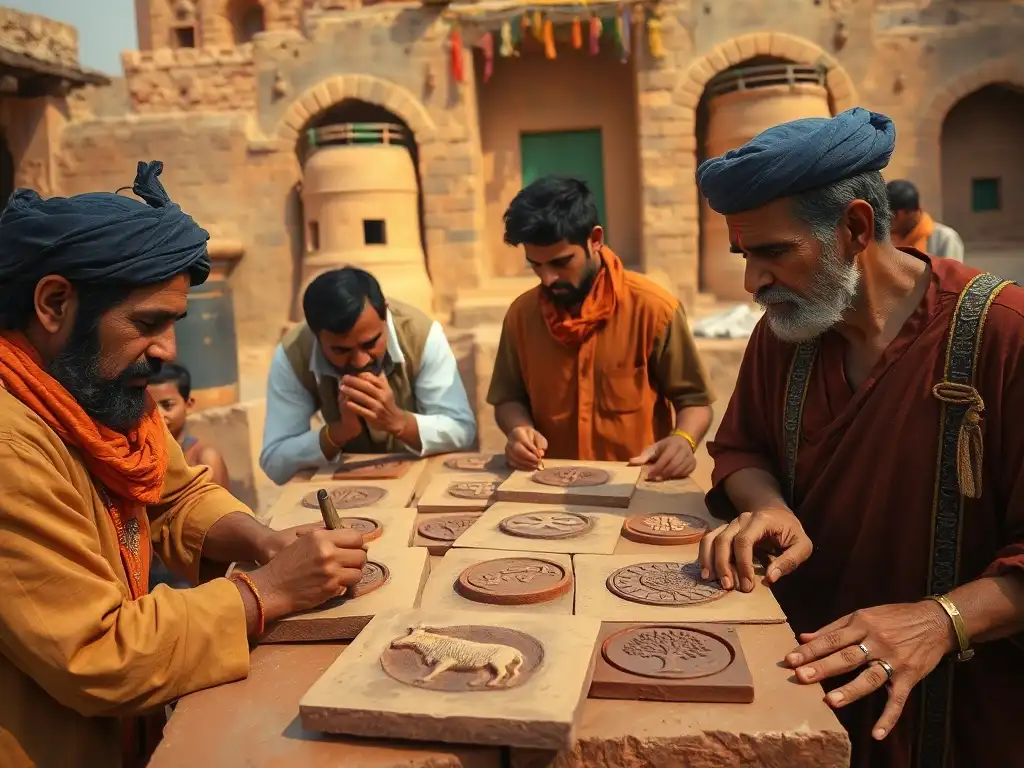
The Indus Valley Civilization, one of the earliest urban cultures in the world, flourished between 3300 and 1300 BCE in what is now Pakistan and northwest India. This civilization is renowned not only for its sophisticated urban planning and advanced drainage systems but also for its rich artistic expressions that provide deep insights into the cultural fabric of the time.
Central to this artistic narrative are the symbols found in Indus Valley art, which serve as a fascinating window into the values, beliefs, and daily lives of its people. Understanding the significance of these symbols is crucial, as they not only reflect the aesthetic sensibilities of the society but also convey complex meanings that resonate through the ages.
Overview of the Indus Valley Civilization
The Indus Valley Civilization (IVC) is characterized by its well-planned cities, such as Harappa and Mohenjo-Daro, known for their grid layouts and advanced architecture. The inhabitants of this civilization engaged in various trades, agriculture, and craft production, leading to a vibrant economy. Notably, the IVC showcased a unique script that remains undeciphered, adding an air of mystery to their cultural expressions. Artifacts recovered from archaeological sites, including seals, pottery, and figurines, highlight the significance of symbols in their daily and spiritual lives.
Importance of Art in Ancient Cultures
Art has always played a pivotal role in ancient cultures, serving not only as a means of expression but also as a vehicle for transmitting cultural values and beliefs. In the case of the Indus Valley, art was intertwined with various aspects of life, including religion, trade, and social structures. Symbols acted as a language of their own, allowing for communication beyond spoken words. The intricate designs and motifs found in Indus Valley art are testament to the civilization's sophisticated understanding of aesthetics and symbolism, which were crucial for maintaining social cohesion and cultural identity.
Exploring Symbols in Indus Valley Art
Definition of Symbols in Art
Symbols are visual representations that convey particular meanings beyond their literal interpretation. In art, they can embody ideas, emotions, or concepts, serving as a bridge between the tangible and the abstract. The use of symbols allows artists to communicate complex themes and narratives that might be too intricate for direct expression. In the context of Indus Valley art, these symbols often related to religious beliefs, social status, and natural elements, providing essential insights into the civilization's worldview.
Types of Symbols Found in Indus Valley Art
The Indus Valley Civilization is rich in various symbols that have intrigued historians and archaeologists alike. Some prominent examples include:
- Animal Motifs: Commonly depicted animals such as unicorns, elephants, and tigers often held symbolic significance, possibly representing power, fertility, or protection.
- Geometric Patterns: Repeated geometric designs may symbolize harmony and order, reflecting the civilization's connection to nature and the cosmos.
- Religious Symbols: Objects such as the sacred tree and phallic symbols suggest a belief system that incorporated fertility and nature worship.
- Script and Seals: The undeciphered script on seals may indicate a form of communication that transcended the spoken word, signifying trade relationships or religious affiliations.
Understanding these symbols is crucial for grasping the depth of cultural significance embedded in Indus Valley art. As we delve deeper into the meanings and interpretations of these symbols, we uncover a tapestry of beliefs and practices that shaped one of the world's earliest civilizations.
Significance of Symbols in Indus Valley Art
The Indus Valley Civilization, one of the world's earliest urban cultures, flourished between 3300 and 1300 BCE in what is today Pakistan and northwest India. Central to its artistic expression is the rich tapestry of symbols that pervade its artifacts, architecture, and everyday items. These symbols are not mere decorative elements; they carry profound meanings and insights into the civilization’s cultural, spiritual, and social fabric. Understanding the significance of these symbols provides a window into the values, beliefs, and practices of the people who inhabited this ancient society.
Cultural Significance of Symbols
The symbols found in Indus Valley art reflect a deep understanding of the environment and the daily lives of its people. They often represent natural elements such as flora and fauna, showcasing a harmonious relationship with nature. For instance, motifs of trees, animals, and water not only denote the physical landscape but also symbolize fertility, growth, and sustenance.
Furthermore, these symbols served as a form of communication among the diverse communities within the Indus Valley, transcending language barriers and fostering a shared cultural identity. The prevalence of certain symbols across various sites indicates a collective ideology and cultural continuity that persisted throughout the civilization’s history.
Religious and Spiritual Symbols in Indus Valley Art
Religious and spiritual beliefs were integral to the Indus Valley Civilization, and symbols played a pivotal role in their expression. Many artifacts, including seals and pottery, feature motifs that suggest the presence of ritualistic practices. For example, the depiction of the "horned deity," often interpreted as a precursor to later Hindu gods, is a significant symbol that indicates early religious beliefs centered on deification of nature and animal forms.
Additionally, symbols such as the swastika, which signifies auspiciousness and well-being, reflect the spiritual ethos of the society. The use of such symbols in art and architecture underscores the importance of religion in daily life and its influence on cultural practices.
Social and Political Symbolism in Indus Valley Art
The symbols in Indus Valley art also convey social and political meanings, illustrating the organization and hierarchy of the civilization. Seals, often used for trade and administrative purposes, frequently feature symbols that may denote ownership or status. The depiction of animals like the tiger and elephant could symbolize power and strength, possibly used by elites to assert their authority.
Moreover, the intricate designs and craftsmanship of various artifacts suggest a stratified society where artisans and craftsmen held specific roles, contributing to the overall social fabric. Understanding these symbols provides insight into the governance and social structure of the Indus Valley Civilization.
Common Symbols in Indus Valley Art
The Indus Valley art is characterized by a variety of symbols, each with unique meanings and significance. From animal motifs to geometric patterns, these symbols reflect the complexity of the civilization’s cultural expressions.
Animal Symbols and Their Meanings
Animal motifs are prevalent in Indus Valley art, serving both decorative and symbolic purposes. Commonly depicted animals include:
- Unicorn: Often interpreted as a symbol of purity and perhaps a mythical creature, the unicorn signifies the intertwining of reality and fantasy in Indus culture.
- Elephant: Representing strength and wisdom, elephants are frequently featured, indicating their importance in social and religious contexts.
- Bull: A symbol of fertility and agricultural prosperity, the bull is often associated with agricultural rituals and everyday life.
These animal symbols not only provide insights into the fauna of the region but also reflect the values and beliefs surrounding these creatures in the Indus Valley society.
Geometric Patterns and Their Significance
Geometric patterns are essential elements of Indus Valley art, often used in pottery, seals, and textiles. These patterns, including zigzags, circles, and squares, can be seen as representations of order and harmony. They may also have served practical purposes, such as aiding in the identification of ownership or denoting specific crafts. The repetition of geometric forms indicates a sophisticated understanding of symmetry and design, showing that aesthetics were valued alongside functionality. Furthermore, these patterns might symbolize cosmic order, reflecting the civilization's philosophical views on the universe.
Human Figures and Their Symbolic Representations
Human figures in Indus Valley art are often stylized and symbolic rather than realistic. These representations can be categorized into various forms, such as:
- Dancing Figures: Often interpreted as ritualistic or celebratory, these figures indicate the importance of dance in cultural practices, possibly linked to religious ceremonies.
- Mother Goddess Figurines: Representations of fertility and motherhood, these figurines suggest a matrilineal aspect of society and veneration of female deities.
- Priestly Figures: Some artifacts depict individuals adorned in elaborate attire, possibly indicating their roles as spiritual leaders or shamans within the community.
These human symbols not only depict the social roles and norms of the civilization but also emphasize the spiritual and communal aspects of life in the Indus Valley.
Interpretation of Indus Valley Art Symbols
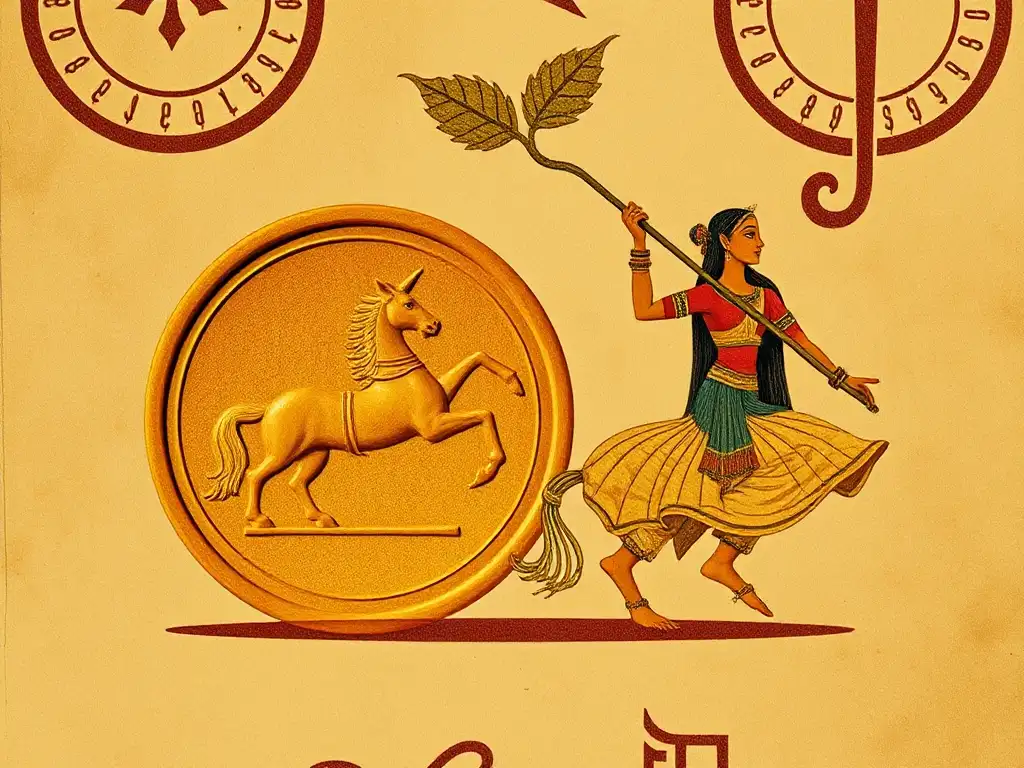
The symbols used in Indus Valley art are essential for understanding the civilization's cultural and social dynamics. These symbols, found on seals, pottery, and figurines, provide insight into the beliefs, rituals, and daily life of the people. The interpretation of these symbols can vary widely, as they often lack clear explanations due to the absence of a deciphered script. Scholars have proposed various theories regarding their meanings, suggesting that they may represent deities, animals, or abstract concepts associated with fertility, prosperity, or spirituality.
Indus Valley art symbols often exhibit geometric patterns and motifs, indicating a sophisticated aesthetic sense and a complex understanding of art and design. The repetition of certain symbols across different artifacts suggests a shared cultural lexicon, hinting at widespread beliefs or practices. For instance, animal motifs, especially those depicting the unicorn, are frequent and may signify power or spiritual significance, while other symbols could represent elements of nature or agricultural abundance.
Furthermore, the context in which these symbols are found plays a crucial role in their interpretation. Artifacts discovered in domestic settings may reflect everyday life, while those found in burial sites may indicate ritualistic or religious significance. Thus, understanding Indus Valley art symbols requires a multidisciplinary approach, incorporating archaeology, anthropology, and art history to draw meaningful conclusions.
Archaeological Discoveries and Their Insights
Archaeological discoveries have been pivotal in unlocking the significance of symbols in Indus Valley art. Excavations at sites such as Harappa and Mohenjo-Daro have unearthed a wealth of artifacts adorned with intricate symbols. These findings have provided invaluable context for interpreting the symbols, revealing how they were integrated into daily life and spirituality.
For instance, the discovery of the famous seals, often made from steatite, showcases a variety of symbols that include animals, geometric shapes, and enigmatic motifs. These seals were likely used for trade, marking ownership or indicating religious affiliations. The motifs engraved on these seals suggest a sophisticated understanding of symbolism, possibly used to convey messages or identities within trade networks.
Moreover, the layout of Indus Valley cities, with their well-planned streets and public spaces, hints at a cohesive social structure that could have influenced the use of symbols. The presence of large public baths and granaries implies a society that valued cleanliness and organization, which may be reflected in the orderly nature of their art. This relationship between urban planning and symbolism enhances our understanding of the cultural significance behind the art.
Comparative Analysis with Other Ancient Cultures
When examining the symbols of Indus Valley art, it is insightful to conduct a comparative analysis with symbols from other ancient cultures. For example, similar to the Egyptian and Mesopotamian civilizations, the Indus Valley civilization utilized symbols in their art to convey religious and societal values. However, while Egyptian art often depicted gods and the afterlife in a more narrative form, Indus Valley symbols tend to be more abstract and enigmatic.
The use of animal motifs is a commonality shared among various ancient cultures. In Mesopotamia, animals were often used in royal iconography to symbolize power and divinity, much like the unicorn symbol in Indus Valley seals. However, the specific meanings attributed to these animals can differ significantly based on cultural context. While the unicorn in Indus Valley art may represent purity or a connection to the divine, in Mesopotamian culture, similar motifs could signify strength or protection.
Additionally, the geometric patterns found in Indus Valley art can be paralleled with those in Mesoamerican civilizations, where shapes held cosmological significance. This cross-cultural examination highlights not only the uniqueness of Indus Valley symbols but also the common threads that connect human expression across civilizations. By understanding these parallels, scholars can gain deeper insights into the universal themes and values that shaped ancient societies.
Challenges in Interpreting Symbols
Interpreting the symbols of Indus Valley art is fraught with challenges due to the civilization's undeciphered script and the ambiguity surrounding the cultural context. The lack of written records makes it difficult to ascertain definitive meanings for many symbols. Scholars often rely on conjecture and comparative analysis, which can lead to varying interpretations and debates.
Another significant challenge lies in the diversity of symbols and their potential meanings. A single symbol may represent multiple concepts depending on its context, such as its location on an artifact or its association with other symbols. This multiplicity complicates attempts to create a cohesive understanding of Indus Valley art.
Furthermore, modern biases and interpretations can influence the understanding of ancient symbols. Contemporary values and beliefs may distort how we perceive symbols, leading to misinterpretations that do not align with the original cultural significance. The challenge for researchers is to maintain an objective perspective and consider the historical and cultural contexts in which these symbols were created.
Case Studies: Notable Examples of Indus Valley Art Symbols
The Unicorn Seal: Symbolism and Interpretation
One of the most iconic symbols from the Indus Valley Civilization is the unicorn, which is depicted on various seals. The unicorn seal often features a single-horned animal, surrounded by intricate designs and sometimes accompanied by other motifs like plants, trees, and animals. The specific symbolism of the unicorn remains a topic of scholarly debate, but several interpretations have emerged.
Some researchers suggest that the unicorn may symbolize fertility and abundance, given its frequent association with nature. The presence of the horn might also indicate a connection to the divine, as horns in many ancient cultures were often linked to gods or spiritual beings. Additionally, the unicorn's solitary nature could imply uniqueness or individual strength, possibly reflecting societal values regarding leadership or individuality.
The sealing of these symbols on trade goods indicates their importance in economic activities, potentially signifying ownership or branding. The widespread use of unicorn seals across different sites further suggests that this symbol held significant cultural weight, possibly acting as a unifying emblem for the Indus Valley people.
Terracotta Figurines: Cultural Insights through Symbols
Terracotta figurines from the Indus Valley Civilization offer rich insights into the symbolic language of the period. These figurines, which often depict human forms, animals, and occasionally hybrid creatures, are adorned with various symbols that reflect the cultural and spiritual beliefs of the society.
The figurines frequently showcase intricate designs, such as jewelry or clothing patterns, suggesting a complex understanding of aesthetics and identity. Some of these artifacts are believed to have been used in rituals or as toys, indicating their multifunctional nature. The presence of certain symbols, such as the depiction of fertility figures, implies a possible connection to agricultural practices and the reverence for fertility in both human and agricultural contexts.
Moreover, the diversity among the figurines indicates regional variations in artistic expression and symbolism. This diversity provides clues about the cultural exchanges and interactions between different communities within the Indus Valley. By examining these terracotta figurines, researchers can glean valuable insights into the everyday life, beliefs, and artistic traditions of one of the world's earliest urban civilizations.
Conclusion: The Lasting Impact of Indus Valley Art Symbols
The symbols used in Indus Valley art serve as a profound testament to the civilization's rich cultural narrative and sophisticated understanding of communication. These symbols, ranging from intricate seals to pottery designs, encapsulate the beliefs, societal structures, and daily life of the people. The lasting impact of these symbols extends beyond their immediate historical context; they continue to influence modern interpretations of ancient cultures and inspire contemporary artists and scholars alike.
The significance of these symbols lies not only in their aesthetic appeal but also in their ability to convey complex ideas and emotions. As researchers delve deeper into the meanings behind these symbols, they uncover layers of cultural significance that contribute to our understanding of the Indus Valley Civilization as one of the earliest urban societies in human history. The study of these symbols offers valuable insights into the values and practices of a civilization that thrived thousands of years ago, reminding us of the enduring legacy of human creativity and expression.
Summary of Key Insights on Symbolism
- Cultural Representation: Indus Valley symbols often represented deities, animals, and natural elements, reflecting the civilization's spiritual beliefs and relationship with nature.
- Communication Tool: The use of symbols in seals and pottery indicates a sophisticated level of communication, possibly related to trade and societal organization.
- Artistic Expression: The creativity involved in creating symbols highlights the artistic capabilities of the Indus Valley people, showcasing their skills in craftsmanship.
- Historical Significance: Understanding these symbols is crucial for reconstructing the social and political dynamics of the Indus Valley Civilization.
- Interconnectedness: The similarities found in symbols across different sites suggest a shared cultural framework within the Indus Valley, emphasizing unity amidst diversity.
The Relevance of Indus Valley Art Symbols in Modern Context
Indus Valley art symbols hold significant relevance in the modern context, influencing various fields such as anthropology, archaeology, and art history. Their study helps scholars trace the evolution of artistic expression and symbolism across cultures. Moreover, contemporary artists often draw inspiration from these ancient symbols, integrating them into modern designs and artworks, which fosters a dialogue between past and present.
Additionally, the symbols serve as educational tools, aiding in the dissemination of knowledge about ancient civilizations in academic settings and public discourse. Museums and cultural institutions frequently utilize these symbols in exhibitions to evoke interest and promote understanding of the Indus Valley Civilization's contributions to human history. Thus, the significance of these symbols transcends their historical roots, offering insights that resonate with contemporary audiences.
Further Reading on Indus Valley Art and Culture
Recommended Books and Resources
- "The Indus Civilization: A Contemporary Perspective": by Gregory L. Possehl - This book provides a comprehensive overview of the Indus Valley Civilization, including its art and symbolism.
- "The Art of the Indus Valley Civilization" by John Marshall - A detailed study of the artistic expressions found in the archaeological remains of the Indus Valley, including an analysis of symbols.
- "Archaeology of the Indus Valley Civilization" by R. S. Sharma - This resource explores the archaeological findings and their implications for understanding the symbolism in Indus Valley art.
Online Archives and Collections of Indus Valley Art
- The British Museum's Indus Valley Collection - An extensive online archive featuring artifacts, seals, and pottery from the Indus Valley Civilization, accompanied by detailed descriptions and historical context.
- The Archaeological Survey of India - Offers digital access to various publications and resources related to the Indus Valley art and its significance.
- The Smithsonian Institution's Online Catalog - A rich collection of items related to the Indus Valley Civilization, providing insights into the artistic and cultural expressions of the time.
These resources offer a wealth of information for anyone interested in exploring the fascinating world of Indus Valley art and the symbols that define its cultural legacy.
- Introduction to Indus Valley Art
- Exploring Symbols in Indus Valley Art
- Significance of Symbols in Indus Valley Art
- Common Symbols in Indus Valley Art
- Interpretation of Indus Valley Art Symbols
- Case Studies: Notable Examples of Indus Valley Art Symbols
- Conclusion: The Lasting Impact of Indus Valley Art Symbols
- Further Reading on Indus Valley Art and Culture
- What are the key characteristics of Indus Valley art?
- How do symbols in Indus Valley art convey cultural significance?
- What is the importance of studying Indus Valley art symbols today?
- How did the Indus Valley civilization influence later Indian cultures?
- Where can I find more information about Indus Valley art and its significance?
Frequently Asked Questions
What are the key characteristics of Indus Valley art?
Indus Valley art is known for its intricate designs, use of natural materials, and iconic symbols that often reflect the civilization's spiritual beliefs and daily life.
How do symbols in Indus Valley art convey cultural significance?
Symbols in Indus Valley art serve as a visual language, representing religious beliefs, social status, and trade relations, thus providing insight into the values and practices of the civilization.
What is the importance of studying Indus Valley art symbols today?
Studying these symbols helps us understand the historical context, cultural practices, and artistic expression of ancient societies, which can inform our view of modern Indian culture.
How did the Indus Valley civilization influence later Indian cultures?
The artistic techniques and symbolic representations from the Indus Valley laid the groundwork for subsequent cultural developments, influencing art, architecture, and craftsmanship in later Indian civilizations.
Where can I find more information about Indus Valley art and its significance?
You can explore various resources, including books, academic journals, and websites like "Ancient India History," which provide in-depth analyses of art symbols and their cultural implications.
Final Reflection: The Enduring Significance of Indus Valley Art Symbols
The exploration of Indus Valley art symbols significance reveals a profound connection between ancient cultures and contemporary society. As we delve into the intricate symbols that adorned the artifacts of this remarkable civilization, we uncover not only their aesthetic beauty but also their deep-rooted meanings that resonate even today. The symbols serve as a bridge to our past, reminding us of the shared human experience that transcends time and geography. In a world increasingly focused on the present, understanding these symbols invites us to reflect on our cultural heritage and the narratives that shape our identities.
The influence of these symbols extends beyond mere historical curiosity; they continue to shape our cultural and social landscapes. The symbols of the Indus Valley are not just relics of a bygone era; they are living expressions of identity and continuity. As we engage with these symbols, we recognize their role in fostering a sense of belonging and community. Art is the most beautiful of all lies.
– Claude Debussy. This quote encapsulates the essence of how art, including the symbols of the Indus Valley, can evoke emotions and connections that resonate through generations, influencing our understanding of ourselves and each other.
As we conclude this exploration, I invite you to reflect on the significance of symbols in your own life. Consider how the stories and meanings behind the symbols you encounter can enrich your understanding of your culture and identity. Let the legacy of Indus Valley art inspire you to seek out the symbols that resonate with you, to appreciate their depth, and to recognize the power they hold in shaping our collective narrative. Embrace the opportunity to connect with history and culture, and allow these insights to guide your journey into the future.
Unveil the Richness of Indus Valley Symbols!
Thank you for taking the time to explore the fascinating world of symbols in Indus Valley art. We hope you’ve gained valuable insights into the cultural significance and artistic expression of this ancient civilization. Now, let’s translate that knowledge into action!
Here are a few engaging steps you can take to deepen your understanding and appreciation:
- Dive deeper into your research: Choose a specific symbol from the Indus Valley and investigate its meanings and uses in detail. Consider reaching out to online communities or local historians to gain diverse perspectives.
- Join a community discussion: Share your thoughts about the symbols that captured your interest. Engage with fellow history enthusiasts by posting on social media or forums dedicated to ancient cultures.
- Visit a local museum: Explore exhibitions featuring Indus Valley artifacts and view the symbols in person. Many museums also offer virtual tours if you cannot visit in person!
Which symbol from Indus Valley art resonates with you the most, and how do you believe it reflects the culture's values and beliefs? We’d love to hear your thoughts!