
The Role of Festivals in Strengthening Community Bonds in the Indus Valley

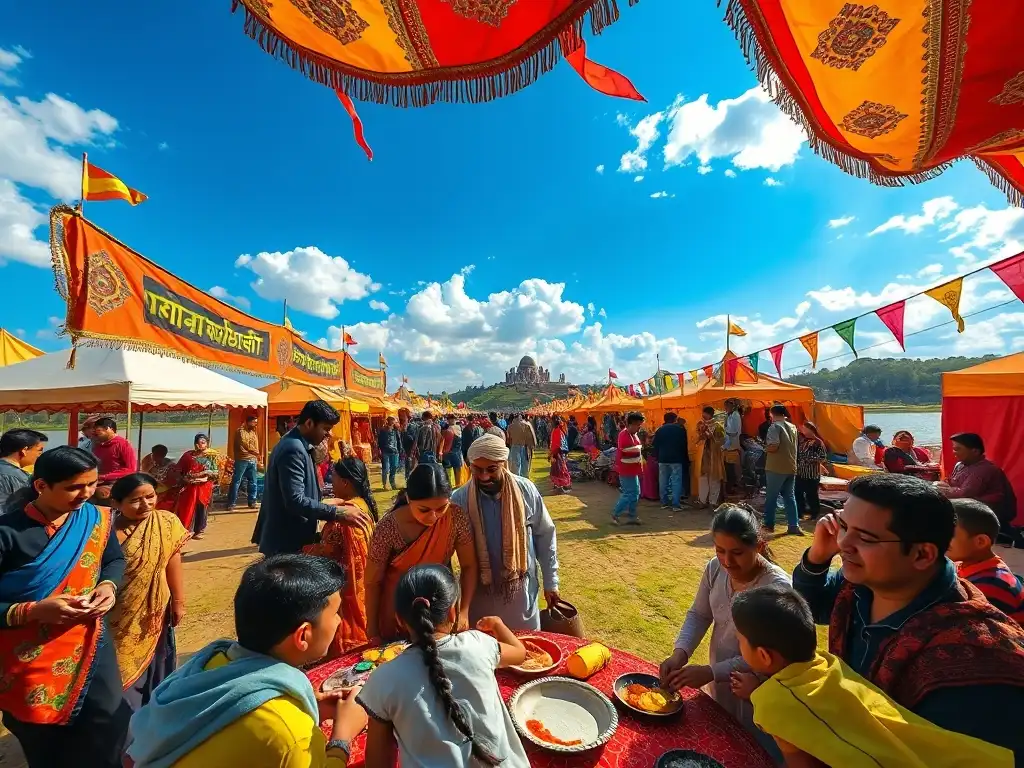
Welcome to Ancient India History, where we embark on a fascinating journey through the rich tapestry of ancient Indian civilizations. Dive into our latest exploration, “The Role of Festivals in Strengthening Community Bonds in the Indus Valley,” and discover how vibrant celebrations shaped social ties and cultural identity in one of the world's earliest urban societies. What secrets do these festivals hold about community impact and shared heritage? Join us as we unravel the intricate connections between festivity and unity, and let your curiosity guide you deeper into the captivating world of ancient India!
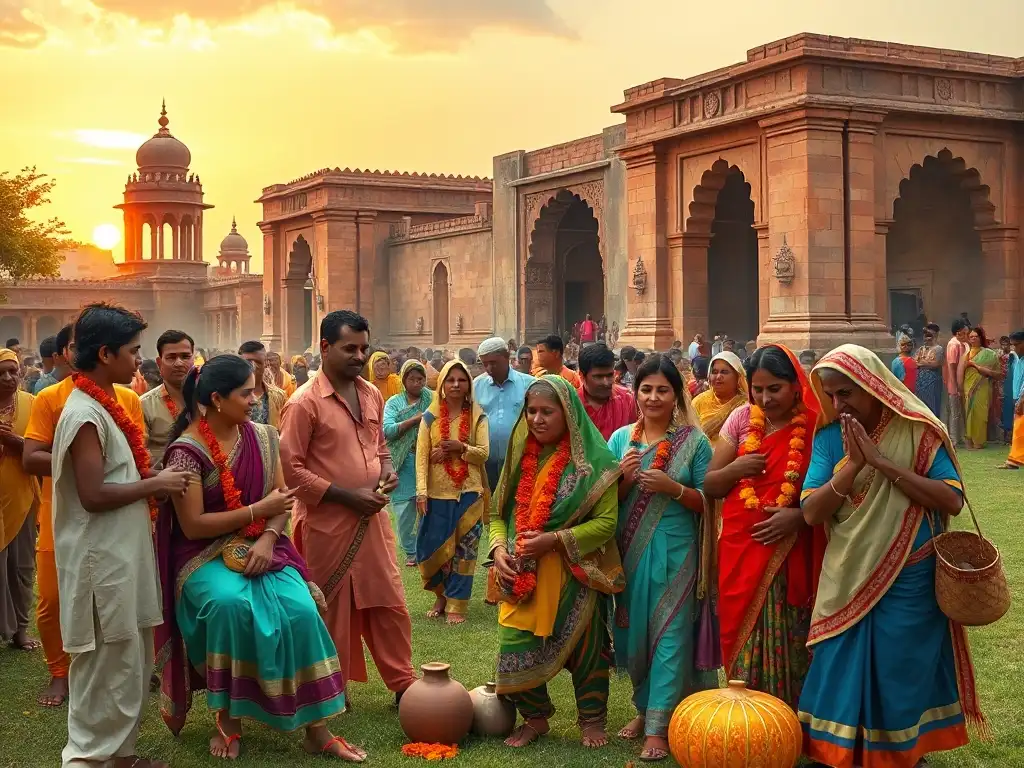
Introduction to Indus Valley Festivals and Community Impact
Festivals have long been integral to the fabric of human societies, serving as occasions for celebration, ritual, and community bonding. In the context of the Indus Valley Civilization, which flourished between 3300 BCE and 1300 BCE in what is now Pakistan and northwest India, festivals played a crucial role in enhancing social cohesion and cultural identity among its inhabitants.
The Indus Valley festivals not only provided a platform for communal gatherings but also reflected the civilization's values, beliefs, and social structures. This article explores the multifaceted impact of these festivals on community bonds within the Indus Valley, shedding light on their significance in ancient Indian society.
Overview of the Indus Valley Civilization
The Indus Valley Civilization, one of the world's earliest urban cultures, was characterized by its advanced city planning, sophisticated drainage systems, and economic prowess. Major cities like Harappa and Mohenjo-Daro were notable for their impressive architecture and organized layout. The people of this civilization engaged in agriculture, trade, and craftsmanship, which contributed to a thriving economy. The social structure was complex, with a significant emphasis on community and collaboration, elements that were further reinforced through the celebration of festivals.
Importance of Festivals in Ancient Societies
Festivals in ancient societies served several pivotal roles:
- Cultural Identity: They reinforced shared values and traditions, creating a sense of belonging among community members.
- Social Cohesion: Festivals provided opportunities for people to come together, fostering relationships and strengthening communal ties.
- Religious Practices: Many festivals were tied to religious observances, allowing individuals to express their spirituality in a communal setting.
- Economic Activity: Festivals often stimulated local economies through trade, crafts, and hospitality.
These aspects were particularly relevant in the Indus Valley, where festivals not only marked significant seasonal changes and agricultural cycles but also played a vital role in community dynamics.
Historical Context of Festivals in the Indus Valley
Archaeological Evidence of Festivals in the Indus Valley
Archaeological findings suggest that the people of the Indus Valley engaged in various forms of celebration, though specific details about individual festivals are sparse. Artifacts such as pottery, seals, and figurines depict scenes that may indicate ritualistic practices. For instance, the discovery of ceremonial objects and ornate pottery suggests that festivals played a role in both social and religious contexts. Additionally, the layout of cities often included large public spaces that could accommodate gatherings, hinting at the importance of communal festivities.
Cultural Significance of Festivals in Daily Life
The festivals in the Indus Valley were not just occasions for merriment but were deeply embedded in the daily lives of the people. They reflected the agricultural calendar, marking crucial times such as planting and harvest seasons. Participating in these festivals allowed individuals to connect with their agricultural roots and acknowledge the cycles of nature. The social interactions that occurred during these celebrations fostered a sense of unity and mutual support, essential for the survival and prosperity of the community.
The festivals of the Indus Valley Civilization were instrumental in shaping community bonds, reflecting the rich cultural tapestry of one of the world's earliest civilizations while highlighting the profound impact of social and cultural practices in ancient societies.
Types of Festivals Celebrated in the Indus Valley
The Indus Valley Civilization, one of the world's oldest urban cultures, showcased a rich tapestry of festivals that played a crucial role in community bonding. Although specific records of these festivals are sparse due to the lack of written documentation, archaeological findings and comparative studies with contemporary cultures offer valuable insights. Festivals in the Indus Valley could broadly be categorized into agricultural, religious, and seasonal festivals, each contributing to the social fabric and communal identity of the society.
These festivals were not merely occasions for celebration; they served as vital platforms where community members congregated, reinforcing social ties and fostering collaboration. The significance of these gatherings extended beyond festivities— they were integral in maintaining the cultural continuity and cohesion of the Indus Valley society.
Agricultural Festivals and Their Community Role
Agricultural festivals were pivotal in the Indus Valley, marking the cyclical nature of farming activities and the importance of agriculture to the community's sustenance. Celebrated during planting and harvest seasons, these festivals involved rituals and ceremonies aimed at invoking blessings from deities for abundant crops.
Communities would come together to participate in communal activities such as:
- Planting rituals: Involving prayers and offerings to ensure a bountiful harvest.
- Harvest celebrations: Festivities that included feasting, dancing, and communal sharing of the harvest, reinforcing the spirit of cooperation and gratitude.
Such events not only highlighted the agricultural calendar but also strengthened social bonds, as community members worked together towards common agricultural goals. These festivals were essential for fostering a sense of belonging and mutual support within the community.
Religious Festivals and Spiritual Bonds
Religious festivals in the Indus Valley were deeply intertwined with the spiritual beliefs of the people. Although much of the religious practices remain speculative, evidence suggests that the Indus Valley Civilization worshipped various deities associated with fertility, nature, and prosperity.
During religious festivals, community members engaged in:
- Ritual offerings: Presenting food, flowers, and other items to deities at designated shrines.
- Collective prayers and chants: Strengthening communal faith and spiritual connections.
These gatherings provided an opportunity for individuals to express their devotion while simultaneously reinforcing communal identity through shared beliefs. The sense of unity fostered during these festivals was instrumental in promoting social stability and cohesion among the diverse groups within the Indus Valley.
Seasonal Festivals and Their Impact on Social Cohesion
Seasonal festivals marked significant transitions in the natural environment, such as the onset of monsoons or the change from winter to spring. These festivals served as a reminder of the cyclical nature of life and the community's dependence on seasonal changes for agricultural activities.
During these celebrations, communities would:
- Host communal feasts: Sharing food and resources, which enhanced social ties and cooperation.
- Engage in cultural performances: Including music and dance, which showcased the community's cultural identity and heritage.
The collective participation in these seasonal festivals not only reinforced social bonds but also cultivated a spirit of resilience and adaptability among the community members in the face of changing environmental conditions.
The Community Impact of Festivals in the Indus Valley
Festivals in the Indus Valley had profound implications for the community, serving as a catalyst for social interaction, cultural preservation, and economic development.
Strengthening Social Networks Through Festivals
Festivals provided an essential framework for strengthening social networks within the Indus Valley. They facilitated interactions among various community members, including families, neighbors, and even distant relatives. These gatherings allowed individuals to reconnect, share experiences, and build relationships that transcended day-to-day interactions.
Through communal activities during festivals, such as:
- Collaborative crafts: Creating decorations or ritual items.
- Group games and sports: Encouraging teamwork and friendly competition.
Such interactions cemented friendships and alliances, enhancing community resilience and support systems.
Festivals as a Means of Cultural Preservation
The festivals celebrated in the Indus Valley were crucial for the preservation and transmission of cultural practices and traditions. They served as living repositories of history, where stories, rituals, and customs were passed down through generations.
Events included:
- Storytelling sessions: Sharing myths and legends that shaped community identity.
- Artistic expressions: Traditional music, dance, and crafts that reflected the community's heritage.
By participating in these festivals, community members not only celebrated their identity but also ensured that their rich cultural legacy was preserved for future generations.
Economic Benefits of Festivals for Local Communities
Festivals also had significant economic benefits for local communities in the Indus Valley. These events often attracted people from surrounding areas, fostering trade and commerce.
Key economic aspects included:
- Marketplaces: Established during festivals, where local artisans could sell their goods and crafts.
- Resource sharing: Community pooling of resources for food and supplies, ensuring that the economic burden of festivities was shared.
The influx of visitors during festivals created opportunities for economic growth, allowing communities to thrive and sustain their cultural practices while enhancing their collective well-being.
The festivals of the Indus Valley were more than mere celebrations; they were vital to the community's social structure, cultural identity, and economic vitality, leaving a lasting impact on the fabric of ancient Indian civilization.
Comparative Analysis of Festivals in the Indus Valley and Other Ancient Civilizations
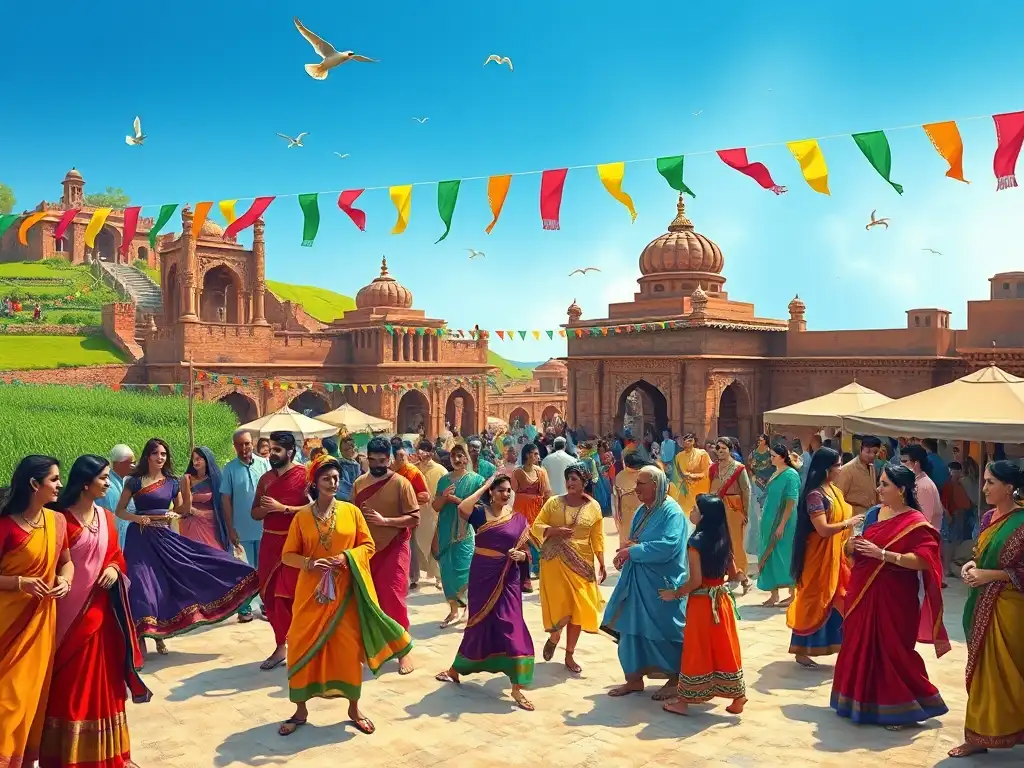
Festivals played a pivotal role in the social fabric of ancient civilizations, serving as both a means of celebration and a mechanism for community bonding. In the Indus Valley Civilization, festivals were deeply intertwined with agricultural cycles, religious practices, and seasonal changes, fostering a sense of unity among its inhabitants. When compared to other ancient civilizations, such as Mesopotamia and Egypt, we can observe both distinct similarities and notable differences in how festivals contributed to community cohesion.
Festivals in the Indus Valley were often marked by communal activities, including feasting, rituals, and the exchange of goods, similar to practices in Mesopotamia, where harvest festivals and religious observances also served to strengthen community ties. However, while Mesopotamian festivals often revolved around the worship of specific deities and state-sponsored events, Indus Valley festivals appear to emphasize more local and nature-centric themes, reflecting their agrarian lifestyle and relationship with the environment.
Festivals in Mesopotamia vs. Indus Valley Festivals
In Mesopotamia, festivals such as the Akitu or New Year Festival were significant events that involved elaborate rituals, including the reenactment of mythological stories, processions, and offerings to gods. These festivals not only reinforced religious beliefs but also served to assert political power and social hierarchy.
In contrast, Indus Valley festivals were less documented but likely centered around agricultural cycles, such as planting and harvest times. Archaeological findings suggest that communal gatherings took place, where communities might have engaged in shared meals, trade, and the celebration of seasonal changes, reflecting a more egalitarian approach. While Mesopotamian festivals were often organized by ruling elites, the evidence from the Indus Valley suggests a more decentralized and community-driven festival culture.
Similarities and Differences in Community Engagement
Both civilizations utilized festivals as a means to foster community spirit and collective identity. In the Indus Valley, festivals might have involved all members of society, transcending social classes in a shared expression of culture and cooperation. This is illustrated by the presence of communal storage facilities in Indus Valley sites, which may have served to facilitate the sharing of resources during festive occasions.
Conversely, in Mesopotamia, while festivals were communal, they were often hierarchical, with the ruling class playing a significant role in their organization and execution. This distinction highlights how community engagement through festivals could vary significantly based on social structures, with the Indus Valley potentially offering a more inclusive environment for participation.
Challenges Faced by Festivals in the Indus Valley
Despite the importance of festivals in fostering community bonds, the Indus Valley Civilization faced various challenges that impacted their festival practices. Environmental changes, societal shifts, and eventual decline played significant roles in these challenges, which ultimately influenced how festivals were celebrated and perceived.
Environmental and Societal Changes Affecting Festival Traditions
The Indus Valley experienced significant environmental changes, including shifts in climate and alterations in river patterns, which could have affected agricultural productivity. As agriculture was central to their festival calendar, any disruption in crop yields would directly impact the timing and nature of these celebrations. For instance, decreased agricultural output may have led to fewer communal feasts and festivities, diminishing the collective spirit that these events fostered.
Societal changes, such as urbanization and the increasing complexity of social structures, could also have disrupted traditional festival practices. As communities grew and became more stratified, the inclusive nature of festivals may have been compromised, leading to variations in participation and engagement among different social groups.
The Decline of Festival Practices and Community Impact
With the decline of the Indus Valley Civilization around 1900 BCE, many cultural practices, including festivals, likely fell into disuse. This decline had profound implications for community cohesion, as festivals served not only as celebrations but also as crucial mechanisms for social bonding and identity reinforcement. The loss of these communal gatherings may have contributed to a fragmentation of social ties, impacting the very fabric of Indus Valley society.
As regional powers emerged and new cultural influences began to permeate the area, traditional festival practices were often replaced or transformed, leading to a dilution of the communal values that had previously characterized the Indus Valley. The decline of festival observances thus marked a significant shift in the community dynamics of the region, echoing the broader transformations that occurred during the transition to new social and political structures.
Conclusion: The Enduring Legacy of Indus Valley Festivals
The festivals of the Indus Valley Civilization played a crucial role in shaping the communal fabric of its society. These celebrations were not mere occasions for entertainment; they were integral to the community's identity, fostering a sense of belonging and unity among its members. The shared rituals, collective participation in festivities, and communal gatherings facilitated the establishment of strong social bonds, which were essential for the survival and cohesion of the urban centers in this ancient civilization.
As we reflect on the historical significance of these festivals, it becomes evident that their legacy endures in various forms throughout the ages. The values of cooperation, respect, and mutual support that were emphasized during these celebrations continue to resonate in modern societies. The rituals and practices initiated during the Indus Valley era laid the groundwork for the rich tapestry of cultural and religious traditions that characterize contemporary Indian festivals.
Reflections on Community Bonds Through Festivals
Festivals in the Indus Valley served as pivotal moments for the community to come together, reinforcing social ties and cultivating a collective identity. These events provided opportunities for individuals to engage with each other in meaningful ways, transcending daily routines and fostering a spirit of camaraderie.
The communal aspect of these festivals was reflected in various activities such as communal feasts, artistic expressions, and shared religious practices. For instance, the collaborative creation of artwork or pottery during festival times not only showcased individual talents but also underscored the importance of teamwork and shared heritage. This sense of collective ownership and participation in festival-related activities contributed to the development of strong interpersonal relationships, which were vital for community cohesion.
Moreover, these gatherings often served as platforms for conflict resolution and negotiation, allowing communities to address grievances in a peaceful and constructive environment. Thus, festivals were not simply celebrations but essential mechanisms for maintaining harmony within the community, illustrating the profound impact that these events had on social structures.
The Influence of Indus Valley Festivals on Modern Celebrations
The influence of Indus Valley festivals can be traced through the evolution of various modern celebrations in India and beyond. Many contemporary festivals echo the themes of unity, gratitude, and the cyclical nature of life that were prevalent in ancient celebrations.
For example, festivals such as Diwali and Holi incorporate the spirit of community bonding, much like the festivals of the Indus Valley. These modern celebrations emphasize shared experiences, communal meals, and collective rituals that strengthen social ties among participants. The continuity of these practices highlights the enduring legacy of the communal ethos that characterized ancient festivals.
Furthermore, the archaeological findings from the Indus Valley, such as pottery and artifacts linked to ritualistic practices, suggest a deep-rooted appreciation for art and creativity in celebrations. This appreciation persists today, as modern festivals often include artistic displays, performances, and other creative expressions that celebrate cultural heritage and promote social unity.
The festivals of the Indus Valley Civilization not only played a vital role in fostering community bonds but also laid the foundation for the rich tapestry of celebrations that continue to thrive in contemporary society. Their legacy remains a testament to the power of shared experiences in promoting harmony and connection among diverse groups.
- Introduction to Indus Valley Festivals and Community Impact
- Historical Context of Festivals in the Indus Valley
- Types of Festivals Celebrated in the Indus Valley
- The Community Impact of Festivals in the Indus Valley
- Comparative Analysis of Festivals in the Indus Valley and Other Ancient Civilizations
- Challenges Faced by Festivals in the Indus Valley
- Conclusion: The Enduring Legacy of Indus Valley Festivals
- What were the main festivals celebrated in the Indus Valley?
- How did festivals impact community relationships in the Indus Valley?
- What role did rituals play during these festivals?
- Were there specific festivals linked to agriculture in the Indus Valley?
- How did the Indus Valley festivals influence its culture?
Frequently Asked Questions
What were the main festivals celebrated in the Indus Valley?
The Indus Valley civilization celebrated various festivals that revolved around agricultural cycles, seasonal changes, and religious beliefs, which contributed to social cohesion.
How did festivals impact community relationships in the Indus Valley?
Festivals served as a platform for communities to come together, fostering stronger bonds and encouraging cooperation among different social groups.
What role did rituals play during these festivals?
Rituals performed during festivals were essential for expressing cultural identity, reinforcing shared values, and ensuring the continuity of traditions within the community.
Were there specific festivals linked to agriculture in the Indus Valley?
Yes, many festivals were directly linked to agricultural practices, celebrating planting and harvesting times, which were crucial for the sustenance of communities.
How did the Indus Valley festivals influence its culture?
The festivals significantly shaped the culture of the Indus Valley by promoting artistic expression, craftsmanship, and the exchange of ideas, thus enhancing the cultural richness of the civilization.
Final Reflection: The Enduring Impact of Indus Valley Festivals on Community Bonds
The role of festivals in the Indus Valley is not just a relic of the past; it is a vibrant thread woven into the fabric of community life today. As we explore the significance of these celebrations, we uncover their power to unite people, foster cultural identity, and create lasting memories. In an age where digital connections often overshadow personal interactions, the importance of these communal gatherings becomes even more pronounced. Festivals serve as a reminder of our shared heritage and the collective spirit that binds us together, transcending time and space.
The influence of Indus Valley festivals extends far beyond their immediate celebrations; they shape the cultural and social landscape of the region. These events are not merely occasions for revelry; they are vital in nurturing relationships and reinforcing community ties. As we witness the resurgence of interest in traditional practices, we recognize the profound impact these festivals have on fostering a sense of belonging and identity. Festivals are the heartbeat of a community, reminding us of our roots and the importance of togetherness.
This sentiment resonates deeply as we reflect on how these gatherings continue to inspire collaboration and unity among diverse groups.
As we move forward, let us embrace the lessons learned from the festivals of the Indus Valley and apply them in our own lives. Take a moment to reflect on your community and consider how you can contribute to strengthening its bonds. Whether through organizing local events, participating in cultural celebrations, or simply reaching out to a neighbor, every action counts. Together, we can cultivate a spirit of togetherness that honors our past while paving the way for a brighter future.
Celebrate and Connect: Strengthen Your Community Today!
Thank you for exploring the fascinating world of festivals in the Indus Valley! You've uncovered the profound impact these celebrations have on community bonds. Now, let's transform that knowledge into action – together, we can celebrate and nurture our connections.
Here are some ways you can contribute to strengthening your community:
- Plan a Local Festival: Organize a cultural gathering in your neighborhood inspired by the vibrant festivals of the Indus Valley. Encourage participation from local artists, musicians, and residents to create a rich tapestry of shared experiences.
- Join or Start a Community Group: Connect with like-minded individuals who are passionate about celebrating cultural heritage. Engage in discussions and planning for future events that highlight local traditions and foster a strong community spirit.
- Share Your Insights: Spread the word! Write about your favorite local festival or a significant cultural event in your area and share it on social media. Use this opportunity to invite friends and neighbors to join you in the celebration.
What festival or tradition in your community do you believe has the power to create authentic connections? We invite you to share your thoughts below!