
Embark on a Wellness Journey: Creating Your Personal Ayurvedic Spa Retreat

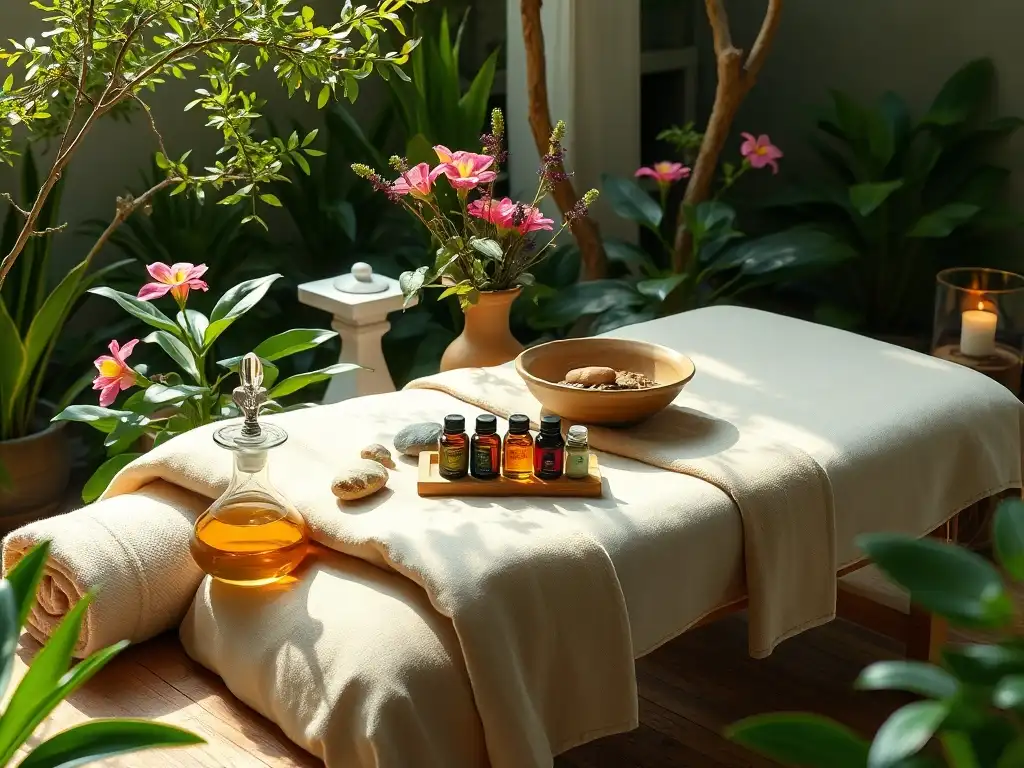
Welcome to Ancient India History, where we invite you to journey through the vibrant tapestry of ancient Indian civilizations. From the enigmatic Indus Valley to the illustrious Gupta Empire, our exploration reveals the rich culture and profound contributions that have shaped wellness practices over millennia. In this article, we delve into DIY Ayurvedic spa retreat ideas, offering you the tools to create your own sanctuary of relaxation and rejuvenation. Ready to embark on a transformative wellness journey? Let’s uncover the secrets of ancient wisdom together!
- Introduction to DIY Ayurvedic Spa Retreat Ideas
- Planning Your Personal Ayurvedic Spa Retreat
- Creating a Relaxing Atmosphere for Your Ayurvedic Spa Retreat
- Ayurvedic Treatments for Your Spa Retreat
- Nourishing Your Body with Ayurvedic Cuisine
- Mindfulness and Meditation Practices for Your Retreat
- Incorporating Ayurvedic Rituals into Your Daily Life
- Conclusion: Embracing the Journey of Wellness
- Frequently Asked Questions
- Final Reflection: Embracing Wellness Through DIY Ayurvedic Spa Retreats
- Transform Your Home into a Personal Ayurvedic Spa!
Introduction to DIY Ayurvedic Spa Retreat Ideas
Embarking on a wellness journey through a DIY Ayurvedic spa retreat can be a transformative experience, allowing individuals to reconnect with their inner selves while embracing the ancient practices of Ayurveda. This holistic approach to health and well-being, rooted in the rich traditions of ancient Indian civilization, emphasizes the balance of body, mind, and spirit. By understanding the principles of Ayurveda and incorporating them into a personalized spa retreat at home, you can cultivate a serene space that promotes relaxation, rejuvenation, and healing.
In this article, we will explore practical ideas for creating your own Ayurvedic spa retreat, highlighting the significance of this ancient practice in enhancing overall wellness. From understanding the foundational elements of Ayurveda to recognizing the profound impact of spa retreats on mental and physical health, this guide aims to inspire you to embark on a journey of self-care and rejuvenation. 🌿✨
Understanding Ayurveda: The Foundation of Wellness
Ayurveda, often referred to as the "Science of Life," is an ancient Indian system of medicine that dates back over 5,000 years. It encompasses a holistic philosophy that integrates physical, mental, and spiritual well-being. At the core of Ayurveda are three primary doshas—Vata, Pitta, and Kapha—which represent different combinations of the five elements (earth, water, fire, air, and ether). Understanding your unique dosha can help tailor wellness practices to suit your individual needs.
- Vata: Characterized by qualities like dryness and lightness, individuals with a predominant Vata dosha may benefit from grounding practices such as warm oils and nourishing foods.
- Pitta: Representing fire and transformation, those with a Pitta constitution may find balance through cooling treatments and calming herbs.
- Kapha: Associated with heaviness and stability, Kapha types thrive on invigorating therapies and stimulating practices.
By identifying and nurturing your dosha, you can create a more effective DIY Ayurvedic spa retreat that resonates with your body’s unique requirements.
The Importance of a Spa Retreat for Mental and Physical Health
In today’s fast-paced world, prioritizing mental and physical health is more crucial than ever. Spa retreats offer a sanctuary for relaxation and rejuvenation, and incorporating Ayurvedic principles amplifies their benefits. Engaging in self-care rituals not only alleviates stress but also promotes holistic healing, leading to improved well-being.
Key Benefits of Ayurvedic Spa Retreats:
- Stress Reduction: Engaging in calming practices such as meditation and gentle yoga helps lower stress levels and promote mental clarity.
- Detoxification: Ayurvedic treatments such as herbal baths and oil massages facilitate the elimination of toxins, enhancing overall health.
- Enhanced Sleep Quality: A dedicated retreat can improve sleep patterns by creating a nurturing environment conducive to rest and relaxation.
- Emotional Balance: By fostering mindfulness and self-awareness, Ayurvedic practices support emotional stability and resilience.
Creating your own Ayurvedic spa retreat not only offers a chance for personal growth and relaxation but also allows you to embrace the profound wisdom of ancient Indian healing traditions. By integrating these practices into your life, you can cultivate a path towards a healthier, more balanced existence.
Planning Your Personal Ayurvedic Spa Retreat
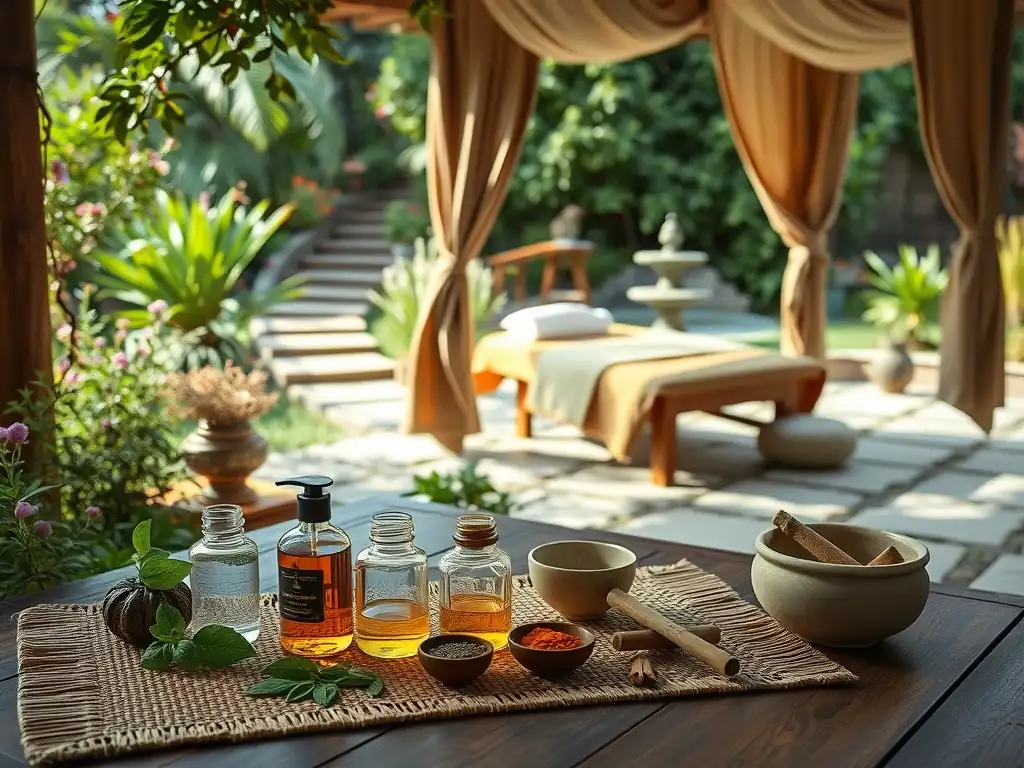
Setting Your Intentions: Goals for Your DIY Retreat
When embarking on your DIY Ayurvedic spa retreat, it's crucial to begin with a clear understanding of your intentions. Setting specific goals will not only help focus your retreat experience but also enhance its effectiveness. Here are some common intentions that you might consider:
- Stress Reduction: A primary goal for many is to alleviate stress and unwind from daily life. By creating a serene environment, you can cultivate a sense of peace.
- Mindfulness and Meditation: Incorporating mindfulness practices can enhance self-awareness and promote inner calm. Consider setting aside dedicated time for meditation or breathing exercises.
- Physical Rejuvenation: Many people aim to revitalize their bodies through detoxification and rejuvenation techniques, such as herbal treatments or oil massages.
- Connection with Nature: For outdoor retreats, goals might include fostering a deeper connection to the natural world, which can invigorate both body and mind.
To effectively articulate your intentions, you might find it helpful to write them down, creating a personal manifesto for your retreat. This document can serve as a guide throughout your journey, keeping you aligned with your objectives.
Choosing the Right Space: Home vs. Outdoor Settings
The space you choose for your Ayurvedic spa retreat significantly impacts the overall experience. Here are considerations for both home and outdoor settings:
Home Settings
- Comfort: Your home is familiar and comfortable, which can help you relax more easily.
- Control: You have complete control over the environment, from the lighting to the sounds, allowing you to create a truly personalized experience.
- Accessibility: Everything you need is usually within reach, minimizing interruptions and distractions.
However, to enhance the ambiance, consider incorporating elements such as:
- Soft, ambient lighting
- Calming scents through essential oils or incense
- Natural materials like wood or stone for decor
Outdoor Settings
- Nature’s Healing Power: Being outdoors allows you to immerse yourself in nature, which can enhance relaxation and rejuvenation significantly.
- Fresh Air: The natural environment provides a refreshing atmosphere that can invigorate your senses.
- Space for Movement: Outdoor settings often allow for activities like yoga or meditation under the open sky, promoting a sense of freedom.
If you choose an outdoor space, consider the following tips:
- Select a quiet location, away from the noise of urban life.
- Bring along blankets or cushions for comfort.
- Ensure you have access to shade or shelter if needed.
Essential Items for Your Ayurvedic Spa Retreat
Creating a successful DIY Ayurvedic spa retreat requires gathering specific items that align with Ayurvedic principles. Here’s a list of essential items you may want to consider:
- Aromatherapy Oils: Essential oils like lavender, eucalyptus, and sandalwood can enhance relaxation and promote emotional balance.
- Herbal Teas: Prepare soothing herbal teas such as chamomile or tulsi to hydrate and support detoxification.
- Massage Oils: High-quality oils, such as sesame or coconut oil, are vital for traditional Ayurvedic massages.
- Himalayan Salt Lamps: These can help purify the air and create a calming ambiance.
- Yoga Mats and Props: If you're incorporating yoga or stretching, these are essential for comfort and support.
Recommended Products for a DIY Spa Experience
To assist you in curating your Ayurvedic spa retreat, here’s a table of recommended products:
| Product Type | Recommendations | Benefits |
|---|---|---|
| Massage Oils | Organic sesame oil, coconut oil | Nourishes skin, promotes relaxation |
| Essential Oils | Lavender, peppermint, sandalwood | Calming, invigorating |
| Herbal Teas | Chamomile, ginger, tulsi | Soothing, detoxifying |
| Aromatherapy Diffuser | Ultrasonic essential oil diffuser | Disperses scents, enhances mood |
| Yoga Equipment | Eco-friendly yoga mats, blocks | Supports practice, enhances comfort |
By thoughtfully selecting these items, you can create a harmonious atmosphere that aligns with Ayurvedic principles, enriching your personal spa retreat experience. Enjoy the journey towards wellness and self-discovery!
Creating a Relaxing Atmosphere for Your Ayurvedic Spa Retreat
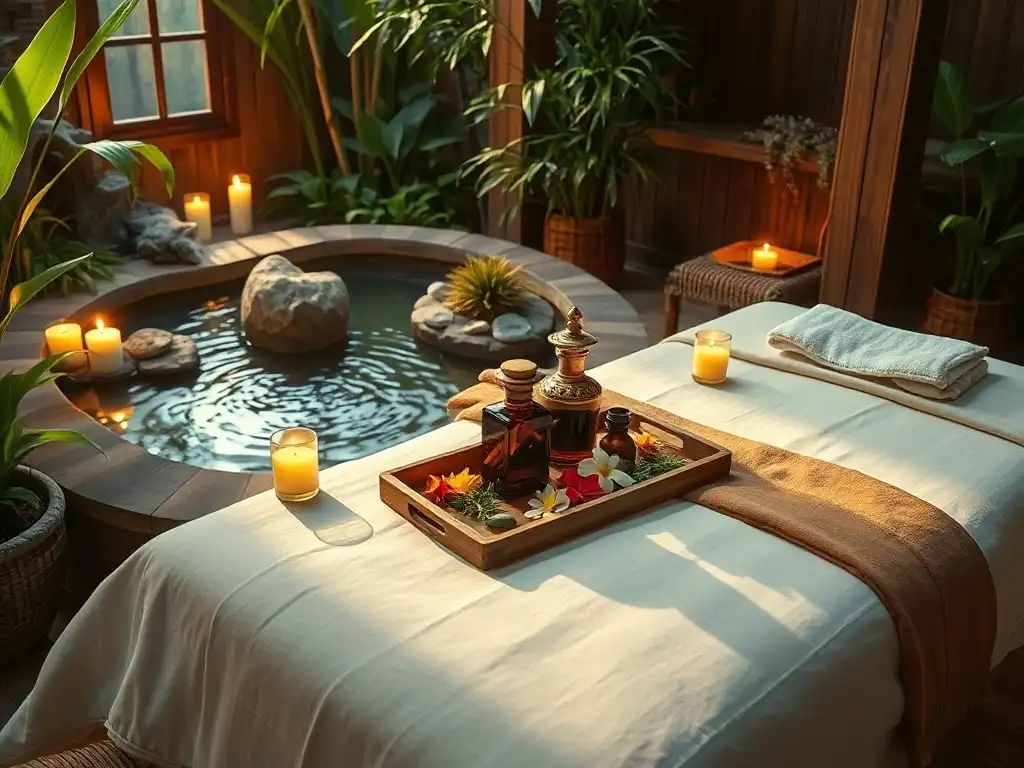
Creating a relaxing atmosphere is essential for an authentic Ayurvedic spa retreat experience. This environment not only enhances relaxation but also promotes healing and rejuvenation. Here are key elements to consider when setting up your DIY Ayurvedic spa retreat.
Incorporating Natural Elements: Nature and Serenity
Nature has a profound impact on our well-being, and incorporating natural elements can significantly enhance the calming ambiance of your retreat. Here are several ways to do this:
- Plants and Greenery: Use indoor plants such as peace lilies or snake plants, which purify the air and bring a sense of tranquility. Create a small herb garden with plants like basil or mint, which can also be used in your spa rituals.
- Natural Materials: Opt for furniture and decor made from natural materials like bamboo, wood, or stone. These materials foster a connection to the earth and contribute to a soothing environment.
- Water Features: If possible, incorporate a small fountain or water bowl. The sound of flowing water can evoke a sense of peace and serenity, reminiscent of nature's calming presence.
- Outdoor Space: If your retreat allows, create an outdoor area where you can practice yoga or meditation. Being surrounded by nature can deepen your relaxation experience.
Lighting and Sound: Enhancing Your Spa Experience
Light and sound play crucial roles in creating a serene atmosphere for your Ayurvedic spa retreat. Here’s how to use them effectively:
- Soft Lighting: Use dimmable lights, candles, or lanterns to create a soft, warm glow. Avoid harsh fluorescent lighting, which can disrupt relaxation. Consider using Himalayan salt lamps for their gentle illumination and purported health benefits.
- Natural Sounds: Incorporate sounds from nature, such as bird songs or gentle rain. Use a sound machine or streaming platforms to play nature sounds, or simply open a window to let in the ambient sounds of your surroundings.
- Meditative Music: Create a playlist of soothing instrumental music or chants that resonate with the principles of Ayurvedic wellness. Keep the volume low to maintain a calm atmosphere.
Aromatherapy: Using Natural Scents for Relaxation
Aromatherapy is a powerful tool in creating a tranquil environment that enhances the effectiveness of your Ayurvedic spa retreat. Here are some natural scents to consider:
- Essential Oils: Use essential oils like lavender for relaxation, eucalyptus for clarity, and sandalwood for grounding. Diffuse these oils in your space or add them to your bathwater for a sensory experience.
- Herbal Infusions: Create herbal sachets using dried herbs such as chamomile, rosemary, and mint. Place these sachets around your retreat space to infuse the air with their natural scents.
- Scented Candles: Opt for candles made from natural wax and infused with essential oils. The flickering flame combined with the scent can enhance relaxation and create a cozy atmosphere.
By thoughtfully integrating these elements into your DIY Ayurvedic spa retreat, you can cultivate an environment that promotes deep relaxation and rejuvenation. Embrace the soothing influences of nature, sound, and scent, and embark on a wellness journey that revitalizes your mind, body, and spirit.
Ayurvedic Treatments for Your Spa Retreat
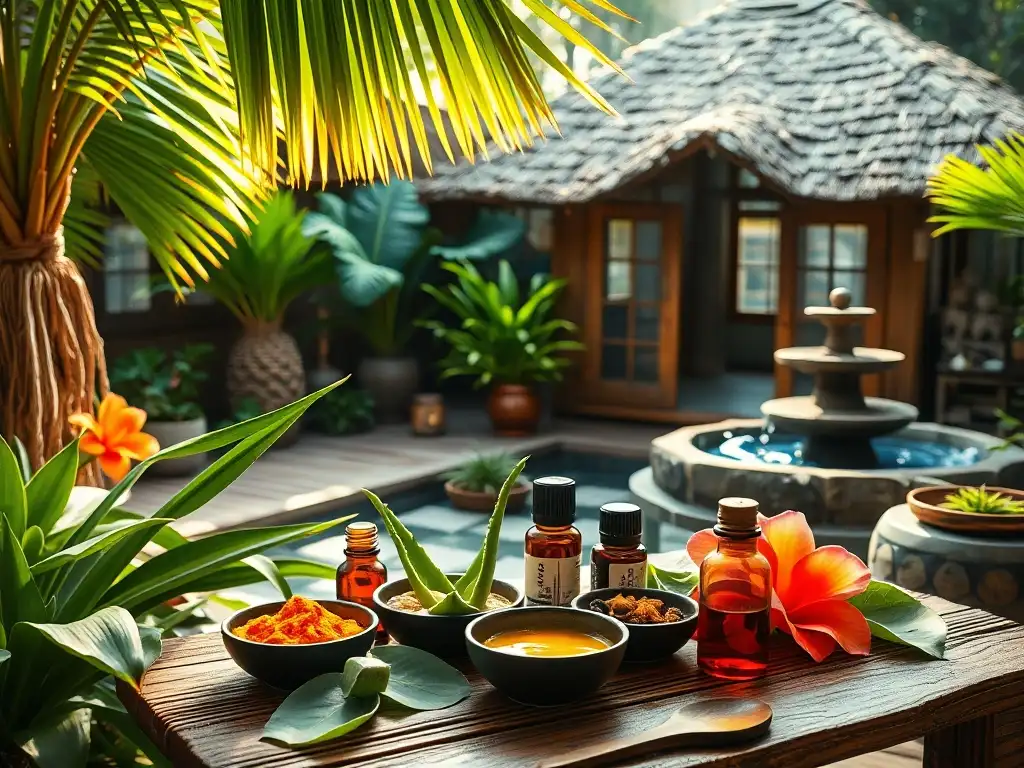
Creating a personal Ayurvedic spa retreat at home involves incorporating traditional treatments that promote relaxation and rejuvenation. These treatments draw from ancient practices that emphasize balance within the body, mind, and spirit. Here’s a closer look at some essential Ayurvedic treatments that can elevate your DIY spa experience.
Abhyanga: The Art of Self-Massage
Abhyanga, or self-massage, is a cornerstone of Ayurvedic wellness. This practice not only promotes physical relaxation but also enhances the flow of energy throughout the body. By using warm oils, Abhyanga nourishes the skin, improves circulation, and aids in detoxification.
Key steps to perform Abhyanga include:
- Preparation: Choose a quiet space where you can unwind. Gather your oils and towels.
- Heating the oil: Warm your chosen oil slightly (to a comfortable temperature) before applying.
- Massage technique: Use long strokes on limbs, circular motions on joints, and gentle pressure on the abdomen. Focus on areas that feel tense.
The effects of regular Abhyanga extend beyond relaxation; studies suggest it may also improve sleep quality and enhance mental clarity.
Recommended Oils for Abhyanga: Sesame Oil
Sesame oil is often recommended for Abhyanga due to its warming properties. It penetrates the skin deeply, providing nourishment and hydration. Rich in antioxidants and fatty acids, sesame oil has anti-inflammatory benefits, making it ideal for soothing sore muscles and promoting overall skin health.
Other oil options include:
- Coconut oil: Great for cooling and hydrating, especially in warmer climates.
- Almond oil: Known for its light texture and benefits for dry skin.
Shirodhara: The Healing Benefits of Oil Pouring
Shirodhara is a unique Ayurvedic treatment that involves pouring warm oil over the forehead, specifically the third eye area. This therapy is known for its profound calming effects on the mind, making it an excellent addition to your spa retreat. Shirodhara helps to alleviate stress, anxiety, and mental fatigue, promoting a deep sense of relaxation.
The process typically involves:
- Setting up: Lay down comfortably on your back with a towel or pillow supporting your head.
- Oil preparation: Use a blend of nourishing oils like coconut or sesame, warmed to a comfortable temperature.
- Oil pouring: A consistent stream of oil is poured onto the forehead, usually for about 30 minutes.
Shirodhara not only relaxes the mind but can also help improve sleep quality and enhance mood, making it a transformative experience.
Incorporating these Ayurvedic treatments into your DIY spa retreat offers a holistic approach to wellness, allowing you to rejuvenate physically and mentally. By embracing practices like Abhyanga and Shirodhara, you can create a serene sanctuary that nurtures both body and spirit.
Herbal Facials: Nourishing Your Skin Naturally
Herbal facials are a cornerstone of Ayurvedic beauty rituals, providing a holistic approach to skincare that emphasizes the use of natural ingredients. Unlike conventional beauty treatments that often rely on synthetic chemicals, herbal facials utilize the therapeutic properties of plants and herbs to nourish and rejuvenate the skin.
The Ayurvedic philosophy recognizes that each individual's skin type—Vata, Pitta, or Kapha—requires a tailored approach to achieve optimal results. By incorporating herbs that balance your specific dosha, you can enhance your skin's natural glow and vitality. Common ingredients in herbal facials include turmeric, sandalwood, aloe vera, and rose water, each chosen for their unique properties. For instance, turmeric is renowned for its anti-inflammatory and antibacterial effects, making it ideal for acne-prone skin, while sandalwood provides a soothing touch, perfect for calming irritated skin.
In addition to their skin benefits, herbal facials also incorporate techniques that promote relaxation and stress relief. The process often includes gentle massage, which stimulates blood circulation and encourages lymphatic drainage. This dual approach—nourishing the skin while calming the mind—embodies the essence of Ayurvedic wellness.
Best Herbal Products for Facials: Neem Face Pack
When it comes to herbal facials, the Neem face pack stands out as one of the best options for achieving clear and healthy skin. Neem, known scientifically as Azadirachta indica, has been revered in Ayurveda for centuries due to its potent antibacterial, antifungal, and anti-inflammatory properties.
Ingredients for Neem Face Pack:
- Neem Powder: Ground leaves of the neem tree, packed with antioxidants.
- Multani Mitti (Fuller's Earth): A natural clay that absorbs excess oil and impurities.
- Turmeric Powder: Known for its anti-inflammatory and antiseptic properties.
- Honey: A natural humectant that moisturizes and nourishes the skin.
- Rose Water: A soothing ingredient that balances skin pH and hydrates.
Preparation:
- Mixing: Combine equal parts of neem powder and multani mitti, add a pinch of turmeric, and mix well.
- Adding Moisture: Gradually add honey and rose water until you achieve a smooth paste.
- Application: Apply the mixture evenly on your face, avoiding the area around your eyes.
- Setting Time: Allow it to sit for 15-20 minutes or until it dries completely.
- Rinsing: Gently wash off with lukewarm water, followed by a splash of cold water to close the pores.
Benefits of Neem Face Pack:
- Acne Treatment: The antibacterial properties of neem help to fight acne-causing bacteria.
- Oil Control: Multani mitti absorbs excess oil, making it ideal for oily skin types.
- Skin Brightening: Turmeric and neem work together to promote an even skin tone.
- Hydration: Honey and rose water provide essential moisture to keep the skin soft.
Incorporating a Neem face pack into your DIY Ayurvedic spa retreat can significantly enhance your skincare regimen, offering a natural solution that aligns with Ayurvedic principles of balance and wellness. Embrace the power of herbs and indulge in the nourishing experience of a herbal facial for lasting beauty and health.
Nourishing Your Body with Ayurvedic Cuisine
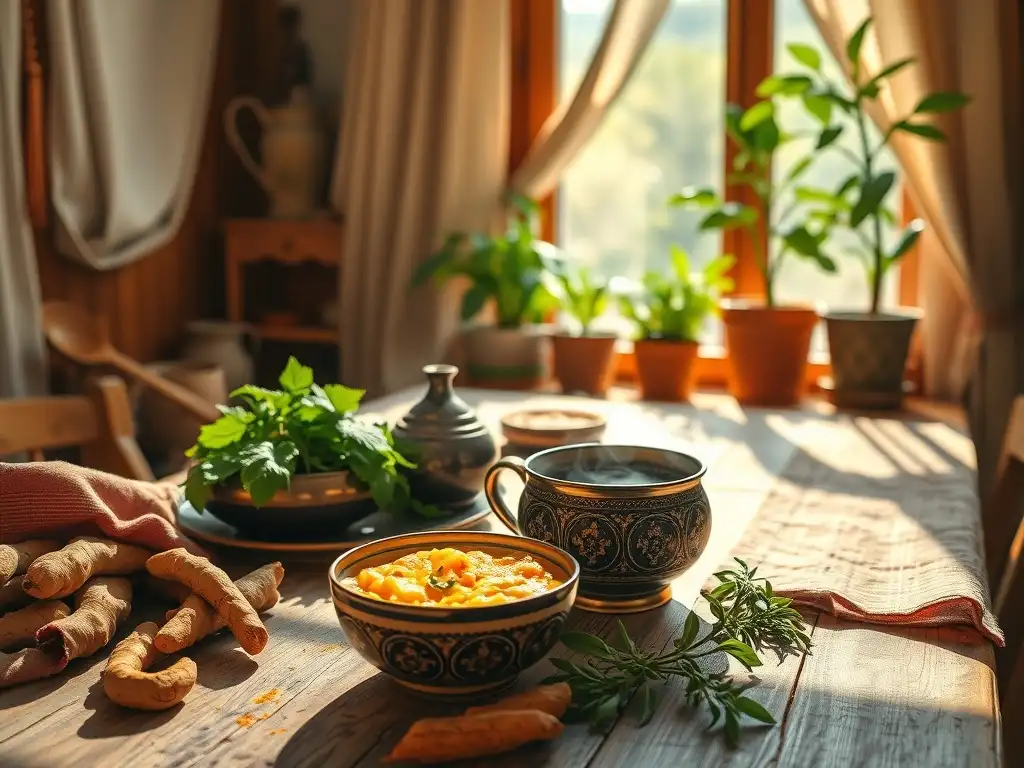
Ayurveda, the ancient Indian system of medicine, places a strong emphasis on the connection between food and health. To fully embrace your DIY Ayurvedic spa retreat, it is essential to incorporate nourishing Ayurvedic cuisine that aligns with its principles. This section will explore the basics of Ayurvedic nutrition and provide you with a sample menu that can help you create a wholesome and rejuvenating experience.
The Basics of Ayurvedic Nutrition: Sattvic, Rajasic, and Tamasic Foods
Ayurvedic nutrition categorizes foods into three primary qualities: Sattvic, Rajasic, and Tamasic. Each of these categories plays a significant role in influencing physical health, mental clarity, and emotional balance.
- Sattvic Foods:
- These foods are considered pure and promote health, vitality, and mental clarity.
- They are typically fresh, organic, and wholesome.
- Examples include:
- Fresh fruits and vegetables
- Whole grains (like quinoa and brown rice)
- Legumes (such as lentils and chickpeas)
- Nuts and seeds
- Dairy products (preferably organic and unprocessed)
- Herbal teas and natural sweeteners (like honey and jaggery)
- Rajasic Foods:
- Rajasic foods are stimulating and can increase energy levels and activity.
- They are often spicy, salty, or sour and can lead to restlessness if consumed excessively.
- Examples include:
- Spicy dishes (with chili peppers and black pepper)
- Fried foods
- Caffeine (like coffee and certain teas)
- Processed and refined foods
- Tamasic Foods:
- These foods are considered heavy and dulling, often leading to lethargy and a lack of mental clarity.
- Consuming tamasic foods can cause a feeling of heaviness and negativity.
- Examples include:
- Leftovers and processed foods
- Alcohol and junk food
- Foods high in preservatives and artificial ingredients
When planning your Ayurvedic meals, aim to focus on Sattvic foods to enhance your wellness journey. This approach will not only nourish your body but also uplift your spirit, creating a serene atmosphere for your retreat.
Creating a balanced menu for your DIY Ayurvedic spa retreat is essential for enhancing relaxation and rejuvenation. Here’s a thoughtful sample menu that incorporates Sattvic principles:
| Meal | Dish | Description |
|---|---|---|
| Breakfast | Warm Quinoa Porridge | Cooked quinoa topped with sliced bananas, nuts, and a drizzle of honey. |
| Herbal Tea | A calming blend of chamomile and ginger. | |
| Lunch | Mixed Vegetable Kitchari | A comforting dish made with basmati rice, lentils, and seasonal veggies, spiced with cumin and turmeric. |
| Cucumber Raita | A refreshing yogurt dip with cucumber and mint. | |
| Snack | Fresh Fruit Salad | A mix of seasonal fruits like mango, papaya, and berries. |
| Roasted Almonds | Lightly salted and spiced for a crunchy snack. | |
| Dinner | Palak Paneer | Spinach cooked with soft paneer and aromatic spices. |
| Brown Rice with Ghee | Nutritious brown rice served with a dollop of ghee for richness. | |
| Dessert | Kheer (Rice Pudding) | A sweet dish made from rice, milk, and cardamom, garnished with almonds. |
To enhance the experience, consider serving your meals in a calm setting, with soft music playing in the background and natural lighting to create a peaceful ambiance.
By incorporating these DIY Ayurvedic spa retreat ideas into your wellness journey, you will not only nourish your body but also cultivate a deeper connection to the ancient wisdom of Ayurveda, promoting a holistic sense of well-being.
Mindfulness and Meditation Practices for Your Retreat
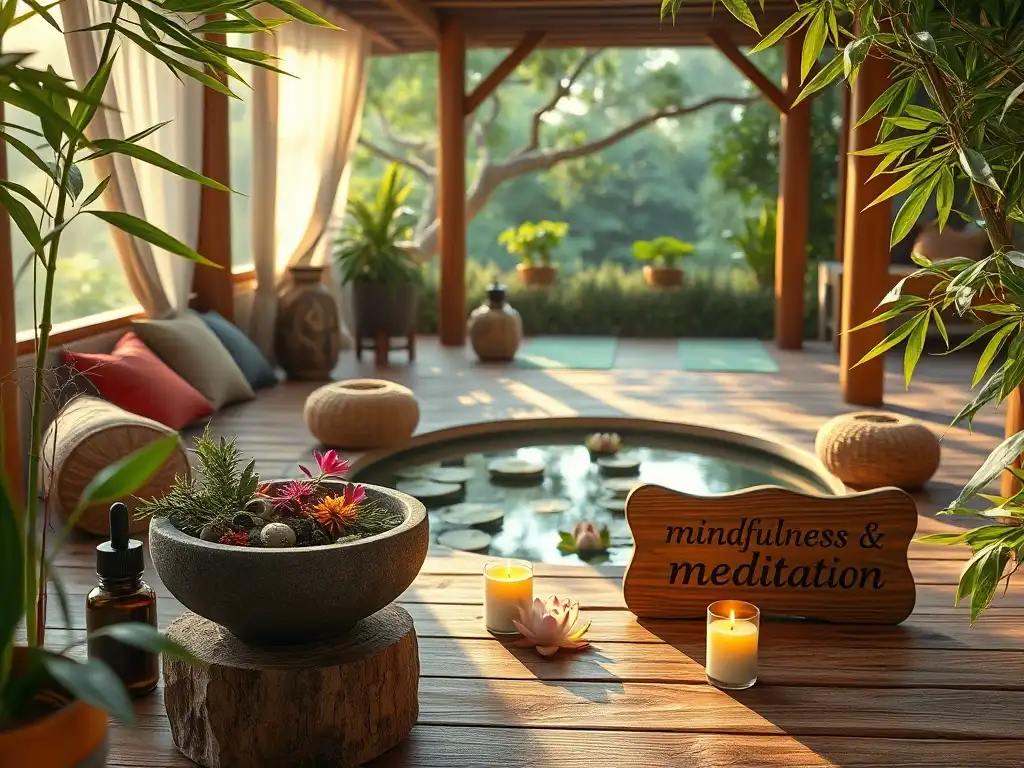
Creating a personal Ayurvedic spa retreat is not just about physical treatments; it's also an opportunity to dive deep into mindfulness and meditation practices that can enhance your overall wellness experience. Engaging in these practices allows you to cultivate a serene environment within your space, promoting relaxation and rejuvenation. Here, we explore various techniques that can be incorporated into your DIY Ayurvedic spa retreat.
Guided Meditations: Cultivating Inner Peace
Guided meditations are an essential aspect of mindfulness practices, especially during a spa retreat. They help you focus your mind, reduce stress, and enhance your overall sense of well-being.
- Choose a Comfortable Space: Find a quiet and comfortable area within your retreat where you won't be disturbed. This could be a cozy corner of your room or even a garden.
- Select a Guided Meditation: There are numerous resources available, including apps, YouTube videos, and podcasts that offer guided meditations tailored to relaxation and healing. Look for themes like:
- Body Scan: Focus on different parts of your body, promoting relaxation.
- Loving-Kindness Meditation: Cultivate compassion towards yourself and others.
- Nature Soundscapes: Integrate sounds of nature to enhance relaxation.
- Create an Atmosphere: Use candles, essential oils, or incense to create a calming ambiance. Consider using soothing sounds in the background, such as gentle music or nature sounds.
- Duration: Aim for sessions lasting between 10 to 30 minutes, depending on your comfort level and available time.
Breathing Techniques (Pranayama) for Relaxation
Pranayama, or breath control, is a vital practice in Ayurveda that promotes relaxation and mental clarity. Incorporating specific pranayama techniques can enhance your spa experience.
- Nadi Shodhana (Alternate Nostril Breathing):
- Sit comfortably and close your right nostril with your right thumb.
- Inhale deeply through your left nostril.
- Close your left nostril with your right ring finger, open your right nostril, and exhale through the right.
- Inhale through the right nostril, close it, and exhale through the left.
- Repeat for 5-10 minutes.
- Ujjayi Breath (Victorious Breath):
- Inhale deeply through your nose, constricting your throat slightly to produce a soft sound.
- Exhale through your nose, maintaining the constriction.
- This technique can be practiced during yoga poses or seated meditation.
- Bhramari (Bee Breath):
- Sit comfortably and close your eyes.
- Inhale deeply, then hum while exhaling, creating a buzzing sound like a bee.
- Repeat for several rounds to induce a sense of calm.
Yoga Poses to Enhance Your Spa Experience
Integrating yoga poses into your Ayurvedic spa retreat not only promotes physical relaxation but also mental clarity. Here are some effective poses to consider:
- Child’s Pose (Balasana): This pose gently stretches the back and helps calm the mind.
- Cobra Pose (Bhujangasana): Opens the heart and chest; great for energizing the body.
- Legs-Up-the-Wall Pose (Viparita Karani): A restorative pose that promotes blood circulation and relaxation.
- Savasana (Corpse Pose): Perfect for ending your yoga session, allowing for complete relaxation and integration of the practice.
Recommended Yoga Equipment: Yoga Mat
A good quality yoga mat is essential for your DIY Ayurvedic spa retreat. Here are some factors to consider when selecting a mat:
- Material: Look for eco-friendly materials such as natural rubber or jute to align with Ayurvedic principles.
- Thickness: A mat with sufficient cushioning (around 5mm) provides comfort during poses, especially for relaxation techniques.
- Grip: Ensure your mat offers good traction to prevent slipping during practice.
Incorporating mindfulness and meditation into your DIY Ayurvedic spa retreat not only enhances your relaxation experience but also deepens your connection with yourself. By fostering inner peace and relaxation through these practices, you create a holistic environment that nurtures both body and mind.
Incorporating Ayurvedic Rituals into Your Daily Life
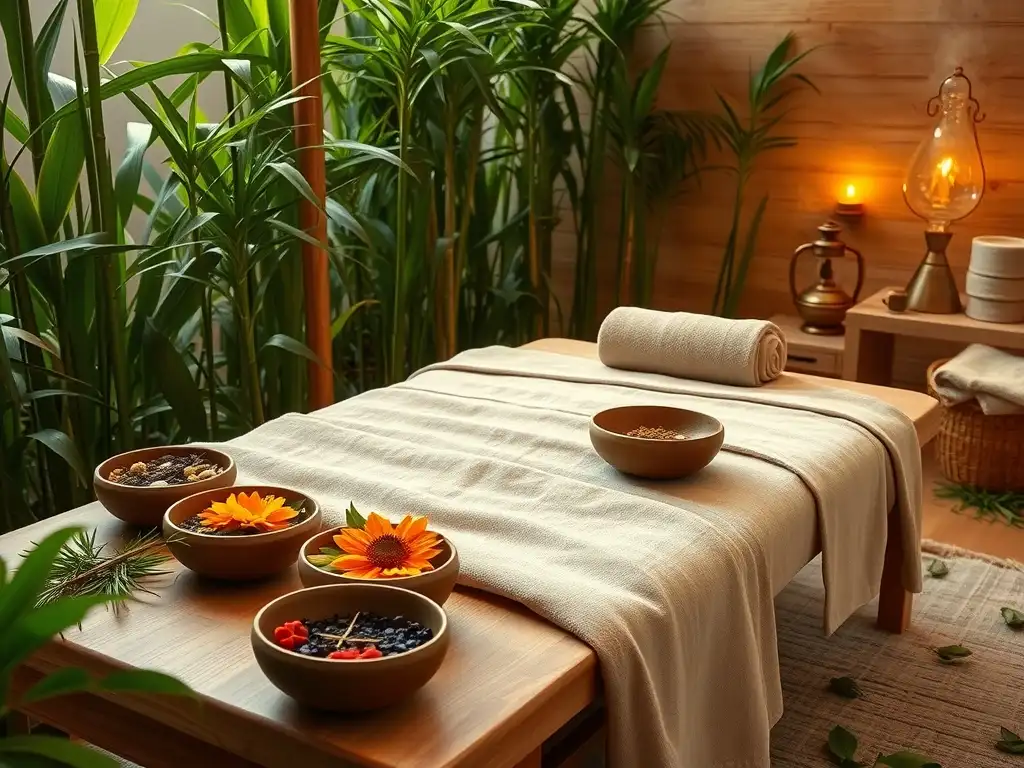
Daily Routines: Making Ayurveda a Part of Your Lifestyle
Integrating Ayurvedic principles into your daily routine is essential for fostering overall wellness and harmony in your life. Ayurveda emphasizes the balance of the body, mind, and spirit, which can be achieved through specific daily practices known as Dinacharya. Here are some key elements to include in your daily routine:
- Morning Rituals:
- Waking up Early: Aim to rise before sunrise, ideally between 5 AM and 6 AM. This time is considered Brahma Muhurta, a period of spiritual and mental clarity.
- Tongue Scraping: Use a stainless steel or copper tongue scraper to remove toxins and stimulate digestion.
- Oil Pulling: Swish a tablespoon of sesame or coconut oil in your mouth for about 10-20 minutes to detoxify and promote oral health.
- Hydration and Nutrition:
- Warm Water with Lemon: Start your day with a glass of warm water infused with lemon to kickstart digestion.
- Balanced Meals: Incorporate all six tastes ( sweet, sour, salty, bitter, pungent, and astringent) into your meals for a well-rounded diet. Focus on seasonal and locally sourced ingredients.
- Midday Practices:
- Abhyanga (Self-Massage): Apply warm oil to your body daily, focusing on areas that need nourishment. This practice promotes circulation, detoxification, and relaxation.
- Mindfulness Breaks: Take short breaks throughout the day for meditation or deep breathing exercises to maintain mental clarity and reduce stress.
- Evening Wind-Down:
- Digital Detox: Power down electronic devices at least an hour before bed to prepare your body for restful sleep.
- Herbal Teas: Sip on calming herbal teas like chamomile or ashwagandha to ease tension and promote relaxation.
By adopting these Ayurvedic practices into your daily routine, you will not only enhance your personal wellness journey but also create the perfect foundation for your DIY Ayurvedic spa retreat.
Seasonal Adjustments: Adapting Your Spa Practices Throughout the Year
As the seasons change, so do our bodies' needs and energies according to Ayurvedic principles. Understanding how to adjust your spa practices seasonally can greatly enhance the effectiveness of your wellness journey. Here are some ideas for adapting your DIY Ayurvedic spa retreat to the different seasons:
- Spring (Kapha Season):
- Focus on detoxification to clear out heaviness and congestion. Incorporate practices such as:
- Lemon and Ginger Detox: Start your day with a detoxifying drink made from warm water, lemon, and ginger.
- Dry Brushing: Stimulate circulation and lymphatic flow with dry brushing before your oil massage.
- Focus on detoxification to clear out heaviness and congestion. Incorporate practices such as:
- Summer (Pitta Season):
- Emphasize cooling and soothing treatments to balance the heat. Consider:
- Cooling Herbal Masks: Use ingredients like aloe vera and sandalwood for face masks to soothe sun-exposed skin.
- Coconut Oil Massage: Opt for coconut oil for self-massage, known for its cooling properties.
- Emphasize cooling and soothing treatments to balance the heat. Consider:
- Autumn (Vata Season):
- Ground yourself with nurturing and warming practices. Implement:
- Warm Oil Baths: Take warm baths infused with calming essential oils like lavender and chamomile.
- Spiced Herbal Teas: Enjoy warming teas with spices like cinnamon and ginger to promote digestion and warmth.
- Ground yourself with nurturing and warming practices. Implement:
- Winter (Kapha/Vata Transition):
- Focus on rejuvenation and warmth. Include:
- Moisturizing Treatments: Use richer oils like sesame for self-massage to nourish dry skin.
- Warm Soups and Stews: Incorporate hearty, warming foods that are easy to digest and comforting.
- Focus on rejuvenation and warmth. Include:
By adjusting your spa practices according to the seasons, you can enhance your physical and emotional well-being, making your DIY Ayurvedic spa retreat a truly holistic experience.
Conclusion: Embracing the Journey of Wellness
Creating your own Ayurvedic spa retreat at home is not just a temporary escape; it is a profound journey towards a healthier and more balanced life. By integrating the principles of Ayurveda into your daily routine, you can cultivate a deeper awareness of your body and mind. This DIY Ayurvedic spa retreat approach allows you to reconnect with ancient healing practices while personalizing your wellness experience to suit your unique needs.
As you embark on this wellness journey, remember that the goal is to integrate these practices into your lifestyle. Regularly scheduled spa days can serve as a reminder to prioritize self-care, helping you to manage stress and promote relaxation. The beauty of an Ayurvedic retreat lies in its flexibility; you can adapt the practices to fit your schedule and preferences, making wellness a continuous journey rather than a one-time event.
Reflecting on Your DIY Ayurvedic Spa Retreat Experience
After your DIY Ayurvedic spa retreat, take a moment to reflect on your experience. Consider the following questions to deepen your understanding and enhance future retreats:
-
What practices resonated with you the most?
Identify the treatments or rituals that made you feel rejuvenated and energized. This could include specific massage techniques, herbal treatments, or meditation practices.
-
How did your body respond?
Pay attention to any changes in your physical and emotional state. Did you feel more relaxed, less anxious, or physically revitalized? Documenting these responses can help you tailor future retreats.
-
What aspects would you like to explore further?
Whether it's learning more about herbal remedies, advanced meditation techniques, or yoga practices, consider what additional resources or knowledge you might seek to enhance your experience.
Taking note of these reflections can create a roadmap for your future DIY Ayurvedic spa retreats, ensuring that each experience is even more fulfilling than the last.
Encouraging Sustainable Practices for Long-Term Wellness
To ensure that your journey towards wellness is sustainable, consider incorporating these practices into your daily routine:
-
Mindful Consumption:
Use natural, organic products in your spa treatments. This not only benefits your health but also supports sustainable farming practices.
-
Waste Reduction:
Opt for reusable items such as cloth towels and glass containers instead of single-use plastics during your spa sessions.
-
Holistic Approach:
Integrate Ayurvedic principles into your everyday life, such as eating seasonal foods, maintaining a balanced daily routine (Dinacharya), and practicing mindfulness.
-
Regular Reflection:
Set aside time weekly or monthly to reflect on your wellness journey. This can help you stay committed and adaptable to changes in your lifestyle or well-being.
By embracing these sustainable practices, you not only enhance your personal wellness journey but also contribute positively to the environment. Creating a holistic DIY Ayurvedic spa retreat is about nurturing both your inner self and the world around you, ensuring that your path to wellness is both enriching and sustainable.
Frequently Asked Questions
What is an Ayurvedic spa retreat?
An Ayurvedic spa retreat is a wellness getaway focused on promoting holistic health through traditional Indian practices, including herbal treatments, yoga, and meditation.
How can I create a personal Ayurvedic spa retreat at home?
To create your own Ayurvedic spa retreat, gather natural ingredients for treatments, set a calming atmosphere, and incorporate mindfulness practices like yoga and meditation.
What are some key elements to include in my DIY Ayurvedic spa?
Key elements include herbal oils, essential oils, warm baths, and healthy meals, along with a space for relaxation and meditation to enhance your experience.
How does Ayurveda contribute to wellness?
Ayurveda emphasizes balance in body, mind, and spirit, using natural remedies and lifestyle practices to promote overall well-being and prevent illness.
Can anyone practice Ayurveda at home?
Yes, anyone can practice Ayurveda at home with the right guidance and resources. It is adaptable to different lifestyles and can be tailored to individual needs and preferences.
Final Reflection: Embracing Wellness Through DIY Ayurvedic Spa Retreats
In a world that often prioritizes hustle over harmony, the concept of a DIY Ayurvedic spa retreat resonates deeply with our current need for self-care and balance. As we navigate the complexities of modern life, the wisdom of Ayurveda offers us a pathway to reconnect with our inner selves and cultivate a sanctuary of peace within our homes. The journey towards wellness is not just a trend; it is a vital necessity that empowers us to reclaim our health and happiness.
Creating a personal Ayurvedic spa retreat is more than just a series of rituals; it is an invitation to immerse ourselves in a lifestyle that honors our unique constitution and nurtures our well-being. The ongoing influence of this ancient practice is evident in the growing popularity of holistic health approaches and self-care routines. As we embrace these ideas, we are reminded of the words of Deepak Chopra: In the midst of movement and chaos, keep stillness inside of you.
This stillness is what we cultivate through our DIY retreats, allowing us to find clarity and peace amidst the noise of everyday life.
As you reflect on the insights shared in this article, I encourage you to take action and embark on your own wellness journey. Consider how you can integrate the principles of Ayurveda into your daily routine, transforming your space into a haven of tranquility. Whether it’s through simple rituals, mindful practices, or creating a dedicated spa corner at home, remember that your wellness journey is uniquely yours. Let this be a call to prioritize self-care, embrace the healing power of nature, and create a sanctuary that nourishes your body, mind, and spirit.
Transform Your Home into a Personal Ayurvedic Spa!
Thank you for joining us on this enlightening exploration of Ayurvedic wellness. You've gained valuable insights into crafting your personal spa retreat, and now it’s time to put that knowledge into action!
Ready to take the next step in enhancing your well-being? Here are some simple yet impactful actions you can start today:
- Create your sacred space: Dedicate an area in your home for self-care, incorporating calming scents and soothing sounds to foster a peaceful environment.
- Experiment with Ayurvedic recipes: Share your favorite DIY spa treatments with friends or post them online to inspire others!
- Join a wellness community: Connect with individuals who share your passion for Ayurveda by attending local workshops or participating in online events.
How will you start your Ayurvedic spa journey today? 🌿✨