
Comparative Analysis: Ancient Indian Economy vs. Ancient Rome

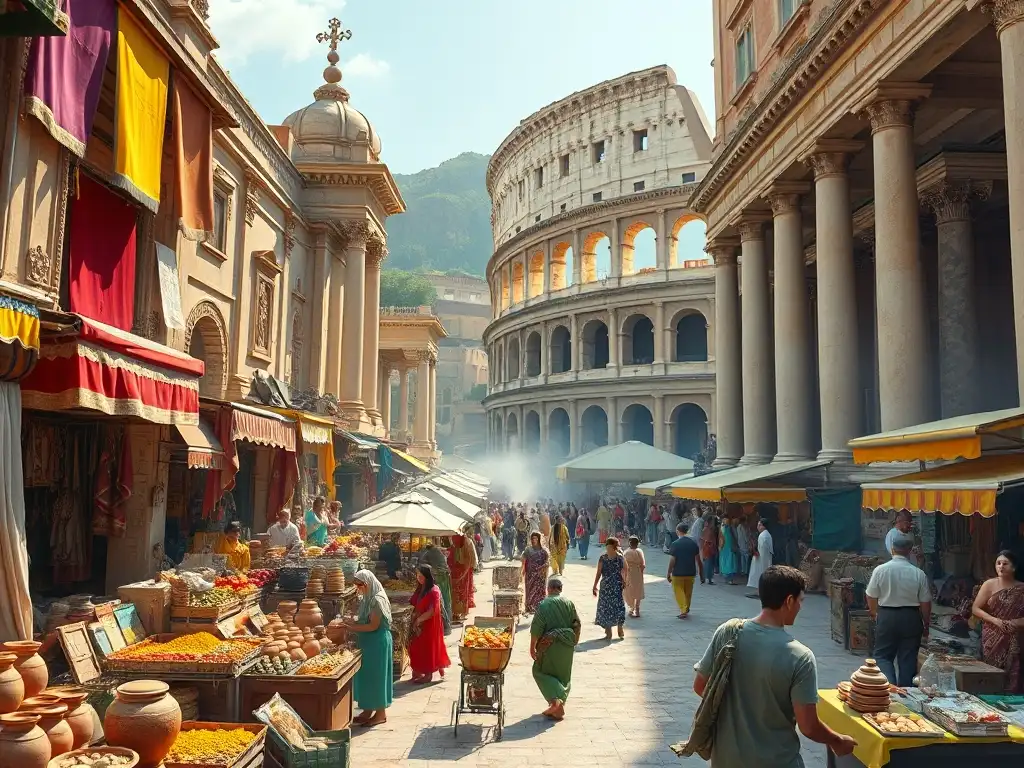
Welcome to Ancient India History, where we take you on a fascinating journey through the rich tapestry of India’s past. In our latest exploration, we delve into the comparative analysis of the ancient Indian economy versus that of ancient Rome. What can the thriving trade routes and innovative agricultural practices of ancient India teach us about economic strategies and cultural exchanges? Prepare to uncover the complexities and nuances of these two remarkable civilizations. Join us as we unravel the threads of history and discover the legacies that continue to shape our world today.
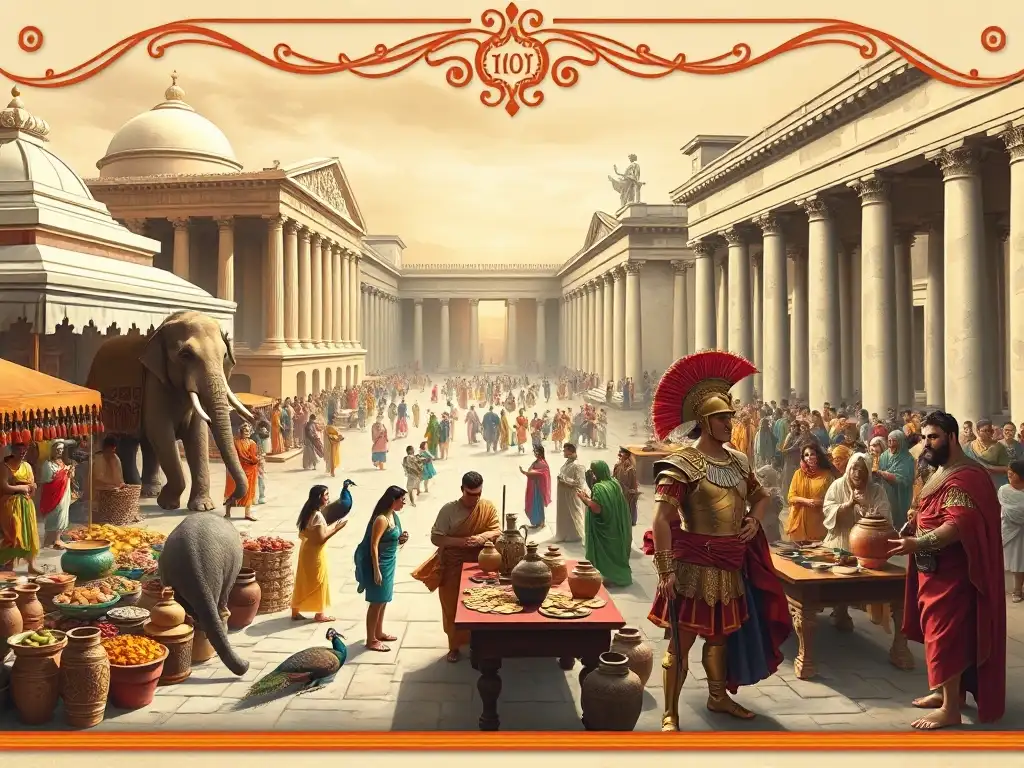
The ancient economies of India and Rome are two monumental pillars of historical economic practices that shaped their respective civilizations. By delving into a comparative analysis of these economies, we can uncover the unique characteristics, strengths, and weaknesses that defined their systems.
This exploration not only highlights the rich tapestry of economic activities in ancient India and Rome but also sets the stage for understanding how these practices influenced trade, social structures, and cultural developments. In this article, we will examine the foundational aspects of each economy, focusing on agricultural practices, trade systems, and craftsmanship to draw insightful parallels and contrasts.
Introduction to Ancient Economies
Understanding the ancient economies of India and Rome requires a look at their underlying structures and practices. Both civilizations had complex economic systems that were integral to their social and political frameworks. While ancient India thrived on a decentralized economy with regional trade and self-sustaining agrarian communities, ancient Rome operated a more centralized economy that emphasized conquest and expansion.
Overview of the Ancient Indian Economy
The ancient Indian economy was characterized by its agrarian roots, where farming served as the primary means of sustenance and economic activity. The Indus Valley civilization laid the groundwork for sophisticated agricultural practices, which were further refined in later periods. The economy was not solely reliant on agriculture; it also included a robust system of trade, both overland and maritime, connecting various regions within the Indian subcontinent and beyond. Key features included:
- Agriculture: Dominated by staple crops such as rice, wheat, and pulses.
- Trade: Flourished through established trade routes, facilitating the exchange of goods like spices, textiles, and precious stones.
- Craftsmanship: Renowned for intricate artistry, textiles, and metalworks, which contributed to both local economies and international trade.
Overview of the Ancient Roman Economy
In contrast, the ancient Roman economy was heavily influenced by its imperial ambitions, which drove the need for a vast network of trade and resources. Rome's economy relied on agriculture, but it was also marked by extensive trade networks that encompassed the Mediterranean and beyond. Key aspects included:
- Agriculture: Primarily based on large estates (latifundia) worked by enslaved labor.
- Trade: A complex system that facilitated the movement of goods across the empire, including grain from Egypt and luxury items from the East.
- Industry: Included mining, pottery, and metallurgy, which were crucial for both domestic use and export.
Key Features of the Ancient Indian Economy
A deeper analysis of the ancient Indian economy reveals several distinctive features that set it apart from its Roman counterpart.
Agricultural Practices in Ancient India
Agriculture in ancient India was not only a primary source of livelihood but also a critical component of its economy. The use of innovative techniques such as crop rotation and irrigation systems allowed for sustainable farming practices. The diversity of crops cultivated across different regions contributed to food security and local trade.
- Crop Diversity: Included rice, wheat, barley, and a variety of fruits and vegetables.
- Irrigation: Advanced systems such as wells and canals facilitated agricultural productivity.
- Societal Impact: Agricultural surpluses supported urbanization and trade.
Trade Systems and Routes in Ancient India
Trade in ancient India was characterized by its extensive networks, both land-based and maritime. The Silk Road and sea routes were vital for exchanging goods and cultural ideas with other civilizations.
- Land Routes: Connected India to Central Asia, Persia, and beyond.
- Maritime Trade: Engaged with Southeast Asia and the Roman Empire, highlighting a global trading presence.
- Goods Traded: Included spices, textiles, gemstones, and metalwork.
Craftsmanship and Industry in Ancient India
The craftsmanship of ancient India was renowned for its quality and artistry, encompassing a variety of industries that played a significant role in the economy.
- Textiles: India was famous for its cotton and silk production, which attracted traders from far and wide.
- Metallurgy: Advanced techniques in working with iron and gold led to significant innovations.
- Artistic Traditions: Included pottery, sculpture, and jewelry, which were not only functional but also culturally significant.
In this comparative analysis, we will further explore how these elements of the ancient Indian economy compare to those of ancient Rome, shedding light on their respective impacts on historical development and their legacies in the modern world.
Key Features of the Ancient Roman Economy
The Ancient Roman economy was characterized by a complex interplay of agriculture, trade, and craftsmanship. It was highly advanced for its time, with a focus on both local production and extensive trade networks that spanned the Mediterranean and beyond. The economy was predominantly agrarian, but it also included various industries, a sophisticated currency system, and social hierarchies that influenced labor dynamics.
Key features of the Ancient Roman economy included:
- Agricultural Dominance: The backbone of the Roman economy was agriculture, supported by innovations in farming techniques and tools.
- Extensive Trade Networks: Rome’s control over the Mediterranean Sea allowed for robust trade routes, facilitating the exchange of goods such as grain, wine, and olive oil.
- Urbanization and Markets: Cities like Rome and Pompeii served as bustling centers of commerce where goods were traded, and a merchant class emerged.
- Currency System: The introduction of coinage standardized trade, simplifying transactions and boosting economic activity.
Agricultural Practices in Ancient Rome
Agriculture was the primary economic activity in Ancient Rome, providing sustenance to the population and serving as a foundation for wealth and power. Roman agricultural practices were advanced for their time, utilizing crop rotation, irrigation, and large-scale farming techniques.
- Crops: The Romans cultivated a variety of crops, including wheat, barley, olives, and grapes. These staples were essential for both local consumption and trade.
- Land Ownership: The economy was heavily influenced by land ownership, with large estates (latifundia) owned by wealthy elites often employing slave labor for production.
- Technological Innovations: Agricultural tools such as the plow and the sickle were improved, enhancing productivity and efficiency on farms.
Trade Networks in Ancient Rome
The trade networks of Ancient Rome were extensive and crucial for the empire's economy. They connected various regions, allowing for the exchange of diverse goods and cultural interactions.
- Mediterranean Trade: Rome's strategic location allowed it to dominate trade across the Mediterranean, importing grain from Egypt, spices from the East, and luxury goods from various provinces.
- Road Infrastructure: The construction of Roman roads facilitated land trade, enabling goods to be moved efficiently across the empire.
- Maritime Trade: Roman naval power ensured the safety of sea routes, encouraging merchants to engage in transcontinental trade.
Industry and Craftsmanship in Ancient Rome
In addition to agriculture and trade, industry and craftsmanship played significant roles in the Ancient Roman economy. Skilled artisans produced goods that catered to the needs of both the local population and the empire's vast market.
- Manufacturing: The production of textiles, pottery, and metalwork was common, with workshops often located in urban centers.
- Artisan Guilds: Craftsmanship was organized into guilds, which regulated trade practices, maintained quality standards, and provided training for apprentices.
- Trade of Artifacts: Roman craftsmanship was highly regarded, with items such as glassware and mosaics being sought after in both local and international markets.
Comparative Analysis of Economic Practices
The comparison of economic practices between Ancient India and Ancient Rome reveals both similarities and differences influenced by geography, culture, and technological advancements.
Structure of the Economy in Ancient India vs. Ancient Rome
Both Ancient India and Rome exhibited a diverse economic structure, albeit influenced by distinct cultural and environmental factors.
- Agriculture: Like Rome, Ancient India relied heavily on agriculture, with its economy rooted in the cultivation of crops such as rice, wheat, and pulses.
- Trade: India had an intricate trade network, notably through the Silk Road and maritime trade routes, facilitating the exchange of spices, textiles, and precious stones.
- Social Structure: The caste system in India influenced economic roles and labor distribution, whereas Roman society was structured around class divisions, including patricians, plebeians, and slaves.
Currency and Trade Mechanisms: A Comparison
The mechanisms of trade and currency in Ancient India and Rome both played crucial roles in facilitating commerce.
- Currency Systems: Romans used standardized coinage for trade, which promoted economic activity. In contrast, India utilized various forms of currency, including barter systems, coins made of gold and silver, and trade by weight.
- Marketplaces: Roman markets were often centralized in urban areas, while Indian trade occurred in both urban and rural settings, with local haats (markets) serving as vital trade hubs.
Labor Systems and Workforce Dynamics
Labor systems in Ancient India and Rome were shaped by different social structures and economic needs.
- Labor Sources: In Rome, slavery was a significant component of the economy, providing the labor force for agriculture and industry. In contrast, Ancient India's labor system was more varied, with free laborers, artisans, and seasonal workers.
- Role of Women: Women in Rome had limited economic roles, often confined to household duties, while in India, women participated in agriculture and craft production, although their status varied significantly across different regions and periods.
While both Ancient India and Rome had complex economies based on agriculture, trade, and craftsmanship, their structures, labor systems, and trade mechanisms reflected their unique cultural contexts and historical developments.
Cultural Influences on Economic Systems

Cultural factors played a significant role in shaping the economic systems of both ancient India and Rome. In ancient India, economic practices were deeply intertwined with social structures, religious beliefs, and philosophical ideologies. The caste system, for instance, dictated various roles in the economy, defining who could engage in trade, agriculture, or craftsmanship. This stratification ensured a division of labor but also limited mobility and economic innovation.
In contrast, ancient Rome's economy was heavily influenced by its expansionist policies and military conquests. The integration of diverse cultures into the Roman Empire facilitated the exchange of goods and ideas. Roman culture, with its emphasis on citizenship and civic duty, shaped economic activities such as taxation, trade regulation, and infrastructure development. The presence of markets and trade routes in urban centers reflected a culture that prioritized commerce and economic growth.
Both civilizations showcased how cultural contexts influenced their economic practices, leading to unique systems that reflected their values and societal norms.
Religion and Economic Practices in Ancient India
Religion profoundly impacted the economic practices in ancient India, serving as both a guiding principle and a regulatory framework. The concept of Dharma, which encompasses moral and ethical duties, extended to economic activities. For example, agriculture was considered a sacred duty, and farmers were encouraged to perform rituals to ensure bountiful harvests. Additionally, the caste system, rooted in religious texts, determined the economic roles individuals could assume, fostering a system where certain trades were deemed more honorable than others.
Moreover, trade and commerce were often linked to religious festivals and practices. Merchants would seek blessings from deities for prosperous ventures, and temples served as centers for economic exchange. The use of weights and measures in trade was often governed by religious standards, ensuring fairness and adherence to ethical practices.
This intertwining of religion and economy not only shaped individual livelihoods but also contributed to the overall stability and continuity of ancient Indian economic practices.
Political Influence on Roman Economic Strategies
The political landscape of ancient Rome played a pivotal role in shaping its economic strategies. The Roman government implemented policies that promoted trade and commerce, including the establishment of a vast network of roads and maritime routes. This infrastructure facilitated the movement of goods across the empire, connecting provinces and enhancing economic integration.
Moreover, the political elite in Rome often engaged in economic activities themselves, such as land ownership and investment in trade. This close relationship between politics and economics allowed for the implementation of laws that favored the wealthy, often at the expense of lower-class citizens. The heavy taxation imposed by the state funded public works and military expenses, but it also strained the economy for many.
Roman political power was also a significant force in negotiating trade agreements with other civilizations, further expanding economic opportunities. This interplay of politics and economics established a framework that prioritized growth, albeit unevenly distributed among the populace.
Conclusion: Insights from the Comparative Analysis
The comparative analysis of ancient Indian and Roman economies reveals profound insights into how cultural, religious, and political factors shaped economic systems. While both civilizations demonstrated advanced economic practices, their approaches varied significantly based on societal values and structures. Ancient India emphasized a moral and ethical framework guided by religious principles, whereas ancient Rome showcased a more pragmatic approach driven by political power and military expansion.
Lessons from Ancient Indian Economy vs. Ancient Roman Economy
One of the key lessons from this analysis is the importance of adaptability in economic practices. The ancient Indian economy thrived on local trade and self-sufficiency, highlighting the value of sustainability in economic systems. In contrast, the Roman economy underscored the benefits of integration and connectivity, demonstrating how expansive trade networks can enhance economic prosperity.
Additionally, the role of governance in shaping economic policies is evident in both cases. Effective regulation and ethical considerations in economic activities can foster long-term stability, while exploitative practices can lead to societal unrest and economic decline.
The Legacy of Economic Practices in Contemporary Times
The legacies of ancient Indian and Roman economies continue to resonate in contemporary economic practices. Elements such as the importance of ethical business practices from ancient India and the emphasis on infrastructure development from ancient Rome can be seen in modern economies. Understanding these historical contexts provides valuable insights into current economic challenges and opportunities.
As we navigate the complexities of global trade, the lessons learned from ancient economies remind us of the critical balance between cultural values, ethical practices, and political influence in shaping sustainable economic futures. By drawing from the past, we can better address contemporary economic issues with informed perspectives and strategies.
References for Further Reading on Ancient Economies
Understanding the complexities of ancient economies requires delving into a variety of scholarly works and resources. Below are categorized references that focus on both the ancient Indian economy and the ancient Roman economy. These materials are invaluable for anyone seeking deeper insights into the economic practices, systems, and overall context of these remarkable civilizations.
Books and Articles on Ancient Indian Economy
-
"The Economic History of India 1857-1947" by B.R. Tomlinson
This book provides a comprehensive overview of India's economic history, with key insights into the pre-colonial economy, including trade practices, agriculture, and the impact of the Indus Valley Civilization.
-
"Ancient India: Culture and Economy" by R. S. Sharma
Sharma explores various aspects of the ancient Indian economy, emphasizing how agricultural practices, trade routes, and social structures interacted to create a unique economic landscape.
-
"Trade and Traders in the Roman Empire" by M. I. Finley
Although focused on Rome, this work provides comparative insights relevant to understanding ancient Indian trade networks and their significance in the broader context of ancient economies.
-
"The Indus Economy: A Study of Its Structure and Growth" by A. S. Ghosh
This study delves into the economic structures of the Indus Valley Civilization, examining aspects such as urbanization, trade, and agricultural practices.
-
Journal Articles
- "The Role of Trade in Ancient Indian Economy" - This article reviews the importance of trade in various ancient Indian states and its implications for economic development.
- "Agricultural Practices in Ancient India" - An exploration of the farming techniques and crop varieties that shaped the economic foundations of ancient India.
Resources on Ancient Roman Economy
-
"The Roman Economy: Structure and Evolution" by Richard Saller
This work examines the complex economic systems of ancient Rome, offering insights into trade, currency, and the social stratification of economic roles.
-
"Roman Economic Policy in the East" by R. H. Parker
Parker discusses how Roman economic policies impacted the provinces, including those regions that engaged in trade with ancient India.
-
"Economic Aspects of Roman Society" by J. A. Crook
This book provides a detailed look at the economic life in Rome, including labor systems, markets, and the significance of trade with foreign nations.
-
"The Ancient Roman Economy" by Peter Temin
Temin's book presents a framework for understanding the Roman economy through the lens of modern economic principles, making it accessible for comparative studies.
-
Journal Articles
- "Trade in the Roman Empire: A Comparative Analysis" - This article discusses the extent and nature of trade within the Roman Empire, offering parallels to ancient Indian trade practices.
- "Agriculture and the Roman Economy" - An examination of the agricultural foundations that supported the Roman economy, highlighting similarities and differences with ancient India.
By engaging with these resources, readers can develop a nuanced understanding of the economic systems of both ancient India and Rome, facilitating a meaningful comparative analysis.
- Introduction to Ancient Economies
- Key Features of the Ancient Indian Economy
- Key Features of the Ancient Roman Economy
- Comparative Analysis of Economic Practices
- Cultural Influences on Economic Systems
- Conclusion: Insights from the Comparative Analysis
- References for Further Reading on Ancient Economies
- What were the main features of the Ancient Indian economy?
- How did the Ancient Roman economy differ from that of Ancient India?
- In what ways did trade contribute to the development of the Ancient Indian economy?
- What were the key economic contributions of the Gupta Empire?
- How can we conduct a comparison between the Ancient Indian and Roman economies?
Frequently Asked Questions
What were the main features of the Ancient Indian economy?
The Ancient Indian economy was characterized by agriculture, trade, and craftsmanship. It relied heavily on subsistence farming and saw the emergence of trade routes that connected various regions.
How did the Ancient Roman economy differ from that of Ancient India?
The Ancient Roman economy was more reliant on slavery and military conquests for wealth accumulation, while the Ancient Indian economy focused on local craftsmanship and agricultural productivity as its main economic drivers.
In what ways did trade contribute to the development of the Ancient Indian economy?
Trade played a crucial role by facilitating the exchange of goods, ideas, and cultural practices across regions. It led to the growth of urban centers and increased the diversity of products available in the market.
What were the key economic contributions of the Gupta Empire?
The Gupta Empire is noted for its advancements in science, mathematics, and art, which also had economic implications. Their coinage system and trade practices contributed to a prosperous economy and a flourishing cultural environment.
How can we conduct a comparison between the Ancient Indian and Roman economies?
A comparison can be conducted by analyzing factors such as agricultural practices, trade routes, the role of labor, and the impact of political structures on economic systems in both civilizations, highlighting their unique characteristics and influences.
Final Reflection: Bridging Ancient Economies to Modern Insights
The comparative analysis of the Ancient Indian economy and Ancient Rome reveals not only the intricacies of trade, agriculture, and societal structure but also underscores the timeless relevance of economic systems in shaping civilizations. In today's interconnected world, understanding these historical frameworks can provide invaluable lessons on sustainability, resource management, and cultural exchange.
Delving into the nuances of these ancient economies allows us to appreciate their lasting impact on contemporary society. The way these civilizations navigated trade routes, agricultural practices, and economic policies continues to resonate in our global economy. History is not just about the past; it is a lens through which we can understand our present and shape our future.
This ongoing influence invites us to reflect on how ancient practices can inform modern economic strategies and foster a more equitable world.
As we conclude this exploration, I encourage you to reflect on the lessons from these ancient economies and consider how they can inspire your own understanding of economic systems today. Whether you are a student, a professional, or simply a curious mind, let the insights gained from the Ancient Indian economy and Ancient Rome guide you in recognizing the interconnectedness of our global economy and the importance of learning from history to build a better future.
Discover, Compare, and Act!
Thank you for diving into this comparative analysis of the ancient Indian and Roman economies! By exploring these two rich histories, you've gained valuable insights into how different societies approached trade, agriculture, and wealth. Now, it's time to take that knowledge and translate it into action.
Here are a few ways you can engage further with this fascinating topic:
- Dive Deeper: Consider researching a specific economic aspect of ancient civilizations that piqued your interest. Were you captivated by agricultural practices or trade strategies? Seek out books or articles that expand on these intriguing subjects!
- Share Your Thoughts: Engage in discussions about this article with friends or in online forums. What fascinates you most about the economies of ancient India and Rome? Such conversations can unveil even more insights!
- Join a Community: Look for online groups or local clubs that focus on ancient history. Engaging with fellow enthusiasts allows you to share knowledge and learn from diverse perspectives.
What aspect of these ancient economies do you find most relevant to today's economic discussions?