
The Cultural Exchange: How Indian Gemstones Reached the World

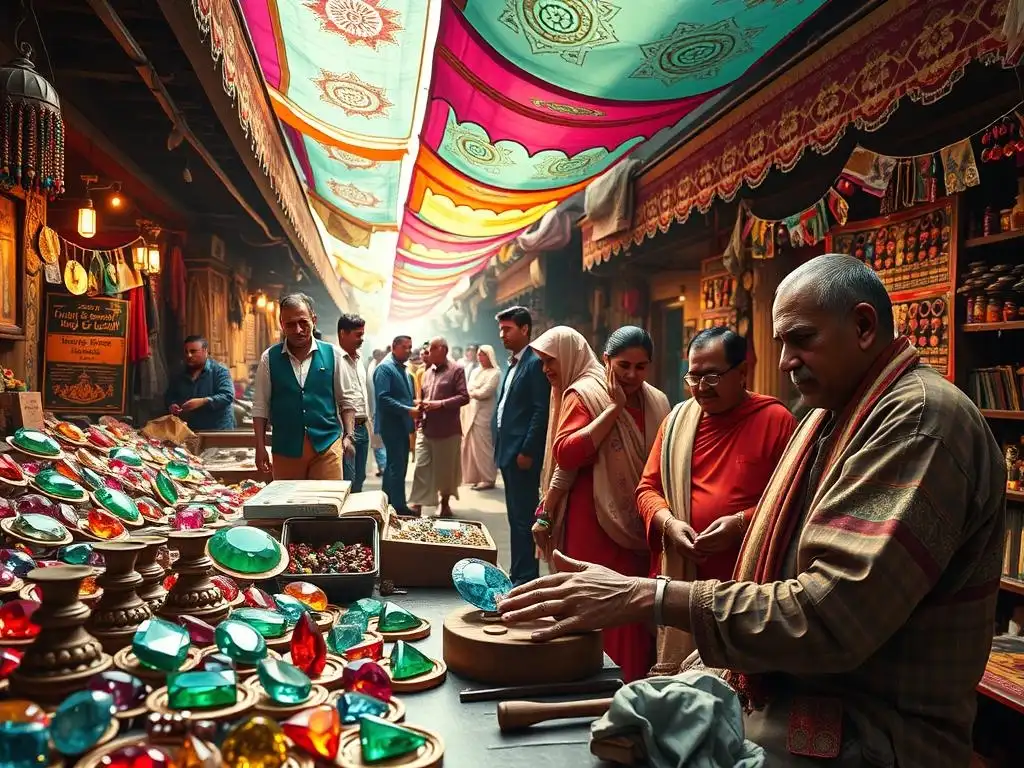
Welcome to Ancient India History, where we invite you to journey through the mesmerizing tapestry of India's past. In this exploration, we uncover the intriguing cultural exchange that shaped the history of Indian gemstones. How did these precious stones, revered for their beauty and significance, traverse borders and influence cultures worldwide? Join us as we delve into the fascinating story of how Indian gemstones reached the farthest corners of the globe, illuminating the connections between civilizations and the timeless allure of jewelry. Your adventure into the rich heritage of ancient India begins here!
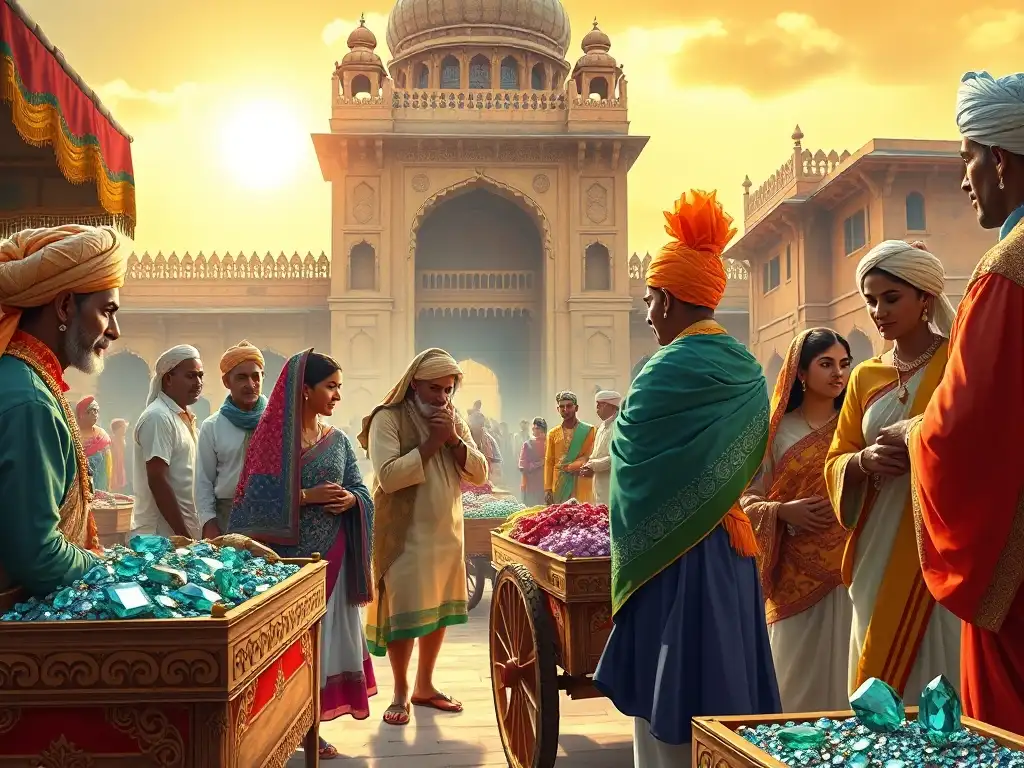
Introduction to Indian Gemstones Cultural Exchange History
The history of Indian gemstones is not merely a tale of dazzling beauty and exquisite craftsmanship; it is a rich narrative interwoven with cultural exchanges that transcended geographic boundaries. From the ancient markets of the Indus Valley Civilization to the opulent courts of the Gupta Empire, Indian gemstones have played a significant role in trade and diplomacy, influencing global aesthetics and symbolizing wealth and power.
As we delve into this captivating history, we will explore how these precious stones became coveted commodities that traveled across continents, shaping both Indian society and the cultures they touched. This article aims to shed light on the cultural exchange surrounding Indian gemstones, highlighting their historical significance and the intricate web of connections they fostered between civilizations.
The Origins of Indian Gemstones
The origins of Indian gemstones can be traced back to ancient times, where the earth’s natural treasures were not only admired for their beauty but also revered for their supposed mystical properties.
Historical Context of Indian Gemstones
In early India, gemstones were intricately linked to various aspects of life, including religion, trade, and social status. Historical records suggest that gemstones were used as talismans, believed to bring luck and ward off evil.
- Trade Routes: The establishment of trade routes, such as the Silk Road, facilitated the introduction of Indian gemstones to foreign lands. Merchants traveled extensively, transporting these precious stones to markets in Persia, Arabia, and beyond.
- Cultural Significance: Gemstones like diamonds, rubies, and emeralds found their place not only in jewelry but also in religious artifacts and royal regalia. The Koh-i-Noor, one of the most famous diamonds in history, exemplifies this legacy, having adorned the crowns of various rulers across different cultures.
Types of Gemstones Found in India
India is renowned for a variety of gemstones, each with its unique characteristics and historical significance.
- Diamonds: The earliest diamond mines were located in India, particularly in regions like Golconda. These diamonds were highly sought after for their clarity and brilliance.
- Rubies: Known as the "king of gemstones," rubies from India have been celebrated for their vibrant color and rarity.
- Emeralds: Although originally sourced from Colombia, Indian emeralds gained prominence for their deep green hues and intricate cuts.
The rich diversity of gemstones found in India not only underscores its geological wealth but also highlights the cultural importance that these stones held in ancient society. As we continue to explore the history of Indian gemstones, we will uncover the fascinating stories of their journey across the world and the impact they had on various cultures.
Routes of Cultural Exchange: How Indian Gemstones Spread Globally
The journey of Indian gemstones from the subcontinent to various corners of the world is a fascinating tale of cultural exchange, driven by trade routes and the efforts of astute merchants. These gemstones, celebrated for their beauty and quality, became symbols of wealth and prestige in different cultures, influencing art, fashion, and jewelry across the globe. This exchange not only enriched the economies of ancient India but also fostered a unique blend of cultures that shaped the history of gem trading.
Trade Routes in Ancient India
Ancient India was strategically located at the crossroads of several key trade routes, making it a hub for the exchange of goods, including gemstones. The Silk Road, a major trade route connecting the East and West, facilitated the transportation of Indian gems to regions like Persia, the Mediterranean, and beyond. Merchants transported valuable commodities such as diamonds, rubies, sapphires, and emeralds along these routes, where they were highly sought after.
Additionally, maritime routes were equally significant. The Maritime Spice Route enabled Indian gemstones to reach distant lands, including Africa and Southeast Asia. Indian ports, such as those in Gujarat and Kerala, served as important points for the trade of gemstones and other luxury goods. These routes not only facilitated trade but also led to cultural exchanges that enriched both the Indian subcontinent and the regions it connected.
The Role of Indian Merchants in Global Trade
Indian merchants played a pivotal role in the global trade of gemstones. During ancient times, these merchants were known for their extensive knowledge of trade practices and their ability to navigate complex networks of commerce. They established trade links with foreign lands, including the Roman Empire, the Middle East, and Southeast Asia.
One prominent example is the Sangam period (circa 300 BCE to 300 CE), during which Indian merchants actively traded with the Roman Empire. Historical records indicate that Indian gemstones were highly prized in Roman society, leading to a flourishing trade. The Indian merchants not only brought back silver and gold but also exchanged cultural ideas and practices, further enhancing the trade relationships.
Through their expertise and adaptability, Indian merchants helped to disseminate the knowledge of gemstone cutting and polishing techniques, which were then adopted and modified by craftsmen in various cultures, thus contributing to the evolution of jewelry-making traditions worldwide.
The Influence of Indian Gemstones on Global Cultures
The impact of Indian gemstones extended far beyond trade; they became integral to the cultural identities of various societies. The aesthetic appeal and perceived mystical properties of these stones influenced art, jewelry design, and even religious practices in diverse cultures.
Adoption and Adaptation of Indian Gemstones
As Indian gemstones traveled across borders, they were often adopted and adapted by different cultures. For instance, in Persia, Indian diamonds were incorporated into royal crowns and jewelry, symbolizing power and divine right. Similarly, the vibrant blue sapphires became favorites in Mughal jewelry and later spread to Europe, where they were embraced by nobility.
Different cultures began to develop their own unique styles of jewelry using Indian gemstones, blending local artistry with the exquisite craftsmanship characteristic of Indian designs. This cross-cultural exchange led to innovative jewelry styles that reflected the fusion of Indian and foreign aesthetics.
Cultural Significance in Foreign Lands
Indian gemstones held profound cultural significance in many foreign lands. In ancient Egypt, for example, lapis lazuli—often sourced from India—was considered a stone of royalty and was used in burial ornaments. The deep blue hue was associated with the heavens, symbolizing protection and power.
In addition, gemstones like rubies and emeralds were linked to various beliefs and traditions. In many cultures, these stones were thought to possess protective qualities or bring good fortune. The integration of Indian gemstones into local customs and rituals further emphasized their importance in global cultural narratives.
Overall, the exchange of Indian gemstones profoundly shaped the cultural heritage of numerous civilizations, illustrating how a simple trade of precious stones can unite disparate cultures through shared appreciation and adaptation.
The Modern Era of Indian Gemstones and Cultural Exchange
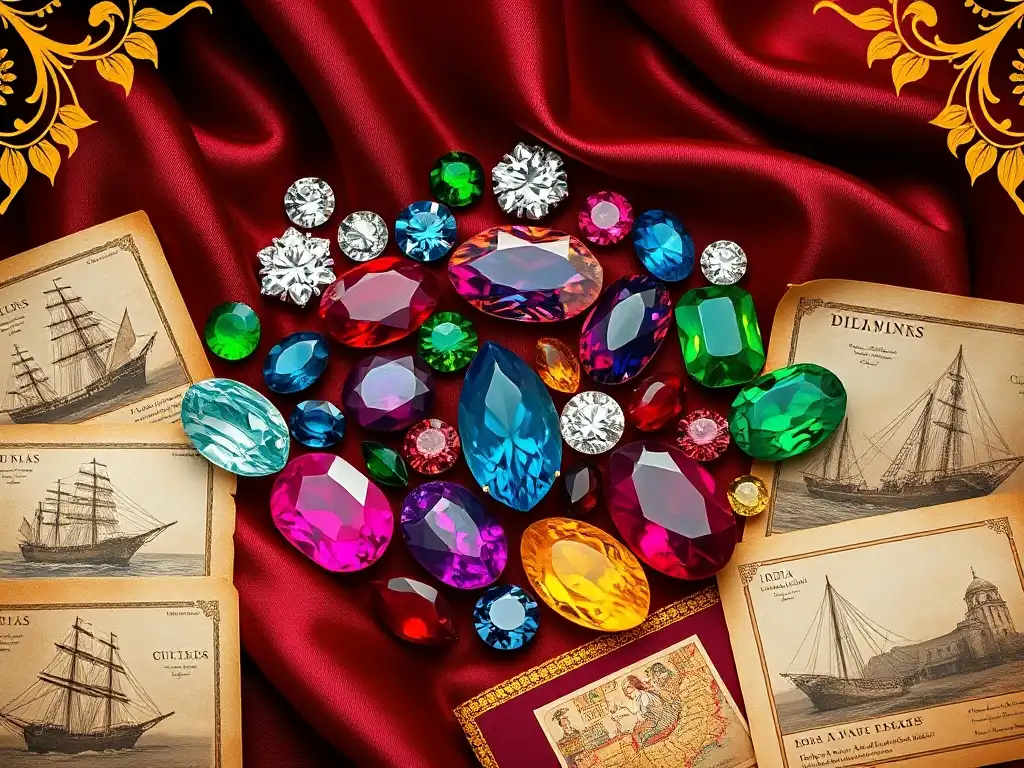
The modern era has seen a significant transformation in the way Indian gemstones are traded and appreciated globally. While ancient trade routes facilitated the exchange of these precious stones, contemporary practices have adapted to the complexities of globalization and technological advancements. The allure of Indian gemstones continues to captivate international markets, rooted in a rich history that intertwines with various cultures and civilizations.
In the current landscape, India remains a powerhouse in gemstone production and trade, known for its diverse offerings ranging from diamonds to colored gemstones like rubies, emeralds, and sapphires. This enduring legacy is marked by the intricate craftsmanship and unique characteristics of Indian gemstones, which are celebrated not only for their beauty but also for their historical significance. The fusion of traditional techniques with modern marketing strategies has allowed Indian gemstones to maintain their status in the world of luxury goods.
Contemporary Trade Practices
Contemporary trade practices in Indian gemstones reflect a blend of tradition and innovation. The emergence of e-commerce platforms has revolutionized the way gemstones are sold, making them accessible to a global audience.
- Market Diversification: Indian gemstones are now marketed in various regions, including the United States, Europe, and burgeoning markets in Asia and the Middle East. This diversification has opened new avenues for trade and cultural exchange.
- Trade Shows and Expositions: Events such as the India International Jewelry Show (IIJS) and the Hong Kong International Jewelry Show serve as platforms for Indian gem traders to showcase their products. These events not only facilitate business transactions but also promote cultural appreciation for Indian craftsmanship.
- Fair Trade Practices: There is a growing emphasis on ethical sourcing and fair trade practices within the gemstone industry. Consumers are increasingly interested in the origins of gemstones, leading to greater transparency in the supply chain. This shift enhances the cultural exchange narrative, emphasizing the value of responsible sourcing and the stories behind each gemstone.
Technological Advances in Gemstone Trading
Technological advances have significantly influenced the way gemstones are traded and perceived. Innovations in technology have improved both the efficiency of trading practices and the authenticity of gemstones.
- Gemstone Certification: The introduction of advanced gemological techniques and certifications has bolstered consumer confidence. Organizations such as the Gemological Institute of America (GIA) and the International Gemological Institute (IGI) provide detailed analyses of gemstones, which are crucial for maintaining their value and integrity.
- Digital Platforms: Online marketplaces have provided a global stage for Indian gemstone traders, allowing them to reach clients far beyond traditional markets. Websites and apps dedicated to gemstone sales facilitate direct interactions between sellers and buyers, fostering a more dynamic trading environment.
- Blockchain Technology: The implementation of blockchain technology in the gemstone industry is beginning to enhance traceability and security. By providing a tamper-proof ledger of a gemstone's journey from mine to market, blockchain ensures authenticity and ethical sourcing, aligning with contemporary consumer values.
Conclusion: The Legacy of Indian Gemstones in Cultural Exchange History
The legacy of Indian gemstones in cultural exchange history is profound and multifaceted. From ancient trade routes that connected India to various civilizations across the globe to modern practices that embrace technology and ethical sourcing, Indian gemstones have transcended geographical boundaries and cultural differences.
The historical significance of these gemstones is not merely in their physical beauty but also in the stories they carry—stories of artisans, trade networks, and the cultures that have cherished them through the ages. As the world continues to evolve, the cultural exchange facilitated by Indian gemstones remains a testament to their timeless appeal and enduring legacy, enriching both the Indian heritage and the global appreciation for these exquisite natural treasures.
References and Further Reading
To deepen your understanding of the cultural exchange surrounding Indian gemstones and their historical significance, the following resources provide valuable insights and comprehensive information:
- Books
- "The Gemstones of India" by J. D. T. Bandyopadhyay: This book offers an in-depth exploration of the various types of gemstones found in India, their historical contexts, and their significance in trade and culture.
- "The History of Indian Jewelry" by R. C. Sharma: A detailed account of the evolution of jewelry in India, highlighting the role gemstones played in the development of Indian craftsmanship and trade.
- Journal Articles
- "Trade Routes and Gemstone Exchange in Ancient India": A scholarly article that examines historical trade routes, emphasizing how Indian gemstones spread across different cultures and regions.
- "Cultural Significance of Gemstones in Ancient Indian Society": This research paper delves into the societal roles and meanings attributed to gemstones in ancient India, highlighting their importance beyond mere adornment.
- Online Resources
- The National Museum of India: Offers extensive online exhibits and articles about ancient Indian artifacts, including gemstones and jewelry, that reflect the rich history of cultural exchange.
- The Gemological Institute of America (GIA): Provides educational materials on gemstones, including their origins, properties, and the historical context of gemstone trade in India.
- Documentaries and Videos
- "The Silk Road: Connecting Cultures": A documentary that touches upon the trade routes that facilitated the exchange of not just goods but also culture, including gemstones.
- "Gemstones: The Fascinating Tale of Their Journey": This film explores the journey of gemstones from their origins in India to global markets, shedding light on the historical trade practices.
These resources serve as a foundation for exploring the intricate tapestry of how Indian gemstones played a pivotal role in cultural exchanges throughout history. Whether through scholarly texts, online exhibitions, or engaging documentaries, each offers a unique perspective on the enduring legacy of Indian gemstones in global culture.
- Introduction to Indian Gemstones Cultural Exchange History
- The Origins of Indian Gemstones
- Routes of Cultural Exchange: How Indian Gemstones Spread Globally
- The Influence of Indian Gemstones on Global Cultures
- The Modern Era of Indian Gemstones and Cultural Exchange
- Conclusion: The Legacy of Indian Gemstones in Cultural Exchange History
- References and Further Reading
- What are the key Indian gemstones mentioned in the article?
- How did Indian gemstones influence cultural exchange?
- What time periods are covered in the article regarding gemstone trade?
- Why are gemstones significant in Indian history?
- How did the global demand for Indian gemstones shape their history?
Frequently Asked Questions
What are the key Indian gemstones mentioned in the article?
The article highlights prominent gemstones such as diamonds, rubies, and sapphires, which have significant historical and cultural importance in Indian civilization.
How did Indian gemstones influence cultural exchange?
Indian gemstones played a crucial role in trade routes, facilitating cultural exchange between various civilizations, including Persian, Roman, and Chinese cultures.
What time periods are covered in the article regarding gemstone trade?
The article spans from the Indus Valley Civilization to the Gupta Empire, showcasing how gemstones were integral to the economic and cultural interactions throughout these historical periods.
Why are gemstones significant in Indian history?
Gemstones symbolize wealth and status, and their trade fostered connections between India and other regions, impacting politics, art, and society in various ways.
How did the global demand for Indian gemstones shape their history?
The growing global demand for Indian gemstones led to the establishment of trade networks and influenced the development of craftsmanship, making them a vital part of India's economic history.
Final Reflection: The Enduring Legacy of Indian Gemstones in Cultural Exchange
The journey of Indian gemstones transcends mere trade; it embodies the essence of cultural exchange that has shaped civilizations across the globe. From the ancient Silk Road to modern marketplaces, these precious stones have not only adorned the elite but have also served as symbols of connection between diverse cultures. Today, as we navigate a world increasingly defined by globalization, the historical significance of these gemstones reminds us of the intricate tapestry of human relationships and shared heritage.
Cultural exchange through Indian gemstones has left an indelible mark on art, fashion, and spirituality around the world. The influence of these gems can be seen in everything from royal jewelry to contemporary designs, illustrating how they continue to inspire creativity and foster appreciation for diverse traditions. As the renowned gemologist Richard Hughes once said, Gemstones are the ultimate expression of nature's beauty, and they tell stories that transcend time and geography.
This sentiment resonates deeply, highlighting how each gemstone carries with it a narrative of cultural significance and human connection.
As we reflect on the rich history of Indian gemstones and their role in cultural exchange, I invite you to consider how you can embrace this legacy in your own life. Explore the stories behind the objects you cherish, seek out the cultural narratives that enrich your understanding of the world, and celebrate the diversity that surrounds you. By recognizing the interconnectedness of our histories, we can foster a deeper appreciation for the beauty of cultural exchange and ensure that the legacy of Indian gemstones continues to inspire future generations.
Unveil the Beauty of Indian Gemstones!
Thank you for exploring the fascinating journey of Indian gemstones with us! Your interest not only uncovers a vibrant cultural exchange but also opens the door to a world rich in history and artistry. Now, it’s time to embrace this knowledge and take steps to experience the beauty of these gems in your own life.
- Visit a local jeweler who specializes in Indian gemstones to learn more about their unique qualities.
- Engage your friends by starting a conversation or hosting a small gathering to discuss the impact of these stones on global trade.
- Explore the world of gemstones by enrolling in an online course that teaches you about their history and significance.
Which gemstone speaks to you the most, and in what ways do you believe it reflects your personality or cultural background?