
From Antiquity to Modernity: The Enduring Appeal of Indian Gemstones

Welcome to Ancient India History, where we invite you to embark on a captivating journey through the rich tapestry of India's past. In this exploration, we delve into the History of Indian gemstones, tracing their significance from the majestic Indus Valley civilization to the opulent Gupta Empire. Discover how these exquisite stones have not only adorned the rulers and deities of ancient times but also shaped the cultural and economic fabric of India.
What secrets do these timeless treasures hold? Join us as we unravel the enduring allure of Indian gemstones, and prepare to be enchanted by the stories they tell.
- Introduction to the History of Indian Gemstones
- The Origins of Indian Gemstones
- The Evolution of Gemstone Use in Indian Culture
- Key Gemstones in Ancient Indian History
- The Craftsmanship of Indian Gemstone Jewelry
- The Transition to Modernity: Indian Gemstones Today
- Conclusion: The Enduring Appeal of Indian Gemstones
- Recommended Resources for Further Exploration
- References and Further Reading
- Frequently Asked Questions
- Final Reflection: The Timeless Allure of Indian Gemstones
- Unveil the Timeless Beauty of Indian Gemstones!
Introduction to the History of Indian Gemstones
The history of Indian gemstones is a captivating journey that reflects not only the artistic sensibilities but also the cultural and economic evolution of ancient Indian civilizations. From the radiant diamonds of the Golconda mines to the vibrant hues of rubies and emeralds, the allure of these precious stones has transcended time, captivating the hearts and minds of people for millennia. This article delves into the intricate tapestry of the history of Indian gemstones, exploring their significance in various epochs, the unique craftsmanship associated with them, and their influence on trade and culture throughout the ages.
The Cultural Significance of Gemstones in Indian History
The role of gemstones in Indian history extends far beyond mere ornamentation. They were often imbued with spiritual significance and were believed to possess unique powers. Ancient texts and scriptures, such as the Vedas and Puranas, frequently mention gemstones, associating them with various deities and celestial forces. For instance:
- Diamonds were considered symbols of strength and invincibility.
- Emeralds were believed to bring wisdom and prosperity.
- Rubies were associated with love and passion.
In addition to their spiritual connotations, gemstones also played a crucial role in social hierarchies. Rulers and nobility adorned themselves with elaborate gemstone-studded jewelry to signify their power and status. The famous Mughal emperors, for example, were known for their extravagant use of gemstones in their regalia, reflecting both their wealth and artistic patronage.
Overview of Indian Gemstone Trade
The Indian gemstone trade has a rich and complex history, dating back thousands of years. The subcontinent's natural resources, particularly in regions like Rajasthan and Gujarat, have positioned India as a key player in the global gemstone market. Historical records indicate that Indian gemstones were highly sought after by traders from across the world, leading to vibrant trade networks.
Key milestones in the Indian gemstone trade include:
- Silk Route Connections: The trade routes connecting India with the Middle East and beyond facilitated the exchange of gemstones, spices, and other valuable goods.
- Colonial Influence: The British colonial period saw a shift in the gemstone trade dynamics, introducing new techniques and expanding the market for Indian gemstones internationally.
- Modern Era: Today, India is one of the largest exporters of cut and polished gemstones, with cities like Jaipur and Surat becoming hubs for gemstone processing and trading.
Through this exploration of the history of Indian gemstones, we can appreciate the enduring appeal of these precious stones and their significant role in shaping the cultural, economic, and artistic heritage of India.
The Origins of Indian Gemstones
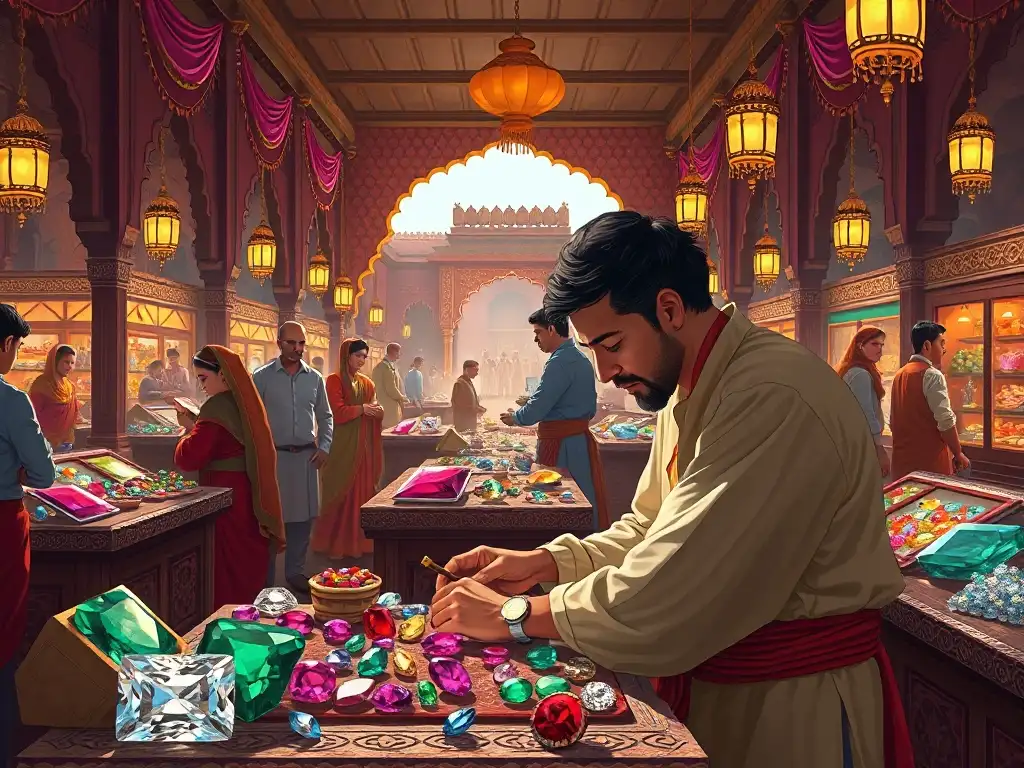
Historical Context: Gemstones in Ancient India
The history of Indian gemstones is deeply intertwined with the cultural and economic narratives of ancient civilizations. From early trade routes to the opulent courts of kings, gemstones played a pivotal role in the social fabric of Indian society. Archaeological findings indicate that gemstones were not just decorative items but held significant spiritual and medicinal value.
- Cultural Significance: In ancient India, gemstones were often associated with various deities and were believed to possess divine qualities. For instance, the diamond, known as "Vajra," was considered a symbol of strength and invincibility.
- Trade and Economy: India became a central hub for gemstone trade as early as the 4th century BCE. The region's abundant natural resources allowed for the extensive cultivation of gemstones, which were highly sought after by merchants from Persia, Rome, and beyond.
- Technological Advancements: The people of ancient India developed remarkable lapidary skills. Techniques such as faceting and polishing were innovatively perfected, showcasing the artisans' sophisticated understanding of light and color.
The Indus Valley Civilization and its Gemstone Crafts
The Indus Valley Civilization (c. 3300–1300 BCE) is renowned for its advanced urban planning and rich culture, which included a flourishing gemstone industry. Excavations in sites like Harappa and Mohenjo-Daro have uncovered a wealth of evidence regarding gemstone usage and craftsmanship.
- Materials Used: The artisans of the Indus Valley worked with a variety of gemstones, including carnelian, lapis lazuli, agate, and jasper. Each stone was valued for its unique properties and vibrant colors, contributing to the aesthetic appeal of jewelry.
- Craftsmanship: Evidence of bead-making workshops indicates that skilled craftsmen meticulously shaped and drilled gemstones to create intricate jewelry pieces. This craftsmanship was not only a reflection of artistry but also an important aspect of trade, as these items were exchanged for goods both locally and internationally.
- Symbolism and Rituals: Gemstones in the Indus Valley were often used in personal adornment and as offerings in rituals. The presence of specific stones in burial sites suggests that they were believed to provide protection and facilitate the journey into the afterlife.
Early Uses of Gemstones in Ancient Texts
Ancient texts provide rich insights into the significance of gemstones in Indian culture and their various applications. The Rigveda, Ayurveda, and other classical literature feature references to gemstones that highlight their importance in both daily life and spiritual practices.
- Medicinal Properties: Texts such as the Charaka Samhita describe the healing properties of certain gemstones. For example, sapphires were believed to help with mental clarity, while emeralds were said to enhance memory and promote emotional balance.
- Astrological Importance: The Navaratnas, or nine gemstones, hold immense significance in Indian astrology and are believed to influence the wearer's fate. Each gemstone corresponds to a planet, and ancient texts elaborate on the auspiciousness associated with wearing these stones.
- Literary References: Gemstones are frequently mentioned in ancient poetry and prose, often symbolizing wealth, beauty, and power. Notable works like the Mahabharata and Ramayana feature descriptions of royal adornments that include exquisite gemstones, further illustrating their esteemed status in society.
The history of Indian gemstones is a captivating journey through time, reflecting the intricate connections between culture, trade, and spirituality in ancient India. The legacy of these gemstones continues to captivate the modern world, showcasing the enduring appeal of India's rich heritage.
The Evolution of Gemstone Use in Indian Culture
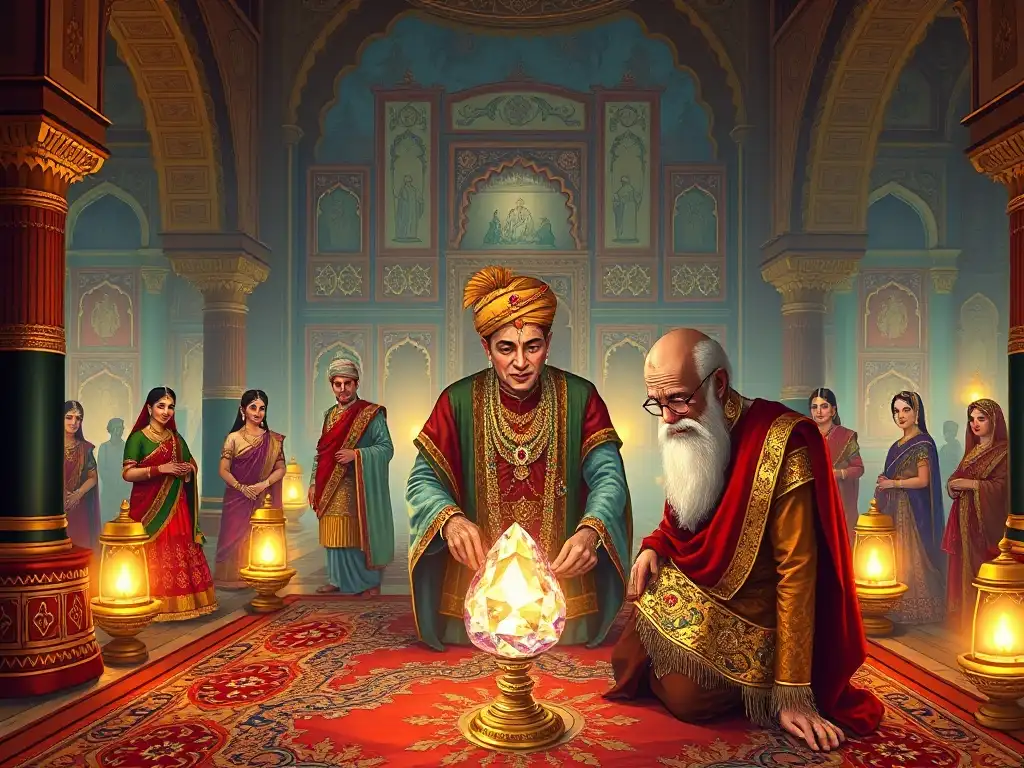
The history of Indian gemstones is a fascinating narrative that spans thousands of years, marked by cultural significance, artistry, and trade. The use of gemstones in India can be traced back to the Indus Valley Civilization (circa 2500-1900 BCE), where archaeological findings indicate the presence of carnelian, agate, and lapis lazuli. These gems were not merely decorative items but held profound meaning within the socio-religious fabric of ancient Indian society.
As time progressed, the significance and craftsmanship surrounding gemstones evolved. During the Vedic period (circa 1500-500 BCE), gemstones began to play a pivotal role in rituals and astrology, with texts such as the "Rigveda" and "Yajurveda" mentioning the protective and healing properties attributed to specific stones. By the time of the Maurya Empire (circa 322-185 BCE), the use of gemstones became associated with royalty and power, leading to the creation of elaborate jewelry pieces adorned with precious stones.
The Role of Gemstones in Ancient Indian Religion and Spirituality
In ancient India, gemstones were deeply intertwined with religious practices and spirituality. Many gemstones were believed to embody divine energies and were used in various rituals and ceremonies. For example:
- Ruby (Manik): Associated with the sun, believed to bring health and wealth.
- Emerald (Panna): Linked to the planet Mercury, considered to enhance intellect and communication.
- Diamond (Heera): Symbolized purity and invincibility, often worn by deities in temple sculptures.
Gemstones were also integral to Ayurvedic practices, where they were ground into powders to create remedies. The belief in the cosmic connection between planets and gemstones led to the widespread practice of astrological gemology, where individuals would wear specific stones to harness beneficial planetary influences.
Symbolism of Colors and Types of Gemstones in Ancient India
The symbolism of gemstones in ancient India extended beyond their physical beauty; colors and types were imbued with specific meanings:
- Red: Represented passion and energy, often embodied in rubies and garnets.
- Green: Signified growth and prosperity, primarily associated with emeralds.
- Blue: Linked to spirituality and wisdom, prominently found in sapphires and lapis lazuli.
- Yellow: Symbolized knowledge and mental clarity, embodied in yellow sapphires and topaz.
Each gemstone type was thought to resonate with certain deities, further enhancing its importance in religious practices. The vibrant colors of gemstones were artistically incorporated into temple architecture and sculptures, enriching the visual and spiritual landscape of ancient India.
Influence of Gemstone Trade Routes on Indian History
The trade of gemstones significantly influenced the socio-economic and cultural dynamics of ancient India. The Indian subcontinent was a key player in the global gemstone trade, with established trade routes such as the Silk Road facilitating exchanges with distant civilizations. Notable points include:
- Indus Valley: Served as an early hub for the trade of semi-precious stones with neighboring regions.
- Mauryan Empire: The trade expanded under Chandragupta Maurya, with gemstones becoming a valuable commodity in international trade.
- Medieval Period: The establishment of trade networks with the Middle East and Europe led to increased demand for Indian gemstones, contributing to the wealth of kingdoms like the Mughals.
This flourishing trade not only brought wealth but also cultural exchanges, influencing art, architecture, and jewelry design in both India and abroad. The legacy of ancient Indian gemstones continues to resonate in contemporary jewelry, reflecting both historical significance and timeless beauty.
Key Gemstones in Ancient Indian History
India has long been renowned for its exceptional gemstones, each with its own unique history and significance. The rich tapestry of ancient Indian civilizations is interwoven with the allure of these gemstones, which have been valued not just for their beauty but also for their cultural and spiritual importance. This section delves into the key gemstones that have played a pivotal role in India's history, showcasing their journey from antiquity to the present day.
Diamonds: From Ancient Mines to Modern Markets
Diamonds hold a prominent place in the history of Indian gemstones, often referred to as the "king of gemstones." The origins of diamond mining in India can be traced back to the 4th century BCE, with significant mines located in regions like Golconda and Panna.
Historical Significance
- Golconda Mines: Known for producing some of the world's most famous diamonds, including the Koh-i-Noor and the Hope Diamond, the Golconda mines were the epicenter of the diamond trade in ancient India.
- Cultural Beliefs: Diamonds were believed to possess protective qualities, warding off evil and promoting strength. They were often worn by royalty and the elite to symbolize power and invincibility.
Transition to Modernity
Today, the diamond industry in India has transformed, with the country emerging as a leading hub for diamond cutting and polishing. The modern market now sees a blend of traditional craftsmanship and contemporary design, making Indian diamonds highly sought after globally.
Rubies and Sapphires: The Royal Jewels of India
Rubies and sapphires have been treasured throughout Indian history, often associated with royalty and divine attributes. Their vibrant colors and rarity made them symbols of wealth and power.
Historical Context
- Symbolism: In ancient texts, rubies were referred to as "ratnaraj," meaning "king of gems," and were believed to confer prosperity and protection to their wearers.
- Royal Patronage: Indian rulers adorned themselves with exquisite rubies and sapphires, using these gemstones in crowns, necklaces, and other royal regalia. The famous "Blue Sapphire of the Raj" is a testament to the importance of these gems in royal collections.
Cultural Influence
Rubies and sapphires also found their place in religious and cultural practices. They were often embedded in idols and used in ceremonial objects, signifying their spiritual significance alongside their material value.
Emeralds: Their Historical and Cultural Significance
Emeralds, with their rich green hue, have captivated the hearts of many across ancient Indian civilizations. They have symbolized fertility, rebirth, and love throughout history.
Ancient Importance
- Source of Wealth: Ancient texts describe emeralds as one of the most valuable gems, often traded alongside gold and silk. The Mughal Empire, in particular, held emeralds in high esteem, crafting intricate pieces of jewelry that showcased their brilliance.
- Astrological Beliefs: Emeralds were believed to enhance intellect and creativity, making them popular among scholars and artists. They were often associated with the planet Mercury, which further elevated their status.
Modern Relevance
In contemporary India, emeralds continue to be cherished for their beauty and believed healing properties. The gemstone is a popular choice in both traditional and modern jewelry, reflecting its enduring appeal across generations.
The history of Indian gemstones is a testament to the profound cultural heritage and craftsmanship that has flourished over millennia. Each gemstone tells a story, linking the past with the present and illustrating the enduring allure of these precious stones in Indian society.
Other Notable Indian Gemstones: Topaz, Garnet, and Pearl
India's rich geological diversity has not only given rise to a plethora of minerals but has also positioned it as a significant player in the gemstone trade throughout history. Among the notable gemstones that have adorned Indian royalty and found their way into historical narratives are topaz, garnet, and pearl. Each of these gemstones carries a unique historical significance and cultural resonance that continues to influence contemporary jewelry trends.
Topaz
Topaz, often celebrated for its brilliant hues ranging from colorless to vibrant yellows and blues, has a storied history in India. Ancient texts, including the Ayurveda, mention topaz as a stone believed to bring strength and protection to its wearer. It was often associated with the sun, representing vitality and energy. The gemstone was mined extensively in regions like Rajasthan, where it was intricately carved into various shapes, showcasing the craftsmanship of ancient artisans.
The appeal of topaz extended beyond its beauty; it was also thought to possess healing properties. In historical accounts, it was believed that wearing topaz could help in alleviating ailments and improving mental clarity. This belief contributed to its popularity among the elite classes, who adorned themselves with topaz-studded jewelry, often passed down through generations.
Garnet
Garnet, another gemstone with deep roots in Indian history, has been revered since ancient times. Known for its deep red color, garnet symbolizes love, passion, and commitment. The Indus Valley Civilization reportedly utilized garnet in trade, indicating its value as a gemstone even during antiquity. The gemstone was not only used in jewelry but also served as an important trade commodity, with ancient traders often transporting garnets across vast distances.
In addition to its aesthetic appeal, garnet was believed to possess protective qualities. It was commonly worn by warriors and travelers as a talisman, thought to provide safety and enhance energy. The meticulous craftsmanship found in ancient Indian garnet jewelry pieces showcases intricate designs and settings that highlight the gemstone's brilliance, making it a treasured artifact of India's rich jewelry heritage.
Pearl
Pearls have held a significant place in Indian history, often associated with luxury and opulence. The use of pearls in jewelry dates back to ancient times, with references found in texts like the Rigveda. Indian pearls, especially those sourced from the waters of the Indian Ocean, were highly prized and sought after by traders and royalty alike. The Mughal Empire, in particular, is famous for its elaborate pearl jewelry, which adorned the crowns and garments of emperors and empresses.
The allure of pearls extended beyond their aesthetic appeal; they were considered symbols of purity and were often believed to bring prosperity and good fortune. In many Indian cultures, pearls were used in ceremonial jewelry, reflecting their spiritual significance. The timeless beauty of pearls has ensured their lasting appeal, making them a staple in both traditional and modern jewelry designs.
The gemstones of topaz, garnet, and pearl not only enrich the tapestry of India's historical narrative but also illustrate the enduring appeal and cultural significance of gemstones in Indian society. Their stories continue to resonate today, inspiring new generations of jewelry enthusiasts and historians alike.
The Craftsmanship of Indian Gemstone Jewelry
The craftsmanship of Indian gemstone jewelry is a testament to the rich heritage and skilled artistry that has evolved over millennia. India is renowned for producing exquisite gemstones and intricate jewelry pieces that reflect the country's cultural diversity and artistic prowess. This section delves into the traditional techniques, the influence of Indian artistry on global trends, and a closer look at the Jaipur gemstone industry.
Traditional Techniques Used in Gemstone Cutting and Setting
The art of gemstone cutting and setting in India has ancient roots, with techniques passed down through generations. Some of the traditional methods include:
- Lapidary Techniques:
- Bruting: This technique involves shaping the gemstone into a rough form, preparing it for finer cutting. Traditional lapidaries use hand tools made of harder stones to achieve the desired shape.
- Faceting: Indian artisans employ faceting to enhance the stone's brilliance. This skill requires a deep understanding of light refraction and angles.
- Setting Techniques:
- Kundal: A traditional method where gemstones are set in gold or silver using intricate designs. This technique ensures that the stones are securely held while allowing light to penetrate from various angles, enhancing their sparkle.
- Meenakari: This is a unique enamel technique where colored glass is set into the metal, often surrounding the gemstones. This adds a vibrant touch and highlights the beauty of the stones.
The combination of these techniques results in jewelry pieces that are not only visually stunning but also rich in cultural significance.
The Influence of Indian Artistry on Global Jewelry Trends
Indian gemstone jewelry has significantly influenced global jewelry trends, renowned for its vibrant colors, intricate designs, and the use of diverse gemstones. Key factors contributing to this influence include:
- Cultural Symbolism: Indian jewelry often carries deep cultural meanings, with specific gemstones associated with various traditions, beliefs, and rituals. For example, the use of ruby for love and emerald for prosperity has made these stones sought after worldwide.
- Fusion Styles: The blending of traditional Indian designs with contemporary styles has led to the creation of fusion jewelry. This trend caters to a global audience, showcasing a harmonious blend of East and West.
- Sustainable and Ethical Sourcing: Increased awareness of ethical sourcing practices has led to a rise in demand for responsibly sourced Indian gemstones. Artisans are now incorporating sustainable practices into their craft, appealing to environmentally conscious consumers.
The global appreciation for Indian artistry is evident in international fashion shows and luxury markets, where Indian gemstone jewelry often takes center stage.
Case Study: The Jaipur Gemstone Industry
Jaipur, often referred to as the "Pink City," is a hub for the gemstone trade in India. The city's gemstone industry has a rich history and plays a crucial role in the global market. Key aspects of the Jaipur gemstone industry include:
- Historical Significance: Jaipur has been a trading center for gemstones since the 18th century. The establishment of the Gem and Jewelry Export Promotion Council has further solidified its position in the international market.
- Variety of Gemstones: The city is known for its production of a wide array of gemstones, including sapphires, rubies, emeralds, and semi-precious stones. Each stone is meticulously crafted using traditional techniques, ensuring high quality.
- Artisan Community: The skilled artisans of Jaipur are renowned for their expertise in cutting, polishing, and setting gemstones. Many families have been involved in this craft for generations, preserving age-old techniques while adapting to modern trends.
- Economic Impact: The gemstone industry in Jaipur not only contributes to the local economy but also provides employment opportunities for thousands of artisans and workers. This industry has become a vital part of the city's identity and cultural heritage.
The craftsmanship of Indian gemstone jewelry is characterized by a rich tradition of artistry and skilled techniques that have shaped its enduring appeal. The influence of this craftsmanship extends beyond India's borders, impacting global jewelry trends and fostering a deeper appreciation for the rich history of Indian gemstones.
The Transition to Modernity: Indian Gemstones Today
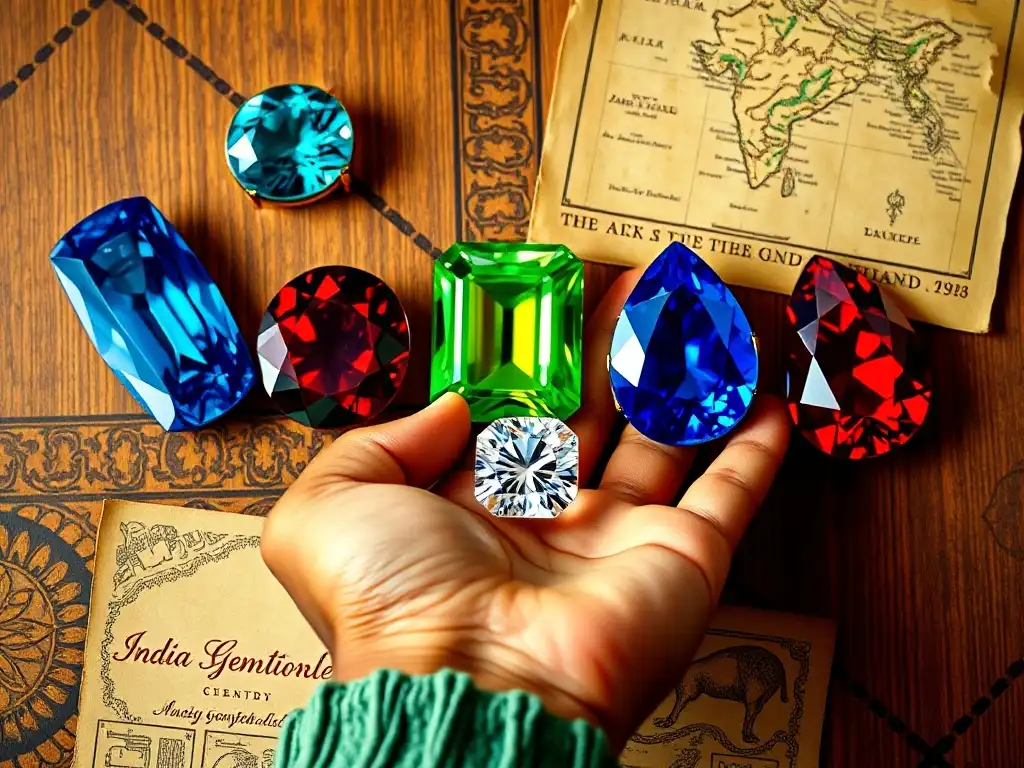
The journey of Indian gemstones from ancient times to the present illustrates a fascinating transition that reflects not only the evolution of the gemstones themselves but also the cultural shifts and technological advancements that have shaped their use and importance. Today, gemstones continue to hold significant value in Indian society, both as a symbol of wealth and as an integral component of the jewelry industry. The historical significance of these stones remains deeply rooted in the traditions and practices of Indian craftsmanship, which have adapted over time to meet contemporary demands while retaining their intrinsic cultural essence.
Modern Applications of Traditional Gemstone Knowledge
The knowledge and techniques surrounding gemstones that have been passed down through generations are still prevalent in modern applications. Traditional gemstone practices, such as:
- Astrological Significance: Gemstones are still believed to possess astrological properties, influencing personal fortune and health. For instance, sapphires and rubies are worn to enhance planetary positions, continuing a practice that dates back centuries.
- Healing Properties: Many people in modern India use gemstones for their supposed therapeutic benefits, such as amethyst for calming the mind or citrine for boosting confidence. This application leans heavily on ancient beliefs about the metaphysical properties of stones.
- Custom Jewelry Design: Artisans blend ancient techniques with modern aesthetics to create one-of-a-kind pieces. Techniques like kundan and meena work, which originated in royal courts, are now being amalgamated with contemporary styles to cater to global markets.
These applications demonstrate how the rich history of Indian gemstones continues to inform and enrich modern practices, ensuring that traditional knowledge remains relevant and valuable.
The Impact of Technology on Gemstone Mining and Processing
The advent of technology has revolutionized the way gemstones are mined and processed in India. Key advancements include:
- Mechanization of Mining: Traditional methods of gemstone mining, which often relied on manual labor, are now complemented by mechanized processes. This shift has increased efficiency and safety in mining operations. For example, the use of diamond wire saws has improved the extraction process, minimizing waste and enhancing recovery rates.
- Advanced Processing Techniques: Modern technologies, such as laser cutting and computer-aided design (CAD), allow for precision in shaping and polishing gemstones, resulting in superior quality products. The transition from hand-cutting to machine-assisted techniques has enabled artisans to achieve intricate designs that were previously unattainable.
- Gemstone Certification: The introduction of technological advancements has also enhanced the certification process. Gemstones are now graded based on established criteria using advanced equipment, providing buyers with greater assurance of quality and authenticity.
These technological impacts not only streamline production but also elevate the status of Indian gemstones in the global market.
Current Trends in Indian Gemstone Jewelry
The landscape of Indian gemstone jewelry is continually evolving, driven by shifts in consumer preferences and global trends. Notable trends include:
- Sustainable Practices: There is a growing demand for ethically sourced gemstones and environmentally friendly mining practices. Consumers are increasingly aware of the impact of their purchases, leading to a rise in brands that prioritize sustainability in their supply chains.
- Fusion of Styles: Today's jewelry designers are blending traditional Indian designs with modern aesthetics. The incorporation of Western styles alongside traditional motifs creates unique pieces that appeal to a broader audience. For instance, jhumkas (traditional bell-shaped earrings) are being designed with contemporary materials and settings, appealing to younger generations.
- Customization: Consumers are seeking personalized pieces that reflect their individual stories or preferences. The trend of bespoke jewelry has gained traction, with artisans offering customization options that allow customers to select their preferred gemstones and designs.
These trends highlight the dynamic nature of the Indian gemstone jewelry market, showcasing how it adapts to contemporary influences while maintaining a connection to its rich historical roots.
The history of Indian gemstones is a tapestry woven with tradition, innovation, and cultural significance, making them as appealing today as they were in antiquity. The future of Indian gemstones looks promising as they continue to evolve alongside technological advancements and changing consumer values, ensuring their enduring appeal.
Conclusion: The Enduring Appeal of Indian Gemstones
The fascination with Indian gemstones is not merely a reflection of their physical beauty; it is deeply intertwined with the rich tapestry of India's history, culture, and traditions. From the ancient trade routes that facilitated the exchange of these precious stones to the modern-day appreciation of their unique characteristics, the journey of Indian gemstones is a testament to their enduring appeal.
The Cultural Legacy of Indian Gemstones in Contemporary Society
The influence of Indian gemstones extends far beyond their aesthetic value. Historically, these stones have played vital roles in various cultural practices and rituals. For instance, diamonds, once known as "vajra" in ancient texts, were considered symbols of strength and invincibility. Similarly, rubies, referred to as "ratnaraj," have been associated with royalty and power, often embedded in the crowns of emperors.
Key aspects of their cultural legacy include:
- Art and Craftsmanship: The intricate craftsmanship involved in creating jewelry with Indian gemstones has been passed down through generations. Traditional techniques such as meena work and kundan setting highlight the artistic value of these gemstones, making them integral to Indian art forms.
- Spiritual Significance: Many Indian gemstones are believed to possess healing properties and are used in astrology. For example, wearing a blue sapphire is thought to enhance wisdom and promote mental clarity.
- Cultural Symbolism: Different gemstones hold distinct meanings in various Indian cultures. For instance, emeralds are prized for their connection to fertility and prosperity, while pearls symbolize purity and are often gifted during weddings.
This cultural legacy continues to resonate today, as consumers increasingly seek authentic and meaningful jewelry that reflects their heritage. The awareness and appreciation of these gemstones contribute to a growing demand for ethically sourced and traditionally crafted pieces.
Future Prospects for Indian Gemstones in the Global Market
As we look to the future, the Indian gemstone market displays promising growth potential. There are several factors driving this trend:
- Global Demand: The rise of e-commerce platforms has opened new avenues for Indian gemstones to reach international consumers. With the increasing interest in unique, ethically sourced products, Indian gemstones are gaining traction in markets across the globe.
- Sustainability Practices: Modern consumers are more conscious of sustainability and ethical sourcing. The Indian gemstone industry is adapting by implementing responsible mining practices and promoting fair-trade initiatives. This shift not only preserves the environment but also enhances the appeal of Indian gemstones to a socially conscious audience.
- Technological Advancements: Innovations in technology, such as 3D printing and digital design, are revolutionizing the gemstone and jewelry industry. These advancements allow for precise cutting and unique designs, making Indian gemstones even more attractive to contemporary buyers.
- Cultural Revival: There is a renewed interest in traditional craftsmanship and cultural heritage, leading to a renaissance in the production and appreciation of vintage and artisanal gemstone jewelry.
The future of Indian gemstones in the global market looks bright, driven by a fusion of cultural legacy, ethical practices, and technological innovation. As the world becomes more connected, the historical significance and beauty of Indian gemstones will continue to captivate and inspire generations to come.
Recommended Resources for Further Exploration
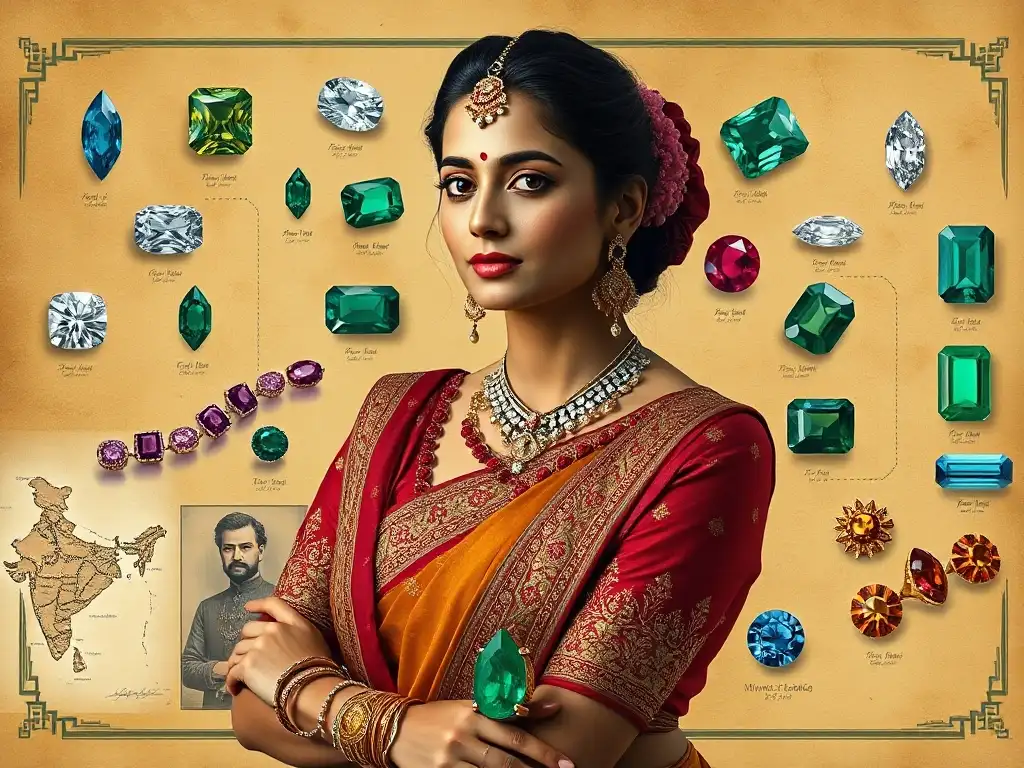
Books on the History of Indian Gemstones
Understanding the history of Indian gemstones can be greatly enhanced through insightful literature. Here are some recommended titles that delve into various aspects of Indian gemstones, including their origins, craftsmanship, and cultural significance:
-
"The Art of Gem Cutting" by William F. R. W. F. R. G. C.
This book provides a comprehensive overview of gemstone cutting techniques and the historical context of gemstones in India. It beautifully illustrates how Indian craftsmanship has evolved over centuries.
-
"Gemstones of India" by Dr. B. B. Singh
A detailed exploration of the geological and cultural significance of gemstones found in India. This book covers the major gemstones, their mining regions, and their place in Indian tradition.
-
"Diamonds and Precious Stones in India" by John H. D.
This work focuses on the historical trade of diamonds and other precious stones in India, offering insights into their role in ancient Indian society and economy.
-
"The Gemstone Journey" by R. Prakash
An engaging narrative that traces the journey of Indian gemstones from the mines to the markets, including the stories of artisans and merchants involved in the trade.
Online Courses and Workshops on Gemstone Craftsmanship
For those interested in a hands-on approach to learning about gemstones, various online courses and workshops are available. These programs often cover aspects of gemstone identification, cutting, and historical significance:
-
GIA Online Courses
The Gemological Institute of America (GIA) offers a series of online courses that cover gemology fundamentals, including a focus on Indian gemstones. Topics include identification, grading, and the historical context of gemstones in India.
-
Coursera's "Gemstones: From Mine to Market"
This course provides an overview of the gemstone industry, emphasizing the unique aspects of Indian gemstones. It covers mining practices, ethical sourcing, and market dynamics.
-
Local Workshops by Artisans
Many artisans in India offer workshops that teach traditional gemstone cutting and jewelry-making techniques. Participating in these workshops can provide a deep appreciation for the artistry involved and the cultural heritage behind Indian gemstones.
Notable Exhibitions and Museums Featuring Indian Gemstones
Exploring exhibitions and museums dedicated to gemstones can offer a visual and educational experience regarding the history of Indian gemstones. Here are some notable venues:
-
National Museum, New Delhi
This museum houses a vast collection of artifacts, including a significant number of gemstones used in ancient Indian jewelry. Special exhibitions often focus on the craftsmanship and cultural importance of these stones.
-
The Gem Palace, Jaipur
Renowned for its exquisite collection of Indian gemstones, The Gem Palace also features exhibitions that highlight the history and craftsmanship behind their pieces. Visitors can learn about the traditional methods of gemstone setting and design.
-
The Calico Museum of Textiles, Ahmedabad
While primarily focused on textiles, this museum includes sections dedicated to the jewelry of India, showcasing how gemstones have been intricately woven into traditional attire and adornments throughout history.
These resources provide an enriching experience for anyone interested in the history of Indian gemstones, from literature and courses to physical exhibitions that showcase the enduring allure of these precious stones.
References and Further Reading
Academic Journals on Gemstone History
The study of gemstones in India has been enriched by various academic journals that explore their significance across different eras. These publications often feature peer-reviewed articles that delve into the historical, cultural, and economic aspects of Indian gemstones. Notable journals include:
- Journal of Gemmology: This journal publishes research on gemology, including historical contexts and the evolution of gemstone trading in India.
- Indian Journal of History of Science: Articles in this journal often address the role of gemstones in ancient Indian societies, including their use in trade and symbolism.
- Heritage: Journal of Multidisciplinary Studies in Archaeology: This includes studies on archaeological findings related to gemstone usage in ancient Indian cultures.
These journals provide a wealth of information for researchers and enthusiasts looking to understand the historical trajectory of gemstones in India.
Historical Texts and Manuscripts on Indian Gemstones
Historical texts and manuscripts provide invaluable insights into the usage and significance of gemstones in ancient Indian societies. Some key sources include:
- The Arthashastra by Kautilya: This ancient treatise discusses trade, including guidelines for the gemstone market in ancient India, highlighting their economic importance.
- The Rigveda: This sacred text contains references to gemstones, suggesting their spiritual significance and use in rituals.
- The Rajatarangini by Kalhana: This historical chronicle details the royal patronage of gemstones and their significance in the courts of Kashmir.
These texts not only document the historical context but also reflect the cultural and spiritual dimensions of gemstones in ancient India.
Online Platforms for Gemstone Trading and Education
The digital age has transformed the way gemstones are traded and educated about. Several online platforms now serve as vital resources for both buyers and learners:
- GemSelect: This platform offers a wide range of gemstones for sale, alongside educational resources detailing their history and properties.
- Gem Society: An educational site providing information on gemology, including historical perspectives on various gemstones found in India.
- India Gemstone: A marketplace that focuses on Indian gemstones, offering insights into their historical significance and cultural relevance.
These platforms not only facilitate the trading of gemstones but also serve as educational hubs that contribute to the ongoing interest in the rich history of Indian gemstones.
Frequently Asked Questions
What is the significance of gemstones in ancient Indian culture?
Gemstones held significant cultural and spiritual value in ancient India, often associated with wealth, power, and protection. They were used in jewelry and as offerings in religious practices.
How did the trade of Indian gemstones impact the economy?
The trade of Indian gemstones was a major contributor to the ancient economy, fostering international trade routes and attracting merchants from various parts of the world, enhancing cultural exchange.
Which gemstones were most commonly used in ancient India?
Commonly used gemstones included diamonds, rubies, sapphires, and emeralds. Each gemstone was believed to possess unique properties and powers, influencing their use in personal adornments and rituals.
How did ancient Indian civilizations source their gemstones?
Ancient Indian civilizations sourced gemstones from local mines, particularly in regions like Golconda and Rajasthan, known for their rich deposits. This contributed to the country's reputation as a gemstone hub.
What role did gemstones play in the Gupta Empire?
During the Gupta Empire, gemstones were not only valued for their beauty but also as symbols of royalty and status. The era saw advancements in cutting and polishing techniques, enhancing the appeal of Indian gemstones.
Final Reflection: The Timeless Allure of Indian Gemstones
The history of Indian gemstones is not merely a tale of beauty and luxury; it is a profound narrative that intertwines culture, spirituality, and craftsmanship. As we delve into the rich tapestry of this topic, we recognize that the allure of these precious stones transcends time, continuing to captivate hearts and minds in our modern world. The enduring appeal of Indian gemstones serves as a reminder of our shared human experience and the stories embedded within each gem.
Culturally and socially, the significance of Indian gemstones has evolved, yet their impact remains deeply rooted in our collective consciousness. From ancient royal adornments to contemporary jewelry, these gemstones symbolize not just wealth, but also heritage and identity. As we navigate through the complexities of modern life, we can draw inspiration from the wisdom of the past. Jewels are the most tangible form of history; they connect us to our ancestors and their stories.
This connection encourages us to appreciate the craftsmanship and cultural narratives that these gemstones embody, reminding us of the intricate relationship between history and identity.
As we reflect on the lessons gleaned from the history of Indian gemstones, I invite you to consider how these timeless treasures resonate in your own life. What stories do your personal adornments tell? Embrace the beauty and significance of the gemstones around you, and let them inspire you to explore your own heritage and the narratives that shape who you are. In doing so, we not only honor the past but also pave the way for a future rich in understanding and appreciation for the artistry and history that gemstones represent.
Unveil the Timeless Beauty of Indian Gemstones!
Thank you for diving into the enchanting journey of Indian gemstones with us! You've discovered not only their historical significance but also their beauty and potential in today’s world. Now, it's time to take that inspiration further!
Here are some exciting ways you can engage with the fascinating realm of gemstones:
- Explore Local Markets: Visit a nearby gem or jewelry market and immerse yourself in the vibrant colors and stories behind the gemstones you've learned about.
- Share the Knowledge: Inform your friends and family about the rich history of Indian gemstones—consider hosting a small gathering to showcase your newfound passion!
- Join a Community: Seek out online forums or local clubs dedicated to gemstones and lapidary arts to connect with fellow enthusiasts.
What unique gemstone stories or experiences have you encountered that could enhance our understanding of their cultural significance? We invite you to share your thoughts!