
The Science Behind the Indus Valley's Advanced Weaving Techniques

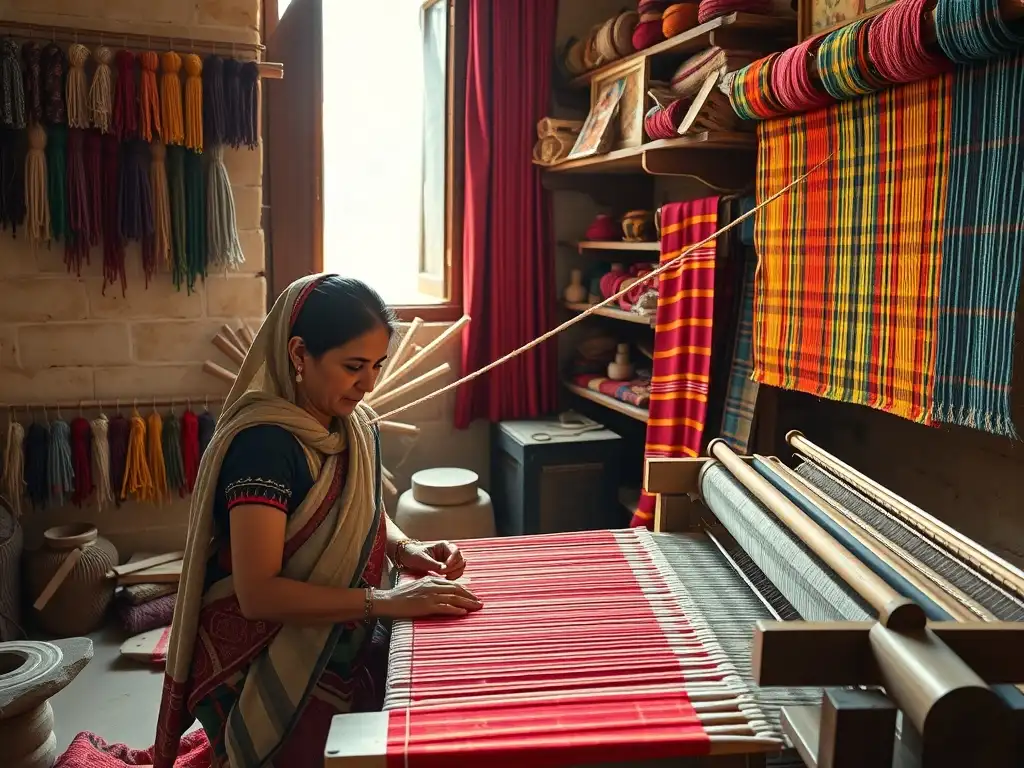
Welcome to Ancient India History, where we delve into the rich tapestry of ancient Indian civilizations that shaped a vibrant culture and remarkable innovations. In this journey, we invite you to uncover the intricate weaving techniques of the Indus Valley, a testament to the ingenuity and artistry of its people. What secrets do these ancient methods hold, and how did they influence the textiles we see today? Join us as we unravel the science behind these advanced techniques and explore the profound legacy of the Indus Valley. Your adventure into the depths of history begins here!
- Introduction to Indus Valley Weaving Techniques
- Historical Context of Weaving in the Indus Valley
- Materials Used in Indus Valley Weaving Techniques
- Advanced Weaving Techniques of the Indus Valley
- The Role of Weaving in Indus Valley Economy
- Legacy of Indus Valley Weaving Techniques
- Conclusion
- Further Reading and Resources
-
Frequently Asked Questions
- What were the Indus Valley weaving techniques known for?
- How did the Indus Valley civilization contribute to textile development?
- What materials were commonly used in Indus Valley textiles?
- Were there any specific tools used in Indus Valley weaving?
- How did the weaving techniques of the Indus Valley influence later civilizations?
- Final Reflection: The Timeless Art of Indus Valley Weaving Techniques
- Unveil the Secrets of Ancient Weaving Today!
Introduction to Indus Valley Weaving Techniques
The Indus Valley Civilization, one of the world's earliest urban cultures, flourished around 2500 BCE in present-day Pakistan and northwest India. Renowned for its advanced technology and intricate craftsmanship, this civilization's contributions to textiles, particularly weaving techniques, are of significant historical importance. The Indus Valley weaving techniques not only reflect the aesthetic sensibilities of the time but also demonstrate a sophisticated understanding of materials and production methods that were ahead of their time. This article delves into the rich tapestry of the Indus Valley's weaving practices, exploring the science behind their intricate designs and the cultural significance they held.
Overview of the Indus Valley Civilization
The Indus Valley Civilization (IVC) was characterized by sophisticated urban planning, impressive architecture, and a remarkable degree of social organization. Spanning over 1,000 settlements, including major cities like Harappa and Mohenjo-Daro, the IVC showcased extensive trade networks, agricultural advancements, and a writing system that remains undeciphered to this day.
- Key Features:
- Urban Planning: Cities were meticulously planned with grid patterns, advanced drainage systems, and standardized fired-brick constructions.
- Trade and Economy: The civilization engaged in trade with distant regions, including Mesopotamia, which facilitated the exchange of goods and ideas.
- Cultural Practices: Artifacts such as seals, pottery, and jewelry indicate a rich cultural life with religious and artistic dimensions.
Through archaeological discoveries, we gain insights into how weaving was integrated into daily life and commerce, reflecting the technological prowess of the Indus Valley people.
Importance of Weaving in Ancient Cultures
Weaving has long been a fundamental aspect of human civilization, serving not only practical purposes but also embodying cultural identity. In ancient cultures, textiles were more than mere functional items; they were symbols of status, artistry, and community.
- Cultural Significance:
- Social Status: Textiles often indicated wealth and position within society. Fine fabrics were typically reserved for the elite.
- Artistic Expression: Weaving techniques allowed for the creation of intricate patterns and designs, showcasing the artisans' skills and creativity.
- Trade Goods: Textiles were valuable trade items, facilitating interactions between different cultures and contributing to economic prosperity.
In the context of the Indus Valley Civilization, weaving techniques played a crucial role in their economy and cultural identity, influencing both local and regional trade dynamics.
Purpose of the Article on Weaving Techniques
This article aims to explore the sophisticated weaving techniques employed by the Indus Valley Civilization, examining the materials, tools, and methods used by ancient artisans. By investigating these techniques, we hope to uncover:
- Technological Innovations: Insights into the advancements in weaving technology during the Indus Valley period.
- Cultural Context: Understanding the significance of textiles in daily life, trade, and social structure.
- Legacy and Influence: Exploring how these ancient practices laid the groundwork for future textile production in the region.
In doing so, we will highlight the ingenuity of the Indus Valley people and their lasting impact on textile craftsmanship that resonates through history.
Historical Context of Weaving in the Indus Valley
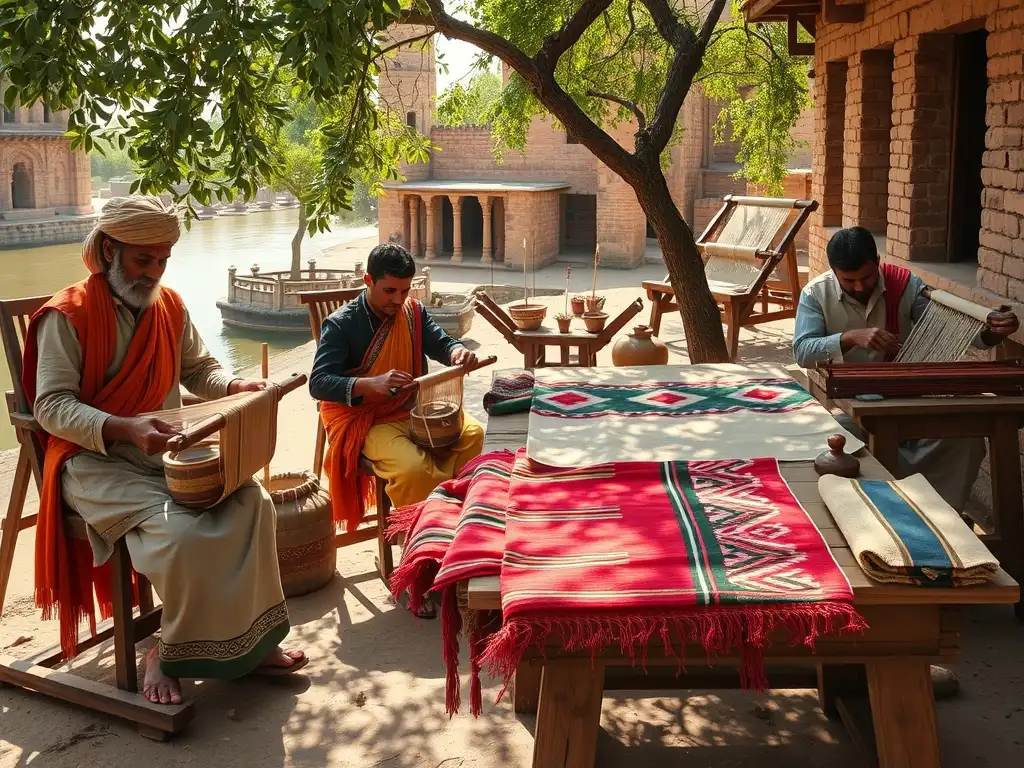
The Indus Valley Civilization, flourishing around 3300 to 1300 BCE, is renowned for its advanced urban planning and sophisticated craftsmanship, particularly in weaving. The weaving techniques developed during this period not only reflect the technological prowess of the civilization but also underscore the cultural and economic significance of textiles in their daily lives.
The weaving practices of the Indus Valley are believed to have evolved from earlier traditions, with evidence suggesting that the inhabitants utilized locally sourced materials such as cotton and wool. The civilization's access to the fertile plains and trade networks facilitated the growth of textile production, leading to the creation of intricate and high-quality fabrics.
Timeline of Weaving Techniques in the Indus Valley
-
Pre-Indus Period (circa 4500-3300 BCE):
Early evidence of weaving can be traced back to this period, with simple looms and rudimentary techniques. The use of natural fibers marked the beginning of textile production in the region.
-
Mature Harappan Phase (circa 2600-1900 BCE):
This era saw a significant advancement in weaving techniques. The introduction of more complex loom structures and patterns allowed for the production of finely woven cotton fabrics. Archaeological findings indicate the widespread use of indigo dye for coloring textiles.
-
Post-Indus Period (circa 1900-1300 BCE):
As the Indus Valley Civilization began to decline, weaving techniques persisted but showed signs of regional variation. The trade of textiles continued, suggesting that the techniques had been adopted by neighboring cultures.
Cultural Significance of Textiles in Indus Society
Textiles held immense cultural significance in Indus Valley society. They were not merely functional items but also symbols of status and identity. The quality and design of textiles often reflected social hierarchies, with finer fabrics being reserved for the elite.
-
Religious and Ceremonial Use:
Textiles played a vital role in rituals and ceremonies. Certain fabrics and colors were associated with specific deities, making them integral to religious practices.
-
Trade and Economy:
The Indus Valley was a hub of trade, and textiles were among the primary commodities exchanged with neighboring civilizations such as Mesopotamia. The demand for high-quality textiles contributed to the economic prosperity of the region.
-
Social Identity:
Different weaving patterns and techniques were often associated with various communities within the Indus Valley, helping to foster a sense of belonging and cultural identity among the inhabitants.
Numerous archaeological finds have provided insight into the advanced weaving techniques of the Indus Valley Civilization. Excavations at sites such as Mohenjo-Daro and Harappa have unearthed various artifacts that highlight the sophistication of their textile production.
-
Loom Weights:
The discovery of loom weights indicates the use of vertical looms, a significant advancement in weaving technology. These weights were essential for maintaining tension in the warp threads, leading to more durable and finely woven fabrics.
-
Dyes and Pigments:
Evidence of indigo and other natural dyes has been found, showcasing the Indus Valley's knowledge of color extraction and application in textiles. This not only enhanced the aesthetic quality of fabrics but also demonstrated their understanding of chemical processes.
-
Textile Remnants:
Fragments of woven textiles have been preserved in archaeological sites, allowing researchers to analyze patterns, materials, and techniques. These remnants reveal a high level of craftsmanship, with intricate designs that indicate a sophisticated understanding of weaving.
Through these discoveries, it is clear that weaving in the Indus Valley was an esteemed craft, integral to the social, economic, and cultural fabric of the civilization. The legacy of Indus Valley weaving techniques continues to influence textile traditions in the region to this day.
Materials Used in Indus Valley Weaving Techniques
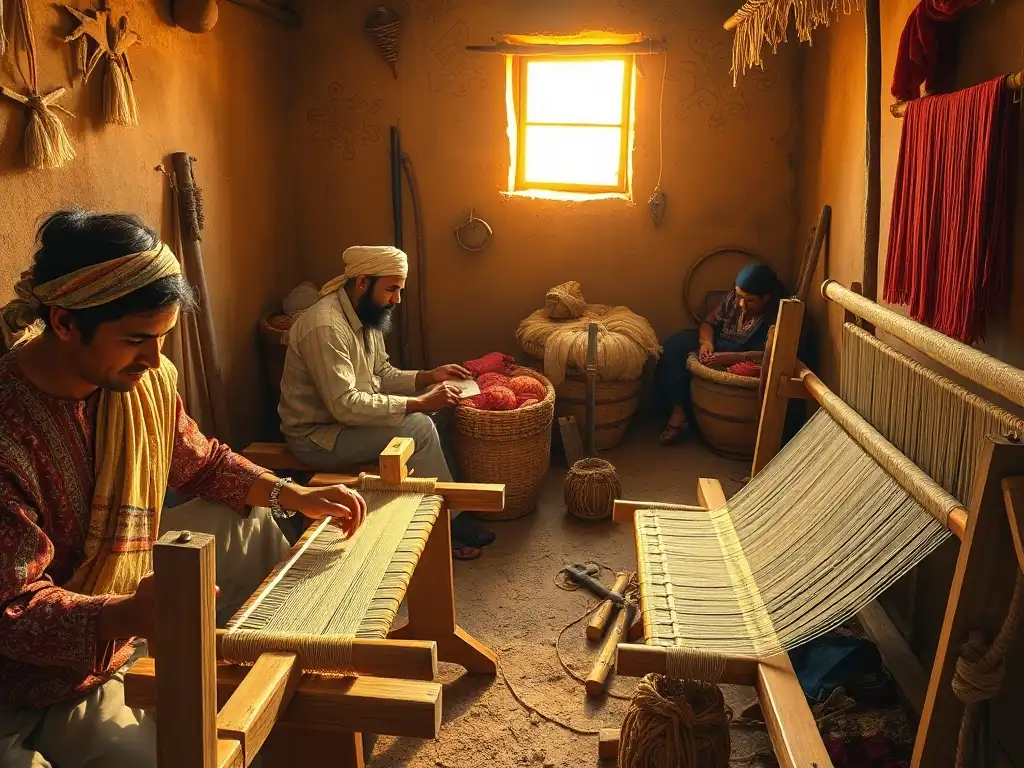
The weaving techniques of the Indus Valley Civilization were intricately tied to the materials available in the region. The choice of materials influenced the quality, durability, and aesthetic of the textiles produced. Understanding these materials provides insight into the advanced capabilities of these ancient weavers.
Common Fibers in Indus Valley Textiles
The primary fibers used in Indus Valley weaving techniques were:
- Cotton: This was the most significant and widely used fiber. The region's climate and soil were ideal for cotton cultivation, and archaeological evidence suggests that cotton was domesticated here around 5000 BCE.
- Wool: While not as prevalent as cotton, wool was also utilized, particularly from sheep that thrived in the nearby regions. It was often used for warmer textiles, especially for outer garments.
- Silk: Although less common, silk was likely imported or traded with neighboring regions, indicating a sophisticated trade network. Its luxurious texture made it a prized material for special occasions.
The use of these fibers allowed the Indus Valley weavers to create a variety of textiles, each suited to different purposes and social classes. The ability to work with and process these materials demonstrated significant technological advancements in their weaving techniques.
Dyeing Techniques and Natural Dyes
The Indus Valley weavers employed various dyeing techniques to enhance the aesthetic appeal of their textiles. The natural environment provided a wealth of resources for dyes:
- Plant-based Dyes: Common plants used included:
- Indigo: For blue hues, derived from the indigo plant.
- Turmeric: Yielding a vibrant yellow.
- Madder Root: Used to create red shades.
- Mineral Dyes: Certain minerals were also utilized:
- Iron Oxide: For reds and browns.
- Copper Salts: To produce greens and blues.
The dyeing process involved soaking fibers in these natural substances, often requiring multiple treatments to achieve the desired color intensity. This knowledge of dyeing not only showcased their understanding of botanical and mineral properties but also their creativity in textile design.
Tools and Equipment for Weaving
The weaving process in the Indus Valley was facilitated by a range of tools and equipment, reflecting their advanced technological skills:
- Looms: The primary tool for weaving, with evidence suggesting the use of both horizontal and vertical looms. These looms allowed for intricate patterns and designs.
- Spindles: Essential for spinning fibers into yarn, indicating a sophisticated understanding of fiber manipulation.
- Weaving Combs and Shuttles: Used to separate threads and aid in the interlacing process, allowing for tighter and more complex weaves.
The combination of these tools and the skilled craftsmanship of the weavers resulted in textiles that were not only functional but also highly decorative, featuring elaborate patterns that reflected the culture and aesthetic values of the Indus Valley Civilization.
The materials, dyeing techniques, and tools used in Indus Valley weaving techniques reveal a civilization that was technologically advanced, culturally rich, and deeply connected to their natural environment. Their innovations laid the groundwork for textile production that would influence future generations.
Advanced Weaving Techniques of the Indus Valley

The Indus Valley Civilization, known for its remarkable urban planning and advanced technologies, also excelled in the art of weaving. The weaving techniques of the Indus Valley, particularly between 2500 and 1900 BCE, showcased a combination of artistic creativity and practical functionality. This section delves into the various techniques employed in textile production, innovations in weaving technology, and how these practices compare with contemporary weaving methods.
Techniques Employed in Textile Production
The textile production in the Indus Valley was characterized by a range of sophisticated techniques that produced a variety of fabrics, primarily from cotton and wool. The craftsmanship evident in their woven materials reflects a deep understanding of the properties of fibers and the artistic expression of the weavers.
Plain Weave and Twill Weave
One of the foundational techniques employed by the weavers of the Indus Valley was the plain weave, a simple method that involves interlacing two sets of threads at right angles. This technique resulted in a sturdy fabric suitable for daily wear.
- Characteristics of Plain Weave:
- Creates a flat, uniform surface.
- Offers durability and strength, making it ideal for everyday clothing.
In contrast, the twill weave introduced diagonal patterns, allowing for more complex fabric structures. This technique was particularly advantageous for producing heavier fabrics, which were often used for outer garments.
- Characteristics of Twill Weave:
- Results in a textured fabric with a distinct diagonal pattern.
- Provides enhanced drape and durability, making it popular for warmer clothing.
Complex Patterns and Designs
The Indus Valley weavers were not only skilled in basic weaving techniques but also demonstrated an impressive ability to create intricate patterns and designs. Archaeological findings have revealed textiles adorned with geometric motifs and floral patterns, showcasing a rich aesthetic sense.
- Types of Patterns:
- Geometric designs, including stripes and checks.
- Floral motifs that reflect the natural environment.
The use of dyes derived from natural sources further enhanced the visual appeal of these fabrics, enabling the production of vibrant colors. This artistry in design indicates a sophisticated understanding of aesthetics, as well as the social and cultural significance of textiles in Indus Valley society.
Innovations in Weaving Technology
The advancements in weaving technology during the Indus Valley period laid the groundwork for future textile production methods. These innovations were crucial in enhancing the efficiency and quality of fabric manufacturing.
Use of Looms and Weaving Tools
The Indus Valley civilization utilized a variety of looms, particularly the horizontal loom, which allowed for greater control and precision in weaving. The design of these looms facilitated the production of wider fabrics, which was a significant advancement over earlier methods.
- Key Tools Used:
- Spindles: Essential for spinning fibers into yarn.
- Reeds: Used for separating the threads during the weaving process.
These tools not only contributed to the efficiency of production but also allowed for the creation of more intricate designs, elevating the art of weaving to a new level.
Comparison with Contemporary Weaving Practices
When comparing the weaving techniques of the Indus Valley to contemporary practices, several notable differences and similarities emerge. Modern weaving has largely transitioned to mechanized processes, allowing for mass production and consistency in fabric quality. However, the fundamental techniques such as plain and twill weaves remain prevalent.
| Aspect | Indus Valley Weaving Techniques | Contemporary Weaving Practices |
|---|---|---|
| Loom Type | Primarily horizontal looms | Automated looms |
| Weaving Techniques | Plain, Twill, Complex Patterns | Diverse techniques including Jacquard |
| Material Usage | Natural fibers (cotton, wool) | Synthetic and natural fibers |
| Production Scale | Small-scale, artisanal | Mass production |
Despite the technological advancements, the essence of weaving—creating functional and aesthetic textiles—remains unchanged. The legacy of the Indus Valley weaving techniques continues to inspire contemporary artisans and textile manufacturers, highlighting the enduring influence of this ancient civilization.
The Role of Weaving in Indus Valley Economy
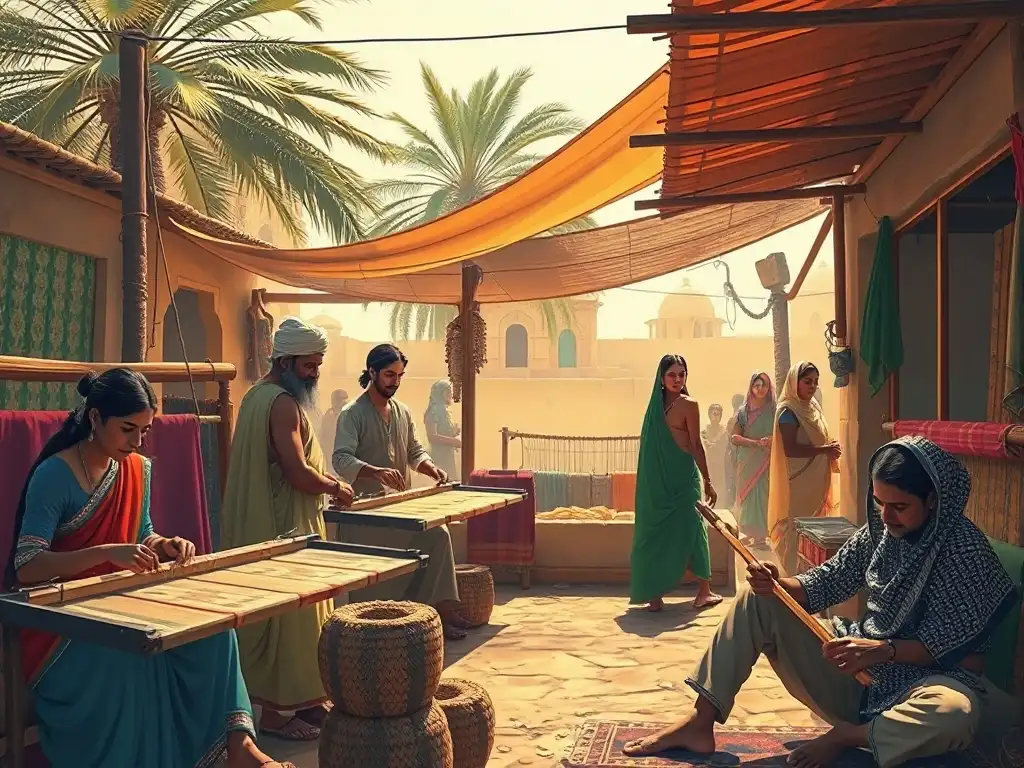
Weaving played a pivotal role in the economy of the Indus Valley Civilization, serving not only as a means of producing clothing but also as a significant contributor to trade and social dynamics. The advanced weaving techniques developed by the artisans of this civilization allowed for the creation of high-quality textiles that became vital commodities in both local and long-distance trade.
Trade and Commerce of Textiles
The textiles produced in the Indus Valley were renowned for their quality, durability, and intricate designs. Archaeological findings suggest that cotton was the primary material used for weaving, with evidence of its cultivation dating back over 5,000 years. The ability to produce fine cotton fabrics enabled the Indus Valley to engage in extensive trade networks.
- Trade routes: The Indus Valley Civilization established trade routes that extended beyond its borders, reaching regions like Mesopotamia and Egypt. These routes facilitated the exchange of textiles for goods such as metals, stones, and agricultural products.
- Textile exports: The textiles from the Indus Valley were not only utilized domestically but also exported to other civilizations, highlighting their value. Textiles often featured intricate patterns and dyes, marking them as luxury items in foreign markets.
| Trade Partner | Textile Type | Goods Exchanged |
|---|---|---|
| Mesopotamia | Cotton and woolen | Metals and lapis lazuli |
| Egypt | Dyed textiles | Grain and pottery |
| Persia | Fine cotton fabrics | Spices and precious stones |
The prominence of weaving in the Indus Valley not only shaped the economy but also influenced the social hierarchy. The production and trade of textiles created distinct roles within society, leading to a division of labor that was essential for the civilization's growth.
- Artisan class: Weavers formed a specialized class of artisans, skilled in the intricate techniques of textile production. This group held a significant position in society, as their expertise was critical in meeting both domestic and commercial demands.
- Social stratification: The quality and type of textiles produced often indicated social status. Higher-quality fabrics and elaborate designs were typically reserved for the elite, creating a visible distinction between different social classes.
The textiles of the Indus Valley were more than mere fabrics; they were woven stories of trade, status, and cultural identity.
Weaving as a Profession in Indus Valley Society
Weaving was not just an economic activity; it was deeply embedded in the fabric of Indus Valley life. The profession of weaving encompassed a range of skills and techniques that were passed down through generations, contributing to the continuity of cultural practices.
- Training and apprenticeship: Young individuals often trained under experienced weavers, learning the complexities of the craft, from dyeing techniques to loom operations. This apprenticeship ensured the preservation of traditional methods.
- Community aspects: Weaving was often a communal activity, with families and groups working together to fulfill production needs. This collaboration fostered a sense of community and shared identity among weavers, reinforcing social bonds.
- Technological innovations: The advancement in weaving techniques, including the use of vertical looms and intricate dyeing processes, reflects the innovative spirit of the Indus Valley people. These innovations not only improved efficiency but also enhanced the aesthetic quality of textiles.
The Indus Valley weaving techniques were integral to the civilization's economic prosperity, social structure, and cultural identity. The legacy of these techniques continues to influence textile production practices today, underscoring the importance of this ancient craft in shaping human history.
Legacy of Indus Valley Weaving Techniques
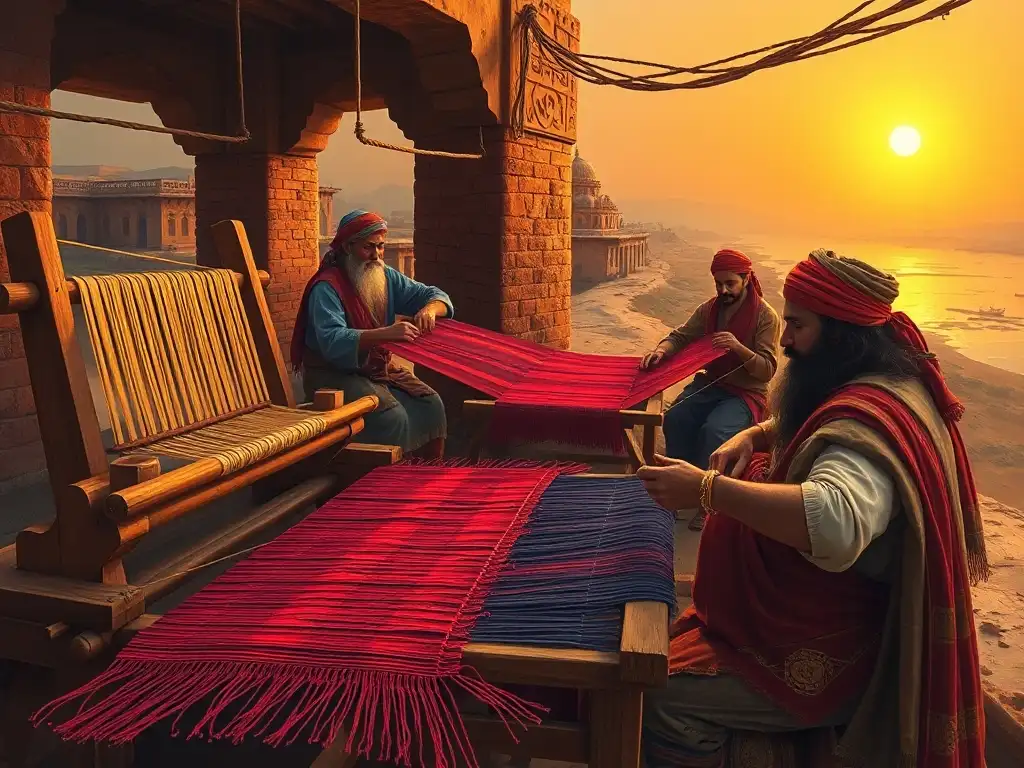
The weaving techniques developed by the Indus Valley Civilization (IVC) represent a remarkable achievement in textile production, showcasing an advanced understanding of materials, patterns, and processes. These techniques not only catered to the needs of the civilization but also laid the foundation for future textile practices in India and beyond. The legacy of Indus Valley weaving can be observed in various aspects, including the materials used, design intricacies, and the socio-economic implications of textile production.
Influence on Subsequent Indian Cultures
Indus Valley weaving techniques profoundly influenced the textile traditions of subsequent Indian civilizations. The skills and knowledge passed down from the IVC can be seen in later cultures such as the Maurya and Gupta Empires. For instance, the use of cotton, which was cultivated widely during the Indus period, became a staple in Indian textiles. The cotton fabric produced in the Indus Valley is believed to have been among the first in the world, establishing India as a key player in the global cotton trade.
Key Influence Points:
- Patterns and Motifs: The geometric patterns and motifs found in IVC textiles inspired various regional styles, including those seen in the textiles of Gujarat and Rajasthan. These patterns often carried symbolic meanings, reflecting the cultural narratives of the time.
- Dyeing Techniques: The dyeing methods used in the IVC, utilizing natural dyes from plants and minerals, became a standard practice in later Indian textile production. The vibrant colors achieved through these techniques continued to adorn fabrics across generations.
- Trade Networks: The IVC's advanced weaving techniques fostered trade networks that extended into the Mediterranean and beyond. This exchange of textiles enriched the cultural tapestry of ancient India, influencing styles and techniques in other civilizations.
Preservation of Weaving Techniques Through Generations
The preservation of weaving techniques from the Indus Valley is a testament to the resilience of cultural practices. Despite the passage of millennia, many weaving traditions have been maintained, adapted, and evolved through generations.
Preservation Mechanisms:
- Oral Traditions: Knowledge of weaving techniques was often transmitted orally among artisans and craftsmen, ensuring that the skills were not lost over time.
- Community Practices: Weaving became a communal activity, with families and communities working together to produce textiles. This collective effort helped in retaining the intricate techniques and styles developed in the IVC.
- Cultural Significance: Textiles produced using traditional methods often held cultural significance, used in rituals, ceremonies, and community events. This cultural embedding reinforced the importance of preserving weaving techniques.
- Adaptability: Weaving techniques were not static; they adapted to changing social, economic, and environmental conditions. This adaptability contributed to the longevity of these practices, as new materials and patterns were incorporated over time.
Modern Interpretations of Indus Valley Weaving
In contemporary times, the legacy of Indus Valley weaving techniques has inspired a renaissance in textile arts. Modern artisans and designers are revisiting ancient methods, integrating them into contemporary fashion and textile design.
Current Trends:
- Sustainable Practices: Many modern weavers are emphasizing sustainability by using natural fibers and dyes, echoing the practices of the Indus Valley. This approach aligns with global trends towards eco-friendly fashion.
- Fusion Designs: Contemporary designers are blending traditional IVC patterns with modern aesthetics, creating unique pieces that honor heritage while appealing to modern tastes. This fusion brings the ancient into the present in a meaningful way.
- Cultural Revitalization: There's a growing movement to revive and promote traditional weaving techniques among younger generations. Workshops and educational programs are being established to teach these skills, ensuring that the rich heritage of Indus Valley weaving continues to thrive.
The weaving techniques of the Indus Valley Civilization not only reflect the ingenuity of ancient artisans but also serve as a cornerstone of India's rich textile heritage. Their influence spans across time, cultures, and modern interpretations, making them an enduring symbol of India's historical legacy.
Conclusion
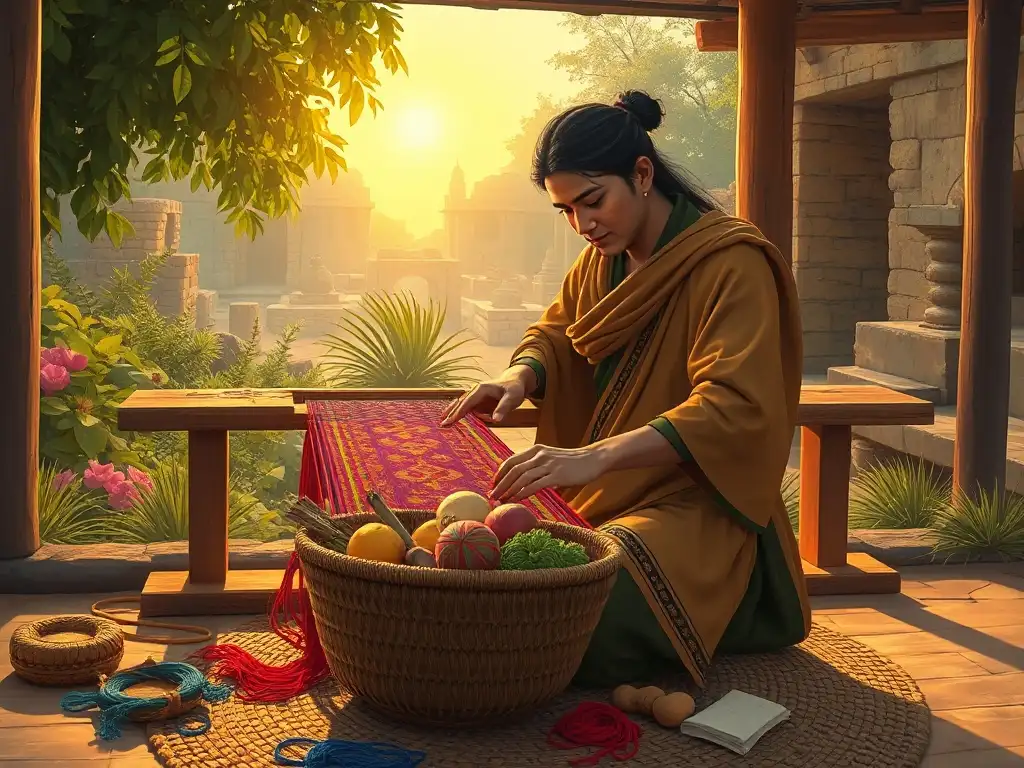
Summary of Key Insights on Indus Valley Weaving Techniques
The weaving techniques of the Indus Valley Civilization (IVC) stand out as a remarkable achievement in ancient technology. Archaeological findings, such as the remains of cotton textiles and spindle whorls, indicate that the IVC was one of the earliest civilizations to utilize cotton, a plant native to the region. This innovation not only marked a significant advancement in material culture but also laid the groundwork for a textile industry that would flourish for centuries.
Key insights into Indus Valley weaving techniques include:
- Material Utilization: The predominant use of cotton fibers showcases the civilization's understanding of available natural resources. The transformation of raw cotton into intricate textiles demonstrates sophisticated processing techniques.
- Advanced Loom Technology: Evidence suggests that the IVC employed horizontal looms, which allowed for greater complexity in textile patterns. This technology enabled artisans to create a variety of fabric types, from simple weaves to elaborate designs.
- Dyeing Techniques: The discovery of dyeing pits and remnants of natural dyes indicates that the Indus Valley people were skilled in adding color to their textiles, enhancing their aesthetic appeal. The use of indigo and other plant-based dyes reflects a deep understanding of the chemical properties of natural substances.
- Trade and Economy: Textile production was likely a significant component of the IVC economy, facilitating trade with neighboring regions. The spread of these weaving techniques influenced textile practices in surrounding cultures, highlighting the interconnectedness of ancient civilizations.
- Cultural Significance: Textiles were not only functional but also held cultural importance. They were integral to social identity, rituals, and economic transactions, illustrating how weaving was woven into the fabric of daily life in the Indus Valley.
Reflection on the Importance of Ancient Weaving Practices in Today's Context
The ancient weaving practices of the Indus Valley hold profound relevance even in today's context. As contemporary society grapples with issues of sustainability and ethical production, the historical practices of the IVC can provide valuable lessons.
- Sustainable Materials: The use of natural fibers like cotton underscores the potential for eco-friendly textile production. With a growing emphasis on sustainable fashion, modern industries can draw inspiration from ancient techniques that prioritized local resources and environmental harmony.
- Craftsmanship and Artistry: The intricate designs and superior craftsmanship of Indus Valley textiles remind us of the artistic value embedded in handmade goods. In an age dominated by mass production, there is a resurgence in appreciation for artisanal skills and unique textile pieces.
- Cultural Heritage: Understanding the significance of ancient weaving techniques fosters a deeper appreciation for cultural heritage. By recognizing the historical context of textiles, we can honor the traditions and innovations of our ancestors, integrating these elements into contemporary practices.
- Economic Impact: The historical importance of textiles as a trade commodity can inspire modern economic models that focus on local production and global trade networks. Such approaches could revitalize local economies and promote fair trade practices.
The exploration of Indus Valley weaving techniques not only illuminates the technological prowess of an ancient civilization but also encourages a reflection on how these practices can inform and inspire our modern world. The legacy of the Indus Valley civilization continues to resonate, reminding us of the intricate connections between past and present in the realm of textiles.
Further Reading and Resources
Recommended Texts on Indus Valley Civilization
To delve deeper into the Indus Valley weaving techniques, several scholarly texts provide comprehensive insights into the civilization's textile practices. Here are some essential readings:
-
"The Indus Valley Civilization: A Contemporary Perspective" by Jane McIntosh
This book offers a detailed analysis of the Indus Valley civilization, including its economic systems and textile production methods. McIntosh emphasizes the technological advancements that facilitated weaving.
-
"Textiles of Ancient India" by M. A. Dhaky
An authoritative source on ancient Indian textiles, this book explores the materials, techniques, and patterns used in weaving during various eras, with a significant focus on the Indus Valley.
-
"The Archaeology of the Indus Valley Civilization" by V. N. Misra and S. B. Roy
This text discusses archaeological findings that shed light on the advanced textile techniques of the Indus Valley, including the tools and materials utilized.
-
"Indus Valley Civilization: An Analytical Study" by R. S. Sharma
Sharma's work provides insight into the socio-economic frameworks of the civilization, including the role of weaving in trade and daily life.
These texts not only illuminate the weaving techniques but also contextualize them within the broader spectrum of Indus Valley society.
Online Resources for Exploring Ancient Weaving Techniques
The digital age has made vast resources available for those interested in Indus Valley weaving techniques. Here are some valuable online platforms and databases:
-
The Archaeological Survey of India (ASI)
The ASI website offers a wealth of information about ongoing excavations and findings, including textile remnants and weaving tools from the Indus Valley.
-
Digital Archives of Ancient Textiles
A comprehensive digital library that features images and descriptions of textiles from the Indus Valley, showcasing weaving patterns and techniques.
-
Online Courses on Ancient Civilizations
Platforms like Coursera and edX provide courses that cover aspects of ancient Indian civilizations, including modules specifically focused on the textile practices of the Indus Valley.
-
YouTube Educational Channels
Channels such as "History Time" and "The Great Courses Plus" feature engaging videos that discuss the Indus Valley's advancements in weaving and textile technology.
These resources can serve as excellent supplementary materials for anyone seeking to enhance their understanding of ancient weaving techniques.
Documentaries and Visual Media on Indus Valley Textiles
Visual media can offer an engaging way to explore the Indus Valley weaving techniques. The following documentaries and visual resources provide valuable insights:
-
"The Lost World of the Indus Valley"
This documentary provides a vivid portrayal of the civilization, including segments dedicated to their textile production and weaving practices.
-
"Secrets of the Indus Valley"
A captivating exploration of the daily life in the Indus Valley, featuring discussions on the importance of textiles and the sophisticated methods used in weaving.
-
"Ancient India: The Indus Valley Civilization" (PBS)
This PBS documentary dives into the technological and cultural advancements of the Indus Valley, with a focus on their textile innovations.
-
Online Exhibitions from Museums
Institutions like the British Museum and the National Museum of India host online exhibitions showcasing Indus Valley artifacts, including textiles, which highlight the intricate designs and weaving techniques.
These documentaries and visual resources not only provide educational content but also bring the rich history of the Indus Valley civilization to life, making the study of their weaving techniques more accessible and engaging.
Frequently Asked Questions
What were the Indus Valley weaving techniques known for?
The Indus Valley weaving techniques were renowned for their sophistication and precision, incorporating advanced methods that allowed for the creation of intricate textiles and patterns.
How did the Indus Valley civilization contribute to textile development?
The Indus Valley civilization played a crucial role in textile development by utilizing resources like cotton and employing advanced weaving techniques, setting the foundation for future textile industries.
What materials were commonly used in Indus Valley textiles?
Indus Valley textiles primarily utilized cotton, which was cultivated in the region, along with wool and linen, showcasing a diverse range of materials in their weaving practices.
Were there any specific tools used in Indus Valley weaving?
Yes, the Indus Valley weavers used various specialized tools, including spindles and looms, which were essential for producing their finely crafted textiles.
How did the weaving techniques of the Indus Valley influence later civilizations?
The weaving techniques of the Indus Valley significantly influenced later civilizations by introducing advanced practices that were adopted and refined, impacting the textile industry across the region.
Final Reflection: The Timeless Art of Indus Valley Weaving Techniques
The intricate weaving techniques of the Indus Valley civilization not only showcase the remarkable craftsmanship of ancient artisans but also highlight the enduring relevance of traditional skills in today's fast-paced world. As we navigate through modernity, the appreciation for such time-honored practices becomes increasingly significant, reminding us of the rich cultural heritage that shapes our identities.
The legacy of Indus Valley weaving techniques continues to resonate in contemporary society, influencing fashion, art, and sustainable practices. The meticulous methods employed by these ancient weavers serve as a source of inspiration for artisans and designers today, emphasizing the importance of craftsmanship over mass production. Craftsmanship is the soul of the art; it is what connects us to our history and to each other.
This connection underscores the value of preserving these techniques, not just as relics of the past, but as living traditions that enrich our cultural landscape.
As you reflect on the profound impact of the Indus Valley's weaving techniques, consider how you can incorporate elements of this ancient art into your own life. Embrace the beauty of craftsmanship, support local artisans, and seek out sustainable practices that honor the skills of those who came before us. By doing so, you not only celebrate a rich heritage but also contribute to a future where traditional arts continue to thrive and inspire.
Unveil the Secrets of Ancient Weaving Today!
Thank you for taking the time to explore the fascinating world of the Indus Valley's advanced weaving techniques! You've uncovered the rich history and innovative methods that defined an entire civilization. Now, why not take your interest a step further?
Here’s how you can dive deeper:
- Discover more by visiting a local textile museum or searching online for exhibitions focused on ancient weaving techniques.
- Join a weaving workshop in your area to experience firsthand the artistry and skill that go into this timeless craft.
- Share your insights with friends or on social media; inspire others by discussing what you’ve learned about the textile innovations of the Indus Valley!
What aspect of ancient weaving techniques intrigues you the most—its history, the materials used, or the cultural significance behind the intricate patterns?