
Discovering the Ramayana: A Journey Through Its Cultural Significance

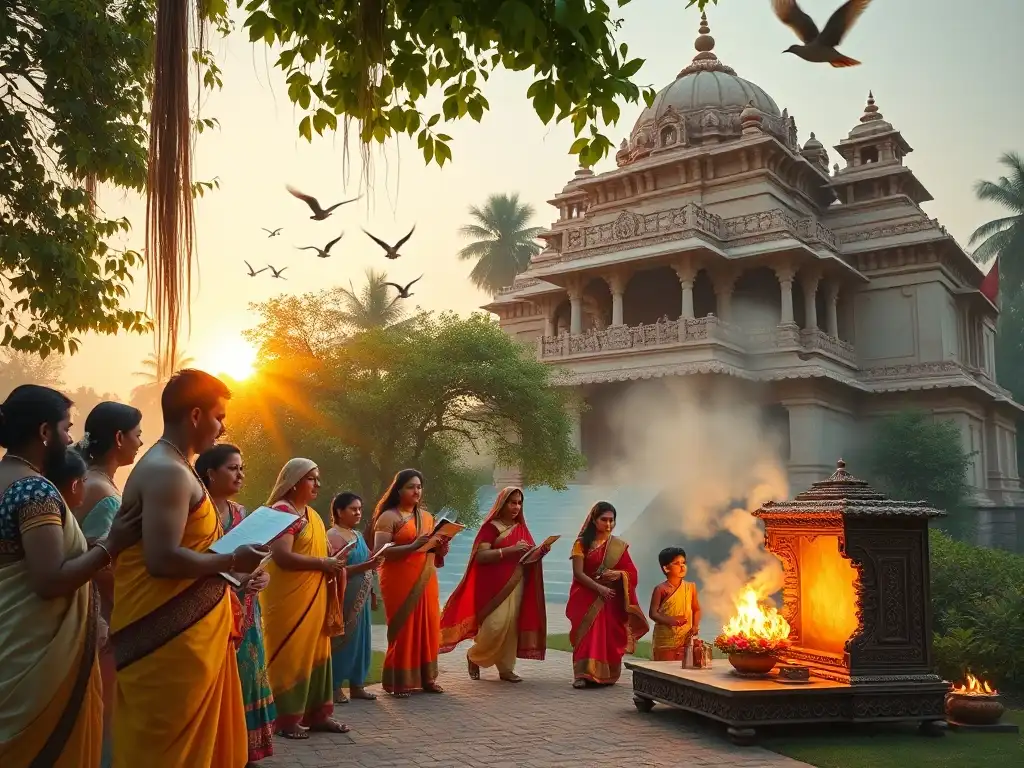
Welcome to Ancient India History, where we embark on a captivating journey through the rich tapestry of India's past. Here, we delve into the profound cultural significance of the Ramayana, a timeless epic that resonates deeply with the values and beliefs of Indian civilization. As you explore our latest article, “Discovering the Ramayana: A Journey Through Its Cultural Significance,” prepare to uncover the layers of meaning that this ancient text holds and its enduring influence on Indian society.
Join us as we unravel the stories, traditions, and legacies that continue to shape the cultural landscape of India today. Your adventure into the heart of ancient history begins now!
Introduction to the Ramayana
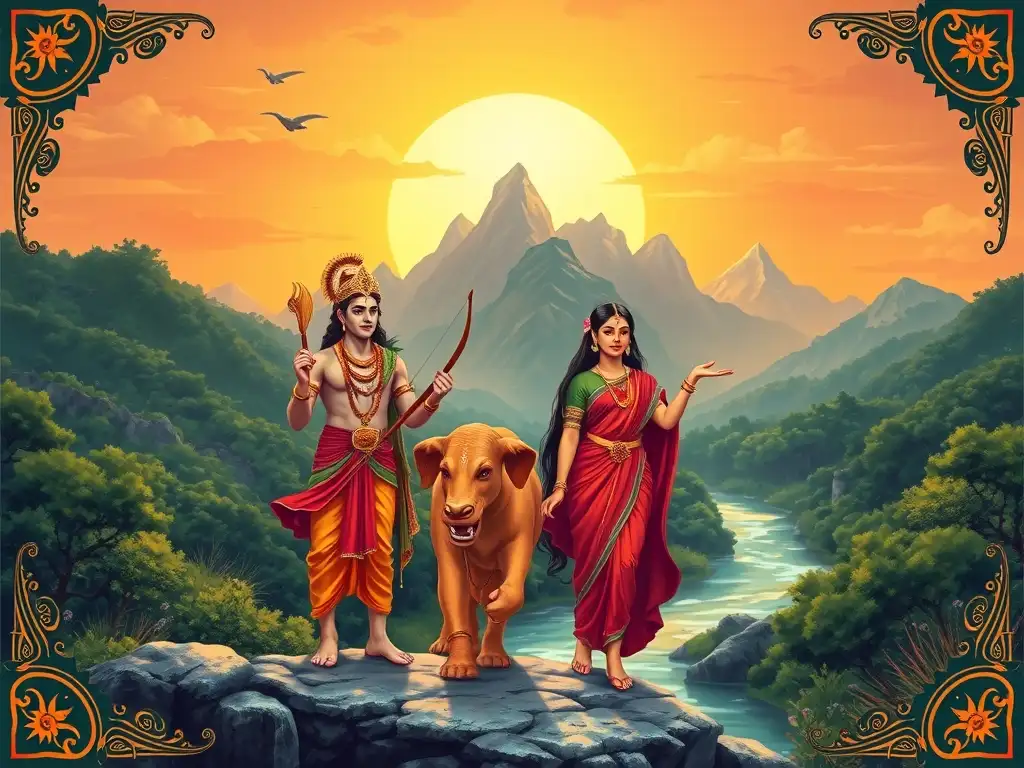
The Ramayana, one of the most revered texts in Indian literature, is not merely an epic narrative but a profound reflection of the cultural, moral, and spiritual ethos of ancient India. Composed by the sage Valmiki, this ancient Sanskrit epic unfolds the tale of Lord Rama, his wife Sita, and his unwavering devotion to dharma (righteousness). The Ramayana is a cornerstone of Indian heritage, influencing various aspects of life and thought across centuries. Understanding the Ramayana's cultural significance in India offers insights into the values and traditions that continue to shape Indian society today.
Overview of the Ramayana as an Epic
The Ramayana is structured into seven Kandas (books) that detail Rama's journey from his exile to his eventual return to Ayodhya. This epic not only narrates the heroic deeds of its protagonists but also encapsulates profound philosophical teachings. Key themes such as duty, loyalty, and sacrifice resonate throughout the text, providing moral guidance that remains relevant in contemporary times.
The narrative is enriched with a diverse cast of characters, each embodying different virtues and vices, thus portraying a complex human experience. The Ramayana has inspired countless adaptations and interpretations across various art forms, including dance, drama, and literature, reinforcing its enduring legacy in Indian culture.
Historical Context of the Ramayana in Ancient India
The Ramayana is believed to have been composed around 500 BCE to 100 BCE, during a period of significant cultural and social evolution in ancient India. This era witnessed the emergence of various kingdoms, philosophies, and religious movements, all of which are subtly interwoven into the fabric of the epic.
Historically, the Ramayana reflects the socio-political landscape of its time, depicting the struggle between good and evil and the importance of adhering to one's duties. It serves as a historical document that provides insights into ancient Indian society’s values, norms, and belief systems, making it a crucial text for understanding the civilization's evolution.
The Cultural Significance of the Ramayana in India
The Ramayana's impact on Indian culture is vast and multifaceted. It transcends mere storytelling, influencing various domains such as literature, art, philosophy, and religious practices.
Influence on Indian Literature and Arts
The Ramayana has significantly shaped Indian literature, inspiring poets, writers, and playwrights throughout history. Numerous Kavya (poetic) works and adaptations in regional languages showcase the epic's themes and characters, allowing diverse interpretations and local flavors.
In visual arts, the Ramayana has been depicted through traditional paintings, sculptures, and murals that illustrate its rich narrative. Notably, the Ramalila, a theatrical representation of the Ramayana, remains a popular cultural practice, engaging audiences with its vibrant performances and moral teachings.
Ramayana's Role in Indian Philosophy and Spirituality
Philosophically, the Ramayana serves as a guide to ethical living and spiritual growth. It delves into concepts such as dharma (righteousness) and karma (action), emphasizing the importance of making moral choices in the face of adversity.
The character of Rama is often revered as an ideal figure, embodying the principles of virtue and honor. His journey from prince to king reflects the trials and tribulations of adhering to one's duties, providing a timeless model for individuals seeking to align their lives with higher values.
The Ramayana in Indian Festivals and Rituals
The celebration of the Ramayana extends beyond literature and philosophy; it is deeply embedded in various Indian festivals and rituals. Diwali, the Festival of Lights, commemorates the return of Rama to Ayodhya after defeating the demon king Ravana, symbolizing the victory of light over darkness.
Moreover, the recitation of the Ramayana during festivals serves as a means of spiritual reflection and community bonding, reinforcing its cultural significance. Through these practices, the teachings of the Ramayana continue to resonate in the lives of millions, preserving its relevance in modern India.
The Ramayana's cultural significance in India is profound and multi-dimensional. It stands as a testament to the rich heritage of ancient Indian civilization, influencing literature, arts, philosophy, and religious practices for generations. Understanding this epic not only enriches our appreciation of Indian culture but also highlights the universal values that continue to inspire people around the world.
Themes and Values in the Ramayana
The Ramayana, one of the two great epics of ancient India, is not just a tale of adventure and heroism; it is a profound exploration of various themes and values that resonate deeply within Indian culture. Central to the narrative are concepts of dharma (duty), devotion (bhakti), and the complexities of human relationships. These themes have shaped moral and ethical frameworks, guiding individuals and societies in their conduct and beliefs. The Ramayana serves as a mirror reflecting the values of its time while also offering timeless lessons applicable to contemporary life.
Exploration of Dharma: Duty and Morality
At the heart of the Ramayana lies the exploration of dharma, which signifies duty, righteousness, and moral order. The characters, especially Rama, embody the ideal of fulfilling one's duties regardless of personal cost. Rama's unwavering commitment to his responsibilities—be it as a son, husband, or king—illustrates the significance of adhering to dharma. His decision to exile himself to uphold his father's promise showcases the tension between personal desires and societal obligations.
The epic also presents dilemmas surrounding dharma, challenging characters to navigate complex moral landscapes. For instance, Sita's trial by fire (Agni Pariksha) raises questions about loyalty, honor, and the expectations placed upon women. Through these narratives, the Ramayana encourages readers to reflect on their own moral choices and the importance of duty in maintaining social harmony.
The Concept of Bhakti: Devotion and Love
Another significant theme in the Ramayana is the concept of bhakti, or devotion, which emphasizes love and surrender to a higher power. This theme is epitomized in the relationship between Rama and his followers, particularly Hanuman, whose unwavering devotion exemplifies the ideal of selfless love. The bond between Rama and Sita further illustrates the depth of love and fidelity, serving as a model for marital relationships.
Bhakti transcends mere worship; it fosters a personal connection with the divine. The Ramayana has inspired countless devotional practices and songs, instilling a sense of spiritual devotion across generations. This theme has played a crucial role in shaping the bhakti movement in India, influencing various sects and spiritual leaders who advocate for love and devotion as pathways to spiritual enlightenment.
Gender Roles and Representation in the Ramayana
The Ramayana offers rich commentary on gender roles and the representation of women in ancient Indian society. While Sita is celebrated as the epitome of virtue and devotion, her portrayal also reflects the restrictive norms placed upon women. Her trials and tribulations highlight the challenges faced by women in a patriarchal society, raising questions about agency and autonomy.
Conversely, characters like Surpanakha and Kaikeyi challenge traditional gender norms, showcasing the complexities of female characters within the narrative. Surpanakha's motivations and Kaikeyi's assertiveness complicate the simplistic view of women as mere embodiments of virtue. The Ramayana thus invites critical reflection on gender dynamics, providing a nuanced understanding of women's roles in both the epic and society at large.
Ramayana's Impact on Regional Cultures
The Ramayana has transcended its origins, significantly influencing regional cultures across India and beyond. Its narratives, characters, and themes have been adapted and reinterpreted, creating a rich tapestry of local expressions. This impact is evident in various forms of art, literature, and performance, showcasing the epic's versatility and enduring relevance.
Variations of the Ramayana Across India
Across the diverse landscape of India, numerous retellings and adaptations of the Ramayana exist, each reflecting regional customs and traditions. From the Ramcharitmanas by Tulsidas in the North to the Kambaramayanam in Tamil Nadu, these variations highlight the local flavors and interpretations of Rama's story.
These adaptations often emphasize different aspects of the narrative, allowing for a range of moral lessons and cultural insights. For instance, the Ramcharitmanas focuses on devotion and the divine nature of Rama, while other versions may highlight the hero's political and social responsibilities. This regional diversity enriches the cultural significance of the Ramayana, making it a living tradition that continues to evolve.
The Ramayana in Southeast Asian Cultures
The influence of the Ramayana extends beyond India into Southeast Asia, where it has been embraced and adapted into local cultures. Countries like Indonesia, Thailand, and Malaysia have integrated the epic into their own artistic and literary traditions. The Wayang Kulit shadow puppet performances in Indonesia, for instance, depict Ramayana stories, blending local mythology with the epic's themes.
In Thailand, the Ramayana is known as the Ramakien, and it plays a significant role in classical dance and literature. The adaptation reflects Thai values while preserving the core narrative, showcasing the epic's ability to resonate across cultures. These cross-cultural adaptations highlight the universal themes of love, duty, and righteousness, cementing the Ramayana's status as a global cultural phenomenon.
Influence on Local Folklore and Traditions
The Ramayana has significantly influenced local folklore and traditions, embedding itself into the cultural consciousness of various communities. Folktales, festivals, and rituals often draw upon the narratives and characters from the epic. For instance, the celebration of Diwali in India commemorates Lord Rama's return to Ayodhya, symbolizing the victory of good over evil.
Moreover, local storytelling traditions, such as oral recitations and folk dramas, often incorporate elements of the Ramayana, making it accessible and relevant to diverse audiences. This integration of the epic into everyday cultural practices underscores its enduring significance and the ways it continues to shape identity and values across generations.
The Ramayana stands as a monumental work that offers profound insights into the cultural fabric of India and beyond. Its themes of dharma, bhakti, and gender, along with its regional adaptations, ensure that the epic remains a vital part of the collective consciousness, inspiring and guiding individuals in their moral and ethical journeys.
The Ramayana in Modern Times
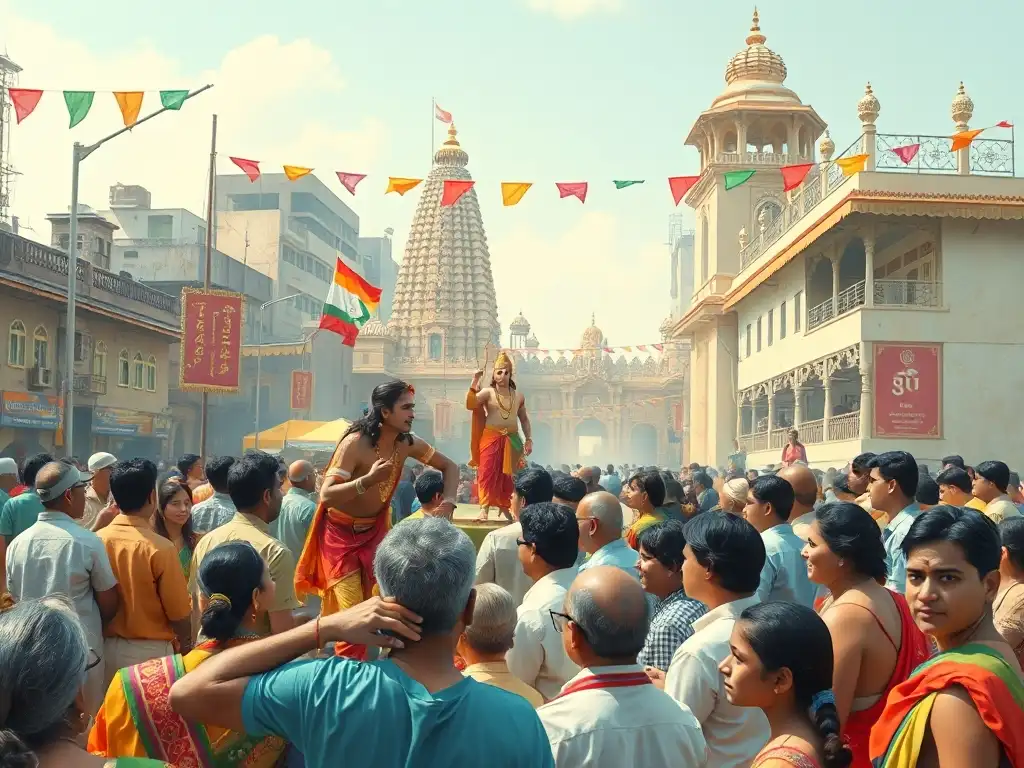
The Ramayana, one of the two great Indian epics, continues to exert a profound influence on contemporary society and culture. Its themes of duty, righteousness, devotion, and the eternal struggle between good and evil resonate deeply with modern audiences. Over the years, the Ramayana has been adapted into various forms of literature, cinema, and other media, reflecting its enduring significance in the cultural fabric of India.
Adaptations in Literature and Cinema
The narrative of the Ramayana has inspired countless adaptations across various artistic mediums. Notably, several retellings have emerged in modern literature, where authors reinterpret the epic through contemporary lenses. For instance, Ramesh Menon's "The Ramayana: A Modern Retelling" seeks to make the ancient text accessible to a broader audience while retaining its core essence.
In cinema, the Ramayana has been a crucial source of inspiration for filmmakers, leading to iconic adaptations. The 1986 television series "Ramayan," directed by Ramanand Sagar, became a cultural phenomenon, drawing massive viewership and revitalizing interest in the epic. More recent adaptations, such as animated films and web series, have further introduced the Ramayana to younger generations, ensuring that its teachings remain relevant in today's fast-paced world.
The Ramayana's Role in Contemporary Indian Society
Today, the Ramayana plays a vital role in shaping cultural values and societal norms within India. Its narratives are often invoked in discussions surrounding morality, ethics, and personal conduct. Festivals such as Diwali, which celebrates the return of Lord Rama to Ayodhya, are deeply rooted in the epic and are marked by traditional rituals and festivities across the nation.
Moreover, the Ramayana's characters serve as archetypes that influence social behavior. For example, Lord Rama embodies the ideals of dharma (righteousness), while Sita represents devotion and virtue. These figures are frequently referenced in public discourse, literature, and art, reinforcing the teachings of the epic in modern life.
Preservation of Ramayana Traditions in the Digital Age
The advent of the digital age has transformed the way the Ramayana is preserved and disseminated. Social media platforms, websites, and online forums have become spaces for discussions about the epic, allowing for a rich exchange of interpretations and insights. Digital storytelling, including podcasts and YouTube channels, has also facilitated innovative ways to engage with the Ramayana, making it accessible to a global audience.
Moreover, various institutions and cultural organizations are utilizing technology to preserve traditional performances and arts related to the Ramayana, such as dance and theater. This ensures that the epic's rich heritage continues to thrive in the face of modern challenges, fostering a deeper appreciation for its cultural significance.
Conclusion: The Enduring Legacy of the Ramayana
The Ramayana remains a cornerstone of Indian culture, influencing not just religious practices, but also literature, art, and social values. Its teachings transcend time and geography, resonating with diverse populations both within and outside India.
Summary of the Ramayana's Cultural Importance
The Ramayana's cultural significance in India is multifaceted. It serves as a moral compass, a source of artistic inspiration, and a means of fostering community and tradition. The epic's messages of love, sacrifice, and righteousness continue to inspire individuals and societies, encouraging them to reflect on their values and choices.
Reflections on the Future of Ramayana in Indian Culture
As society evolves, so too will interpretations of the Ramayana. Future generations are likely to encounter the epic through new mediums and perspectives, allowing for ongoing dialogue about its themes. The adaptability of the Ramayana ensures its relevance, promising that its legacy will endure and continue to shape Indian culture in meaningful ways. As we move forward, the challenge will be to maintain the essence of the epic while embracing modern interpretations that resonate with contemporary audiences.
References and Further Reading on the Ramayana
The Ramayana, one of the two great epics of ancient Indian literature, offers profound insights into the cultural, moral, and philosophical fabric of India. Its influence extends beyond mere storytelling, shaping the socio-religious landscape of the nation. For those interested in delving deeper into the cultural significance of the Ramayana, various resources are available that provide critical analyses, interpretations, and contextual backgrounds.
Suggested Books and Articles on Ramayana Cultural Significance
-
"The Ramayana: A New Translation" by Robert Goldman
This translation captures the essence of the original text while providing commentary on its cultural and historical significance. Goldman’s work includes an analysis of the narrative's impact on Indian society and its enduring relevance.
-
"The Ramayana: A Historical Perspective" by Kamala Subramaniam
Subramaniam explores the historical context of the Ramayana, discussing how it reflects the values and beliefs of ancient Indian civilization. This book is essential for understanding the epic's place within the broader narrative of Indian history.
-
"Ramayana and Ramkatha: A Study of the Influence of the Ramayana on Indian Culture" by T. S. Eliot
This scholarly article discusses the pervasive influence of the Ramayana across various aspects of Indian culture, from art and literature to festivals and rituals.
-
"Cultural Significance of the Ramayana in Indian Society" by R. N. Sharma
This article delves into how the Ramayana has shaped social norms, ethics, and moral values in Indian culture over centuries, making it a crucial read for anyone interested in the epic's implications on contemporary society.
-
"Retelling the Ramayana: The Cultural Legacy of Valmiki's Epic" by Arvind Sharma
This book examines the various adaptations of the Ramayana throughout history and their impact on different cultural narratives, highlighting the epic's versatility and significance.
Online Resources for Exploring the Ramayana Further
- Digital Library of India
This online repository offers access to various texts, translations, and commentaries on the Ramayana, providing a wealth of information for researchers and enthusiasts alike.
- The Ramayana Project
An initiative aimed at preserving and promoting the study of the Ramayana, this site features articles, essays, and discussions on the cultural significance of the epic in modern contexts.
- YouTube Lectures and Documentaries
Several educational channels provide lectures and documentaries that explore the Ramayana's themes, characters, and moral lessons, making it accessible for visual learners.
- Academic Journals
Journals like "Journal of Indian Literature" and "Asian Folklore Studies" often publish articles related to the Ramayana. Accessing these journals can provide in-depth scholarly discussions on various aspects of the epic.
- Online Courses and Webinars
Institutions occasionally offer online courses focusing on the Ramayana's cultural significance. These courses provide structured learning experiences and insights from experts in the field.
By exploring these resources, readers can gain a more profound understanding of the Ramayana's cultural significance in India, enriching their appreciation of this timeless epic.
- Introduction to the Ramayana
- The Cultural Significance of the Ramayana in India
- Themes and Values in the Ramayana
- Ramayana's Impact on Regional Cultures
- The Ramayana in Modern Times
- Conclusion: The Enduring Legacy of the Ramayana
- References and Further Reading on the Ramayana
Frequently Asked Questions
What is the Ramayana?
The Ramayana is an ancient Indian epic that narrates the life of Lord Rama, his wife Sita, and his loyal companion Hanuman. It is a key text in Hindu culture and reflects moral values and dharma.
How does the Ramayana influence Indian culture?
The Ramayana significantly influences arts, literature, and festivals in India. Its themes of love, duty, and righteousness resonate deeply in various cultural practices.
What are the major themes found in the Ramayana?
The Ramayana explores themes such as dharma (duty), loyalty, sacrifice, and the struggle between good and evil. These themes are essential in understanding the moral fabric of Indian society.
How is the Ramayana celebrated in modern India?
The Ramayana is celebrated through various festivals, most notably Diwali, which marks Rama's return to Ayodhya. It also inspires numerous theatrical performances, dance, and art forms across the country.
What is the cultural significance of the Ramayana in contemporary society?
The Ramayana serves as a moral compass and a source of inspiration in contemporary society, reinforcing values such as honor, truth, and integrity while promoting a sense of community and identity among people.
Final Reflection: The Enduring Cultural Significance of the Ramayana
The Ramayana is not just an ancient epic; it is a vibrant tapestry that continues to weave its threads through the cultural fabric of India today. As we explore its narratives and teachings, we uncover timeless values that resonate with contemporary society, reminding us of the importance of duty, honor, and the quest for righteousness. The relevance of the Ramayana in modern India is undeniable, serving as a guiding light for many in navigating the complexities of life.
Culturally, the Ramayana has left an indelible mark on art, literature, and social practices, influencing generations and shaping collective identities. The stories of Rama, Sita, and Hanuman transcend mere storytelling; they are reflections of our struggles, aspirations, and moral dilemmas. As the renowned scholar R. K. Narayan once said, "> The Ramayana is a story that is not just told; it is lived." This living legacy continues to inspire countless adaptations, performances, and discussions, showcasing its profound impact on the cultural landscape of India.
As we conclude this exploration, I invite you to reflect on how the teachings of the Ramayana can enrich your own life. Consider how the values of courage, loyalty, and compassion can guide your actions and decisions in today's world. Embrace the lessons of this epic, and let them inspire you to create a more harmonious and just society. The journey through the Ramayana is not merely an academic pursuit; it is an invitation to engage with our shared humanity and to carry forward its wisdom into the future.
Unleash the Wisdom of the Ramayana!
Thank you for exploring the rich tapestry of the Ramayana with us! You've taken a significant step in understanding its cultural significance and timeless teachings. Now, it’s time to dive deeper and take action!
Here are a few ways you can keep the spirit of this journey alive:
- Engage with the Text: Choose a version of the Ramayana that resonates with you and immerse yourself in its captivating stories. Reflect on the lessons they impart in your daily life.
- Share the Knowledge: Engage in discussions about its themes with friends or family. Open a dialogue about the relevance of these ancient tales in today’s world.
- Explore Cultural Events: Get involved in local performances or festivals that celebrate the Ramayana. Embrace the stories through art and community experiences.
What resonates most with you about the teachings of the Ramayana, and how do you plan to incorporate them into your life? ✨