
The Decoding Journey: Famous Epigraphists Who Changed Our Understanding

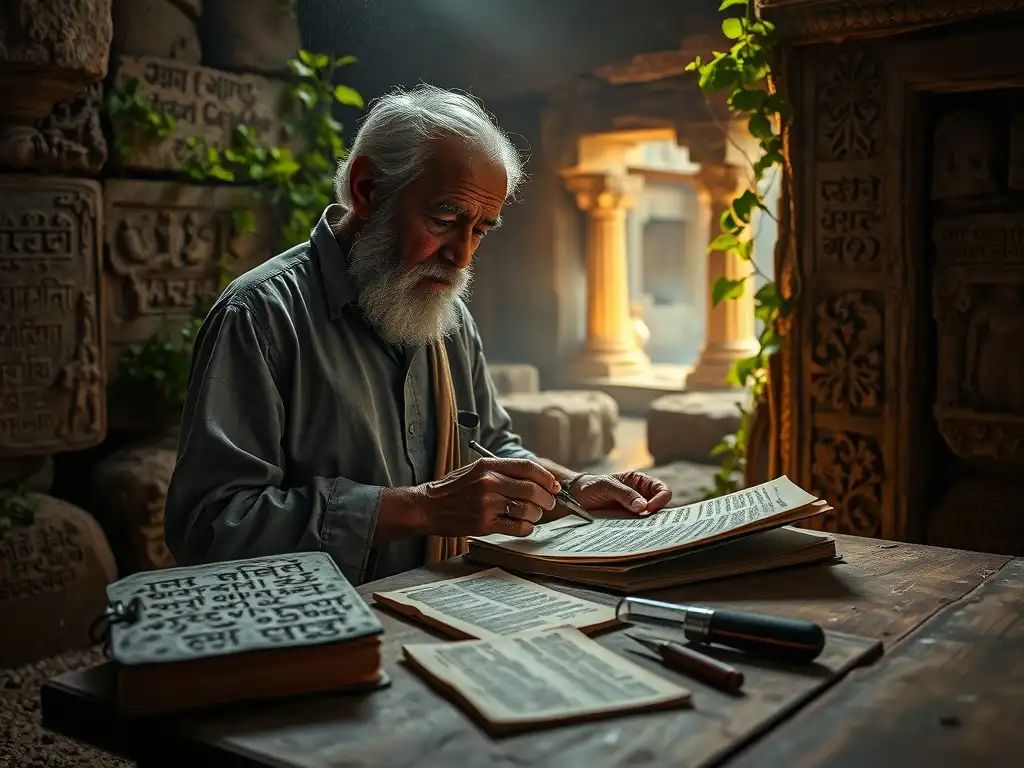
Welcome to Ancient India History, where we embark on a captivating journey through the rich tapestry of India’s past! Here, we delve into the remarkable stories of ancient civilizations, from the enigmatic Indus Valley to the illustrious Gupta Empire. In our featured article, "The Decoding Journey: Famous Epigraphists Who Changed Our Understanding," we shine a spotlight on the famous Indian epigraphists whose meticulous work has unveiled the secrets of our heritage.
Join us as we explore how their groundbreaking discoveries have reshaped our understanding of history, culture, and civilization in ancient India. Dive deeper, and let your curiosity lead the way!
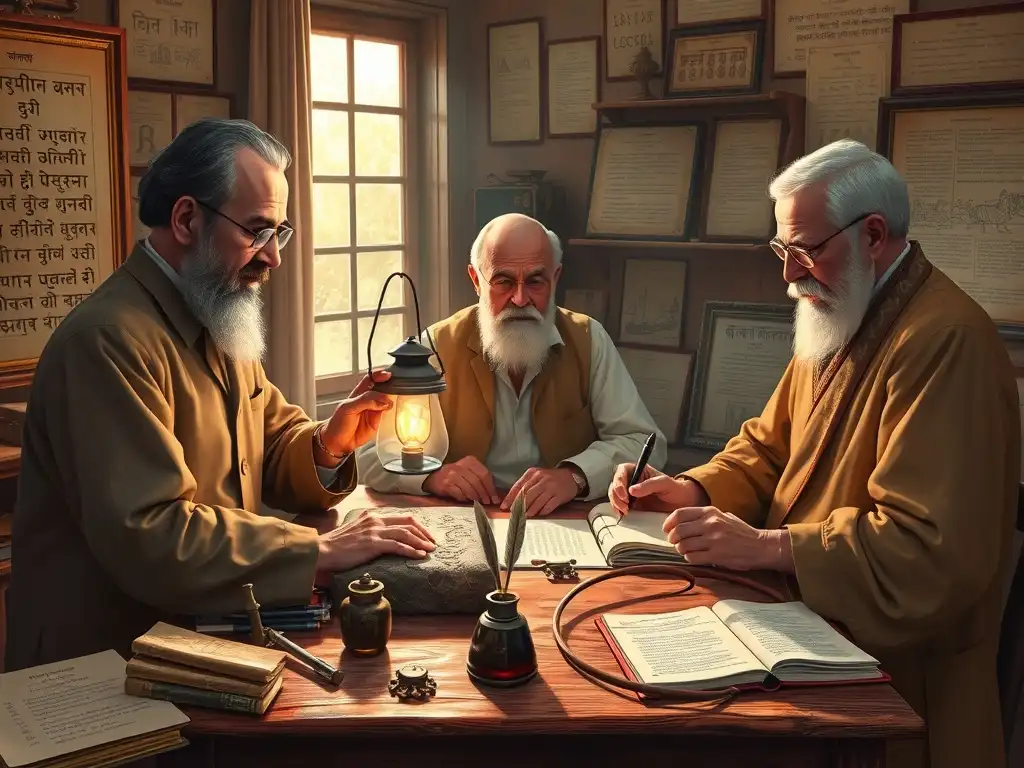
Introduction to Epigraphy and Its Importance in Ancient Indian History
The journey of understanding ancient civilizations is often paved with inscriptions that offer a glimpse into their culture, politics, and societal norms. Epigraphy, the study of inscriptions, plays a pivotal role in unraveling the narratives of ancient India, from the sophisticated urban planning of the Indus Valley Civilization to the philosophical advancements during the Gupta Empire.
The contributions of famous Indian epigraphists have been instrumental in decoding these ancient texts, transforming our comprehension of historical events, languages, and the evolution of societies. This article delves into the lives and works of renowned epigraphists, showcasing their critical role in shaping the field of epigraphy and enhancing our understanding of Indian history.
What is Epigraphy?
Epigraphy is defined as the study and interpretation of inscriptions engraved on durable materials such as stone, metal, or clay. These inscriptions can range from simple engravings to complex scripts that convey significant information about past civilizations. In ancient India, epigraphy serves as a primary source of historical data, providing insights into:
- Political Structures: Records of kings, dynasties, and territorial conquests.
- Religious Practices: Inscriptions related to temples, rituals, and spiritual beliefs.
- Social Dynamics: Information about trade, crafts, and everyday life.
The meticulous study of these inscriptions has allowed historians to piece together fragmented histories and understand the rich tapestry of ancient Indian cultures.
The Role of Epigraphists in Deciphering Ancient Scripts
Epigraphists are specialists who focus on reading, interpreting, and analyzing inscriptions. Their expertise is crucial in deciphering ancient scripts that may be unfamiliar to contemporary scholars. Through careful examination, epigraphists employ various techniques, including:
- Paleography: The study of ancient handwriting styles and scripts.
- Linguistics: Understanding the language and dialects of the inscription's period.
- Contextual Analysis: Considering the archaeological and historical context of the inscription.
By combining these methodologies, epigraphists can unlock the secrets held within ancient texts, offering invaluable contributions to our understanding of history.
Significance of Famous Indian Epigraphists in Historical Context
The field of epigraphy in India has been enriched by the works of several eminent epigraphists, whose findings have significantly altered our understanding of historical narratives. Their efforts have led to:
- Revising Historical Timelines: Discoveries that have prompted historians to reassess the chronology of events.
- Highlighting Cultural Exchanges: Evidence of interactions between different cultures and civilizations.
- Preserving Heritage: The documentation and publication of inscriptions ensure that future generations have access to this crucial knowledge.
These contributions underscore the importance of epigraphists in bridging the gap between ancient texts and modern understanding.
Overview of Famous Indian Epigraphists
The impact of notable Indian epigraphists cannot be overstated, as their groundbreaking work has illuminated many aspects of ancient Indian history. This section will explore some of the most influential figures in the field.
Key Contributions of Indian Epigraphists in History
Several famous Indian epigraphists have made significant contributions to the field, such as:
- James Princep: Known for deciphering the Brahmi script, his work laid the foundation for understanding numerous inscriptions across India.
- R. C. Majumdar: His extensive studies of inscriptions helped in reconstructing the political and cultural history of ancient India.
- N. S. Rajaram: Focused on the Indus Valley inscriptions, contributing to discussions on the origins of writing in India.
Each of these epigraphists has played a vital role in enhancing our knowledge of India's past, influencing both academic discourse and public understanding.
The Evolution of Epigraphy Studies in India
The discipline of epigraphy has evolved significantly over the years. Initially, much of the work was focused on translating inscriptions for historical narratives. However, contemporary epigraphy encompasses a broader range of studies, including:
- Digital Epigraphy: Utilizing technology to analyze and preserve inscriptions.
- Interdisciplinary Approaches: Collaborating with archaeology, linguistics, and cultural studies to gain a holistic understanding of inscriptions.
- Public Engagement: Increasing efforts to educate the public about the importance of epigraphy in understanding heritage and history.
This evolution reflects the dynamic nature of the field and its ongoing relevance in contemporary scholarship.
Major Figures in Indian Epigraphy
The field of Indian epigraphy has been significantly shaped by several key figures whose contributions have led to profound insights into the history and culture of ancient India. Their work in deciphering inscriptions and understanding the context of various scripts has not only enriched our knowledge but also provided a framework for further archaeological and historical studies. Here are some of the most influential epigraphists in Indian history.
1. James Prinsep: The Pioneer of Indian Epigraphy
James Prinsep (1799-1840) is often hailed as the father of Indian epigraphy due to his groundbreaking work in deciphering Brahmi and Kharosthi scripts. Initially working as a civil servant in British India, Prinsep's fascination with ancient inscriptions led him to dedicate his life to the study of ancient texts. His most notable achievement came in 1837 when he successfully deciphered the Brahmi script on the Edicts of Ashoka, which unveiled significant insights into the Mauryan Empire's governance and philosophy.
Prinsep's meticulous analysis of inscriptions not only established a foundation for epigraphical studies in India but also highlighted the importance of these texts in understanding the socio-political and religious landscape of ancient times. His work encouraged other scholars to pursue similar lines of inquiry, thus expanding the field of epigraphy.
2. Alexander Cunningham: The Father of Indian Archaeology
Alexander Cunningham (1814-1893) played a pivotal role in the development of archaeology and epigraphy in India. As the first Director General of the Archaeological Survey of India, Cunningham's contributions were manifold. He was instrumental in the systematic exploration and documentation of ancient sites and inscriptions across the Indian subcontinent.
Cunningham's extensive research on the inscriptions of Ashoka and other ancient rulers provided invaluable data for understanding the political and cultural dynamics of the time. His publications, including the "Archaeological Survey of India Reports," served as foundational texts for subsequent generations of historians and archaeologists. Cunningham's emphasis on the relationship between inscriptions and historical context helped to establish epigraphy as a crucial tool for archaeological research.
3. R. C. Majumdar: A Scholar of Ancient Indian History
Ramesh Chandra Majumdar (1888-1980) was a prominent historian whose work significantly impacted the study of ancient Indian history through epigraphy. He focused on the interpretation of inscriptions to reconstruct the socio-political fabric of ancient India. Majumdar's research emphasized the importance of epigraphical evidence in understanding the dynamics of power, trade, and cultural exchanges in ancient civilizations.
His publications, including "Ancient India," offered comprehensive analyses of various inscriptions and their implications for historical narratives. Majumdar's scholarly endeavors not only illuminated the significance of epigraphy but also inspired future historians to delve deeper into the rich tapestry of India's past, acknowledging the role of inscriptions in substantiating historical claims.
The Impact of Famous Epigraphists on Our Understanding
The contributions of these epigraphists have profoundly reshaped our understanding of ancient Indian history. Their work has not only uncovered lost narratives but also connected disparate historical threads, allowing us to see a more cohesive picture of the past.
How Their Work Reshaped Ancient Indian History
The deciphering of ancient inscriptions has transformed our knowledge of various dynasties, cultures, and religions that thrived in India. For instance, Prinsep's work on Ashoka's edicts revealed the Emperor's commitment to Dharma and governance, thereby altering perceptions of Mauryan administration. Similarly, Cunningham's explorations brought to light the historical significance of numerous archaeological sites, prompting a reevaluation of India's ancient urban centers and trade routes.
These findings have led to a deeper appreciation of the continuity and change within Indian civilization, showcasing how inscriptions serve as a bridge connecting the past to the present. By piecing together historical narratives from the inscriptions, scholars have been able to challenge established historical views and propose new hypotheses about ancient Indian society.
The Relationship Between Epigraphy and Archaeology
Epigraphy and archaeology share a symbiotic relationship that enhances our understanding of ancient cultures. Inscriptions often provide critical context for archaeological finds, helping to date artifacts and elucidate their significance. For example, the dating of stone carvings and inscriptions found at archaeological sites can offer insights into the period's political and cultural milieu.
Moreover, archaeological discoveries frequently prompt new interpretations of inscriptions, pushing scholars to reconsider their meanings in light of material culture. This interplay between the two fields not only enriches our historical narrative but also ensures that the study of ancient India remains dynamic and evolving, continually informed by new discoveries and interpretations. The work of famous epigraphists has thus laid the groundwork for an integrated approach to understanding ancient Indian history through the lenses of both epigraphy and archaeology.
Challenges Faced by Epigraphists in Deciphering Scripts
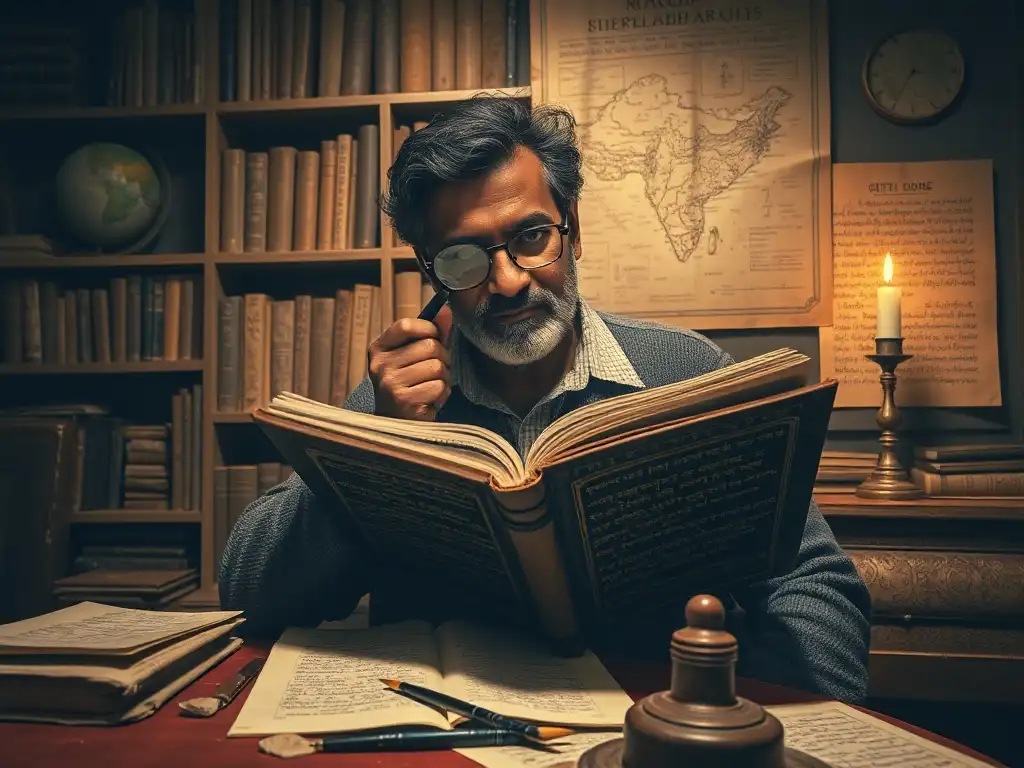
Epigraphists, specialists who study inscriptions, often encounter numerous challenges in their quest to decode ancient scripts. The complexities arise from various factors that can impede their understanding and interpretation. One significant challenge is the incomplete or damaged inscriptions. Many ancient inscriptions are found in a deteriorated state, making it difficult to discern the full message. The physical condition of the material—whether stone, metal, or clay—can significantly influence the readability of the text.
Another issue is the linguistic diversity present in ancient India. The coexistence of multiple languages and dialects, such as Sanskrit, Prakrit, and regional languages, complicates the deciphering process. Each script may have evolved in different contexts, leading to variations that can mislead epigraphists. Furthermore, the cultural and historical context in which these inscriptions were created is crucial. A lack of understanding or documentation regarding the specific time period or local customs can lead to misinterpretations.
Additionally, epigraphists often face limitations in access to resources. The need for advanced technology and comparative studies with contemporary scripts is essential for accurate decoding, yet such resources may not always be available. The combination of these challenges makes the work of epigraphists both intricate and rewarding, requiring a blend of patience, skill, and interdisciplinary knowledge.
Common Issues in Decoding Ancient Inscriptions
Decoding ancient inscriptions is fraught with common issues that can hinder accurate interpretation. One prevalent issue is the ambiguity of symbols. Many ancient scripts contain symbols whose meanings can shift depending on their context or usage. This ambiguity can lead to multiple interpretations of the same text, complicating the deciphering process.
Another common problem is the absence of reference materials. Inscriptions often lack the bilingual texts or glossaries that would aid in translation, making it challenging for epigraphists to establish a clear understanding of the language. Additionally, regional dialects and script variations can obscure the intended meaning of inscriptions, further complicating efforts.
Cultural references embedded in the texts also pose difficulties. Epigraphists must have a deep understanding of the socio-political and religious milieu of the time to decipher references accurately. Without this contextual knowledge, even seemingly straightforward inscriptions can yield misleading interpretations.
Conclusion: The Lasting Legacy of Famous Indian Epigraphists
The contributions of famous Indian epigraphists have left an indelible mark on our understanding of ancient civilizations. Through their meticulous work, epigraphists have unveiled rich narratives hidden within inscriptions, providing insights into the social, political, and religious aspects of ancient Indian life. Their deciphering of scripts has not only expanded the historical record but has also enhanced our understanding of language development and cultural exchange in the region.
Moreover, the legacy of these scholars extends beyond mere translation; it encompasses the fostering of interdisciplinary approaches that combine history, archaeology, and linguistics. Their work exemplifies the importance of collaboration in the field of epigraphy, encouraging future generations to build upon their findings.
The Future of Epigraphy in Understanding Ancient Civilizations
The future of epigraphy holds great promise for advancing our understanding of ancient civilizations. With the advent of digital technologies and data analysis tools, epigraphists can now analyze inscriptions with unprecedented precision. Techniques such as 3D scanning and imaging allow for the preservation and study of inscriptions in ways that were previously unimaginable. This technological integration will likely yield new insights and facilitate the decoding of previously inaccessible texts.
Furthermore, the growing interest in interdisciplinary research will continue to enhance the field of epigraphy. Collaborations between linguists, historians, archaeologists, and computer scientists can lead to innovative methodologies that drive new discoveries. As the field evolves, epigraphists will increasingly be able to connect ancient texts with broader historical narratives, enriching our understanding of cultural heritage.
Encouraging New Generations to Explore Epigraphy
To ensure the continued growth and significance of epigraphy, it is essential to encourage new generations to explore this fascinating field. Educational initiatives that highlight the importance of ancient inscriptions can spark interest among students and young scholars. Incorporating epigraphy into history and archaeology curricula can provide students with a tangible connection to their heritage.
Moreover, initiatives such as workshops, seminars, and field studies can offer hands-on experiences for aspiring epigraphists. Engaging with local communities to promote awareness of their historical inscriptions may also foster a sense of pride and ownership over cultural heritage.
By investing in the education and engagement of new scholars, we can ensure that the legacy of famous Indian epigraphists continues to thrive, paving the way for future discoveries that deepen our understanding of ancient civilizations.
References and Further Reading on Famous Indian Epigraphists
The study of epigraphy in India is enriched by a plethora of references and literature that delve into the lives and contributions of renowned epigraphists. These works not only illuminate the methodologies employed in deciphering ancient scripts but also present the historical context and significance of various inscriptions. Engaging with these references can provide deeper insights into the evolution of Indian epigraphy and its impact on understanding ancient Indian civilizations.
Recommended Books and Articles on Indian Epigraphy
-
"Indian Epigraphy" by D.C. Sircar
This seminal work offers a comprehensive overview of Indian epigraphy, covering diverse scripts, inscriptions, and the methodologies of prominent epigraphists. Sircar's analysis is crucial for anyone looking to grasp the foundational aspects of the field.
-
"Inscriptions of Ashoka" by R. C. Sharma
This book focuses on the inscriptions of Emperor Ashoka, detailing their historical significance and the epigraphical techniques used for their interpretation. Sharma provides a meticulous examination of Ashoka's edicts and their implications for understanding Mauryan rule.
-
"The History and Culture of the Indian People" edited by R. C. Majumdar
This extensive series includes discussions on various epigraphists and their pivotal roles in decoding inscriptions that shed light on India's ancient past. It is an essential resource for understanding the broader cultural context.
-
"The Language of the Inscriptions" by H. Sarkar
Sarkar's work explores the linguistic aspects of inscriptions, offering insights into the languages used in ancient India, their evolution, and the contributions of notable epigraphists in deciphering them.
-
Academic Journals
Journals such as the Journal of Indian History and Indian Antiquary often publish articles on epigraphy, featuring studies on specific inscriptions and the contributions of epigraphists. Subscribing to these journals can keep readers updated on the latest research in the field.
Online Resources for Aspiring Epigraphists
-
Digital Epigraphy
Websites such as the Digital Epigraphy Project offer valuable resources for aspiring epigraphists, including databases of inscriptions, tools for analysis, and educational materials that cover various aspects of the field.
-
Indian Archaeological Society
The Indian Archaeological Society provides access to research papers, articles, and news on ongoing epigraphical research and excavations, serving as a hub for those interested in the intersection of archaeology and epigraphy.
-
Online Courses and Webinars
Platforms like Coursera and edX occasionally offer courses on ancient Indian history and epigraphy. These can be beneficial for learners seeking structured knowledge from experts in the field.
-
Social Media Groups and Forums
Engaging in online forums and social media groups dedicated to epigraphy can provide aspiring epigraphists with networking opportunities, mentorship, and access to shared resources and experiences from established scholars in the field.
-
YouTube Channels
Some educational YouTube channels focus on ancient Indian history, including segments on epigraphy. These visual resources can be particularly helpful for visual learners and provide engaging discussions on various epigraphical topics.
By exploring these resources, both aspiring and established epigraphists can enhance their knowledge and contribute to the ongoing journey of decoding ancient scripts and understanding the rich history of India.
- Introduction to Epigraphy and Its Importance in Ancient Indian History
- Overview of Famous Indian Epigraphists
- Major Figures in Indian Epigraphy
- The Impact of Famous Epigraphists on Our Understanding
- Challenges Faced by Epigraphists in Deciphering Scripts
- Conclusion: The Lasting Legacy of Famous Indian Epigraphists
- References and Further Reading on Famous Indian Epigraphists
- What is the significance of epigraphists in Indian history?
- Who are some of the most famous Indian epigraphists mentioned in the article?
- How do epigraphs contribute to our knowledge of ancient Indian civilizations?
- What periods or empires are covered in relation to famous Indian epigraphists?
- How can one get started in the field of epigraphy?
Frequently Asked Questions
What is the significance of epigraphists in Indian history?
Epigraphists play a crucial role in understanding ancient texts and inscriptions, revealing insights about cultural, social, and political aspects of historical civilizations.
Who are some of the most famous Indian epigraphists mentioned in the article?
The article highlights several notable epigraphists, including James Prinsep and R. D. Banerji, who made significant contributions to deciphering ancient inscriptions.
How do epigraphs contribute to our knowledge of ancient Indian civilizations?
Epigraphs provide primary sources of information that help historians reconstruct the social, economic, and religious contexts of ancient times, enhancing our understanding of various civilizations.
What periods or empires are covered in relation to famous Indian epigraphists?
The article explores the contributions of epigraphists across various periods, including the Indus Valley Civilization and the Gupta Empire, showcasing their impact on historical interpretation.
How can one get started in the field of epigraphy?
To pursue a career in epigraphy, individuals should focus on archaeology, history, and linguistics, often seeking formal education or training in these areas to develop their expertise.
Final Reflection: The Enduring Legacy of Epigraphy
The journey of decoding ancient inscriptions is not merely an academic pursuit; it is a vital link to our shared history and cultural identity. In today's world, where globalization often overshadows local narratives, the work of famous Indian epigraphists serves as a powerful reminder of the importance of preserving our heritage. Their contributions have not only illuminated the past but have also shaped our understanding of cultural evolution and identity in a rapidly changing society.
The influence of epigraphy extends far beyond the realm of archaeology; it resonates deeply within our cultural consciousness. The insights gleaned from the inscriptions have sparked discussions about identity, heritage, and the continuity of tradition in modern India. As we reflect on the words of the renowned epigraphist, "To read the past is to understand the present," we are reminded that these ancient texts hold the keys to unlocking the complexities of our current societal fabric. History is not just about the past; it is a lens through which we can view our future.
As we conclude this exploration of famous Indian epigraphists and their transformative impact, I invite you to engage with your own history. Consider how the lessons from the past can inform your present actions and decisions. Reflect on the stories that have shaped your identity and think about how you can contribute to the preservation of your cultural heritage. Let us honor the legacy of those who came before us by actively participating in the ongoing journey of understanding and appreciating our rich historical tapestry.
Unveil the Secrets of Epigraphy Today!
Thank you for joining us on this fascinating journey through the world of epigraphy and the remarkable lives of those who transformed our understanding of ancient texts. We hope you’ve found inspiration in the stories of these dedicated scholars!
Now, it’s time to take action and further immerse yourself in this captivating field:
- Dive deeper into epigraphy by exploring local museums or libraries that showcase ancient inscriptions or related exhibits.
- Join a community of history enthusiasts—whether through online forums or social media groups—where you can share insights and learn from fellow epigraphy enthusiasts.
- Venture beyond just reading; try your hand at decoding an ancient script or inscription. You might uncover a hidden gem!
What will your next step be in unraveling the stories of our past? We’d love to hear your thoughts in the comments!