
Dance as Devotion: The Role of Performing Arts in Ancient Religious Practices

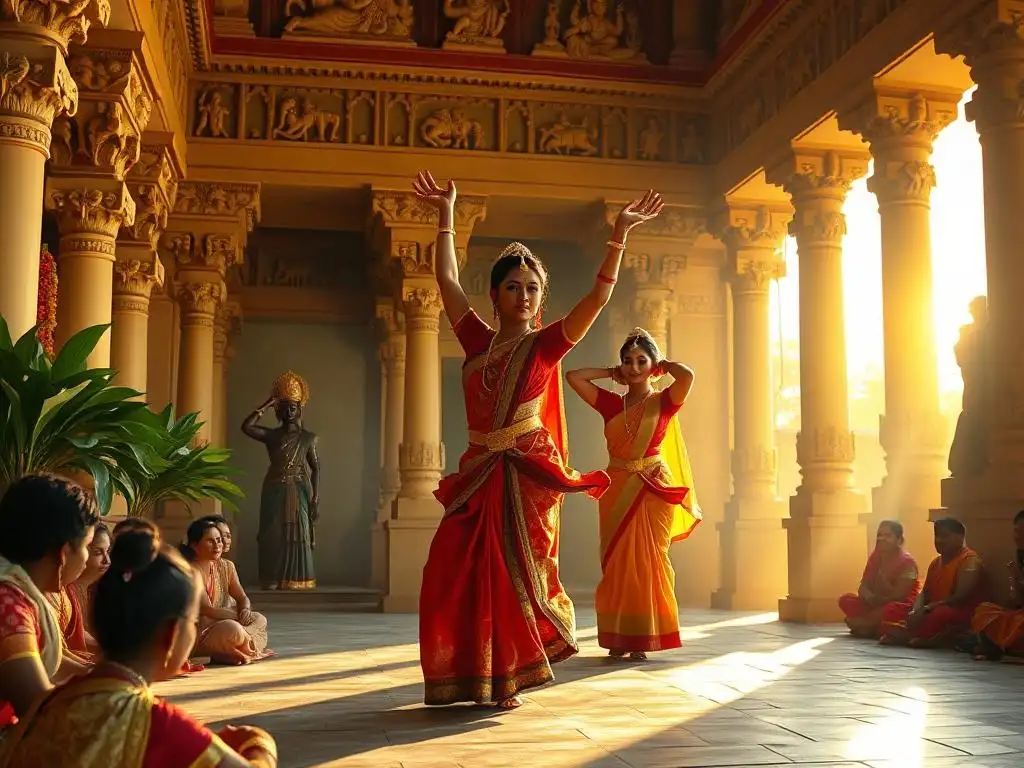
Welcome to Ancient India History, where we embark on a fascinating journey through the rich tapestry of India's past. Unravel the mysteries of ancient Indian dance traditions as we delve into how these art forms transcended mere performance, embodying devotion and spirituality in religious practices. From the intricate movements of temple dancers to the vibrant expressions of cultural storytelling, each step tells a story waiting to be discovered. Join us as we explore the profound impact of dance on ancient civilizations and uncover the vibrant legacy that continues to resonate today. Are you ready to dance through history?
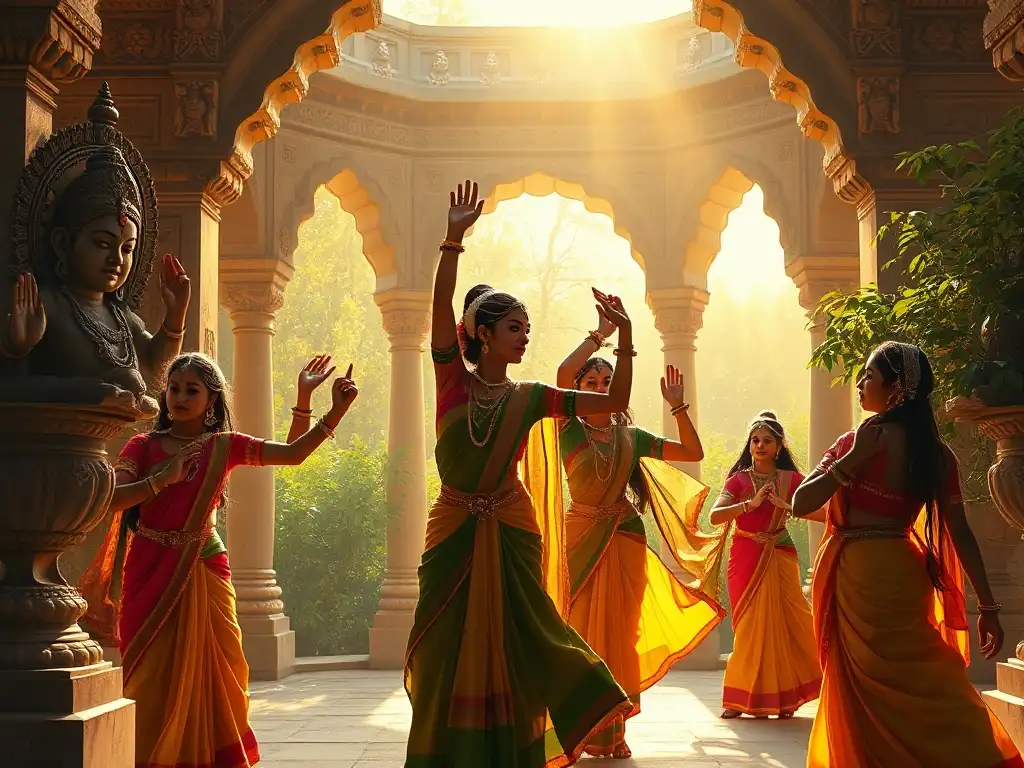
Introduction to Ancient Indian Dance Traditions
The intricate tapestry of ancient Indian history is woven with the vibrant threads of its dance traditions, which serve as a profound medium of spiritual expression and cultural identity. Dance in ancient India was not merely a form of entertainment; it was a sacred ritual that bridged the gap between the earthly and the divine.
These ancient Indian dance traditions, steeped in religious significance, provided a unique platform for devotees to express their devotion and connect with the spiritual realm. As we delve into this captivating subject, we will explore how dance functioned as both a form of worship and a reflection of the rich cultural heritage of India, from the early Indus Valley civilization to the flourishing Gupta Empire.
Overview of Dance as a Spiritual Expression
Dance in ancient India was inherently tied to spirituality, serving as a vital expression of devotion across various religions. These dance forms were often performed in temples and sacred spaces, embodying the principles of devotion (bhakti) and surrender (prapatti) to the deities. Notable examples include:
- Bharatanatyam: Originating from Tamil Nadu, this classical dance form intricately narrates the stories of Hindu gods and goddesses through expressive gestures, facial expressions, and rhythmic footwork.
- Kathak: This dance style, rooted in storytelling, often conveys tales from the epics, particularly the life of Lord Krishna, showcasing the deep connection between narrative and spirituality.
As dancers moved gracefully, they became conduits for divine energy, transforming the performance into an act of worship that transcended the physical realm.
Importance of Performing Arts in Ancient Indian Religions
The performing arts, particularly dance, played a crucial role in ancient Indian religions by facilitating communication between humanity and the divine. Through meticulously choreographed movements, dancers expressed devotion, reverence, and gratitude to the gods, creating a sacred atmosphere that elevated the spiritual experience for both performers and audiences alike. Additionally, these art forms served as:
- Educational tools: They were instrumental in passing down religious narratives, ethics, and cultural values from one generation to the next.
- Community bonding: Group performances fostered a sense of community and collective devotion, strengthening social ties among participants and spectators.
The intertwining of dance with religious practices highlights its significance as a vital component of ancient Indian culture.
Historical Context of Dance in Ancient India
Understanding the historical context of dance in ancient India allows us to appreciate its evolution and impact on contemporary art forms. From the Indus Valley civilization to the Gupta Empire, dance has undergone remarkable transformations influenced by various cultural and religious currents.
Evolution of Dance Forms in Early Civilizations
In the early civilizations of India, particularly during the Indus Valley (c. 3300–1300 BCE), evidence suggests that dance was integral to social and religious practices. Archaeological findings, such as terracotta figurines depicting dancers, indicate that movement played a significant role in their rituals. As civilizations evolved, dance forms began to diversify, influenced by factors such as:
- Regional variations: Different regions developed unique styles and techniques, reflecting local customs and beliefs.
- Cultural exchanges: Trade routes facilitated interactions with neighboring cultures, enriching the Indian dance landscape with new elements and ideas.
This dynamic evolution laid the groundwork for the classical dance forms that emerged in later periods.
Influence of Religion on Dance Development
Religion has been a dominant force shaping the development of dance in ancient India. As the major religions—Hinduism, Buddhism, and Jainism—gained prominence, they infused dance with new themes, narratives, and rituals. Key influences include:
- Hindu mythology: Many dance forms are directly inspired by Hindu epics like the Mahabharata and Ramayana, showcasing the tales of gods, heroes, and moral lessons.
- Buddhist practices: Buddhist rituals incorporated dance as a means of meditation and spiritual expression, influencing the development of various forms that emphasized grace and tranquility.
The interplay between religion and dance not only enriched the artistic landscape but also solidified dance's role as a revered form of devotion in ancient Indian society.
Major Ancient Indian Dance Traditions
Ancient Indian dance traditions are deeply intertwined with the religious and cultural fabric of the subcontinent. These performance arts not only serve as a medium of entertainment but also as a profound expression of spirituality and devotion. Each dance form has its unique history, style, and significance, reflecting the diverse religious practices across different regions of India. The evolution of these dance forms can be traced back to ancient texts, sculptures, and temple murals, showcasing their integral role in worship and spiritual expression.
Bharatanatyam: The Temple Dance of Tamil Nadu
Bharatanatyam, one of the oldest classical dance forms of India, originated in the temples of Tamil Nadu over 2,000 years ago. Traditionally performed by Devadasis, women dedicated to temple service, Bharatanatyam combines intricate footwork, expressive hand gestures (mudras), and facial expressions (abhinaya) to tell stories from Hindu mythology, particularly those of deities like Shiva and Durga. The dance is characterized by its graceful movements and rigorous rhythmic patterns, often accompanied by Carnatic music.
The dance form serves not only as an artistic expression but also as a spiritual offering, where the dancer seeks to achieve a connection with the divine. The dance is performed in a specific attire, typically a silk saree adorned with traditional jewelry, which adds to its visual splendor. Bharatanatyam's revival in the 20th century has led to its increased recognition worldwide, allowing it to maintain its cultural significance while adapting to contemporary themes.
Kathak: The Storytelling Dance of North India
Kathak, a classical dance form that flourished in North India, is known for its intricate footwork and expressive storytelling. The word "Kathak" is derived from the Sanskrit term "Katha," meaning story. This dance form evolved under the influence of both Hindu and Islamic cultures, particularly during the Mughal era.
Kathak is characterized by its fast-paced footwork, spins (chakkar), and expressive gestures, which convey a narrative. It often depicts tales from the Ramayana and Mahabharata, as well as romantic themes of divine love, particularly in the context of Radha and Krishna. The performance is usually accompanied by Hindustani classical music, with a focus on rhythm and improvisation.
The dance form's flexibility allows for a blend of both devotional and secular themes, making it highly versatile. Kathak dancers typically wear elaborate costumes adorned with intricate embroidery and jewelry, enhancing the overall aesthetic experience. Its evolution into a contemporary art form has retained its traditional roots while incorporating modern elements.
Odissi: The Sacred Dance of Odisha
Odissi, one of the oldest classical dance forms, hails from the eastern state of Odisha. It has its origins in the temple dance traditions of the Bhakti movement, where dancers, known as Maharis, performed in temples as a form of worship. Odissi is distinctive for its fluid movements, graceful postures (mudras), and intricate footwork, embodying the essence of devotion.
The dance often portrays themes from Hindu mythology, particularly the love stories of Radha and Krishna. The unique "tribhangi" posture, where the body is divided into three bends, is a hallmark of Odissi, symbolizing the divine feminine. Performances are usually accompanied by traditional Odissi music, featuring instruments like the mardala and flute.
Odissi has gained international recognition for its aesthetic beauty and spiritual depth. The revival of this dance form in the 20th century has led to its inclusion in various cultural festivals and performances, allowing it to flourish both in India and abroad.
Manipuri: The Dance of the Manipur Valley
Manipuri dance is a classical dance form that originates from the northeastern state of Manipur. Known for its graceful and delicate movements, Manipuri is often characterized by its lyrical quality and emotive expressions. The dance form is deeply rooted in the religious traditions of the region, particularly Vaishnavism, and is often performed to narrate stories of Lord Krishna.
Manipuri dances are typically performed in groups and involve intricate footwork and swaying movements, often accompanied by traditional instruments such as the pena and dhol. The dancers wear elaborate costumes, including the traditional "khamba" attire for male dancers and the "nupi sewa" for females, enhancing the vibrant visual appeal.
This dance form showcases various styles, including the Ras Lila, which depicts the divine love between Radha and Krishna, and other rituals celebrating local deities. Manipuri dance serves as a form of devotion, emphasizing the spiritual connection between the performer and the divine.
Mohiniyattam: The Dance of the Enchantress
Mohiniyattam is a classical dance form from Kerala, often referred to as the "Dance of the Enchantress." With its origins in the temples, Mohiniyattam embodies feminine grace and beauty. The dance form is characterized by fluid movements, subtle expressions, and intricate hand gestures, showcasing the artist's emotions and storytelling abilities.
Traditionally performed by women, Mohiniyattam often depicts themes of love and devotion, particularly focusing on the stories of Lord Krishna. The dance is performed in a distinctive attire, usually a white saree with a golden border, symbolizing purity and elegance. Accompanied by Carnatic music, the performance emphasizes rhythm and lyrical expression.
Mohiniyattam has evolved over the years, gaining popularity beyond its regional roots while still maintaining its spiritual essence. The revival of this dance form in the modern era has led to its recognition as an important cultural treasure of India.
The Role of Dance in Religious Ceremonies
Dance has played a pivotal role in ancient Indian religious ceremonies, serving as a means to connect with the divine and express devotion. It transcends mere performance, embodying a spiritual practice that enhances the overall religious experience. From temple rituals to festive celebrations, dance is integral to the expression of faith and cultural identity.
Ritualistic Significance of Dance in Temples
In ancient India, dance was an essential component of temple rituals, believed to invoke the presence of deities. Temples served as sacred spaces where dancers performed to honor the gods, creating a divine atmosphere through their movements. Dance sequences were meticulously choreographed, often aligned with specific rituals and ceremonies.
The ritualistic significance of dance in temples can be seen in various classical forms, where performers would engage in elaborate offerings and meditative movements, merging the physical with the spiritual. Each dance form had its unique significance, with specific gestures and postures designed to convey reverence and devotion.
Dance as a Medium for Devotional Expression
Dance has long been regarded as a powerful medium for expressing devotion and spirituality in ancient India. Through intricate movements and expressive gestures, dancers conveyed profound feelings of love, longing, and surrender to the divine. This form of expression allowed devotees to connect intimately with their faith, transcending verbal communication.
Devotional dance often involved storytelling, where dancers narrated tales from religious texts, bringing to life the exploits of gods and goddesses. The emotional depth of these performances resonated with audiences, inspiring a sense of spiritual upliftment and connectedness to the divine.
Festivals Celebrating Dance and Religion
Numerous festivals in ancient India celebrated the intertwining of dance and religion, showcasing the vibrancy of ancient Indian dance traditions. Events such as Navaratri, Diwali, and various temple festivals feature performances that highlight the rich cultural heritage and spiritual significance of dance.
During these festivals, dancers often performed in elaborate ensembles, adorned in traditional attire that reflects the region's cultural identity. Each performance served as a tribute to deities, reinforcing community bonds and fostering a sense of shared spirituality. These festivals not only celebrated religious beliefs but also provided a platform for the transmission of dance traditions from generation to generation, ensuring their perpetuation in the cultural landscape of India.
Symbolism and Themes in Ancient Indian Dance
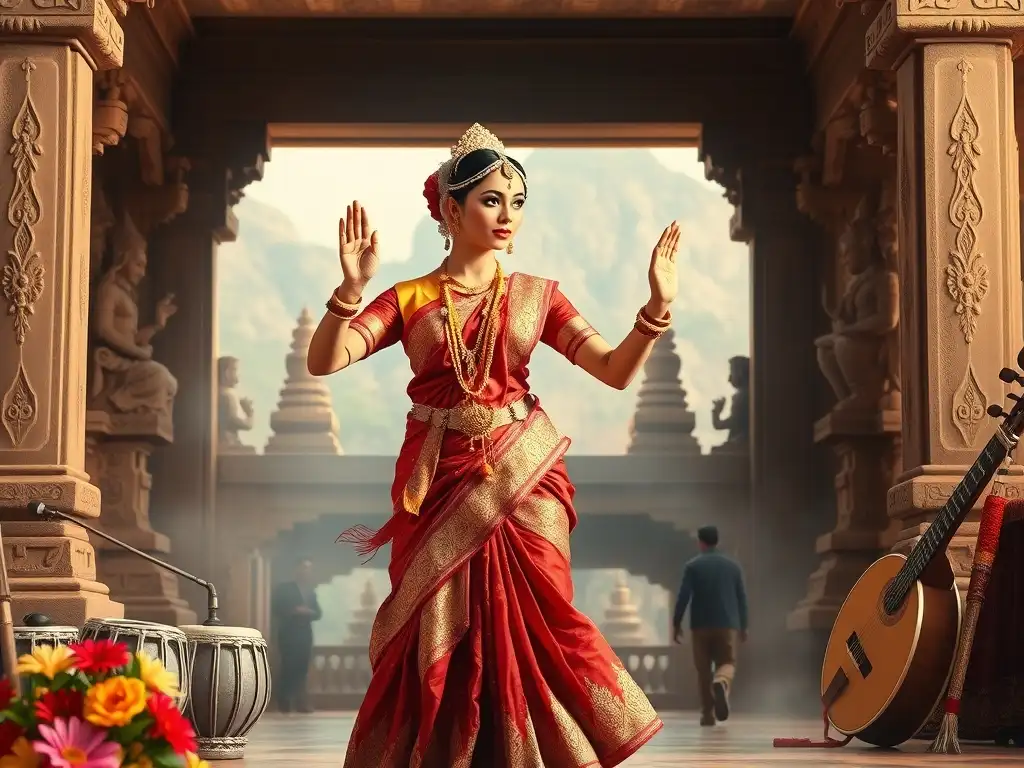
Ancient Indian dance is rich in symbolism and thematic depth, often intertwining with the spiritual and cultural ethos of the time. These dance forms were not mere entertainment but a profound expression of devotion, conveying philosophical and religious ideas through movement and expression. The symbolism found in these dances often reflects the intricate relationship between the divine, nature, and humanity, emphasizing themes like creation, preservation, and destruction, which are central to Hindu beliefs.
The dances frequently showcase stories from ancient texts, illustrating moral and ethical lessons through dramatization. Each movement, gesture, and expression carries significant meaning, allowing dancers to communicate complex narratives and concepts to the audience. This deep-rooted symbolism makes ancient Indian dance a vital medium for exploring cultural identity and spiritual narratives.
Depiction of Deities and Mythological Narratives
One of the most significant aspects of ancient Indian dance traditions is the portrayal of deities and mythological narratives. Dances often depict scenes from epics like the Mahabharata and Ramayana, where gods and goddesses are brought to life through elaborate choreography. For instance, Bharatanatyam showcases episodes from the life of Krishna, while Kathak may illustrate tales of Radha and Krishna’s divine love.
These performances are not just artistic expressions; they are acts of devotion that aim to honor the deities. Each character is represented through specific movements and expressions, allowing the audience to connect with the divine narrative. This sacred storytelling fosters a deeper understanding of the spiritual themes within Hinduism, creating a rich tapestry of mythology that resonates through the ages.
Use of Mudras and Abhinaya in Dance
Mudras, or hand gestures, and abhinaya, the art of expression, are essential components of ancient Indian dance. Mudras serve as a language of their own, allowing dancers to convey specific meanings and emotions without spoken words. Each gesture can symbolize various concepts, from the creation of the universe to the conveyance of love, enhancing the storytelling aspect of the performance.
Abhinaya complements these gestures by allowing the dancer to express a range of emotions, utilizing facial expressions and body movements to convey feelings such as joy, sorrow, and devotion. This combination of mudras and abhinaya creates a comprehensive emotional landscape, inviting the audience to experience the narrative on a personal level. The skillful integration of these elements elevates the dance from mere performance to a profound spiritual experience.
Spiritual Symbols Embedded in Dance Movements
The movements of ancient Indian dance are imbued with spiritual significance, often mirroring the rhythms of the universe and the divine. Dancers embody the principles of yoga and meditation through their movements, emphasizing balance, harmony, and fluidity. The circular motions and rhythmic patterns found in many dance forms symbolize the cyclical nature of life, death, and rebirth, a fundamental concept in Indian philosophy.
In addition, specific postures and sequences are often linked to spiritual practices, such as the concept of 'Nataraja,' the cosmic dancer who represents the dynamic forces of creation and destruction. By embodying these symbols, dancers not only honor the divine but also engage in a transformative spiritual journey that connects them to the broader cosmos.
The Influence of Dance on Ancient Indian Society
The role of dance in ancient Indian society extended beyond the realm of art; it served as a cornerstone for social interaction, cultural expression, and religious practice. Dance was an integral part of religious festivals, ceremonies, and temple rituals, fostering a sense of community and shared identity among participants and audiences alike. The communal aspect of dance helped to solidify social bonds, making it a vital element of ancient Indian culture.
Dance as a Tool for Social and Cultural Cohesion
In ancient India, dance acted as a unifying force, bringing together diverse communities and cultures. It provided a platform for collective expression, allowing individuals to participate in shared rituals that reaffirmed their cultural identity. Festivals, where dance played a central role, were opportunities for social gatherings that fostered camaraderie and cultural exchange.
Moreover, the themes explored in these dances often highlighted principles of harmony and unity within society. By portraying shared narratives and values through performance, dance served as a reminder of the interconnectedness of individuals within the larger fabric of society.
Patronage of Dance by Royalty and Temples
The flourishing of dance traditions in ancient India was significantly supported by the patronage of royalty and temples. Kings and queens often commissioned elaborate performances to showcase their wealth and power, while temples employed skilled dancers to perform rituals and offerings to the deities. This patronage not only ensured the survival of various dance forms but also elevated their status within society.
Royal courts became cultural hubs where artists could thrive, leading to the development of distinct regional dance styles. Such support allowed for the refinement of techniques and the incorporation of local traditions, enriching the diverse tapestry of ancient Indian dance.
The Role of Dance in Educating the Masses on Spiritual Beliefs
Dance in ancient India was also a vital educational tool for spiritual beliefs and practices. Performances often served to communicate complex philosophical concepts and moral teachings, making them accessible to the general populace. Through dance, stories of deities and their virtues were conveyed, providing audiences with insights into ethical living and spiritual understanding.
Moreover, dance acted as a medium for the transmission of cultural values and traditions, ensuring that the wisdom of the past was passed down to future generations. By engaging with these performances, individuals could deepen their understanding of their religious heritage and the principles that guided their lives.
Conclusion: Legacy of Dance as Devotion in Ancient India
The legacy of dance as a form of devotion in ancient India is profound and multifaceted. Throughout history, dance has served not only as a means of artistic expression but also as a vital component of spiritual practice, deeply embedded in the cultural fabric of Indian civilization. Ancient Indian dance traditions, such as Bharatanatyam, Odissi, and Kathak, were not merely performances; they were offerings to deities, rituals that connected practitioners and audiences with the divine. The intricate movements, expressive gestures, and emotive storytelling inherent in these dance forms reflect a spiritual devotion that transcends time.
This rich tradition has influenced various aspects of Indian society, including religious festivals, temple rituals, and community celebrations. The teachings and techniques passed down through generations continue to inspire contemporary artists, ensuring that the sacred essence of these performances remains alive. Today, the role of dance in expressing devotion is still prevalent, with many practitioners drawing inspiration from ancient texts and practices to create performances that resonate with both historical significance and modern relevance.
Lasting Impact of Ancient Indian Dance Traditions on Modern Practices
The impact of ancient Indian dance traditions on modern practices can be observed in several ways. Firstly, many contemporary dance forms in India retain the core principles established by their ancient predecessors. For instance, Bharatanatyam, originally performed in temples, has evolved into a popular stage art while still emphasizing its spiritual roots. Modern choreographers often integrate traditional elements with contemporary themes, reflecting the ongoing dialogue between past and present.
Moreover, ancient dance forms have influenced global dance communities, as artists worldwide incorporate Indian aesthetics into their works. Workshops, classes, and cultural exchanges, particularly in a globalized world, have helped spread awareness and appreciation for these traditions, fostering a cross-cultural exchange that enriches both Indian and international dance landscapes.
Furthermore, the revival of interest in traditional dance forms has led to the establishment of schools and institutions dedicated to preserving ancient techniques. This institutional support has been crucial in maintaining the authenticity of these art forms while encouraging innovation and adaptation to contemporary contexts.
Preservation and Revitalization of Performing Arts in Contemporary India
In contemporary India, there is a robust movement focused on the preservation and revitalization of ancient performing arts. Efforts are being made at various levels, including governmental support, community initiatives, and the dedication of individual artists. Organizations and cultural trusts are actively working to document, teach, and promote ancient dance forms, ensuring that the knowledge and skills associated with these traditions are passed to future generations.
Moreover, festivals and competitions dedicated to traditional dance forms are becoming increasingly popular, providing platforms for artists to showcase their skills and creativity. These events not only celebrate the rich heritage of Indian dance but also encourage young performers to engage with their cultural roots. In addition, the integration of traditional dance into modern entertainment, such as films and television, has significantly contributed to its visibility and relevance in contemporary society.
The use of digital platforms has also played a pivotal role in this revitalization. Online tutorials, performances, and workshops have made ancient dance traditions accessible to a global audience, allowing for a broader appreciation and understanding.
References and Further Reading on Ancient Indian Dance Traditions
Recommended Books and Articles
-
"Indian Classical Dance: Tradition in Transition" by Aditi Mangaldas
This book explores the evolution of classical dance forms in India, emphasizing the balance between tradition and modernity.
-
"The Dance of Siva: Fourteen Indian Essays" by Ananda K. Coomaraswamy
An influential work that delves into the philosophy and aesthetics of Indian dance, linking it to broader cultural and religious practices.
-
"Bharatanatyam: A Reader" by A. Lakshmanan
A comprehensive collection of essays and writings that provide insights into the history, technique, and significance of Bharatanatyam.
Online Resources and Documentaries
-
Natyashastra Online Archive
An extensive digital repository of texts and resources related to the ancient Indian treatise on performing arts, offering invaluable insights into traditional dance practices.
-
"The Soul of India: Dance Documentary"
This documentary explores the diverse dance traditions of India, highlighting their cultural and spiritual significance.
-
YouTube Channels Featuring Classical Dance
Channels dedicated to showcasing Indian classical dance performances, tutorials, and discussions about the history and significance of these art forms.
- Introduction to Ancient Indian Dance Traditions
- Historical Context of Dance in Ancient India
- Major Ancient Indian Dance Traditions
- The Role of Dance in Religious Ceremonies
- Symbolism and Themes in Ancient Indian Dance
- The Influence of Dance on Ancient Indian Society
- Conclusion: Legacy of Dance as Devotion in Ancient India
- References and Further Reading on Ancient Indian Dance Traditions
- What role did dance play in ancient Indian religious practices?
- How did ancient Indian dance traditions influence culture?
- What are some examples of ancient Indian dance forms?
- How did the Indus Valley Civilization contribute to dance?
- What is the significance of the Gupta Empire in the context of dance?
Frequently Asked Questions
What role did dance play in ancient Indian religious practices?
Dance served as a vital form of devotion and expression, often used in rituals and ceremonies to honor deities and convey spiritual narratives.
How did ancient Indian dance traditions influence culture?
These traditions significantly shaped artistic expression, fostering a deep connection between spirituality and cultural identity, thereby influencing various art forms and performance styles.
What are some examples of ancient Indian dance forms?
Prominent forms include Bharatanatyam, Kathak, and Odissi, each rooted in historical narratives and spiritual expressions that reflect the values of their time.
How did the Indus Valley Civilization contribute to dance?
The Indus Valley Civilization showcased early forms of dance through artifacts and figurines, indicating that movement and rhythm were integral to their cultural expressions.
What is the significance of the Gupta Empire in the context of dance?
The Gupta Empire marked a golden age for the arts, promoting dance as a form of entertainment and devotion, leading to the establishment of classical dance traditions that are still celebrated today.
Final Reflection: The Enduring Legacy of Ancient Indian Dance Traditions
In exploring the intricate relationship between dance and devotion in ancient religious practices, we uncover a profound truth: the performing arts have always served as a bridge between the divine and the human experience. Today, as we navigate an increasingly secular world, the spiritual essence embedded in these ancient Indian dance traditions continues to resonate, reminding us of the power of art to transcend time and connect us to something greater than ourselves.
The influence of ancient Indian dance traditions extends far beyond their historical roots; they shape our cultural identity and spiritual practices even today. The rhythms, movements, and narratives woven into these dances are not merely performances but sacred expressions of devotion that foster community and connection. As we witness the revival and adaptation of these art forms in contemporary settings, we are reminded of the words of the renowned dancer and choreographer, Uday Shankar: Dance is the hidden language of the soul.
This sentiment encapsulates the ongoing dialogue between the past and present, inviting us to engage with these traditions in meaningful ways.
As we reflect on the lessons imparted by ancient Indian dance traditions, let us embrace the call to honor and celebrate our cultural heritage. Consider how you can incorporate the spirit of devotion and creativity into your own life, whether through movement, art, or simply by appreciating the beauty around you. In doing so, we not only pay homage to the rich tapestry of our ancestors but also cultivate a deeper connection to our own spiritual journeys. The dance of life continues, and it is up to us to keep its rhythm alive.
Ignite Your Passion for Ancient Arts!
Thank you for journeying through the fascinating interplay between dance and devotion in ancient religious practices! You've uncovered how the performing arts not only celebrated spirituality but also allowed communities to connect deeply with their beliefs. Now, it's time to take that inspiration and put it into action!
- Embrace your creativity! Consider incorporating dance or other forms of art into your personal spiritual practice. Even a brief session of movement or expression can reflect your beliefs and bring you closer to your inner self.
- Dive deeper into the history of performing arts by exploring a variety of resources. Look for a local workshop or a book that delves further into ancient rituals and their artistic expressions to enrich your understanding.
- Share your insights! Connect with others interested in ancient cultures by discussing this topic on social media or within local history groups. Together, you can spread the passion for this vibrant aspect of our heritage.
What unique ways can you express your devotion through art today?