
The Evolution of Bronze Casting in Ancient India: Techniques and Innovations

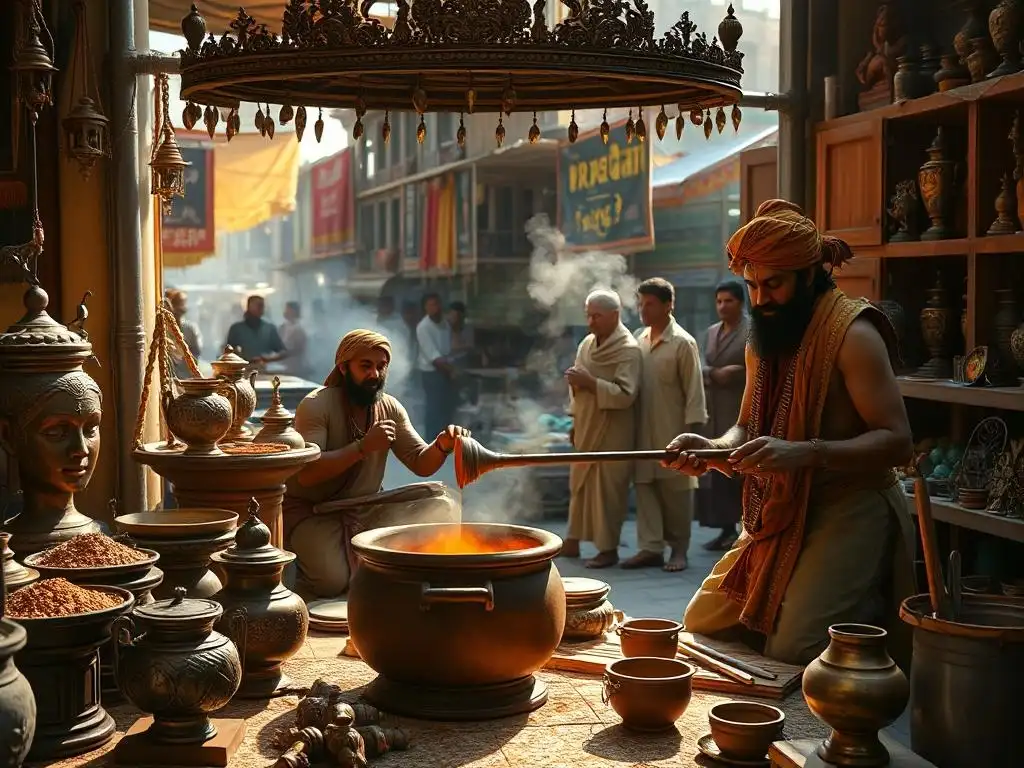
Welcome to Ancient India History, where we embark on an enthralling journey through the rich tapestry of ancient Indian civilizations. From the sophisticated urban planning of the Indus Valley to the artistic innovations of the Gupta Empire, our exploration unveils the incredible contributions that have shaped our world. Dive into our featured article on ancient Indian bronze casting techniques, where you’ll discover the artistry and ingenuity behind this remarkable craft. Are you ready to unlock the secrets of a time when metal met magic? Let’s delve deeper into the evolution of bronze casting and the legacy it left behind!
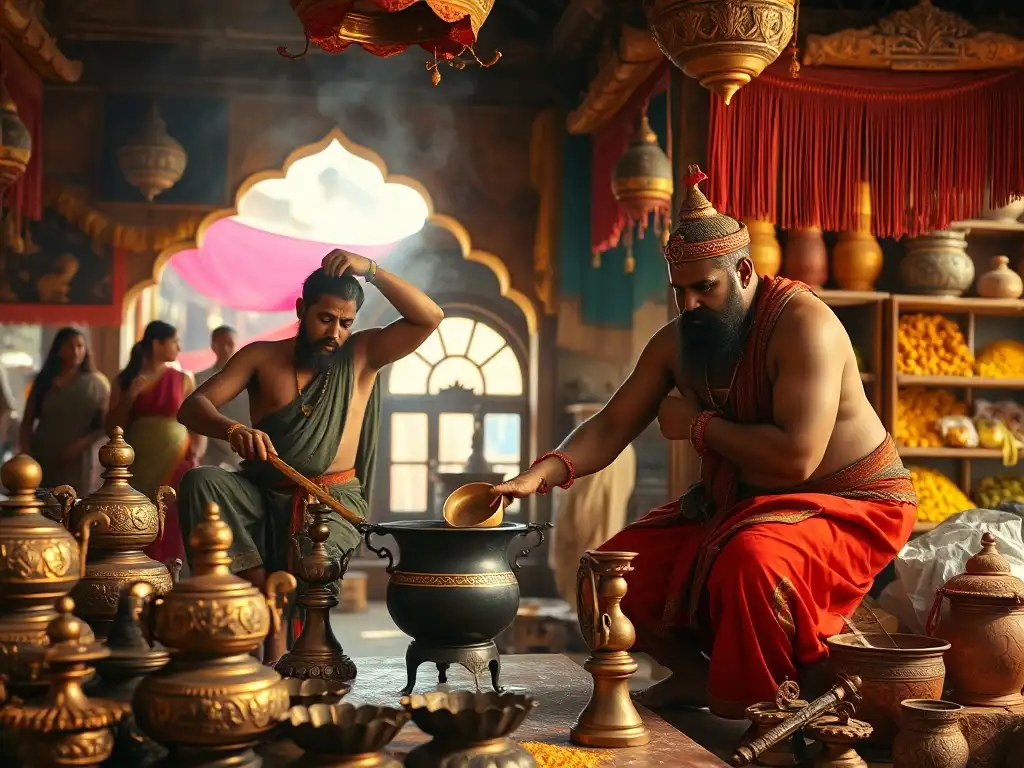
Introduction to Ancient Indian Bronze Casting
The history of ancient Indian bronze casting techniques reveals a fascinating journey through time, showcasing the ingenuity and creativity of civilizations that thrived on the Indian subcontinent. From the intricate sculptures of the Indus Valley to the ornate bronze artifacts of the Gupta Empire, this craft not only reflects the technological advancements of the era but also serves as a lens through which we can understand the cultural and artistic expressions of ancient India. This article delves into the evolution of bronze casting, examining its techniques, innovations, and the profound impact it had on Indian art forms.
Overview of Bronze as a Material in Ancient India
Bronze, an alloy primarily composed of copper and tin, was a pivotal material in ancient Indian metallurgy. Its introduction marked a significant turning point in the production of tools, weapons, and artistic creations. The durability and malleability of bronze allowed artisans to craft intricate designs and detailed sculptures, which became hallmarks of various ancient Indian civilizations.
- Key Characteristics of Bronze:
- Durability: Resistant to corrosion and wear, making it suitable for both functional and decorative purposes.
- Malleability: Easily shaped into various forms, allowing for intricate designs.
- Conductivity: Excellent thermal and electrical conductivity, paving the way for advanced toolmaking.
Significance of Bronze Casting in Ancient Indian Culture
The art of bronze casting held immense significance in ancient Indian culture, serving both practical and spiritual purposes. It was not merely a craft; it was an embodiment of cultural identity and religious devotion.
- Cultural Impacts:
- Religious Sculptures: Many bronze artifacts were created for religious worship, including statues of deities, which played a crucial role in rituals and ceremonies.
- Social Status: Ownership of bronze items often indicated social status and wealth within communities.
- Artistic Expression: Bronze casting facilitated the exploration of artistic styles, contributing to the rich tapestry of Indian visual arts.
Historical Context of Bronze Casting in Ancient India
The journey of bronze casting in ancient India can be traced through various periods, each contributing unique advancements and techniques to the craft.
The Indus Valley Civilization and Early Metalworking
The Indus Valley Civilization (c. 3300–1300 BCE) is credited with some of the earliest examples of metalworking, including the use of bronze. Archaeological findings indicate that the inhabitants of this civilization engaged in sophisticated metallurgical practices.
- Notable Discoveries:
- Bronze Figurines: Small sculptures, such as the famous bronze dancing girl, showcase early casting techniques and artistic skill.
- Metallurgical Techniques: Evidence suggests that the Indus people employed lost-wax casting methods, an innovative technique that would influence future generations.
The Mauryan Empire: Advancements in Bronze Techniques
During the Mauryan Empire (c. 322–185 BCE), bronze casting flourished, with significant advancements in both technique and artistic expression. The period is marked by the emergence of large-scale sculptures and more refined casting methods.
- Prominent Features:
- Ashoka’s Edicts: Bronze inscriptions from this era reveal not only technological prowess but also the importance of communication through art.
- Sculptural Developments: The production of life-sized statues and intricate reliefs became more prevalent, indicating a shift towards greater artistic ambition.
The Gupta Period: A Golden Age of Art and Craftsmanship
The Gupta period (c. 320–550 CE) is often regarded as a golden age for art and culture in ancient India, particularly in the realm of bronze casting. This era witnessed an unprecedented level of sophistication in both techniques and artistic representation.
- Key Innovations:
- Heightened Realism: Gupta artisans achieved remarkable realism in their bronze sculptures, elevating the aesthetic value of their works.
- Diverse Subject Matter: The themes expanded beyond religious icons to include depictions of daily life and nature, showcasing the versatility of bronze as a medium.
The evolution of ancient Indian bronze casting techniques is a testament to the innovative spirit of its artisans and the cultural richness of the civilizations that embraced this craft. As we explore this fascinating subject further, we will uncover the specific techniques and innovations that have left an indelible mark on the history of Indian art forms.
Key Ancient Indian Bronze Casting Techniques
Ancient Indian bronze casting techniques were pivotal in shaping the visual arts and sculpture of the civilization. The primary methods employed were the lost-wax casting, sand casting, and direct metal casting. Each of these techniques contributed uniquely to the creation of intricate sculptures and artifacts that showcased both artistic flair and technological prowess. The evolution of these methods not only reflects the artistic endeavors of the time but also indicates a deep understanding of materials and processes.
The lost-wax casting method was particularly significant, as it allowed for the production of highly detailed and complex forms. This technique was often used for religious idols and decorative artifacts, which were integral to the cultural practices of ancient Indian societies. Sand casting, on the other hand, was more practical for producing larger items, such as bells and tools, providing durability and functionality while still allowing for artistic expression. Direct metal casting techniques played a crucial role in creating utilitarian objects, where the emphasis was often on strength and resilience rather than intricate design.
Understanding these techniques gives insight into the craftsmanship and cultural values of ancient India, revealing how art, religion, and technology intertwined in this remarkable civilization.
Lost-Wax Casting Method: A Detailed Explanation
The lost-wax casting method, known as "cire perdue," is one of the most sophisticated bronze casting techniques employed in ancient India. This process involves creating a model of the desired sculpture using wax, which is then encased in a clay mold. Once the mold is formed, it is heated, causing the wax to melt and escape, leaving behind a hollow space in the shape of the original model.
The key steps in the lost-wax casting process include:
- Model Creation: Artisans sculpt the figure in wax, meticulously detailing every aspect.
- Mold Formation: The wax model is covered with a clay mixture and allowed to harden.
- Wax Removal: The mold is heated, melting the wax and allowing it to drain away, hence the term "lost-wax."
- Bronze Pouring: Molten bronze is poured into the mold, filling the void left by the wax.
- Finishing: Once cooled, the mold is broken away, revealing the bronze sculpture, which is then polished and finished.
This technique enabled artisans to create finely detailed sculptures that were significant in religious and cultural expressions, exemplified by the famous bronze statues of deities found throughout ancient India. The intricacies achieved through lost-wax casting have left a lasting legacy in the realm of sculpture.
Sand Casting Techniques in Ancient India
Sand casting is another significant technique used by ancient Indian artisans to create bronze sculptures and utilitarian objects. This method involves the use of sand mixed with clay to form molds that can withstand the heat of molten metal. The process is less intricate than lost-wax casting, making it suitable for producing larger and more functional items.
The sand casting process typically involves the following steps:
- Pattern Creation: A model of the object is made, often from wood or metal.
- Mold Making: The pattern is pressed into a sand mixture to create two halves of a mold.
- Mold Assembly: The two halves are assembled, ensuring they fit securely.
- Pouring Bronze: Molten bronze is poured into the mold, filling the cavity created by the pattern.
- Cooling and Finishing: Once the bronze has cooled and solidified, the mold is broken away, and the object is cleaned and finished.
Sand casting allowed for the mass production of various items, including tools, bells, and decorative pieces, facilitating both artistic expression and everyday utility. The durability of sand-cast bronze objects ensured their longevity and continued use in various aspects of life in ancient India.
Direct Metal Casting Techniques and Their Applications
Direct metal casting involves pouring molten metal directly into a mold without the intermediary step of creating a wax model. This technique was primarily used for creating functional objects such as tools, weapons, and smaller decorative items. While it may not allow for the same level of detail as lost-wax casting, direct metal casting was essential for producing resilient and practical items.
The direct metal casting process includes:
- Mold Creation: A mold is crafted from clay or stone, often incorporating simple designs for functionality.
- Melting Metal: Bronze or other metals are heated until molten.
- Pouring: The molten metal is poured directly into the prepared mold.
- Cooling: After cooling, the mold is removed, revealing the finished product.
- Finishing Touches: Artisans may then polish or engrave the surface for aesthetic purposes.
This technique was particularly useful for producing everyday items that required strength and durability, such as agricultural tools and weapons, highlighting the dual role of bronze as both an artistic medium and a practical material in ancient Indian society.
Innovations in Bronze Casting Throughout History
The history of bronze casting in ancient India is marked by significant innovations that evolved over centuries. These advancements were driven by various factors, including technological improvements, cultural exchanges, and the demands of society. The innovations in bronze casting not only refined existing techniques but also expanded the repertoire of artistic expression among artisans.
Ancient Indian bronzes exhibit a range of styles and functionalities, reflecting the dynamic nature of artistic practices. Techniques such as the fine details achieved through the lost-wax method became more refined over time, leading to the production of iconic sculptures that are still revered today. Additionally, the rise of new alloys and metalworking practices contributed to the development of more resilient and visually striking works.
The interplay between tradition and innovation in bronze casting is a testament to the ingenuity of ancient Indian artisans, whose creations continue to inspire and influence modern art and sculpture.
Influences from Neighboring Cultures on Bronze Techniques
Ancient Indian bronze casting techniques were significantly influenced by interactions with neighboring cultures, including those from Central Asia, Persia, and the Southeast Asian region. These cultural exchanges facilitated the sharing of knowledge, materials, and techniques, which enriched the bronze casting practices in India.
For instance, the introduction of new alloy compositions and casting methods from regions such as Persia allowed Indian artisans to experiment with different properties of bronze. Similarly, the migration of artisans across regions led to the adaptation of styles and designs, resulting in a fusion of artistic traditions. The influence of Buddhist art from the Gandhara region, characterized by intricate detailing and stylistic variations, also contributed to the evolution of bronze sculptures in India.
This cross-cultural exchange underscores the importance of collaboration and interaction in the development of ancient Indian art forms, illustrating how the bronze casting techniques were not static but rather dynamic and evolving.
The Role of Trade in Advancing Bronze Casting Methods
Trade played a crucial role in advancing bronze casting methods in ancient India. The region’s strategic position along trade routes facilitated the exchange of not only goods but also ideas and technologies. This interaction significantly enhanced the capabilities of Indian artisans in bronze casting.
Trade relationships with regions such as the Mediterranean and Southeast Asia introduced new materials and techniques, allowing for the refinement of existing methods. For example, access to high-quality copper and tin from distant lands enabled the production of superior bronze alloys, enhancing the strength and aesthetic qualities of the finished products.
Moreover, the demand for bronze artifacts in trade led to increased experimentation and innovation in casting methods to meet the diverse requirements of both local and foreign markets. The influence of trade on the evolution of bronze casting is evident in the variety and complexity of artifacts produced during this period, showcasing a rich tapestry of cultural and technological exchange.
Technological Innovations and Their Impact on Sculpture
Technological innovations in metalworking significantly impacted the evolution of bronze sculpture in ancient India. As techniques advanced, artisans gained the ability to create more elaborate and sophisticated forms, pushing the boundaries of artistic expression.
One notable advancement was the development of improved furnaces and smelting techniques, which allowed for better control over the temperature and quality of the bronze. This innovation enabled the production of more intricate designs and finer details in sculpture, as seen in the exquisite figures of deities and mythological beings that adorned temples and palaces.
Additionally, the introduction of tools and techniques from other cultures, such as chiseling and engraving, allowed for greater artistic freedom. Artisans could not only cast but also shape and refine their creations, leading to a remarkable level of artistry that characterized ancient Indian bronze sculptures.
The interplay between technology and artistry in bronze casting continues to be a focal point of academic study, revealing how innovations shaped not only the physical attributes of sculptures but also their cultural significance and impact on society.
Notable Examples of Bronze Castings in Ancient India
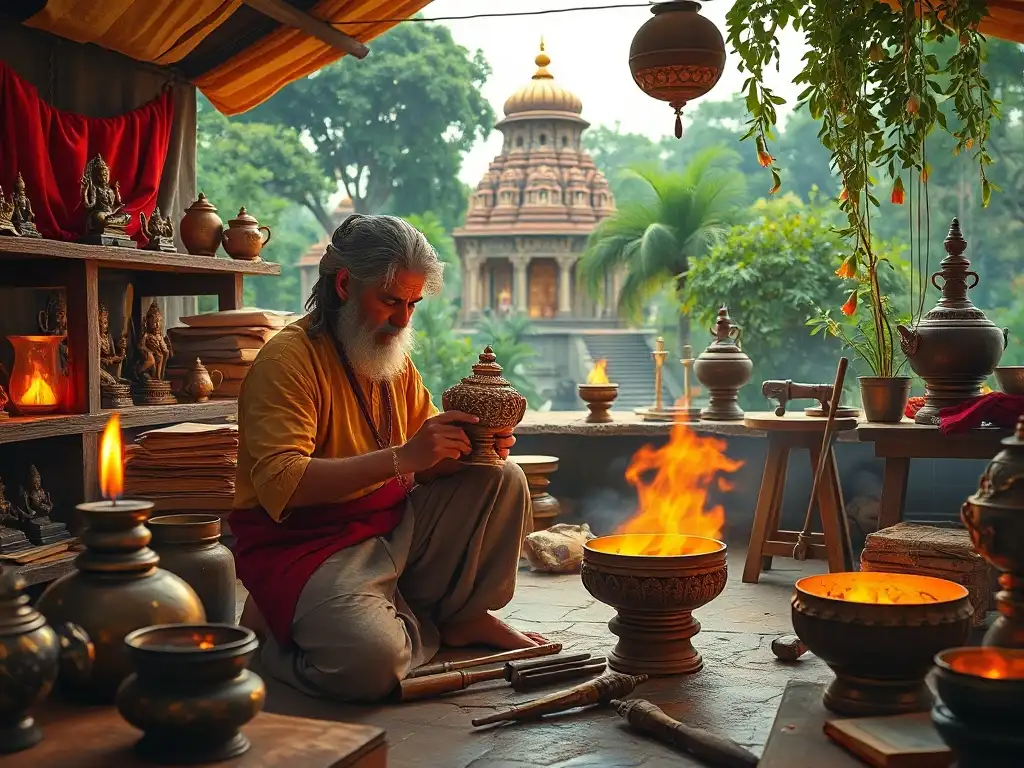
Ancient India is renowned for its remarkable bronze casting techniques, which produced some of the most iconic sculptures and artifacts in history. Among the notable examples are the bronze statues from various periods that showcase the skill and artistry of ancient Indian craftsmen.
One of the most celebrated examples is the Dancing Girl from the Indus Valley Civilization, a testament to the sophisticated artistic abilities of that time. Another significant piece is the Brahma Statue dating back to the Gupta period, which reflects the intricate detailing and refinement characteristic of that era. Additionally, the Nataraja, or dancing Shiva, is an exquisite representation of dynamic movement and divine energy, symbolizing the fusion of art and spirituality.
Iconic Bronze Sculptures from the Gupta Period
The Gupta period, often referred to as the "Golden Age" of India, saw a flourishing of arts, including bronze casting. Iconic sculptures from this era highlight both technical prowess and artistic expression.
- Buddha Statues: The Gupta period is famous for its serene and elegantly proportioned bronze statues of Buddha, which were crafted with great attention to detail. The Sarnath Buddha, for instance, exemplifies the spiritual calm and poise that define Gupta art.
- Vishnu and Lakshmi: Bronze sculptures of Vishnu and Lakshmi from this period often depict the deities adorned with intricate jewelry and rich textiles, showcasing the cultural and religious significance of these figures.
The attention to detail in these sculptures not only reflects the artisans' skill but also the spiritual and cultural ethos of the time, influencing generations of artists and sculptors.
Regional Variations in Bronze Art: South vs. North India
Bronze casting techniques in ancient India exhibited significant regional variations, particularly between North and South India.
In North India, bronze sculptures were often influenced by religious themes, with a focus on Hindu deities and Buddhist figures. The casting techniques utilized in this region were characterized by the lost-wax method, which allowed for intricate detailing and a smooth finish.
Conversely, South Indian bronze art is renowned for its rich tradition, particularly evident in the Chola dynasty. The Chola bronzes are famous for their dynamic forms and elaborate ornamentation, with sculptures such as the Nataraja embodying dance and motion. South Indian artisans perfected the art of bronze casting, creating pieces that were not only artful but also functional in temple rituals.
These regional differences highlight the diverse artistic expressions and techniques that flourished across ancient India, contributing to the overall richness of Indian art.
The Legacy of Bronze Casting in Temple Architecture
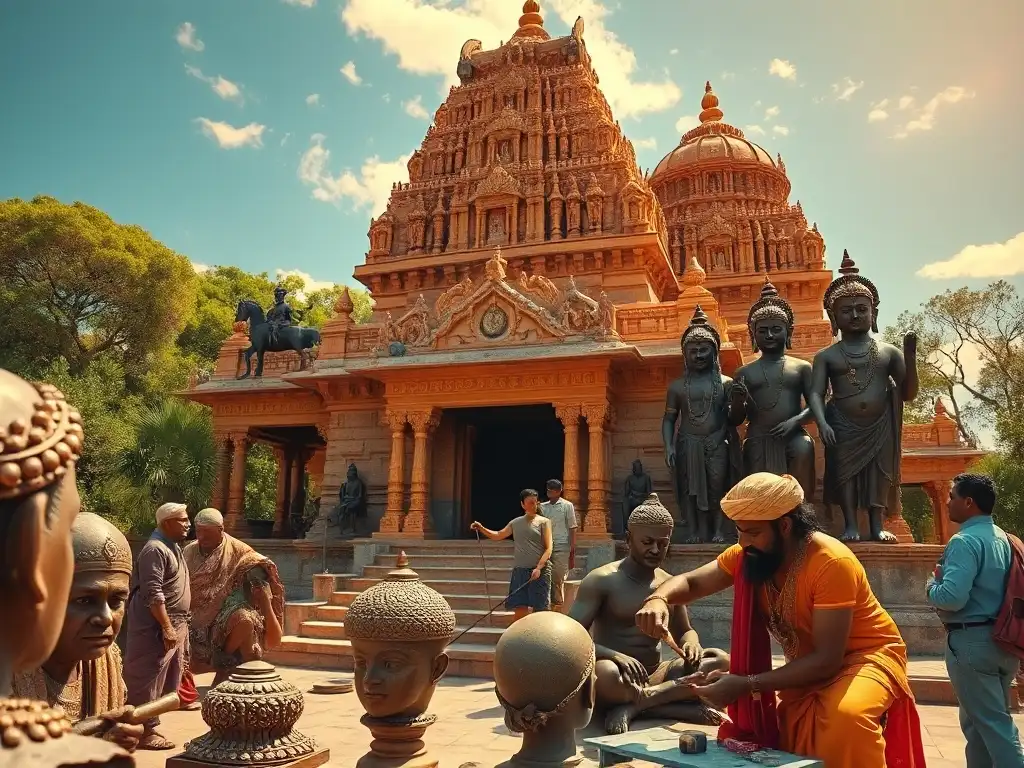
The legacy of bronze casting is profoundly intertwined with temple architecture in ancient India. Bronze sculptures often adorned temple entrances, sanctums, and courtyards, serving both decorative and religious purposes.
- Deity Icons: Temples were frequently embellished with bronze images of deities, which were central to worship practices. These icons not only served as focal points for rituals but also as representations of divine presence.
- Processional Statues: Bronze figures were crafted for processions, particularly during festivals. The Chola bronze deities, for example, were often paraded during religious festivals, enhancing the spiritual atmosphere and community participation.
The integration of bronze art within temple architecture illustrates the importance of these artifacts in religious life, reinforcing the connection between art, spirituality, and community in ancient Indian culture.
The Cultural Significance of Bronze Artifacts
Bronze artifacts from ancient India hold immense cultural significance, reflecting the values, beliefs, and artistic achievements of the time.
Bronze Statues and Their Religious Context
Bronze statues were not merely artistic creations; they served as vital components of religious practices. Statues of deities played a crucial role in worship, often being the focal point of rituals and ceremonies. Each statue was imbued with spiritual meaning, embodying the divine essence of the represented deity.
- Ritual Significance: Many bronze statues were created specifically for worship and were considered living embodiments of the divine, making them central to the religious experience.
The Role of Bronze in Daily Life and Rituals
Bronze artifacts also played a significant role in daily life and various rituals. Items such as vessels, lamps, and utensils crafted from bronze were common in households and were integral to numerous cultural practices.
- Ritual Implements: Bronze was used in the creation of implements for rituals, including musical instruments like the nadaswaram and dhol, which were essential for temple ceremonies and festivities.
The cultural significance of bronze artifacts extends beyond their aesthetic value, reflecting the everyday lives of ancient Indians and their spiritual practices.
Preservation of Ancient Techniques in Contemporary Art
The techniques of bronze casting developed in ancient India continue to influence contemporary artists today. Many modern artisans and sculptors are reviving traditional methods, ensuring that the rich heritage of ancient bronze art is preserved.
- Revival of Traditional Methods: Workshops and art schools are dedicated to teaching ancient techniques, such as the lost-wax method, allowing new generations of artists to connect with their cultural roots.
- Contemporary Interpretations: Today's artists often incorporate traditional motifs and themes into their work, blending ancient techniques with modern aesthetics. This fusion not only keeps the traditions alive but also showcases the timeless relevance of bronze art in contemporary society.
The preservation of these ancient techniques is vital for maintaining the cultural heritage of bronze casting in India, ensuring that the artistry and craftsmanship of the past continue to inspire and resonate in the present.
Conclusion: The Lasting Impact of Ancient Indian Bronze Casting Techniques
The evolution of bronze casting in ancient India has left an indelible mark not only on the artistic landscape of the subcontinent but also on global metalworking traditions. Techniques that emerged during the Indus Valley civilization and were refined through the subsequent eras, particularly during the Gupta period, have influenced various cultures and crafts across Asia. The intricate methods of lost-wax casting and the sophisticated alloy compositions developed by ancient Indian artisans have set benchmarks that are still revered today.
Moreover, the aesthetic sensibilities embodied in bronze sculptures, such as those of deities and mythical figures, have contributed to a rich visual narrative that continues to inspire contemporary artists. The spiritual and cultural significance imbued in these artifacts underscores their importance beyond mere craftsmanship; they serve as historical documents that narrate the values, beliefs, and advancements of their time. This legacy is a testament to the ingenuity of ancient Indian civilizations and their enduring influence on modern artistic practices.
Modern Applications of Ancient Techniques in Art
Today, artists and artisans around the world are rediscovering and adapting ancient Indian bronze casting techniques to create contemporary works that pay homage to traditional methods. Modern practitioners often engage in workshops and collaborative projects to learn from the historical practices of bronze casting, integrating these skills into their own artistic expressions.
For instance, the lost-wax casting method remains popular among sculptors who appreciate its ability to produce highly detailed and complex forms. Contemporary artists are experimenting with this ancient technique while incorporating modern themes and materials, creating a fusion of the past and present. Moreover, by using traditional designs and motifs, they not only honor the historical context but also bring a renewed appreciation for the craftsmanship and cultural heritage of ancient India.
In addition, the revival of interest in traditional crafts has led to a resurgence in the production of bronze items, such as handcrafted sculptures and decorative pieces, that appeal to modern sensibilities. This not only supports local artisans but also promotes a sustainable approach to art that values the past while innovating for the future.
The Importance of Preserving Historical Knowledge in Bronze Casting
Preserving the historical knowledge of ancient Indian bronze casting techniques is crucial for several reasons. First and foremost, it allows future generations to appreciate the complexity and skill involved in this art form. The technical expertise required for bronze casting, including the understanding of metallurgy, mold-making, and the aesthetic principles of design, is an invaluable part of cultural heritage that deserves recognition and preservation.
Moreover, documentation and teaching of these techniques can foster a sense of identity and continuity within communities. By embedding these practices into educational programs, artisans can pass on their skills, ensuring that the rich tradition of bronze casting survives and evolves.
Furthermore, as modern technologies and materials emerge, the integration of ancient techniques with contemporary practices can lead to innovative artistic expressions while maintaining a connection to cultural roots. This approach not only enriches the field of visual arts but also highlights the relevance of ancient knowledge in today's world.
Safeguarding the historical knowledge of bronze casting in ancient India is essential for cultural preservation, education, and the continued evolution of this remarkable art form.
- Introduction to Ancient Indian Bronze Casting
- Historical Context of Bronze Casting in Ancient India
- Key Ancient Indian Bronze Casting Techniques
- Innovations in Bronze Casting Throughout History
- Notable Examples of Bronze Castings in Ancient India
- Iconic Bronze Sculptures from the Gupta Period
- Regional Variations in Bronze Art: South vs. North India
- The Legacy of Bronze Casting in Temple Architecture
- The Cultural Significance of Bronze Artifacts
- Conclusion: The Lasting Impact of Ancient Indian Bronze Casting Techniques
- What are the key techniques used in ancient Indian bronze casting?
- How did ancient Indian bronze casting evolve over time?
- What were the cultural impacts of bronze casting in ancient India?
- Which ancient Indian civilizations are known for their bronze casting techniques?
- What innovations in bronze casting can be attributed to ancient India?
Frequently Asked Questions
What are the key techniques used in ancient Indian bronze casting?
Ancient Indian bronze casting primarily utilized the lost-wax method, which allowed for intricate designs and detailed sculptures. This technique was crucial for creating religious idols and decorative items.
How did ancient Indian bronze casting evolve over time?
The evolution of bronze casting in ancient India saw improvements in alloy composition and casting methods, particularly during the Gupta Empire, which emphasized artistic expression and technical precision.
What were the cultural impacts of bronze casting in ancient India?
Bronze casting significantly influenced religious practices and art, as many sculptures depicted deities and were used in rituals, showcasing the artistic prowess of ancient Indian civilizations.
Which ancient Indian civilizations are known for their bronze casting techniques?
The Indus Valley Civilization and the Chola Dynasty are particularly noted for their advancements in bronze casting, producing high-quality artifacts that reflect their sophisticated craftsmanship.
What innovations in bronze casting can be attributed to ancient India?
Innovations included the development of new alloys for better durability and the refinement of molding techniques, which enabled the creation of larger and more complex sculptures.
Final Reflection: The Timeless Legacy of Ancient Indian Bronze Casting Techniques
The exploration of ancient Indian bronze casting techniques reveals not only the ingenuity of artisans but also their profound connection to cultural identity and heritage. Today, as we navigate a world increasingly defined by rapid technological advancements, the lessons from these ancient practices remind us of the importance of craftsmanship and tradition. The meticulous methods employed by ancient artisans serve as a striking reminder that innovation does not always mean abandoning the past; rather, it can be a harmonious blend of tradition and modernity.
The impact of these techniques extends far beyond their historical context, influencing contemporary art and craftsmanship. The intricate designs and methods of bronze casting have inspired modern artists and sculptors, bridging the gap between ancient wisdom and contemporary expression. As we reflect on this legacy, we are reminded of the words of renowned artist Anish Kapoor: Art is about the experience of being human.
This sentiment resonates deeply when we consider how ancient bronze casting techniques encapsulate the human experience, weaving together stories, beliefs, and creativity across generations.
As we conclude this exploration, I invite you to reflect on how the principles of craftsmanship, innovation, and cultural heritage can inform your own life. Consider how you might incorporate the spirit of these ancient techniques into your daily practices, whether through art, community engagement, or preserving traditions. Let the legacy of ancient Indian bronze casting inspire you to honor the past while forging a path toward a future that values both innovation and tradition.
Unveil the Artistry of Bronze Casting!
Thank you for diving into the fascinating world of bronze casting in ancient India! Your exploration of techniques and innovations has illuminated how craftsmanship evolves through history. Now, it’s time to take your newfound knowledge further and embrace the artistry of this legacy.
Here are a few actionable steps you can take right now:
- Join a Local Workshop: Find a nearby studio or community center offering bronze casting classes to experience this ancient art firsthand!
- Share Your Insights: Post about your favorite techniques or discoveries on social media using #AncientBronzeCraft—spread the knowledge and connect with fellow enthusiasts.
- Explore Further: Dive deeper by visiting museums or online exhibits focused on ancient Indian art and metallurgy to discover more about this incredible craft.
What aspect of bronze casting fascinates you the most, and how has it changed your perspective on ancient Indian artistry?