
The Vedic Tradition of Chanting: Its Importance in Hindu Worship

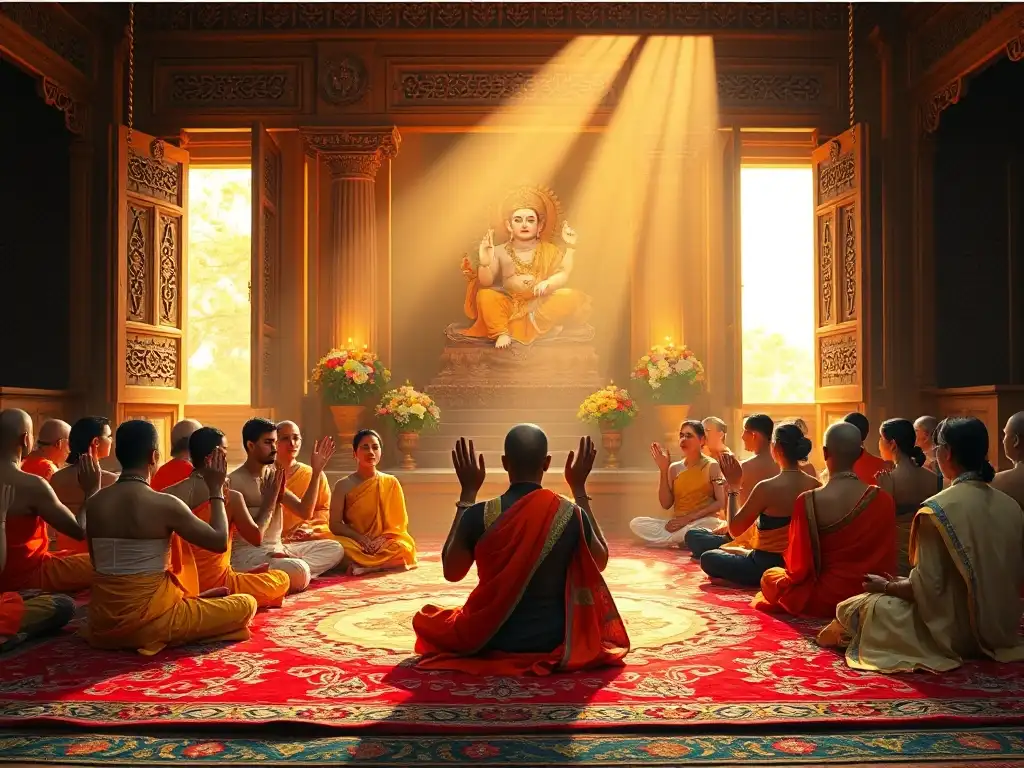
Welcome to Ancient India History, where we embark on a journey through the rich tapestry of ancient Indian civilizations! In this exploration, we delve into the profound significance of Vedic chanting in Hindu worship, a practice that not only connects devotees to the divine but also echoes the wisdom of the ages. As we uncover the layers of this time-honored tradition, you’ll discover how these sacred sounds have shaped spiritual practices and cultural expressions throughout history. Get ready to ignite your curiosity and deepen your understanding—there’s so much more to unveil about the Vedic tradition!
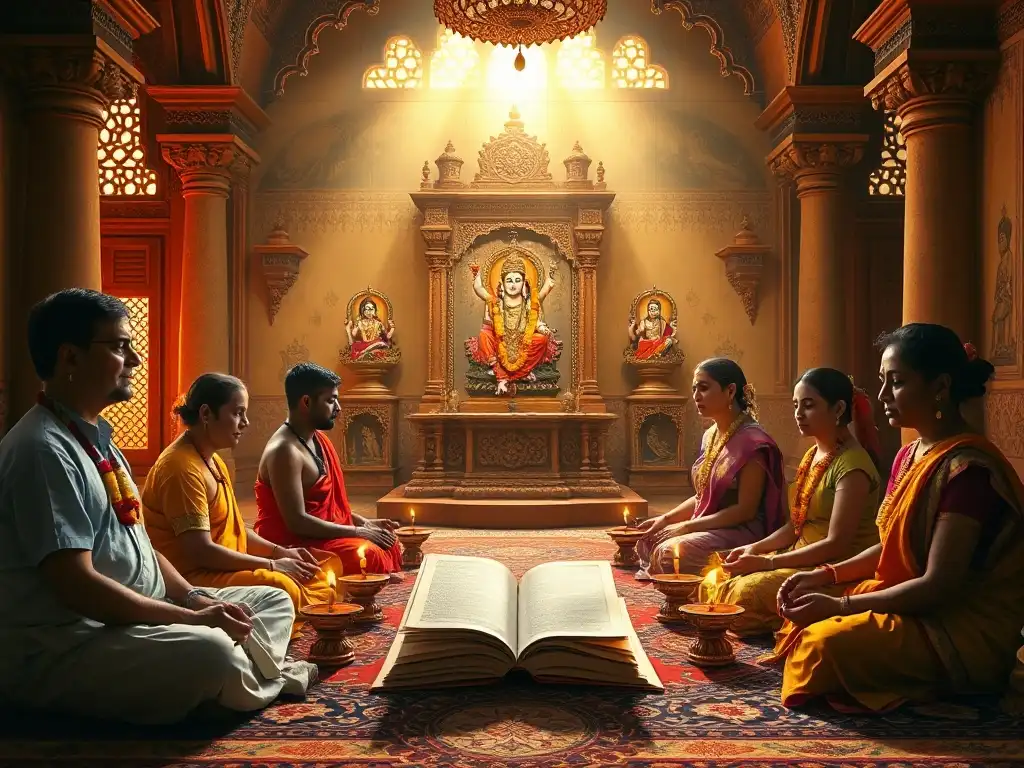
Introduction to Vedic Chanting in Hindu Worship
The Vedic tradition of chanting holds a revered place in Hindu worship, serving as a spiritual bridge between the material world and the divine. Rooted in ancient texts known as the Vedas, this practice encompasses the recitation of mantras and hymns that are believed to invoke sacred energies and divine blessings. Vedic chanting is not merely an artistic expression; it embodies centuries of spiritual wisdom, rituals, and cultural heritage that have shaped Hinduism as we know it today.
Through the rhythmic sound of chants, practitioners aim to attain a deeper connection with the cosmos and enhance their spiritual journey. This article delves into the significance of Vedic chanting in Hindu worship, exploring its definition, historical context, and its profound role in the spiritual lives of devotees.
Definition of Vedic Chanting
Vedic chanting refers to the systematic recitation of verses and mantras from the Vedas, which are the oldest sacred texts of Hinduism. This practice is characterized by its precise intonation, rhythm, and pronunciation, reflecting the belief that sound has a unique power to affect consciousness and the environment. The primary purpose of Vedic chanting is to invoke divine presence, facilitate meditation, and express reverence to the gods.
Some key aspects of Vedic chanting include:
- Mantras: Sacred sounds or phrases that encapsulate spiritual truths.
- Samaveda: The Veda associated primarily with melodies and chants.
- Svara: The tonal variations that guide the chanting style.
Historical Context of Vedic Chanting in Hinduism
The origins of Vedic chanting can be traced back to the Vedic period (approximately 1500-500 BCE), a time when the foundations of Hindu philosophy and spirituality were laid. The Vedas, comprising the Rigveda, Samaveda, Yajurveda, and Atharvaveda, were composed during this era and are revered as the ultimate authority in Hindu scriptures.
Historically, Vedic chanting was conducted during rituals and sacrifices (yajnas) performed by priests (Brahmins), who were trained in the art of pronunciation and recitation. These rituals were believed to appease deities and maintain cosmic order. Over time, the practice evolved, becoming integral to various aspects of Hindu worship, meditation, and philosophical inquiry.
The Role of Vedic Chanting in Hindu Worship
Vedic chanting is not merely ceremonial; it plays a crucial role in the spiritual lives of practitioners, facilitating a deeper understanding of the divine and enhancing one's connection to sacred traditions.
Spiritual Significance of Vedic Chanting
The act of chanting Vedic mantras is considered a spiritual practice that transcends the physical realm. It is believed that the vibrations produced during chanting resonate with the universe, creating a harmonious atmosphere conducive to spiritual awakening.
Some spiritual benefits of Vedic chanting include:
- Mental clarity: Enhances focus and concentration during meditation.
- Emotional balance: Promotes calmness and reduces anxiety.
- Spiritual upliftment: Deepens the connection with the divine.
Connection to the Divine through Chanting
Vedic chanting serves as a conduit for establishing a personal connection with the divine. The repetition of sacred sounds is thought to invoke spiritual energies that guide practitioners toward enlightenment. Through this practice, devotees seek to align their thoughts, words, and actions with the higher principles embodied in the Vedas.
In essence, Vedic chanting is a profound expression of devotion, a practice that not only enriches individual spiritual journeys but also preserves the sacred heritage of ancient Indian traditions. Through the lens of Vedic chanting, one can appreciate the deep interconnection between sound, spirituality, and the cosmos in Hindu worship.
Types of Vedic Chants Used in Worship
Vedic chanting encompasses a variety of chants, each serving distinct purposes within Hindu worship. These chants can be categorized primarily into three types based on the texts from which they originate: Samhitas, Brahmanas, and Upanishads. Each type not only reflects different aspects of spiritual practice but also contributes uniquely to the overall worship experience.
Samhitas: The Core Texts of Chanting
Samhitas are the foundational texts of the Vedas, consisting of hymns dedicated to various deities and natural forces. The Rigveda, Samaveda, Yajurveda, and Atharvaveda are the four main Samhitas, each containing a rich collection of verses that are chanted during rituals.
- Rigveda: This is the oldest and most revered of the Samhitas, comprising praises (suktas) that invoke divine beings like Agni (fire), Indra (thunder), and Varuna (cosmic order).
- Samaveda: Often referred to as the "Veda of Melodies," it includes musical chants that enhance the ritualistic experience, focusing on the proper tonal renditions of the hymns.
- Yajurveda: This contains prose mantras that guide the performance of rituals, detailing the actions to be performed during sacrifices.
- Atharvaveda: While more eclectic, it includes hymns for everyday life, healing, and protection.
Each Samhita plays a critical role in facilitating communication with the divine and maintaining cosmic order during worship.
Brahmanas: Rituals and Their Chanting
Brahmanas serve as prose commentaries and instructions for the rituals associated with the Samhitas. They provide detailed guidance on how to perform Vedic rituals and the significance of the accompanying chants.
- Purpose: The Brahmanas explain the meanings of the rituals, the correct pronunciation of the mantras, and the appropriate times for chanting them.
- Examples: The Shatapatha Brahmana, associated with the Yajurveda, elaborates on the rituals of the soma sacrifice, explaining the chanting that accompanies each step of the process.
Through the Brahmanas, practitioners gain insight into not only how to chant but also why the rituals are performed, thereby enhancing the spiritual significance of their worship.
Upanishads: Philosophical Chants in Worship
The Upanishads represent the culmination of Vedic thought, focusing on spiritual knowledge and philosophical inquiry. While they are not primarily ritual texts, they contain profound philosophical teachings that are often recited in worship settings.
- Nature of the Chants: The Upanishads emphasize meditative and contemplative chanting, reflecting on concepts such as Brahman (the ultimate reality) and Atman (the individual soul).
- Practical Application: Chants from the Upanishads are used in personal meditative practices and during specific rituals to encourage deeper reflection on the nature of existence.
By integrating these philosophical chants into worship, practitioners seek to connect with higher truths and attain spiritual liberation.
The Techniques of Vedic Chanting
The effectiveness of Vedic chanting in Hindu worship is significantly influenced by the techniques employed during the recitation. These techniques encompass aspects such as pronunciation, rhythm, melody, and intonation, all of which contribute to the overall impact of the chanting experience.
Pronunciation and Phonetics in Vedic Chanting
Accurate pronunciation and understanding of phonetics are crucial in Vedic chanting. Each syllable in Vedic mantras is imbued with spiritual significance, and mispronunciation can alter the intended meaning or efficacy of the chant.
- Syllabic Precision: Vedic chants follow a precise syllabic structure, where each sound must be articulated clearly. This is especially important for the preservation of the sacred meaning.
- Phonetic Techniques: Practitioners often use specific breathing techniques and mouth positions to produce the correct sounds, ensuring that the vibrational qualities of the chants resonate properly.
The meticulous attention to pronunciation not only aids in spiritual efficacy but also honors the tradition and integrity of the Vedic texts.
Rhythm and Melody in Vedic Mantras
Rhythm and melody play an integral role in enhancing the spiritual atmosphere during Vedic chanting. The chanting of mantras often follows specific rhythmic patterns and melodic lines that elevate the devotional experience.
- Chandah: This refers to the metrical patterns used in Vedic hymns, providing a structured rhythm that guides the chanting.
- Musical Elements: The Samaveda, in particular, elaborates on the melodic aspects of chanting, where the intonation and musicality add layers of meaning and emotional depth.
The combination of rhythm and melody fosters a heightened sense of connection to the divine, making the act of chanting a transformative experience.
The Importance of Intonation in Chanting
Intonation is crucial in Vedic chanting, as it influences the emotional and spiritual resonance of the mantras. Each chant has specific intonational guidelines that practitioners must follow to elicit the desired energy and effect.
- Emotional Expression: The manner in which a mantra is intoned can convey a range of emotions, from reverence to joy, enhancing the worship experience.
- Vibrational Energy: Proper intonation is believed to create specific vibrational frequencies that can align the practitioner with divine energies, facilitating spiritual growth and connection.
By mastering intonation, practitioners can deepen their engagement with the Vedic tradition, allowing for a more profound and transformative worship experience.
The Benefits of Vedic Chanting in Hindu Worship
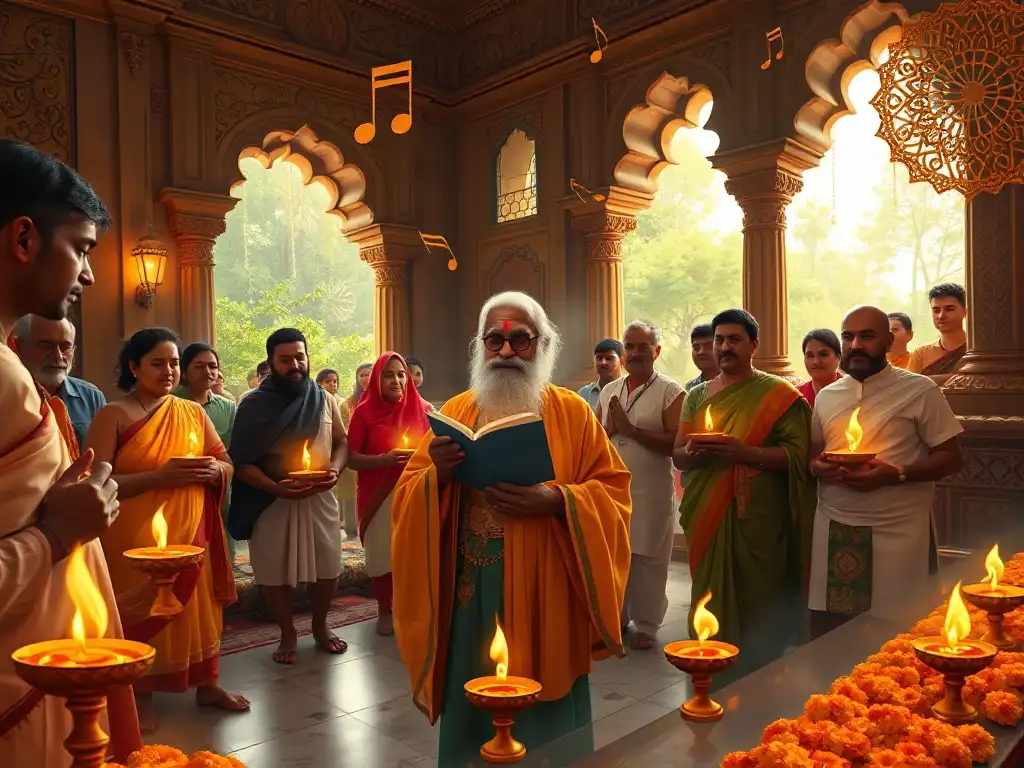
Vedic chanting holds a significant place in Hindu worship, offering a multitude of benefits that span mental, emotional, physical, and social dimensions. Rooted in ancient traditions, the practice of chanting Vedic mantras is not merely a form of prayer but a holistic approach that nurtures both the individual and the community. As practitioners engage in this sacred recitation, they unlock a treasure trove of advantages that enhance their spiritual experience and foster a deep connection to their cultural heritage.
Mental and Emotional Benefits of Chanting
The mental and emotional benefits of Vedic chanting are profound, serving as a catalyst for inner peace and clarity. Chanting mantras, which are often rhythmic and melodic, can induce a meditative state that calms the mind, reduces stress, and promotes relaxation. This practice is particularly beneficial in today’s fast-paced world, where anxiety and mental clutter can be overwhelming.
- Enhanced Focus and Concentration: Regular chanting helps sharpen one's focus and concentration. The repetitive nature of sound in Vedic chanting trains the mind to remain present, thus improving cognitive function and memory retention.
- Emotional Healing: Many practitioners report feelings of joy and contentment after chanting. The vibrations produced during chanting resonate within the body, facilitating emotional release and healing. This can lead to greater emotional stability and resilience against life's challenges.
- Spiritual Connection: Engaging in Vedic chanting allows individuals to connect with the divine and their inner selves. This spiritual connection fosters a sense of purpose and belonging, which is crucial for overall mental well-being.
Physical Health Improvements through Chanting
The act of chanting Vedic mantras also contributes to physical health improvements. The practice often involves specific postures and breath control, which can have beneficial effects on the body.
- Respiratory Benefits: Chanting requires controlled breathing, which strengthens the lungs and improves respiratory function. This can be particularly helpful for individuals suffering from respiratory ailments.
- Stress Reduction: The soothing sounds and vibrations of chanting can lower cortisol levels, thereby reducing stress and its associated health impacts, such as hypertension and heart disease.
- Holistic Healing: Many holistic health practitioners advocate for chanting as a complementary therapy. The vibrational frequency of mantras can promote healing at physical, emotional, and spiritual levels, creating a more integrated approach to health.
Community and Social Aspects of Vedic Chanting
Vedic chanting is not just an individual practice; it fosters a sense of community and belonging among practitioners.
- Collective Worship: Group chanting sessions, known as "satsangs," encourage communal participation, reinforcing social bonds and shared beliefs. This collective experience enhances feelings of unity and mutual support among participants.
- Cultural Transmission: Through communal chanting, the teachings and traditions of Hinduism are passed down through generations. This preserves cultural heritage and strengthens identity within communities.
- Spiritual Growth: Engaging with others in Vedic chanting can inspire personal spiritual growth, as individuals share insights and experiences, enriching each other’s understanding of the practice.
The Connection between Vedic Chanting and Other Hindu Practices
Vedic chanting is intricately connected to various other practices within Hinduism, illustrating the holistic nature of spiritual expression in this ancient tradition.
Vedic Chanting and Rituals: A Synergistic Relationship
The relationship between Vedic chanting and Hindu rituals is both synergistic and essential. Vedic mantras are often recited during rituals and ceremonies, amplifying their spiritual significance.
- Enhancing Ritual Efficacy: The chanting of specific mantras is believed to invoke divine blessings and energies, thereby enhancing the efficacy of the rituals. This alignment of sound and intention creates a powerful atmosphere conducive to spiritual experiences.
- Ritualistic Structure: Many rituals are structured around Vedic texts, where chanting plays a pivotal role. From weddings to religious festivals, the incorporation of mantras creates a sense of sacredness and reverence.
The Influence of Vedic Chanting on Yoga and Meditation
Vedic chanting significantly influences practices such as yoga and meditation, forming a foundational aspect of many modern interpretations of these disciplines.
- Chanting as a Meditative Practice: In yoga, chanting mantras can serve as a focal point during meditation, helping practitioners to concentrate and deepen their practice. The sound vibrations facilitate a meditative state that enhances mindfulness.
- Energy Alignment: Chanting is believed to align the energies within the body, promoting balance and harmony. This alignment supports the physical postures of yoga, allowing for a more profound and transformative practice.
The Vedic tradition of chanting is a multifaceted practice that enriches Hindu worship through its mental, emotional, physical, and communal benefits. Its deep connections to rituals, yoga, and meditation further highlight its integral role within the broader context of Hindu spirituality.
Modern Relevance of Vedic Chanting in Hindu Worship
Vedic chanting holds a significant place in contemporary Hindu worship, connecting practitioners with their spiritual heritage while serving as a medium for personal and communal expression. The recitation of Vedic hymns is not merely a ritualistic exercise; it is seen as a pathway to attain spiritual peace, enhance concentration, and foster a sense of unity within the community. As modern society grapples with stress and disconnection, the timeless wisdom encapsulated in Vedic chants offers solace and a return to one's roots.
Moreover, Vedic chanting is increasingly recognized for its psychological and physiological benefits. Scientific studies have highlighted the positive effects of chanting on mental health, such as reduced anxiety and improved focus. This has led to a resurgence in interest among younger generations who seek meaning and mindfulness in their daily lives. Consequently, Vedic chanting is being integrated into various wellness practices, yoga sessions, and meditation retreats, bridging ancient traditions with modern lifestyles.
Revitalization of Vedic Chanting Practices Today
The revitalization of Vedic chanting practices is evident across various platforms, including educational institutions, spiritual organizations, and online communities. Schools and universities have begun to incorporate Vedic studies into their curricula, teaching students not only the chants but also their historical context and philosophical significance. This educational approach helps to cultivate a new generation of practitioners who are knowledgeable and passionate about their cultural heritage.
Additionally, numerous spiritual organizations have initiated workshops and classes focused on Vedic chanting. These programs aim to demystify the practice, making it accessible to individuals regardless of their prior exposure to Hindu traditions. The communal aspect of chanting, often performed in groups, fosters a sense of belonging and encourages participants to engage deeply with ancient texts in a modern setting.
The Role of Technology in Preserving Vedic Chanting
Technology plays a pivotal role in the preservation and dissemination of Vedic chanting practices today. Digital platforms, including social media, podcasts, and video-sharing websites, have made it easier for practitioners and enthusiasts to share knowledge and resources. Online tutorials and live-streamed chanting sessions allow individuals from diverse backgrounds to learn Vedic chants, regardless of their geographical location.
Moreover, mobile applications dedicated to Vedic chanting provide users with tools for practice, such as audio recordings, pronunciation guides, and chant translations. These resources help to break down linguistic barriers, making Vedic texts more approachable for non-Sanskrit speakers. As such, technology is not only preserving the tradition but also enabling its evolution in contemporary contexts.
Conclusion: The Enduring Legacy of Vedic Chanting in Hindu Worship
Vedic chanting stands as a testament to the enduring legacy of ancient Indian traditions within Hindu worship. Its significance transcends the boundaries of time, offering spiritual nourishment and a means of connecting with the divine. By engaging with Vedic chants, practitioners foster a deeper understanding of the sacred texts and the philosophies that underpin them, ensuring that these teachings continue to resonate with future generations.
Reflection on the Importance of Vedic Chanting
Reflecting on the importance of Vedic chanting reveals its multifaceted role in Hindu worship. Beyond the spiritual dimensions, chanting serves as an educational tool, a cultural anchor, and a means of personal transformation. The rhythmic sounds and profound meanings embedded in these chants create a meditative atmosphere, allowing devotees to transcend the mundane and connect with the divine essence.
In a world characterized by rapid change and uncertainty, Vedic chanting provides stability and continuity. It acts as a bridge linking the past with the present, enabling individuals to draw upon ancient wisdom while navigating contemporary challenges.
Future of Vedic Chanting in Contemporary Hinduism
The future of Vedic chanting in contemporary Hinduism looks promising as interest continues to grow. As more people seek holistic approaches to health and spirituality, the practice of Vedic chanting is likely to gain further traction. Efforts to integrate Vedic chanting into mainstream wellness and meditation practices will enhance its visibility and relevance.
Furthermore, as global awareness of Hindu traditions increases, Vedic chanting may attract interest from individuals outside the faith, fostering cross-cultural exchanges and promoting a broader understanding of its significance. In this way, Vedic chanting can evolve while remaining rooted in its ancient origins, continuing to inspire and uplift generations to come.
- Introduction to Vedic Chanting in Hindu Worship
- The Role of Vedic Chanting in Hindu Worship
- Types of Vedic Chants Used in Worship
- The Techniques of Vedic Chanting
- The Benefits of Vedic Chanting in Hindu Worship
- The Connection between Vedic Chanting and Other Hindu Practices
- Modern Relevance of Vedic Chanting in Hindu Worship
- Conclusion: The Enduring Legacy of Vedic Chanting in Hindu Worship
Frequently Asked Questions
What is Vedic chanting in Hindu worship?
Vedic chanting refers to the recitation of ancient texts known as Vedas, which are foundational to Hinduism. It plays a crucial role in religious practices and rituals.
Why is Vedic chanting considered important?
Vedic chanting is seen as a means to connect spiritually with the divine. It is believed to enhance concentration, promote peace, and purify the environment through its sound vibrations.
How does Vedic chanting influence Hindu rituals?
In Hindu rituals, Vedic chanting is often performed to invoke blessings, establish a sacred atmosphere, and fulfill spiritual intentions. It enhances the ritualistic experience and fosters a sense of community.
What are the benefits of practicing Vedic chanting?
Practicing Vedic chanting can lead to improved mental clarity, reduced stress, and a deeper sense of spiritual connection. It is also said to have physical benefits, such as promoting better respiration.
Can anyone learn Vedic chanting?
Yes, anyone interested can learn Vedic chanting. Many resources, including classes, online tutorials, and books, are available to help individuals understand and practice this ancient tradition.
Final Reflection: The Enduring Power of Vedic Chanting in Hindu Worship
The significance of Vedic chanting in Hindu worship is not merely a relic of the past; it is a vibrant practice that resonates deeply with contemporary spiritual seekers. In an age where the fast pace of life often overshadows our connection to tradition, the melodic recitation of Vedic verses serves as a powerful reminder of the sacredness embedded in our rituals. This ancient practice continues to bridge the gap between the divine and the mundane, offering solace and spiritual elevation to those who engage with it.
Culturally, Vedic chanting has transcended its origins, influencing various aspects of art, music, and spirituality across the globe. The rhythmic patterns and profound meanings encapsulated in these chants foster a sense of unity and reverence among practitioners. As the renowned scholar Swami Vivekananda once said, The greatest service which can be rendered to any country is to add a little more to the sum of its knowledge.
This knowledge, steeped in the wisdom of the Vedas, encourages us to explore our inner selves and cultivate a deeper understanding of our place in the universe.
As you reflect on the insights shared in this article, consider how you can incorporate the practice of Vedic chanting into your own life. Embrace the opportunity to connect with your spiritual heritage, allowing the chants to guide you toward a greater sense of peace and purpose. Whether through personal practice, community gatherings, or simply listening to the chants, let this ancient tradition inspire you to foster a profound connection with the divine and enhance your journey in Hindu worship.
Unveil the Transformative Power of Chanting!
Thank you for taking the time to explore the fascinating world of Vedic chanting and its profound significance in Hindu worship. You've uncovered the beauty of this ancient tradition, and now it's time to experience its benefits personally.
Here’s how you can dive deeper and integrate this practice into your life:
- Start your chanting journey today: Select a mantra that resonates with you and dedicate just a few minutes each day to chant it mindfully.
- Join a local or online chanting group: Connect with others who share your interest in Vedic traditions for inspiration and support.
- Share your experiences: Discuss the impact chanting has had on your life with friends or on social media—it can inspire others to embark on their own journey!
What mantra will you choose to begin this transformative journey, and how do you believe it will enhance your daily routine?