
The Life of the Great Teacher: The Legacy of Padmasambhava in Tibetan Buddhism

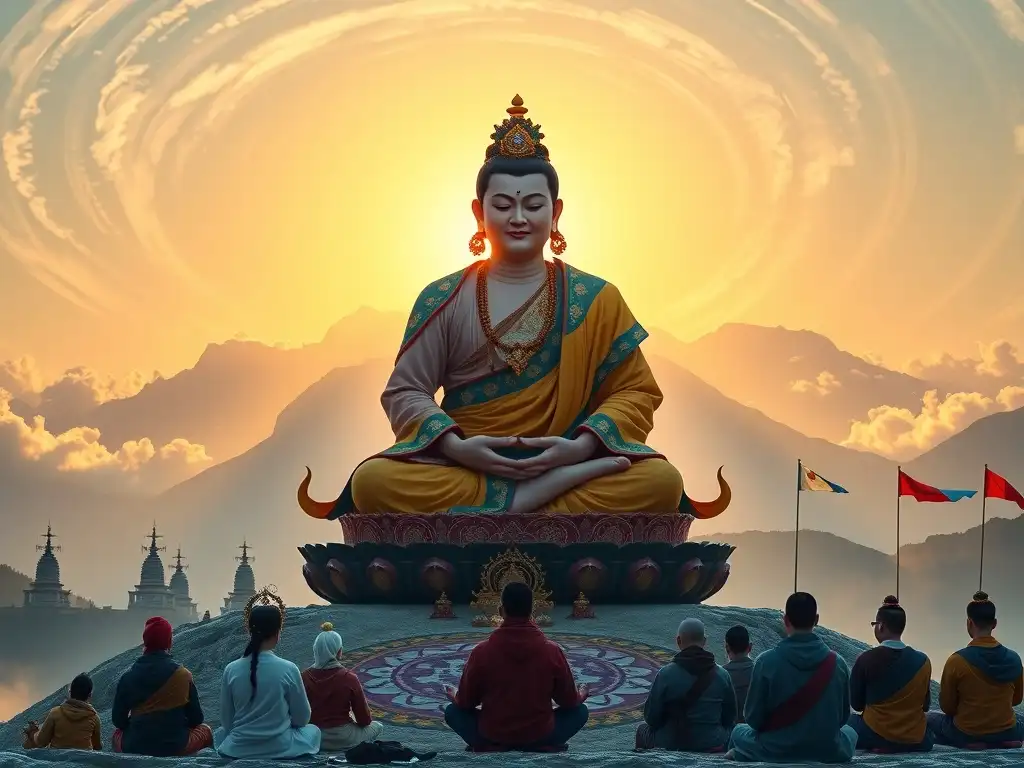
Welcome to Ancient India History, where we embark on a captivating journey through the rich tapestry of ancient Indian civilizations. Delve deep into the fascinating realms of history, culture, and the remarkable contributions that shaped the Indian subcontinent. In this exploration, we shine a light on an extraordinary figure, Padmasambhava, whose profound influence on Buddhism continues to resonate through the ages.
Prepare to uncover the layers of his legacy in Tibetan Buddhism and discover how his teachings transformed spiritual practices. Join us as we unravel the intriguing connections between the past and the present, igniting your curiosity to learn more about this pivotal figure and his enduring impact.
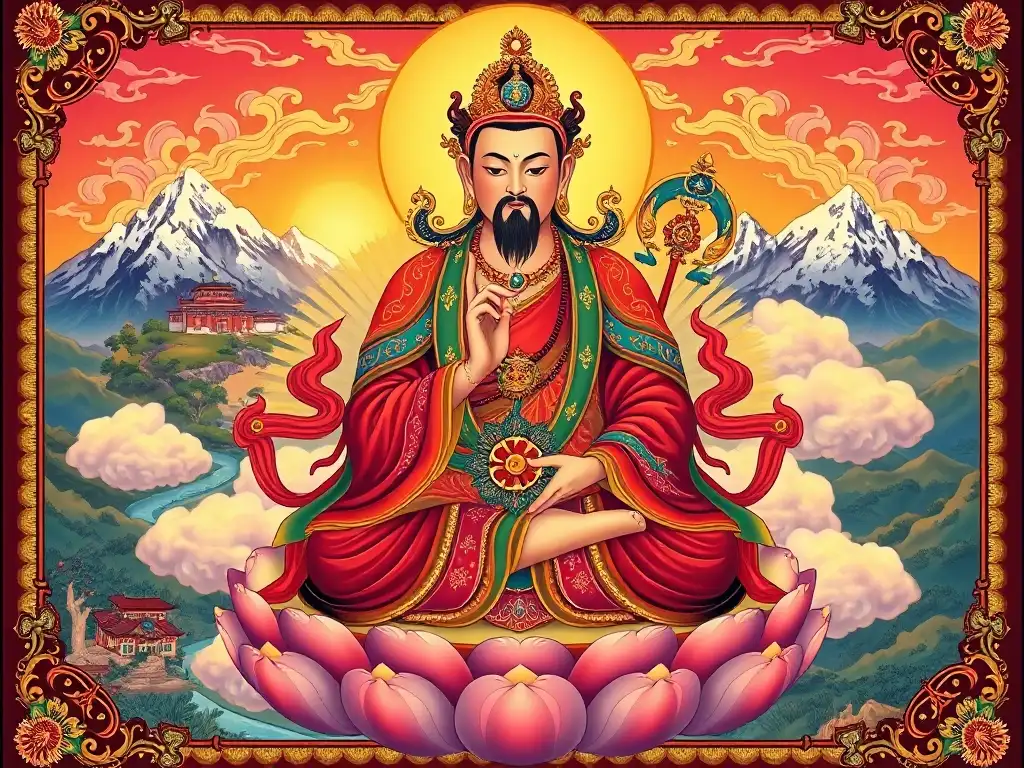
Exploring the rich tapestry of Tibetan Buddhism reveals the profound influence of Padmasambhava, also known as Guru Rinpoche, a seminal figure whose teachings and legacy continue to shape the spiritual landscape of Tibet and beyond. Revered as a great teacher and a key figure in the establishment of Buddhism in Tibet, Padmasambhava's life story is intertwined with the very essence of Tibetan culture and spirituality.
His contributions are not only pivotal in the context of Tibetan Buddhism but also resonate with the broader themes of ancient Indian religions, illustrating a remarkable fusion of indigenous beliefs and Buddhist principles. This article delves into Padmasambhava's influence on Buddhism, exploring his life, teachings, and the enduring legacy he left behind.
Introduction to Padmasambhava's Influence on Buddhism
Padmasambhava's influence on Buddhism is multifaceted, extending beyond mere teachings to encompass a deep cultural and spiritual integration within Tibetan society. Often credited with bringing Vajrayana Buddhism to Tibet during the 8th century, his role was not just as a teacher but as a spiritual liberator. His methods of teaching incorporated local traditions, making the Buddhist doctrine more accessible and relatable to the Tibetan people. This unique blend of teachings contributed significantly to the establishment of a distinct Tibetan Buddhist identity, which continues to thrive today.
Key aspects of Padmasambhava's influence include:
- Integration of local beliefs: His teachings harmonized Buddhist principles with pre-existing Tibetan spiritual practices.
- Establishment of monastic institutions: He played a crucial role in founding key monasteries that became centers of learning and spiritual practice.
- Transmission of esoteric knowledge: Padmasambhava is often associated with the transmission of tantric practices, which are central to Vajrayana Buddhism.
Overview of Padmasambhava's Life and Teachings
Early Life and Background of Padmasambhava
Padmasambhava's early life is shrouded in myth and legend, with various accounts depicting his origins. Commonly believed to be born in the 8th century in the region of Oddiyana, he is said to have emerged from a lotus flower, hence his name "Padmasambhava," which translates to "born of the lotus." His formative years were marked by rigorous training in various spiritual traditions, which eventually led him to the Indian subcontinent, where he encountered and learned from renowned masters of the time.
Key milestones in his early life include:
- Training under influential teachers: He studied under several prominent figures, gaining a comprehensive understanding of Buddhist philosophy and practice.
- Encounters with deities and spirits: Padmasambhava is often depicted as having direct interactions with deities, which further shaped his spiritual development and teachings.
Key Teachings and Philosophies in Tibetan Buddhism
The teachings of Padmasambhava are characterized by their depth and complexity, often blending profound philosophical insights with practical guidance for spiritual practitioners. His approach to Buddhism emphasizes the importance of direct experience, meditation, and the transformation of the mind.
Core elements of his teachings include:
- Tantric practices: Padmasambhava is credited with systematizing various tantric rituals and practices, which are integral to Vajrayana Buddhism.
- Emphasis on compassion and wisdom: His teachings advocate for the cultivation of both compassion (karuna) and wisdom (prajna) as essential components of spiritual development.
- Non-duality: He taught that the dualities of existence are ultimately illusory, emphasizing the realization of the inherent unity of all phenomena.
Through this exploration of Padmasambhava's life and teachings, we gain insight into his profound impact on Tibetan Buddhism and the spiritual heritage of the region. His legacy endures not only in the texts and practices that bear his name but also in the hearts of countless practitioners who continue to draw inspiration from his teachings.
The Historical Context of Padmasambhava's Influence
Padmasambhava, also known as Guru Rinpoche, emerged during a pivotal time in the history of Buddhism, specifically in the 8th century CE. This era marked a significant transformation in the spread of Buddhist teachings beyond India into the regions of Central Asia, including Tibet. The historical backdrop of Padmasambhava's life is characterized by the declining power of the Gupta Empire in India, which had long been a bastion of Buddhist learning and practice. As political and social changes unfolded, various local rulers began to embrace Buddhism as a means of legitimizing their authority and promoting cultural exchange.
The flourishing of Buddhism in ancient India coincided with the rise of numerous monastic universities, such as Nalanda and Vikramashila, which became centers of learning and attracted scholars from various regions. This environment fostered the development of diverse Buddhist schools of thought, including Mahayana and Vajrayana. Padmasambhava's teachings and practices were deeply influenced by these traditions, allowing him to synthesize and adapt them for the unique cultural landscape of Tibet.
The Role of Buddhism in Ancient India
Buddhism played a transformative role in ancient Indian society, shaping philosophical thought, art, and culture. Originating in the 5th century BCE with the teachings of Siddhartha Gautama, known as the Buddha, Buddhism quickly gained traction among various social classes. The Mauryan Emperor Ashoka, who reigned in the 3rd century BCE, is particularly notable for his active promotion of Buddhism, both within India and beyond its borders.
Buddhism emphasized principles such as compassion, non-violence, and the quest for enlightenment, which resonated with many people during this period. The establishment of stupas and monasteries became prominent, serving as focal points for worship and community engagement. This religious framework contributed to a rich tapestry of cultural and artistic expression, influencing literature, sculpture, and painting.
As Buddhism evolved, it began to incorporate local beliefs and practices, leading to the emergence of various sects and schools. The doctrinal developments during this time laid the groundwork for the later spread of Buddhism into neighboring regions, including Tibet, where Padmasambhava would play a crucial role.
The Arrival of Buddhism in Tibet
Buddhism was introduced to Tibet in the 7th century CE, primarily through the efforts of King Songtsen Gampo, who sought to unify the region and promote cultural exchange. His marriage to a Chinese princess, as well as a Nepalese princess, facilitated the importation of Buddhist texts and practices. However, the initial attempts to establish Buddhism faced significant challenges, including resistance from indigenous Bon practices and the lack of a coherent organizational structure.
Padmasambhava's arrival in Tibet around the late 8th century marked a turning point in the establishment of Buddhism. His legendary journey, often depicted in hagiographies, illustrates his role as a spiritual teacher and protector who overcame obstacles and converted skeptics. Through his profound mastery of both the esoteric and exoteric aspects of Buddhism, he became instrumental in solidifying the foundations of the faith in Tibet.
With Padmasambhava's guidance, many monasteries were established, and the Tibetan script was developed to translate and preserve Buddhist texts. His efforts not only helped to root Buddhism in Tibetan culture but also laid the groundwork for a uniquely Tibetan form of the religion that would flourish in the centuries to come.
Padmasambhava's Contributions to Tibetan Buddhism
Padmasambhava's contributions to Tibetan Buddhism are multifaceted and deeply impactful. He is revered as a principal figure in the establishment of the Nyingma school, the oldest of the four major schools of Tibetan Buddhism. His teachings, often characterized by their emphasis on tantric practices, mysticism, and the integration of local traditions, have left an indelible mark on the practice and understanding of Buddhism in Tibet.
Establishment of the Nyingma School
The Nyingma school, founded by Padmasambhava, is distinguished by its emphasis on the teachings of the terma, or hidden treasures. These terma consist of teachings and texts believed to have been concealed by Padmasambhava for future generations, only to be revealed by recognized tertöns (treasure finders) at appropriate times. This unique aspect of Nyingma practice underscores the belief in the continued relevance of Padmasambhava's wisdom and the adaptability of Buddhist teachings to evolving cultural contexts.
The Nyingma tradition also places significant importance on the practice of Dzogchen, a path to realizing the innate nature of mind. Padmasambhava's teachings on Dzogchen are regarded as profound instructions that guide practitioners toward spiritual awakening. Through the establishment of this school, Padmasambhava ensured the preservation and dissemination of teachings that continue to inspire countless practitioners today.
Integration of Tantric Practices and Buddhism
One of Padmasambhava's most notable contributions to Tibetan Buddhism is his integration of tantric practices with traditional Buddhist teachings. He adeptly blended the mystical elements of Indian Vajrayana Buddhism with local Tibetan customs and beliefs. This synthesis created a distinctive path that appealed to a wide audience, allowing for greater accessibility to spiritual practices.
Padmasambhava introduced various rituals, visualizations, and meditative techniques that form the core of Tibetan tantric practices today. This includes the use of mantras, mudras, and mandalas, which serve as essential tools for practitioners seeking to transform their mind and attain enlightenment. His teachings emphasized the importance of direct experience and personal realization, fostering a dynamic and experiential approach to spirituality.
The Role of Padmasambhava in the Transmission of Buddhist Texts
Padmasambhava's role in the transmission of Buddhist texts cannot be overstated. He is credited with translating numerous foundational scriptures from Sanskrit into Tibetan, thereby making these teachings accessible to a new audience. His collaborative efforts with Tibetan scholars and translators were crucial in the establishment of a robust literary tradition that would support the growth of Buddhism in the region.
Through his legendary activities, Padmasambhava is believed to have hidden many texts and teachings, ensuring their preservation for future generations. This practice of concealing and revealing wisdom aligns with the Nyingma tradition's emphasis on terma, allowing practitioners to engage with teachings that resonate with their current spiritual needs.
Padmasambhava's influence on Buddhism is profound and enduring. His ability to adapt teachings, integrate diverse practices, and establish a structured approach to spirituality paved the way for the vibrant and multifaceted landscape of Tibetan Buddhism that continues to thrive today.
The Legacy of Padmasambhava in Tibetan Culture
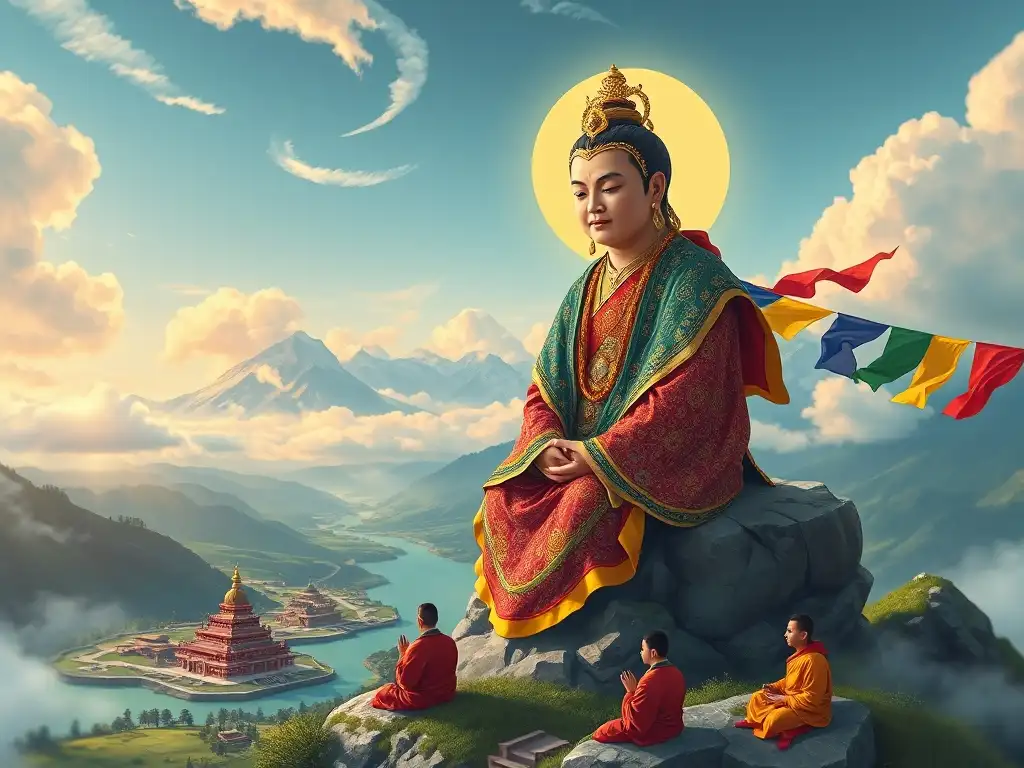
Padmasambhava, often referred to as Guru Rinpoche, is a pivotal figure in Tibetan Buddhism, revered for his profound influence on the spiritual and cultural landscape of Tibet. His arrival in the 8th century marked a significant turning point, as he played an essential role in establishing and nurturing the teachings of Buddhism in the region. The legacy of Padmasambhava extends beyond religious doctrines; it encompasses art, rituals, and social practices, deeply intertwining his teachings with the very fabric of Tibetan culture.
His teachings emphasize the importance of compassion, wisdom, and the interdependence of all beings, principles that resonate throughout Tibetan society. The integration of indigenous beliefs with Buddhist teachings, particularly through the concept of terma (hidden treasures), showcases his adaptability and relevance. This blend has allowed Tibetan Buddhism to flourish, creating a unique spiritual identity that continues to evolve while remaining anchored in Padmasambhava's teachings.
Influence on Tibetan Art and Iconography
Padmasambhava’s influence on Tibetan art and iconography is profound and multifaceted. He is often depicted in various forms, each representing different aspects of his teachings and spiritual power. Common representations include him in a meditative posture, adorned with intricate garments and jewelry, holding a vajra and a skull cup, symbolizing his mastery over the dualities of existence.
The art inspired by Padmasambhava extends to thangka paintings, sculptures, and murals, which are prevalent in monasteries across Tibet. These artworks serve both a devotional purpose and an educational one, conveying complex philosophical concepts in a visual format that is accessible to the faithful. Additionally, the symbolism associated with Padmasambhava, such as the lotus flower and the tiger, has permeated Tibetan art, enriching its aesthetic and spiritual dimensions.
Moreover, many of the traditional forms of Tibetan art that emerged during the early spread of Buddhism were heavily influenced by Padmasambhava’s teachings. This includes the intricate mandalas and ritual implements used in ceremonies, which are often imbued with meanings derived from his life and teachings.
Padmasambhava's Impact on Tibetan Rituals and Practices
The rituals and practices of Tibetan Buddhism are deeply rooted in the teachings of Padmasambhava. His emphasis on the importance of rituals as a means of connecting with the divine is evident in various ceremonies, including initiation rites, empowerment rituals, and the practice of puja. These rituals often incorporate mantras and visualizations that are directly linked to Padmasambhava's teachings, allowing practitioners to cultivate spiritual insight and transformation.
One of the most significant contributions of Padmasambhava to Tibetan rituals is the introduction of the concept of terma. This involves the discovery of hidden teachings and texts that are believed to be revealed at the right time to benefit future generations. The practices surrounding terma are integral to the spiritual life of Tibetan Buddhists, fostering a sense of continuity and connection to Padmasambhava’s legacy.
Additionally, the incorporation of Padmasambhava's teachings into daily practices, such as meditation and prayer, has shaped the spiritual lives of countless practitioners. His mantras, particularly the famous Om Ah Hum, are widely chanted, believed to invoke his blessings and protection, further embedding his influence into the daily rituals of Tibetan Buddhism.
The Role of Padmasambhava in Tibetan Festivals and Celebrations
Padmasambhava plays a central role in various Tibetan festivals, most notably the Guru Rinpoche Day, which celebrates his life and teachings. This day is marked by ceremonies, prayers, and offerings dedicated to Padmasambhava, reflecting the deep reverence held for him among practitioners. Monasteries often conduct elaborate rituals, including the recitation of sacred texts and the performance of dances that recount his life story.
Another significant festival associated with Padmasambhava is the Saga Dawa, which commemorates his birth, enlightenment, and parinirvana. During this time, Tibetan Buddhists engage in various acts of merit-making, such as giving to charity, performing prostrations, and engaging in pilgrimage, all aimed at honoring the legacy of Padmasambhava.
The influence of Padmasambhava is also felt during other celebrations, where his teachings are invoked to bless the community and promote harmony. These festivals serve not only as a means of religious observance but also as an opportunity for the community to come together, reinforcing social bonds and cultural identity through shared spiritual practices.
Comparative Analysis of Padmasambhava and Other Key Figures in Buddhism
The significance of Padmasambhava in the context of Buddhism can be further understood through a comparative analysis with other key figures within the tradition. His unique approach and contributions highlight both similarities and differences in the teachings and practices of Buddhism.
Padmasambhava vs. Shakyamuni Buddha: A Comparison of Teachings
While Shakyamuni Buddha, the historical Buddha, laid the foundational teachings of Buddhism—such as the Four Noble Truths and the Eightfold Path—Padmasambhava expanded upon these teachings in the context of Tibetan culture. Shakyamuni emphasized individual enlightenment and the cessation of suffering, while Padmasambhava integrated these concepts with local beliefs, creating a syncretic form of Buddhism that addressed the specific spiritual needs and cultural context of the Tibetan people.
Padmasambhava's teachings often focus on the importance of bardo (the intermediate state), and he introduced practices that help practitioners navigate these transitional states after death. This focus on the afterlife and spiritual journey contrasts with Shakyamuni's more immediate concerns regarding suffering in the present life. Furthermore, Padmasambhava’s emphasis on the use of rituals and the concept of terma reflects a broader, more communal approach to spirituality, engaging practitioners in a collective journey toward enlightenment.
The Influence of Padmasambhava Compared to Other Buddhist Masters
When comparing Padmasambhava's influence to that of other Buddhist masters, such as Nagarjuna or Tsongkhapa, it becomes clear that each figure has made distinct contributions to the evolution of Buddhism. Nagarjuna is known for his philosophical developments, particularly the concept of emptiness ( shunyata), which has had a lasting impact on Mahayana Buddhism. In contrast, Padmasambhava's focus on ritual, mysticism, and the integration of local practices has made him a central figure in Tibetan Buddhism specifically.
Tsongkhapa, a later figure in Tibetan history, emphasized the importance of ethics and monastic discipline, shaping the Gelug tradition. While Padmasambhava’s influence is foundational, particularly in the Nyingma school, Tsongkhapa’s teachings built upon these earlier traditions, leading to the establishment of a distinct philosophical framework within Tibetan Buddhism.
Ultimately, while all these figures have contributed significantly to the development of Buddhist thought and practice, Padmasambhava's unique blend of indigenous beliefs with core Buddhist tenets has solidified his legacy as a transformative figure in Tibetan culture, making him indispensable to understanding the rich tapestry of Buddhism's history and its diverse expressions across different cultures.
Modern Interpretations of Padmasambhava's Influence on Buddhism
Padmasambhava, also known as Guru Rinpoche, remains a pivotal figure in the landscape of Tibetan Buddhism. His teachings and practices have undergone various interpretations in modern contexts, adapting to the needs of contemporary practitioners while retaining their core essence. Scholars and practitioners alike examine his influence through multiple lenses, including historical, spiritual, and sociocultural perspectives.
In contemporary Buddhist practice, Padmasambhava's emphasis on direct experience and personal realization is often highlighted. Many modern teachers stress the importance of his methods, such as the Nyingma tradition's focus on the practice of Dzogchen, which emphasizes innate awareness and the nature of mind. This adaptability of his teachings allows them to resonate with the diverse experiences of modern practitioners, fostering a deeper connection with the teachings and contributing to their relevance today.
Contemporary Relevance of Padmasambhava's Teachings
The teachings of Padmasambhava continue to be profoundly relevant in today's fast-paced world. His emphasis on compassion, mindfulness, and the transformative power of meditation speaks to individuals seeking peace and clarity amid life's chaos. Modern interpretations often emphasize the integration of traditional practices with contemporary life, encouraging practitioners to apply his wisdom to personal and societal challenges.
Moreover, Padmasambhava’s teachings on the illusory nature of reality resonate with modern psychological insights into perception and cognition. As individuals navigate issues related to stress, anxiety, and existential questions, the teachings of Padmasambhava provide a framework for understanding the mind and cultivating resilience. This relevance has sparked renewed interest in his practices, leading to workshops, retreats, and literature that explore his contributions to well-being and spiritual advancement.
Padmasambhava in Modern Tibetan Buddhism
In modern Tibetan Buddhism, Padmasambhava's legacy is preserved through various schools, particularly the Nyingma tradition, which venerates him as the primary teacher. His life stories, known as "terma," or treasure texts, continue to inspire practitioners and are frequently referenced in teachings and rituals. These texts often reveal hidden wisdom that is believed to be uncovered for the benefit of future generations.
Additionally, Padmasambhava's image and teachings have transcended geographical boundaries, influencing Buddhist communities worldwide. Many Tibetan Buddhist centers outside Tibet incorporate his practices into their curricula, adapting rituals and teachings to resonate with local cultures while maintaining their Tibetan roots. This global spread of Padmasambhava's influence highlights the adaptability and universality of his teachings, ensuring their relevance in diverse contexts.
Conclusion: The Enduring Legacy of Padmasambhava in Buddhism
The enduring legacy of Padmasambhava in Buddhism is a testament to his profound impact on spiritual practice and philosophy. His life and teachings have shaped the trajectory of Tibetan Buddhism, fostering a rich tradition that continues to evolve and inspire practitioners across the globe. The integration of his insights into modern contexts underscores the timeless nature of his wisdom and its applicability in addressing contemporary issues.
Summary of Padmasambhava's Lasting Impact
Padmasambhava's lasting impact on Buddhism can be summarized through several key aspects:
- Integration of Tantric Practices: He played a crucial role in establishing and integrating Tantric practices within Tibetan Buddhism, which continue to be foundational for many practitioners.
- Promotion of Compassion and Wisdom: His teachings emphasize the balance of compassion and wisdom, guiding practitioners toward enlightenment while fostering a deep sense of interconnectedness with all beings.
- Cultural Synthesis: Padmasambhava's ability to synthesize various spiritual traditions into Buddhism has led to a rich tapestry of beliefs and practices that remain vibrant today.
Future Prospects of Padmasambhava's Influence on Buddhism
Looking to the future, Padmasambhava's influence on Buddhism is likely to grow, especially as interest in mindfulness and meditation continues to rise globally. His teachings provide a robust framework for addressing contemporary challenges, such as mental health, interpersonal relationships, and societal conflicts.
As more people seek spiritual guidance and holistic practices, the teachings of Padmasambhava can offer valuable insights into navigating life's complexities. Additionally, initiatives to preserve and share Tibetan Buddhist practices globally will ensure that Padmasambhava's teachings are accessible to new generations, allowing his legacy to thrive in a rapidly changing world.
The enduring legacy of Padmasambhava in Buddhism is not only a matter of historical significance but also represents a living tradition that continues to adapt and inspire, ensuring its relevance for future practitioners.
- Introduction to Padmasambhava's Influence on Buddhism
- Overview of Padmasambhava's Life and Teachings
- The Historical Context of Padmasambhava's Influence
- Padmasambhava's Contributions to Tibetan Buddhism
- The Legacy of Padmasambhava in Tibetan Culture
- Comparative Analysis of Padmasambhava and Other Key Figures in Buddhism
- Modern Interpretations of Padmasambhava's Influence on Buddhism
- Conclusion: The Enduring Legacy of Padmasambhava in Buddhism
Frequently Asked Questions
What is Padmasambhava known for in Tibetan Buddhism?
Padmasambhava, also known as Guru Rinpoche, is credited with bringing Buddhism to Tibet and establishing its foundations, making him a central figure in Tibetan Buddhist teachings.
How did Padmasambhava influence Tibetan culture?
His teachings and practices significantly shaped Tibetan culture, integrating local beliefs with Buddhism, leading to a unique blend that is still evident in Tibetan rituals and traditions today.
What are the key contributions of Padmasambhava to Buddhist teachings?
Padmasambhava introduced essential tantric practices and methods, emphasizing the importance of meditation and spiritual transformation, which are vital components of Tibetan Buddhism.
In what ways is Padmasambhava revered in modern Buddhism?
Today, he is revered as a spiritual protector and a powerful figure in Tibetan Buddhism, with many practitioners seeking his blessings for guidance and protection on their spiritual paths.
How does Padmasambhava's legacy continue to affect Buddhism today?
Padmasambhava's influence persists through various lineages and teachings in Buddhism, particularly in the Nyingma school, where his legacy is celebrated in rituals, texts, and spiritual practices.
Final Reflection: The Enduring Legacy of Padmasambhava's Influence on Buddhism
Padmasambhava's influence on Buddhism remains profoundly relevant today, as his teachings continue to shape the spiritual landscape of Tibetan Buddhism and beyond. His ability to integrate diverse cultural elements into a cohesive spiritual framework exemplifies the power of adaptability in religious practice. As we navigate an increasingly complex world, the wisdom of Padmasambhava serves as a guiding light, reminding us of the importance of compassion, understanding, and the transformative potential of spiritual practice.
The legacy of Padmasambhava has not only shaped Tibetan Buddhism but has also permeated global spiritual movements, fostering a deeper appreciation for the interconnectedness of all beings. His teachings encourage us to look beyond the surface and engage with the profound truths that lie within. The mind is the source of all things; it is the root of all that is good and bad.
This quote encapsulates the essence of Padmasambhava's message, urging us to cultivate mindfulness and awareness in our daily lives, thereby influencing our interactions with ourselves and others.
As we reflect on the teachings of Padmasambhava, I invite you to consider how his legacy can inspire your own spiritual journey. Embrace the lessons of compassion, resilience, and transformation that he imparted, and allow them to guide your actions and thoughts. In a world that often feels divided, let us strive to embody the principles of unity and understanding that Padmasambhava championed, ensuring that his influence on Buddhism continues to resonate in our lives and the lives of future generations.
Embrace the Wisdom of Padmasambhava Today!
Thank you for journeying with us through the remarkable legacy of Padmasambhava in Tibetan Buddhism! We hope you gained inspiring insights into his teachings and the profound impact he has had on spiritual practices. Now, let's take those insights and transform them into meaningful action.
Here are some ways you can deepen your connection to Padmasambhava's teachings and share his wisdom with others:
- Join a local meditation group focused on Tibetan practices to experience the teachings in a communal setting.
- Expand your understanding by reading literature on Tibetan Buddhism or attending workshops to immerse yourself in this rich spiritual tradition.
- Share this article with friends or family who may benefit from Padmasambhava's teachings, and invite them to engage in discussions about the significance of spiritual legacies.
What step will you take today to connect with the teachings of Padmasambhava, and how might it transform your spiritual journey?